
Review · CITY TOURS
Lucca: 2-Hour City Center Walking Tour
Lucca reveals itself on foot. This two-hour city tour gives you a clear route through the old center, from the Romanesque Church of San Michele to the broad streets around Piazza Napoleone and the city walls. I like the gentle pace, and I like that local guides such as Roberta, Lucia, Vittoria, and Giorgio add stories, humor, and everyday details rather than simply reciting dates. The main thing to consider is that the tour runs in English and Italian at the same time, so some explanations may take longer than they would on an English-only walk.
At $17 per person, this is an unusually affordable way to get oriented before exploring Lucca on your own. I especially like the stop at Piazza Anfiteatro and the chance to understand how Lucca’s walls shape modern city life. The €3 cathedral entrance fee is extra, and the tour may feel less focused if you prefer a single-language experience or a detailed interior visit at every church.
In This Review
- Key points to know before you book
- Why a walking tour suits Lucca so well
- San Michele and Lucca’s Romanesque character
- Piazza Napoleone and Via Fillungo
- Torre delle Ore and Torre Guinigi
- San Frediano and the old city’s layers
- Piazza Anfiteatro, where Roman foundations shape a modern square
- Walking the sixteenth-century walls
- Lucca Cathedral and the optional €3 interior visit
- The guides make the biggest difference
- Price, timing, and who gets the most from it
- Should you book this Lucca walking tour?
- FAQ
- How long is the Lucca walking tour?
- Where does the tour begin?
- What language is the tour conducted in?
- Is the Lucca Cathedral entrance included?
- What sights are included on the route?
- What should I bring?
- Can I cancel the booking?
Key points to know before you book
- A gentle two-hour introduction: The walk covers Lucca’s central sights without turning into a forced march.
- San Michele anchors the route: This more than 1,000-year-old church gives you a strong first look at Lucca’s ornate Romanesque architecture.
- The walls are part of the city, not just a monument: You’ll learn why Lucca’s sixteenth-century fortifications still matter to daily life.
- Expect a bilingual presentation: Your guide speaks English and Italian throughout the tour.
- The Cathedral visit is optional: The walk ends at Lucca Cathedral, with a €3 entrance fee if you want your guide to show you the interior.
- Local stories add flavor: Guides have explained everything from Lucca’s food and architecture to the local connection between wasps and Vespas.
Why a walking tour suits Lucca so well
Lucca is compact, old, and easy to explore once you understand its layout. Its historic center is enclosed by broad sixteenth-century walls, and many of the major sights sit within a comfortable walking distance of one another. That makes a guided walk a useful first step, especially if you have only a day in town.
I like the way this tour treats Lucca as a living city rather than a museum. You’ll see grand churches and medieval towers, but you’ll also pass along Via Fillungo, the main shopping street, and through piazzas that still serve as ordinary meeting places.
The walk begins at the Tourist Information Office at Vecchia Porta San Donato, beside Piazzale Giuseppe Verdi. Arrive ready to walk on uneven historic streets, and wear comfortable shoes. The route is listed as wheelchair accessible, though the exact ease of each stop can depend on the street surface and the group’s movement between sights.
The tour has earned a 4.7 rating from 1,314 ratings, and the strongest praise centers on the guides. That matters here. Lucca’s buildings are beautiful on their own, but a local guide can explain why they look the way they do and point out details you might otherwise pass without noticing.
More Walking Tours in Florence
- Florence: Guided Walking Tour
★ 4.5 · 3,334 reviews - Skip the line: Uffizi and Accademia Small Group Walking Tour
★ 4.5 · 3,135 reviews - Florence: Guided Walking Tour
★ 4.6 · 1,602 reviews
San Michele and Lucca’s Romanesque character
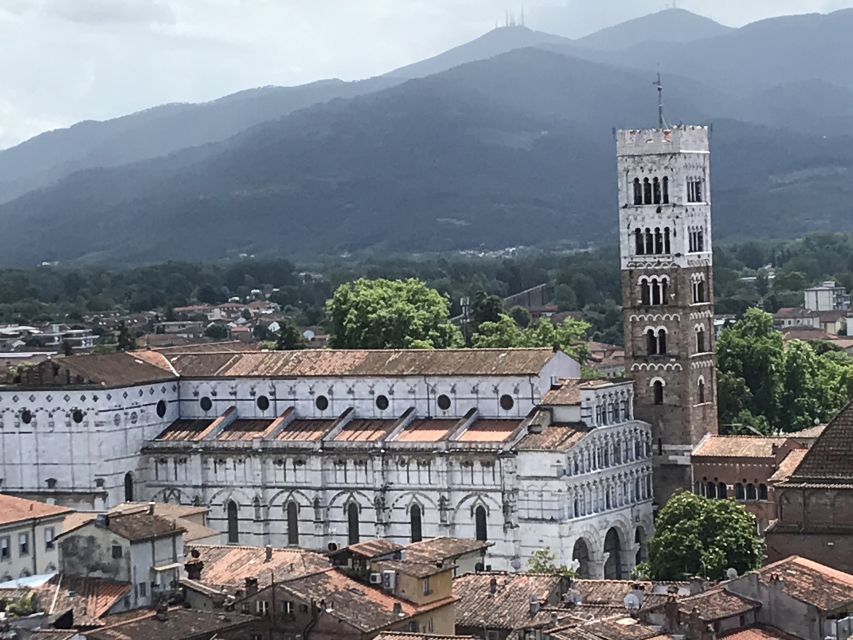
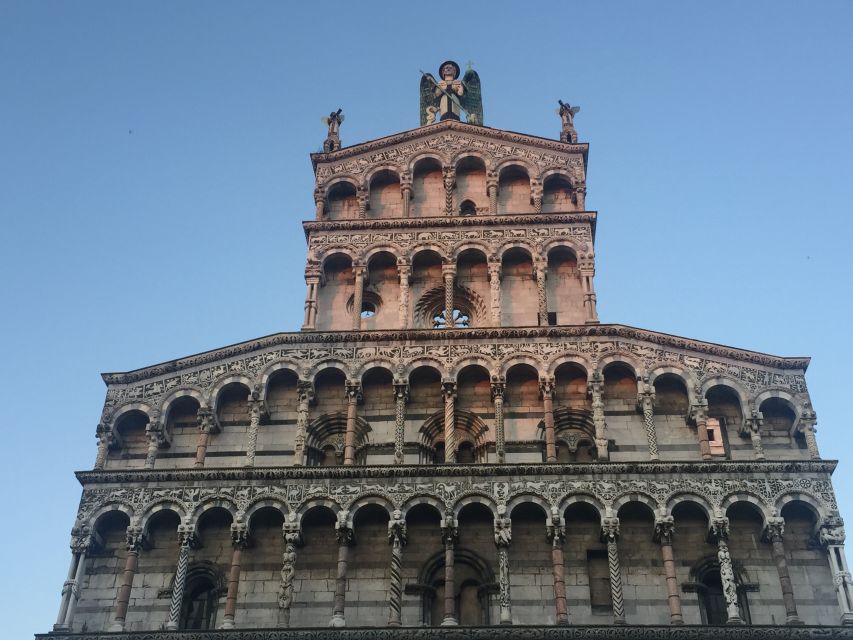
The Church of San Michele is one of the early major stops and one of the most memorable. It is more than 1,000 years old, and its ornate facade gives you an immediate lesson in Lucca’s architectural style.
Look up before you hurry inside or onward. The facade is crowded with decorative details, and your guide can help you make sense of what you are seeing. This is the kind of stop where a short explanation adds real value, since the upper levels and sculptural work can otherwise blur into one impressive mass of stone.
Piazza San Michele also helps you understand how Lucca’s old center is organized. The church anchors a broad public space, and the surrounding streets lead naturally toward other parts of town. A guide can turn the piazza into a starting point for the city’s story, rather than treating it as just another photo stop.
The bilingual format has a practical effect here. Your guide will explain the church in English and Italian, so the group may pause longer than an English-only tour would. That is not a serious problem for most people, but you should expect a little repetition.
Piazza Napoleone and Via Fillungo
From San Michele, the route continues through the central streets toward Piazza Napoleone. This open square is closely tied to Lucca’s political past and gives the tour a change of scale after the tighter medieval lanes.
The square also helps you see how Lucca has adapted its historic center for modern use. It is not simply a preserved relic. It remains one of the city’s main public spaces, and its size makes more sense once you compare it with the narrower streets around it.
Via Fillungo offers a different view. This is Lucca’s principal central street, lined with shops and historic buildings. I find this part useful because it connects the grand monuments to the city you actually experience during a visit. You can learn where the center’s daily activity is concentrated, then return later for shopping, a coffee, or a slower look at the buildings.
A good guide also uses this stretch to share local references that do not appear on a standard monument plaque. Guides have talked about local cuisine, Lucca’s customs, and amusing stories linked to the city. One memorable explanation connects the Italian word for wasp, vespa, with the famous scooter name. Small details like that can make the city easier to remember.
Torre delle Ore and Torre Guinigi
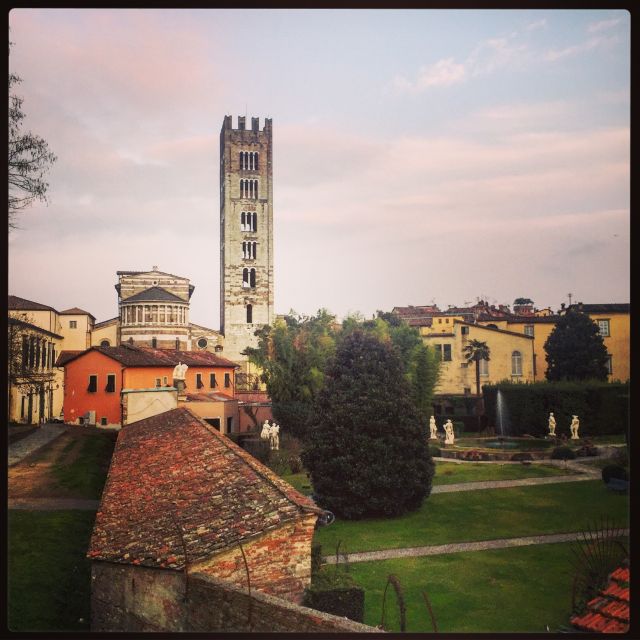
Lucca’s towers are easy to spot, but their purpose and character are different. Torre delle Ore, the Clock Tower, rises above the city center and remains one of Lucca’s best-known landmarks.
The tower offers a useful reminder that medieval Lucca was a city of competing families and strong civic identity. Your guide may explain how towers helped wealthy families display status and power. The point is not merely to identify the tallest structure, but to understand why the skyline looks the way it does.
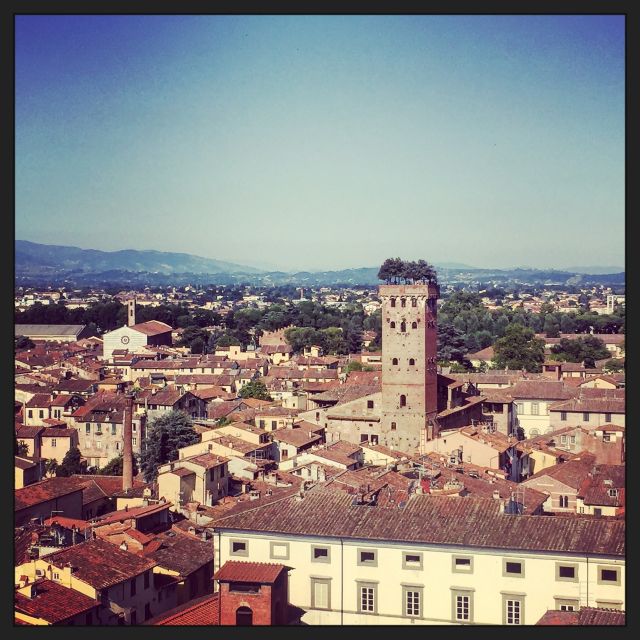
Torre Guinigi has a more unusual profile. Trees grow from the top of this medieval tower, creating one of Lucca’s most recognizable views. The tour focuses on the exterior and the story of the tower, not on a climb, so you should not book this walk specifically for a rooftop visit.
I like having both towers included because they give the route visual markers. After the tour, you can use them to get your bearings. If you wander away from the main streets, spotting one of the towers can help you understand where you are within the old center.
More guided walks:
- Florence: Renaissance and Medici Tales Guided Walking Tour
★ 4.8 · 1,549 reviews - Florence: Uffizi & Accademia Small Group Walking Tour
★ 4.7 · 1,380 reviews - Skip-the-Line Florence Highlights and David Walking Tour
★ 5.0 · 1,127 reviews - Siena: Walking Tour and Skip-the-Line Duomo Tickets
★ 4.8 · 1,116 reviews
San Frediano and the old city’s layers
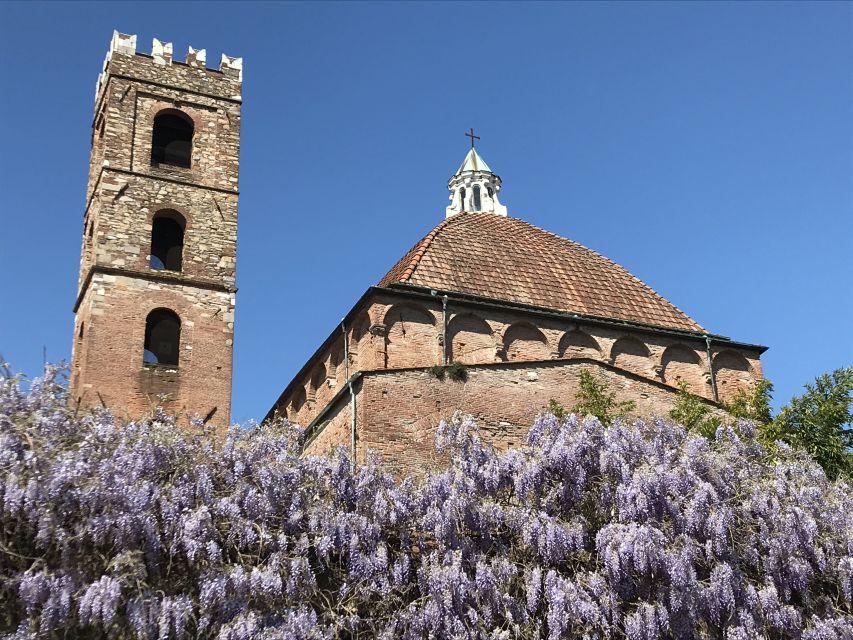
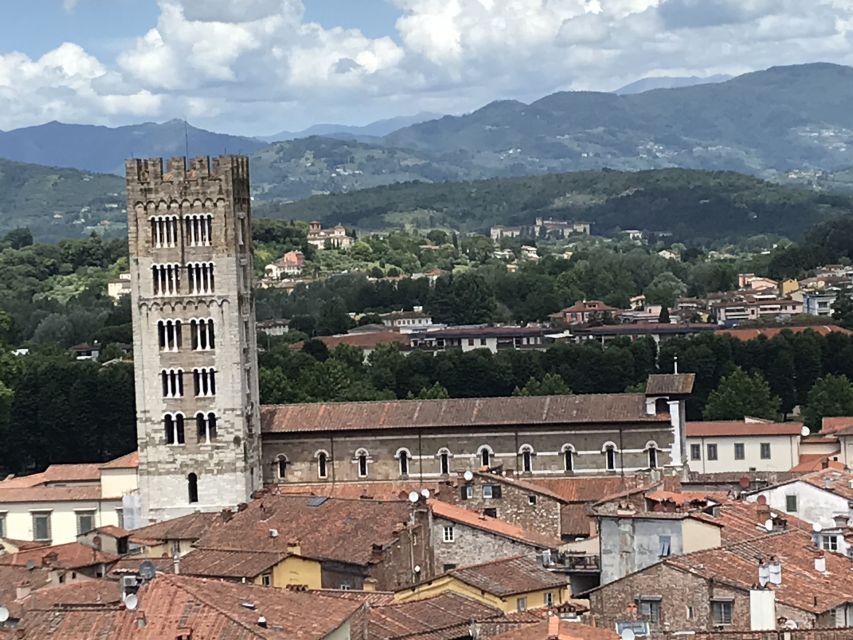
The Church of San Frediano adds another major church to the route, but it does not feel like a repeat of San Michele. Each church has its own facade, setting, and place in Lucca’s story.
The tour’s value here comes from comparison. You can see how different religious buildings fit into the city and how Lucca’s religious, civic, and commercial spaces overlap. The route gives you enough context to recognize these differences, even if it does not provide a long interior lecture at every stop.
This is also where the walk’s pace matters. The tour is described as a gentle stroll, and that matches the strongest praise given to guides such as Roberta and Paola. You should have time to listen, look around, and ask questions without feeling that the group is racing to the next landmark.
The pace will not suit someone who wants a detailed art course or extensive time inside every church. It is better understood as an introduction. You get the framework, then you can return to the places that interest you most.
Piazza Anfiteatro, where Roman foundations shape a modern square
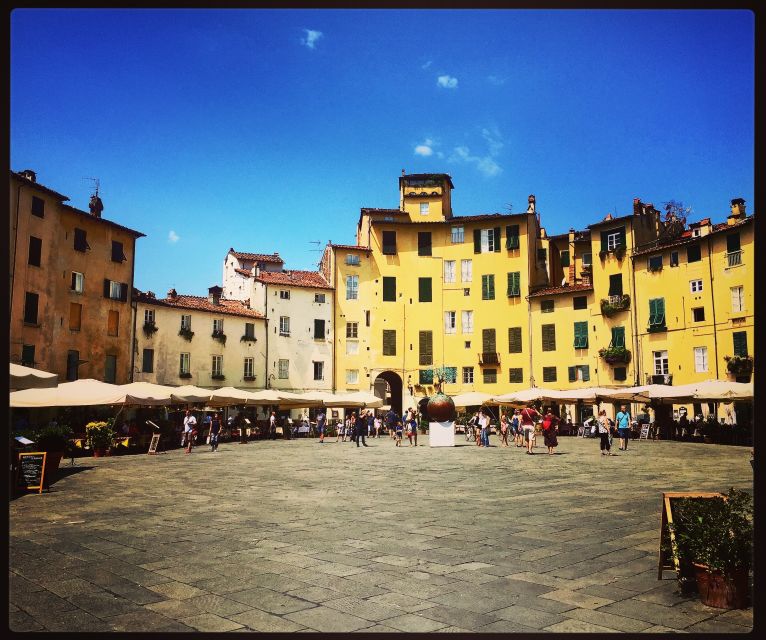
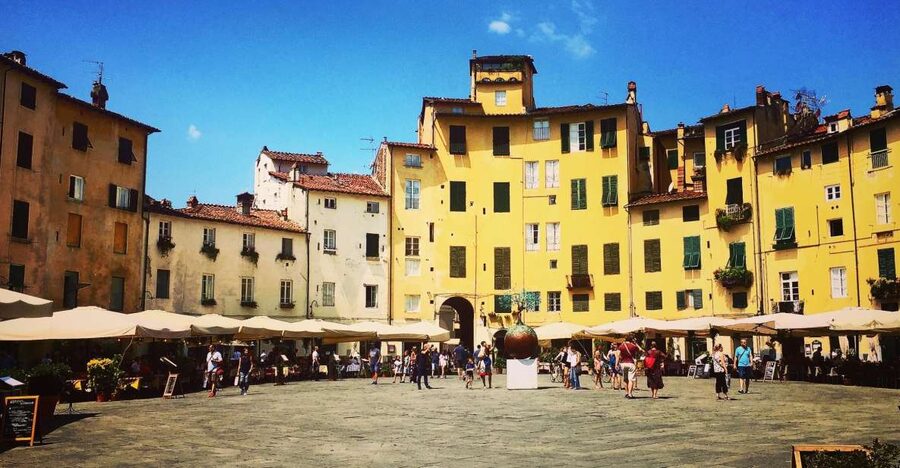
Piazza Anfiteatro is one of Lucca’s most distinctive spaces. Its oval form follows the footprint of the ancient Roman amphitheater that once occupied the site.
This is a perfect example of Lucca’s layered character. The Roman structure is no longer used as an arena, but its shape remains visible in the curving buildings around the piazza. Once your guide explains the outline, you can read the square more clearly instead of seeing it as simply an attractive place for cafés and photographs.
The piazza is also a useful stop for planning the rest of your day. You may want to return for a drink or a meal after the walk. One visitor described ending a Lucca day with an outdoor dinner inside the old amphitheater site, which is exactly the sort of simple pleasure the tour helps you notice.
Do not expect a long pause for a meal during the guided walk. The tour is built around movement and explanation. Save the café time for afterward, when you can sit down and enjoy the oval setting without watching the clock.
Walking the sixteenth-century walls
The walls are among Lucca’s great advantages. They are not just crumbling fortifications at the edge of town. They form a broad elevated ring around the historic center and remain part of the city’s public life.
The tour introduces the walls as a key part of Lucca’s identity. You may walk along part of them or view important sections as the route moves through town, depending on the guide and the day’s conditions. The supplied details specifically include the ancient walls, but they do not promise a complete circuit.
If you have time after the tour, return to the walls for a longer walk. One couple used the walls to reach the meeting point from the train station, then later walked there again at sunrise. That is a good use of your time: the walls help you connect the old center with the wider city, and they offer a different way to see Lucca after you know the main landmarks.
Comfortable shoes matter most here and on the older streets. The walk is not described as strenuous, but two hours on historic paving can still be tiring if you arrive in flimsy footwear.
Lucca Cathedral and the optional €3 interior visit
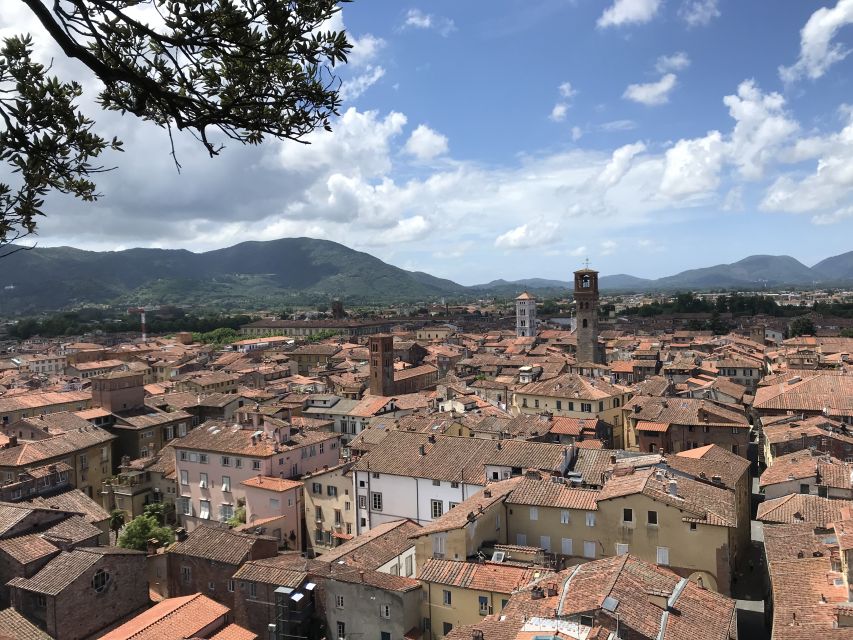
The guided route is described as ending at Lucca Cathedral. At that point, you can finish the tour or pay the small €3 entrance fee and continue with your guide inside.
This optional arrangement is smart for a mixed group. You are not forced to pay for an interior visit if you would rather have a coffee, continue exploring, or save the cathedral for later. If you do enter, the guide can help connect the cathedral to the churches and architecture you have already seen.
The details supplied for the meeting point also say that the activity ends back at the meeting point, while the route description names Lucca Cathedral as the end. Since those instructions do not perfectly match, I would confirm the exact finishing point when you book or meet your guide.
The cathedral option also means the advertised two hours may not be the full time you spend with the guide. One particularly enthusiastic account described a guide staying with the group for about three and a half hours, including extra cathedral time. Treat that as a generous exception rather than a promise, but it shows how the optional visit can extend the experience.
The guides make the biggest difference
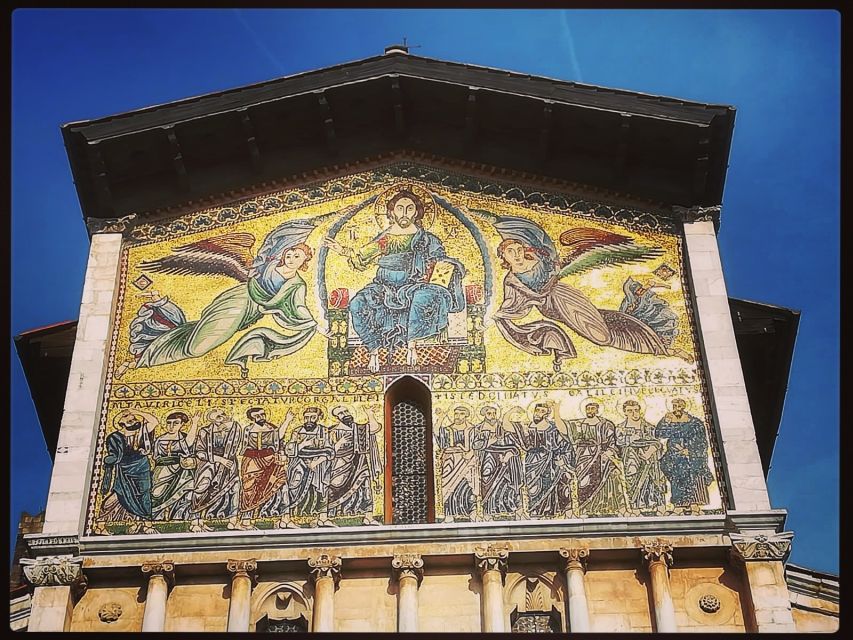
The strongest part of this tour is the human side. Guides named in feedback include Marta, Roberta, Lucia, Paola, Vittoria, Giorgio, Gregorio, Nadia, Anna, and Irine. The recurring praise is clear: they explain Lucca well, keep the walk friendly, and use humor without losing the thread of the city’s story.
Vittoria was especially praised for making Lucca feel personal and for covering food, architecture, and ideas for things to do afterward. Roberta was praised for her clear English, patient explanations, and stories about Lucca’s cuisine and local life. Giorgio was noted for handling the English and Italian portions well.
That variety is worth keeping in mind. Your experience depends partly on which guide leads your departure. The consistent strength is not a fixed script, but the local perspective and the effort to make the information easy to follow.
The guides also appear comfortable with questions. That is useful if you are staying several days, since you can ask what to revisit, where to spend more time, or which sights deserve a second look. The tour becomes more valuable when you use it to shape the rest of your stay.
Price, timing, and who gets the most from it
At $17 per person, the tour offers solid value. You are paying for two hours with a licensed local guide and a practical introduction to a city whose monuments can otherwise seem disconnected. The price is especially fair if you use the walk to plan the rest of your day and return independently to the places that catch your eye.
The €3 cathedral entrance is not included. That extra cost is small, but budget for it if you want the interior explanation.
Starting times vary, so check availability before building your day around the tour. The meeting point is at the Tourist Information Office on Piazzale Giuseppe Verdi, at Vecchia Porta San Donato. You should allow enough time to find the office and arrive in comfortable shoes.
This tour suits you best if:
- You are visiting Lucca for the first time.
- You want a calm overview before exploring alone.
- You enjoy architecture, local anecdotes, and city history.
- You have a short visit and want to cover the major sights efficiently.
- You are happy with a bilingual tour in English and Italian.
- You want advice from a local guide about what to see next.
It may be less suitable if you want a private walk, a highly detailed art lecture, or a tour conducted only in English. It also does not replace a full visit to Lucca’s museums, towers, or cathedral interiors.
Should you book this Lucca walking tour?
I would book it for a first visit, especially if you have only a day or two in Lucca. The route covers the city’s essential landmarks, the pace is manageable, and the price leaves room in your budget for a cathedral visit and a café stop in Piazza Anfiteatro.
The best reason to choose it is the guides. Their humor, local pride, and practical suggestions help turn a pretty old town into a place with a clearer personality. Just remember that English and Italian are spoken together, and confirm the finishing point if your schedule depends on ending at the cathedral.
FAQ
How long is the Lucca walking tour?
The tour lasts two hours. Starting times vary, so you need to check availability for the date you want.
Where does the tour begin?
It begins at the Tourist Information Office, Ufficio Informazioni, at Vecchia Porta San Donato, Piazzale Giuseppe Verdi, 55100 Lucca.
What language is the tour conducted in?
The tour is conducted in both English and Italian. Your guide speaks both languages during the walk.
Is the Lucca Cathedral entrance included?
No. The cathedral entrance costs €3. You can pay the fee if you want to continue with your guide inside after the main walking tour.
What sights are included on the route?
The route includes Piazza San Michele, Piazza Napoleone, Via Fillungo, Torre delle Ore, Torre Guinigi, San Frediano, Piazza Anfiteatro, the sixteenth-century walls, and Lucca Cathedral.
What should I bring?
Bring comfortable shoes. The experience is a two-hour walking tour through the historic center.
Can I cancel the booking?
You can cancel up to 24 hours in advance for a full refund. The activity also allows you to reserve now and pay later.
More 2-Hour Experiences
- Florence: 2-Hour Guided Sightseeing Bike Tour
★ 4.5 · 1,004 reviews - Florence: 2-Hour Guided Bike Tour
★ 4.7 · 646 reviews - Milan Duomo and Rooftop 2-Hour Guided Tour
★ 4.6 · 1,076 reviews - Vatican Museums & Sistine Chapel Express 2-Hour Guided Tour
★ 4.5 · 1,037 reviews
Just added around Florence
- Palazzo Vecchio guided experience with entrance ticket★ 4.5 · 249 reviews
- Lucca Bikes and Bites with food tastings for Small Groups or Private★ 5.0 · 249 reviews
- Perfume Masterclass in Florence: Make your Own Personal Fragrance★ 4.5 · 253 reviews
- Florence Oltrarno Neighborhood Food & Wine Dine Around★ 5.0 · 253 reviews
- Florence: Cathedral, Dome and Terraces Guided Tour★ 4.5 · 253 reviews
- Florence: 1.5-hour Santa Croce Guided Experience★ 4.8 · 254 reviews
- Florence: Pitti Palace and Palatina Gallery Ticket and Tour★ 4.9 · 255 reviews
- Private Florence Tour by Golf Cart ETukTuk with Audio Guide★ 4.0 · 256 reviews
City Tours, compared.

City Sightseeing Hop-on Hop-off Bus with Audioguide
Read our review →
City Sightseeing Hop-On Hop-Off Bus with Audio Guide
Read our review →
City Sightseeing Rome Hop-On Hop-Off Bus Tour
Read our review →
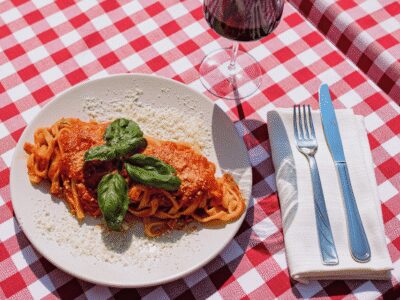
Fettuccine Pasta Cooking Class in Rome’s City Center
Read our review →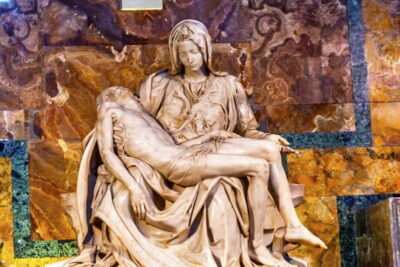
Vatican City: Vatican Museums & Sistine Chapel Entry Ticket
Read our review →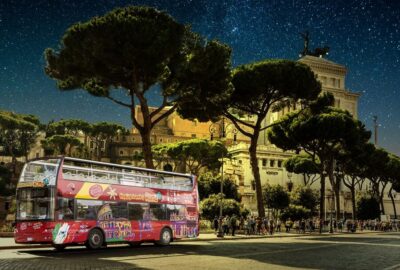

City Sightseeing Florence Hop-On Hop-Off Bus Tour
Read our review →Browse the lists this tour appears in