
Review · HOP-ON HOP-OFF BUS TOURS
Milan: City Sightseeing Hop-On Hop-Off Bus with Audio Guide
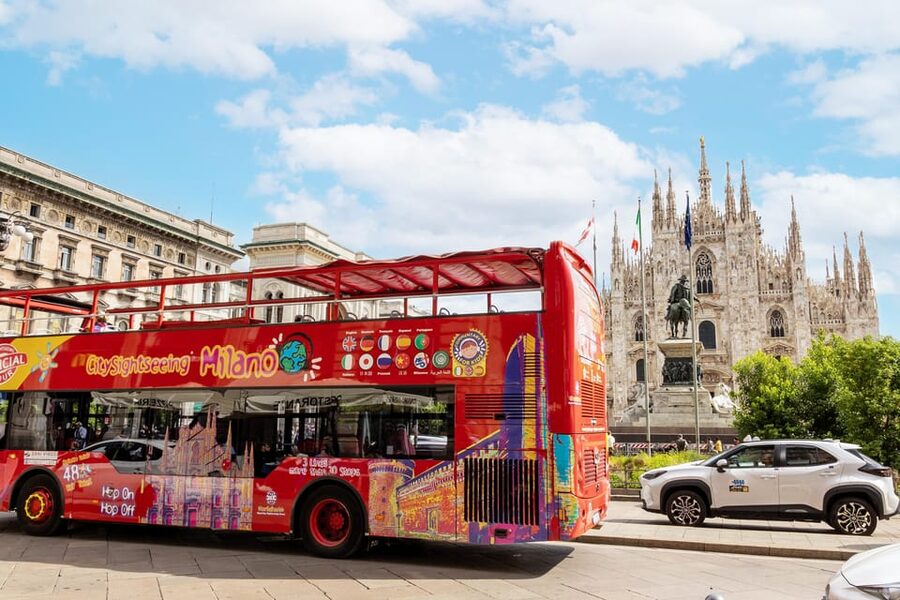
See Milan first, then choose where to linger. This open-top bus gives you a useful first look at the Duomo, La Scala, Castello Sforzesco, Brera, Navigli, and even San Siro. I especially like the four connected routes and the freedom to change plans as you go. The audio guide adds local details, from opera to cotoletta alla Milanese and panettone.
I also like the strong coverage for a city pass costing $26 per person, especially if you use it for more than one day. The main catch is Milan traffic, and some waits can stretch toward 50 minutes. You need to plan your stops instead of assuming another bus will appear right away.
In This Review
- Quick facts about the Milan sightseeing bus
- Why this bus works well in Milan
- Line A connects the castle, Duomo, and central Milan
- Castello
- Cadorna and Cenacolo
- Corso Magenta
- Duomo
- Monte Napoleone, Manin, and Moscova
- Line B reaches Central Station and Porta Venezia
- Repubblica and Palazzo Lombardia
- Stazione Centrale
- Buenos Aires and Porta Venezia
- San Babila
- Line C shows Milan beyond the center
- Triennale and Arco della Pace
- City Life and Casa Milan
- Mico, Lotto, and San Siro
- Buonarroti, Pagano, Conciliazione, and Parco Sempione
- Line D adds Navigli and Brera
- Navigli and Piazza XXIV Maggio
- Brera
- Audio commentary, Wi-Fi, and the view from the top
- Timing, traffic, and how to plan your day
- Who will get the most from this Milan bus pass
- Is the Milan hop-on hop-off bus worth $26?
- FAQ
- How many bus lines are included?
- Where do Lines A, C, and D begin?
- Where does Line B begin?
- Is attraction admission included?
- Which languages are available for the audio guide?
- What is included with a 72-hour weekend ticket from June through September?
Quick facts about the Milan sightseeing bus
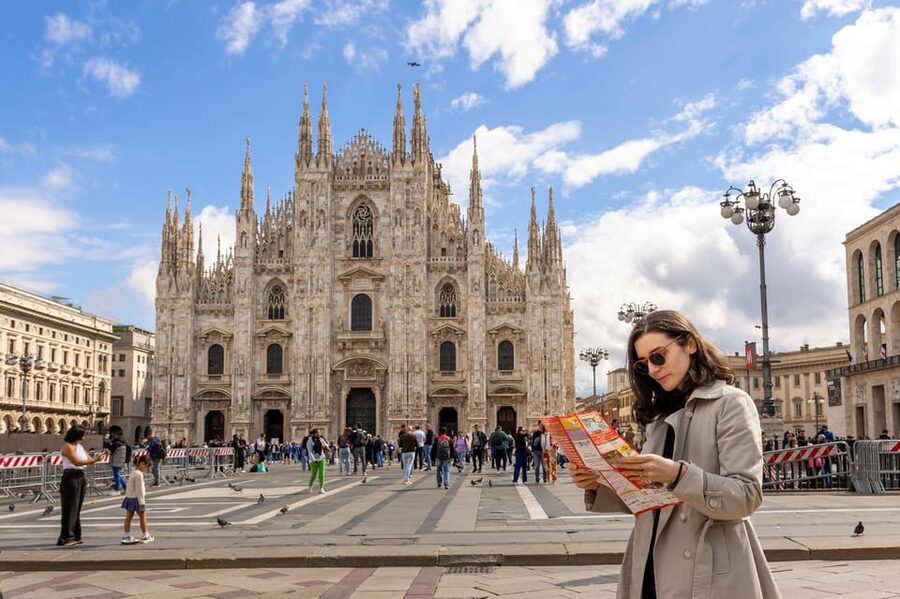
- Four routes cover very different corners of Milan, including the central sights, Navigli canals, Brera, City Life, and San Siro.
- The Duomo is the main transfer point, while Lines A, C, and D begin near Foro Bonaparte.
- The audio guide works in 10 languages, with a separate commentary option for children.
- The ticket includes Wi-Fi, a city map, and free walking tours through the mobile app in five languages.
- A 72-hour weekend ticket from June through September includes the Milan Night Tour.
- Traffic affects travel time, and some buses or audio sockets may not work perfectly.
Why this bus works well in Milan
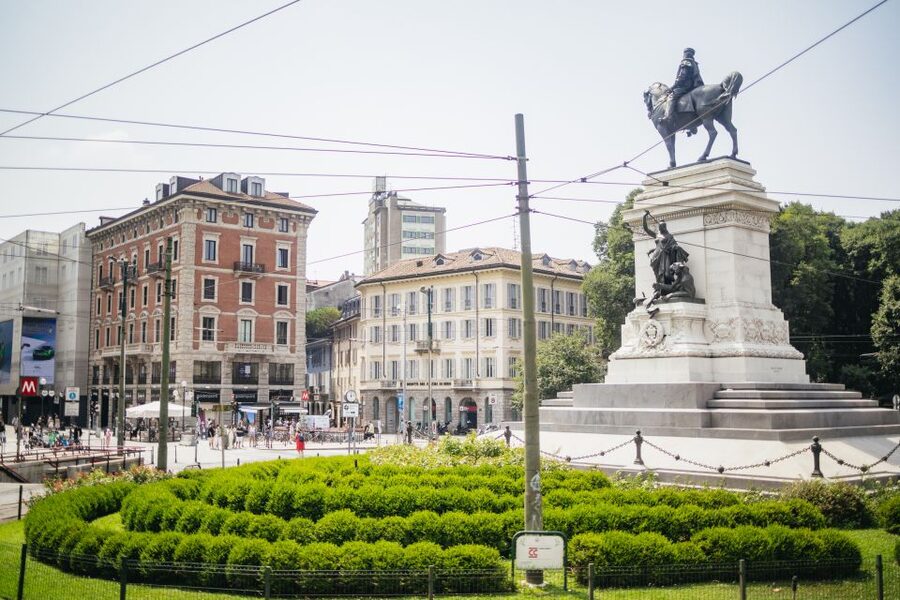
Milan is compact around the Duomo, but its best-known sights are spread beyond the central square. The hop-on hop-off bus helps connect those pieces without asking you to walk across the city every time you want to change neighborhoods.
I see this as a moving introduction rather than a replacement for Milan’s public transport. You get street-level views from the upper deck, a recorded explanation of what you are seeing, and a simple way to decide which places deserve a longer visit.
The service is available for one, two, or three days, depending on the option you choose. A one-day ticket can work well if you simply want a broad city tour. The longer passes make more sense if you want to use the bus as sightseeing transport and return to several areas at your own pace.
The $26 starting price is fair if you ride several sections and hop off at two or three places. It is less compelling if you only need to move between the Duomo and the nearby historic center, since much of that area is walkable.
More hop-on hop-off passes:
- Stresa: 3 Borromean Islands Hop-On Hop-Off Boat Tour
★ 4.4 · 4,122 reviews - Milan: Gray Line Milan Open Tour Hop-On Hop-Off Bus Tour
★ 4.0 · 1,549 reviews - Milan Hop-On Hop-Off Bus Tour with Four Routes
★ 3.5 · 1,214 reviews
Line A connects the castle, Duomo, and central Milan
Line A is the best starting route for first-time orientation. It begins at Castello, near Castello Sforzesco, then runs through Cadorna, the Cenacolo area, Corso Magenta, the Duomo, Monte Napoleone, Manin, and Moscova.
Castello
Castello Sforzesco is one of Milan’s key landmarks and a practical place to begin. The fortress gives you a strong sense of Milan’s civic and artistic past, while Parco Sempione stretches behind it.
You can get off here for the castle museums and park, then rejoin the bus later. If you only have one day, allow enough time for the castle stop because it can easily become more than a quick photograph.
Cadorna and Cenacolo
Cadorna is a useful transport point and connects with the route toward Leonardo da Vinci’s The Last Supper at the Cenacolo. The bus does not include attraction tickets, so you need a separate reservation or admission for the artwork.
That detail matters. The stop is convenient, but you should not assume the bus ticket gets you inside. If seeing The Last Supper is a priority, arrange that separately before building your bus schedule around it.
More self-led routes:
- Milan: Sforza Castle Entry Ticket with Digital Audio Guide
★ 4.0 · 2,675 reviews - Milan: San Siro Stadium and Museum Self-Guided Tour
★ 4.3 · 362 reviews - Rome: Colosseum & Forum with Audio Guide App -Optional Arena
★ 4.2 · 24,770 reviews - Rome: Pantheon Fast-Track Ticket and Official Audio Guide
★ 4.3 · 21,008 reviews
Corso Magenta
Corso Magenta takes you through one of central Milan’s elegant historic areas. The route gives you a change from grand squares and busy shopping streets, with a closer look at older streets and major cultural buildings.
This is one of the sections where the upper deck earns its keep. You can watch Milan pass at a relaxed pace without having to navigate every crossing yourself.
Duomo
The Duomo is the center of the network and the place where several lines overlap. It is also Milan’s busiest stop, so finding the correct bus and route may take patience, especially around the square.
Use the Duomo as a hub, not only as a destination. You can get off for the cathedral and Galleria Vittorio Emanuele II, then switch to Line B, C, or D. Attraction entry is not included, so budget separately for the cathedral, rooftop, museums, or other paid sights.
Monte Napoleone, Manin, and Moscova
Monte Napoleone serves Milan’s famous luxury shopping district. You may not be shopping, but the area helps show how the city shifts from medieval monuments to polished fashion streets within a few blocks.
Manin and Moscova bring you closer to parks, restaurants, and the Brera side of town. These stops are useful if you want to see more than the classic postcard center.
Line B reaches Central Station and Porta Venezia
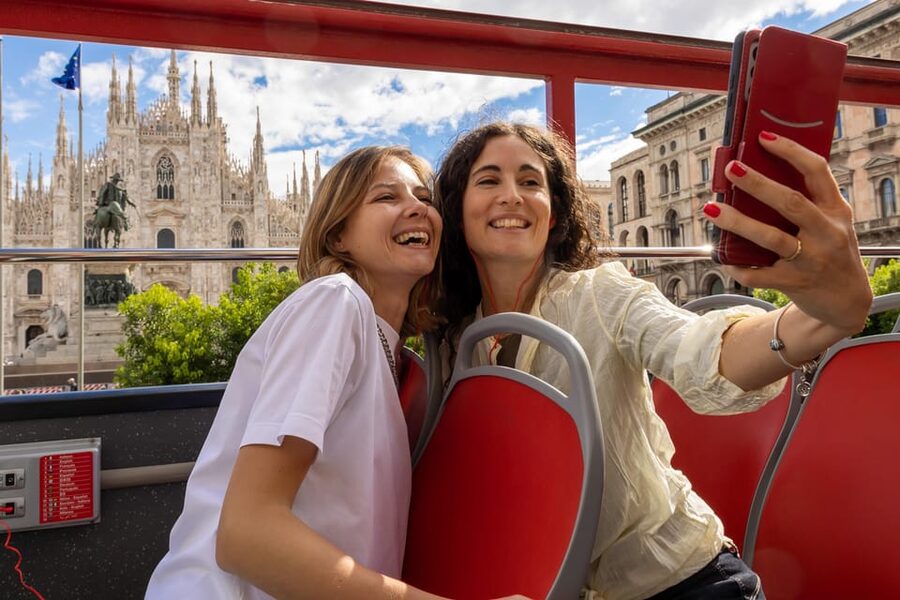
Line B also starts at the Duomo and shares some of the central route before moving north. Its stops include Monte Napoleone, Manin, Repubblica, Palazzo Lombardia, Stazione Centrale, Buenos Aires, Porta Venezia, and San Babila.
Repubblica and Palazzo Lombardia
Repubblica and Palazzo Lombardia show a more modern side of Milan. Palazzo Lombardia is part of the city’s newer business district, a useful contrast with the cathedral and castle.
This line is a good choice if you want to understand Milan as a working city, not only as an open-air museum. The views are less focused on historic monuments, but the change of pace is worthwhile.
Stazione Centrale
Milan Central Station is an important transport landmark and one of the city’s grandest buildings. The stop is especially practical if you arrive by train or stay near the station.
You can use the bus to connect the station with the Duomo area, but traffic can make this slower than expected. I would treat the route as sightseeing first and a guaranteed transfer second.
Buenos Aires and Porta Venezia
Buenos Aires is a long shopping avenue with a more everyday urban feel. Porta Venezia brings you toward one of Milan’s attractive historic neighborhoods and gives you another reason to leave the central tourist track.
These stops are best for repeat use over two or three days. On a short visit, you may prefer to stay on the bus for the view and save your walking time for the Duomo, castle, Brera, or Navigli.
San Babila
San Babila sits close to the central shopping and historic areas. It is a handy stop for returning toward the Duomo and for linking Line B with the city center.
Because several routes overlap near the middle, check the line letter before boarding. Similar stops can make a quick transfer confusing, especially around busy Piazza Duomo.
Line C shows Milan beyond the center
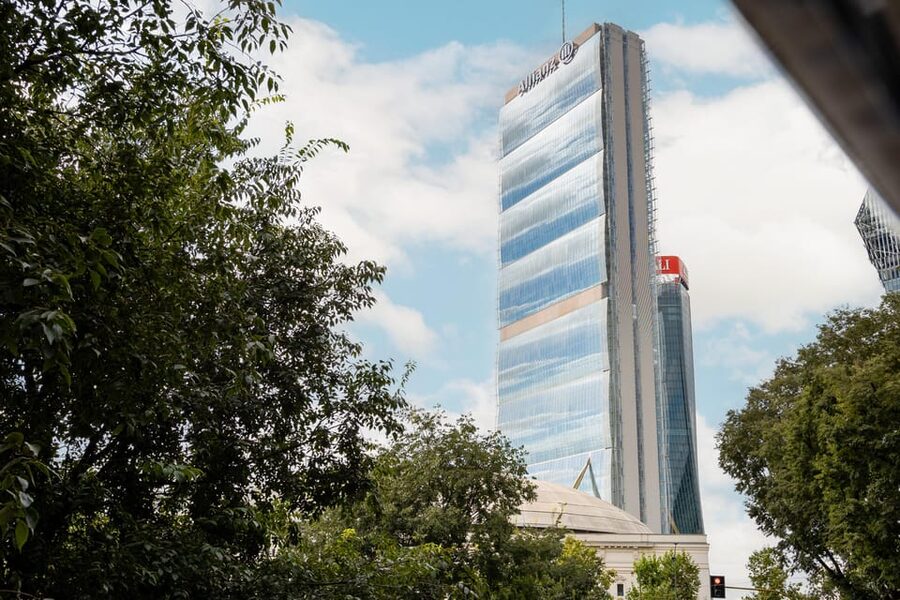
Line C begins at Castello and heads west through Triennale, Arco della Pace, City Life, Casa Milan, Mico, Lotto, Lido, Ippodromo, San Siro, Buonarroti, Pagano, Conciliazione, and Parco Sempione.
This is the route to choose when you want a broader view of Milan. It covers parks, design, newer developments, sports, and residential districts that you might skip on foot.
Triennale and Arco della Pace
The Triennale stop serves Milan’s design and art scene. Arco della Pace is near the grand arch at the far end of Parco Sempione, a pleasant place to pause before continuing.
The route can feel less urgent here. You are not simply ticking off famous buildings. You are seeing how Milan uses parks, public spaces, and cultural venues alongside its historic center.
City Life and Casa Milan
City Life presents a newer, more contemporary part of the city. Casa Milan appeals to football fans and gives the route a clear theme beyond churches and museums.
If modern architecture or AC Milan interests you, this section deserves a proper stop. If your time is limited, you can stay aboard and use the route as a broad city tour rather than getting off everywhere.
Mico, Lotto, and San Siro
Mico serves the congress center area, while Lotto connects with the western side of Milan. The route continues through Lido, Ippodromo, and San Siro stadium.
San Siro is a memorable outlying stop, but it requires planning. You may have only a short photo opportunity before the bus continues, or you may face a long wait for the next one. Do not get off here casually unless you are ready to spend time at the stadium area.
Buonarroti, Pagano, Conciliazione, and Parco Sempione
These stops bring you back through residential and park areas toward the center. Conciliazione is useful for the route toward the Cenacolo area, while Parco Sempione gives you another approach to the castle and green space.
Line C is not the fastest way to cross Milan. It is the route I would choose for seeing the city’s different personalities, especially if you have a full day or a 48-hour or 72-hour ticket.
Line D adds Navigli and Brera
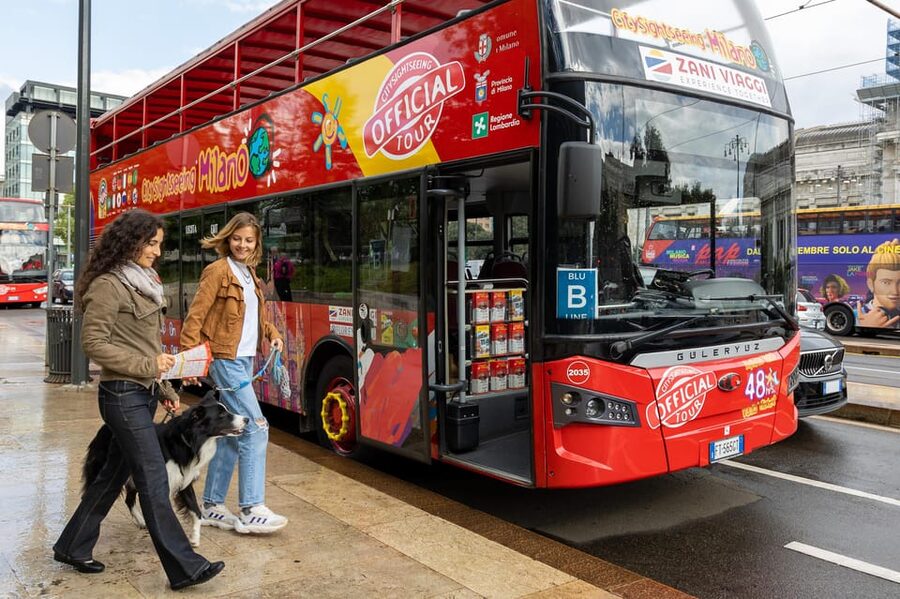
Line D starts at Castello and follows Cadorna, Cenacolo, Corso Magenta, Navigli, Piazza XXIV Maggio, Duomo, Monte Napoleone, and Brera.
Its biggest advantage is the link between the historic center and Navigli, Milan’s canal district. A separate route makes it easy to combine major sights with a neighborhood that feels quite different from the Duomo area.
Navigli and Piazza XXIV Maggio
Navigli is the main reason to ride Line D. The canal-side district is known for its waterway, cafés, and evening atmosphere. Piazza XXIV Maggio gives you access to this part of the city without a long walk from the cathedral.
The bus offers a useful first look, but you should get off if you want to explore. A passing view of the canals is not the same as walking beside them, checking the side streets, or stopping for a drink.
Brera
Brera is one of Milan’s most appealing historic neighborhoods, with narrow streets, galleries, restaurants, and the Pinacoteca di Brera. The stop is also close enough to the center to fit into a busy day.
Line D repeats several central stops from Line A. That is convenient when you are changing routes, but it also means the four lines do not create four completely separate city tours. Plan around the districts you care about rather than trying to ride every route from end to end.
Audio commentary, Wi-Fi, and the view from the top
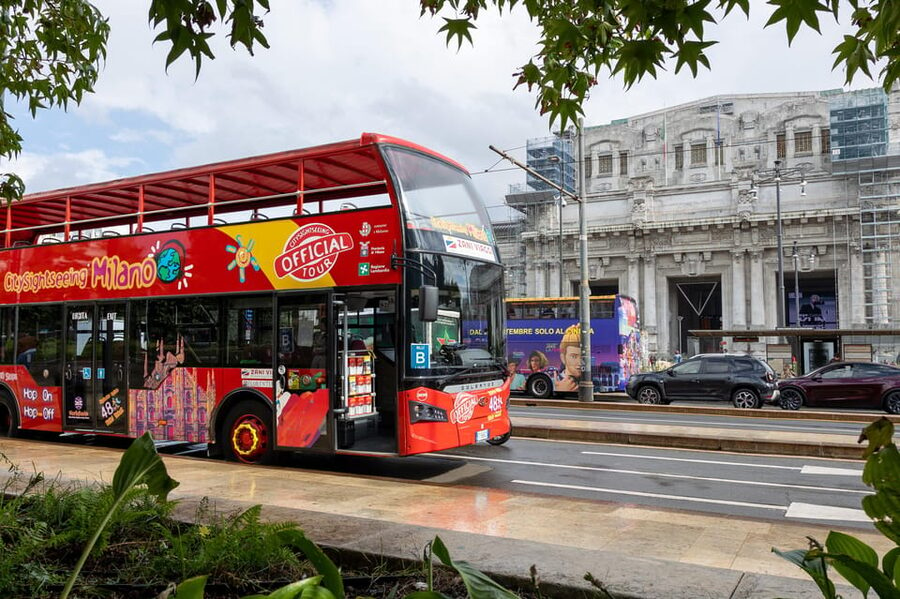
The recorded commentary is available in Italian, English, Spanish, Chinese, French, German, Russian, Portuguese, Japanese, and Arabic. It covers major buildings such as La Scala and Castello Sforzesco, along with lighter local subjects such as the recipe for cotoletta alla Milanese and the story of panettone.
That food content is a nice touch. It gives you something to listen for beyond dates and architectural labels, and it may help you decide what to eat later.
A children’s audio option is included, which can make the ride easier for families. Wi-Fi is also provided onboard, along with a city map. The mobile app adds free walking tours in five languages, giving you something useful to do after stepping off the bus.
The equipment is not perfect every time. Some passengers have found that an audio socket or headphones did not work, while others had no trouble at all. If your commentary is silent, change seats or ask staff for another headset instead of giving up on it.
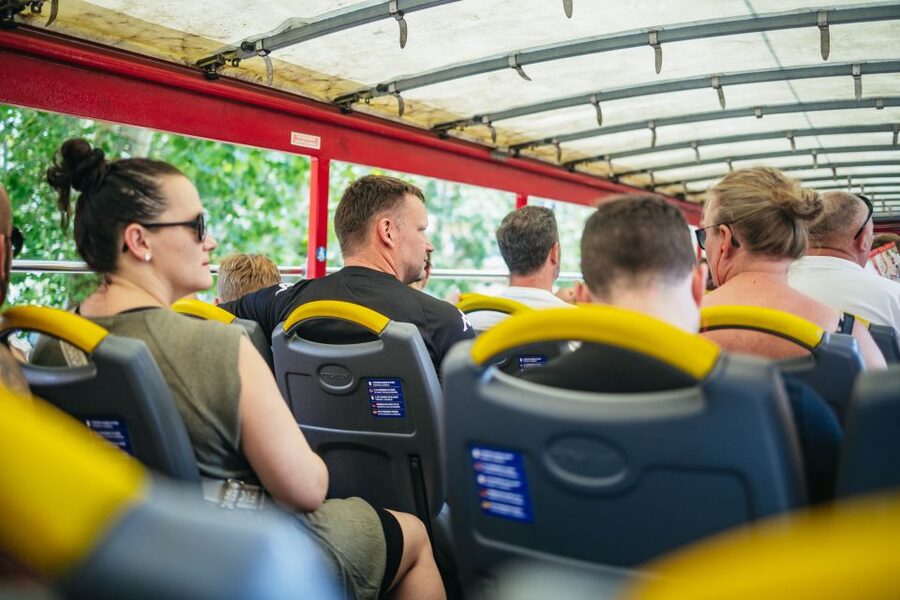
The open upper deck offers the best city views, but Milan’s weather matters. In hot weather, the moving air can be pleasant. On a cool or wet day, the covered section is the sensible choice.
Timing, traffic, and how to plan your day
The main weakness is not the route map. It is road traffic. Milan’s streets can slow the buses at lights and crowded junctions, and a delay affects every later stop.
Some waits can approach 50 minutes. At San Siro, you may face an especially long gap if you get off without checking the next departure. I would take a photo of the timetable or confirm the route before leaving the bus.
Here is a practical way to use the ticket:
- One day: Ride one full circuit early to get your bearings, then get off at the Duomo, Castello, Brera, or Navigli.
- Two days: Use the first day for the central routes and the second for Line C, Navigli, City Life, and San Siro.
- Three days: Use the bus as a flexible sightseeing shuttle, returning to favorite areas without paying for another ride.
The 72-hour weekend ticket has extra value from June through September because the Milan Night Tour is included on Saturdays and Sundays. Check the operating dates and current timetable before relying on that bonus.
For Lines A, C, and D, the stated first stop is in Foro Bonaparte. This area is large, so the meeting point can be hard to spot. Look for the corner near the travel information point rather than searching the whole street for a building shown in a booking image.
Line B begins in Piazza Duomo. In both places, staff are usually present at the main stops, but you should allow extra time to find the correct boarding point.
Who will get the most from this Milan bus pass
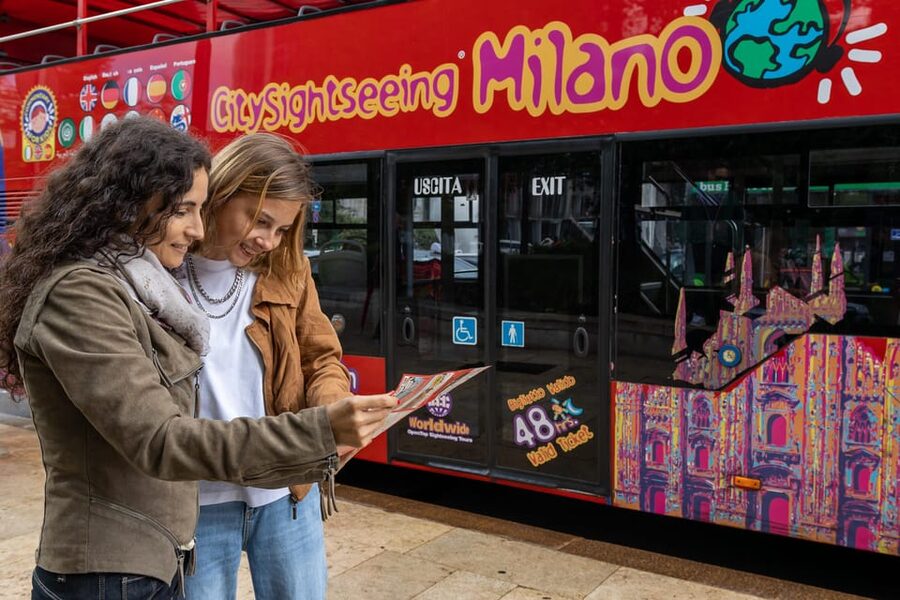
I recommend it most for a first visit, a short stay, families, and anyone who does not want to walk all day. It also helps if you want to see a wide spread of Milan before deciding where to return.
The bus is useful for older visitors and anyone who finds long city walks tiring, though you should ask staff about boarding arrangements if you have specific mobility needs. A passenger who is deaf also reported difficulty with the audio, so the recorded commentary should not be treated as the only way to get information.
You may not need it for a slow stay focused only on the Duomo, Galleria, La Scala, Brera, and the castle. Those central sights are close enough to connect on foot. The pass earns its keep when you use the outer routes, especially Line C and the Navigli section of Line D.
Is the Milan hop-on hop-off bus worth $26?
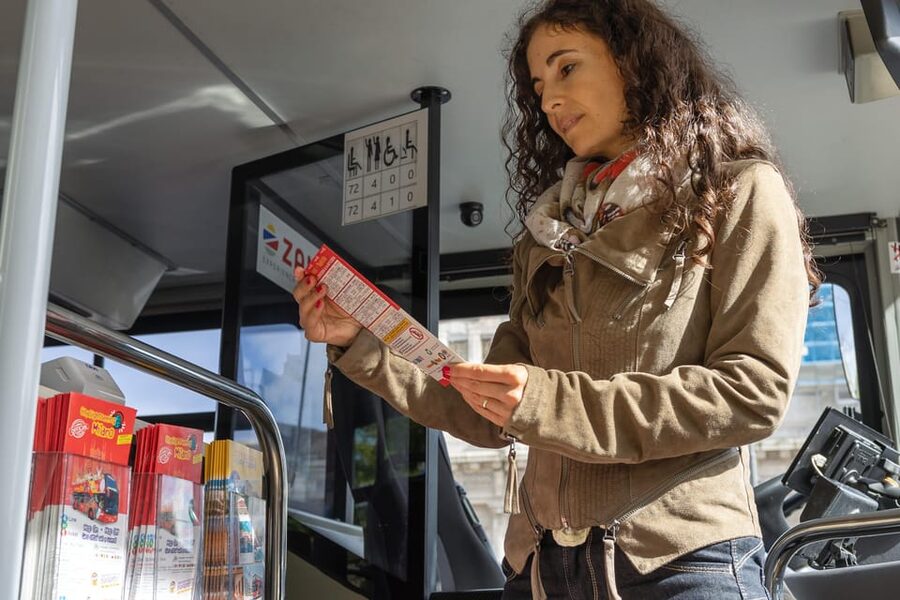
At $26 per person, this is a reasonable purchase if you use the ticket for transport and sightseeing. You get four routes, multilingual commentary, Wi-Fi, a map, and app-based walking tours. The value improves with each additional day and each stop where you would otherwise need another ride.
The main limits are repeated central stops, variable bus spacing, and traffic. You cannot control the road, and you should not schedule a tight museum reservation immediately after a long cross-city ride.
Book it if you want a clear first look at Milan, plan to visit districts beyond the Duomo, or have only one full day. Skip it if your plans already center on a compact walking route and you prefer fixed public transport times.
For most first visits, I would choose one day at minimum and two days if you want to include San Siro, City Life, Navigli, and the historic center without rushing.
FAQ
How many bus lines are included?
The ticket includes four connected routes, Lines A, B, C, and D.
Where do Lines A, C, and D begin?
The first stop for Lines A, C, and D is in Foro Bonaparte.
Where does Line B begin?
Line B begins at Piazza Duomo.
Is attraction admission included?
No. The bus ticket does not include entry to attractions.
Which languages are available for the audio guide?
The audio guide is available in Spanish, Chinese, English, French, German, Italian, Russian, Portuguese, Japanese, and Arabic.
What is included with a 72-hour weekend ticket from June through September?
For weekends during that period, the 72-hour ticket includes the Milan Night Tour.
More Audio-Guided Visits
- Pompeii: Entry Ticket with Optional Audio Guide
★ 4.2 · 12,360 reviews - Venice: La Fenice Opera House Entry Ticket with Audio Guide
★ 4.6 · 11,742 reviews - Rome: St. Peter’s Basilica & Dome Entry Ticket & Audio Tour
★ 4.2 · 7,537 reviews - Florence: Cathedral & Brunelleschi’s Dome Ticket & Audio App
★ 4.4 · 6,973 reviews
Just added around Milan
- Milan Sights by Segway Small Group Tour★ 5.0 · 249 reviews
- Unveil the Masterpiece: Guided Tour of Da Vinci’s Last Supper★ 4.5 · 251 reviews
- Milan: Pasta & Tiramisu Cooking Class with Premium Products★ 5.0 · 255 reviews
- Milan Semi-Private Max 6 People Tour with Last Supper and Duomo★ 5.0 · 258 reviews
- Skip The Line: Best Of Milan Tour With Last Supper & Milan Duomo★ 4.5 · 260 reviews
- Milan: Duomo & Rooftop Tour with Optional Hop-On Hop-Off Bus★ 4.5 · 262 reviews
- Stresa: 1-Day 3 Borromean Islands Hop-On Hop-Off Boat Tour★ 4.0 · 262 reviews
- Milan Centre Food Tour of 7+ Italian Tastings with Risotto & Wine★ 5.0 · 264 reviews
Hop-On Hop-Off Bus Tours, compared.

City Sightseeing Hop-on Hop-off Bus with Audioguide
Read our review →
Hop-On Hop-Off Panoramic Open Bus Ticket 3 Circuits x 1
Read our review →
Hop-on Hop-off Bus Tour: 24, 48 or 72-Hour Ticket
Read our review →
City Sightseeing Rome Hop-On Hop-Off Bus Tour
Read our review →

Hop-on Hop-off Sightseeing Bus Tour with Audioguide
Read our review →
Stresa: 3 Borromean Islands Hop-On Hop-Off Boat Tour
Read our review →
Big Bus Hop-on, Hop-off Open-Top Sightseeing Tour
Read our review →Browse the lists this tour appears in