Review · FLORENCE TOURS
Florence: 1.5-hour Santa Croce Guided Experience
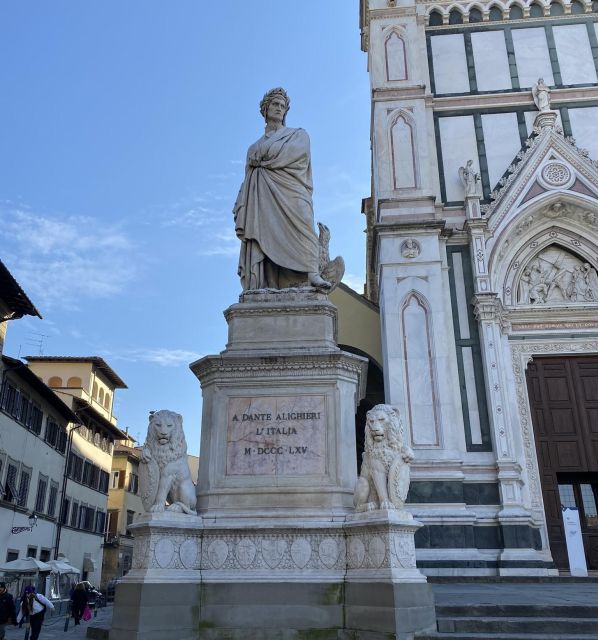
Florence keeps its greatest stories inside churches. This 1.5-hour visit to the Basilica of Santa Croce brings together Giotto frescoes, Renaissance sculpture, and famous tombs in one focused tour. I especially like the small-group format and the way the guides connect art with Florence’s religious, political, and cultural past. The main consideration is timing: latecomers are not accepted, and the meeting point is at the statue of Dante on the steps in front of the basilica.
I also like that you get fast-track entry and a live guide in English, Italian, or Spanish. Guides such as Francesca, Annette, Ivan, Marta, Silvia, and Emanuela have been praised for clear explanations, humor, and the ability to adjust the tour to a group’s interests. At $42 per person, the price is reasonable if you want context rather than simply walking through the church with a booklet.
In This Review
- Key points at a glance
- Why Santa Croce deserves your time
- Meeting Dante and entering the basilica
- The Gothic interior and Franciscan setting
- Giotto’s frescoes and the Bardi Chapel
- The Medici Chapel and Pazzi Chapel
- Tombs, memorials, and the Italian Hall of Fame
- Why a guide changes the visit
- Is $42 a fair price?
- Who should book this experience?
- Should you book the Santa Croce tour?
- FAQ
- How long does the Santa Croce guided experience last?
- What languages are available?
- Where is the meeting point?
- Are tickets included?
- Is the experience wheelchair accessible?
- What clothing is not allowed?
Key points at a glance
- A Florentine Hall of Fame: See memorials and tombs connected with Michelangelo, Galileo Galilei, Machiavelli, and other major Italian figures.
- Giotto and the chapels: The tour highlights Giotto’s frescoes, the Bardi Chapel, Medici Chapel, and Pazzi Chapel.
- Art beyond the famous names: Look for works associated with Donatello, Brunelleschi, and other important artists.
- A short, focused visit: The 90-minute length works well in a busy Florence sightseeing day.
- Guide quality is central: The strongest part of the experience is the storytelling, especially when guides link art, religion, and politics.
- Simple but strict meeting instructions: Meet by Dante’s statue, look for the purple Hidden Experiences sign, and arrive early.
Why Santa Croce deserves your time
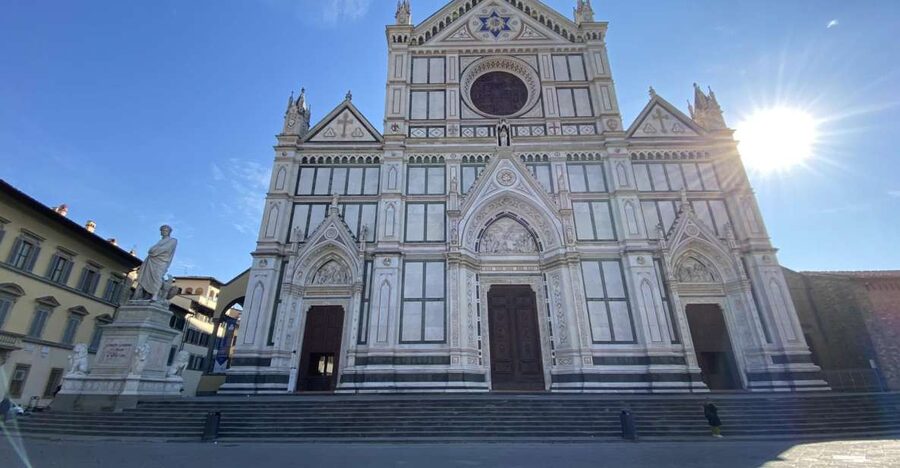
Santa Croce is not just another Florentine church. It is the main Franciscan church in Florence, founded in the 13th century, and it became a place where religious devotion, artistic ambition, and civic pride met.
That combination gives the building its special character. You are not visiting only to admire a Gothic interior. You are also tracing how Florence remembered its artists, scientists, writers, politicians, and public figures.
I find the idea of Santa Croce as an Italian Hall of Fame especially useful for first-time visitors. Names that can feel scattered across a history book are brought together in one place. Michelangelo, Galileo, and Machiavelli each represent a different side of Italian culture, and their memorials help turn broad historical facts into something you can see.
The church also makes a good companion to Florence’s larger art museums. At the Uffizi, you follow paintings and collections. At Santa Croce, you see art in the setting for which much of it was created: a working religious complex with chapels, tombs, devotion, and ceremony.
A few more reviews worth comparing before you book
- Florence: Skip-The-Line Uffizi Gallery Timed Entry Ticket
★ 4.5 · 27,832 reviews - Tuscany Day Trip from Florence: Siena, San Gimignano, Pisa and Lunch at a Winery
★ 5.0 · 21,634 reviews - Florence: Timed Entrance Ticket to Michelangelo’s David
★ 4.6 · 16,983 reviews
Meeting Dante and entering the basilica
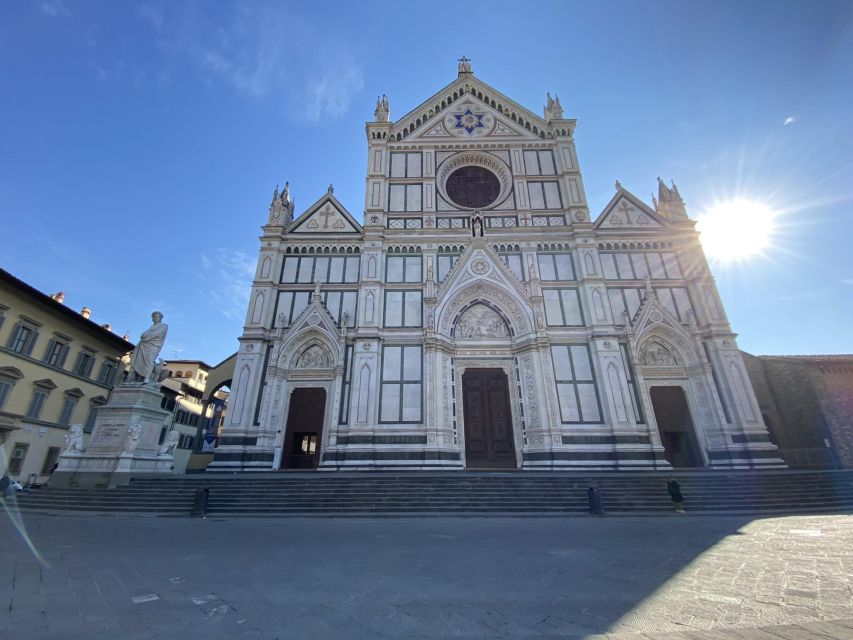
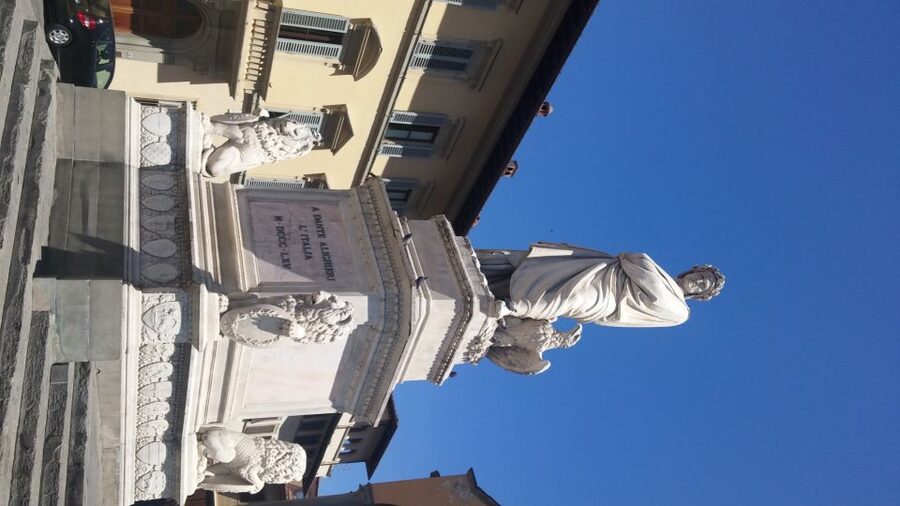
The meeting point is easy to identify if you know what to look for. Go to the statue of Dante Alighieri and climb the steps in front of Santa Croce. Your guide should be holding a purple flag or sign marked Hidden Experiences.
This is one part of the tour that requires discipline. Latecomers will not be accepted, and the guide holds the group’s tickets. Arrive early enough to find the statue, orient yourself in the square, and avoid starting your visit in a rush.
The fast-track entry is valuable during busy periods. Santa Croce is one of Florence’s popular sights, and skipping the ticket line gives you more usable time inside. It does not mean you should cut your arrival close. The entry benefit works only if you are present when the group goes in.
The basilica is wheelchair accessible, and one guide was specifically praised for making sure a father who uses a wheelchair could hear, participate, and remain comfortable. If mobility is important for your group, the accessible format is a meaningful advantage, though you should still arrive early and tell the provider about any needs.
Dress modestly. Sleeveless shirts are not allowed, so pack a light layer if you are visiting in warm weather.
The Gothic interior and Franciscan setting
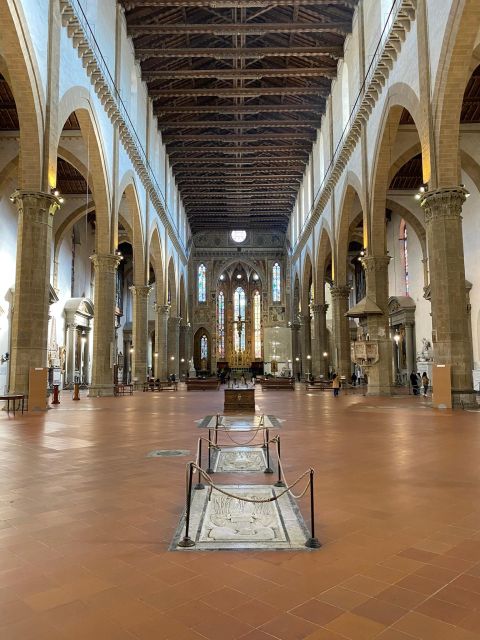
Once inside, the guide introduces Santa Croce’s Gothic design and explains why the church mattered to Florence’s Franciscan community. The scale and architecture can be impressive on their own, but the guide gives you a way to read the space.
Look upward and across the chapels rather than treating the interior as one large room. The details make more sense when you know which artists worked on them, who paid for them, and which families or religious groups were connected with them.
Several people praised guides for explaining the building in a way that children and teenagers could follow. That matters because a church full of painted walls and memorials can quickly become a blur for younger visitors. A good guide gives them a sequence of stories rather than a list of names.
The best guides also move beyond art dates and technical terms. Ivan was praised for combining humor with stories about the church, while Steffi and Annette were recognized for connecting the building with Florence’s political past. That broader view helps you understand Santa Croce as part of the city’s public identity, not just a gallery with a roof.
Giotto’s frescoes and the Bardi Chapel
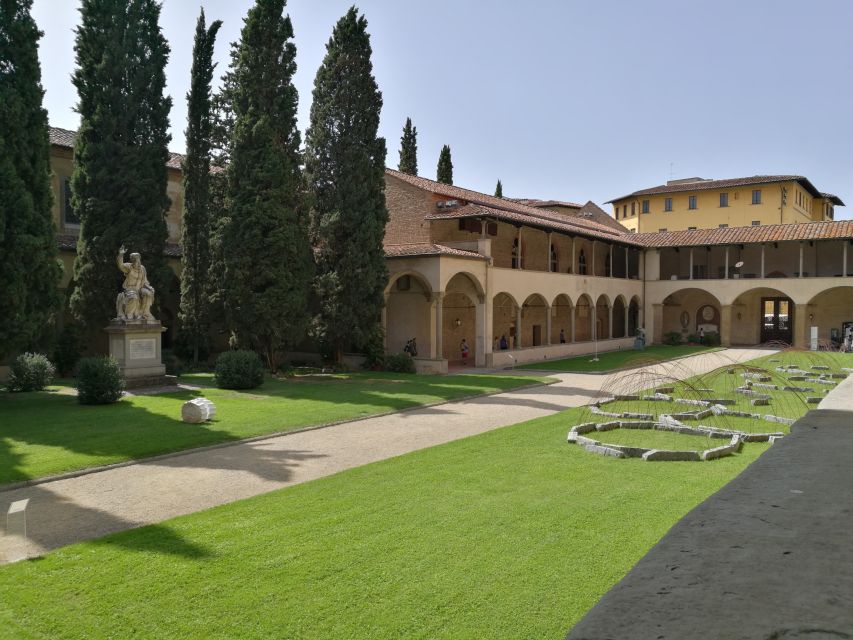
The frescoes connected with Giotto are among the artistic highlights. The guide points out the scenes and explains their place in the church’s decoration, helping you notice details that you might otherwise pass without understanding.
The Bardi Chapel receives particular attention. Here, the tour can show you how religious paintings worked as both visual storytelling and decoration. You may appreciate the color and composition first, then begin to see how the scenes guide your eye through the chapel.
This is where a live explanation earns its fee. Without context, frescoes can become a parade of solemn faces and faded colors. With a good guide, you begin to understand the choices in the paintings and the way different parts of the chapel fit together.
Expect some time standing inside the basilica. A July visit was described as very hot, although the guide worked to keep the group comfortable. If you are sensitive to heat, plan your clothing accordingly and keep your expectations realistic. The church is a historic site, not a modern climate-controlled museum.
A different sort of day out around Florence:
- Florence: Michelangelo’s David Skip-the-Line Entry Ticket
★ 4.5 · 12,764 reviews - The Best tour in Florence: Renaissance & Medici Tales – guided by a STORYTELLER
★ 5.0 · 12,316 reviews - Florence: Leonardo Interactive Museum Entry Ticket
★ 4.5 · 11,763 reviews - The Best Tour in Florence: Renaissance and Medici Tales
★ 5.0 · 10,810 reviews
The Medici Chapel and Pazzi Chapel
The Medici Chapel adds another layer to the tour. The Medici family shaped Florence through banking, patronage, and politics, and the chapel reflects how powerful families used art and religious spaces to express status and devotion.
One particularly useful detail from the tour experiences is that guides adapt when visitors have a clear interest. When one participant wanted more information about the Medici family, Annette focused part of the explanation in that direction. A private or very small group gives you the best chance of this kind of exchange.
The Pazzi Chapel brings Brunelleschi into the story. Its importance lies not only in its beauty but also in the way its design reflects Renaissance ideas about proportion, order, and space. The guide can help you compare its architectural language with the older Gothic character of the main church.
The chapels are a good reason not to rush through Santa Croce on your own. You can certainly admire them independently, but a guide helps you understand the tension between medieval religious tradition and the Renaissance taste for balance, geometry, and classical ideas.
Tombs, memorials, and the Italian Hall of Fame
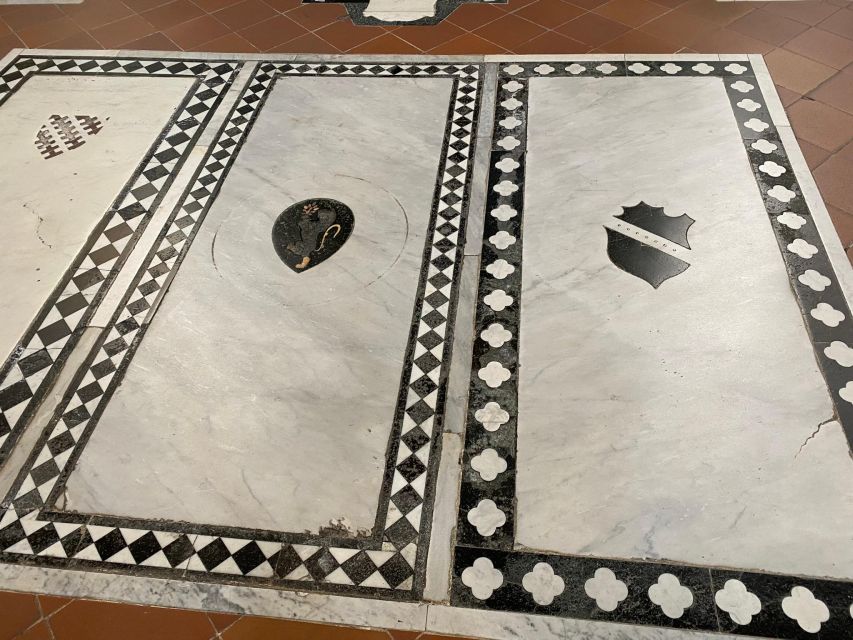
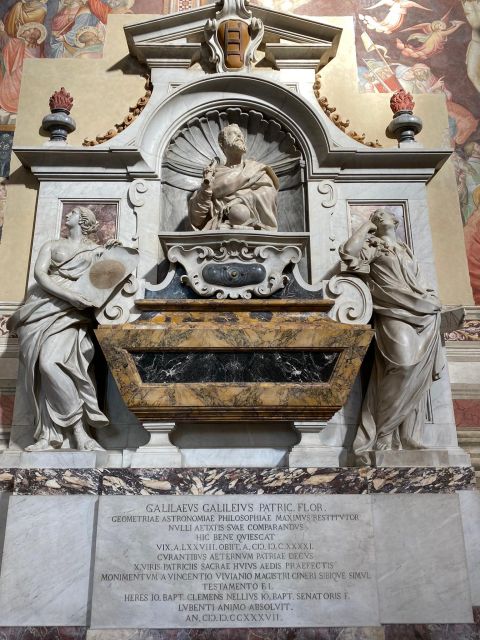
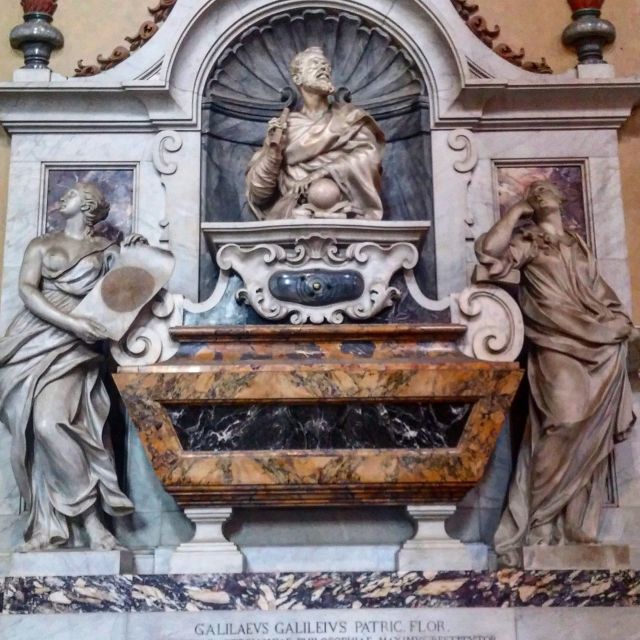
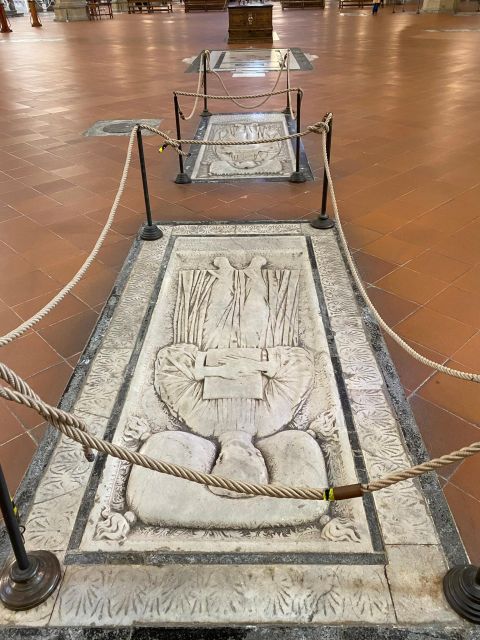
The tombs are the tour’s most memorable human element. Santa Croce is associated with Michelangelo, Galileo Galilei, and Machiavelli, among other major figures. Their memorials are not simple markers. They are carefully designed monuments that turn burial places into statements about national identity and cultural memory.
The guide explains who is buried in the church and who is represented by a memorial. That distinction matters, especially in a place where honor, memory, and actual burial do not always mean the same thing.
Galileo’s presence gives the church a scientific connection. Michelangelo brings the world of sculpture, painting, and architecture. Machiavelli adds political thought. Florence Nightingale is also connected with the memorials discussed on one tour, offering a reminder that Santa Croce’s cultural story includes an important woman among its celebrated names.
This section suits visitors interested in Italian history, but it also works for anyone who prefers personal stories to abstract timelines. The guides bring famous people into the conversation through their work, beliefs, conflicts, and place in Florence.
Several guides were praised for answering questions without making the visit feel hurried. That is a real benefit here. You may arrive wanting only to see Michelangelo’s tomb and leave curious about the politics of the early Kingdom of Italy, the role of public memorials, or the Franciscan tradition that shaped the church.
Why a guide changes the visit
The basilica has plenty to look at, but Santa Croce rewards explanation. A self-guided visit can show you the major sights. A good guide tells you why they are together and how they relate to Florence.
The strongest praise has gone to guides who make complex subjects easy to follow. Francesca was repeatedly described as warm, clear, and passionate. Annette was praised for engaging a teenage visitor and for explaining people connected with the church. Marta, Silvia, Ivan, Viola, and Emanuela were also singled out for lively delivery and careful answers.
That consistency is encouraging, but the guide remains the variable you cannot fully control. The experience is not an audio tour with a fixed script. Your enjoyment will depend on the guide’s pace, voice, and ability to balance the group’s interests.
Headphones are provided when more than seven people participate. That is helpful in a large group, especially inside a church where sound can carry poorly. With only two to four people, the experience may feel more personal, and several small groups ended up receiving close attention from the guide.
A private group is available if you want more control over pace and questions. The standard tour may already be small, but private booking is worth considering for families, groups with specific interests, or visitors who want a quieter conversation.
Is $42 a fair price?
At $42 per person, this is not the cheapest way to enter Santa Croce. You are paying for fast-track admission, a certified guide, and a structured 90-minute visit rather than for entry alone.
I think the value is good if Santa Croce is important to your Florence plans. The guide covers the church’s foundation, architecture, frescoes, chapels, artists, and memorials in a short period. You also avoid spending your limited sightseeing time trying to work out what you are looking at.
The value is strongest for first-time visitors, families, and anyone who wants art explained in plain language. It is also useful if you have visited Santa Croce before but felt you missed the point. One repeat visitor said the guided experience revealed things they had never noticed during earlier independent visits.
The price is less compelling if you already have strong training in Renaissance art or prefer to explore quietly at your own pace. You will be following a set route for 1.5 hours, and the guide’s interpretation will shape the visit.
Still, the short length helps. You can pair Santa Croce with other sights around Florence without giving up a full morning or afternoon. Think of this as a concentrated lesson inside a major monument.
Who should book this experience?
I would recommend it to anyone visiting Santa Croce for the first time. The church contains too many artists, chapels, memorials, and historical connections to absorb easily during a quick walk-through.
It is especially well suited to:
- Families with older children or teenagers who benefit from stories and clear explanations
- Art and architecture fans who want Giotto, Donatello, Brunelleschi, and the chapels placed in context
- History lovers interested in Galileo, Michelangelo, Machiavelli, Florence Nightingale, and the early Italian state
- Visitors who have already seen Santa Croce but want a fuller understanding
- People with a tight schedule who want a focused 90-minute visit
- Small groups that enjoy questions and conversation
I would be more cautious if you dislike guided sightseeing, need a flexible arrival time, or want to linger at one artwork for a long period. The no-late-arrival rule is strict, and the church may feel hot during summer visits.
The tour is offered in English, Spanish, and Italian. Wheelchair access is available, and private groups can be arranged. Food, drinks, hotel pickup, and hotel drop-off are not included, so plan to reach the basilica independently.
Should you book the Santa Croce tour?
Book it if you want Santa Croce to become more than a beautiful stop on a walking route. The tombs of Michelangelo and Galileo may draw you in, but the guided explanation of the chapels, frescoes, Franciscan foundation, and political memory gives the visit real shape.
At $42, I see this as a fair buy for first-time visitors and families. The excellent guide feedback, small-group approach, fast-track entry, and compact length all work in its favor. Arrive early, dress appropriately, and choose it when you want stories and context, not just access to the building.
FAQ
How long does the Santa Croce guided experience last?
The experience lasts 1.5 hours.
What languages are available?
Live guides are available in English, Spanish, and Italian.
Where is the meeting point?
Meet at the statue of Dante Alighieri and climb the steps in front of the Basilica of Santa Croce. Look for a guide holding a purple Hidden Experiences flag or sign.
Are tickets included?
Yes. Fast-track entry tickets are included, and the guide holds the group’s tickets.
Is the experience wheelchair accessible?
Yes, the activity is listed as wheelchair accessible.
What clothing is not allowed?
Sleeveless shirts are not allowed inside the basilica.
Just added around Florence
- Palazzo Vecchio guided experience with entrance ticket★ 4.5 · 249 reviews
- Lucca Bikes and Bites with food tastings for Small Groups or Private★ 5.0 · 249 reviews
- Perfume Masterclass in Florence: Make your Own Personal Fragrance★ 4.5 · 253 reviews
- Florence Oltrarno Neighborhood Food & Wine Dine Around★ 5.0 · 253 reviews
- Florence: Cathedral, Dome and Terraces Guided Tour★ 4.5 · 253 reviews
- Florence: Pitti Palace and Palatina Gallery Ticket and Tour★ 4.9 · 255 reviews
- Private Florence Tour by Golf Cart ETukTuk with Audio Guide★ 4.0 · 256 reviews
- From Florence: Chianti Wine and Food Tasting Safari★ 4.9 · 256 reviews
Florence Tours, compared.

Skip-The-Line Uffizi Gallery Timed Entry Ticket
Read our review →
Tuscany Day Trip from Florence: Siena, San Gimignano, Pisa and Lunch at a Winery
Read our review →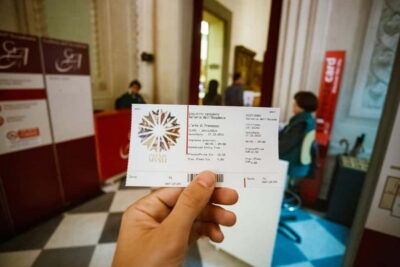
Timed Entrance Ticket to Michelangelo’s David
Read our review →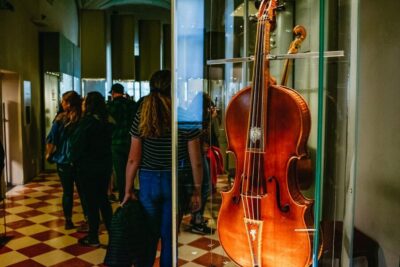
Michelangelo’s David Skip-the-Line Entry Ticket
Read our review →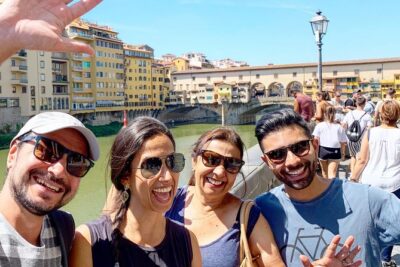
The Best tour in Florence: Renaissance & Medici Tales – guided by a STORYTELLER
Read our review →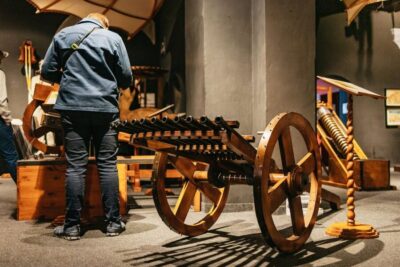
The Best Tour in Florence: Renaissance and Medici Tales
Read our review →