
Review · CITY TOURS
Rome: Guided City Center Evening Sightseeing Walking Tour
Rome comes alive after sunset. I like the Pincio Terrace sunset and the way this three-hour walk links major sights without wasting time on transport. I also like the mix of grand monuments, fountains, churches, and street life. The tradeoff is simple: this is a fast, continuous walk, with hills, steps, and little time to sit.
For $46, you get a useful first look at central Rome with an English-speaking guide. Guides such as Andrada, Carolina, Marzia, Ava, and Ghil have been praised for making art and history easy to follow, while offering restaurant tips along the way. Arrive ready to walk, wear comfortable shoes, and expect the meeting point at Piazza del Popolo to require a little care.
In This Review
- Key points to know before booking
- Why this evening walk works so well on a first night
- Meeting at Piazza del Popolo and climbing to Pincio Terrace
- Spanish Steps and the Barcaccia Fountain
- Trevi Fountain and Rome’s famous coin tradition
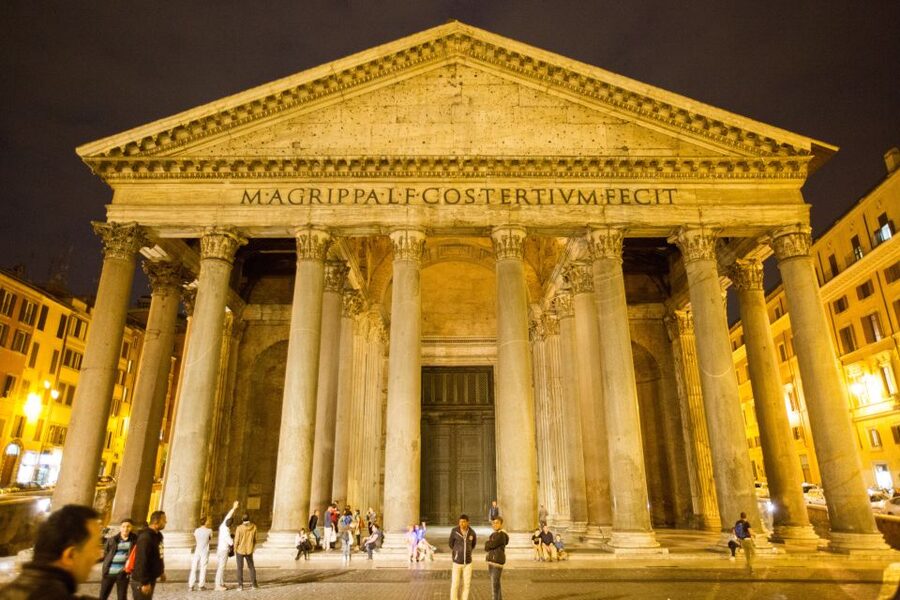
- The Pantheon at Piazza della Rotonda
- Piazza Navona and Bernini’s Four Rivers Fountain
- Finishing at Campo de’ Fiori
- What the $46 price delivers
- Pace, comfort, and the practical realities
- Who should choose this Rome walking tour?
- Should you book it?
- FAQ
- How long is the Rome evening walking tour?
- Where does the tour meet?
- Which major sights does the tour visit?
- Is the tour offered in English?
- Are children allowed to join for free?
- Is the tour suitable for wheelchair users?
Key points to know before booking
- Sunset at Pincio Terrace: The tour begins with a climb to one of Rome’s best city views, making the opening especially memorable.
- Major sights in one route: You see the Spanish Steps, Trevi Fountain, Pantheon, Piazza Navona, and Campo de’ Fiori in three hours.
- A strong first-evening choice: The route helps you get your bearings and decide where to return during the rest of your stay.
- Full walking commitment: You remain on your feet for nearly the entire tour, and the opening climb can be demanding.
- Good guide-led context: The tour adds stories about art, religion, architecture, and Roman customs that are easy to miss on your own.
- Nighttime advantages: Cooler air, illuminated fountains, and fewer daytime crowds can make the center more pleasant.
Why this evening walk works so well on a first night
Rome can feel like too much at first. Every street seems to lead to another church, fountain, ruin, or piazza, and it is easy to admire the view without understanding what you are seeing.
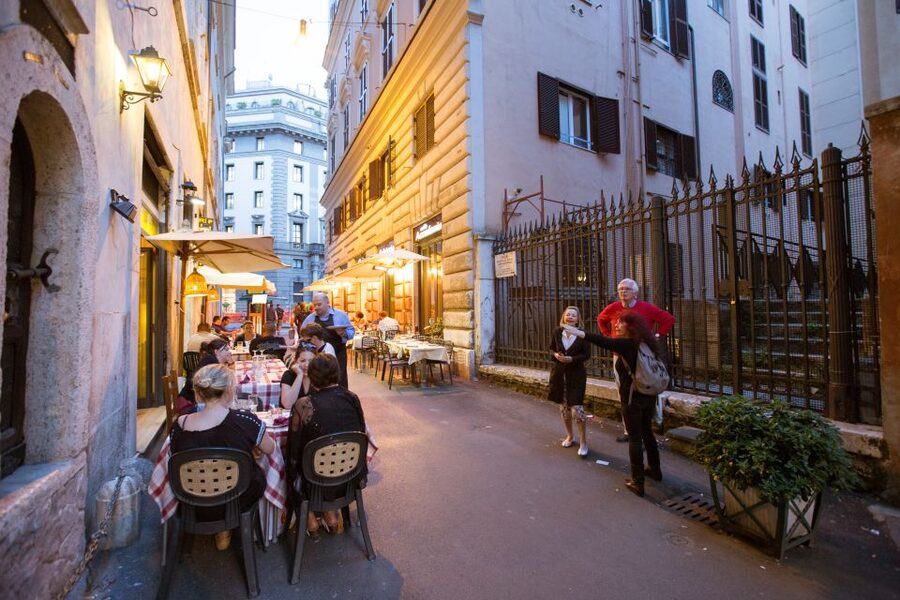
This tour gives you a clear route through the historic center. You start at Piazza del Popolo and finish at Campo de’ Fiori, passing several of Rome’s best-known sights along the way. That makes the tour useful as an orientation walk, not just a checklist of photo stops.
I especially like the evening timing. Rome’s stone buildings take on softer color as daylight fades, and the fountains look striking once the surrounding streets begin to glow. In summer, the later start also helps you avoid the worst heat. One family booked it after arriving in Rome during the afternoon and found it a much better introduction than simply wandering around alone.
The pace is not lazy. You will walk for the full three hours, and you may cover a good portion of the route without a proper break. That is a fair exchange for seeing so many central landmarks in one outing, but it is worth knowing before you book.
More Evening Tours in Rome
- Rome: City Highlights Open-Top Bus Night Tour
★ 4.1 · 2,038 reviews - Rome: Paranormal Night Walking Tour & Secret Backstreets
★ 4.9 · 1,921 reviews - Vespa Sidecar Tour By Night with Pickup
★ 5.0 · 1,803 reviews
Meeting at Piazza del Popolo and climbing to Pincio Terrace
Your meeting point is in front of Santa Maria del Popolo Church in Piazza del Popolo, next to the Leonardo da Vinci Museum. Look for a guide carrying a Rome Your Way sign.
The location is central, but the exact meeting spot can feel confusing if the square is crowded. Give yourself extra time, and use the church as your main landmark. The church’s position beside the museum makes it easier to identify than trying to locate a small sign among the fountains and pedestrians.
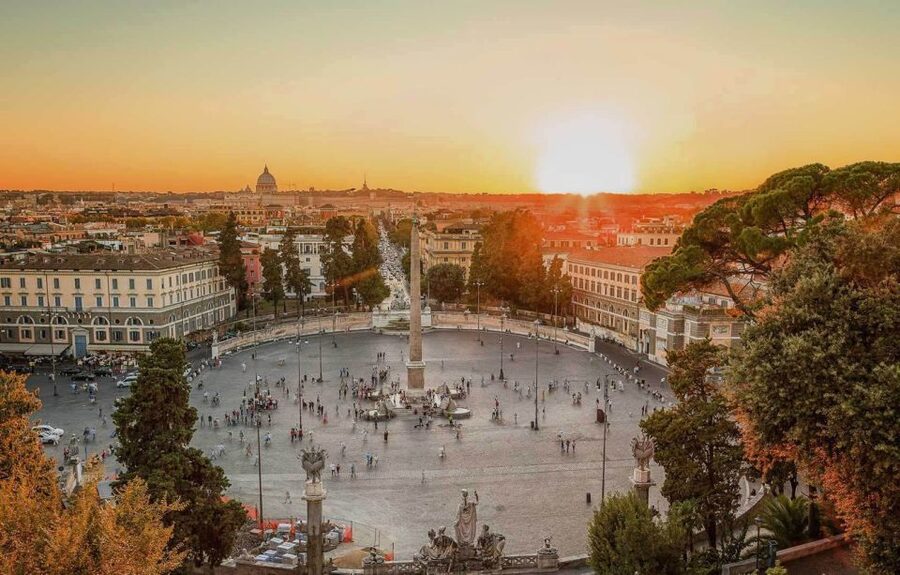
Piazza del Popolo is a fitting starting point. Churches, fountains, monuments, and the broad shape of the square introduce several themes that continue throughout the walk: Roman power, religious art, grand urban design, and the habit of turning public spaces into theaters.
From here, you walk uphill to Pincio Terrace. This is one of the more physical parts of the route, and the climb may be uncomfortable for anyone with limited mobility. Wheelchair users should not book this tour, and anyone who dislikes stairs or steep streets should think carefully before choosing it.
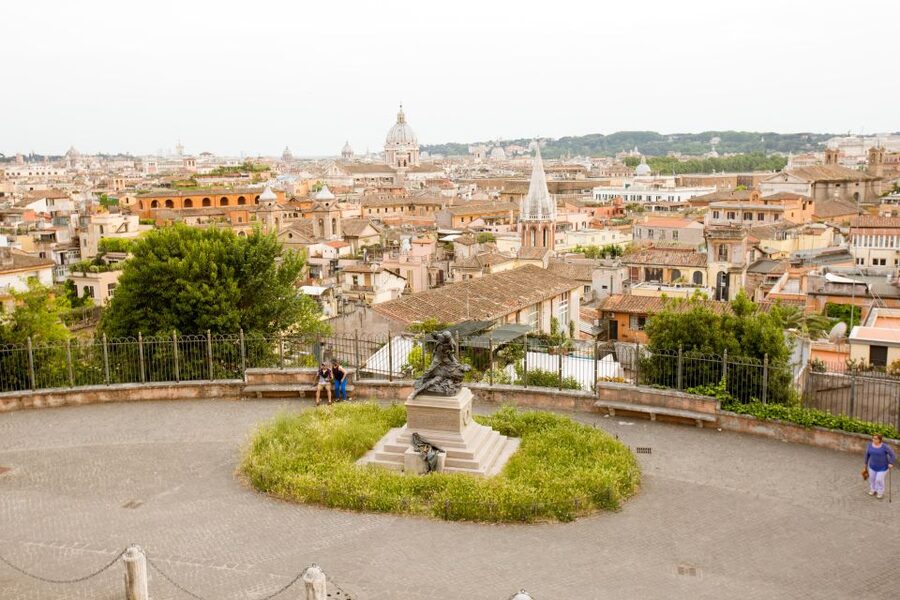
The reward is the view. From Pincio Terrace, you look across Rome’s rooftops as the sun drops over the city. The stop gives you a pause to take in Rome as a whole before the tour returns to street level and moves into the tighter lanes of the center.
Spanish Steps and the Barcaccia Fountain
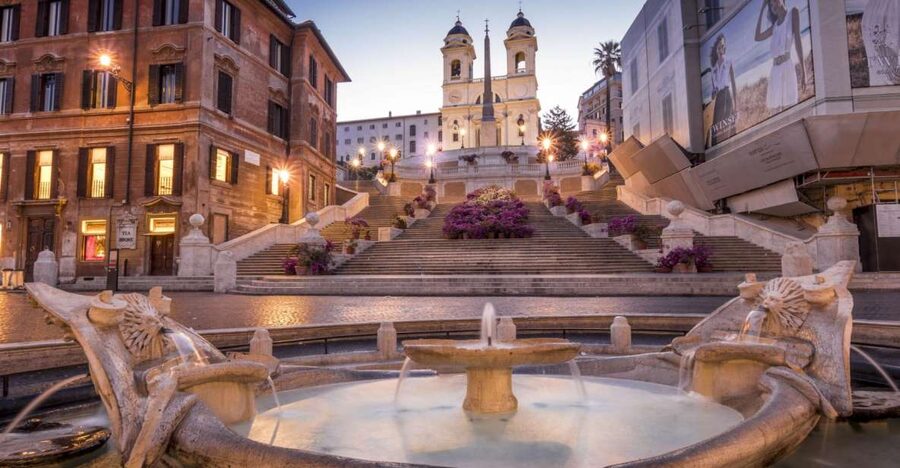
The route continues to Piazza di Spagna, home of the Spanish Steps and Bernini’s Barcaccia Fountain. This is one of Rome’s most photographed corners, but a guide helps you see more than the familiar staircase.
The fountain sits low in the square and has the shape of a half-sunken boat. Its placement and design show how Roman fountains were made to be both useful and theatrical. You may already have seen images of the Spanish Steps, but hearing the story behind the fountain gives the scene more character.
This stop is also a good example of why the tour is better than simply walking from one famous place to another. A monument can look beautiful while remaining strangely anonymous. A short explanation about its artist, purpose, or setting gives you something to remember when you pass it again later.
Do not expect a long visit inside a church or museum here. This is an outdoor sightseeing walk, so the emphasis is on the public spaces and their architecture. If you want detailed interior visits, you will need to return separately.
Trevi Fountain and Rome’s famous coin tradition
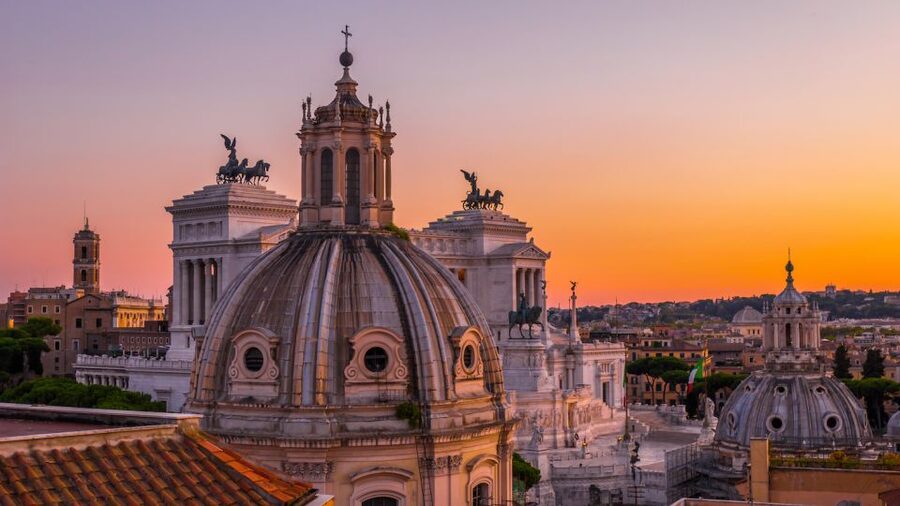
The Trevi Fountain is the route’s big dramatic moment. It is Rome’s largest Baroque fountain, and its scale becomes clearer when you approach it on foot through the surrounding streets.
The fountain’s water, sculpture, and curved stonework create a powerful scene even when the square is busy. In the evening, the lighting helps bring out the movement of the figures and the pale stone. Your guide explains the fountain’s place in Roman tradition, including the familiar coin toss.
The custom says that tossing a coin over your left shoulder into the fountain means you will return to Rome. It is a small ritual, but it gives you a personal connection to the stop. Bring a coin if you want to take part, though the tour does not include one.
This is one place where the group may need to stay close together. The area around the fountain can be crowded, and you will want to listen while also finding a clear view. Headsets are provided when needed, which can help when the group spreads out or street noise rises.
The Trevi stop is also a good reminder that this tour is about seeing famous places efficiently. You will have time to admire the fountain and hear its story, but not the time for a long pause, a meal, or a quiet sketch in the square.
More Walking Tours in Rome
- Rome: Trastevere & Campo de Fiori Street Food Walking Tour
★ 4.9 · 2,768 reviews - Rome by Night Walking Tour – Legends & Criminal Stories
★ 4.5 · 1,003 reviews - Best of Rome Walking Tour including Trevi Fountain
★ 4.5 · 923 reviews - Rome: Under the Moonlight Evening Walking Tour
★ 4.8 · 852 reviews
The Pantheon at Piazza della Rotonda
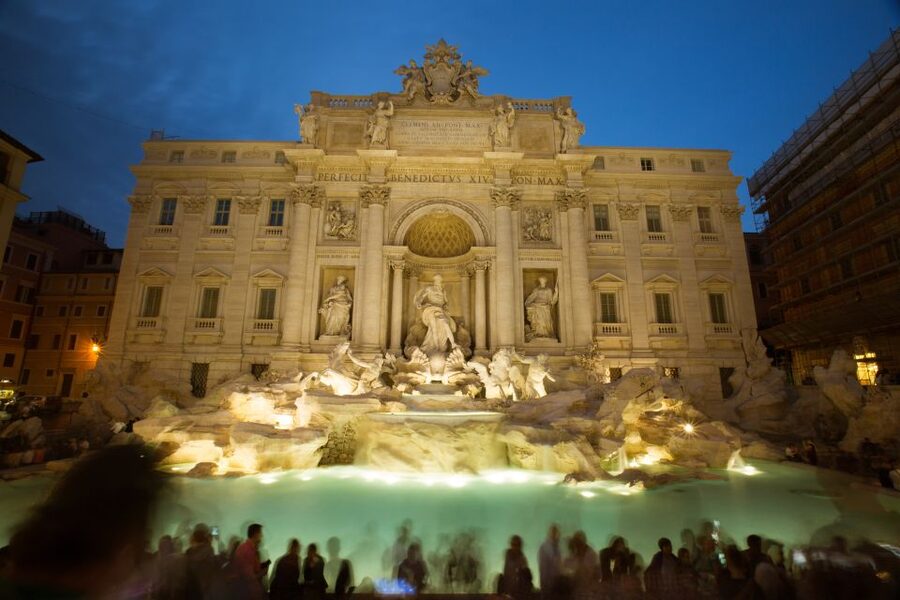
Next comes Piazza della Rotonda and the exterior of the Pantheon. The building was constructed in 27 B.C. and later rebuilt in its present form during the Roman imperial period. In the seventh century, it became a church dedicated to Mary and the martyrs.
Even from outside, the Pantheon is an impressive sight. Its massive columns and rounded structure are easy to appreciate once your guide explains how old the building is and how its purpose changed over time.
The Pantheon also holds the tomb of important Renaissance figures, including Raphael. That detail connects ancient Rome with the later artists and architects who helped shape the city you see today.
Because the tour focuses on the exterior, you should not book it as a substitute for an interior Pantheon visit. If entering the building is important to you, plan a separate visit when you have enough time to look around properly. The walking tour gives you context and a first view, but it does not replace a dedicated stop.
I find this part of the route especially useful because it links several periods of Rome’s past in one place: ancient engineering, Christian use, and Renaissance memory. You are not just moving between attractions. You are seeing how the city keeps reusing its old buildings and public spaces.
Piazza Navona and Bernini’s Four Rivers Fountain
Piazza Navona is one of the most enjoyable stops on the route. Its long, open shape follows the footprint of an ancient stadium, and its fountains and surrounding buildings make it feel like a grand outdoor room.
At the center is Bernini’s Four Rivers Fountain. The sculpture represents four major rivers, and your guide explains the symbolism and the fountain’s role in the square. The church of Sant’Agnese in Agone, associated with Borromini, faces the fountain, creating a striking contrast between the church facade and Bernini’s sculpture.
You also see Palazzo Pamphili, the Neptune Fountain at the north end, and the Moor Fountain at the south end. These details reward a slower look, but the tour’s pace means you should listen carefully and take photos as you go.
Piazza Navona is a good place to notice the difference between Rome by day and Rome after dark. The square becomes a social meeting place, with people strolling, talking, and enjoying the architecture. I like that the guide points out more than the central fountain, since it is easy to miss the other sculptures and buildings while focusing on the main attraction.
Several guides have received praise for explaining art and architecture in a lively way here. Andrada, in particular, has been singled out for making complex subjects easy to understand, while Carolina and Marzia have also been praised for their warmth and enthusiasm. The actual guide for your departure may differ, but the experience depends heavily on how well the guide brings these details together.
Finishing at Campo de’ Fiori
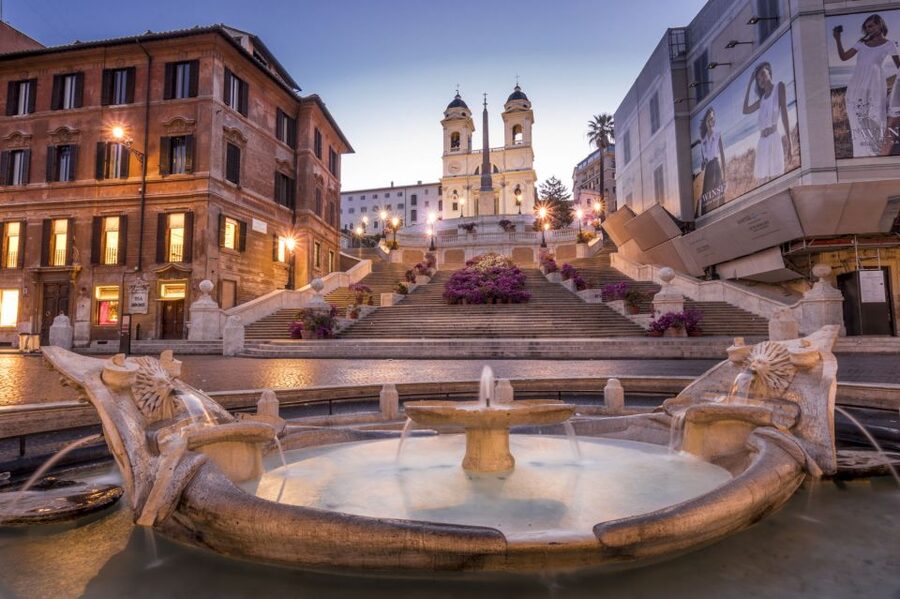
The walk ends at Campo de’ Fiori, a useful place to finish because you can continue your evening without needing to cross the city again.
The square has a darker past. It was once associated with public races and executions, and the statue of Giordano Bruno in the center recalls that history. In the morning, Campo de’ Fiori is known for its market. After sunset, it becomes a place for nightlife and evening dining.
This ending gives you options. You can stop for a drink, look for a Roman snack, or use the square as a base for your next walk. One guide recommended supplì, a classic Roman fried rice snack, which is a practical suggestion if you are hungry after three hours on foot.
The tour does not include food or drinks, so budget separately if you want to eat afterward. The advantage is that you are free to choose your own place rather than being tied to a group meal.
What the $46 price delivers
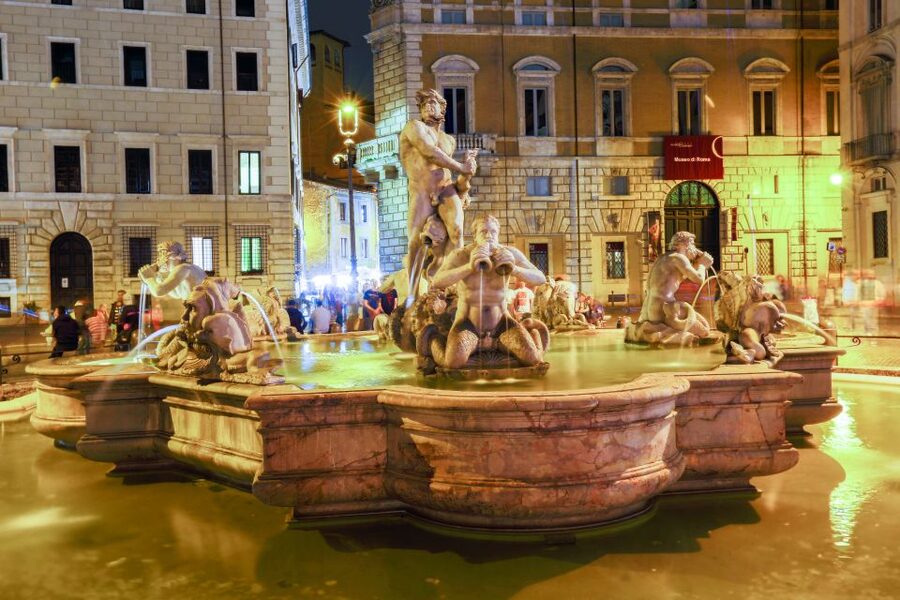
At $46 per person, the tour is not the cheapest way to see Rome’s center. You can walk this route independently for free. The real question is how much you value the explanations, route planning, and ease of seeing several landmarks in one evening.
I think the price is reasonable if this is your first visit, your time is limited, or you want a strong introduction before exploring alone. A good guide can explain details that would otherwise pass unnoticed, from the Barcaccia Fountain to the artistic rivalry visible around Piazza Navona.
The value is also better for people who might feel overwhelmed by Rome. You do not need to work out the most efficient route between the Spanish Steps, Trevi Fountain, Pantheon, and Campo de’ Fiori. You simply follow the guide and build a mental map of the center.
The value is weaker if you already know Rome well, prefer to stop whenever you like, or want entry into the monuments. This is an outdoor route, and the price covers the guide, the three-hour walk, and headsets when needed. It does not cover hotel transfers, meals, or admission to attractions.
Children aged five and under go free, which can improve the price for families. Still, young children must manage a long walk without much downtime, so consider their stamina rather than focusing only on the free ticket.
Pace, comfort, and the practical realities
Wear proper walking shoes. The tour includes an uphill section at the start, city streets, and a continuous route through several busy squares. Comfortable clothing is also a smart choice, particularly during warmer months.
You should eat before the tour or carry a small snack and water. Campo de’ Fiori gives you a chance to continue with food afterward, but the walk itself is not built around restaurant stops.
The evening schedule is one of the tour’s strongest features. People who took the walk in summer liked escaping the daytime heat, and several found the streets easier to enjoy after dark. Cooler weather also helps you focus on the guide instead of searching for shade.
The group may move quickly between stops. One particularly useful expectation is that you may remain on your feet for all three hours without a real break. If you need frequent rests, this may feel tiring.
The tour is offered in English with a live guide. Headsets are supplied when needed, and the cancellation policy allows a full refund if you cancel at least 24 hours ahead. You can also reserve now and pay later, which helps if your Rome schedule is still changing.
Who should choose this Rome walking tour?
I would choose this tour for a first or second evening in Rome, especially if you arrive in the afternoon and want to make good use of the night. It gives you an overview without committing half a day to one museum or archaeological site.
It also suits couples looking for a scenic evening, solo visitors who want a planned route, and families with older children who can handle a steady walk. The sunset view, fountains, and illuminated squares give the route a romantic feel without turning it into a formal dinner outing.
You may prefer another option if you use a wheelchair, struggle with hills or stairs, want a slow photography walk, or need regular seating. The tour is also not ideal if you expect to enter every major monument. Its purpose is to connect the city’s public spaces and explain what you are seeing.
Should you book it?
Yes, if you want a guided introduction to Rome’s center and can comfortably walk for three hours. I would book it near the start of my stay, since the route helps you decide which fountains, piazzas, churches, and restaurants deserve a return visit.
The strongest reasons are the Pincio Terrace sunset, the number of major sights covered, and the quality of guide-led explanations. Just set your expectations correctly: this is an active overview, not a relaxed stroll with long breaks.
Meet carefully at Santa Maria del Popolo Church, arrive in comfortable shoes, and keep the rest of your evening open at Campo de’ Fiori. For many visitors, that combination of orientation, atmosphere, and practical local advice makes $46 a fair price.
FAQ
How long is the Rome evening walking tour?
The tour lasts three hours.
Where does the tour meet?
Meet in Piazza del Popolo, in front of Santa Maria del Popolo Church, next to the Leonardo da Vinci Museum. Look for a Rome Your Way guide sign.
Which major sights does the tour visit?
The route includes Pincio Terrace, the Spanish Steps, Bernini’s Barcaccia Fountain, the Trevi Fountain, Piazza della Rotonda and the Pantheon exterior, Piazza Navona, and Campo de’ Fiori.
Is the tour offered in English?
Yes. The tour includes a live English-speaking guide.
Are children allowed to join for free?
Children aged five years and younger can join for free.
Is the tour suitable for wheelchair users?
No. The tour is not suitable for wheelchair users, and it includes an uphill section and extensive walking.
More After-Dark Outings
- Rome by Night – Ebike Small Group Tour – Food and Wine (Option)
★ 5.0 · 1,275 reviews - Colosseum Sunset Tour with Entry
★ 4.5 · 1,230 reviews - Rome: E-Bike Night Tour with Food and Wine Tasting
★ 4.9 · 1,131 reviews - Colosseum by Evening Guided Tour with Optional Arena Floor Access
★ 4.0 · 867 reviews
More Guided Walks
- Rome: Forbidden History Walking Tour & Pub Crawl with Drinks
★ 4.9 · 688 reviews - Rome: Guided Small Group Walking Tour of City Highlights
★ 5.0 · 682 reviews - Rome Walking Tour with Piazza Navona, Trevi Fountain and Pantheon
★ 4.5 · 676 reviews - Rome: City Highlights Moonlight Walking Tour
★ 4.9 · 580 reviews
Just added around Rome
- Rome City, Pantheon, and Trevi Fountain Walking Tour★ 5.0 · 249 reviews
- Rome: Skip the line Vatican Museums & Sistine Chapel Tour★ 4.2 · 251 reviews
- Rome: Tivoli Day Trip with Villa d’Este and Villa Adriana★ 4.5 · 251 reviews
- Transfer Rome center – Ciampino Airport★ 4.5 · 251 reviews
- Rome: Cannondale E-Bike Evening Tour with Optional Dinner★ 4.9 · 251 reviews
- VIP Colosseum, Roman Forum & Palatine Hill & Special Access Sites★ 4.5 · 252 reviews
- Private Vatican Museums Hidden Gems Tour with Optional Pick-Up★ 5.0 · 253 reviews
- Vatican Museums & Sistine Chapel Skip-the-Line Guided Tour★ 4.6 · 254 reviews
City Tours, compared.

City Sightseeing Hop-on Hop-off Bus with Audioguide
Read our review →
City Sightseeing Hop-On Hop-Off Bus with Audio Guide
Read our review →
City Sightseeing Rome Hop-On Hop-Off Bus Tour
Read our review →
Fettuccine Pasta Cooking Class in Rome’s City Center
Read our review →
Vatican City: Vatican Museums & Sistine Chapel Entry Ticket
Read our review →

City Sightseeing Florence Hop-On Hop-Off Bus Tour
Read our review →Browse the lists this tour appears in