
Review · COOKING CLASSES
Verona: Pasta and Tiramisu Cooking Class With Free Flowing Wine
Fresh pasta makes Verona even more delicious. This three-hour class brings you into a restaurant near the Arena, where you make fettuccine, ravioli, and tiramisu while sipping Italian wine. I like the small-group, hands-on format and the easy social setting, where you share a meal with people from several countries.
I also like the warm teaching style. Instructors including Elodie, Carlo, Ava, Victoria, and Jasmine have been praised for clear directions, patience, humor, and personal help at each workstation. The main consideration is that group size and pacing may vary, and one session felt crowded despite the advertised maximum of 12 people.
In This Review
- Key points to know before booking
- What the Verona cooking class is really like
- Arriving near the Arena
- Making pasta dough from the beginning
- Fettuccine and ravioli: two different pasta lessons
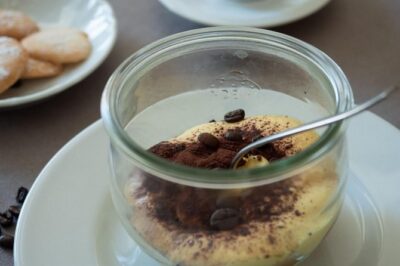
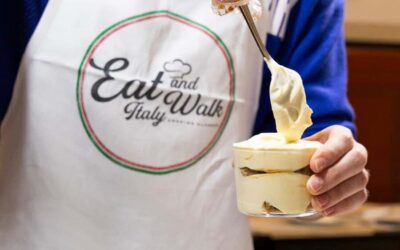
- Tiramisu with a helping hand
- Sitting down to eat what you made
- The instructors make the difference
- Group size, comfort, and the occasional rough edge
- Who will enjoy it most
- Food restrictions and what you need to know
- Booking, timing, and cancellation
- Should you book this pasta class in Verona?
- FAQ
- Where does the cooking class take place?
- How long does the experience last?
- Is the class offered in English?
- What pasta dishes will I make?
- Is tiramisu included?
- Are drinks included?
- Is lunch or dinner included?
- Is the class suitable for children?
- Can people with allergies or dietary preferences take part?
- How many people can join the class?
- Can I cancel for a full refund?
Key points to know before booking
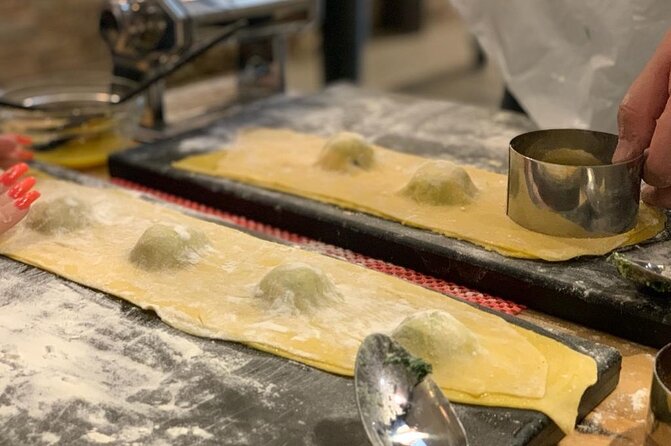
- Three classic dishes: Make fresh fettuccine, ricotta and spinach ravioli, and tiramisu.
- Wine comes with the meal: You receive Prosecco on arrival, then wine and non-alcoholic drinks during lunch or dinner.
- Central Verona setting: The class takes place in a restaurant near the Arena, with public transportation nearby.
- Good for families and beginners: Children as young as 9 and 11 have enjoyed the activity, and the instructions are designed for first-time pasta makers.
- Traditional ingredients matter: Recipes focus on flour, gluten, dairy, and eggs, so the class is not a natural fit for vegans or people with serious food allergies.
- Check the group size: The advertised maximum is 12, but one attendee reported a group of around 15, which made individual help harder.
What the Verona cooking class is really like
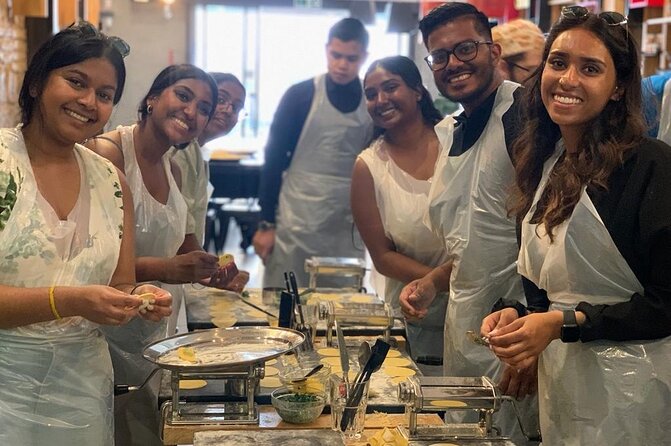
I see this as both a cooking lesson and a social meal. You are not simply shown a finished plate and sent away with a recipe card. You work with dough, shape pasta, help prepare dessert, then sit down to eat the food made during the class.
That makes the experience a useful break from churches, piazzas, and Roman ruins. Verona is easy to fill with sightseeing, but a few hours in a restaurant kitchen gives you a different way to understand Italian daily life. You learn why fresh pasta feels different from dried pasta, how dough behaves, and why simple ingredients need careful handling.
The class is offered in English and lasts about three hours. At $71.35 per person, the cost is not just for instruction. It also covers lunch or dinner, a welcome glass of Prosecco, wine, soft drinks, and tiramisu. Compared with paying separately for a meal and a cooking lesson, the price is fair, especially if you value an activity that fills an entire afternoon or evening.
I would not book it expecting advanced culinary training. This is a relaxed introduction to handmade pasta, not a professional kitchen course. One person found the class too basic and was disappointed that the sauces were not taught in detail. That is an important distinction: you learn the pasta and the tiramisu, while the meal includes preparations such as tomato sauce and butter with sage.
More Wine Tours in Verona
- Verona: Pasta and Tiramisu Cooking Class with Fine Wine
★ 4.8 · 633 reviews - From Verona: Valpolicella and Amarone Wine Tasting Tour
★ 4.9 · 560 reviews - Verona: Wine Tasting with Snacks and Panoramic Views
★ 4.8 · 494 reviews
Arriving near the Arena
The restaurant location is one of the class’s practical strengths. It is in central Verona, opposite or very close to the Arena according to the experience details, so you can fit the class into a day of walking without arranging a separate trip outside town.
On arrival, you go inside the restaurant and receive a welcome glass of Prosecco. This sets the tone quickly. The class is meant to be friendly and informal, rather than stiff or classroom-like.
The setting is not a private farmhouse or a quiet rural kitchen. You prepare the food in part of the restaurant dining area, with the working restaurant around you. Some people will enjoy seeing how a central Verona restaurant operates. If you are looking for a private, highly polished cooking studio, the setting may feel more commercial.
The class is near public transportation, but no specific route or stop is provided. I would still allow a little extra time to find the meeting point, especially if you are arriving during a busy sightseeing day. The Arena is an easy landmark, but central streets can be confusing when you are watching the clock.
Making pasta dough from the beginning
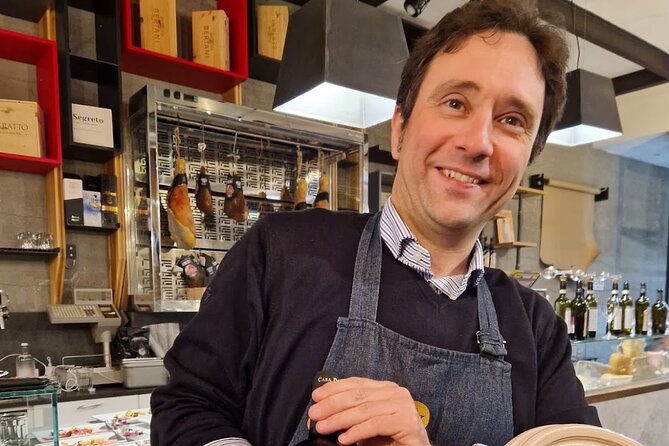
After the welcome, you tie on an apron and move to your workstation. The instructor explains how to prepare pasta dough, including the type of flour to use and the difference between pasta fresca and pasta secca.
This basic lesson is one of the most useful parts of the class. You are not only copying a shape. You are learning why the dough needs the right balance of flour and liquid, why fresh pasta cooks differently, and how homemade dough differs from the dried pasta sold in shops.
The exact working method depends on the instructor and the group, but the class is designed around step-by-step guidance. Instructors move between tables to offer individual help, which is especially helpful when dough feels too sticky, too dry, or difficult to roll.
The pace should suit beginners. Several instructors have been praised for making the process easy to follow, and families have found the activity accessible for children. If you cook often, you may find the techniques familiar. I would choose this class for the pleasure of making pasta with other people, not for difficult or unusual recipes.
Fettuccine and ravioli: two different pasta lessons
The main meal includes two fresh pasta dishes: fettuccine with tomato sauce, and ricotta and spinach ravioli with butter and sage. Preparing both gives you two useful lessons in texture and shape.
Fettuccine is the simpler format. You work with pasta dough and create long, flat ribbons. It is satisfying because the result is easy to recognize, and it gives beginners a quick sense of success.
Ravioli requires more care. You need to place the ricotta and spinach filling correctly, close the dough, and avoid trapping too much air. This is where personal assistance matters. A good instructor can show you how firmly to seal the edges without tearing the pasta.
I like the choice of these two dishes because they show different sides of fresh pasta. One is cut into ribbons, and the other is filled and shaped. You leave with techniques you can try at home, even if you do not reproduce the meal perfectly.
There is one limit to keep in mind. The class does not focus on making the sauces from scratch. The pasta is served with tomato sauce and butter with sage, but the instruction centers on dough, shaping, and tiramisu. If sauce-making is your main goal, this is not the right class.
More vineyard visits and tastings:
- Verona walking tour:food, wine, legends, lunch/dinner & cable car
★ 5.0 · 386 reviews - Verona All in one: Food Walking Tour, Lunch & Wine
★ 5.0 · 342 reviews - Discover Valpolicella Vineyards and Wine Tasting Experience
★ 4.5 · 341 reviews - Amarone Wine-tasting Tour from Verona with Private Transportation
★ 5.0 · 283 reviews
Tiramisu with a helping hand
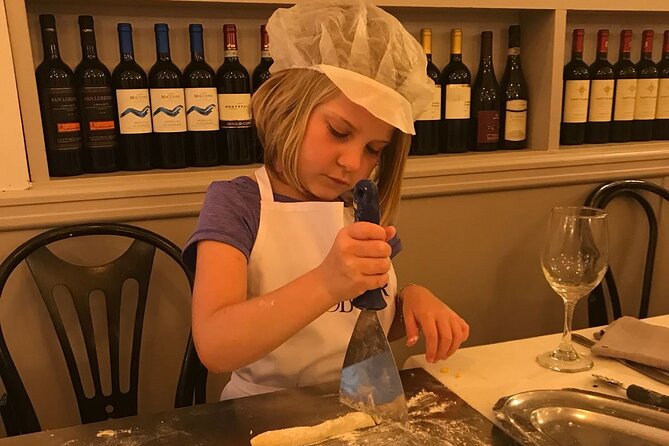
The dessert lesson covers tiramisu, one of Italy’s most familiar sweets. You learn how to assemble it, and some sessions invite several people to help prepare the dessert.
That shared approach can be fun, especially for children. It also means you may not personally complete every part of every tiramisu. One session had a few volunteers take the lead on the dessert, while the rest of the group watched or helped in smaller ways.
If making your own individual dessert is important to you, ask how the class will divide the work when you arrive. The supplied information promises tiramisu as part of the experience, but not necessarily one separate serving prepared entirely by each person.
The dessert is served at the end of the meal. It gives the class a pleasant finish, although the timing may depend on how quickly the group completes the pasta.
Sitting down to eat what you made
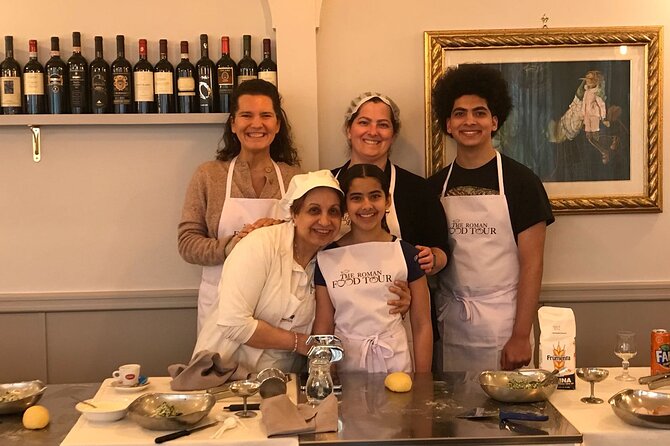
The best part for many people comes after the work. Everyone sits down together for lunch or dinner and eats the pasta made during the class.
The menu includes fettuccine with tomato sauce, ricotta and spinach ravioli with butter and sage, and tiramisu. Drinks include Prosecco, red wine, white wine, and non-alcoholic options. A welcome glass of Prosecco is included before the cooking begins.
I like this shared table because it turns the lesson into a real meal rather than a demonstration followed by a quick taste. You have time to talk with the other people in the group, compare pasta shapes, and enjoy the food at a relaxed pace.
A small point about expectations: the dishes are deliberately traditional and simple. One person hoped for more vegetables or meat, but the menu is built around pasta and dessert. You should book this for handmade pasta and convivial dining, not for a large multi-course restaurant meal.
The wine also adds to the social side, particularly for an evening session. Red and white wine are included, along with soft drinks. One person praised wine from the owner’s region, while another found the wine information less precise than expected. If you care deeply about grape varieties or wine service, treat the drinks as part of the meal rather than a formal tasting.
The instructors make the difference
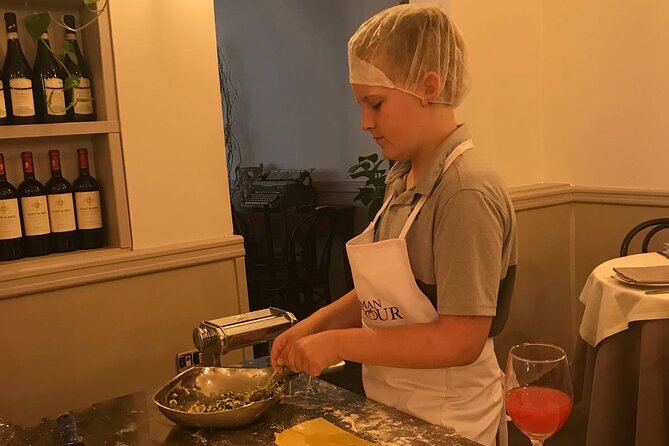
The strongest element of this experience is the teaching style. Elodie is described as friendly, charming, and attentive. Carlo is praised for humor, precision, and a lively personality, including some singing during the class. Ava, Victoria, and Jasmine are also described as patient, clear, and helpful.
The instructor can shape the whole evening. A warm teacher helps nervous beginners handle dough without embarrassment. A lively teacher keeps the class moving while people wait for pasta or dessert. Several sessions have included individual visits to each table, which makes the activity feel more personal.
The class is not necessarily led by a professional chef. One person found it disappointing that the instructor was a restaurant employee rather than an actual chef. That criticism is worth considering if you want advanced technique or restaurant-level training.
For most people, the practical question is simpler: Can the instructor explain the process and help when you get stuck? The available feedback suggests that this is usually a strength, but staff members vary by date.
Group size, comfort, and the occasional rough edge
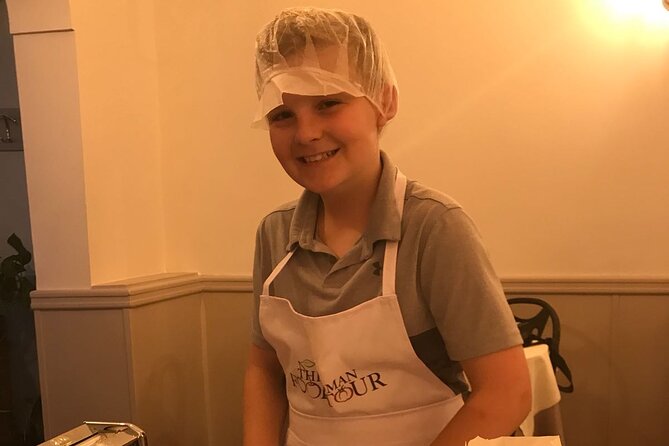
The listed maximum is 12 people. That is a reasonable size for a pasta class, since you need enough room to work dough and shape ravioli while still being able to hear instructions.
One attendee reported a group of around 15 and felt the class was less personal. Another praised a session with only three people because it allowed much more hands-on help. These different experiences show why group size matters here.
The physical comfort of the room can also vary. One class became hot because the air conditioning was off, and drinks became warm during the long cooking period. The experience includes beverages, but cold water or better air circulation would make a warm afternoon more comfortable.
I would not let these points cancel the class, but I would keep them in mind. If you are sensitive to heat, have mobility concerns, or strongly prefer a quiet working space, confirm the practical details before booking. The class takes place in a working restaurant, not a purpose-built teaching kitchen.
Who will enjoy it most
I think this is a good fit for several types of visitors:
- Families looking for an activity beyond monuments and museums
- Couples who want a shared meal with a practical activity
- Solo visitors who enjoy meeting people over food
- Beginner cooks who want to try fresh pasta without pressure
- Friends who want an easy afternoon or evening together
- Anyone with a serious interest in making fettuccine or ravioli at home
The class has worked well for children, including ages 9 and 11, and the process is engaging because the work is physical and immediate. You mix, shape, fill, and eat. There is less sitting still than in a formal demonstration.
I would skip it if you already make pasta regularly and want advanced sauce techniques, knife skills, or chef-level instruction. I would also avoid it if you dislike group activities or want a private meal with no strangers at the table.
Food restrictions and what you need to know
The traditional recipes contain gluten, dairy, and eggs. The activity is not recommended for people with egg allergies, vegans, people with lactose intolerance, or anyone with gluten intolerance or a gluten allergy.
Substitutions may be offered for allergies or food preferences, but the teaching remains focused on the traditional recipes. Cross-contamination cannot be guaranteed. This is especially important for serious allergies, where a possible substitute may not make the class safe.
If you have a food restriction, contact the provider before booking and explain exactly what you need. Do not assume that a substitute changes the entire lesson or removes every ingredient from the shared kitchen.
Booking, timing, and cancellation
The experience is often reserved about 30 days in advance, so I would not leave it until the final day of your Verona stay. This is particularly true if you need a specific date or want to keep the group small.
You receive confirmation at booking, and the ticket is mobile. Free cancellation is available if you cancel at least 24 hours before the local start time. Cancellations or changes made less than 24 hours ahead are not accepted for a refund.
The class lasts about three hours. I would avoid scheduling a major attraction immediately afterward. Cooking speeds vary, and the shared meal is part of the experience, not an optional extra to rush through.
Should you book this pasta class in Verona?
I would book it if you want an easy, social introduction to Italian cooking in the center of Verona. The price is reasonable for three hours of instruction, a full pasta-based meal, tiramisu, Prosecco, wine, and soft drinks. The warm instructors and hands-on format are the main reasons to choose it.
I would not book it for advanced culinary study, serious wine education, or a guaranteed private experience. Ask about the expected group size if personal instruction matters, and mention allergies before paying.
For families, first-time pasta makers, and anyone who likes food more when they help make it, this is a strong choice. You may not leave as a pasta expert, but you should leave with a full stomach, a few useful techniques, and a good story from Verona.
FAQ
Where does the cooking class take place?
It takes place in a restaurant in central Verona, near or opposite the Arena. The location is also near public transportation.
How long does the experience last?
The class lasts approximately three hours, including the cooking session and the shared lunch or dinner.
Is the class offered in English?
Yes. An English-speaking guide or instructor is included.
What pasta dishes will I make?
You will make fresh fettuccine with tomato sauce and ricotta and spinach ravioli served with butter and sage.
Is tiramisu included?
Yes. Tiramisu is included as the dessert and is prepared during the class.
Are drinks included?
Yes. The experience includes a welcome glass of Prosecco, wine, soft drinks, and non-alcoholic beverages.
Is lunch or dinner included?
Yes. You sit down together for a meal featuring the pasta and tiramisu prepared during the experience.
Is the class suitable for children?
The activity has been enjoyed by children, including children aged 9 and 11. The instructions are designed to be accessible to beginners.
Can people with allergies or dietary preferences take part?
Substitutions may be available, but the instruction focuses on traditional recipes containing gluten, dairy, and eggs. Cross-contamination cannot be guaranteed.
How many people can join the class?
The advertised maximum is 12 people. Group sizes may vary, so confirm the expected number if a small class is important to you.
Can I cancel for a full refund?
Yes, if you cancel at least 24 hours before the experience start time. Cancellations made less than 24 hours ahead are not refundable.
More Pasta
- Florence Pizza or Pasta Class with Gelato Making at a Tuscan Farm
★ 5.0 · 6,801 reviews - Florence: Pasta & Tiramisu Cooking Class with Unlimited Wine
★ 4.9 · 6,708 reviews - Florence: Pasta Cooking Class with Unlimited Wine
★ 5.0 · 6,413 reviews - Rome: Pasta & Tiramisu Class with Fine Wine by the Vatican
★ 4.9 · 4,852 reviews
More Hands-On Cookery Sessions
- Verona: Hands-on Fresh Pasta and Tiramisù Cooking Class
★ 4.9 · 295 reviews - Verona: Italian Cooking Class with Pasta, Risotto and Tiramisù
★ 5.0 · 268 reviews - Florence: Pasta Cooking Class with Unlimited Wine
★ 4.9 · 10,285 reviews - 3 in 1 Cooking Class near Navona: Fettuccine, Ravioli & Tiramisu
★ 5.0 · 7,376 reviews
Just added around Verona
- Verona: City Walking Tour with Cable Car & Wine Aperitif★ 4.8 · 267 reviews
- Verona: Italian Cooking Class with Pasta, Risotto and Tiramisù★ 5.0 · 268 reviews
- Verona e-bike tour: city center and panoramic views★ 5.0 · 270 reviews
- Amarone Wine-tasting Tour from Verona with Private Transportation★ 5.0 · 283 reviews
- The Highlights of Verona Small Group Walking Tour★ 4.8 · 294 reviews
- Verona: Hands-on Fresh Pasta and Tiramisù Cooking Class★ 4.9 · 295 reviews
- Verona Small Group Walking Tour with Cable Car and Arena Tickets★ 5.0 · 311 reviews
- Lake Garda and Sirmione Tour from Verona★ 4.5 · 336 reviews
Cooking Classes, compared.

3 in 1 Cooking Class near Navona: Fettuccine, Ravioli & Tiramisu
Read our review →
Pasta & Tiramisu Cooking Class with Unlimited Wine
Read our review →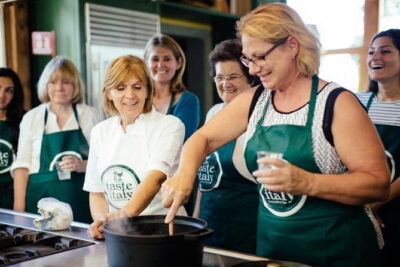
Cooking Class and Lunch at a Tuscan Farmhouse with Local Market Tour from Florence
Read our review →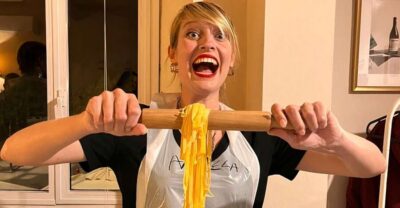
Pasta Making Class with Wine, Limoncello, and Dessert
Read our review →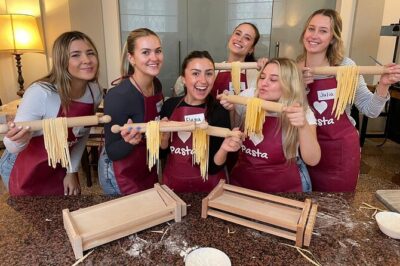
3-in-1 Fettuccine, Ravioli, and Tiramisu Cooking Class
Read our review →Browse the lists this tour appears in