
Review · COOKING CLASSES
Verona: Pasta and Tiramisu Cooking Class with Fine Wine
Good food is the best Verona souvenir. This three-hour class takes you into a popular restaurant in central Verona, where you learn to make fresh pasta and tiramisu, then sit down to eat what you prepared. I like the hands-on kitchen time and the easy social atmosphere, with Prosecco at the start and wine served with the meal. The main limitation is that the traditional recipes use gluten, eggs, and dairy, so strict dietary needs require careful checking.
I also like the value. At $35 per person, you receive a welcome glass of Prosecco, the cooking lesson, lunch or dinner, and two glasses of wine. The class is taught in English, and hosts such as Elodie are praised for clear instructions, humor, patience, and a warm welcome. Still, you should know that the lesson stays focused on classic Italian recipes, even when substitutes are available.
In This Review
- Key details to know before booking
- Starting with Prosecco in central Verona
- Learning the difference between fresh and dried pasta
- Preparing pasta dishes as a group
- Making tiramisu without the usual fuss
- Sitting down for pasta, dessert, and wine
- Why the $35 price works well
- Dietary needs require an honest check
- Who will enjoy this Verona cooking class?
- What the strongest parts of the experience are
- Small drawbacks to keep in mind
- FAQ
- How long does the Verona cooking class last?
- What food do you make?
- Are drinks included?
- Is the class taught in English?
- Can I book if I have an allergy or food restriction?
- Does the activity include transportation?
- Should you book it?
Key details to know before booking
- You make two classic dishes: Fresh pasta and tiramisu form the heart of the lesson, with step-by-step help from the instructor.
- You eat what you prepare: The class ends with a shared lunch or dinner, rather than sending you away with uncooked ingredients.
- Prosecco starts the evening: A welcome glass gives the class a relaxed beginning before you enter the kitchen.
- Wine is part of the meal: Two glasses of wine are included, with one served alongside the food.
- The price is unusually friendly: $35 covers the class, meal, Prosecco, and wine, making this a strong value for a central Verona activity.
- Traditional recipes still guide the lesson: Substitutions may be possible, but gluten, eggs, and dairy remain central to the instruction, and cross-contamination cannot be ruled out.
Starting with Prosecco in central Verona
The class begins at a meeting point in central Verona. The exact location can vary according to the option you book, so check your confirmation carefully rather than assuming every session begins at the same restaurant entrance.
Once you arrive, you receive a glass of Prosecco and an explanation of how the session will work. This opening matters more than it may seem. You are not rushed straight into a work station with a pile of ingredients. Instead, you have a moment to settle in, meet the host, and get a sense of the restaurant.
The experience also offers a brief look behind the scenes of an Italian restaurant. You are not simply following a recipe in a rented classroom. You are learning in a working food setting, which gives the lesson a more local feel.
Hosts named in the feedback include Elodie, Eloise, and other similarly named instructors, depending on the session. Elodie receives especially warm praise for making people feel at ease, explaining each stage clearly, and adding humor without turning the class into a performance.
More Wine Tours in Verona
- Verona: Pasta and Tiramisu Cooking Class With Free Flowing Wine
★ 5.0 · 575 reviews - From Verona: Valpolicella and Amarone Wine Tasting Tour
★ 4.9 · 560 reviews - Verona: Wine Tasting with Snacks and Panoramic Views
★ 4.8 · 494 reviews
Learning the difference between fresh and dried pasta
After the introduction, you put on an apron and move to your work station. The instructor explains how to prepare pasta dough, including which flour to use and how fresh pasta, known as pasta fresca, differs from dried pasta, or pasta secca.
That distinction is useful because it gives you more than a recipe to copy. You begin to understand why Italian pasta comes in different forms, how the dough behaves, and why the ingredients and method change depending on the finished dish.
The class is designed for ordinary people, not professional cooks. Instructions are given step by step, and the tone appears to be relaxed rather than demanding. Several participants describe the process as easy to follow, even when they had little experience making pasta.
You should expect to work with the dough yourself. That is the point of the session. You will not merely watch a chef prepare a plate while you stand nearby. You will mix, shape, and take part in the process, with guidance when the dough needs attention.
The pace should suit most adults because the full activity lasts around three hours. That gives enough time for instruction, preparation, cooking, and the final meal without making the lesson feel like a rushed demonstration.
Preparing pasta dishes as a group
The class focuses on making the region’s famous pasta dishes, though the exact shapes or sauces are not specified in the available details. You can expect the instructor to guide the group through the preparation rather than leave each person to work alone.
This group format is part of the appeal. Couples can meet other people during an evening in Verona, and families or friends can work side by side. The class has been described as particularly social, with plenty of conversation and laughter around the table.
The atmosphere sounds friendly and informal. That makes it a good break from sightseeing, especially if you have spent the day moving between Verona’s major sights. Cooking gives you something active to do, but the wine and shared meal keep the evening from feeling like a formal school lesson.
The tradeoff is that a group class cannot give every person unlimited one-to-one time. If you want a private chef lesson built around advanced technique, this is probably not the right format. If you want clear guidance, a chance to work with your hands, and a relaxed meal with other people, it fits much better.
Making tiramisu without the usual fuss
The second major task is tiramisu. The instructor takes you through the preparation step by step, just as with the pasta dough.
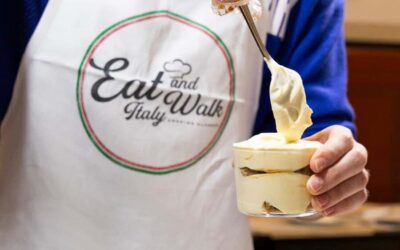
Tiramisu is a smart choice for a short cooking class. It is a famous Italian dessert, easy to recognize, and satisfying to prepare even if you are not a confident baker. You also get a recipe you can try at home without needing specialist equipment.
The class presents tiramisu as part of the meal rather than a separate demonstration. You make the dessert, continue with the pasta, and then taste the food you have prepared. That gives the session a clear reward at the end: you do not leave wondering how the finished dish turned out.
Some participants say they planned to make fresh pasta and tiramisu at home after the class. That is a useful sign for anyone choosing an activity with practical value. You are not just collecting a pleasant memory. You are learning two dishes that can become part of your own kitchen routine.
More vineyard visits and tastings:
- Verona walking tour:food, wine, legends, lunch/dinner & cable car
★ 5.0 · 386 reviews - Verona All in one: Food Walking Tour, Lunch & Wine
★ 5.0 · 342 reviews - Discover Valpolicella Vineyards and Wine Tasting Experience
★ 4.5 · 341 reviews - Amarone Wine-tasting Tour from Verona with Private Transportation
★ 5.0 · 283 reviews
Sitting down for pasta, dessert, and wine
Once the food is ready, everyone sits down together for lunch or dinner. The meal includes the pasta and tiramisu you prepared during the session.
Two glasses of wine are included, and the meal is intended to be paired with wine. A welcome glass of Prosecco is served at the beginning, so the drinks are not limited to a single taste at the table.
The meal turns the class into a full evening activity rather than a short lesson. You have time to enjoy the food, talk with the group, and let the experience settle. One participant also noted a limoncello at the end, although that should be treated as an occasional extra, not part of the listed inclusions.
The food is the real test of a cooking class, and the experience appears to perform well here. The final dishes are repeatedly described as delicious, with the pasta and wine making a particularly satisfying combination.
You should keep in mind that the menu is tied to the dishes prepared in class. This is not a restaurant meal where you choose from a broad menu. If you dislike the planned recipes or have strong food preferences, ask about substitutions before booking.
Why the $35 price works well
At $35, the class is priced below many food experiences that include an instructor, a meal, and alcohol. You receive:
- A welcome glass of Prosecco
- The pasta and tiramisu lesson
- Lunch or dinner
- Two glasses of wine
That is solid value in central Verona. You are paying for a three-hour activity, not simply a plate of pasta. The value improves if you want an evening that combines food, instruction, and social time in one booking.
The low price may also make this a practical choice for a couple or family trying to manage an Italy budget. You get a memorable meal and an activity without paying for a high-end restaurant tasting menu.
Still, price should not be your only measure. The class is best for people who enjoy participating. If you want to sit quietly and be served, part of what you pay for will be wasted. The cooking itself is the main event.
Dietary needs require an honest check
The activity offers dietary options for vegetarian, vegan, lactose-free, and other diets, but the restrictions require careful reading. The stated traditional instruction includes gluten, dairy, and eggs. Substitutions may be offered, but the lesson still explains the classic recipe.
The experience is specifically listed as unsuitable for vegans, people with gluten intolerance, and people with lactose intolerance. That may appear inconsistent with the mention of dietary options, so contact the provider before booking if any ingredient creates a health risk.
You must share allergies or food restrictions at the time of booking. The provider cannot guarantee a completely cross-contamination-free setting, and you will sample the dishes prepared during the class.
For a preference, such as choosing vegetarian ingredients, a substitute may be possible. For celiac disease, a serious dairy allergy, or another medical concern, do not rely on a casual alteration. Ask direct questions before you pay.
Who will enjoy this Verona cooking class?
I would recommend this class most strongly to:
- Couples who want a social evening away from standard sightseeing
- Families with older children who enjoy cooking together
- First-time visitors looking for an approachable Italian food activity
- People who want recipes they can repeat at home
- Wine and pasta lovers seeking a good-value meal
- Anyone who prefers participating in dinner rather than simply ordering it
The class is not suitable for children under three, babies under one, or people with the dietary restrictions listed above. The English-language instruction is helpful for international visitors, and wheelchair accessibility is listed, though you should still confirm the exact meeting location and setup when booking because the meeting point can vary.
The three-hour length also matters. You need enough time in your Verona schedule to stay through the meal. Do not place this class between two tightly timed attractions. It works better as a planned lunch or dinner, with a little breathing room around it.
What the strongest parts of the experience are
The instruction receives the most consistent praise. Elodie is singled out for being friendly, patient, and clear, while other hosts are described as enthusiastic and good-humored. That is important because dough can feel intimidating when you first handle it.
The second strength is the balance between learning and eating. You are shown how to make the food, then you actually sit down and enjoy it. The class avoids the disappointment of a cooking demonstration where the finished dish disappears into a kitchen you cannot see.
The social side is another reason to book. Couples can meet other people, families can share a task, and groups often find themselves laughing while they work. You should expect conversation rather than a silent, highly technical lesson.
Finally, the value is hard to ignore. A three-hour class, a full meal, Prosecco, and two glasses of wine for $35 gives this activity a strong practical case, especially in a city where restaurant costs can rise quickly.
Small drawbacks to keep in mind
The class teaches traditional Italian recipes, so it is not a flexible cooking laboratory. The details of the pasta dishes are not specified in advance, and the meeting point may vary by booking option.
Alcohol is included, which many people will enjoy, but it may not suit everyone. You can still take the class for the food and instruction, but the listed package is built around Prosecco and wine.
The experience also does not include hotel pickup or drop-off. You need to make your own way to the central Verona meeting point and confirm the exact location before setting out.
Cancellation is flexible up to 24 hours before the activity for a full refund, and you can reserve now and pay later. Those terms help if your Verona plans are still changing, but they do not remove the need to check food restrictions in advance.
FAQ
How long does the Verona cooking class last?
The activity lasts three hours, including the welcome drink, cooking lesson, and lunch or dinner.
What food do you make?
You learn to prepare fresh pasta and tiramisu, including pasta dough and the differences between fresh and dried pasta.
Are drinks included?
Yes. The class includes a welcome glass of Prosecco and two glasses of wine. A limoncello may sometimes be offered, but it is not listed as an included feature.
Is the class taught in English?
Yes. The listed instructor language is English.
Can I book if I have an allergy or food restriction?
You should inform the provider when booking. Substitutes may be available, but the instruction focuses on traditional recipes containing gluten, dairy, and eggs. Cross-contamination cannot be guaranteed.
Does the activity include transportation?
No. Hotel pickup and drop-off are not included. The meeting point can vary depending on the option booked.
Should you book it?
Book this class if you want an active, social meal and the chance to take Italian recipes home with you. The combination of pasta, tiramisu, Prosecco, wine, and a three-hour lesson is excellent value at $35, and the warm teaching style makes it approachable for beginners.
Skip it if you need a strictly allergen-free kitchen, dislike group activities, or prefer a quiet restaurant dinner with a broad menu. For most food-loving visitors to Verona, though, this is a smart way to spend an afternoon or evening: useful, filling, friendly, and far more memorable than another hurried meal between sightseeing stops.
More Pasta
- Florence Pizza or Pasta Class with Gelato Making at a Tuscan Farm
★ 5.0 · 6,801 reviews - Florence: Pasta & Tiramisu Cooking Class with Unlimited Wine
★ 4.9 · 6,708 reviews - Florence: Pasta Cooking Class with Unlimited Wine
★ 5.0 · 6,413 reviews - Rome: Pasta & Tiramisu Class with Fine Wine by the Vatican
★ 4.9 · 4,852 reviews
More Hands-On Cookery Sessions
- Verona: Hands-on Fresh Pasta and Tiramisù Cooking Class
★ 4.9 · 295 reviews - Verona: Italian Cooking Class with Pasta, Risotto and Tiramisù
★ 5.0 · 268 reviews - Florence: Pasta Cooking Class with Unlimited Wine
★ 4.9 · 10,285 reviews - 3 in 1 Cooking Class near Navona: Fettuccine, Ravioli & Tiramisu
★ 5.0 · 7,376 reviews
Just added around Verona
- Verona: City Walking Tour with Cable Car & Wine Aperitif★ 4.8 · 267 reviews
- Verona: Italian Cooking Class with Pasta, Risotto and Tiramisù★ 5.0 · 268 reviews
- Verona e-bike tour: city center and panoramic views★ 5.0 · 270 reviews
- Amarone Wine-tasting Tour from Verona with Private Transportation★ 5.0 · 283 reviews
- The Highlights of Verona Small Group Walking Tour★ 4.8 · 294 reviews
- Verona: Hands-on Fresh Pasta and Tiramisù Cooking Class★ 4.9 · 295 reviews
- Verona Small Group Walking Tour with Cable Car and Arena Tickets★ 5.0 · 311 reviews
- Lake Garda and Sirmione Tour from Verona★ 4.5 · 336 reviews
Cooking Classes, compared.

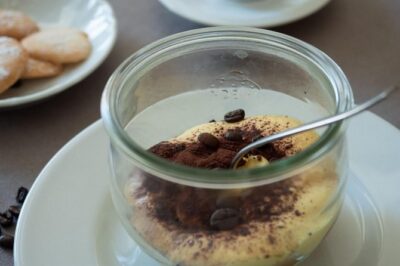
3 in 1 Cooking Class near Navona: Fettuccine, Ravioli & Tiramisu
Read our review →
Pasta & Tiramisu Cooking Class with Unlimited Wine
Read our review →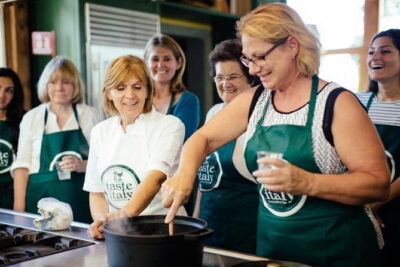
Cooking Class and Lunch at a Tuscan Farmhouse with Local Market Tour from Florence
Read our review →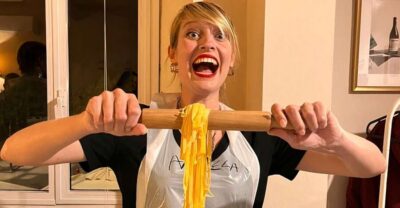
Pasta Making Class with Wine, Limoncello, and Dessert
Read our review →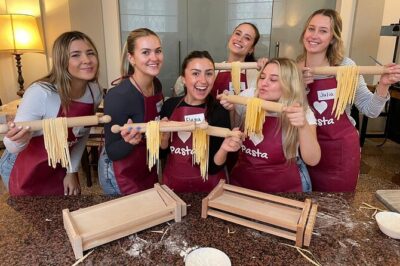
3-in-1 Fettuccine, Ravioli, and Tiramisu Cooking Class
Read our review →Browse the lists this tour appears in