
Review · COOKING CLASSES
Rome: 3-in-1 Fettuccine, Ravioli, and Tiramisu Cooking Class
Pasta tastes better when you make it. This three-hour workshop at Restaurant Gusto in central Rome gives you a practical way to learn fettuccine, ravioli, and tiramisu under the direction of an English-speaking Italian chef. You work with your hands, eat what you prepare, and leave with skills you can use at home.
I like the clear, hands-on format, and I like the social feel. Chefs such as Carlotta, Lori, Mattia, Mimi, Leo, and Tommy have earned warm praise for keeping groups involved and helping people who need extra attention. The main consideration is pace: with three dishes to finish, some people may feel rushed, especially in a large group.
In This Review
- Key points at a glance
- Why this class works well in Rome
- Starting with tiramisu
- Making pasta dough from scratch
- Shaping ravioli with butter and sage
- Cutting and cooking fettuccine
- Sitting down to eat your own work
- The chefs make the difference
- Who should book this experience?
- Practical details before you go
- Should you book the Rome pasta class?
- FAQ
- Where does the cooking class meet?
- How long does the cooking class last?
- What dishes do I make?
- Which sauces are available for the fettuccine?
- How is the ravioli served?
- What drinks are included?
- Is the class taught in English?
- Is the venue wheelchair accessible?
- Are young children allowed?
- Can I cancel for a refund?
Key points at a glance
- Three Italian classics in one class: Prepare tiramisu, fresh ravioli, and fettuccine from basic ingredients.
- A meal is included: Eat your own pasta and dessert with a glass of wine or a non-alcoholic drink.
- Central Rome setting: Meet at Restaurant Gusto, Via Giuseppe Zanardelli 14, in the heart of the city.
- Good for mixed skill levels: The chefs explain each stage clearly and offer individual help during the work.
- Social without being forced: Groups can include about 20 people, making it easy to meet people from several countries.
- Useful take-home ideas: Learn dough technique, seasonal ravioli fillings, sauce pairings, and simpler ways to make tiramisu.
Why this class works well in Rome
Rome gives you no shortage of ancient monuments, churches, and crowded piazzas. After several hours of looking, walking, and taking photographs, a cooking class gives you a different way to spend part of the day. You stop being an observer and start doing something.
The appeal here is simple. You are not only served a plate of pasta. You help make it from the start, then sit down to eat the result. That makes the meal more memorable, even if your ravioli comes out a little uneven. Handmade food has a way of forgiving small mistakes.
The class is held at Restaurant Gusto on Via Giuseppe Zanardelli 14. Its central location makes it useful for a day in the historic center, though you should allow enough time to find the restaurant and arrive promptly. The experience lasts about three hours, although one recent participant found the actual class closer to two hours. Timing can depend on the group and the pace of the session.
At $81 per person, this is not the cheapest meal you can order in Rome. It is a fair price if you want instruction, a substantial meal, dessert, wine or another drink, and a hands-on activity in one package. You are paying for more than ingredients. You are also paying for an instructor, kitchen space, preparation, and the chance to learn a skill rather than simply consume another restaurant meal.
More Cooking Classes in Rome
- 3 in 1 Cooking Class near Navona: Fettuccine, Ravioli & Tiramisu
★ 5.0 · 7,376 reviews - Rome: Pasta Making Class with Wine, Limoncello, and Dessert
★ 4.9 · 3,177 reviews - Rome: Fettuccine Pasta Cooking Class in Rome’s City Center
★ 4.8 · 2,414 reviews
Starting with tiramisu
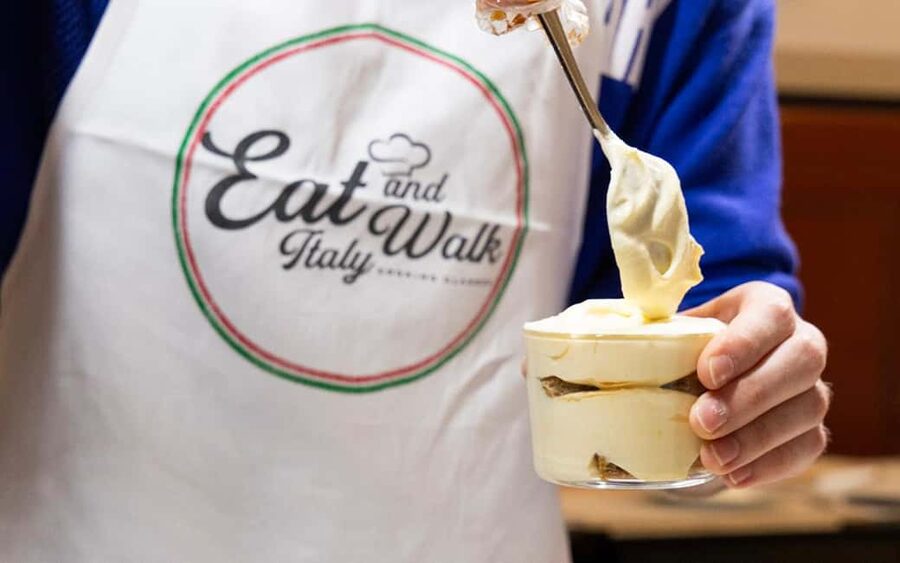
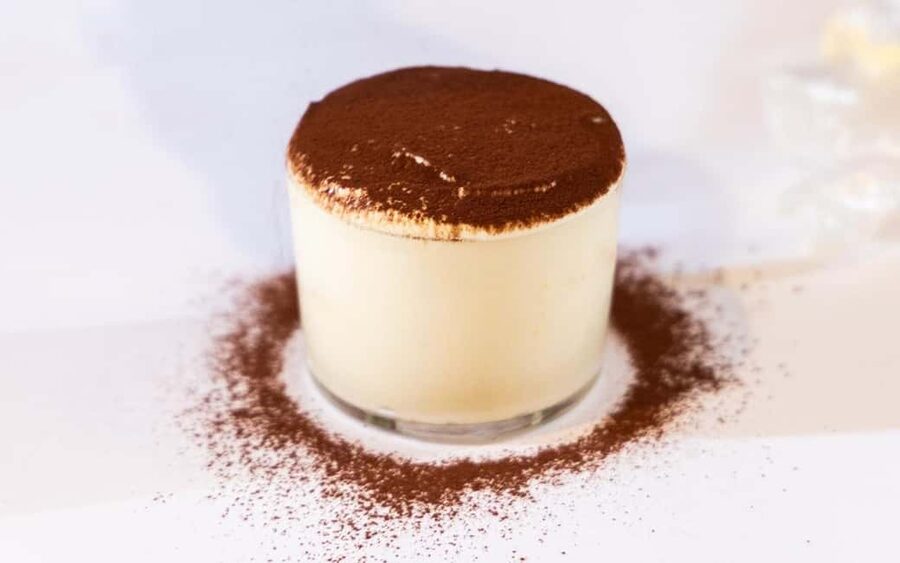
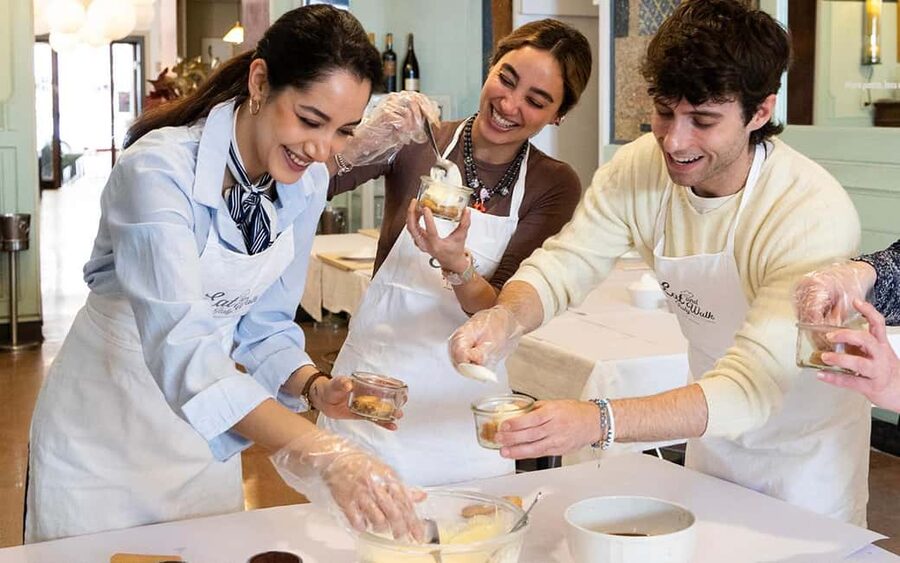
The class begins with tiramisu, which is a smart choice. The dessert needs time to rest, so making it first gives it a chance to develop while you work on the pasta.
You learn the basic process behind the classic Italian dessert before moving on. The supplied details do not specify every ingredient or chilling method, so you should not expect a full pastry-school lesson. The value is in learning a workable home version and seeing how the chef organizes the steps.
One useful point comes through clearly: the class can change your approach to familiar recipes. A participant who already knew how to make tiramisu found the class method easier and tastier. That is the kind of small kitchen adjustment that makes a class worth taking. You may not leave with restaurant-level pastry skills, but you can leave with a simpler method you are more likely to repeat.
Tiramisu is also a forgiving first task. You can focus on mixing, layering, and presentation without the pressure of shaping dozens of delicate pasta pieces. Once it is prepared, you turn to the dough.
Making pasta dough from scratch
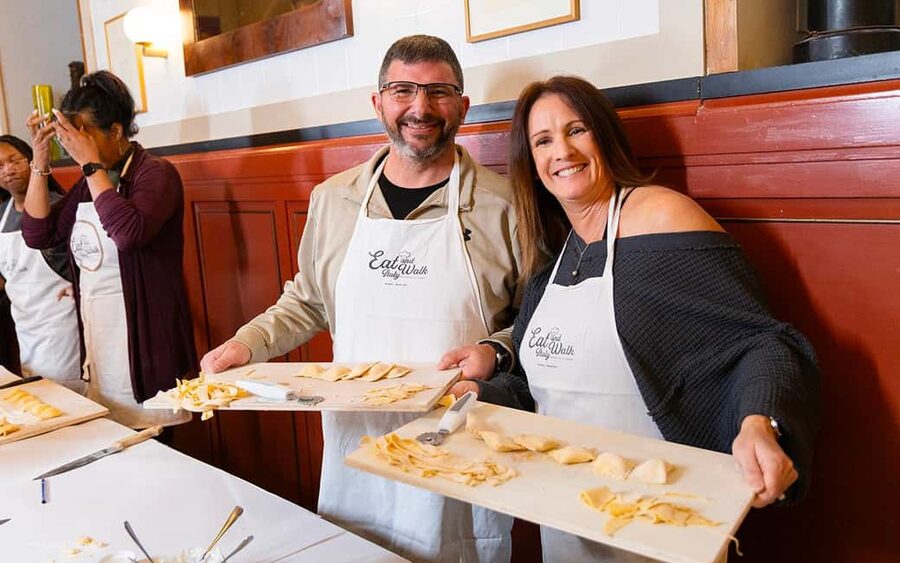
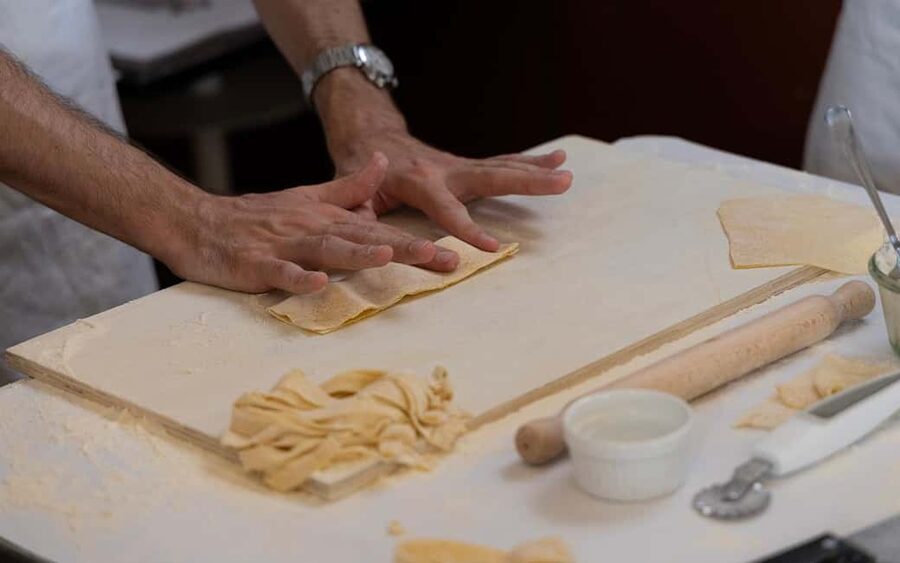
The pasta portion is the heart of the experience. You learn how to prepare dough and work it into two different forms: ravioli and fettuccine. The lesson is useful because the same basic dough becomes two very different dishes.
The chef demonstrates how the dough should come together, then guides you as you work. Beginners receive help, while more experienced cooks can pay attention to texture, thickness, and technique. Several instructors have been praised for patiently checking on individuals while keeping the whole class moving.
This is where the hands-on nature matters. Watching a chef roll pasta is easy. Handling the dough yourself teaches you how it feels when it is too dry, too sticky, or not yet smooth enough. You also learn that pasta making is less about fancy equipment than patience and control.
The class includes advice about fillings that suit different seasons. That adds useful Italian cooking sense to the basic recipe. Instead of treating ravioli as a fixed dish, you begin to see it as a method that changes with available ingredients.
The downside is space and time. A group can include around 19 or 20 people, and not every participant will work at exactly the same speed. Some people have felt rushed while completing all three recipes. If you want a slow, private lesson with long conversations about flour varieties and regional pasta traditions, this is not that kind of class.
Shaping ravioli with butter and sage
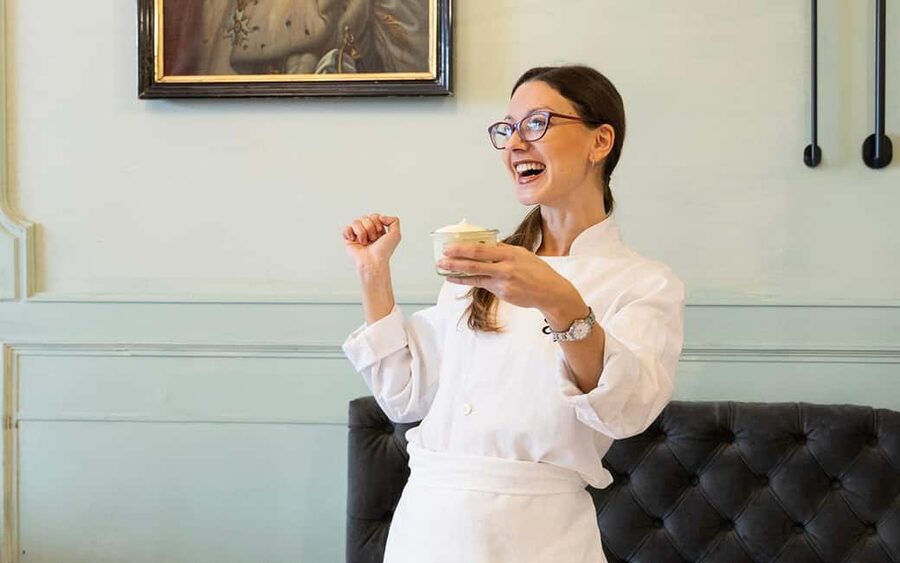
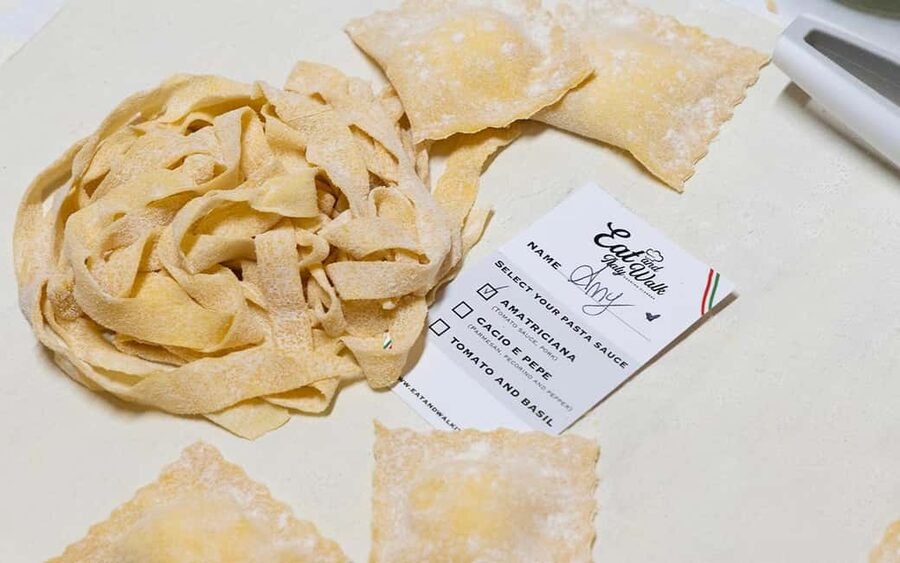
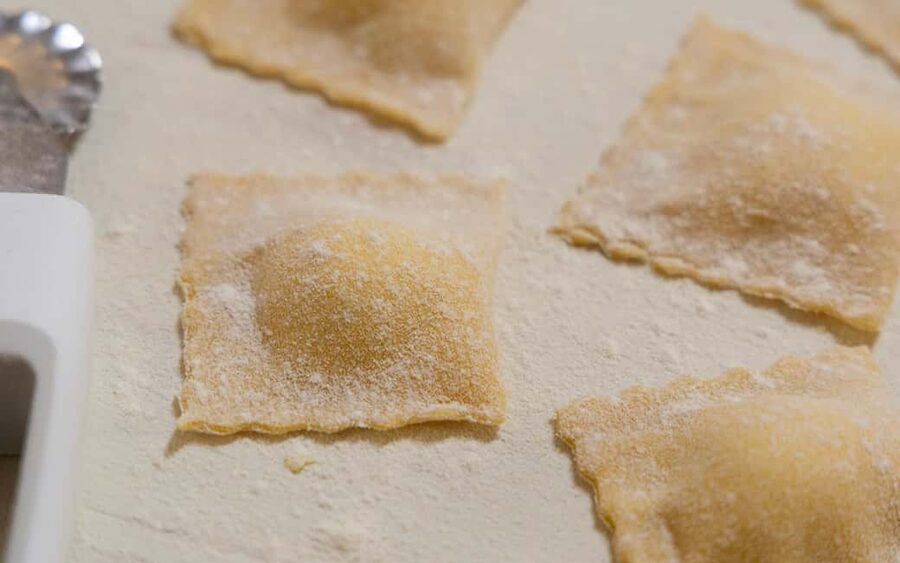
After preparing the dough, you turn part of it into ravioli. The filling and shaping stage is often the most rewarding part because each piece becomes your own small project.
You learn how much filling to use, how to close the pasta, and how to avoid trapping unwanted air. The details of the filling are seasonal rather than fixed in the information provided, so the exact recipe may vary by chef or session. That is useful in its own way. Italian home cooking often depends on what works at the time of year, not on one rigid formula.
The finished ravioli is served with butter and sage. This is a restrained sauce that lets the pasta do the work. It also gives you a good lesson in pairing. Ravioli needs a sauce that supports the filling without burying it under too much tomato, cream, or spice.
Do not worry if your first ravioli look more rustic than perfect. The class is designed for participation, not a professional kitchen exam. A patient instructor can correct technique as you go, and chefs including Lori, Mattia, Valentina, and Carlotta have been singled out for calm, helpful instruction.
More hands-on cookery sessions:
- Rome: Traditional Pasta with Cocktails Cooking Class
★ 5.0 · 2,374 reviews - Rome: Fettuccine and Tiramisu Cooking Class with Wine
★ 4.8 · 2,013 reviews - Pasta Cooking Class Near the Colosseum with 3 Spritz Cocktails
★ 5.0 · 1,686 reviews - Enjoy Spritz and Pasta Making in Piazza Navona
★ 5.0 · 1,681 reviews
Cutting and cooking fettuccine
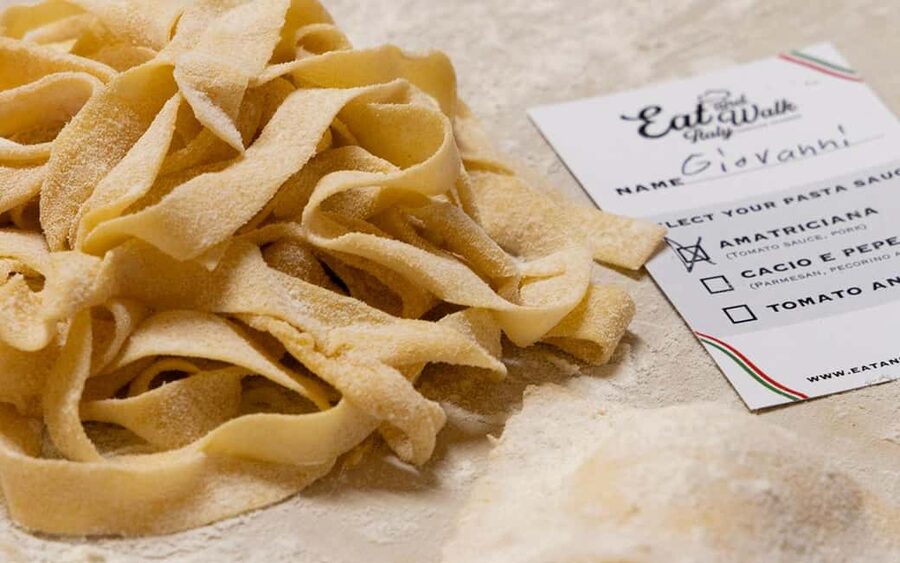
The second pasta shape is fettuccine. Here you take the dough and cut it into broad ribbons, then choose a sauce for the final dish.
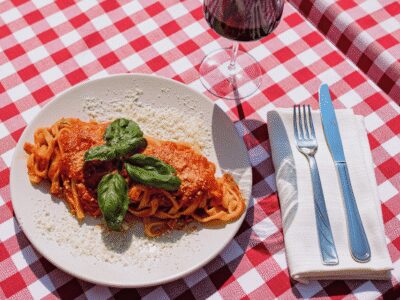
The available sauces are tomato and basil, cacio e pepe, or amatriciana. This choice gives you a small but useful introduction to Roman flavor profiles. Tomato and basil is familiar and bright. Cacio e pepe depends on the balance of cheese, pepper, and pasta water. Amatriciana brings a stronger, savory character.
The sauce choice also makes the meal feel personal. Everyone begins with the same basic process, but your plate can reflect your taste. If you are cooking with family or friends, comparing sauces gives you something to talk about while the pasta is finished.
The strongest practical lesson is likely the connection between dough and sauce. A good pasta class should teach more than shaping. It should help you understand why a particular sauce works with a particular pasta. The class includes guidance on pairings, which makes the lesson easier to repeat at home.
A few points are worth keeping realistic. You may not learn every stage of cooking in fine detail, and you may not have time to recreate the entire meal independently during the session. But you do get to taste the final product, which closes the gap between instruction and result.
Sitting down to eat your own work
At the end, you sit down and eat the fettuccine, ravioli, and tiramisu. The meal includes water, a glass of Italian wine or a non-alcoholic beverage, and a glass of limoncello or coffee.
This shared meal is one of the best parts of the class. You have been standing, mixing, shaping, and asking questions. Sitting at the table gives the experience a proper finish rather than ending with a quick demonstration and a polite goodbye.
The wine and limoncello add value, but you should note that only the listed drinks are included. Extra food or beverages cost more, and gratuity is not included. One participant found the white wine was served warm, so drink service may not always be perfect. That is a small issue, but it is worth knowing if wine temperature matters to you.
A few participants wished the chef would sit and enjoy the meal with the group. That is understandable, especially after such a social class, but the chef may need to keep the kitchen and service organized. The main pleasure is eating together with the other people at your table.
The chefs make the difference
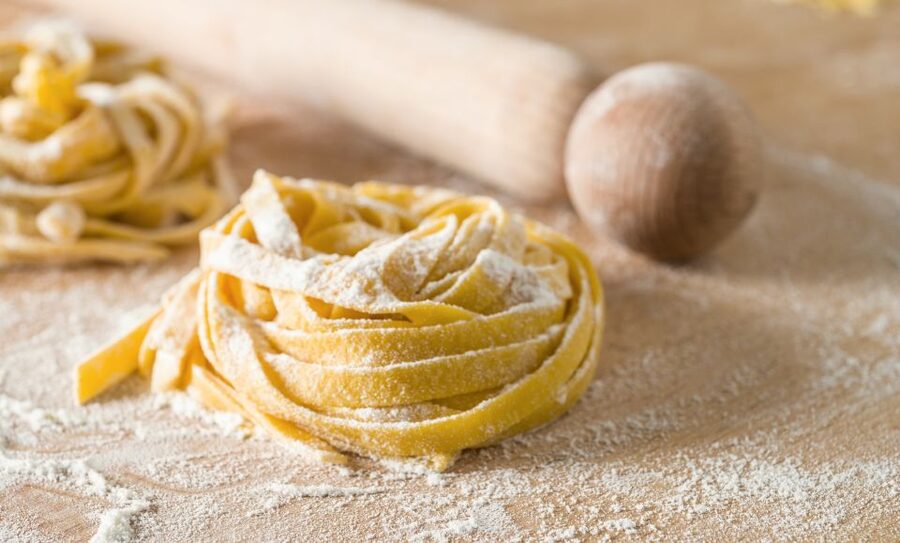
The format is consistent, but the instructor shapes the mood. The strongest pattern in the feedback is praise for the chefs’ patience, humor, and ability to involve everyone.
Lori has been praised for giving attention to individuals while still managing the group. Mattia handled a group ranging in age from 15 to 83, adjusting his help so everyone could keep up. Leo was credited with maintaining a good pace in a group of about 20 while checking on each participant.
Other highly praised instructors include Mimi, Tommy, Carlotta, Furio, Valentina, Maria, Paris, and Florio. Their styles differ, but the repeated strengths are clear: simple explanations, encouragement, humor, and practical help at the worktable.
You cannot choose the chef listed in advance from the information provided, so go in expecting a good class format rather than one particular personality. If you happen to get Lori, Tommy, Mimi, or another well-praised instructor, consider it a bonus, not a guarantee.
The class is taught in English. That makes the cooking steps accessible to English-speaking visitors, even if you have no Italian kitchen vocabulary. The setting is described as cozy and suitable for cooking, with air conditioning noted positively during a summer session.
Who should book this experience?
I would recommend this class to couples, families, first-time pasta makers, and anyone who wants a break from standard sightseeing. It also works well for a birthday or anniversary activity. One couple used it to celebrate a 30th birthday, and another family included teenagers who were initially doubtful but ended up enjoying the class.
It suits mixed-age groups because the chef can offer extra help. The activity is not suitable for children under four, and pets are not allowed. The venue is wheelchair accessible, which makes it a practical option for many visitors, though you should still confirm any personal access needs when booking.
You should be comfortable working in a group. A class of nearly 20 people can feel lively and social, but it will not provide the quiet attention of a private lesson. If you dislike group activities or prefer to eat alone, choose a normal restaurant meal instead.
This is also a good choice if you want something you can carry home mentally. You learn techniques, sauce combinations, and seasonal filling ideas. One participant was pleased to receive recipes, though a printed recipe or receipt may not be provided in every session. Bring a phone or small notebook if you want to record useful steps, as long as the instructor permits it.
Practical details before you go
The meeting point is Restaurant Gusto at Via Giuseppe Zanardelli 14. Check the exact starting time when booking, since several sessions may be offered. The activity is three hours in the advertised schedule, so do not place it too close to a timed museum entry, train departure, or evening reservation.
Wear something comfortable and practical. You will be handling dough and food for much of the session, so avoid clothing that you do not want near flour or sauce. The provided information does not specify an apron policy, so you can ask the venue if that matters to you.
The class offers free cancellation up to 24 hours before the start time for a full refund. You can also reserve now and pay later, which helps if your Rome plans are still changing. Those policies are useful, but they do not replace checking the final booking terms for your chosen date.
The rating is 4.9 from 2,704 reviews, which fits the overall picture: this is a polished, popular activity with especially strong praise for its instructors and food. The few cautions are practical rather than serious, mainly the group size, possible rushing, and occasional drink-service issues.
Should you book the Rome pasta class?
Book it if you want a social, edible activity that gives you more than a recipe card. The chance to make two pasta shapes, prepare tiramisu, eat the finished meal, and enjoy wine or limoncello makes $81 reasonable for central Rome.
I would skip it only if you want a private lesson, a slow technical study of pasta, or a completely quiet meal. For most couples, families, and curious beginners, this is a lively and useful way to spend three hours. You may not become a pasta master in one afternoon, but you will know more about dough, fillings, sauces, and tiramisu than you did before. And your next homemade ravioli has a fighting chance.
FAQ
Where does the cooking class meet?
It meets at Restaurant Gusto, located at Via Giuseppe Zanardelli 14 in central Rome.
How long does the cooking class last?
The advertised duration is three hours. A recent session was completed in about two hours, so the exact length may vary with the group and schedule.
What dishes do I make?
You make tiramisu, ravioli, and fettuccine from scratch.
Which sauces are available for the fettuccine?
You can choose tomato and basil, cacio e pepe, or amatriciana.
How is the ravioli served?
The ravioli is served with butter and sage.
What drinks are included?
The class includes water, a glass of Italian wine or a non-alcoholic beverage, and a glass of limoncello or coffee.
Is the class taught in English?
Yes. The instructor language is English.
Is the venue wheelchair accessible?
Yes, the activity is listed as wheelchair accessible.
Are young children allowed?
Children under four are not suitable for this activity.
Can I cancel for a refund?
Yes. You can cancel up to 24 hours in advance for a full refund.
Just added around Rome
- Rome City, Pantheon, and Trevi Fountain Walking Tour★ 5.0 · 249 reviews
- Rome: Skip the line Vatican Museums & Sistine Chapel Tour★ 4.2 · 251 reviews
- Rome: Tivoli Day Trip with Villa d’Este and Villa Adriana★ 4.5 · 251 reviews
- Transfer Rome center – Ciampino Airport★ 4.5 · 251 reviews
- Rome: Cannondale E-Bike Evening Tour with Optional Dinner★ 4.9 · 251 reviews
- VIP Colosseum, Roman Forum & Palatine Hill & Special Access Sites★ 4.5 · 252 reviews
- Private Vatican Museums Hidden Gems Tour with Optional Pick-Up★ 5.0 · 253 reviews
- Vatican Museums & Sistine Chapel Skip-the-Line Guided Tour★ 4.6 · 254 reviews
Cooking Classes, compared.

3 in 1 Cooking Class near Navona: Fettuccine, Ravioli & Tiramisu
Read our review →
Pasta & Tiramisu Cooking Class with Unlimited Wine
Read our review →
Cooking Class and Lunch at a Tuscan Farmhouse with Local Market Tour from Florence
Read our review →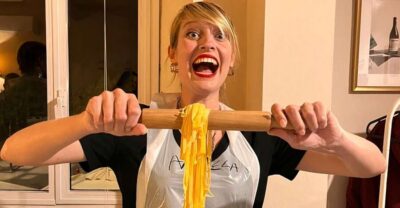
Pasta Making Class with Wine, Limoncello, and Dessert
Read our review →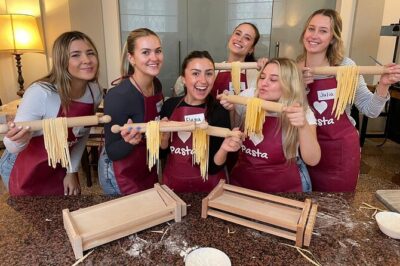
Fettuccine Pasta Cooking Class in Rome’s City Center
Read our review →Browse the lists this tour appears in