
Review · MUSEUMS
Milan: Entrance Ticket to La Scala Theatre Museum
La Scala reveals Milan’s musical soul. I like the chance to see the elegant auditorium and the museum’s costumes, instruments, posters, and set designs in one compact visit. I also like the audio guide, available in seven languages, which helps turn displays into stories. The main drawback is that access to the best theatre views can depend on rehearsals and lighting, so the auditorium may not always be fully visible.
This is a smart cultural stop in central Milan, especially if you already plan to visit the Cathedral and Galleria Vittorio Emanuele II. At $17 per person, the ticket offers good value for anyone curious about opera, theatre design, or Milan’s artistic past, though it cannot replace seeing a performance in the house itself.
In This Review
- Key points for planning your La Scala visit
- Why La Scala deserves a place in your Milan plans
- Entering the theatre near Milan Cathedral
- The first look into La Scala’s auditorium
- Costumes, set designs, and the work behind the curtain
- Portraits of Verdi, Callas, and other musical figures
- What the museum says about Milan
- How rehearsals can improve or limit your visit
- Getting good value from the $17 ticket
- Who will enjoy this most
- A practical visit plan
- Should you book La Scala Theatre Museum?
- FAQ
- How long is the La Scala Theatre Museum ticket valid?
- What does the ticket include?
- Is the audio guide available in multiple languages?
- Can I skip the ticket line?
- Can I see the main La Scala auditorium?
- Are large bags allowed?
- Is the museum wheelchair accessible?
- Can I cancel the booking?
- Is La Scala close to Milan Cathedral?
Key points for planning your La Scala visit
- The auditorium is the main prize: The view into La Scala’s elegant theatre space can be more memorable than the museum itself.
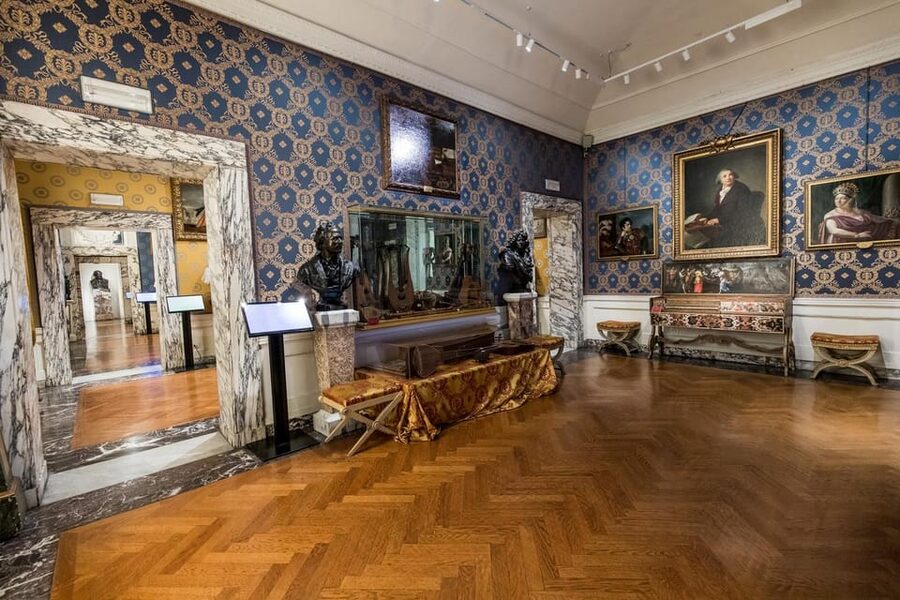
- The museum goes beyond opera costumes: You’ll find set designs, musical instruments, portraits, busts, posters, and visual material from major productions.
- Visibility matters: Check the theatre lighting before you go at museoscala.org/it/visibilita-teatro.html.
- Rehearsals can change the experience: You may see ballet or opera preparation, but rehearsal activity can also limit access to the main auditorium.
- The location saves time: La Scala is just steps from Milan Cathedral and the Galleria Vittorio Emanuele II.
- Bring a phone for the audio guide: The app audio guide is downloadable at the museum and offered in seven languages.
Why La Scala deserves a place in your Milan plans
Milan has no shortage of famous buildings, but La Scala offers something different from a church, gallery, or palace. It connects the city to opera, ballet, musicians, singers, stagecraft, and the rituals of performance.
The theatre opened more than 200 years ago and has hosted major figures including Giuseppe Verdi, Gioachino Rossini, Luciano Pavarotti, and Maria Callas. You do not need to be an opera expert to enjoy the visit. The museum gives enough background to explain why this building matters, while the theatre itself provides the emotional hit.
I would think of this as a one-hour cultural stop rather than a full-day attraction. The ticket is valid for one day, and you visit independently rather than joining a long guided excursion. That makes it easy to fit between other central Milan sights.
The attraction works best for you if you enjoy places with a strong sense of occasion. La Scala is not simply a display of old objects. It shows how music, fashion, painting, architecture, and public life meet inside one famous venue.
More Museum Tours in Milan
- Milan: Science and Technology Leonardo da Vinci Museum Entry
★ 4.5 · 7,169 reviews - Official San Siro Stadium and Museum Guided Tour
★ 4.4 · 3,573 reviews - Milan: Leonardo3 The World of Leonardo Museum Entry Ticket
★ 4.4 · 3,241 reviews
Entering the theatre near Milan Cathedral
La Scala is in a very convenient part of Milan. It sits close to the Cathedral and Galleria Vittorio Emanuele II, so you can combine all three without spending much time getting across town.
That central location affects the value of the ticket. If you are already sightseeing in the Duomo area, La Scala adds a focused cultural stop without requiring a separate journey. I would avoid treating it as an isolated destination unless opera is a major interest. Pairing it with the cathedral area makes the visit feel more substantial.
The ticket includes skip-the-ticket-line access, but practical instructions can be less clear than you might expect. One useful lesson is to ask staff directly where to go when you arrive, rather than assuming the entrance process will explain itself. The museum is easy to find, but the route for ticket holders may not always be obvious.
Large bags and backpacks are not allowed in the exhibition areas. You must leave them in the cloakroom, so arrive with a small day bag if possible. Wheelchairs and strollers are allowed, and the theatre and museum are wheelchair accessible.
The first look into La Scala’s auditorium
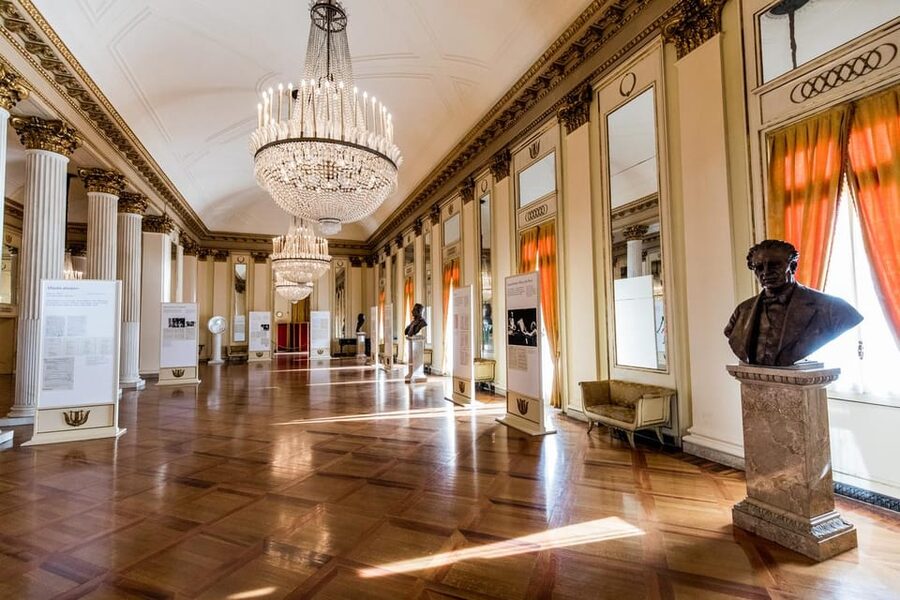
For many people, the theatre view is the highlight. The auditorium gives you the sense of scale and ceremony that objects in a display case cannot provide.
The interior is elegant rather than casual. This is a formal opera house, designed to make an evening performance feel important. Even if you never attend a concert or opera here, looking into the auditorium helps you understand how performers and audiences have shared this space for generations.
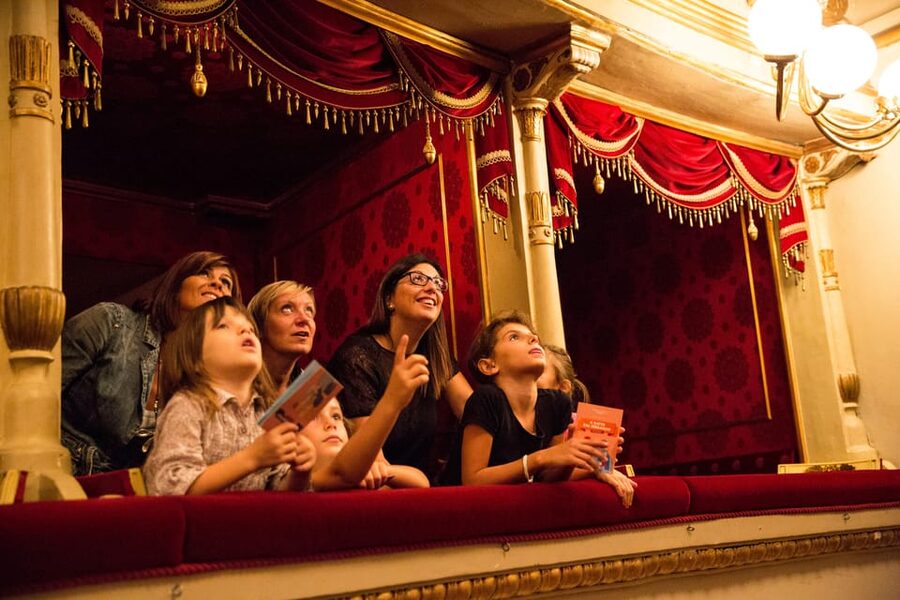
The key word is looking into. Depending on the day, you may not be able to enter the main theatre floor or see every part of the auditorium. Rehearsals can restrict access, and one visitor found that a rehearsal meant the auditorium could only be viewed from higher seats.
That limitation is worth taking seriously because the theatre view is a large part of the ticket’s appeal. Before booking, check the museum’s theatre visibility page to see if the lights will be on. Better lighting should give you a clearer look at the interior.
A rehearsal can be a mixed blessing. It may prevent full access, but it can also give you an unusual glimpse of La Scala at work. Ballet rehearsals have been visible during visits, and opera preparation can make the building feel active rather than frozen in the past. If you encounter this situation, follow staff directions and keep expectations flexible.
Costumes, set designs, and the work behind the curtain
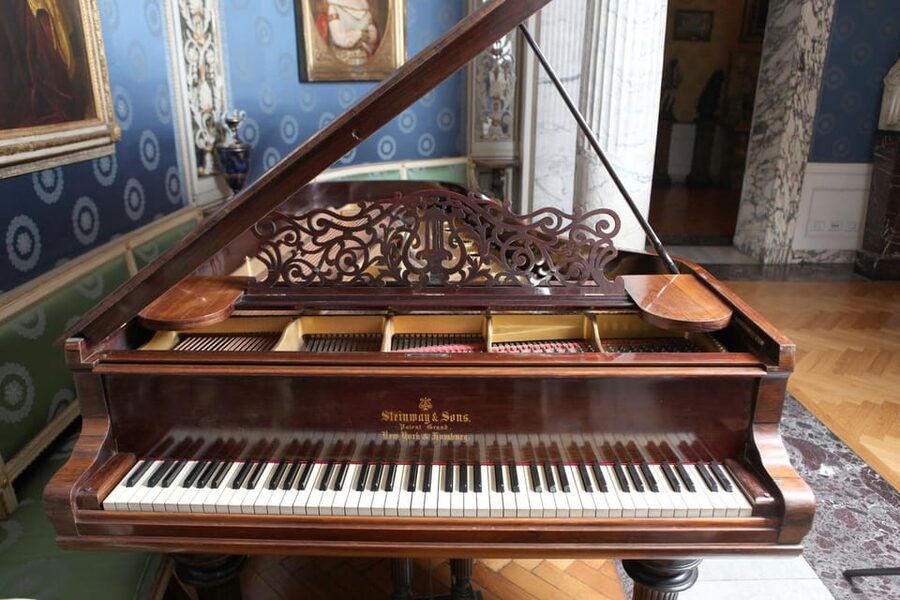
The museum helps you see how much labor goes into an opera production. Costumes are the obvious draw, but set designs and musical instruments add useful context.
A costume tells you about the character on stage, but it also shows the visual language of a production. Set designs reveal how artists imagine a scene before builders, lighting crews, singers, dancers, and musicians bring it to life. These displays make La Scala feel like a working theatre, not just a grand room for famous names.
You may also see posters connected with past performances. They are valuable because they track changing tastes and production styles over time. A poster can show who performed, what was staged, and how La Scala presented itself to the public.
The museum is not huge, so you can take your time without feeling trapped in a long route. I recommend using the audio guide instead of rushing from one object to the next. The app is available in seven languages and can help explain why a particular costume, instrument, or design belongs in the collection.
The museum’s visual media are especially helpful if no performance is taking place. Videos can show what an opera or ballet at La Scala feels like, giving you a sense of the stage even when you cannot attend a production.
More galleries and collections:
- Milan: La Scala Theater & Museum Guided Experience
★ 4.1 · 2,931 reviews - Milan: Pinacoteca Ambrosiana & da Vinci Codex Exhibition
★ 4.6 · 1,816 reviews - Milan: La Scala Theater and Museum Tour with Entry Tickets
★ 4.7 · 1,722 reviews - Milan: Cathedral, Archeological Area and Museum Ticket
★ 4.5 · 1,093 reviews
Portraits of Verdi, Callas, and other musical figures
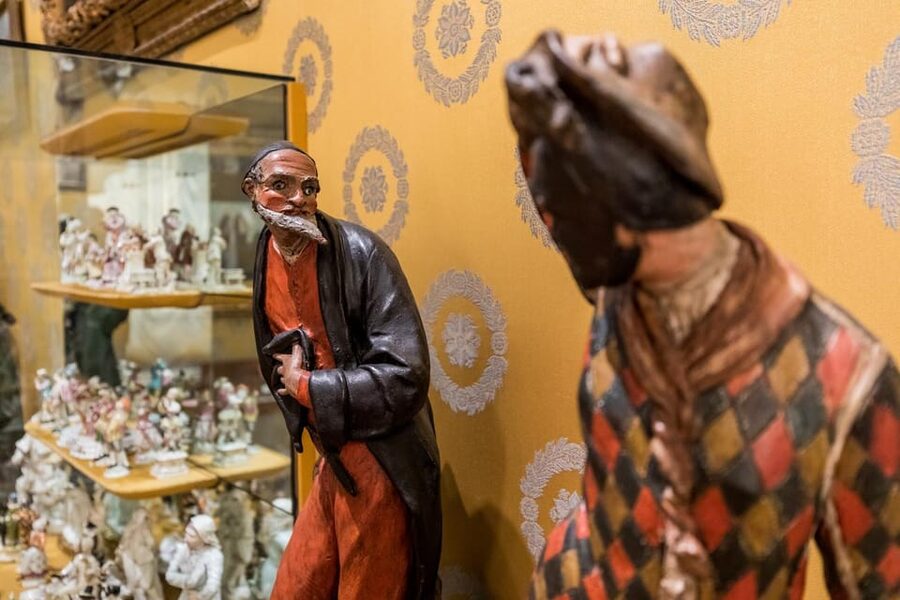
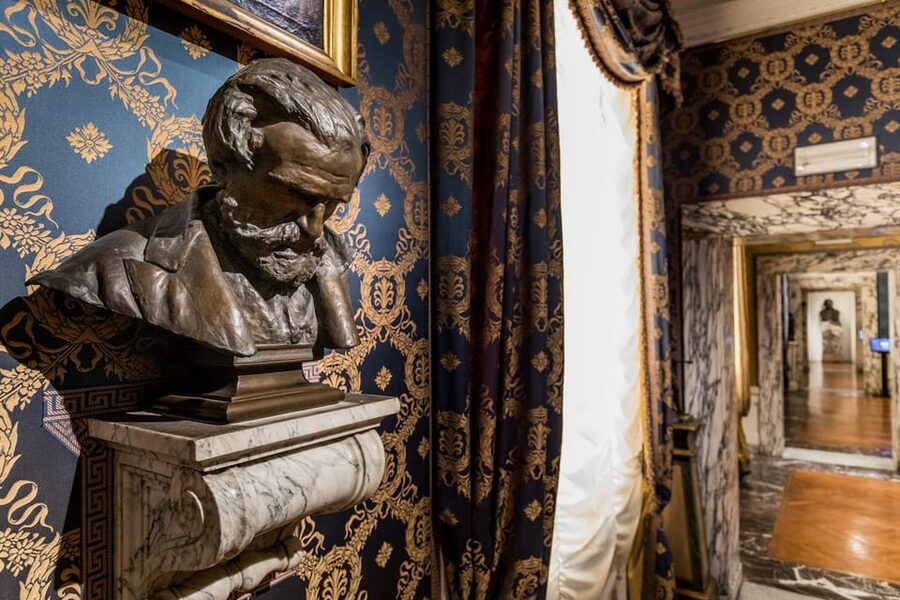
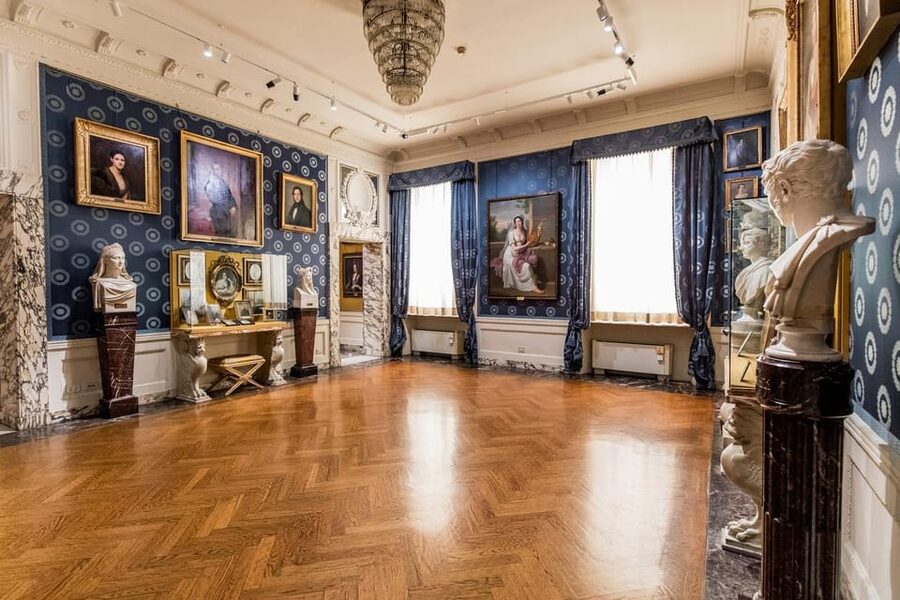
A gallery of portraits and busts gives the museum a human focus. La Scala’s story is not only about architecture. It is also about the composers, conductors, singers, musicians, and performers who shaped its reputation.
Giuseppe Verdi and Gioachino Rossini connect the theatre with the great Italian opera tradition. Luciano Pavarotti and Maria Callas represent later generations of celebrated voices. Seeing their portraits and related material helps explain how La Scala became part of the wider story of European music.
You do not need to memorize names before visiting. The displays are useful precisely because they introduce people through images, performance material, and theatre history. If you already know opera well, you will likely appreciate the associations. If you are new to it, you can use the museum as a short, approachable introduction.
I like this part of the visit because it moves the experience away from pure decoration. The interior may be beautiful, but the portraits remind you that a theatre’s identity comes from the people who perform there and the audiences who return.
What the museum says about Milan
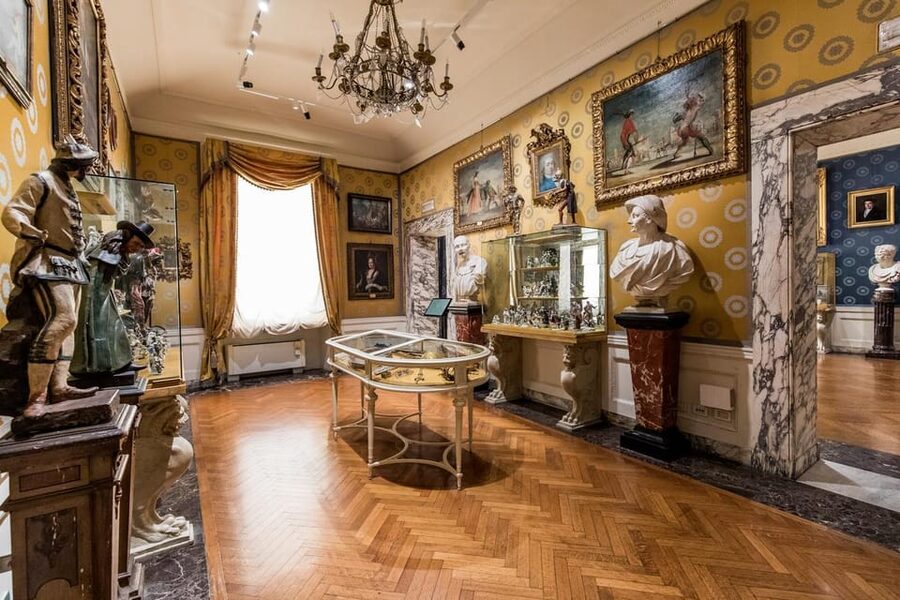
La Scala reflects Milan’s cultural importance. It is tied to the city’s taste for design, music, public ceremony, and ambitious artistic production.
The museum also shows how a theatre survives across changing eras. Old posters, instruments, costumes, and stage plans record more than individual shows. Together, they show how performance styles, fashion, technology, and public expectations have shifted.
That makes the visit useful even if you are not planning to see an opera. You are not simply admiring an ornate room. You are seeing the machinery of cultural memory: the objects that preserve productions after the curtain has fallen.
The experience remains fairly compact, which is a strength. You can learn enough to appreciate La Scala without spending half a day reading labels. The audio guide gives you a way to add more detail when an object catches your interest.
How rehearsals can improve or limit your visit
A rehearsal changes the mood of the theatre. Instead of a silent auditorium prepared for public viewing, you may see dancers or musicians working on an upcoming production.
This is an authentic sight, but it is not guaranteed. Staff may limit where you can stand or which sections you can enter. You should not book the museum expecting a full rehearsal viewing, and you should not assume the stage will be available for photographs or close inspection.
The best approach is to see rehearsal activity as an extra, not as part of the basic ticket. If it happens, it may become the most distinctive part of your stop. If it does not, you still have the museum collections and theatre view.
Staff have been described as respectful and willing to help, particularly when rehearsals were taking place. If you are unsure about the permitted viewing area, ask at the entrance. Clear questions should save you from wandering into a restricted section or missing the best available viewpoint.
Getting good value from the $17 ticket
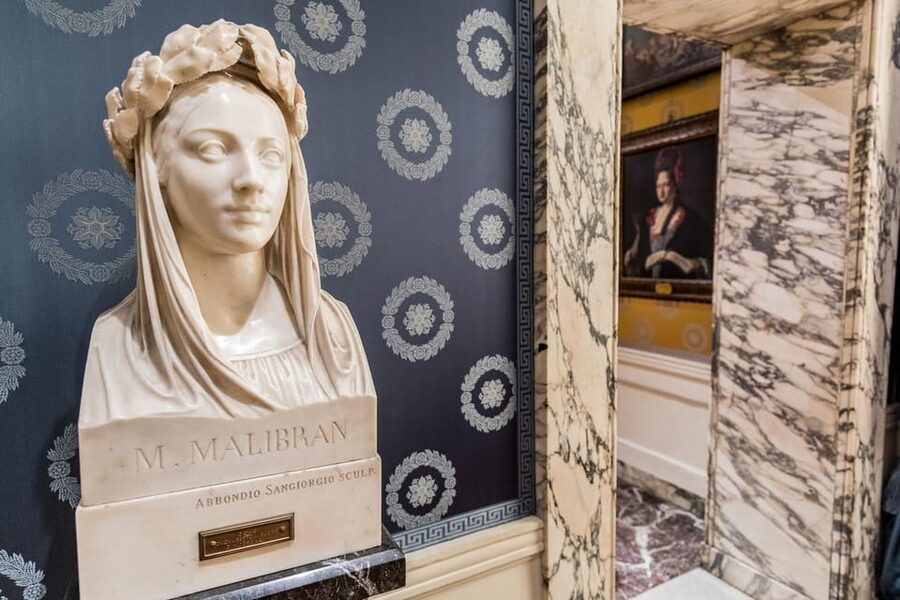
At $17, this is not Milan’s cheapest attraction, but it is reasonably priced for a central museum with access to a famous theatre interior.
The value depends on what you want. If you mainly want a quick look at the auditorium, the price may feel high if lighting is poor or rehearsal access is restricted. If you enjoy costumes, instruments, portraits, posters, and stage design, the ticket becomes easier to justify.
I would compare it with the cost of attending a performance, which is far higher and requires more planning. This ticket lets you see the venue and understand its role without committing to a full evening at the opera. It is a practical option for curious visitors who want some La Scala atmosphere on a normal sightseeing day.
The museum also works well for a mixed-interest group. An opera enthusiast can focus on the performers and production material. Someone less interested in opera can spend more time on architecture, costumes, and visual media. That flexibility improves the value.
The ticket includes free cancellation up to 24 hours before the visit and a reserve-now, pay-later option. Those terms are useful if your Milan schedule is still shifting, but they do not change the central question: check theatre visibility before you commit.
Who will enjoy this most
I would recommend La Scala Theatre Museum to:
- First-time Milan visitors who want a short cultural stop near the Duomo.
- People interested in opera, ballet, theatre design, or classical music.
- Visitors who enjoy historic costumes, instruments, posters, and portraits.
- Families who need an accessible attraction that does not require a full day.
- Anyone who cannot attend a La Scala performance but wants to see the venue.
I would be more cautious if your only goal is to walk through the complete theatre interior. Access can vary, and the main auditorium may be viewed only from certain seats. Check visibility first, then decide if the museum collection is enough to make the ticket worthwhile.
The visit may also suit you if you are new to opera. The displays and videos provide a visual introduction without requiring specialist knowledge. You can appreciate the building and famous names at your own pace.
A practical visit plan
I would place this attraction between the Cathedral and another central Milan stop. Give yourself enough time to see the theatre, listen to selected audio-guide sections, and examine the main displays without rushing.
Before arrival, check the theatre visibility page. Bring headphones if you prefer using your own phone comfortably, though the supplied information only confirms that the app audio guide can be downloaded at the museum.
Travel light. Large luggage and backpacks must go to the cloakroom, and you will have an easier time moving through the displays with only essentials.
At the entrance, confirm where skip-the-line ticket holders should go. The process may not be clearly marked, and asking staff is faster than standing in the wrong queue.
If Simona is leading or assisting during your visit, pay attention to her local-history explanations. Her helpful approach has been singled out, but the standard admission is for the museum and audio guide rather than a guaranteed personal tour.
Should you book La Scala Theatre Museum?
Book it if you want a reasonably priced look at one of Milan’s most famous cultural buildings, especially if you are already visiting the Duomo area. The strongest reasons are the view into the auditorium, the collection of costumes and stage material, and the chance to connect famous performers with the theatre where they worked.
Think twice if you expect guaranteed access to every part of the opera house. Rehearsals and lighting conditions can affect what you see, and the museum cannot provide the emotional impact of attending a live opera or ballet.
My advice is simple: check theatre visibility, travel with a small bag, and treat the auditorium as the highlight with the museum as the substance. For $17, that is a fair exchange for a focused, accessible look at Milan’s celebrated opera tradition.
FAQ
How long is the La Scala Theatre Museum ticket valid?
The ticket is valid for one day. Check availability for the starting times offered on your chosen date.
What does the ticket include?
It includes entrance to the La Scala Theatre Museum, access to the museum exhibits, and an app audio guide downloadable at the museum.
Is the audio guide available in multiple languages?
Yes. The app audio guide is available in seven languages.
Can I skip the ticket line?
Yes. Skip-the-ticket-line access is included.
Can I see the main La Scala auditorium?
You can view the theatre, but access and visibility may vary. Rehearsals and lighting conditions can limit the areas you can see, so check the theatre visibility information before going.
Are large bags allowed?
No. Large bags, luggage, and large backpacks are not allowed in the museum areas and must be left in the cloakroom.
Is the museum wheelchair accessible?
Yes. The theatre and museum are wheelchair accessible. Strollers are also allowed.
Can I cancel the booking?
Yes. You can cancel up to 24 hours in advance for a full refund.
Is La Scala close to Milan Cathedral?
Yes. La Scala Theatre and Museum are just steps from Milan Cathedral and Galleria Vittorio Emanuele II.
Just added around Milan
- Milan Sights by Segway Small Group Tour★ 5.0 · 249 reviews
- Unveil the Masterpiece: Guided Tour of Da Vinci’s Last Supper★ 4.5 · 251 reviews
- Milan: Pasta & Tiramisu Cooking Class with Premium Products★ 5.0 · 255 reviews
- Milan Semi-Private Max 6 People Tour with Last Supper and Duomo★ 5.0 · 258 reviews
- Skip The Line: Best Of Milan Tour With Last Supper & Milan Duomo★ 4.5 · 260 reviews
- Milan: Duomo & Rooftop Tour with Optional Hop-On Hop-Off Bus★ 4.5 · 262 reviews
- Stresa: 1-Day 3 Borromean Islands Hop-On Hop-Off Boat Tour★ 4.0 · 262 reviews
- Milan Centre Food Tour of 7+ Italian Tastings with Risotto & Wine★ 5.0 · 264 reviews
Museums, compared.

Vatican: Museums & Sistine Chapel Entrance Ticket
Read our review →
Vatican Museums & Sistine Chapel Tour with Optional Basilica
Read our review →
Vatican Museums, Sistine Chapel & St Peter’s Basilica Guided Tour
Read our review →
Skip-The-Line Uffizi Gallery Timed Entry Ticket
Read our review →
Vatican Museums, Sistine Chapel & Basilica Tour
Read our review →
Vatican Museums & Sistine Chapel Skip-the-Line Entry Ticket
Read our review →Vatican Museums, Sistine Chapel & Basilica Tour
Read our review →
Vatican Museums & Sistine Chapel Guided Tour
Read our review →Browse the lists this tour appears in