
Review · MUSEUMS
Milan: Pinacoteca Ambrosiana & da Vinci Codex Exhibition
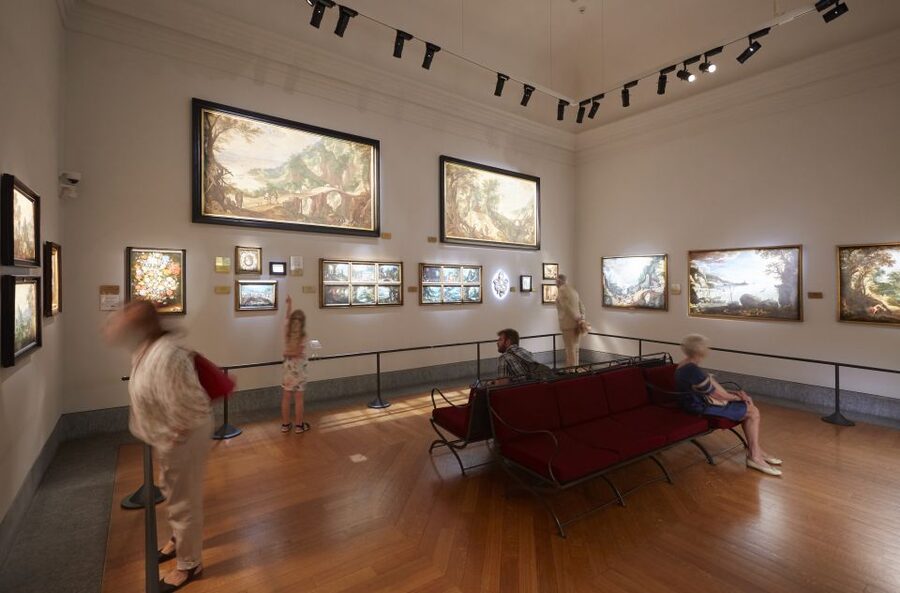
Small entrance, enormous ideas. Milan’s Pinacoteca Ambrosiana packs Renaissance painting, sculpture, books, artifacts, and original Leonardo da Vinci drawings into a handsome historic complex. For $21 per person, you get access to the Ambrosiana collections and the Codex Atlanticus exhibition, making this one of Milan’s best-value art stops.
I especially like the original Leonardo drawings and Raphael’s Cartoon for the School of Athens. I also like that you can explore at your own pace rather than follow a fixed group tour. The main drawback is the building’s layout: it can be confusing, and some labels are difficult to read because several rooms are kept quite dark.
The Ambrosiana is not Milan’s largest art museum. That is part of its appeal. You can see important works without giving up an entire day, though I would allow at least two hours if you want the visit to feel unhurried. An optional audio guide costs €4 and is available in six languages.
In This Review
- Key points to know before you go
- Finding the Ambrosiana in central Milan
- The Ambrosiana building is part of the attraction
- Leonardo’s Codex Atlanticus: drawings that reveal a working mind
- Raphael’s School of Athens cartoon deserves your full attention
- Botticelli, Titian, Caravaggio, and a broad Italian collection
- Should you buy the audio guide?
- How long should you spend inside?
- Value, crowds, and who will enjoy it most
- Booking and arrival tips
- Should you book the Pinacoteca Ambrosiana?
- FAQ
- Where is the Pinacoteca Ambrosiana located?
- Which metro stops are closest?
- Which tram lines serve the museum?
- What does the $21 ticket include?
- Is the audio guide included?
- How long is the ticket valid?
- Can I cancel the booking?
- Can I reserve now and pay later?
- Is this a guided tour?
- Who operates the experience?
Key points to know before you go
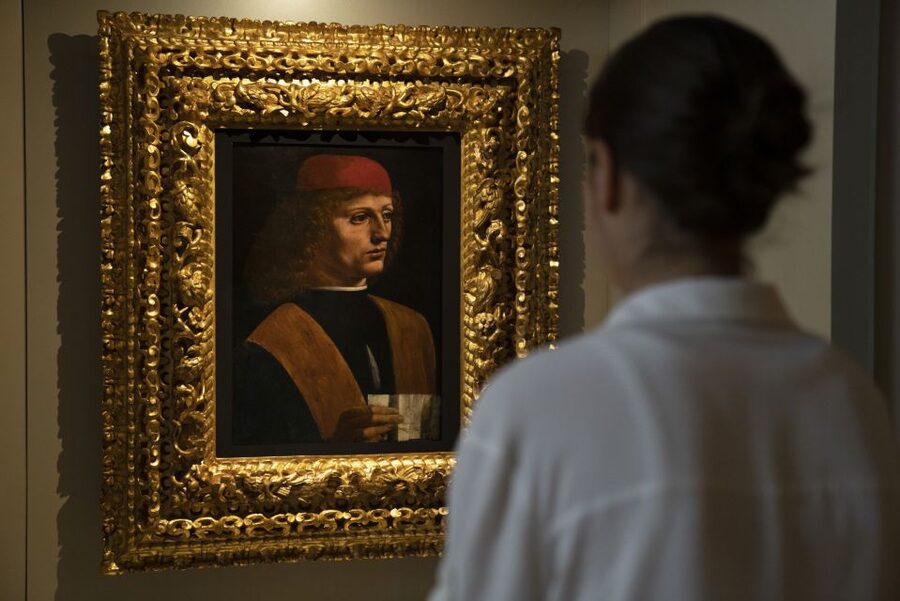
- Leonardo’s working mind: The Codex Atlanticus presents original drawings covering engineering, architecture, inventions, and observations from more than 40 years of Leonardo’s work.
- Raphael’s School of Athens cartoon: This large preparatory drawing is one of the collection’s major highlights and may impress you even more than the Leonardo section.
- A museum inside a library: The Ambrosiana’s rooms, library spaces, and old architectural details are part of the experience, not just a backdrop.
- A compact art collection: You will see works connected with Botticelli, Raphael, Titian, and Caravaggio, along with sculptures, pottery, books, and historic objects.
- Good value at $21: The ticket covers both the Ambrosiana collections and the Leonardo exhibition, with no long guided tour required.
- Plan your route: Take the map at the entrance seriously, since it is easy to miss rooms or lose track of where the Codex display is located.
Finding the Ambrosiana in central Milan
The entrance is at Piazza Pio XI 2, close to Milan’s main cathedral district. From the Duomo area, the museum is easy to reach on foot, and the nearest metro stops are Cordusio on the red line or Duomo on the red and yellow lines.
You can also use tram lines 12, 14, or 16 to Orefici Cantù, or lines 2 and 3 to Duomo. That central location makes the Ambrosiana easy to pair with the Duomo, Galleria Vittorio Emanuele II, or a walk through central Milan.
When you arrive, take a moment to study the museum map. The route is not always obvious, and the Codex Atlanticus display is not necessarily the first thing you encounter. One visitor looking for Leonardo’s drawings was directed toward the wrong end of the museum, so asking clearly for the Codex section and checking the map yourself is sensible.
The ticket is valid for one day, with starting times based on availability. You are not signing up for a group tour. This is mainly an admission ticket, with the option to add an audio guide.
More Museum Tours in Milan
- Milan: Science and Technology Leonardo da Vinci Museum Entry
★ 4.5 · 7,169 reviews - Official San Siro Stadium and Museum Guided Tour
★ 4.4 · 3,573 reviews - Milan: Leonardo3 The World of Leonardo Museum Entry Ticket
★ 4.4 · 3,241 reviews
The Ambrosiana building is part of the attraction
The Pinacoteca Ambrosiana occupies a historic library and cultural complex. As you move through the rooms, you are looking at more than framed paintings. Books, manuscripts, architectural elements, sculptures, pottery, and old objects help explain the Ambrosiana’s wider purpose.
The library spaces are especially memorable. A beautiful three-story library has been singled out as one of the most impressive parts of the visit, and the building itself gives the museum a different feel from a modern gallery with plain white walls.
I like this setting because it connects the artwork with study and preservation. Leonardo’s drawings make more sense here, surrounded by evidence of centuries of collecting and research. The rooms are not merely storage areas. They help you picture how art, science, religion, and philosophy were studied together in Italy.
The atmosphere is generally quiet and calm. The museum can provide a welcome break from Milan’s summer heat, since several visitors appreciated the air-conditioning. Seating is also available in parts of the route, which helps if you plan to spend two or three hours examining the collection.
One tradeoff is the lighting. Some paintings are lit beautifully, and the darker rooms can make individual works feel dramatic. But information panels and labels may be harder to read. Bring patience, and use the audio guide if you want more explanation without straining to read every panel.
Leonardo’s Codex Atlanticus: drawings that reveal a working mind
The Codex Atlanticus is the chief reason many people come here. The exhibition includes original Leonardo drawings from what is described as the world’s largest collection of his original drawings.
Do not expect a single grand painting gallery. The power of this section lies in the range of ideas. Leonardo’s pages show him thinking through machines, structures, movement, architecture, and practical problems. You see questions being tested on paper rather than polished answers presented for admiration.
That makes the exhibition valuable even if you are not an art specialist. I find Leonardo most interesting when his curiosity moves between fields. A drawing can suggest the work of an engineer, architect, artist, and observer at the same time.
The display also gives attention to Leonardo as a person. The stated aim is to offer an overview of his work, thoughts, and feelings based on more than 40 years of research. You are not simply looking at old paper. You are being encouraged to consider how the man worked and what his drawings reveal about his time.
The Federiciana Room of the Ambrosiana Library adds useful context. This is where you gain a stronger sense of the collection’s connection with scholarship, books, and the intellectual world around Leonardo. Several people have described the library section as extraordinary, and I would not rush through it just to reach the paintings.
There is also a pleasant surprise for anyone expecting only sketches. The wider collection includes a Leonardo painting, according to the experience details provided by visitors, so the Codex section is not the museum’s only link with him.
Raphael’s School of Athens cartoon deserves your full attention
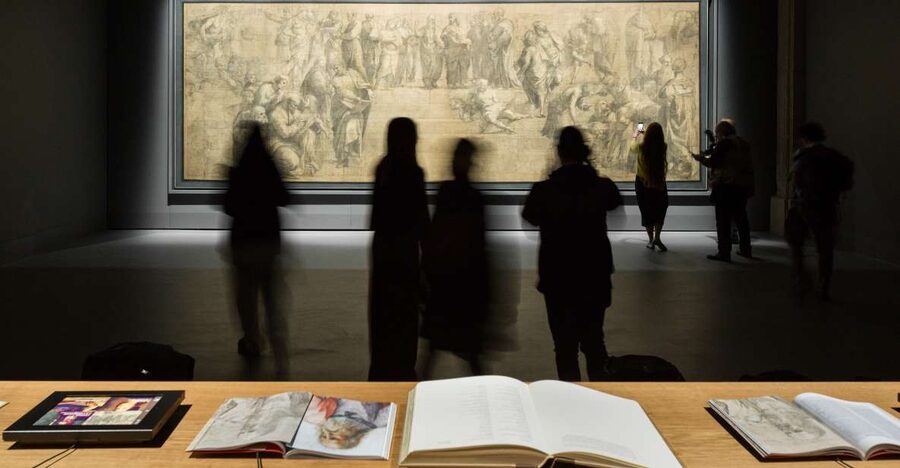
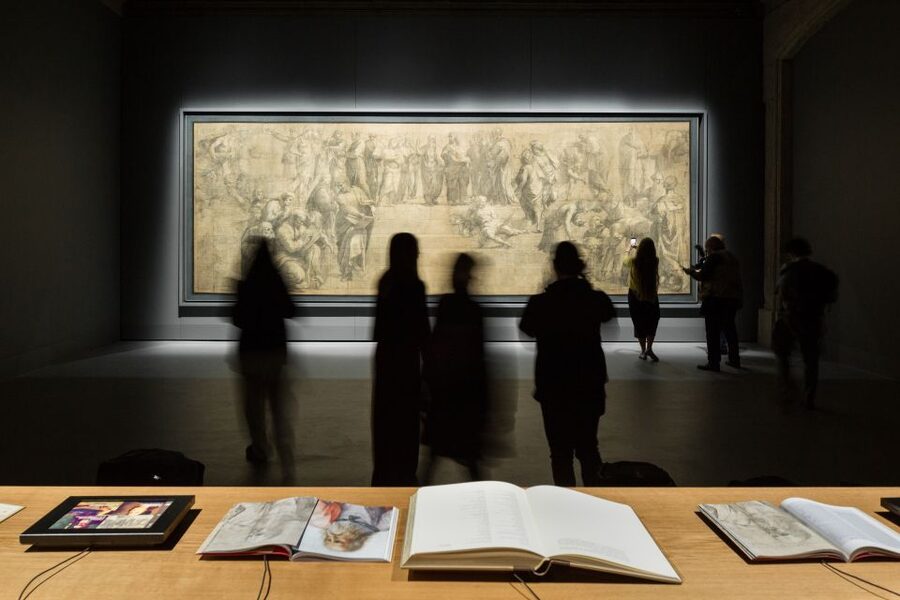
Raphael’s Cartoon for the School of Athens is one of the museum’s great prizes. The word cartoon here means a full-scale preparatory drawing, not a humorous illustration. Raphael used such a design as part of the process for creating a monumental wall painting.
This work can be the emotional high point of the visit. The size and detail let you study the arrangement of figures and the planning behind the finished fresco. A film explains how the cartoon was created and transferred to the wall, as well as the identities of the figures represented.
That extra explanation matters. Without context, you might admire a large drawing and move on. With it, you can see the cartoon as a working blueprint for one of the best-known compositions of the Renaissance.
The Raphael display also offers a useful balance to Leonardo. Leonardo’s drawings feel exploratory and personal, filled with investigation. Raphael’s cartoon shows an ambitious composition being organized for a major public commission. Seeing both in the same visit gives you two different views of Renaissance creativity.
Allow time here. It is easy to assume the Leonardo exhibition will be the only major attraction, then discover that Raphael is the work you remember most clearly.
More galleries and collections:
- Milan: La Scala Theater & Museum Guided Experience
★ 4.1 · 2,931 reviews - Milan: La Scala Theater and Museum Tour with Entry Tickets
★ 4.7 · 1,722 reviews - Milan: Cathedral, Archeological Area and Museum Ticket
★ 4.5 · 1,093 reviews - Casa Milan: Museum Entry Ticket
★ 4.6 · 969 reviews
Botticelli, Titian, Caravaggio, and a broad Italian collection
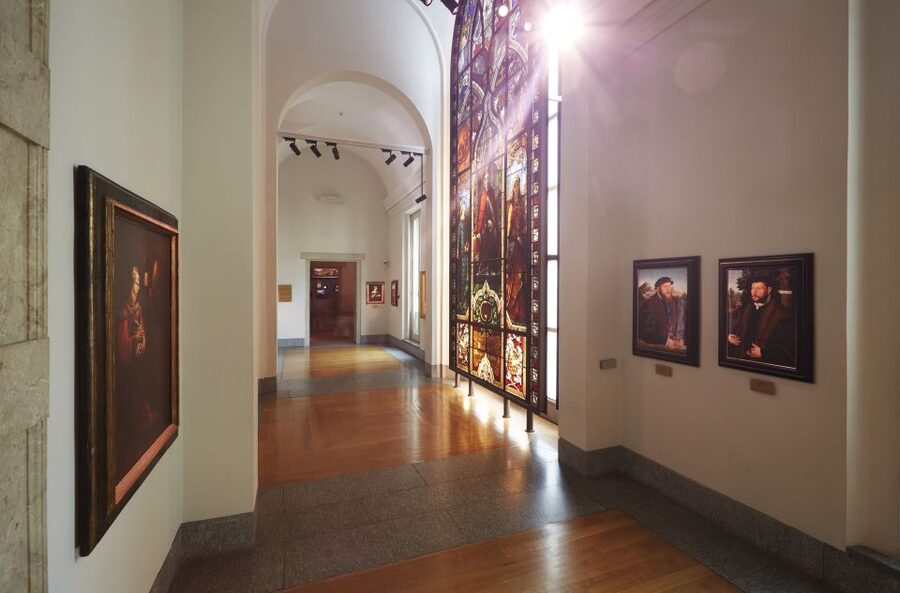
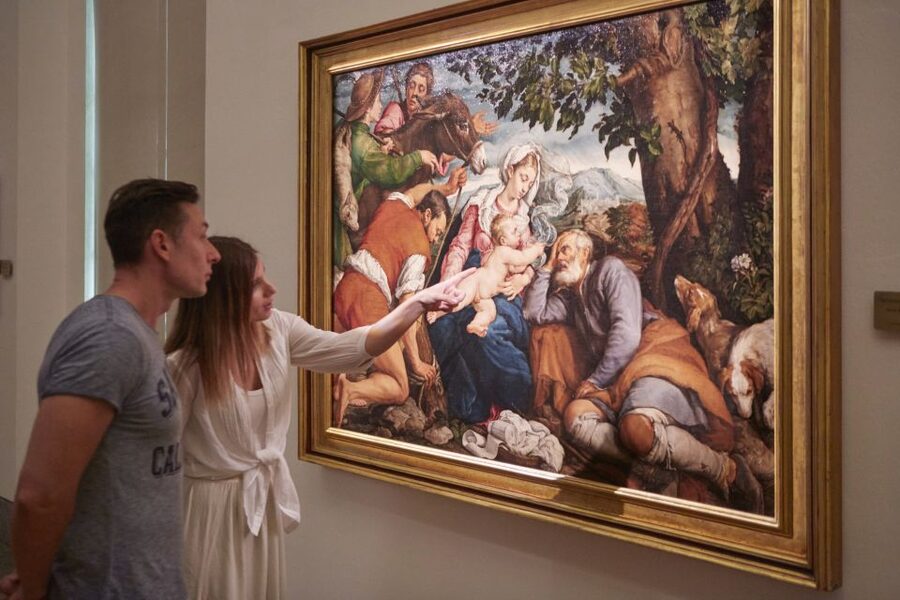
The Pinacoteca’s permanent collection brings together works associated with several leading Italian masters. You can expect paintings connected with Botticelli, Raphael, Titian, and Caravaggio, along with other works that fill out the museum’s story.
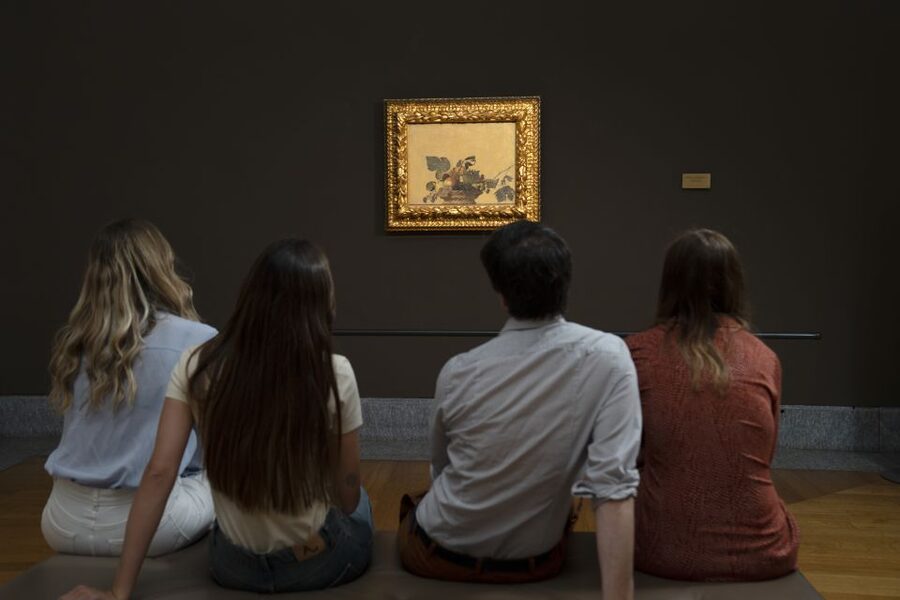
Caravaggio’s still lifes are a particularly useful stop for seeing how much drama can come from ordinary objects. Instead of relying only on grand religious or historical scenes, still-life painting asks you to notice fruit, vessels, surfaces, light, and decay. The Ambrosiana lets you compare that close observation with Leonardo’s scientific curiosity.
Botticelli and Titian add different moods and methods. You can look for changes in color, figure design, texture, and composition as you move between rooms. The collection is varied enough to reward close attention, but not so huge that you lose all sense of the individual works.
This is where the museum’s compact size helps. You are less likely to suffer the famous art-museum problem of admiring the first ten paintings and then wandering past the rest in a daze. I would still use the map and take short pauses. Some rooms contain more than one important work, and the route can make it easy to overlook a side space.
The lighting is worth noting again. Paintings can look excellent under focused illumination, while nearby written material may be less comfortable to read. If you care about background information, the audio guide is probably worth the modest €4 fee.
Should you buy the audio guide?
The audio guide is optional, but I would recommend it for a first visit. It is available through GetYourGuide or at the ticket office for €4, in six languages.
The strongest reason to add it is context. The paintings and drawings are important, but not every visitor arrives knowing why a preparatory cartoon matters, how Leonardo’s notebooks were used, or what makes a particular Renaissance master distinctive.
There is one practical catch. The audio guide may offer different visit settings, including a shorter one-hour route and a longer option. If you plan to stay for several hours, check that it is set to the longer visit mode. Otherwise, you may receive commentary for only a limited selection of paintings.
The guide can also reduce the frustration caused by dark labels and an occasionally confusing layout. It is not a live guide, so you retain control over your pace. You can stop listening, spend ten minutes with Raphael, or move quickly through a room that interests you less.
If you prefer reading labels and following your own path, you can visit without it. The displays are generally well arranged and clearly labeled, but the guide adds real value for only €4.
How long should you spend inside?
The official activity is valid for one day, but the sensible visit length depends on your interests. A quick look at the main highlights may take about 90 minutes. I would plan two to three hours for a satisfying visit.
That gives you time for the Leonardo drawings, Raphael’s cartoon, the library spaces, and the broader painting collection. It also leaves room to sit down, check the map, and return to a work that caught your eye.
You can make this a short stop between other central Milan sights, but I would avoid squeezing it into a rushed schedule. The collection rewards slow looking, especially in the Leonardo and Raphael sections.
Some parts may require extra attention if you have a baby buggy. One account described restrictions on taking a buggy into certain areas, with the buggy kept at the entrance. If that affects your plans, ask the staff before beginning the route.
There may also be a crypt visit available for an additional charge. The standard $21 ticket information covers the Ambrosiana collections and Leonardo exhibition, not every possible extra area, so check at the ticket desk if the crypt is a priority.
Value, crowds, and who will enjoy it most
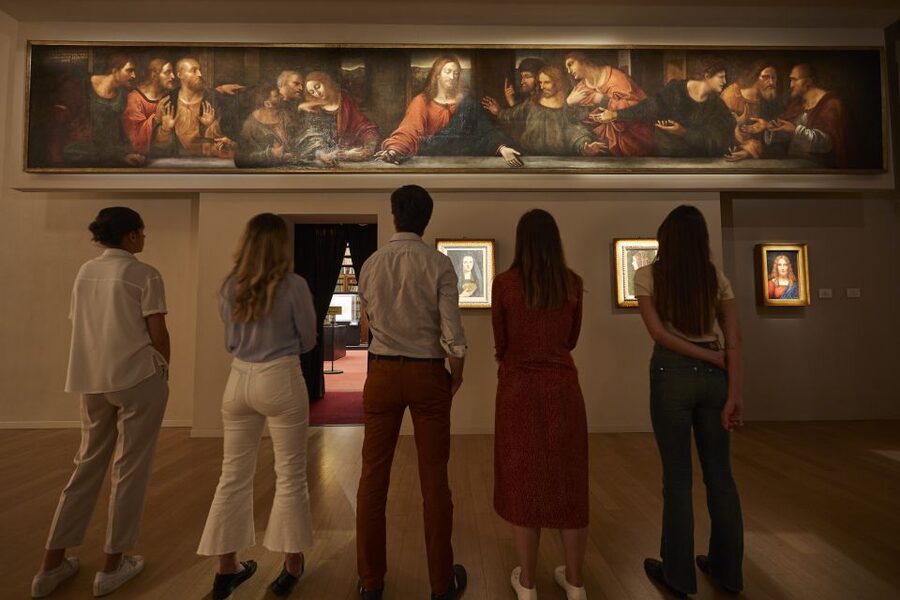
At $21, this is strong value for Milan, especially since the admission includes both the permanent Ambrosiana collections and the Leonardo exhibition. Add the €4 audio guide and you still have a substantial cultural visit for a reasonable total.
The museum is a good choice if you want important art without the scale of a major national gallery. It suits anyone interested in Leonardo, Renaissance painting, old libraries, architecture, or the history of collecting.
I would particularly recommend it to:
- Art lovers who want Botticelli, Raphael, Titian, Caravaggio, and Leonardo in one compact visit
- Visitors who enjoy drawings and the working process behind finished masterpieces
- Anyone looking for a quieter central Milan attraction
- Families or mixed-interest groups who need a visit that can be adjusted to different attention spans
- People who want a break from outdoor sightseeing in hot weather
It may be less satisfying if you want a large, single-period museum with a simple route and extensive modern signage. The layout requires attention, and the lighting is not perfect for reading every label.
The lack of a built-in tour can be either a benefit or a drawback. I like moving at my own pace, but if you want a specialist explaining each room, you will need to rely on the audio guide or arrange separate guidance.
Booking and arrival tips
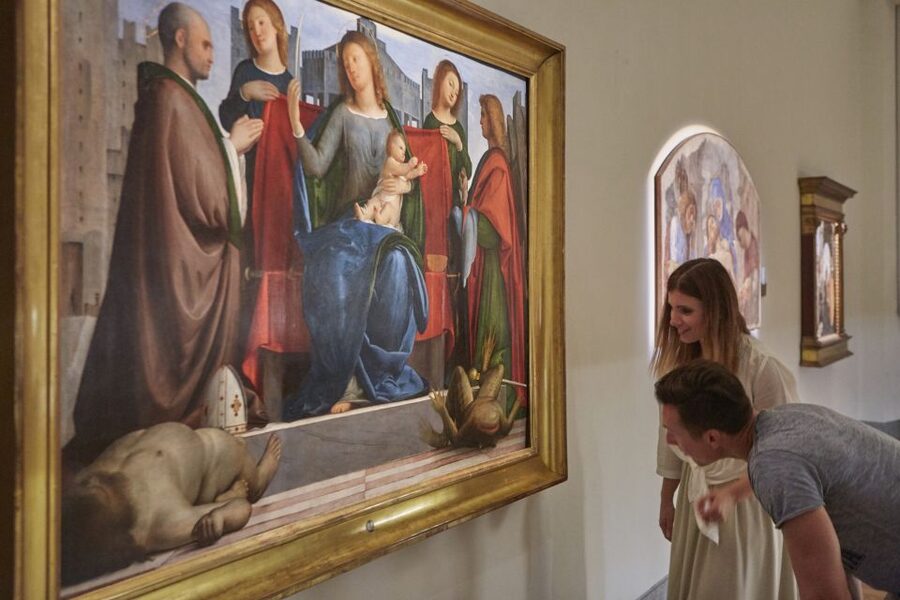
You can cancel up to 24 hours in advance for a full refund, and the reserve-now, pay-later option keeps your plans flexible. Starting times depend on availability, so check the available slot before settling your Milan schedule.
At the entrance, collect or confirm the museum map before heading inside. Ask specifically for the Codex Atlanticus exhibition if you are unsure where to begin. This simple step can save time.
If you want the audio guide, decide early rather than halfway through the visit. The €4 cost is small, and it is especially useful for Raphael’s cartoon, Leonardo’s drawings, and works whose labels are difficult to read.
Finally, do not judge the Ambrosiana by its modest footprint from outside. Its strength is concentrated quality: original Leonardo material, a remarkable Raphael drawing, respected Italian painting, library rooms, and historic objects in one manageable complex.
Should you book the Pinacoteca Ambrosiana?
Yes, if you want a thoughtful art stop in central Milan and have at least 90 minutes to spare. I would book it with confidence for the Codex Atlanticus, but I would stay for Raphael’s Cartoon for the School of Athens and the library.
The best plan is simple: reserve the $21 ticket, allow two to three hours, use the map, and add the €4 audio guide if you value background information. If your schedule is already packed with the Duomo and larger museums, this is the attraction I would keep rather than dismiss. Its compact route, calm atmosphere, and unusual mix of art and library materials give Milan a welcome change of pace.
FAQ
Where is the Pinacoteca Ambrosiana located?
The entrance is at Piazza Pio XI 2 in Milan, Italy.
Which metro stops are closest?
The nearest metro stops are Cordusio or Duomo on the red line, and Duomo on the yellow line.
Which tram lines serve the museum?
Tram lines 12, 14, and 16 stop at Orefici Cantù. Tram lines 2 and 3 stop at Duomo.
What does the $21 ticket include?
It includes admission to the Ambrosiana collections and the exhibition of Leonardo’s original Codex Atlanticus drawings.
Is the audio guide included?
No. The audio guide costs €4 and is available in six languages through GetYourGuide or at the ticket office.
How long is the ticket valid?
The ticket is valid for one day. Available starting times depend on the selected date and availability.
Can I cancel the booking?
Yes. You can cancel up to 24 hours in advance for a full refund.
Can I reserve now and pay later?
Yes. The reserve-now, pay-later option lets you book without paying immediately.
Is this a guided tour?
The admission is primarily a ticket to the museum and exhibitions. An audio guide is available separately, but a live guide is not included in the stated ticket.
Who operates the experience?
The experience is provided by the Veneranda Biblioteca Ambrosiana.
Just added around Milan
- Milan Sights by Segway Small Group Tour★ 5.0 · 249 reviews
- Unveil the Masterpiece: Guided Tour of Da Vinci’s Last Supper★ 4.5 · 251 reviews
- Milan: Pasta & Tiramisu Cooking Class with Premium Products★ 5.0 · 255 reviews
- Milan Semi-Private Max 6 People Tour with Last Supper and Duomo★ 5.0 · 258 reviews
- Skip The Line: Best Of Milan Tour With Last Supper & Milan Duomo★ 4.5 · 260 reviews
- Milan: Duomo & Rooftop Tour with Optional Hop-On Hop-Off Bus★ 4.5 · 262 reviews
- Stresa: 1-Day 3 Borromean Islands Hop-On Hop-Off Boat Tour★ 4.0 · 262 reviews
- Milan Centre Food Tour of 7+ Italian Tastings with Risotto & Wine★ 5.0 · 264 reviews
Museums, compared.

Vatican: Museums & Sistine Chapel Entrance Ticket
Read our review →
Vatican Museums & Sistine Chapel Tour with Optional Basilica
Read our review →
Vatican Museums, Sistine Chapel & St Peter’s Basilica Guided Tour
Read our review →
Skip-The-Line Uffizi Gallery Timed Entry Ticket
Read our review →
Vatican Museums, Sistine Chapel & Basilica Tour
Read our review →
Vatican Museums & Sistine Chapel Skip-the-Line Entry Ticket
Read our review →Vatican Museums, Sistine Chapel & Basilica Tour
Read our review →
Vatican Museums & Sistine Chapel Guided Tour
Read our review →Browse the lists this tour appears in