
Review · ACCADEMIA GALLERY TOURS
Small-group Accademia tour with skip-the-line access to David
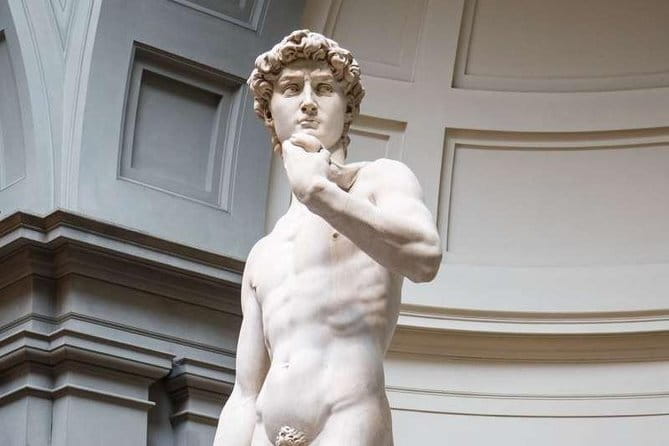
David is worth planning your morning around. This one-hour Accademia Gallery tour gives you fast-track entry and a guide who places Michelangelo’s famous statue within the wider story of Florence. You also get a look at the museum’s less famous musical-instrument collection, including a 1690 Stradivarius and an early piano.
I like the small-group format, which is advertised at no more than nine people, and I like that the tour does not stop with David. Guides such as Laura, Gianna, Guido, and Christina Maria have earned especially warm praise for making the art clear, lively, and easy to appreciate.
The main drawback is the short running time. One hour is enough for a focused introduction, but not enough for a leisurely museum visit, and one poor guide experience shows that the quality can depend on who leads your group. The price, $71.38 per person, makes the included guidance and priority access important to the value.
In This Review
- Key points to know before booking
- Why the Accademia deserves more than a quick David stop
- Entering the Accademia at Via Ricasoli
- The musical instruments most people miss
- Michelangelo’s unfinished sculptures set up David
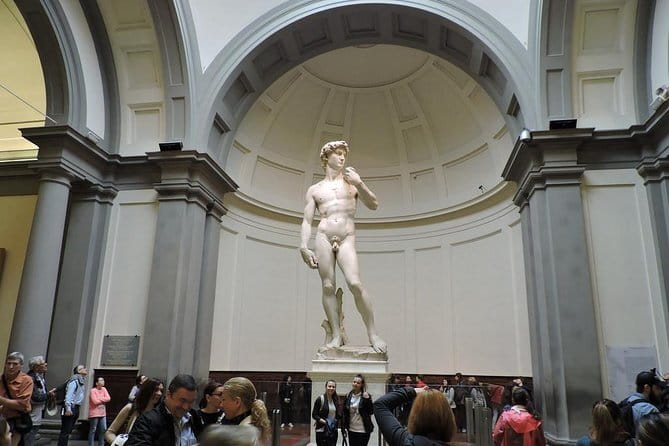
- Meeting David in the Tribuna
- How much can happen in one hour?
- Small groups, guide quality, and the listening setup
- Is $71.38 a fair price?
- Who will get the most from this visit?
- Should you book the Accademia tour?
- FAQ
- Where does the Accademia tour meet?
- Where does the tour end?
- How long does the tour last?
- Is admission to the Accademia included?
- Does the tour include skip-the-line entry?
- What language is the tour offered in?
- How many people are in the group?
- Can I stay in the museum after the guided tour?
Key points to know before booking
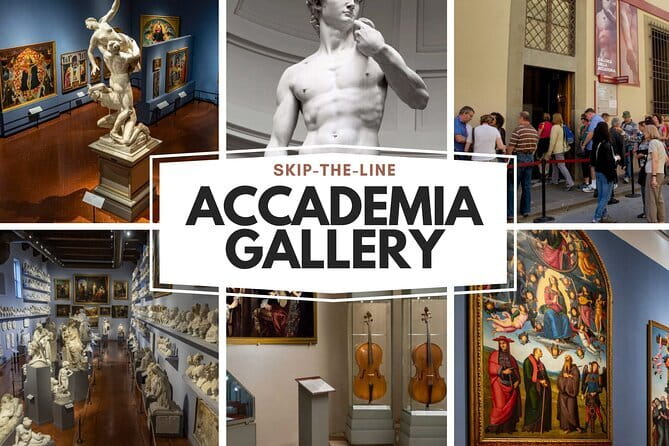
- David is the clear centerpiece: You approach Michelangelo’s masterpiece after seeing several of his unfinished sculptures, which gives the visit a strong visual progression.
- Priority entry matters in Florence: The Accademia can draw long lines, so avoiding the regular queue may save valuable sightseeing time.
- The musical instruments are a special extra: The Conservatorio Luigi Cherubini collection includes a Stradivarius from 1690 and the first modern piano.
- The group is designed to stay small: The tour is described as having a maximum of nine people, although the booking information also gives a maximum activity size of 12.
- You can stay afterward: Once the guided portion ends, you may continue exploring the museum on your own.
- An early start can pay off: A 9:15 a.m. visit was reported as much easier for viewing David closely before the crowds grew.
Why the Accademia deserves more than a quick David stop
Many people enter the Accademia with one goal: see David, take in the scale of the sculpture, and leave. That is understandable, but it reduces one of Florence’s most focused museums to a single room.
The Accademia is smaller than the Uffizi, which works in your favor. You are not trying to cover a huge collection in one exhausting sweep. Instead, the museum offers a compact group of sculptures, paintings, and objects that can be understood in a short visit, especially with a guide directing your attention.
I like this tour because it treats David as the climax rather than the whole story. You begin with other works connected to Michelangelo, including unfinished sculptures, then move toward the completed figure. That order helps you notice the contrast between rough stone and polished marble.
The museum also contains bright religious paintings and a collection of historic instruments. These may not be the reason you booked, but they give the visit more range. If you have already seen several Renaissance paintings elsewhere in Florence, the instrument room can provide a welcome change of pace.
More Skip-the-Line Tickets in Florence
- Florence: Skip-The-Line Uffizi Gallery Timed Entry Ticket
★ 4.5 · 27,832 reviews - Florence: Michelangelo’s David Skip-the-Line Entry Ticket
★ 4.5 · 12,764 reviews - Florence: Skip-the-Line Uffizi Small Group Tour
★ 4.6 · 5,926 reviews
Entering the Accademia at Via Ricasoli
The meeting point is outside the Galleria dell’Accademia di Firenze at Via Ricasoli 58/60. The location is near public transportation, and the tour ends back at the meeting point, so you will need to plan your next stop from the museum area rather than expect hotel transportation.
There is no hotel pickup or drop-off. That keeps the price from including a private transfer, but it also means you should allow enough time to reach the entrance on your own.
The major practical benefit is the priority entrance ticket. This does not mean every delay disappears. Museum controls, security, or a queue at the priority gate can still slow things down, and the operator does not promise that every internal process will run perfectly.
Still, the advantage is real when the regular line is long. One person specifically described the line as very long and found the skip-the-line access worthwhile. Another account of a 9:15 a.m. visit noted that David was still easy to approach and study closely, while the crowd had grown considerably an hour later.
I would book an early time if your schedule allows. You may not avoid every queue, but arriving early gives you a better chance of seeing the statue without a wall of people around it.
The musical instruments most people miss
The tour’s most unusual feature is its attention to the musical-instrument collection in the Conservatorio Luigi Cherubini section. Many short Accademia visits focus only on Michelangelo, so this stop adds something different and gives the guide a chance to explain Florence’s role in musical development.
The collection includes an original Stradivarius made by Antonio Stradivari in 1690 for the Great Prince. That is a striking object even if you know little about violins. Its value comes not only from its age, but from the connection between craft, court culture, and the history of music.
You can also see what is described as the first modern piano, invented in Florence. That detail gives the room a strong local connection. Florence was not simply a city of painters and sculptors. It also helped shape the instruments and musical ideas that later spread through Europe.
There is one important qualification. The musical-instrument room may be closed without advance notice because of museum organization. If that happens, the route may change. I would treat this collection as a welcome bonus, not the main reason to purchase the tour.
Michelangelo’s unfinished sculptures set up David
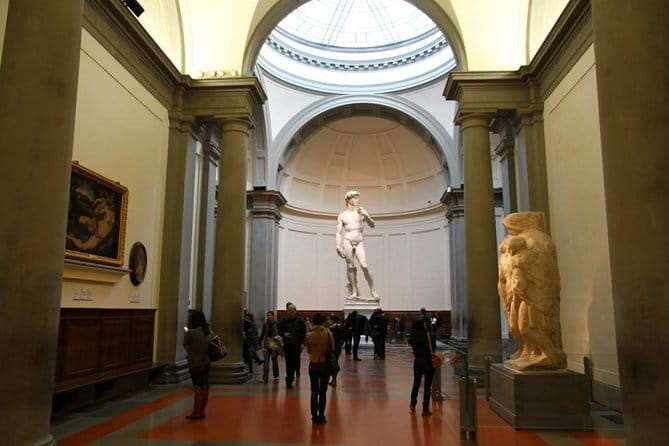
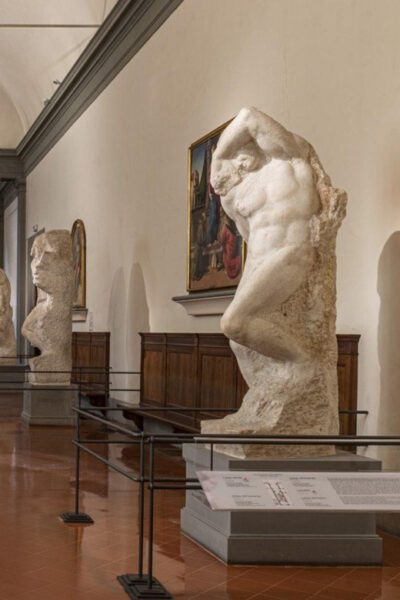
Before reaching David, the guide introduces other Michelangelo works in the museum. The unfinished sculptures are especially useful because they show the artist’s process in a way that a finished statue cannot.
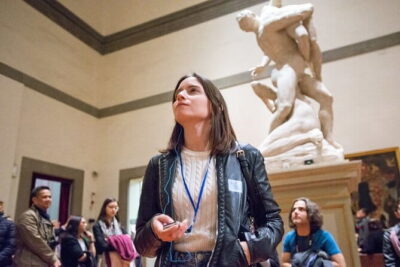
You can see figures emerging from blocks of marble, with parts still rough and incomplete. This makes the material feel active rather than invisible. The viewer is reminded that David began as a massive block of stone requiring planning, strength, and an extraordinary command of form.
A good guide can use these works to explain Michelangelo’s choices, his working methods, and the difference between an unfinished figure and a completed masterpiece. Several highly rated tours were praised for giving context about Michelangelo’s life and for explaining details that would be easy to miss by reading labels alone.
That guidance matters most in a museum where the objects may look immediately impressive but do not always explain themselves. A sculpture’s pose, proportion, or unfinished surface can carry meaning that is not obvious at first glance.
The tour is not presented as a full art-history seminar. It lasts about an hour, so the amount of detail depends on the guide and the pace of the group. The strongest guides, including Gianna, Laura, Elisabeth, and Christina Maria, were praised for combining facts with humor, energy, and clear explanations.
More Accademia and David visits:
- Florence Accademia Gallery Tour with Entrance Ticket Included
★ 4.5 · 6,148 reviews - Florence: Accademia Gallery Guided Tour
★ 4.6 · 4,156 reviews - Skip the line: Uffizi and Accademia Small Group Walking Tour
★ 4.5 · 3,135 reviews - Florence: Skip-the-Line Accademia Guided Tour
★ 4.5 · 2,327 reviews
Meeting David in the Tribuna

David is the emotional high point of the visit. The statue is enormous, precise, and instantly familiar from photographs, yet the original has a physical presence that reproductions cannot supply.
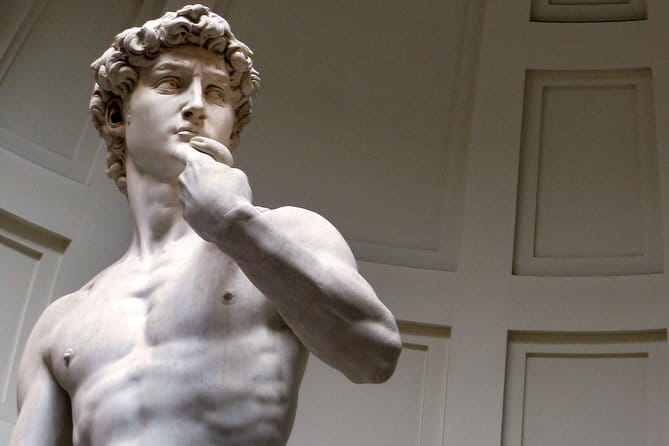
The guide’s job here is not merely to point at the statue. You should expect attention to the details of the figure, the expression, the hands, the stance, and the way Michelangelo created a sense of alertness before the action begins.
A guide can also help you understand why this particular David became a symbol of Florence. The sculpture carries biblical subject matter, artistic ambition, and civic meaning all at once. You do not need specialist training to appreciate it, but a good explanation gives you more to look at than the famous face and body.
Several tours were praised for making the statue’s details easier to notice. One guide was described as animated while explaining Michelangelo’s life and work. Another was credited with helping the group appreciate the fine points of the sculptures instead of simply moving past them.
You should expect other people to be in the room, particularly later in the day. The priority ticket gets you into the museum more efficiently, but it does not create a private viewing area. The smaller group helps you hear the guide and ask questions, yet you will still share David with the public.
How much can happen in one hour?
The official duration is approximately one hour. That is short, but it can work well if you want a targeted introduction and plan to continue independently.
In a typical hour, the guide leads you through the museum’s key areas, discusses Michelangelo’s works, and spends the most time with David. The musical instruments may also be included if the room is open and the schedule permits.
The pace will not suit everyone. If you want to read every label, sketch, take extensive photographs, or linger over each painting, you will need more time. The good news is that you may remain in the museum after the guided portion ends and continue exploring by yourself.
That extra time is one of the tour’s better features. You receive a framework first, then can return to any room that caught your attention. I would use the guided hour to learn the basic story, then stay afterward for the paintings, instruments, and sculptures that received less attention during the group walk.
One reviewer found the tour length perfect as a private visit, while another person who booked with three teenage daughters also enjoyed the format. That suggests the focused schedule can work for families and first-time museum visitors, especially when attention spans are limited.
Small groups, guide quality, and the listening setup

The tour is built around a small-group atmosphere, with the advertised group size capped at nine people. The additional booking information says the activity can have up to 12 participants, so I would confirm the exact group limit when booking if that detail matters to you.
A small group has practical advantages. You can usually stay closer to the guide, hear explanations more clearly, and ask a question without interrupting a large crowd. The experience can feel closer to a conversation than a lecture.
The guide quality appears to be the biggest variable. Many guides received praise for their art knowledge, friendly manner, and ability to keep people engaged. Names that appear repeatedly in especially positive comments include Laura, Gianna, Guido, Christina Maria, Elisabeth, Maria, Fabio, Ivano, and Jannett.
Jannett was praised for being prompt, caring, generous with her time, and willing to explain more than expected. Fabio led what was described as a private one-hour visit and was appreciated for his warm welcome. Ivano was singled out for making the history enjoyable and leaving time for independent exploration.
There was also one sharply negative account. In that case, the guide did not introduce herself, did not engage with the group, walked away during explanations, and offered little historical context. The complaint also included inappropriate comments about previous tour groups. This appears to be an exception among the supplied feedback, but it is still worth taking seriously because a one-hour museum tour depends heavily on the person leading it.
You may be given hard plastic earbuds for the guide system. One useful tip is to bring your own earbuds if you have a compatible pair, since the supplied ones were described as uncomfortable.
Is $71.38 a fair price?
At $71.38 per person, this is not a cheap way to enter the Accademia. The value depends on how much you want from the visit.
If your only goal is to see David and you are comfortable handling the museum alone, a self-guided visit may cost less. You would also control the pace and could spend as much time as you like with the paintings and sculptures.
The tour earns its price when the line is long and you want to protect a tight Florence schedule. The fee includes the admission ticket, priority entry, and a certified professional guide. You are paying for saved time and for explanations that turn a quick look at marble into a more informed experience.
The small group adds value compared with a large coach-style museum tour. You are less likely to lose the guide in a crowd, and the format allows more direct attention. If your group is very small, the experience may feel almost private, though you should not assume that will happen.
The price is easiest to justify for a first visit, a family with limited museum experience, or anyone who wants context without taking a full morning art course. It is harder to justify for a repeat visitor who already knows Michelangelo’s work and simply wants a quiet look at David.
Who will get the most from this visit?
I would recommend this tour to you if:
- You have limited time in Florence and want a direct route through the Accademia.
- You dislike waiting in long museum lines.
- You want someone to explain Michelangelo’s unfinished sculptures and David.
- You enjoy a small group rather than a large organized crowd.
- You are visiting with teenagers or family members who may prefer a focused hour.
- You want the option to remain inside and explore after the tour.
I would be more cautious if you prefer a completely independent visit. The one-hour format may feel rushed, and the guide’s style can shape the experience. You should also avoid booking solely for the musical-instrument room, since that area may be closed and the route may change.
The tour is offered in English and uses a mobile ticket. Confirmation arrives when you book. Most people can participate, and the museum is near public transportation.
Free cancellation is available up to 24 hours before the local start time for a full refund. Changes or cancellations inside that 24-hour window are not accepted for a refund, so leave some flexibility in your Florence schedule.
Should you book the Accademia tour?
Book it if David is high on your Florence list and you want priority entry plus a clear, personal introduction to the museum. The best parts are the small group, the strong guides, the unfinished Michelangelo sculptures, and the chance to see an unusual musical collection that many quick visits skip.
I would choose an early departure, bring comfortable earbuds if possible, and keep an extra 30 to 60 minutes available afterward. That gives you the benefit of the guided route without having to rush straight back into Florence’s streets.
Skip it if you are mainly looking for the lowest-cost admission or prefer to study museums alone. At $71.38, the tour needs to deliver more than access, but with a good guide it can do exactly that. The 4.7 rating from 361 ratings and 94 percent recommendation rate point to a strong experience overall, with guide quality as the one factor you cannot fully control.
FAQ
Where does the Accademia tour meet?
It meets at the Galleria dell’Accademia di Firenze, Via Ricasoli 58/60, 50129 Florence, Italy.
Where does the tour end?
The activity ends back at the meeting point.
How long does the tour last?
The guided visit lasts approximately one hour.
Is admission to the Accademia included?
Yes. The admission ticket is included in the tour price.
Does the tour include skip-the-line entry?
Yes. A fast-track entrance ticket is included, although the operator notes that queues can still occur at the priority entrance.
What language is the tour offered in?
The tour is offered in English.
How many people are in the group?
The tour is advertised as a small group with a maximum of nine people. The additional booking information gives a maximum activity size of 12 participants.
Can I stay in the museum after the guided tour?
Yes. You may remain in the Accademia and continue exploring after the guided portion ends.
More Fast-Track Entries
- Florence: Accademia Gallery & David Skip-the-Line Ticket
★ 4.6 · 1,905 reviews - Florence: Skip-the-Line Duomo, Baptistery, Giotto Bell Tower
★ 4.7 · 1,721 reviews - Skip the Line: Florence’s Accademia Gallery Priority Entrance Ticket
★ 4.0 · 1,693 reviews - Florence: Accademia Gallery Tour with Skip-the-Line Tickets
★ 4.7 · 1,484 reviews
Just added around Florence
- Palazzo Vecchio guided experience with entrance ticket★ 4.5 · 249 reviews
- Lucca Bikes and Bites with food tastings for Small Groups or Private★ 5.0 · 249 reviews
- Perfume Masterclass in Florence: Make your Own Personal Fragrance★ 4.5 · 253 reviews
- Florence Oltrarno Neighborhood Food & Wine Dine Around★ 5.0 · 253 reviews
- Florence: Cathedral, Dome and Terraces Guided Tour★ 4.5 · 253 reviews
- Florence: 1.5-hour Santa Croce Guided Experience★ 4.8 · 254 reviews
- Florence: Pitti Palace and Palatina Gallery Ticket and Tour★ 4.9 · 255 reviews
- Private Florence Tour by Golf Cart ETukTuk with Audio Guide★ 4.0 · 256 reviews
Accademia Gallery Tours, compared.
Florence Accademia Gallery Tour with Entrance Ticket Included
Read our review →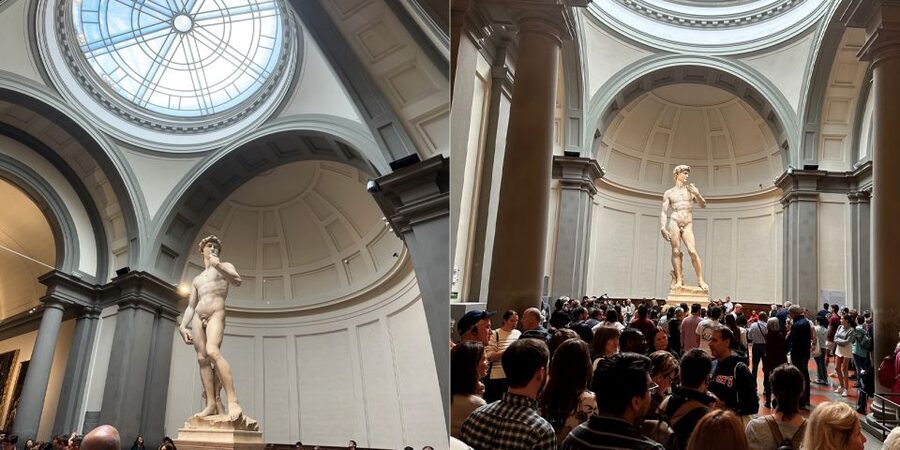

Skip the line: Uffizi and Accademia Small Group Walking Tour
Read our review →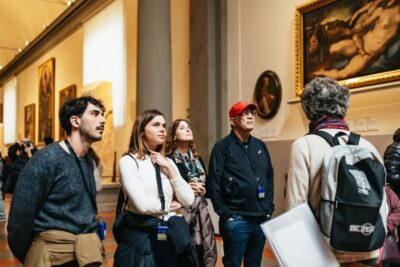
Accademia Gallery Guided Tour with Entry Ticket
Read our review →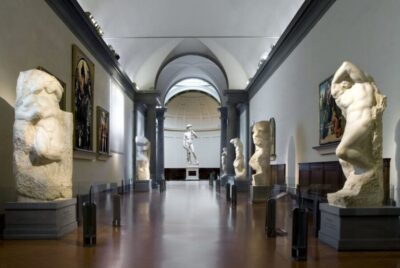
Uffizi Gallery and Accademia Gallery Guided Tour
Read our review →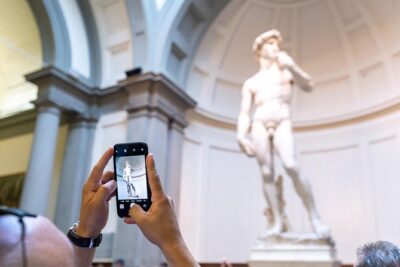
Michelangelo’s David, Accademia & Uffizi Small Group Tour
Read our review →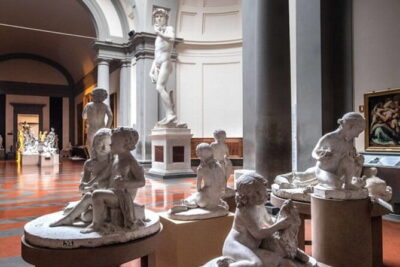
Accademia & Uffizi Museums: Small Group Tour with Optional Lunch
Read our review →Browse the lists this tour appears in