
Review · ACCADEMIA GALLERY TOURS
Florence: Accademia Gallery & David Skip-the-Line Ticket
David is worth rearranging your day. I like the priority entry, which can cut a long outdoor wait to just a few minutes, and I like that you can explore at your own pace after the ticket handoff. The main drawback is the price: at $41 per person, this is noticeably more expensive than arranging some admission options directly.
This is a two-hour visit to Florence’s Accademia Gallery, but many people spend about an hour inside if David is their main goal. You get the famous Michelangelo statue, works by Bartolini, Renaissance-era collections, and an unusual display of historic musical instruments. A host meets you near the museum and leads you to the correct entrance, but a guided tour is not automatically included.
In This Review
- Key Points Before You Book
- Why David Deserves the Hype
- Getting Through the Accademia Entrance
- Inside the Gallery: More Than One Statue
- Bartolini and the Academy Collections
- The Cherubini Musical-Instrument Collection
- Self-Guided Freedom or Missed Explanation?
- Is $41 a Fair Price?
- Timing, Identification, and What to Bring
- Who Will Get the Most From This Visit?
- Should You Book the Accademia Ticket?
- FAQ
- Where is the meeting point?
- Is a tour guide included?
- How long does the experience last?
- What is included in the price?
- Can I see Michelangelo’s David?
- Can I explore at my own pace?
- What other collections are inside the gallery?
- What should I bring?
- Can I bring luggage or a large bag?
- Is the gallery wheelchair accessible?
- Can I cancel the booking?
- Can I reserve now and pay later?
Key Points Before You Book
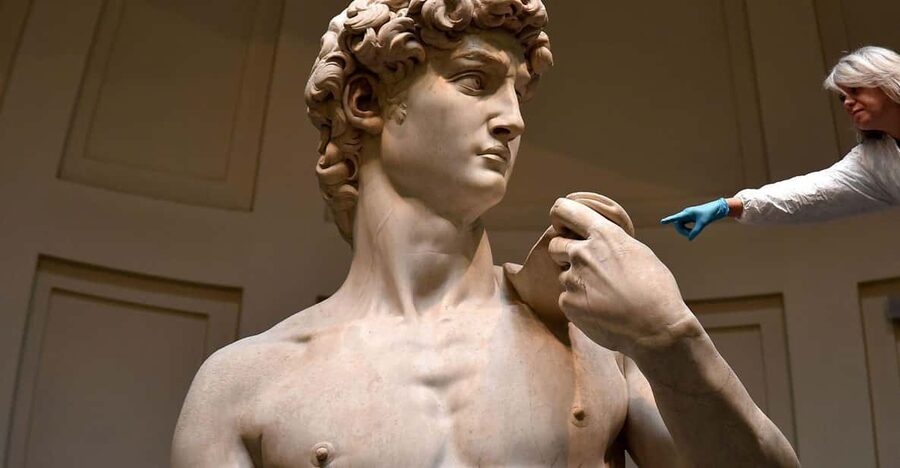
- David is the clear star: Michelangelo’s 17-foot marble statue is the reason most people come, and it rewards a slow look from several angles.
- Priority entry saves real time: The separate entrance can reduce a long general-admission wait to roughly five to fifteen minutes, depending on conditions.
- You collect your ticket first: Meet the English-speaking host in Piazza delle Belle Arti, near the Accademia, and look for the Florence with Elvis sign.
- The visit is self-guided: You can move through the gallery at your own speed, though some bookings may include a guide or short explanation.
- The musical-instrument collection is easy to miss: Historic violins, early keyboards, and old wind instruments add an unexpected final stop.
- Large bags are not allowed: Bring your passport or ID card, or a copy, but leave luggage elsewhere.
Why David Deserves the Hype
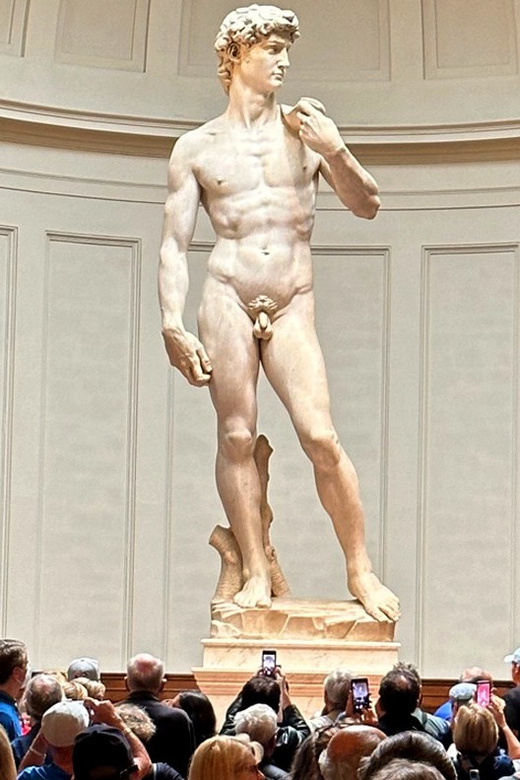
Michelangelo’s David is not a quick postcard stop. The statue is enormous, finely carved, and placed so you can walk around it and study the figure from different viewpoints.
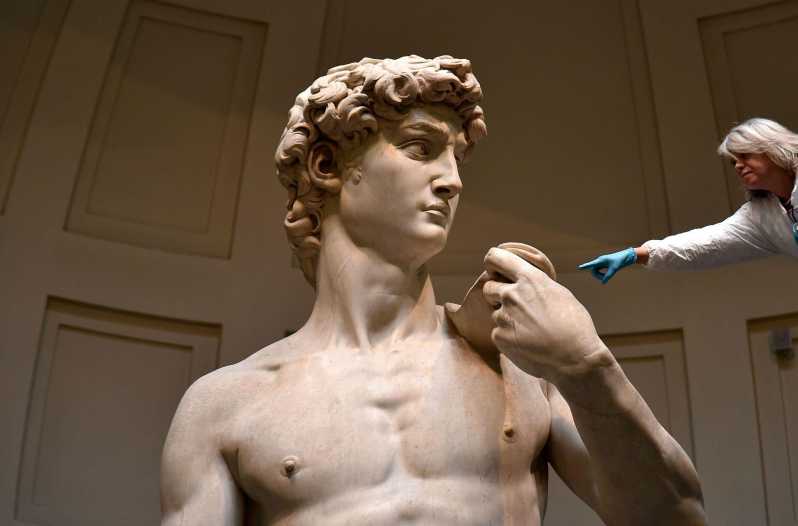
David represents the Biblical hero preparing to face Goliath. In Florence, the statue also became a political symbol. It expressed the city’s determination to defend its civil liberties while powerful rival states and the Medici family challenged the independence of the Florentine Republic.
That context makes the statue more than a perfect body carved in marble. David’s alert expression and tense posture suggest a moment before action. He is not shown after the victory. You see him thinking, judging, and preparing.
I recommend giving yourself time to notice the details that photographs flatten. Look at the hands, the veins, the expression, and the balance of the body. Then walk around the statue. From one side, the scale is immediately overwhelming. From another, the precision of the carving becomes the main event.
The gallery allows you to take photographs, according to the information provided for this experience, so you can record the visit. Still, your best memory will probably come from putting the phone away for a few minutes and simply looking up.
More Museum Tours in Florence
- Florence: Skip-The-Line Uffizi Gallery Timed Entry Ticket
★ 4.5 · 27,832 reviews - Florence: Leonardo Interactive Museum Entry Ticket
★ 4.5 · 11,763 reviews - Florence Accademia Gallery Tour with Entrance Ticket Included
★ 4.5 · 6,148 reviews
Getting Through the Accademia Entrance
The practical value of this experience begins before you enter. The Accademia is one of Florence’s top attractions, and the ordinary ticket line can become long, especially during busy periods or hot weather.
You meet the host in Piazza delle Belle Arti, in the main square by the Galleria dell’Accademia. Look for a sign bearing the name Florence with Elvis Guided Experience. The meeting point is close to the museum entrance, which is useful when you are trying to locate a small group or host in a crowded square.
This is the one part where you should pay close attention. Several people had trouble identifying the ticket representative, especially when the sign or badge was hard to spot. I would arrive early, keep your phone available, and read the meeting instructions carefully. The pickup comes before the museum entrance, so do not walk straight to the main queue assuming your ticket will be sent to you at the door.
Once you find the host, the process is generally simple. You receive the entry ticket and are shown to the priority-access line. The host may accompany you through the entrance area, then your museum visit becomes independent unless your booking specifically includes a guide.
Some people entered within a few minutes. Others waited closer to ten or fifteen minutes. That is still a major improvement over the general line when crowds are heavy. Priority entry does not mean you can ignore the appointed meeting time, but the staff has sometimes helped people who were late or needed a time change.
Inside the Gallery: More Than One Statue
The Accademia is smaller and easier to handle than Florence’s largest art museums. That works in your favor. You can see the central works without committing half a day, yet there is enough here to reward a slower visit.
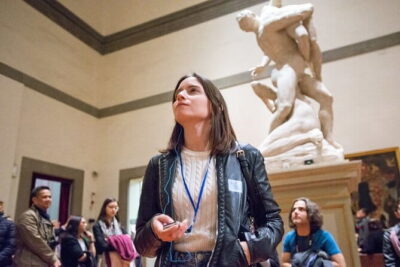
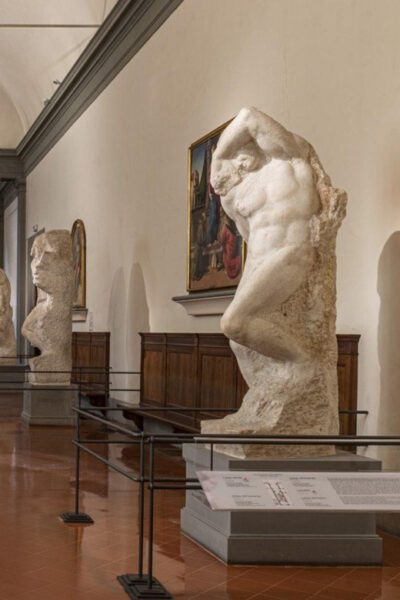
The opening rooms contain famous works connected with Michelangelo. David is the obvious centerpiece, but the surrounding sculptures help you understand the Florentine taste for monumental marble and the skill required to turn stone into a living figure.
The adjacent rooms occupy former convent spaces. They hold works associated with the Academy of Design, the Academy of Fine Arts, and religious institutions that were later suppressed. The setting gives the museum an appealing mixture of art school, convent, and royal collection.
You may find paintings and sculptures that receive less attention than David. That is not a reason to rush past them. Instead, think of the surrounding rooms as the supporting cast. They show the artistic world in which Michelangelo’s work was admired, studied, copied, and debated.
The museum can be enjoyed in about an hour if you focus on the famous pieces. If you want to read labels, inspect the other rooms, and take your time with the sculpture, allow the full two hours. One visitor spent more than two hours and still felt there was more to see.
The interior can be busy, but it is not necessarily uncomfortable. The gallery’s manageable size helps. Even when the entrance area is crowded, the museum itself may feel calmer once people spread among the rooms.
Bartolini and the Academy Collections
The works by Bartolini provide a useful change of pace after Michelangelo. Lorenzo Bartolini was an important nineteenth-century Italian sculptor, and his pieces help connect the older Renaissance tradition with later academic sculpture.
You do not need a specialist art background to appreciate the display. If David feels like a single, overwhelming masterpiece, the Bartolini rooms offer a broader look at how sculpture was taught and practiced. You can compare the handling of bodies, faces, clothing, and movement without racing toward the exit.
The Academy collections also add institutional context. These were not simply random works gathered for decoration. They reflect art education, design training, religious collections, and the changing role of Florence as an artistic center.
This is where a guide could make a real difference. A short explanation of the Medici family, Florence’s political tensions, and the purpose of the academies would give the rooms more meaning. The basic ticket option does not include a tour guide, so you will need to read the labels or use your own background knowledge.
That can be a benefit if you prefer freedom. You can stay beside David as long as you want, skip a room that does not interest you, and leave when you are ready. It is less ideal if you want a complete art-history lesson.
More Skip-the-Line Tickets in Florence
- Florence: Michelangelo’s David Skip-the-Line Entry Ticket
★ 4.5 · 12,764 reviews - Florence: Skip-the-Line Uffizi Small Group Tour
★ 4.6 · 5,926 reviews - Skip the line: Uffizi and Accademia Small Group Walking Tour
★ 4.5 · 3,135 reviews - Florence: Skip-the-Line Accademia Guided Tour
★ 4.5 · 2,327 reviews
The Cherubini Musical-Instrument Collection
The final section is an unexpected pleasure. The Collection of Old Musical Instruments comes from the Cherubini Conservatory and includes centuries-old violins, old wind instruments, and one of the earliest keyboards in existence.
After so much marble and painting, the instruments give the visit a different sound, even though the displays themselves are quiet. They remind you that Florence’s artistic life was not limited to sculpture and painting. Music, instrument-making, performance, and technical invention were also part of the city’s cultural world.
I would make a point of finding this collection instead of leaving immediately after David. It is not the primary reason most people buy the ticket, but it helps prevent the museum from feeling like a one-statue visit.
The section may be especially appealing to families and anyone who enjoys objects with a practical purpose. A violin shows craftsmanship in a way a painting cannot. An early keyboard also gives you a direct link to the history of music technology.
Self-Guided Freedom or Missed Explanation?
The booking information describes an English-speaking host or greeter, not necessarily a full guided tour. That distinction matters.
The host’s job is to help with ticket collection and entry. In several cases, the host also offered useful explanations, and guides named Elisa received especially warm praise for being patient, clear, and engaging. But you should not assume that a detailed lecture through every room is included unless your selected option says so.
Some visitors prefer this arrangement. You are not tied to a group, and you can take photographs, pause at David, and walk through the museum at your own speed. For an attraction that can be seen in roughly an hour, that freedom is valuable.
Others later wished they had booked a proper guide. Without one, the political meaning of David, the Medici connection, and the purpose of the academy collections may be less clear. If you enjoy art but want help making sense of what you see, a guided option may offer better value than a simple ticket handoff.
My advice is straightforward: choose the self-guided ticket if your main aim is fast, reliable entry and personal freedom. Choose a guided version if the Renaissance background is central to your visit.
Is $41 a Fair Price?
At $41 per person, the price is not the cheapest way into a museum. A few people noted that booking directly could cost considerably less. That is the main financial question you need to ask.
You are paying for convenience, not just admission. The service includes priority access, a reserved entry arrangement, and an English-speaking host who helps you find the correct door. In busy Florence, that can protect a valuable part of your day.
The value rises when the general-admission queue is long. Waiting outside for hours is especially unpleasant in summer heat or rain. Several people entered after only a few minutes with priority access, while the ordinary line looked far slower.
The value drops when the museum is quiet and direct tickets are available. If you are comfortable handling museum websites, timed reservations, and entrance instructions yourself, you may decide the added cost is not worthwhile.
Last-minute availability can also matter. One visitor was helped after the attraction had sold out elsewhere, while others were able to adjust their time after running late or having a previous activity finish late. Flexibility has practical value, though it is not guaranteed for every booking.
Timing, Identification, and What to Bring
Plan to reach the meeting point before your scheduled time. The host may be easy to find, but Piazza delle Belle Arti can still become confusing when several people are waiting near the museum.
Look for the Florence with Elvis sign. If you do not see the host, check your messages and contact details. Hosts have helped people by phone, text, or WhatsApp when they were separated in the crowd, but it is better not to rely on a rescue call.
Bring a passport or ID card. A copy is accepted according to the activity details. Large bags and luggage are not allowed, so arrange storage before you arrive.
The visit is wheelchair accessible. Starting times vary, so you need to check availability for your date. The stated duration is two hours, but you can finish sooner or spend longer inside if the admission conditions allow it.
Free cancellation is available up to 24 hours before the scheduled visit for a full refund. You can also reserve now and pay later, which helps if your Florence schedule is still changing.
Who Will Get the Most From This Visit?
I would recommend this for a first visit to Florence, especially if David is high on your list and your time is limited. The gallery is compact enough to fit neatly into a busy day of walking through the historic center.
It also suits families, casual art lovers, and people who do not want to spend hours in a large museum. David provides a clear focus, while the academy rooms and musical instruments give you enough variety to make the visit feel worthwhile.
It is less suitable for a strict budget. If you can reserve directly and are visiting at a quiet time, the $41 price may feel steep. It is also not the best choice if you expect a full art-history tour, since the basic arrangement does not include a guide.
For serious art students, I would want more explanation than this ticket alone provides. For most sightseeing schedules, however, the priority entry solves the biggest problem: getting inside without wasting a large part of the day.
Should You Book the Accademia Ticket?
Book it if you want a fast and simple route to David, particularly during a busy season, in hot weather, or when your Florence schedule is tightly packed. The short walk from the meeting point to the priority entrance and the option to explore independently make the arrangement easy to use.
Skip it if saving money matters more than convenience and you are happy to arrange direct admission yourself. Also skip the basic ticket if you specifically want a detailed guide through the art and Renaissance politics.
For the best experience, arrive early at Piazza delle Belle Arti, identify the Florence with Elvis host, carry your ID, leave large bags behind, and reserve enough time to see the musical instruments after David. The statue may be the headline, but the rest of the gallery is worth more than a quick glance.
FAQ
Where is the meeting point?
Meet in Piazza delle Belle Arti, in the main square of the Galleria dell’Accademia. Look for a sign marked Florence with Elvis Guided Experience.
Is a tour guide included?
The activity includes an English-speaking host or greeter and skip-the-line entry. A full tour guide is not included in the basic ticket arrangement.
How long does the experience last?
The stated duration is two hours. You can see the gallery in about an hour if you focus mainly on David, or spend longer examining the other rooms.
What is included in the price?
The price includes entry to the Accademia Gallery and priority access through a separate entrance.
Can I see Michelangelo’s David?
Yes. The visit includes the 17-foot marble statue of David by Michelangelo.
Can I explore at my own pace?
Yes. The ticket arrangement allows you to move through the gallery independently after entry, making it possible to spend as much time as you wish with the artworks within the visit conditions.
What other collections are inside the gallery?
You can see works connected with the Academy of Design, the Academy of Fine Arts, suppressed convents, Bartolini, and the Collection of Old Musical Instruments from the Cherubini Conservatory.
What should I bring?
Bring a passport or ID card. A copy is accepted.
Can I bring luggage or a large bag?
No. Luggage and large bags are not allowed.
Is the gallery wheelchair accessible?
Yes, the activity is listed as wheelchair accessible.
Can I cancel the booking?
Yes. You can cancel up to 24 hours in advance for a full refund.
Can I reserve now and pay later?
Yes. The reserve-now, pay-later option lets you hold your place without paying immediately.
More Galleries and Collections
- Uffizi Gallery Small Group Tour with Guide
★ 4.5 · 4,923 reviews - Golf Cart Tour to Fiesole Roman Theatre and Museum
★ 4.5 · 2,039 reviews - Florence: Uffizi Gallery Small-Group Guided Tour with Ticket
★ 4.7 · 2,003 reviews - Accademia & Uffizi Museums: Small Group Tour with Optional Lunch
★ 4.0 · 1,956 reviews
More Accademia and David Visits
- Florence: Accademia Gallery Guided Tour
★ 4.6 · 4,156 reviews - Florence: Accademia Gallery Guided Tour with Entry Ticket
★ 4.6 · 2,253 reviews - Florence: Uffizi Gallery and Accademia Gallery Guided Tour
★ 4.8 · 2,028 reviews - Michelangelo’s David, Accademia & Uffizi Small Group Tour
★ 4.5 · 1,986 reviews
Just added around Florence
- Palazzo Vecchio guided experience with entrance ticket★ 4.5 · 249 reviews
- Lucca Bikes and Bites with food tastings for Small Groups or Private★ 5.0 · 249 reviews
- Perfume Masterclass in Florence: Make your Own Personal Fragrance★ 4.5 · 253 reviews
- Florence Oltrarno Neighborhood Food & Wine Dine Around★ 5.0 · 253 reviews
- Florence: Cathedral, Dome and Terraces Guided Tour★ 4.5 · 253 reviews
- Florence: 1.5-hour Santa Croce Guided Experience★ 4.8 · 254 reviews
- Florence: Pitti Palace and Palatina Gallery Ticket and Tour★ 4.9 · 255 reviews
- Private Florence Tour by Golf Cart ETukTuk with Audio Guide★ 4.0 · 256 reviews
Accademia Gallery Tours, compared.
Florence Accademia Gallery Tour with Entrance Ticket Included
Read our review →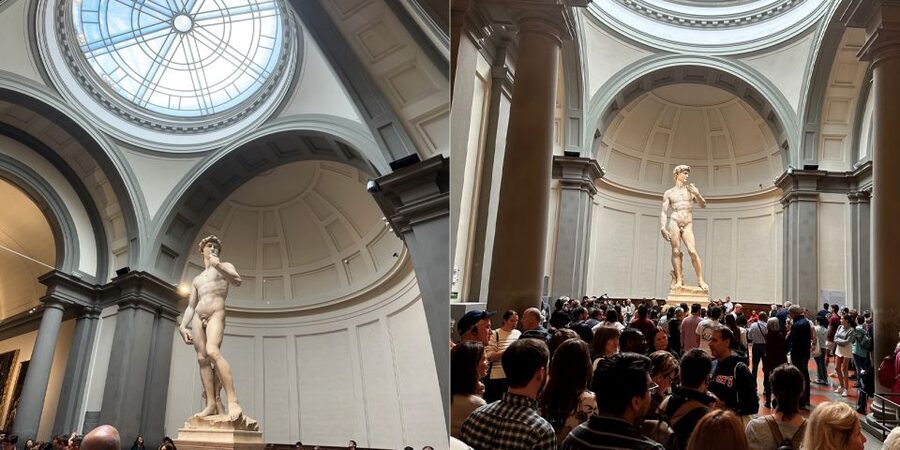

Skip the line: Uffizi and Accademia Small Group Walking Tour
Read our review →
Accademia Gallery Guided Tour with Entry Ticket
Read our review →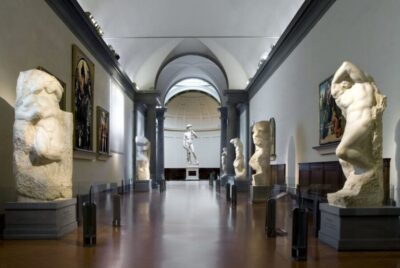
Uffizi Gallery and Accademia Gallery Guided Tour
Read our review →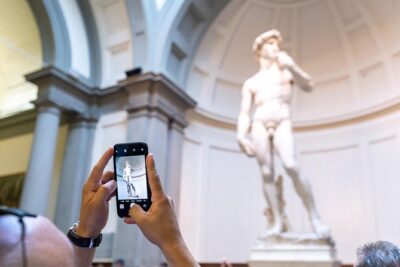
Michelangelo’s David, Accademia & Uffizi Small Group Tour
Read our review →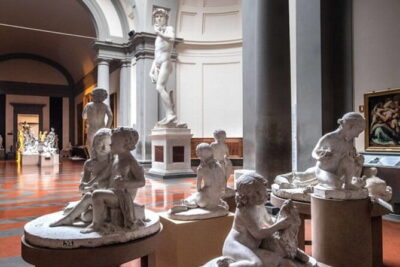
Accademia & Uffizi Museums: Small Group Tour with Optional Lunch
Read our review →Browse the lists this tour appears in