
Review · COOKING CLASSES
Rome: Traditional Pizza Cooking Class near Piazza Navona
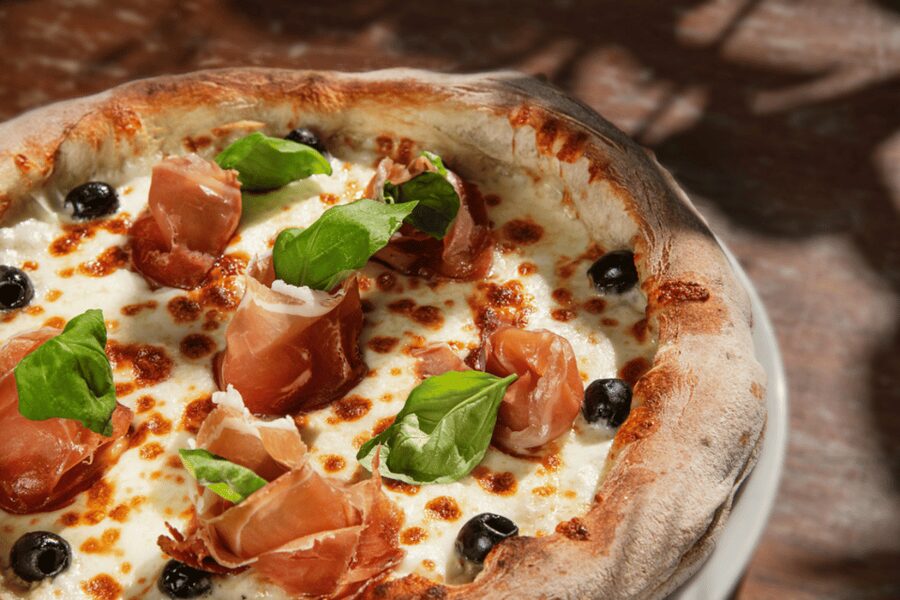
Pizza tastes better when you make it yourself. This two-hour class near Piazza Navona combines a hands-on Roman pizza lesson with dinner at Osteria Pasquino, a long-running restaurant on Piazza di Pasquino. I like the intimate group size, capped at 10, and the generous meal extras: prosecco, bruschetta, a drink with your pizza, and coffee or limoncello afterward.
I also like that beginners can join without kitchen skills. Chefs such as Luca, Elisa, Simone, Sara, and Georgia have earned especially warm praise for keeping the class funny, calm, and easy to follow. The main caution is that the advertised two hours may not always mean two full hours of cooking. One person found the lesson finished in about 45 minutes, and the handling of included drinks and appetizers was not perfectly clear in one case.
In This Review
- Key points to know before booking
- Starting at Osteria Pasquino on Piazza di Pasquino
- Making dough from flour, yeast, and water
- Stretching the dough and choosing toppings
- Watching your pizza bake, then eating it at the osteria
- How good is the $46 value?
- The instructors make or break the class
- Why families and teenagers fit this activity well
- Dietary needs and physical access
- Timing, meeting details, and cancellation
- Who should book the Roman pizza class?
- FAQ
- Where does the pizza class meet?
- How long does the experience last?
- Is the class taught in English?
- What food and drinks are included?
- Can vegetarians join?
- Can someone with gluten intolerance take the class?
- Is the class suitable for children and wheelchair users?
Key points to know before booking
- Piazza di Pasquino setting: You make and eat your pizza at Osteria Pasquino, close to Piazza Navona in Rome’s historic center.
- A real hands-on lesson: You work with flour, yeast, and water, then stretch dough, choose toppings, and watch your pizza bake.
- Dinner is part of the experience: Bruschetta, bottled water, wine, beer, or soda, plus coffee or limoncello, are included according to the stated package.
- Good for families: Children must be at least 5, and several families found the class especially entertaining for school-age children and teenagers.
- Small groups help: With no more than 10 participants, the instructor has time to correct your technique and answer questions.
- Important food warning: This activity is not suitable for people with gluten intolerance, though vegetarian and other dietary needs can be requested when booking.
Starting at Osteria Pasquino on Piazza di Pasquino
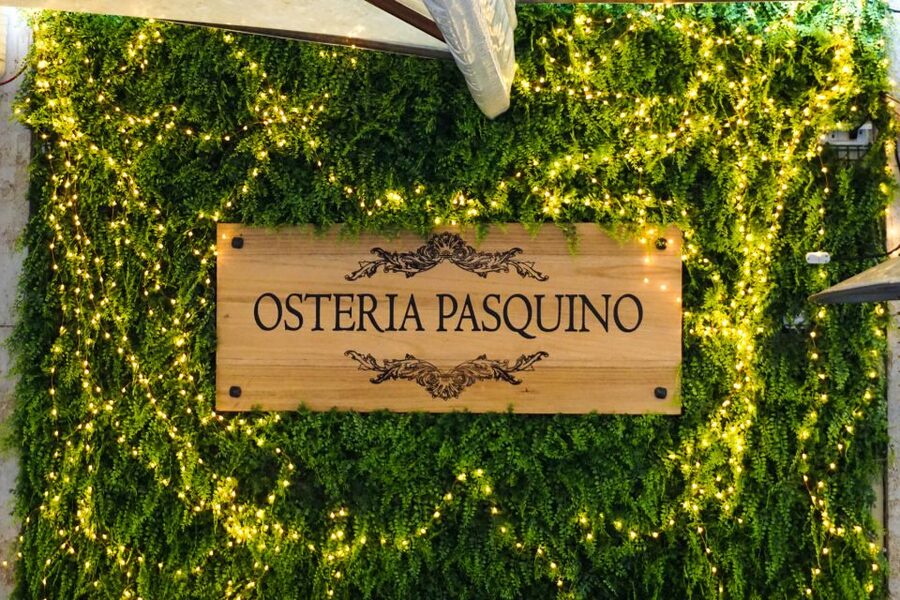
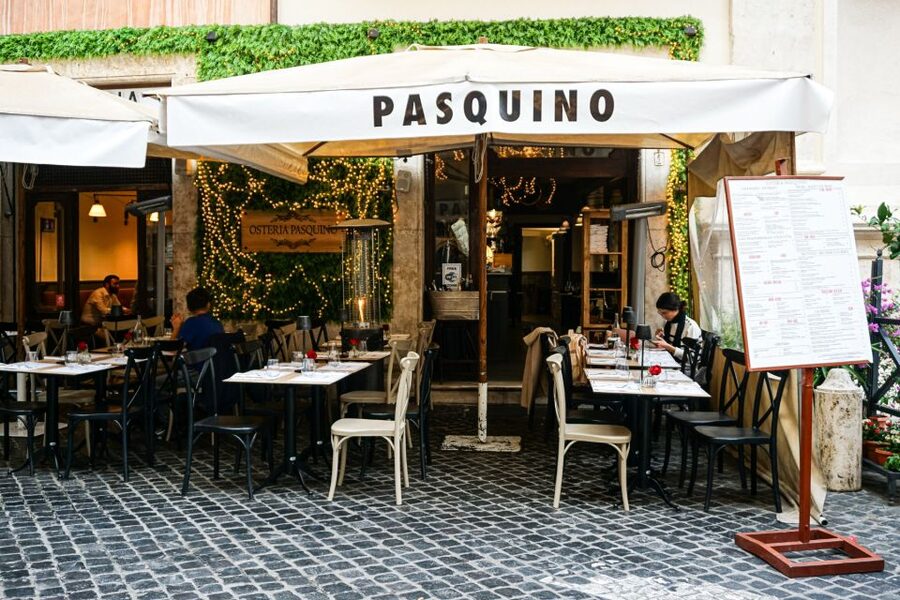
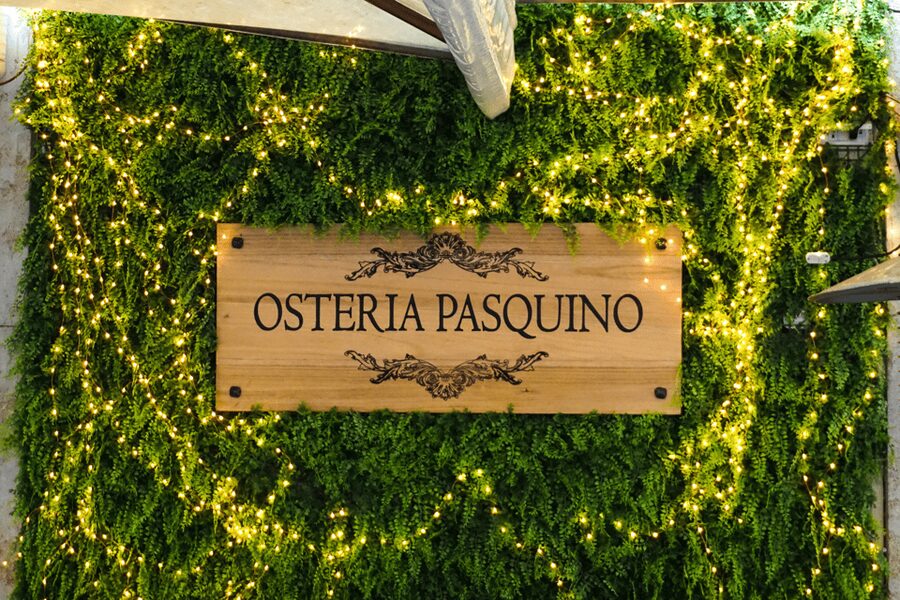
The meeting point is inside Osteria Pasquino at Piazza di Pasquino 1. Once you arrive, ask a waiter to direct you to the cooking class. One useful practical point: the outside of the restaurant may not make the class immediately obvious, so do not stand around wondering if you have found the right place.
The setting does much of the work here. Piazza di Pasquino is a small, characterful square near Piazza Navona, and the restaurant gives the lesson more atmosphere than a plain teaching kitchen. You are not simply making food in a back room and leaving. The plan is to sit down afterward and eat in the same osteria, served by the restaurant staff.
The class begins with a welcome drink. Prosecco is offered as a complimentary arrival drink, though you can ask about alternatives if you do not want alcohol. That detail matters for families and for anyone who prefers soda, coffee, or water, but be clear about what counts toward your included drink later.
More Cooking Classes in Rome
- 3 in 1 Cooking Class near Navona: Fettuccine, Ravioli & Tiramisu
★ 5.0 · 7,376 reviews - Rome: Pasta Making Class with Wine, Limoncello, and Dessert
★ 4.9 · 3,177 reviews - Rome: 3-in-1 Fettuccine, Ravioli, and Tiramisu Cooking Class
★ 4.9 · 2,704 reviews
Making dough from flour, yeast, and water
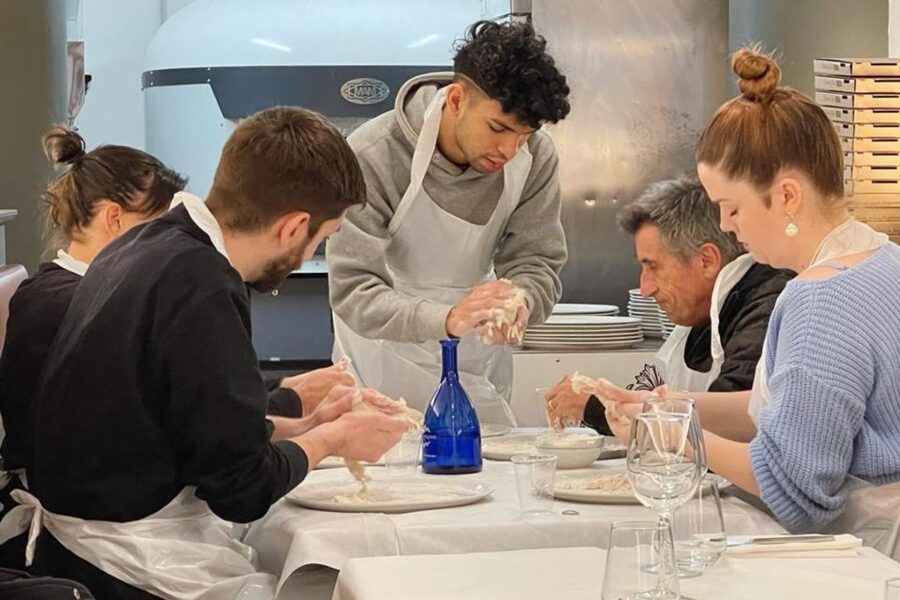
The lesson covers the basics of Roman pizza from the beginning. You handle the principal ingredients, including flour, yeast, and water, and learn how they come together. Some sessions also use dough that has already rested, allowing you to shape and bake pizza during the same class.
That combination makes sense for a two-hour activity. Dough needs time to rise, and a class cannot wait a full day before dinner. You still get the satisfaction of making dough from scratch, while the prepared dough lets you practice the part you will actually eat.
The teaching style appears to be relaxed rather than technical. Luca, Elisa, Simone, Sara, and other instructors are repeatedly praised for explaining each step without making beginners feel clumsy. One instructor, Simone, also covered the history and different forms of pizza, along with some of the science behind dough. That gives the class more substance than simply spreading tomato sauce on bread.
You should expect practical instruction rather than a professional culinary course. The goal is to leave with a tasty pizza and enough understanding to try the method at home. A recipe is available through the cooking operation’s website, which is useful if you want to repeat the meal after returning home.
Stretching the dough and choosing toppings
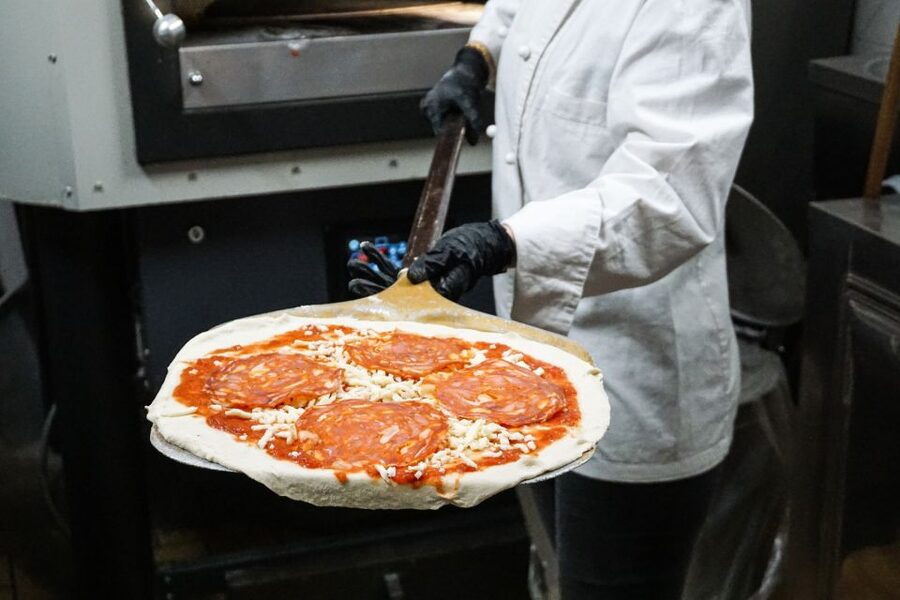
After the dough is ready, you shape it into a thin Roman-style base. The technique can include using a rolling pin and tossing the dough from one hand to the other to remove excess flour. Do not worry if your first attempt looks more like a map of Italy than a neat circle. The instructors are there to help, and the class is designed for people with no previous experience.
You then choose your toppings from the available selection. The exact choices are not specified, but one family praised the range of toppings and several people described the finished pizzas as delicious. The hands-on topping stage is particularly good for families because everyone can create a pizza suited to their own taste.
The class also gives you a chance to compare methods with people from other countries. A small group can turn the lesson into a social meal, with people sharing ideas and, in some sessions, pieces of one another’s pizzas. That is a pleasant bonus in a city where meals can sometimes feel hurried or anonymous.
Watching your pizza bake, then eating it at the osteria
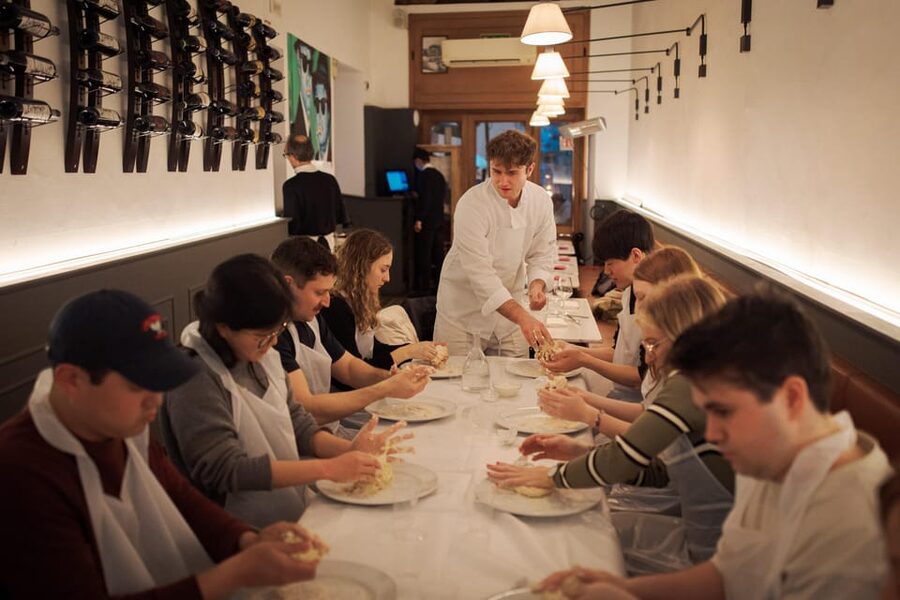
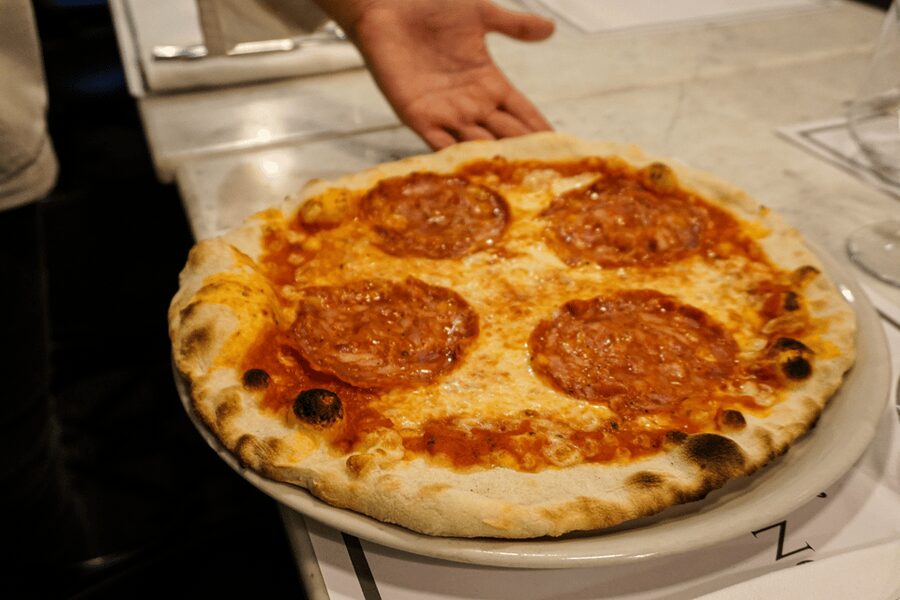
Once your pizza is topped, it goes into the oven for a quick bake. The reviews describe the finished pizzas as a highlight, with several people calling them the best meal or food experience of their Rome visit. That praise is easy to understand: you have shaped the dough yourself, selected the toppings, and then eaten the result while it is fresh.
After baking, you are seated at the osteria. Some groups ate outside in the pretty square, while the general arrangement is to enjoy the pizza at the restaurant with service from the waiters. The exact seating may depend on the session and available tables, but the important point is that the meal is not simply handed to you in a takeaway box.
The stated package includes bottled water and one glass of wine, a small beer, or soda. Bruschetta is also described as part of the welcome meal. After the pizza, you receive coffee or tea, or a small glass of limoncello. Prosecco is offered at the start as a gift from the restaurant.
This makes the experience feel like a compact Italian dinner rather than a short cooking demonstration. You get a snack, a main course, drinks, and a traditional after-dinner finish. If you are comparing the $46 price with the cost of a normal pizza dinner in central Rome, remember that you are also paying for the instructor, ingredients, teaching, and the activity itself.
More pizza and gelato sessions:
- Pompeii and Mount Vesuvius Day Trip from Rome with Pizza Lunch
★ 4.5 · 6,151 reviews - Cooking Class in the Heart of Rome: Pizza and Tiramisu Making
★ 5.0 · 1,330 reviews - Rome Highlights City Tour by Golf Cart with Gelato
★ 5.0 · 1,088 reviews - Pizza Cooking Class in Rome – Near Piazza Navona
★ 5.0 · 1,001 reviews
How good is the $46 value?
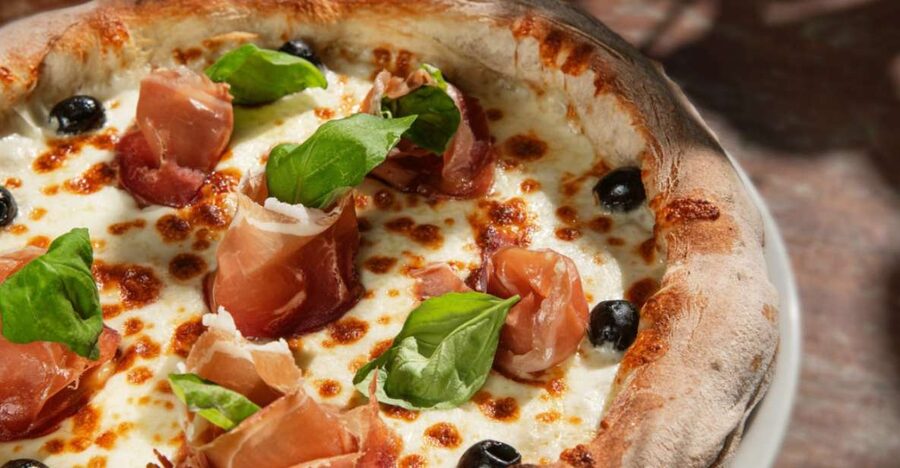
At $46 per person, this is not the cheapest way to eat pizza in Rome. A simple pizza elsewhere will cost less, especially away from the historic center. But this is not just a restaurant meal. You receive a two-hour activity, instruction in English, your own pizza, a restaurant setting, and several included drinks and food items.
The value is strongest for families and first-time visitors who want an easy cultural activity between sightseeing stops. You can turn lunch or dinner into something memorable without arranging transport across the city. The location near Piazza Navona also makes it easy to pair the class with a walk through the historic center.
The value is weaker if you already cook pizza regularly or want advanced instruction. The class focuses on an enjoyable introduction, not on fermentation schedules, professional oven temperatures, or detailed dough theory. You may learn useful technique, but you should not book it expecting a serious chef-training session.
Also watch the drink policy. One person requested soda instead of prosecco on arrival and was later told that the soda counted as the included drink with dinner. A second drink then cost extra, and the same person felt the promised appetizer had not been provided. This may have been a misunderstanding or an isolated service problem, but I would clarify your included drink before ordering anything beyond the stated package.
The instructors make or break the class
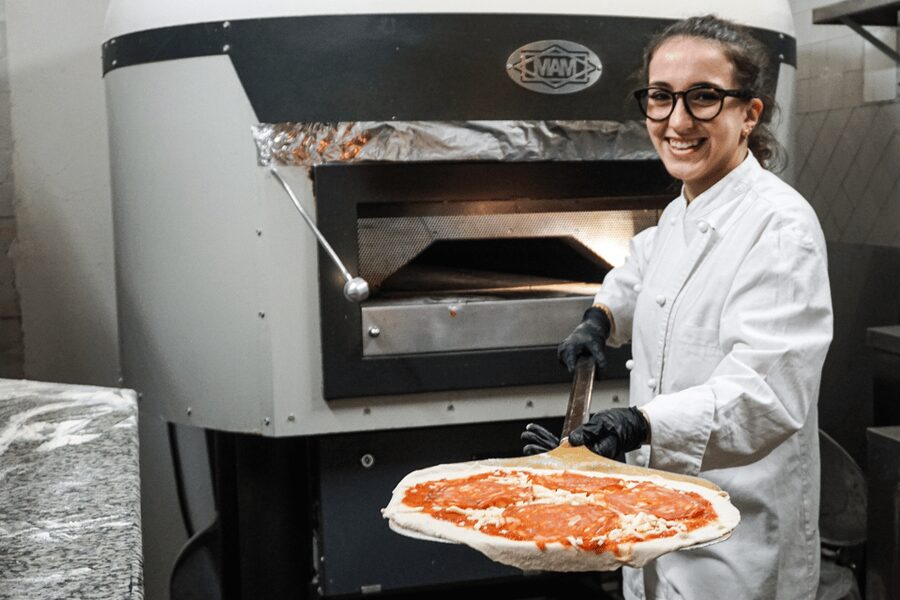
The strongest part of this experience is the teaching. Elisa is described as warm, funny, and attentive, with a knack for helping each person. Luca receives praise for both pizza instruction and conversation. Simone is noted for balancing useful information with fun, while Sara is praised for her patience and friendly manner.
Other instructors, including Georgia, Alessandra, Alexandria, Ana, and Elenor, also receive positive comments. That suggests the experience depends less on one famous chef and more on a team that knows how to handle mixed groups.
This matters because pizza dough can make people nervous. Children may rush, adults may hesitate, and one husband reportedly picked up a rolling pin for the first time during the class. A good instructor keeps the pace moving without turning mistakes into a public performance.
The small group limit of 10 helps. With five people, the lesson may feel almost private. With a full group, you still have enough room for personal interaction, though you may spend less time receiving one-to-one attention. Families should consider this a social workshop, not a private cooking lesson.
Why families and teenagers fit this activity well
Children under 5 cannot join, but older children are a strong match. Families with children around 7, 9, 11, 15, and 16 enjoyed the combination of making food and eating it soon afterward. Teenagers, in particular, may prefer this to another formal monument visit.
The class gives children several jobs: mixing, rolling, stretching, adding toppings, and watching the pizza bake. It also offers a clear reward at the end. A young cook does not have to wait for a complicated multi-course meal to see the result.
Parents should still expect a little flour, uneven dough, and a class that may move quickly. The activity is family-friendly, but it is not a supervised children’s program. Adults remain responsible for younger children, especially around the oven and restaurant area.
Couples and solo participants can also enjoy it. The group format gives you a natural way to meet other people, and the meal afterward provides time to chat. If you want a quiet, romantic dinner, though, the class itself is more social and active than a standard table reservation.
Dietary needs and physical access
Vegetarian options are available, and other dietary needs can be supported if you tell the provider when booking. You should not wait until you arrive, since the class relies on prepared ingredients and a shared cooking process.
The activity is not suitable for people with gluten intolerance. That restriction is explicit, so you should choose a different food experience if avoiding gluten is essential. The available information does not promise a gluten-free dough or separate preparation area.
The class is wheelchair accessible. For anyone with mobility concerns, it is still sensible to mention your needs in advance, since the activity takes place inside an operating restaurant and may include moving between preparation and dining areas. The stated class language is English.
Timing, meeting details, and cancellation
The experience lasts two hours, but the cooking portion may be shorter in some sessions. One person reported a 45-minute class, while others describe a full, relaxed two-hour experience that included making dough, baking, and dining. If exact duration matters because you have another reservation, allow some flexibility.
Starting times vary, so check availability for your date. The meeting point is Osteria Pasquino, Piazza di Pasquino 1. Ask a waiter to escort you to the class once inside, rather than waiting outside for a sign.
The booking terms are helpful for uncertain Rome plans. You can cancel up to 24 hours before the activity for a full refund, and the reserve-now, pay-later option lets you hold a place without paying immediately. These policies are useful if your sightseeing schedule is still shifting.
Who should book the Roman pizza class?
I would recommend this experience to first-time Rome visitors, families with children over 5, couples who want an informal meal, and anyone who likes learning through food. It is especially appealing if you are staying near Piazza Navona and want a central activity that does not require a separate taxi or train ride.
I would be more cautious if you have gluten intolerance, dislike group activities, or want advanced culinary instruction. You should also confirm the drink and appetizer inclusions at the start, particularly if you choose a substitute for the welcome prosecco.
Overall, the $46 price is fair for the combination of instruction and dinner. The pizza itself earns the most praise, but the real appeal is the whole evening: flour on your hands, an encouraging chef, a Roman square, and your own freshly baked meal at the end. Book it if you want an easy, sociable taste of Italian food culture rather than a formal cooking course.
FAQ
Where does the pizza class meet?
Meet inside Osteria Pasquino at Piazza di Pasquino 1. Once inside, ask a waiter to escort you to the class.
How long does the experience last?
The stated duration is two hours. The cooking lesson may finish sooner in some sessions, so allow flexibility if you have another booking afterward.
Is the class taught in English?
Yes. The instructor language is English.
What food and drinks are included?
The stated inclusions are bottled water, bruschetta, a glass of wine or a small beer, and coffee or tea or a small glass of limoncello. Complimentary prosecco is offered at the start by the restaurant.
Can vegetarians join?
Yes. Vegetarian options and other dietary choices are available if you tell the activity provider when booking.
Can someone with gluten intolerance take the class?
No. The activity is not suitable for people with gluten intolerance.
Is the class suitable for children and wheelchair users?
Children must be at least 5 years old. The activity is wheelchair accessible.
More Hands-On Cookery Sessions
- Rome: Fettuccine Pasta Cooking Class in Rome’s City Center
★ 4.8 · 2,414 reviews - Rome: Traditional Pasta with Cocktails Cooking Class
★ 5.0 · 2,374 reviews - Rome: Fettuccine and Tiramisu Cooking Class with Wine
★ 4.8 · 2,013 reviews - Pasta Cooking Class Near the Colosseum with 3 Spritz Cocktails
★ 5.0 · 1,686 reviews
Just added around Rome
- Rome City, Pantheon, and Trevi Fountain Walking Tour★ 5.0 · 249 reviews
- Rome: Skip the line Vatican Museums & Sistine Chapel Tour★ 4.2 · 251 reviews
- Rome: Tivoli Day Trip with Villa d’Este and Villa Adriana★ 4.5 · 251 reviews
- Transfer Rome center – Ciampino Airport★ 4.5 · 251 reviews
- Rome: Cannondale E-Bike Evening Tour with Optional Dinner★ 4.9 · 251 reviews
- VIP Colosseum, Roman Forum & Palatine Hill & Special Access Sites★ 4.5 · 252 reviews
- Private Vatican Museums Hidden Gems Tour with Optional Pick-Up★ 5.0 · 253 reviews
- Vatican Museums & Sistine Chapel Skip-the-Line Guided Tour★ 4.6 · 254 reviews
Cooking Classes, compared.

3 in 1 Cooking Class near Navona: Fettuccine, Ravioli & Tiramisu
Read our review →
Pasta & Tiramisu Cooking Class with Unlimited Wine
Read our review →
Cooking Class and Lunch at a Tuscan Farmhouse with Local Market Tour from Florence
Read our review →
Pasta Making Class with Wine, Limoncello, and Dessert
Read our review →
3-in-1 Fettuccine, Ravioli, and Tiramisu Cooking Class
Read our review →Browse the lists this tour appears in