
Review · COOKING CLASSES
Pizza Cooking Class in Rome – Near Piazza Navona
Rome tastes better when you make lunch. This small-group pizza class near Piazza Navona gives you a hands-on introduction to Roman-style pizza, followed by your own freshly baked pie at Osteria Pasquino. I especially like the central location and the way the meal includes prosecco, bruschetta, a drink, and coffee or limoncello.
The class is a good fit for families, first-time cooks, and anyone wanting a relaxed break from churches and piazzas. The main caution is that the cooking lesson is quite basic, and the active part may last closer to 45 minutes than the advertised two-hour experience.
In This Review
- The quick take
- A pizza class in Rome’s most useful location
- What you actually do during the two hours
- What you learn about Roman pizza
- The meal is a major part of the value
- A social activity, not a quiet dinner
- How the nearby sights fit around the class
- Piazza Navona
- The Pantheon
- Vatican City
- Trevi Fountain
- Piazza Venezia
- Campo de’ Fiori
- Castel Sant’Angelo
- Families should know about the format
- Heat, comfort, and service details
- Booking, timing, and cancellation
- Who should book this pizza class?
- Should you book it?
- FAQ
- Where does the pizza class take place?
- How long does the experience last?
- What will I make?
- Is the class taught in English?
- How large is the group?
- What food and drinks are included?
- Is this suitable for children?
- Is the class suitable for gluten intolerance?
- Can I cancel for a full refund?
The quick take
- Make dough by hand: You mix and work the dough, roll it out, and add your chosen toppings.
- Eat at Osteria Pasquino: The class takes place at Piazza di Pasquino 1, near Piazza Navona, with the restaurant handling the baking and meal service.
- Small group of up to 10: This is a manageable size for asking questions and getting help.
- Drinks and extras included: Prosecco welcomes you, followed by water and a choice of wine, beer, or soda, plus bruschetta and coffee or limoncello.
- Best for beginners and children: Instructors such as Cleo, Elisa, Simone, Sara, and Luca have been praised for keeping the class friendly and easy to follow.
- Know what you are booking: This is an introductory activity, not an advanced Italian cooking course.
A pizza class in Rome’s most useful location
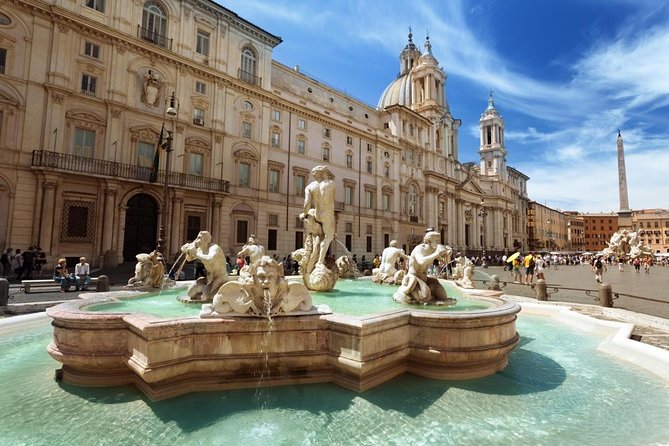
Osteria Pasquino sits at Piazza di Pasquino 1, right in the historic center. That puts you close to Piazza Navona, the Pantheon, Campo de’ Fiori, and many of Rome’s most rewarding evening walks.
This location is a real advantage. You can visit the Pantheon before class, stroll through Piazza Navona afterward, or fit the activity into a day that includes Trevi Fountain and Piazza Venezia. You do not need to trek out to a suburban cooking school just to make a pizza.
The setting also gives the experience a restaurant feel rather than a classroom feel. You arrive at an operating osteria, receive a welcome drink, make food in the restaurant, and then sit down to eat it. For many people, that combination is more appealing than a formal lesson with a long lecture.
The meeting point is specific, so check your booking confirmation carefully before setting out. One person went to the wrong restaurant and missed part of the session. In a city with several similarly named eateries, the exact address matters.
More Cooking Classes in Rome
- 3 in 1 Cooking Class near Navona: Fettuccine, Ravioli & Tiramisu
★ 5.0 · 7,376 reviews - Rome: Pasta Making Class with Wine, Limoncello, and Dessert
★ 4.9 · 3,177 reviews - Rome: 3-in-1 Fettuccine, Ravioli, and Tiramisu Cooking Class
★ 4.9 · 2,704 reviews
What you actually do during the two hours
The published duration is about two hours, but the hands-on cooking generally takes less time. Several descriptions put the dough-making and topping work at about 45 minutes to an hour, with the remaining time used for baking, serving, drinks, and eating.
That timing is not necessarily a flaw. You are not signing up for a full afternoon of fermentation science, knife work, and repeated practice. You are signing up for a short, social meal with a cooking element.
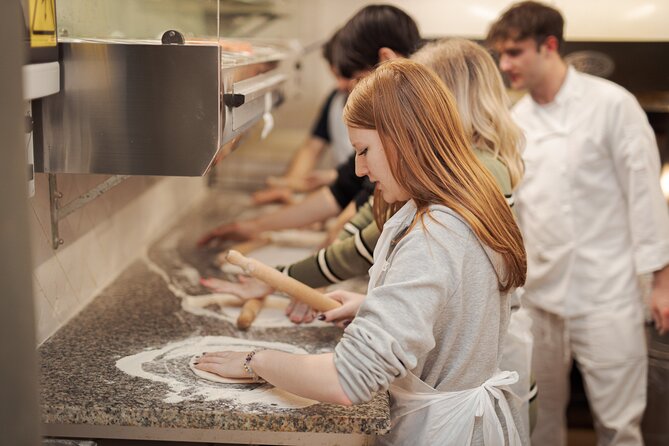
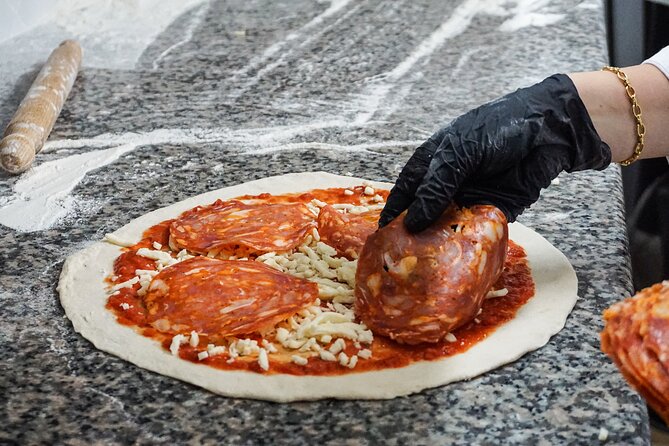
The process begins with pizza dough. You mix it by hand and learn the basic feel of the dough before rolling it out. The instructor then guides you through shaping the base and choosing toppings.
The class is designed so children can follow along. Families with children around 10 and 13 have found the activity easy to manage, and younger children can take part with adult help. Expect flour, sticky fingers, and a little mess. That is part of the fun, though anyone seeking a polished demonstration may find the lesson simple.
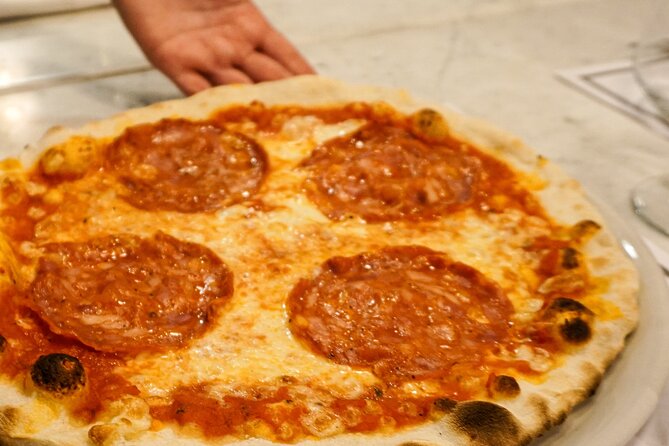
Once the pizza is assembled, the restaurant cooks it. Some descriptions refer to a wood-fired oven, while the general experience places the baking in the restaurant’s hands. You do not spend the class operating the oven yourself, so the main hands-on work is making, shaping, and topping the pizza.
What you learn about Roman pizza
The class promises an introduction to classic Italian pizza, with attention to dough, sauce, and toppings. You should expect practical beginner tips, such as how to work the dough by hand and how to build your own pizza.
The level of instruction depends partly on the instructor and your own expectations. Cleo has been praised for explaining Italian cuisine clearly. Elisa was singled out for sharing useful tips about making Roman pizza, while Sara was described as organized and informative. Simone has been praised for making the session interactive and including everyone in the group.
Still, I would not book this class if your main goal is to master professional pizza technique. You may not get a detailed lesson on flour types, hydration, dough temperature, fermentation time, oven physics, or regional differences. The recipe may be available through a QR code, but printed instructions and take-home aprons are not part of the standard offer.
That distinction matters. If you already make pizza at home, the class may feel too elementary. If you have never mixed dough or shaped a pizza, it offers a pleasant first step without making you work too hard.
The meal is a major part of the value
After the pizza is cooked, you sit at the osteria and eat what you made. The food is not just a small taste at the end of a demonstration. The experience is built around turning your work into a casual lunch or dinner.
The stated inclusions are generous for a two-hour activity:
- A welcome glass of prosecco
- Water
- One glass of wine, beer, or soda
- Bruschetta
- Your own pizza
- Coffee or limoncello
This is where the price of $67.72 per person needs context. The fee is not only paying for instruction. It also covers food, restaurant seating, drinks, staff service, and a central Rome setting. If you would normally spend around the same amount on a restaurant meal and a separate activity, the package can make sense.
The value is weaker if you mainly want a serious cooking lesson. In that case, much of the price goes toward the meal and setting rather than extended instruction.
Service can also vary. Some people have received the full sequence of prosecco, bruschetta, drinks, and coffee or limoncello without trouble. One person had to ask for the welcome drink, bruschetta, and coffee. I would politely check what is included if an item does not arrive, rather than assume it has been forgotten.
More pizza and gelato sessions:
- Pompeii and Mount Vesuvius Day Trip from Rome with Pizza Lunch
★ 4.5 · 6,151 reviews - Cooking Class in the Heart of Rome: Pizza and Tiramisu Making
★ 5.0 · 1,330 reviews - Rome: Traditional Pizza Cooking Class near Piazza Navona
★ 4.7 · 1,241 reviews - Rome Highlights City Tour by Golf Cart with Gelato
★ 5.0 · 1,088 reviews
A social activity, not a quiet dinner
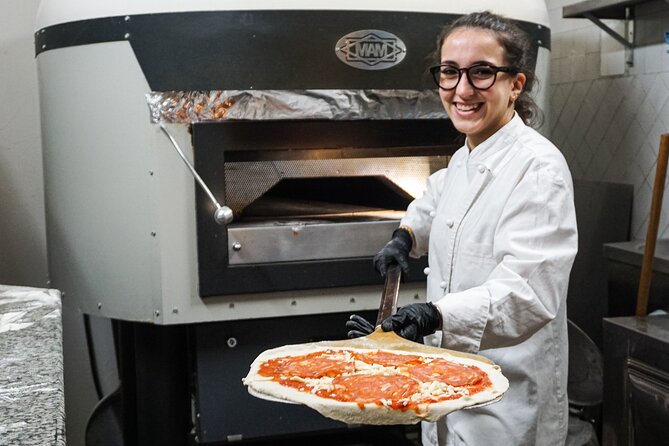
The maximum group size is 10 people. That is small enough to keep the class personal, but large enough to create a social atmosphere.
You may be paired with families, couples, and other visitors from around the world. The dough work gives everyone something to do, so conversation comes naturally. Several instructors have been praised for being funny, warm, and engaged with each person in the group.
Luca has also been appreciated for offering suggestions about what to do in Rome after the class. That kind of informal local help can be useful, especially early in your stay when you are still choosing restaurants and sights.
The activity suits people who enjoy a little interaction. If you want a silent meal with no group participation, choose a regular restaurant reservation instead. Here, the shared preparation is the point.
How the nearby sights fit around the class
The experience is associated with some of Rome’s best-known sights, but the pizza session itself is not a guided sightseeing tour. No separate entrance visits or guided walks are described, and the activity ends back at Osteria Pasquino.
Piazza Navona
This is the natural anchor for the experience. Piazza Navona is an easy place to meet friends, take in Bernini’s fountains, and enjoy the busy Roman street scene before or after your meal.
The nearby location makes the class easy to pair with sightseeing. Just leave enough time to find Piazza di Pasquino 1, since a late arrival can interrupt a small class.
The Pantheon
The Pantheon is close enough to combine with the class during the same half-day. Its vast interior and famous concrete dome make it one of Rome’s most satisfying short visits.
Because no entrance visit is part of the pizza experience, you will need to arrange that separately. Think of the landmark as a nearby addition, not a stop included in the cooking lesson.
Vatican City
The Vatican is farther away than Piazza Navona and the Pantheon. It can fit into the same day, but you should not expect the class to provide transportation, tickets, or a guided Vatican visit.
A practical plan is to schedule the Vatican separately and use the pizza class as a meal activity later in the day. The central location makes that possible, but the two experiences remain separate.
Trevi Fountain
Trevi Fountain works well as a pre-dinner stop. It is a pleasant walk from the Piazza Navona area, though Rome’s narrow streets and crowds can make the journey slower than the map suggests.
The fountain is best treated as part of your own Rome route. The pizza instructor will not be guiding you there as part of the class.
Piazza Venezia
Piazza Venezia is another useful point for planning a day of central sightseeing. From here, you can connect the historic center with the area around the Roman Forum and Capitoline Hill, though those attractions are not included in the pizza activity.
Campo de’ Fiori
Campo de’ Fiori is especially handy before a daytime class. The market adds a food-focused stop to a food-focused day, while the surrounding streets offer plenty of places to pause for coffee.
At night, the area changes character and becomes more restaurant-oriented. Either way, it is close enough to pair with Osteria Pasquino.
Castel Sant’Angelo
Castel Sant’Angelo is a useful companion to a Vatican visit or a walk along the Tiber. It is not part of the cooking instruction, but its position makes it easy to include in a wider central Rome itinerary.
The important point is simple: the listed sights help describe the area around the class. They are not a sequence of guided stops during the two-hour pizza session.
Families should know about the format
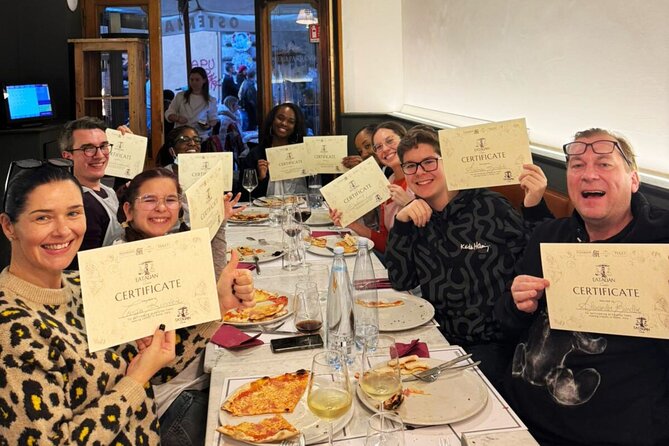
This is one of the better choices in Rome for a family that wants an activity with a clear edible reward. Children can mix dough, roll it, choose toppings, and then eat the finished pizza.
The class is short enough that young participants are less likely to lose interest. It also gives families a break from long museum visits and crowded monuments. Plastic or disposable aprons may be used, and flour can make the session messy.
Allergy communication is important. One family received careful help with peanut, tree nut, and soy allergies, with the ingredients reviewed before cooking. That is encouraging, but you should still communicate your needs clearly before the class and at the restaurant.
The experience is not recommended for people with gluten intolerance. Those with lactose intolerance are advised to keep cheese off the pizza. The available information does not promise gluten-free dough or a separate preparation area, so this is not the place to take chances.
Heat, comfort, and service details
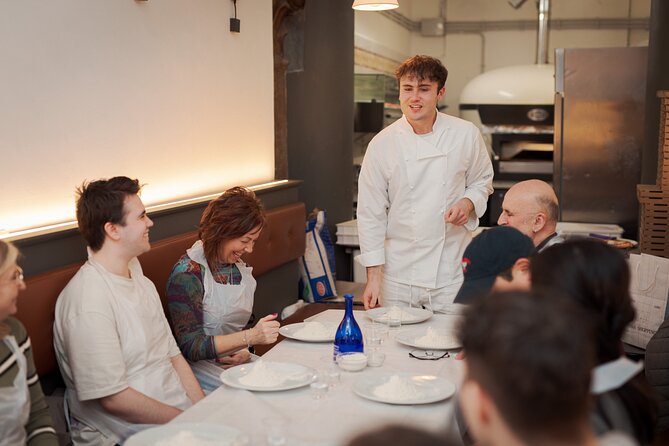
The class takes place in a restaurant setting, and comfort may depend on the conditions on the day. A problem with air conditioning made one summer session unpleasant when temperatures approached 100 degrees.
That issue may be unusual, but it is worth considering if you are visiting Rome during a hot spell. Cooking with dough in a warm room is less enjoyable than eating pizza in a cool one.
Service is generally described as friendly, with instructors including Paloma, Alessandra, Georgia, and Anastasia receiving warm praise for being helpful and engaging. The restaurant staff are also often appreciated for their welcome.
At the same time, the experience is not perfectly uniform. The drinks and final coffee may require a reminder, and the use of disposable aprons or a QR recipe may disappoint anyone expecting printed material or a souvenir. I would approach it as a casual restaurant workshop, not a polished culinary school.
Booking, timing, and cancellation
The activity is offered in English, uses a mobile ticket, and is near public transportation. Confirmation is provided at booking, and the group is capped at 10 people.
It is often booked about 50 days ahead, which suggests that popular dates can fill well before a Rome trip. I would reserve early if you need a particular evening or are traveling with a family group.
Free cancellation is available until 24 hours before the start time. Changes or cancellations inside that window are not refunded, and the experience can be moved or refunded if the minimum number of participants is not reached.
Who should book this pizza class?
I would recommend it to:
- Families wanting an easy, hands-on activity
- Couples who prefer a shared meal to a formal cooking school
- First-time cooks who want to make dough without a demanding lesson
- People staying near Piazza Navona
- Anyone looking for a social break from sightseeing
- Visitors who value included drinks and a sit-down meal
I would think twice if you:
- Already make pizza regularly
- Want advanced instruction
- Expect a printed recipe or take-home apron
- Need strict gluten-free preparation
- Dislike group activities
- Expect every part of the two hours to involve cooking
The strongest part of the experience is the mix of food, people, and location. The most highly praised features are the friendly instructors, the tasty finished pizza, the family-friendly pace, and the included drinks and extras.
Should you book it?
Book this class if you want a fun Roman food activity with dinner included, especially near Piazza Navona. The $67.72 price is easier to justify when you count the pizza, bruschetta, prosecco, another drink, and coffee or limoncello.
Do not book it expecting a professional course. The lesson is introductory, the active cooking can be brief, and service may need a gentle prompt. For families and beginners, that simplicity is a strength. For experienced home cooks, it may feel more like a pleasant meal with a pizza-making demonstration.
FAQ
Where does the pizza class take place?
It takes place at Osteria Pasquino, Piazza di Pasquino 1, 00186 Rome, Italy.
How long does the experience last?
The listed duration is approximately two hours. The hands-on cooking portion may take about 45 minutes to one hour, with the remaining time used for baking, drinks, and eating.
What will I make?
You will make your own classic Italian pizza. The class includes preparing dough by hand, rolling it out, and adding toppings.
Is the class taught in English?
Yes. The experience is offered in English.
How large is the group?
The maximum group size is 10 people.
What food and drinks are included?
The package includes your own pizza, bruschetta, a welcome prosecco, water, one glass of wine, beer, or soda, and either coffee or limoncello afterward.
Is this suitable for children?
Yes. The class is beginner-friendly and children have been able to follow the instructor’s directions. Adult supervision remains sensible during the cooking activity.
Is the class suitable for gluten intolerance?
No. The experience is not recommended for people with gluten intolerance.
Can I cancel for a full refund?
Yes, if you cancel at least 24 hours before the scheduled start time. Cancellations or changes made less than 24 hours before the start are not refunded.
More Hands-On Cookery Sessions
- Rome: Fettuccine Pasta Cooking Class in Rome’s City Center
★ 4.8 · 2,414 reviews - Rome: Traditional Pasta with Cocktails Cooking Class
★ 5.0 · 2,374 reviews - Rome: Fettuccine and Tiramisu Cooking Class with Wine
★ 4.8 · 2,013 reviews - Pasta Cooking Class Near the Colosseum with 3 Spritz Cocktails
★ 5.0 · 1,686 reviews
Just added around Rome
- Rome City, Pantheon, and Trevi Fountain Walking Tour★ 5.0 · 249 reviews
- Rome: Skip the line Vatican Museums & Sistine Chapel Tour★ 4.2 · 251 reviews
- Rome: Tivoli Day Trip with Villa d’Este and Villa Adriana★ 4.5 · 251 reviews
- Transfer Rome center – Ciampino Airport★ 4.5 · 251 reviews
- Rome: Cannondale E-Bike Evening Tour with Optional Dinner★ 4.9 · 251 reviews
- VIP Colosseum, Roman Forum & Palatine Hill & Special Access Sites★ 4.5 · 252 reviews
- Private Vatican Museums Hidden Gems Tour with Optional Pick-Up★ 5.0 · 253 reviews
- Vatican Museums & Sistine Chapel Skip-the-Line Guided Tour★ 4.6 · 254 reviews
Cooking Classes, compared.

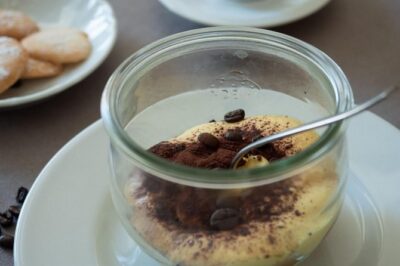
3 in 1 Cooking Class near Navona: Fettuccine, Ravioli & Tiramisu
Read our review →
Pasta & Tiramisu Cooking Class with Unlimited Wine
Read our review →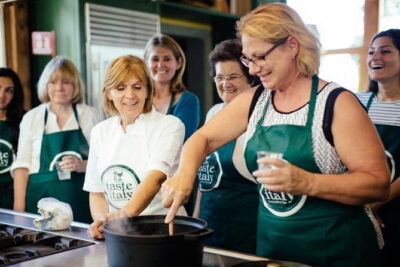
Cooking Class and Lunch at a Tuscan Farmhouse with Local Market Tour from Florence
Read our review →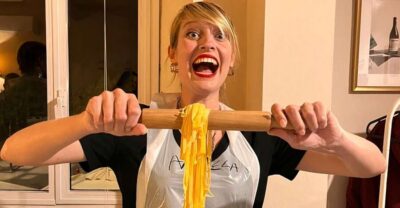
Pasta Making Class with Wine, Limoncello, and Dessert
Read our review →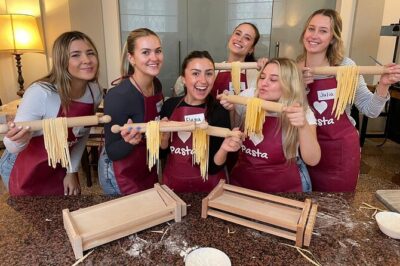
3-in-1 Fettuccine, Ravioli, and Tiramisu Cooking Class
Read our review →Browse the lists this tour appears in