
Review · COOKING CLASSES
Rome: Traditional Pasta Making Class with Wine & Gelato
Pasta tastes better when you make it yourself. In Rome’s Trastevere neighborhood, this three-hour class combines hands-on cooking with prosecco, an aperitivo, Roman food traditions, wine, and homemade gelato. You make two pasta dishes from scratch with a professional chef, then sit down to eat what you prepared.
I like the small-group or private format, which makes it easier to ask questions and get help with the dough. I also like that the lesson covers sauces as well as pasta, including Roman favorites such as cacio e pepe, gricia, amatriciana, and puttanesca. The main drawback is that the class is not suitable for wheelchair users, people with mobility impairments, or strollers, and those with celiac disease cannot be accommodated.
In This Review
- Key Points to Know Before Booking
- Why This Trastevere Cooking Class Works
- Arriving at Piazza di San Giovanni della Malva
- Prosecco, Cured Meats, and the Italian Aperitivo
- Making Fettuccine and Ravioli From Scratch
- Roman Sauces and the Value of Seasonal Ingredients
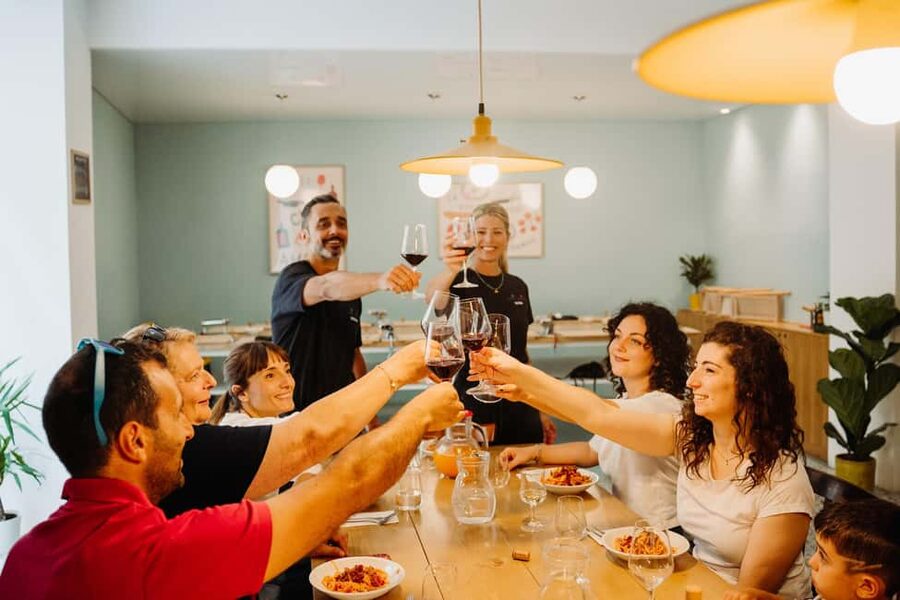
- Sitting Down to Eat What You Prepared
- What the Chefs Add Beyond the Recipe
- Price, Group Size, and Overall Value
- Dietary Needs and Access
- Who Will Enjoy This Rome Pasta Class Most?
- Should You Book This Pasta Class?
- FAQ
- Where does the pasta-making class meet?
- How early should I arrive?
- How long does the experience last?
- Is the class taught in English?
- What pasta will I make?
- Which sauces are included?
- Are food and drinks included?
- Is the class private or shared?
- Can dietary restrictions be accommodated?
- Is the class accessible for wheelchair users or strollers?
- Is hotel pickup included?
- Can I cancel the booking?
Key Points to Know Before Booking
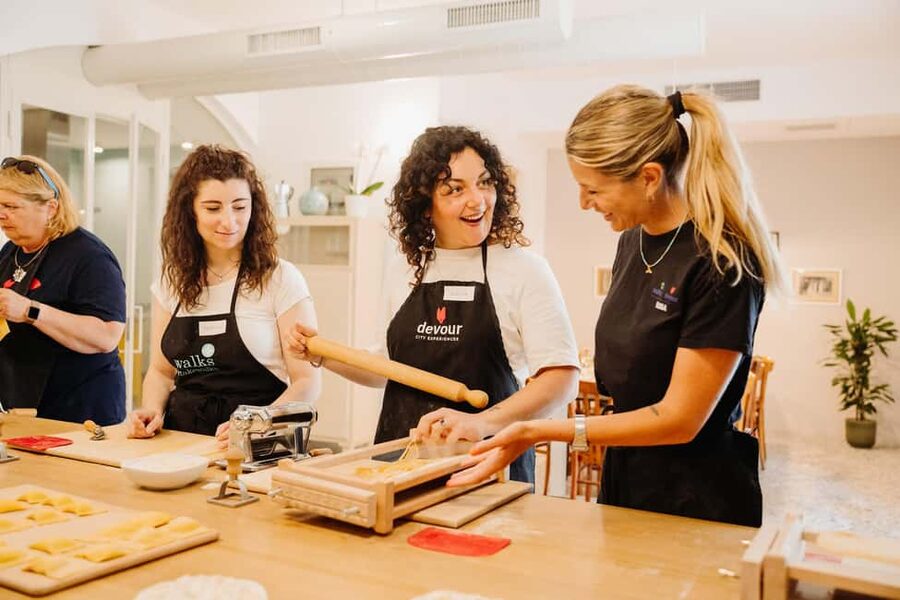
- You make two fresh pastas: Learn the basic process for fettuccine and ravioli, from mixing and shaping dough to cooking and serving.
- The sauces depend on the market: Your chef selects traditional red and white sauces based on seasonal ingredients.
- The evening begins with an aperitivo: Prosecco, cured meats, and cheese give you a relaxed start before the cooking begins.
- It takes place in Trastevere: The class meets at Piazza di San Giovanni della Malva, near the San Giovanni della Malva church.
- The food is part of the lesson: You eat the pasta you prepare, along with wine, and finish with homemade gelato.
- Families and solo visitors fit in well: Past participants describe the class as friendly, well-paced, and enjoyable for children as young as six.
Why This Trastevere Cooking Class Works
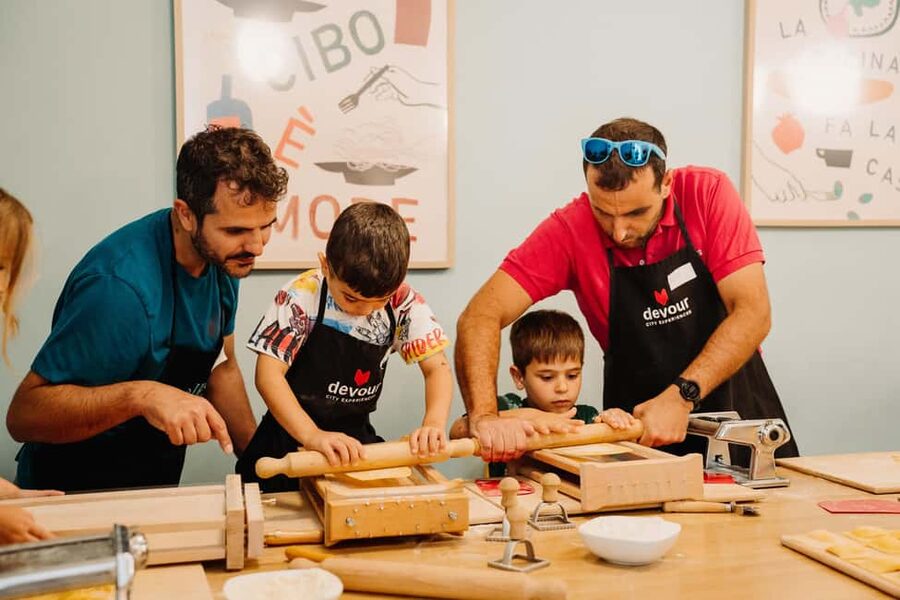
Rome has no shortage of pasta demonstrations. Many involve watching someone else work while you stand at the edge of a kitchen. This class takes a more useful approach: you handle the ingredients, shape the pasta, and learn enough technique to try the dishes at home.
That hands-on element is the heart of the experience. Fresh pasta looks simple, but dough texture, resting time, thickness, and cutting all affect the final dish. A professional chef can correct small mistakes before they become dinner-sized problems. You also learn why a sauce is prepared in a particular way, not just which ingredients go into it.
I especially like the Roman focus. The class is not simply a general Italian cooking lesson. You may work with sauces such as cacio e pepe, gricia, amatriciana, or puttanesca. These dishes give you a taste of Rome beyond the famous monuments. They also show how much Italian cooking depends on a few good ingredients and careful technique.
The class is taught in English, which makes it accessible to most international visitors. The chefs also use the cooking time to discuss Roman food and culture. Several instructors have been praised for explaining the reasons behind each step, answering questions, and offering practical advice about restaurants and gelato shops around the city.
More Cooking Classes in Rome
- 3 in 1 Cooking Class near Navona: Fettuccine, Ravioli & Tiramisu
★ 5.0 · 7,376 reviews - Rome: Pasta Making Class with Wine, Limoncello, and Dessert
★ 4.9 · 3,177 reviews - Rome: 3-in-1 Fettuccine, Ravioli, and Tiramisu Cooking Class
★ 4.9 · 2,704 reviews
Arriving at Piazza di San Giovanni della Malva
Your meeting point is Piazza di San Giovanni della Malva, 00153 Roma RM. Meet in the square in front of the San Giovanni della Malva church, and arrive 15 minutes before the scheduled start. Your guide will be carrying a red bag or displaying a Devour Tours sign.
This location puts you in the heart of Trastevere, one of Rome’s most enjoyable areas for an evening walk. The class itself is held in a charming cooking school reserved for your group, rather than in a large public restaurant. That setting helps create the relaxed, informal feel that many people want from a cooking lesson.
There is no hotel pickup or drop-off. You need to make your own way to the piazza, so allow extra time if you are coming from across the river or from a major sight. The activity finishes back at the meeting point, which makes it easy to continue exploring Trastevere afterward.
The class lasts three hours. That is long enough for the cooking to feel substantial, but short enough to fit into a busy Rome schedule. Check the available start times when booking, since the exact schedule is not fixed in the basic tour information.
Prosecco, Cured Meats, and the Italian Aperitivo
The class starts with a glass of prosecco and an aperitivo of cured meats and cheese. This is more than a snack before the real activity begins. In Italy, the aperitivo is a social pause, a chance to talk, settle in, and enjoy something small before the main meal.
That opening is useful in a class setting. If you choose the shared option, you have time to meet the other people in the group before everyone starts working with flour. If you choose a private class, the aperitivo gives your own party a calm start in the kitchen.
The food and drink are included, along with the ingredients for the meal. You also receive wine with the pasta and gelato at the end. Additional food and drinks may be available after the class if you want to stay, but those are not included in the listed price.
Do not arrive expecting a full meal during the aperitivo. It is a light beginning, while the main food comes later. If you have a very early dinner schedule, keep the three-hour timing in mind.
Making Fettuccine and Ravioli From Scratch
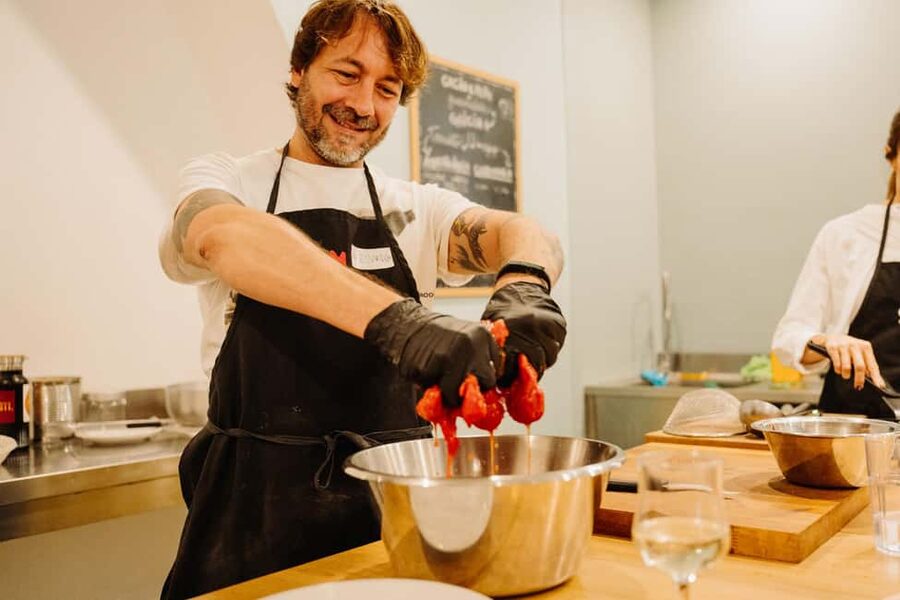
Once the introductions and aperitivo are finished, the practical work begins. The class focuses on two homemade pastas, fettuccine and ravioli. You work through the process with a chef instead of simply watching a demonstration.
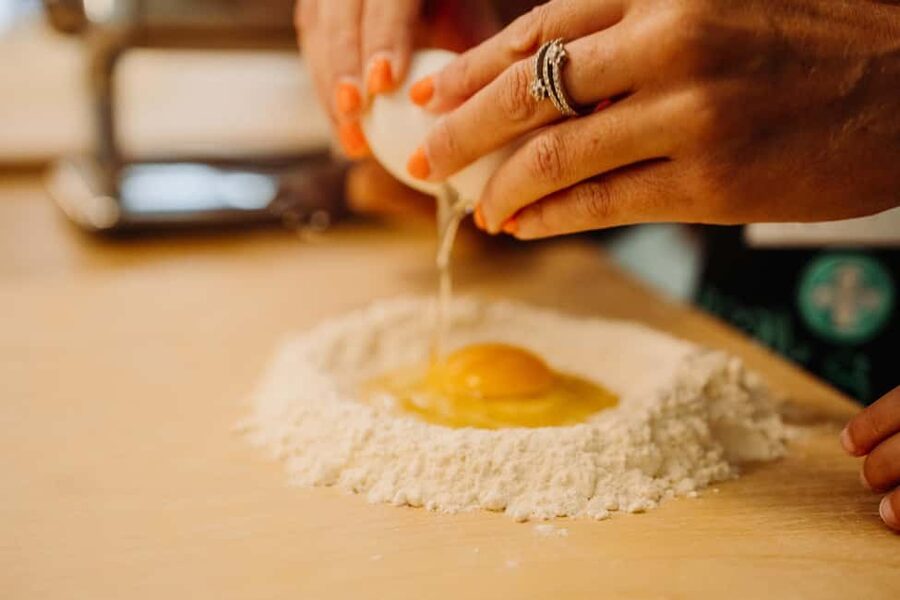
For beginners, this is the most useful part of the lesson. You learn how the dough comes together, how to work it, and how to shape it into different forms. Fettuccine gives you practice with long, even strands. Ravioli adds another skill, since filled pasta requires care when sealing the edges and avoiding trapped air.
The chef guides the group through each stage. Past participants have praised instructors including Luca, Federica, Stefano, Gianmaria, Manuela, Elisa, Asia, Jamila, Jeanmarie, Fernanda, and Giulia for being patient, funny, and encouraging. The exact chef depends on the date, but the repeated praise for clear instruction is a good sign for first-time pasta makers.
This also works well for children. One family with a six-year-old found the lesson well organized and enjoyable for both adults and children. Another family with children aged nine and eleven considered it one of the best activities of a ten-day Italy trip. Young children still need adult supervision, but the class is designed to involve everyone rather than leave children watching from the side.
The pace appears active without being punishing. Chefs keep the work moving while leaving room for questions and practice. That balance matters. Too slow, and a class drags. Too fast, and you end up covered in flour with no idea what happened.
More Wine Tours in Rome
- Rome: Tuscany & Montepulciano Day Trip with Lunch & Wine Tasting
★ 4.5 · 5,232 reviews - Rome: Pasta & Tiramisu Class with Fine Wine by the Vatican
★ 4.9 · 4,852 reviews - Rome Food Tour: Unlimited Tastings with Fine Wine & Barolo
★ 5.0 · 3,365 reviews - Rome: Trastevere Food tour with Free-Flowing Fine Wine
★ 5.0 · 2,853 reviews
Roman Sauces and the Value of Seasonal Ingredients
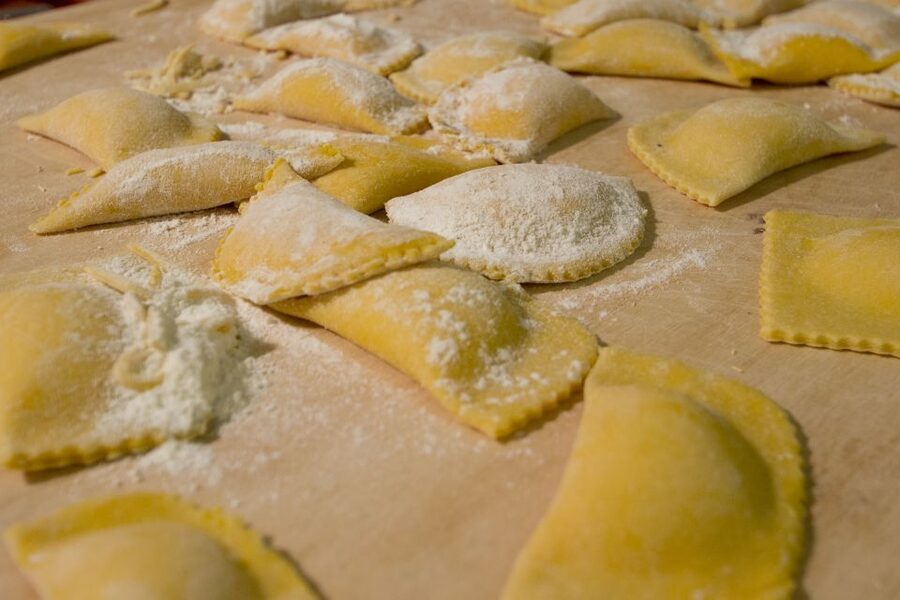
The pasta is only half the lesson. Your chef also prepares traditional sauces, including possible choices such as amatriciana, puttanesca, gricia, and cacio e pepe. The exact sauces depend on seasonal ingredients available at local markets.
That flexibility is a plus, but it means you should not book expecting one fixed menu. If you have your heart set on a particular sauce, ask ahead, though the final choice may still depend on the day’s ingredients.
The Roman sauce lesson gives the class more value than a simple pasta-shaping workshop. You learn how a few ingredients produce distinct flavors. Cacio e pepe depends on cheese, pepper, and the right use of pasta water. Gricia builds on a similar Roman foundation, while amatriciana adds tomato. Puttanesca takes the meal in another direction with a stronger, more savory profile.
The instructors also explain the reasons behind their methods. That is the kind of information you can use at home. A recipe tells you what to add, but a chef can explain what the sauce should look like, when to add an ingredient, and how to correct a mistake.
One participant felt the ravioli was a little bland and had expected a cheese-and-spinach filling. This is a useful reminder that the menu can vary, and that not every dish will suit every palate. The class is more about learning a Roman cooking method than ordering a custom restaurant meal.
Sitting Down to Eat What You Prepared
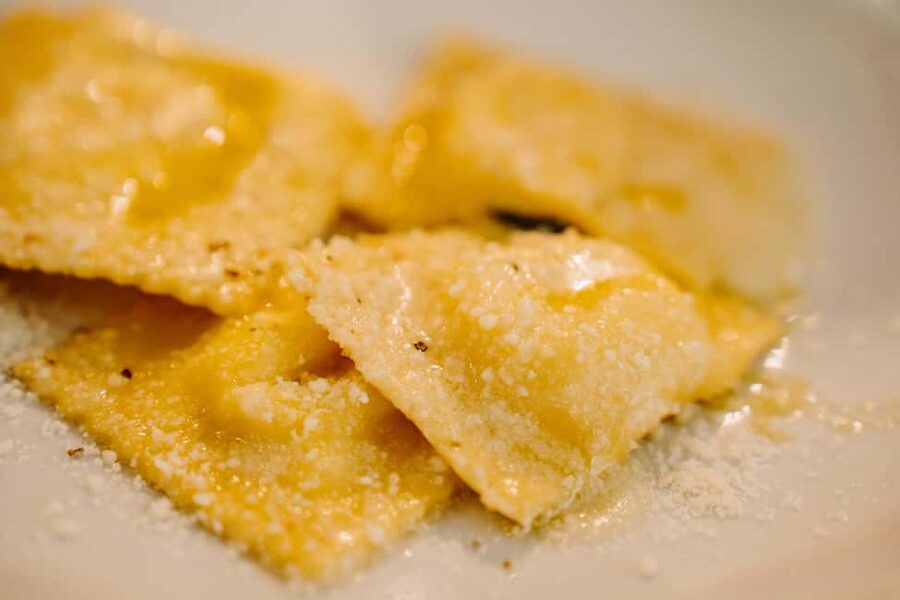
After the cooking, you sit down to enjoy the two pasta dishes with wine. This meal is the payoff, but it is also part of the lesson. You can taste the difference between fresh pasta and dried pasta, see how the sauces cling to the shapes, and judge the results of your own work.
The meal takes place in the same attractive cooking space, so you do not need to leave and find a restaurant afterward. Several people describe the food as one of the best meals of their Rome visit. That praise is easy to understand: the meal is fresh, social, and tied to something you have just learned.
Wine is included with the meal. Prosecco and wine also help make the class feel like a social Italian meal rather than a technical workshop. If you do not drink alcohol, the supplied information does not specify alternative beverages, so ask before booking if that matters to you.
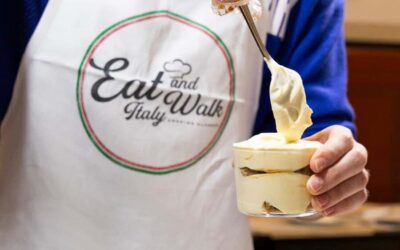
The class ends with homemade gelato prepared by the chef. It is a simple but fitting finish. After flour, pasta dough, sauce, and wine, a cold sweet course gives the meal a proper Italian ending.
What the Chefs Add Beyond the Recipe
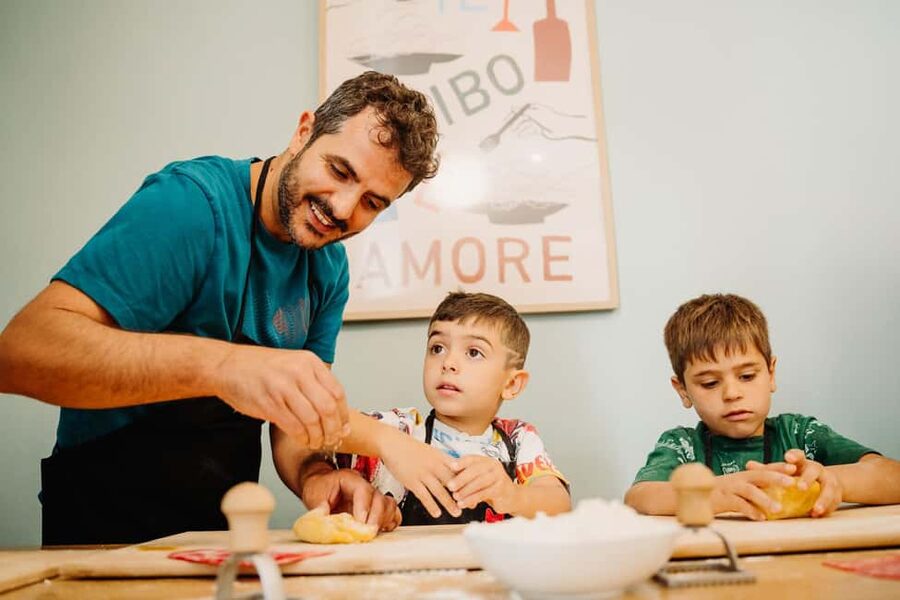
The strongest part of this class is likely the human instruction. The chefs do not only show you how to mix flour and eggs. They talk about Roman cooking, local food customs, and the habits that make Italian meals work.
Several instructors have been praised for humor and warmth. That matters because pasta making can feel intimidating at first. A relaxed chef makes it easier to ask why the dough feels sticky, how thin the pasta should be, or what to do when the ravioli does not seal neatly.
The cooking team also offers practical Rome advice. Some instructors have suggested local restaurants and tips for spotting a good gelateria. Those suggestions can help you continue the food experience after class, although the quality and usefulness of recommendations naturally depends on the chef leading your session.
The class works for solo visitors, too. One solo participant felt comfortable joining the group and appreciated the steady pace and friendly teaching. Shared classes can be a good way to meet other people without committing to a full-day group tour.
Private classes provide more control and personal attention. They are a better fit for a family, couple, or small party that wants the kitchen to itself. Shared classes may offer more social energy and can cost less depending on the option available, but you have less say over the group dynamic.
Price, Group Size, and Overall Value
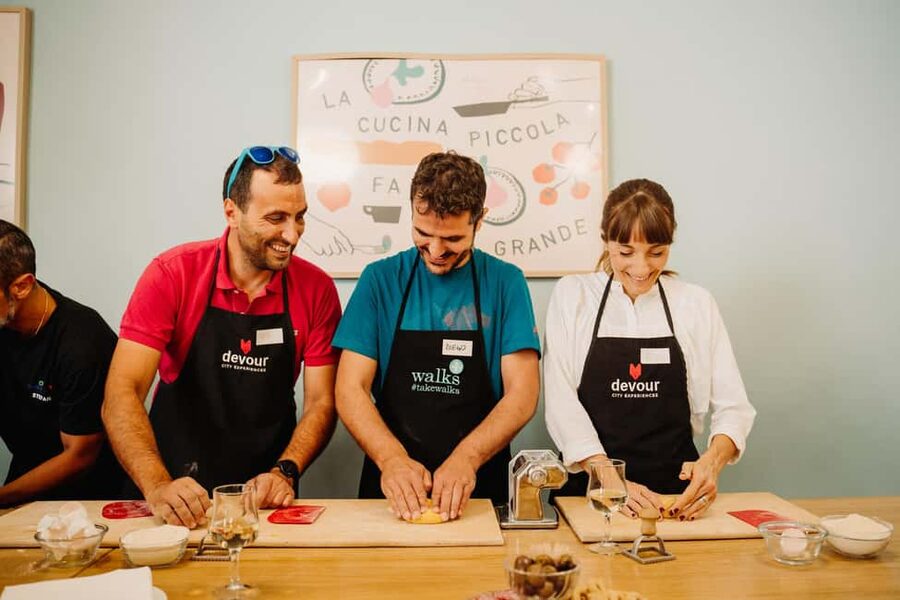
The listed price is $66.84 per person. For three hours in central Rome, that includes the chef, aperitivo, all cooking ingredients, two homemade pastas with sauces, prosecco, wine, and gelato.
I consider that a solid value if you want both instruction and a meal. You are not paying only for lunch or dinner. You are paying for a guided activity, food, drinks, and skills you can repeat at home. The value is strongest for people who would otherwise book a separate meal and a separate cultural activity.
A private option may cost more than a shared class, depending on the date and booking choice. The private format is worthwhile for families with young children, couples celebrating an occasion, or anyone who prefers to ask many questions without feeling self-conscious.
The class may be less appealing if you want a quiet meal, a fixed menu, or a quick demonstration. Three hours is a real commitment, and the class includes social time as well as cooking. If you are trying to fit every major Roman sight into one day, this experience could feel lengthy.
Dietary Needs and Access
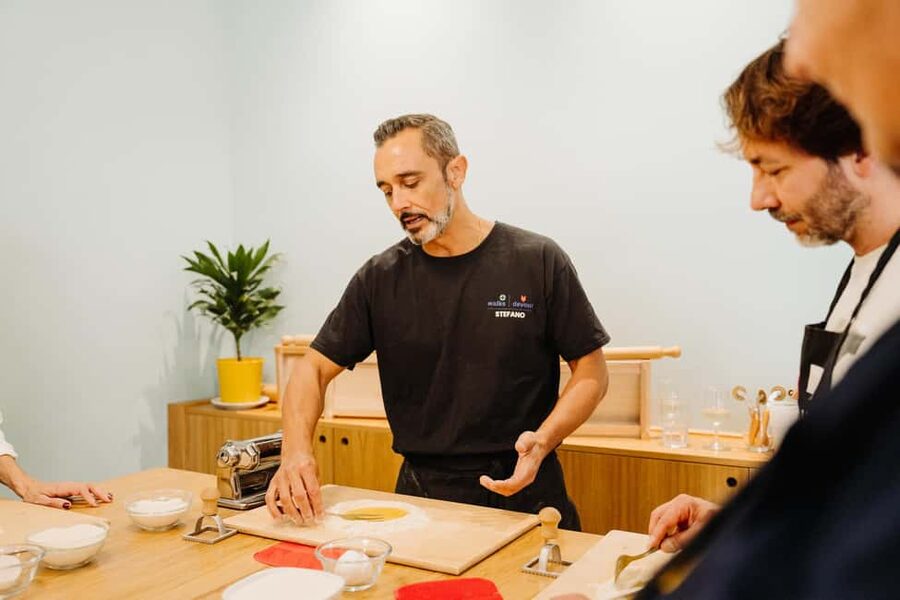
The class can adapt to dietary needs except for celiac disease. If you have allergies, follow a vegetarian diet, or have other restrictions, contact the operator before joining so the kitchen can arrange your food.
Do not wait until arrival to explain a restriction. The chef needs advance notice to plan ingredients and avoid confusion during a busy class.
The experience is not suitable for wheelchair users, people with mobility impairments, or strollers. The supplied information does not give a detailed description of the kitchen layout, so anyone with access concerns should contact the operator before booking rather than rely on assumptions.
Who Will Enjoy This Rome Pasta Class Most?
I would recommend it most strongly to:
- Families looking for an activity that involves children rather than simply entertaining them
- Couples wanting a food-centered evening in Trastevere
- Solo visitors who enjoy meeting people in a small group
- First-time pasta makers who want patient instruction
- Food lovers interested in Roman sauces and local eating habits
- Anyone who wants a practical souvenir from Rome
It is less suitable for people with celiac disease, visitors who use wheelchairs, and those who dislike group activities. It may also disappoint anyone expecting to choose every dish in advance, since the sauces are selected according to seasonal ingredients.
Should You Book This Pasta Class?
Book it if you want to do more than eat Roman food. You will make the pasta, learn the sauces, sit down with wine, and finish with gelato. The combination gives you a pleasant evening and a useful skill to take home.
I especially like this experience for families and couples because it creates something to talk about after the class. For solo visitors, the shared format offers an easy way to meet other people. Choose private if personal attention matters most, and shared if you prefer a livelier room and possibly a lower price.
Before booking, check the meeting time, confirm your dietary needs, and remember that the class begins at Piazza di San Giovanni della Malva rather than at your hotel. If those details work for you, this is one of the more practical food experiences you can add to a Rome itinerary.
FAQ
Where does the pasta-making class meet?
The class meets at Piazza di San Giovanni della Malva, 00153 Roma RM. Meet in the square in front of the San Giovanni della Malva church.
How early should I arrive?
Arrive 15 minutes before the scheduled start time. Your guide will be carrying a red bag or displaying a Devour Tours sign.
How long does the experience last?
The cooking class lasts three hours. Starting times vary, so check availability for the date you want.
Is the class taught in English?
Yes. The listed language for the class is English.
What pasta will I make?
You will learn to make two fresh pastas from scratch, fettuccine and ravioli.
Which sauces are included?
Possible traditional sauces include amatriciana, puttanesca, gricia, and cacio e pepe. The chef chooses the sauces according to seasonal ingredients.
Are food and drinks included?
Yes. The price includes appetizers, prosecco, wine, all ingredients for the meal, two homemade pastas with sauces, and gelato.
Is the class private or shared?
Both private and small-group options are available. The option you select determines the format.
Can dietary restrictions be accommodated?
The class can adapt to dietary needs except for celiac disease. Contact the operator before joining so arrangements can be made.
Is the class accessible for wheelchair users or strollers?
No. The experience is not suitable for wheelchair users, people with mobility impairments, or strollers.
Is hotel pickup included?
No. Pickup and drop-off are not included. You need to make your own way to the meeting point and return there at the end.
Can I cancel the booking?
You can cancel up to 24 hours in advance for a full refund. A reserve-now, pay-later option is also available.
More Vineyard Visits and Tastings
- Learn to Make Pasta & Tiramisu with Wine and Limoncello Included
★ 5.0 · 2,345 reviews - Rome: Award Winning Trastevere Group Food Tour with Wine
★ 5.0 · 2,273 reviews - Rome: Fettuccine and Tiramisu Cooking Class with Wine
★ 4.8 · 2,013 reviews - Rome: Food Tour with Unlimited Food and Barolo Wine
★ 4.8 · 1,883 reviews
More Pizza and Gelato Sessions
- Pompeii and Mount Vesuvius Day Trip from Rome with Pizza Lunch
★ 4.5 · 6,151 reviews - Cooking Class in the Heart of Rome: Pizza and Tiramisu Making
★ 5.0 · 1,330 reviews - Rome: Traditional Pizza Cooking Class near Piazza Navona
★ 4.7 · 1,241 reviews - Rome Highlights City Tour by Golf Cart with Gelato
★ 5.0 · 1,088 reviews
Just added around Rome
- Rome City, Pantheon, and Trevi Fountain Walking Tour★ 5.0 · 249 reviews
- Rome: Skip the line Vatican Museums & Sistine Chapel Tour★ 4.2 · 251 reviews
- Rome: Tivoli Day Trip with Villa d’Este and Villa Adriana★ 4.5 · 251 reviews
- Transfer Rome center – Ciampino Airport★ 4.5 · 251 reviews
- Rome: Cannondale E-Bike Evening Tour with Optional Dinner★ 4.9 · 251 reviews
- VIP Colosseum, Roman Forum & Palatine Hill & Special Access Sites★ 4.5 · 252 reviews
- Private Vatican Museums Hidden Gems Tour with Optional Pick-Up★ 5.0 · 253 reviews
- Vatican Museums & Sistine Chapel Skip-the-Line Guided Tour★ 4.6 · 254 reviews
Cooking Classes, compared.

3 in 1 Cooking Class near Navona: Fettuccine, Ravioli & Tiramisu
Read our review →
Pasta & Tiramisu Cooking Class with Unlimited Wine
Read our review →
Cooking Class and Lunch at a Tuscan Farmhouse with Local Market Tour from Florence
Read our review →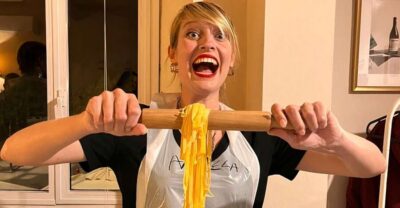
Pasta Making Class with Wine, Limoncello, and Dessert
Read our review →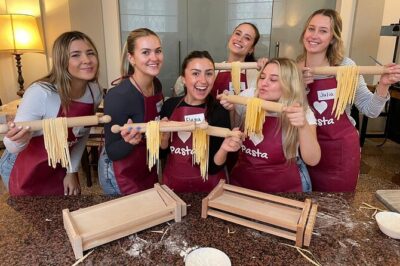
3-in-1 Fettuccine, Ravioli, and Tiramisu Cooking Class
Read our review →Browse the lists this tour appears in