Review · TICKETS
Rome: Bioparco di Roma Zoological Garden Entry Ticket
Rome has animals too. Set within part of the old Villa Borghese estate, Bioparco di Roma gives you a full day among more than 1,200 animals from five continents. Lemurs, chimpanzees, tigers, bears, elephants, giraffes, reptiles, and free-roaming peacocks make this much more than a quick children’s stop.
I especially like the easy-to-follow layout and the peaceful green setting. The Reptile House is another strong point, with iguanas, snakes, and lizards that add variety beyond the usual large mammals. The main consideration is size: you can spend two to four hours here, and a determined visit may involve several miles of walking.
In This Review
- Key Points to Know Before You Go
- A Zoo in the Middle of Rome
- Following the Animal Route
- Why the Reptile House Deserves Extra Time
- Conservation and Environmental Education
- How Long Should You Stay?
- Food, Water, and Picnic Planning
- Getting There and Using the Ticket
- Visiting With Children, Teenagers, or Adults
- Heat, Rain, and Seasonal Timing
- What I Like Most, and What Gives Me Pause
- Should You Book Bioparco di Roma?
- FAQ
- How many animals are at Bioparco di Roma?
- How much does the Bioparco entry ticket cost?
- How long is the Bioparco ticket valid?
- Does the ticket include skip-the-line entry?
- Are children under 1 meter admitted free?
- How is the child ticket checked?
- Is Bioparco accessible by wheelchair?
- Is food available inside the zoo?
Key Points to Know Before You Go
- More than 1,200 animals: See about 200 mammal, bird, reptile, and amphibian species from five continents.
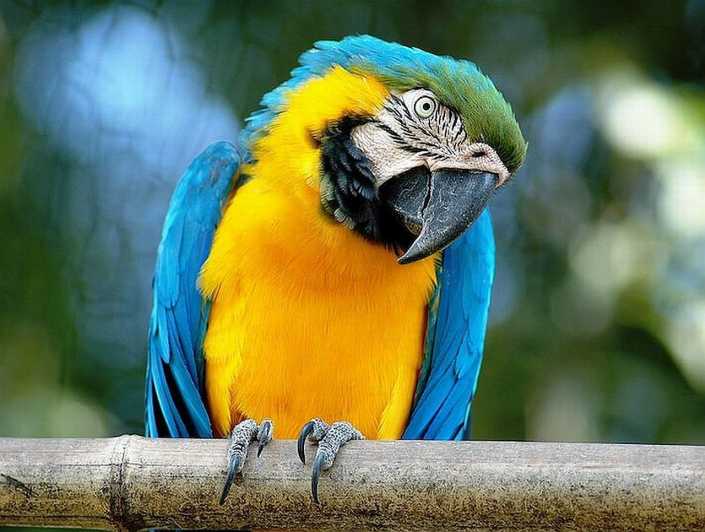
- The Reptile House is a highlight: Expect iguanas, snakes, lizards, and other cold-blooded residents.
- A green Villa Borghese setting: The 42-acre park feels spacious and calm, with places to sit and picnic.
- Good family flexibility: Children under 1 meter enter free, while taller children up to age 10 need the child rate.
- Useful skip-the-line access: The ticket uses a separate entrance line, although the regular queue may also be short on quiet weekdays.
- Plan for food and weather: Food is sold inside, but choices are limited, so bringing lunch and water is sensible.
A Zoo in the Middle of Rome
Bioparco occupies part of Villa Borghese, one of Rome’s best-known green spaces. That location changes the mood of the visit. Instead of squeezing another museum or church into a packed sightseeing day, you get paths, trees, open air, and animals in one contained area.
The zoological garden covers about 42 acres. That is large enough to feel like a proper day out, but still manageable with a simple route around the grounds. The layout is described as easy to follow, and you generally do not need to keep doubling back to find exhibits.
I would allow at least two hours for a brisk visit. Three hours is a more comfortable estimate if you stop at the major enclosures, read the information boards, and take breaks. Families with young children may spend longer because of playgrounds, sitting areas, and the slower pace that comes with small legs.
The park can also become part of a wider Villa Borghese outing. Several people have walked through the gardens to reach the zoo, while others have continued toward central Rome afterward. If you begin near Trevi Fountain, the day can involve much more walking than expected. One particularly energetic outing reached about six miles in total.
A few more reviews worth comparing before you book
- Vatican: Museums & Sistine Chapel Entrance Ticket
★ 4.5 · 144,003 reviews - Vatican Museums & Sistine Chapel Tour with Optional Basilica
★ 4.3 · 67,413 reviews - Colosseum, Roman Forum & Palatine Guided Tour
★ 4.7 · 63,148 reviews
Following the Animal Route
Your visit is self-guided. There is no guide leading a group from enclosure to enclosure, so you can set your own pace and linger where you like. The animal information boards are generally written in both Italian and English, which makes the collection easier to understand for international visitors.
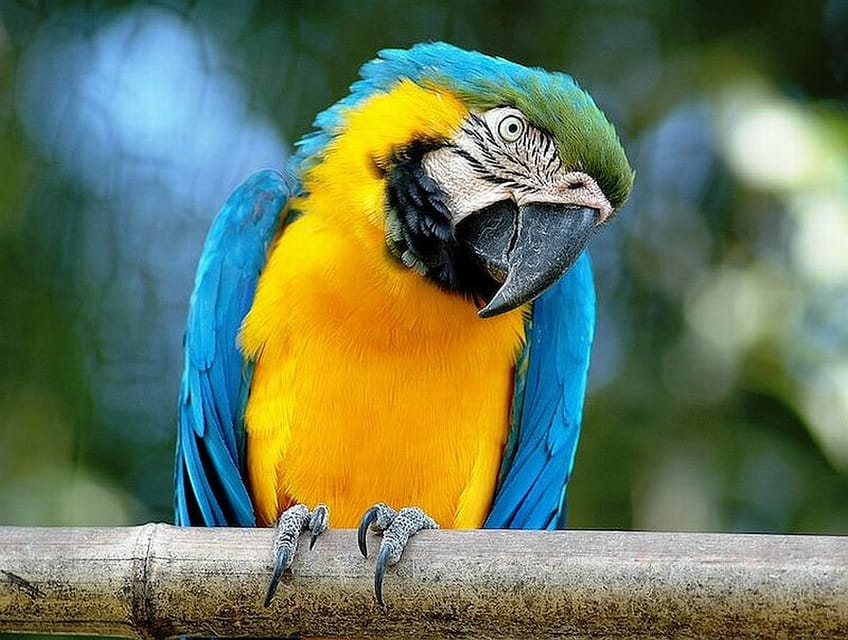
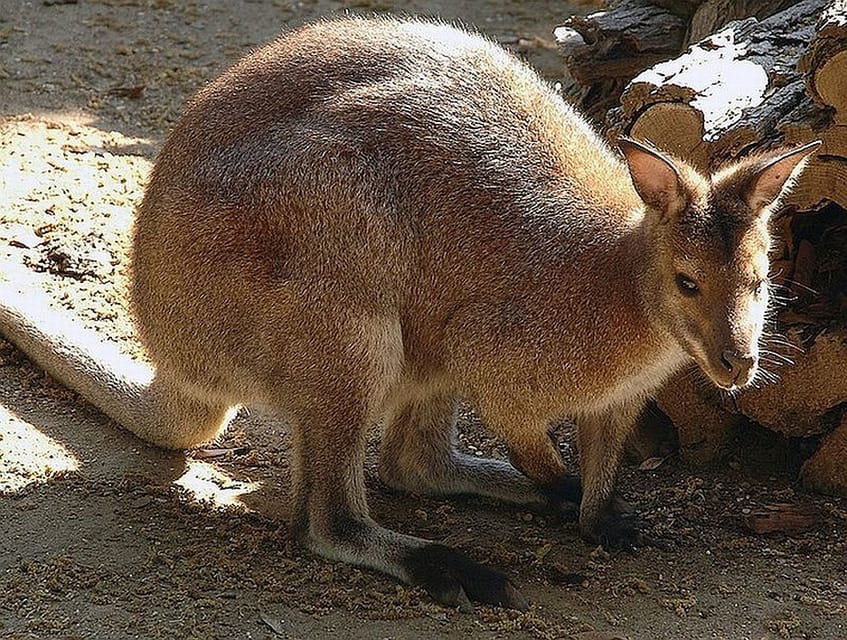
The route includes mammals, birds, reptiles, and amphibians. The variety is one of the park’s strongest qualities. You may see familiar European zoo residents alongside animals that are less common in British or North American collections.
Large mammals provide the classic highlights. Elephants and giraffes are popular stops, while brown bears, wolves, tigers, and lions add the drama many people expect from a zoo visit. Chimpanzees and lemurs bring a more active, social feel to the route, though animal activity always varies.
That last point matters. Some animals may be asleep, hidden, or simply out of view when you pass. A morning visit can improve your chances of seeing movement, especially around feeding times, but there is no guarantee that every animal will be visible. The park is still worthwhile when a particular enclosure is quiet, since the collection is broad enough to keep the visit moving.
Peacocks roam freely in parts of the zoo, adding a small surprise between the formal enclosures. You may also find birds from different parts of the world, along with amphibians and reptiles that give the visit a different rhythm from the large-animal areas.
Why the Reptile House Deserves Extra Time
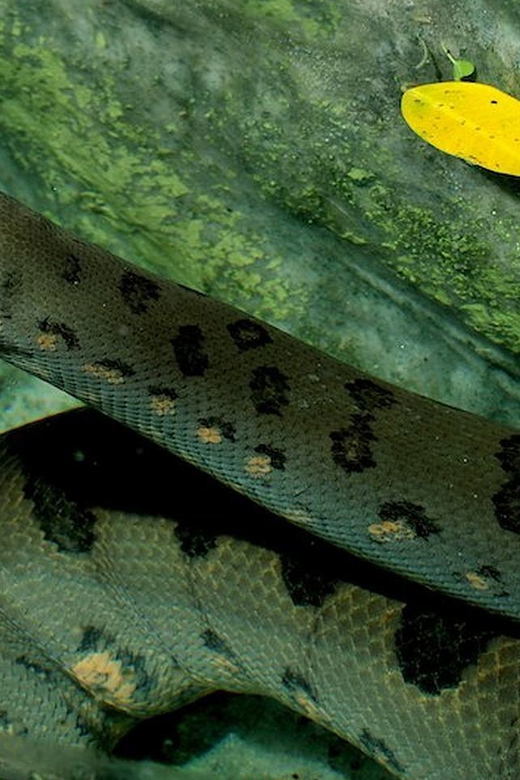
The Reptile House is one of the most frequently praised parts of a Bioparco visit, and it makes a good change of pace. Here you can see a broad range of iguanas, snakes, and lizards in a more contained setting.
Reptiles are easy to rush past, especially after seeing elephants or bears. I would slow down here and read the displays. The information boards help explain the animals and their place in the natural world, rather than treating the building as a simple display of unusual creatures.
For children, the Reptile House can be especially useful because it offers close views of animals they may not encounter at home. For adults, it adds substance to the visit. You are not just walking around looking for the next large enclosure. You are also seeing less familiar species and learning why their survival matters.
Conservation and Environmental Education
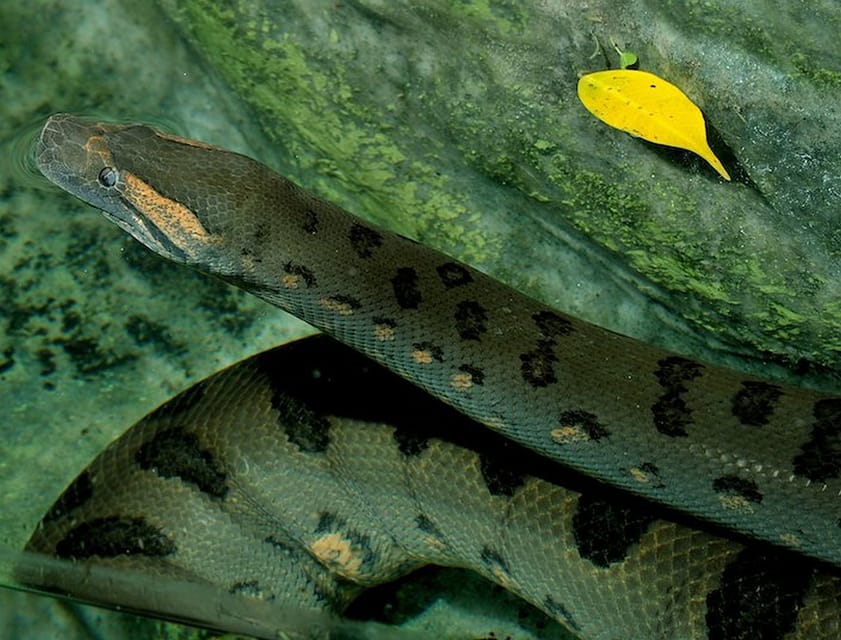
Bioparco presents itself as more than an entertainment venue. Its work includes conservation of endangered species, environmental education, and scientific research. Those roles give the zoo a clear educational purpose, even though the visit remains relaxed and recreational.
The animal signs help connect what you see with wider environmental concerns. That is valuable in a zoo, where the best displays should encourage respect for animals rather than treat them as curiosities.
The condition of the enclosures is not perfectly uniform. Many visitors describe the park as clean, tidy, well laid out, and carefully maintained. Some enclosures, however, have been criticized as needing more room or more enrichment, with particular concern about areas for sea lions, tigers, and lions. A few enclosures have also been under construction at times.
This is worth keeping in mind if you judge zoos mainly by enclosure size. You may find some spaces attractive and well designed, while others feel less generous than you would hope. Animal activity can also differ from enclosure to enclosure. Some creatures appear lively and engaged, while others may seem bored or inactive during a visit.
That mixed picture does not cancel out the park’s conservation work, but it does make Bioparco a place to assess thoughtfully. The experience is strongest when you treat it as a zoological garden with an educational mission, not as a collection of perfect wildlife habitats.
A different sort of day out around Rome:
- Vatican Museums, Sistine Chapel & St Peter’s Basilica Guided Tour
★ 4.5 · 39,149 reviews - Rome: Colosseum, Palatine Hill and Roman Forum Guided Tour
★ 4.8 · 32,814 reviews - Rome: Guided Tour of Colosseum, Roman Forum & Palatine Hill
★ 4.7 · 27,897 reviews - Rome: Colosseum & Forum with Audio Guide App -Optional Arena
★ 4.2 · 24,770 reviews
How Long Should You Stay?

The honest answer depends on how closely you look.
A fast circuit can take around two hours. Many people find three hours comfortable, while families and animal enthusiasts may spend four hours or more. One family spent over four hours, and another visitor needed about three hours to see the whole collection.
The grounds include benches and several places to rest. That helps if you are visiting with a toddler, older relative, or anyone who does not want to walk continuously. There are also play areas for children, making it easier to break the animal route into smaller sections.
You will want to wear comfortable shoes. The park is broad enough that a casual stroll can become a serious walk, particularly if you combine it with Villa Borghese or central Rome. On a hot day, the effort is more noticeable.
The timing of your visit matters. Early morning is a smart choice if you want cooler temperatures and more active animals. Late afternoon can also work in warmer weather, and opening hours may vary by day. Check the current schedule before setting out, since one Sunday visit allowed a longer stay than a weekday visit.
Food, Water, and Picnic Planning
Food and drinks are available inside, but the selection is limited. Snack stations offer familiar choices such as burgers, hot dogs, chicken nuggets, soft drinks, ice cream, and ice lollies. Prices were described as reasonable by some visitors, though zoo food still costs more than a normal city snack.
If you want a proper lunch, bring a picnic. The grounds include picnic space and plenty of places to sit, so your own food can make the day more comfortable and less expensive. Pack water as well, particularly in July and August.
There are vending machines in several areas. These may be useful if you need a quick drink, though buying supplies before entering gives you more choice.
The available food locations include Bar Ninfeo, Ristorante Mascagni, Chiosco Oasi del Lago, and Bar Voliera. The provided meeting information also lists these spots for tramezzino pickup from 11:00 AM to 5:00 PM. Check your booking details to confirm exactly what, if anything, is included with your reservation.
Getting There and Using the Ticket

The Bioparco is in Villa Borghese, not beside the Colosseum or the Trevi Fountain. You should allow time for the journey, especially if you are trying to fit the zoo into a busy sightseeing schedule.
Bus connections are available near the entrance, and one route can take you toward Trevi Fountain afterward. Taxis are another option. A taxi from the Best Western Universo was reported at about €10 to €14 each way, though prices vary with traffic and pickup point.
The admission ticket costs about $25 per person. For a two-hour visit, that is a fair but not tiny expense. For three to four hours, especially with children, the price compares well with many major Rome attractions. You are paying for a sizable zoological park, not a small collection of animals that can be finished in half an hour.
The skip-the-line feature uses a separate ticket entrance. On quiet weekdays, the normal queue may already be short, so the time saving may be modest. On a busy weekend or during a popular holiday period, entering through the separate line can be more useful.
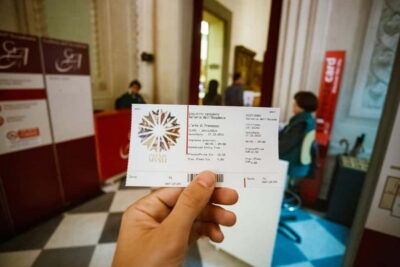
You should have the ticket ready on your phone. The ticket is valid for one day, and the activity is non-refundable, so check your date carefully before booking.
Visiting With Children, Teenagers, or Adults
Families are the clearest match for Bioparco. Young children can burn off energy in the park areas, see animals at a manageable pace, and take breaks without leaving the grounds. The zoo is also suitable for babies, with plenty of room to move at a slower pace.
Pay close attention to the child-ticket rule. Children under 1 meter tall enter free. Children over 1 meter and up to 10 years old need the child rate, and height is checked at the entrance. If you select a ticket based only on age and your child is taller than 1 meter, you may have to pay the difference on site.
Teenagers and adults should not dismiss the zoo as a little-kids-only activity. The animal range, peaceful setting, and Reptile House give it enough variety for older visitors. It can be a welcome change after several days of churches, ruins, and crowded squares.
The park is wheelchair accessible. The broad grounds may still make the day tiring, so plan pauses rather than trying to see every enclosure without stopping.
Heat, Rain, and Seasonal Timing
Rome’s summer heat can make an outdoor zoo visit hard work. A visit in very hot weather was described as uncomfortable, with the paths and open areas offering little relief at the hottest part of the day. In summer, go early, carry plenty of water, and consider a late afternoon time if opening hours allow.
Spring and autumn should be more comfortable for walking, though the supplied information does not give a fixed seasonal schedule. Winter visits can be quiet, with fewer people and a calmer atmosphere. The tradeoff is that some animals may be less active, and some enclosures may be closed for maintenance.
Rain does not automatically ruin the day. The grounds include indoor or covered areas, including the Reptile House, and a visit can still work with proper waterproof clothing. Still, check the forecast and expect parts of the route to be outdoors.
What I Like Most, and What Gives Me Pause
I like the combination of city convenience and green space. You remain in central Rome, but the sound and pace change quickly once you enter Villa Borghese. The setting gives you room to breathe, and it makes the zoo feel like a genuine break rather than another indoor attraction.
I also like the clear educational angle. Bilingual signs, conservation information, and the mix of species give the visit more value than simply ticking off a list of animals.
The main weakness is inconsistency. Some enclosures may look dated or too small, and construction can temporarily affect the route. Food is convenient but not especially varied, and hot weather can make the wide grounds tiring.
Animal sightings are never guaranteed. You may find bears swimming and playing, or you may find another animal asleep or hidden. That is part of visiting any zoo, but it is worth knowing before you promise children a perfect view of a favorite species.
Should You Book Bioparco di Roma?
Book it if you want a slower, greener day in Rome, especially after visiting the main historic sights. Families, animal lovers, and anyone traveling with a baby or teenager should find plenty to enjoy. The $25 price is sensible if you stay for several hours, bring water, and use the picnic areas.
Choose a weekday morning for quieter paths and better chances of seeing active animals. Buy food before entering if you want a proper lunch, and confirm the child’s height before selecting a ticket.
I would skip it only if your Rome schedule is extremely short, the weather is dangerously hot, or you expect every enclosure to match the newest international zoo standards. For everyone else, Bioparco is a pleasant and useful change of pace, with enough animals and space to fill a solid half-day or more.
FAQ
How many animals are at Bioparco di Roma?
The zoological garden has more than 1,200 animals representing about 200 species from five continents.
How much does the Bioparco entry ticket cost?
The listed price is $25 per person.
How long is the Bioparco ticket valid?
The ticket is valid for one day.
Does the ticket include skip-the-line entry?
Yes. The ticket provides access through a separate entrance line.
Are children under 1 meter admitted free?
Yes. Children under 1 meter enter free. Children over 1 meter and up to 10 years old should use the child rate.
How is the child ticket checked?
Children’s height is measured at entry. If the selected rate does not match the child’s height, the difference must be paid on site.
Is Bioparco accessible by wheelchair?
Yes. The activity is wheelchair accessible.
Is food available inside the zoo?
Yes. Food and drinks are available at locations including Bar Ninfeo, Ristorante Mascagni, Chiosco Oasi del Lago, and Bar Voliera. The food selection is limited, so bringing a picnic and water is a practical choice.
Just added around Rome
- Rome City, Pantheon, and Trevi Fountain Walking Tour★ 5.0 · 249 reviews
- Rome: Tivoli Day Trip with Villa d’Este and Villa Adriana★ 4.5 · 251 reviews
- Rome: Skip the line Vatican Museums & Sistine Chapel Tour★ 4.2 · 251 reviews
- Transfer Rome center – Ciampino Airport★ 4.5 · 251 reviews
- Rome: Cannondale E-Bike Evening Tour with Optional Dinner★ 4.9 · 251 reviews
- VIP Colosseum, Roman Forum & Palatine Hill & Special Access Sites★ 4.5 · 252 reviews
- Private Vatican Museums Hidden Gems Tour with Optional Pick-Up★ 5.0 · 253 reviews
- Vatican Museums & Sistine Chapel Skip-the-Line Guided Tour★ 4.6 · 254 reviews
Tickets, compared.

Vatican: Museums & Sistine Chapel Entrance Ticket
Read our review →
Cathedral and Duomo’s Terraces Entrance Ticket
Read our review →

Skip-The-Line Uffizi Gallery Timed Entry Ticket
Read our review →
Naples Underground Entry Ticket and Guided Tour
Read our review →
Pantheon Fast-Track Ticket and Official Audio Guide
Read our review →
Pompeii: Entry Ticket and Guided Tour with an Archaeologist
Read our review →