

Review · E-BIKES
Rome: Appian Way, Catacombs, & Roman Aqueducts E-bike Tour
Ancient Rome has room to breathe. This e-bike tour trades crowded streets for the Appian Way, quiet parks, ruined villas, and the giant arches of the Roman aqueducts. I especially like the blend of open-air history and countryside riding, plus the patient guides who keep the group together and explain what you are seeing. The catch is that this is a 27-kilometer ride, with uneven ground and some city traffic, so you need to feel steady on a bike.
I also like the choice between a four-hour route and a six-hour version with a guided catacomb visit. The Cannondale e-mountain bikes take much of the strain out of the distance, and guides such as Arina, Oscar, Agnese, Bita, and Cas have earned praise for careful road handling and lively storytelling.
The tour costs $85 per person. That is fair value if you want several far-flung Roman sights in one outing, especially since bike rental, helmet, guide, water, and a handlebar bag are included. You pay for the catacomb visit only on the six-hour version, while food and drinks are extra.
In This Review
- Key points to know before booking
- Why this Rome bike tour is different
- Starting at Via Labicana 49
- Through the Aurelian Walls and onto the Appian Way
- Catacombs: choose the six-hour route for the underground visit
- Circus of Maxentius and the Tomb of Cecilia Metella
- Villas, mausoleums, and the Roman countryside
- The Park of the Aqueducts is the big payoff
- Caffarella Valley and the ride back
- Bikes, fitness, and family suitability
- Price, languages, and practical value
- Who should book this Appian Way e-bike tour?
- FAQ
- How long is the Appian Way e-bike tour?
- How far do you ride?
- Is the tour suitable for beginners?
- How much city traffic is involved?
- Are electric bikes and helmets included?
- Can children join the tour?
- Is food included?
- Where does the tour meet?
Key points to know before booking

- Two routes offer different levels of history: Choose four hours for the outdoor ride, or six hours to go underground at the Catacombs of St. Callixtus or St. Sebastian.
- The ride covers 27 kilometers: About 60 percent is off-road, with gravel, bumpy paths, and park trails.
- The aqueducts are the visual high point: Their enormous arches cross the countryside in a memorable stretch of ancient engineering.
- City riding is limited but real: Around 40 percent of the route uses carefully selected streets, where traffic cannot be avoided.
- The bikes are a major advantage: Cannondale e-mountain bikes with anti-puncture tires make the long ride manageable for a range of fitness levels.
- The small group matters: The maximum is 10 people, giving the guide a better chance to monitor safety and help with bike handling.
Why this Rome bike tour is different
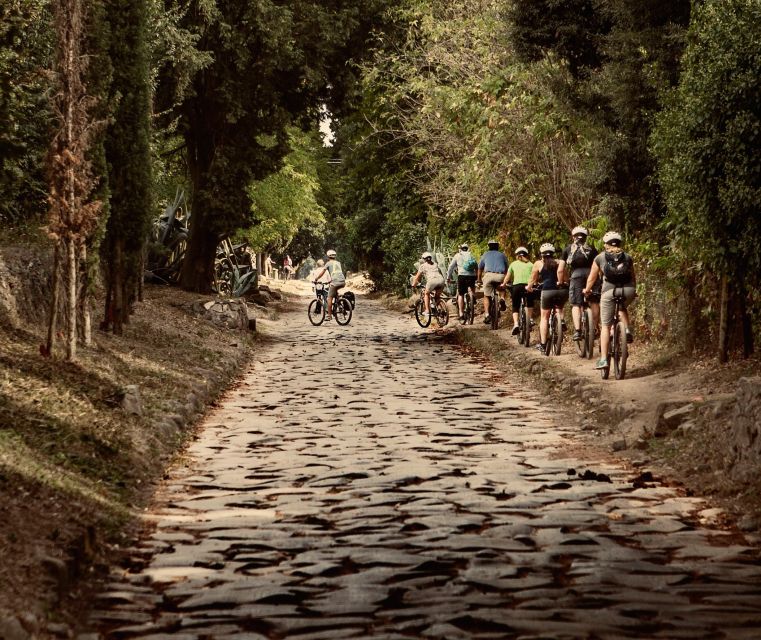
Rome can feel like an archaeological theme park around the Colosseum and Trevi Fountain. The Appian Way offers a different kind of day. You pedal past ruins that sit in fields, under umbrella pines, and along old stone roads where the city gradually gives way to open country.
I like this tour because it connects several Roman stories that are often visited separately. You see the defensive walls, the ancient road, imperial monuments, early Christian burial sites, aqueducts, and the green Caffarella Valley in one continuous route.
The e-bike also changes the equation. You still pedal, but the electric assistance helps on climbs and over the long distance. Several people who were new to e-bikes found the controls easy to learn, and families with children aged nine and older used the bikes independently. Still, the motor does not steer for you. You need basic bike confidence, especially on gravel and public streets.
The group is capped at 10 people, though the minimum is four. That is a useful size for city riding. A guide can position the group at crossings, watch for stragglers, and stop when someone needs help. The most consistent praise goes to the guides’ road awareness, clear instructions, and ability to keep different riding speeds together.
More Bike Tours in Rome
- Rome EBike Tour: Appian Way, Catacombs & Roman Aqueducts
★ 5.0 · 1,766 reviews - Rome: Top Highlights & Hidden Gems Tour by Cannondale E-Bike
★ 4.9 · 1,760 reviews - Rome City Small Group Bike Tour with quality Cannondale EBike
★ 5.0 · 1,380 reviews
Starting at Via Labicana 49
The meeting point is at Via Labicana 49, within walking distance of both the Colosseum and Manzoni Metro stations. From the Colosseum station, allow 10 to 15 minutes. Walk toward the Colosseum, then continue as the street becomes Via Labicana. From Manzoni, the walk takes about 10 minutes down Viale Manzoni toward the Colosseum.
Arrive ready to ride in comfortable shoes. Staff provide a helmet, and wearing it is required. You also receive a five-liter handlebar bag, useful for a phone, sunglasses, and a small layer, plus a biodegradable bottle of water.
The check-in process is designed around fitting the bike and covering safety basics. If you have never used an e-bike, ask for a short practice explanation before leaving. Guides have helped first-time riders learn the gears and electric assistance quickly, but it is better to understand the controls before entering Roman traffic.
Through the Aurelian Walls and onto the Appian Way
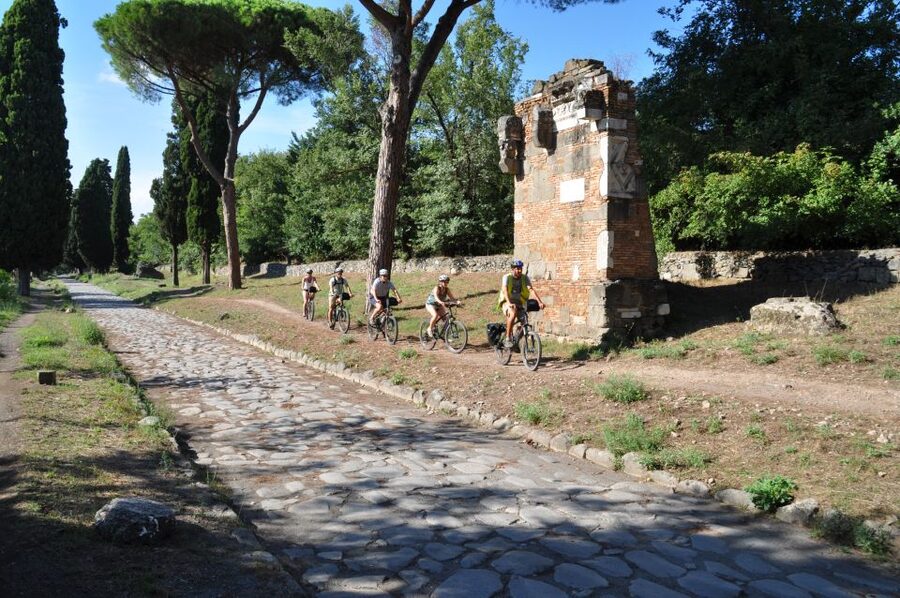
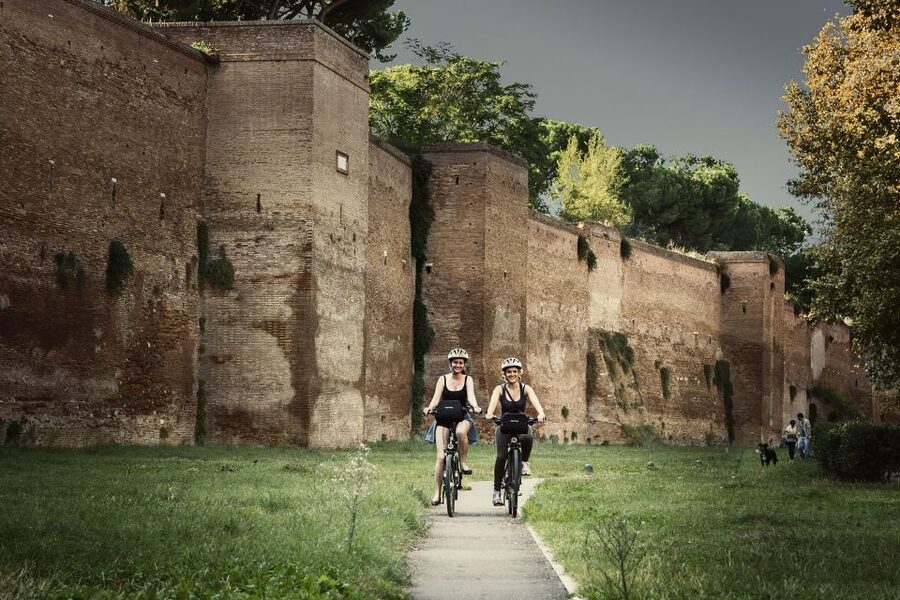
The ride begins by passing through St. Sebastian’s Gate in the Aurelian Walls. These walls once marked the edge of imperial Rome and give you an immediate sense that the city you know from its famous center was only one part of a much larger urban world.
From here, the group enters the ancient Appian Way, a road more than 2,300 years old. This was one of Rome’s great routes, built to connect the capital with southern Italy. Its importance was practical, military, political, and commercial. Today, the appeal is quieter: old paving stones, roadside tombs, fields, and fragments of Roman life spread along a rural corridor.
The road is not a smooth modern cycle path. Some sections are rough, and the surface can be uncomfortable if you are unused to off-road riding. The suspension and wide tires of a mountain bike help, though one rider noted that rear shocks would have been welcome on the bumpier stretches.
The guide stops at points with Roman remains, giving you time for photographs and short explanations. This is not a ride where you pedal past everything in a blur. The pauses help turn broken stones into a story.
Catacombs: choose the six-hour route for the underground visit
The four-hour tour stops near the catacombs for about five minutes. You receive an explanation of their purpose and importance, but you do not take the guided underground visit.
The six-hour tour includes a guided visit to the Catacombs of St. Callixtus or St. Sebastian. You descend into the crypts and corridors, where early Christian burial practices and Rome’s religious past become more tangible. This adds a darker, more intimate note to a route otherwise focused on roads, ruins, and open country.
I would choose the six-hour option if the catacombs are a priority or if this is your main Ancient Rome day. The visit gives the tour more depth and makes the extra two hours worthwhile. Choose four hours if you mainly want the ride, the Appian Way, and the aqueducts, or if you have limited stamina and a packed schedule.
The catacomb stop is also a break from cycling. That matters on a long outing, particularly in warm weather. Guides have been praised for making regular water stops, and one practical detail is worth remembering: food and drinks are not included. You may be able to buy something along the way, and some outings include a stop at a local pizzeria, but you should not count on a full meal unless your guide confirms it.
More E-Bike Tours in Rome
- Rome by Night – Ebike Small Group Tour – Food and Wine (Option)
★ 5.0 · 1,275 reviews - Rome:Appian Way E-bike Tour with Catacombs, Aqueducts & Food
★ 4.9 · 1,210 reviews - Rome: E-Bike Night Tour with Food and Wine Tasting
★ 4.9 · 1,131 reviews - Appian Way, Catacombs and Aqueducts Park Tour with Top E-Bike
★ 5.0 · 735 reviews
Circus of Maxentius and the Tomb of Cecilia Metella
The route continues past the Circus of Maxentius, part of a grand complex built under Emperor Maxentius in the early fourth century. The circus was used for chariot races, and its remains help you picture the scale of imperial entertainment beyond the better-known Circus Maximus.
Soon after comes the Tomb of Cecilia Metella, one of the Appian Way’s most recognizable monuments. Its round, fortress-like form rises beside the ancient road, a reminder that wealthy Romans placed large tombs along major approaches to the city.
These stops are valuable because the Appian Way is not just one ruin. It is a sequence of monuments, road surfaces, burial sites, estates, and later layers of use. You see how Roman public life and private wealth were displayed along the same route.
The pace is generally steady rather than frantic. Guides stop for explanations and pictures, which helps if members of your group have different cycling abilities. You should still expect a full day of movement on the six-hour version.
Villas, mausoleums, and the Roman countryside
Further along, the road passes ancient villas, mausoleums, tombstones, and the Villa dei Quintili. The villa complex belonged to wealthy Roman brothers and later became associated with imperial ownership. Even when only portions are visible from the cycling route, the scale of these estates shows how much luxury existed outside the city center.
This is the part of Rome I find most rewarding for people who have already seen the major ruins downtown. You get space, silence, and a better sense of the city’s edges. The countryside is not untouched, but the combination of fields, trees, ancient stone, and distant ruins gives the ride a calm rhythm that museums cannot provide.
The route also lets you see Rome as a working city rather than a collection of isolated monuments. You leave the historic center, pass through ordinary streets, then return to ancient infrastructure in the parks. That contrast is part of the experience.
The Park of the Aqueducts is the big payoff
The Park of the Aqueducts is the visual climax. Here, enormous rows of arches cross wide open ground, creating one of the most striking Roman views outside the center.
The aqueducts carried water toward Rome from springs and sources far beyond the city. Their builders depended on careful surveying and a gentle, steady gradient. The surviving arches are not merely picturesque ruins. They are evidence of a water system that supported baths, fountains, homes, and public life on a huge scale.
The e-bike is particularly helpful here because the route follows the aqueducts for a considerable distance before turning back toward modern Rome. You get time to stop, look up, and take pictures instead of treating the arches as a quick photo opportunity.
Light can make a big difference. Warm afternoon sun gives the brick and stone a soft glow, while cloudy weather creates a more muted, moody view. One outing remained enjoyable even in heavy rain, but good weather will make the parks more pleasant and the paths easier.
If your main reason for booking is the aqueducts, do not choose the shorter tour simply because it sounds easier without checking the route timing. Both versions include the aqueduct park, but the six-hour tour gives the day more room for the catacombs and longer stops.
Caffarella Valley and the ride back
After the aqueducts, the group crosses the green Caffarella Valley. This section brings more open space and a change of mood before the return to central Rome.
The valley is a useful reminder that Rome’s historic center does not tell the whole story. Ancient roads and monuments continue through natural areas, and the city’s outer parks preserve a slower side of Roman life.
The last part reconnects with city streets and leads back toward Via Labicana. This return is not completely traffic-free. Around 40 percent of the full route takes place in the city, and the guide uses selected roads to connect the Appian Way with the aqueduct park.
That city section is the part to take seriously. Several riders found it manageable because the guides were careful and strategic, but even confident cyclists described busy roads as the most stressful part. Follow instructions closely, keep your position, and do not assume the e-bike makes traffic easy.
The final route also passes the Baths of Caracalla area. These enormous public baths once served thousands of people and show how Roman engineering shaped daily life. Depending on the pace and traffic, this may be a sightseeing pass rather than a long visit, so do not expect a full exploration of every stop.
Bikes, fitness, and family suitability
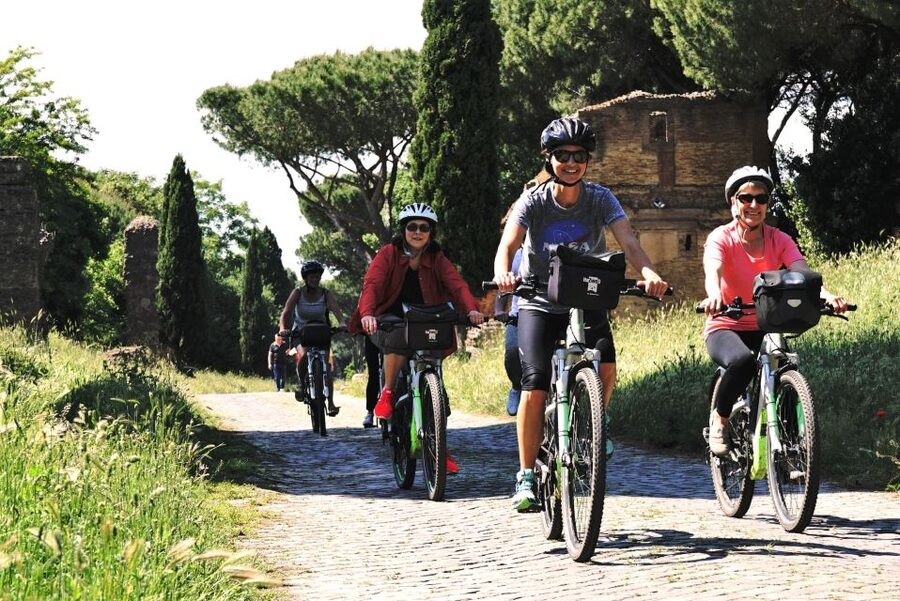
The Cannondale e-mountain bikes are among the tour’s strongest features. They come with anti-puncture tires and enough electric assistance to make the 27-kilometer route realistic for riders with moderate fitness. The motor helps on hills and reduces fatigue, but you still need to pedal, balance, brake, and handle uneven ground.
I would rate the physical level as intermediate. The distance alone is not the main issue. The harder parts are the rough surfaces, gravel, off-road sections, and city traffic. If you ride regularly, the route should feel like a long but manageable outing. If you rarely cycle, practice on an e-bike before booking.
Families can join, but the age setup matters:
- Children aged one to four can use a child seat, with a maximum weight of 22 kilograms, or 49 pounds.
- Children aged five to eight can ride on a child extension.
- Children aged nine and older can ride an e-bike independently.
- The tour is not suitable for babies under one year.
- The equipment has a total weight limit of 136 kilograms, or 300 pounds.
The tour can work well with older children and teens. Young riders who enjoy mountain-bike-style paths may find the rough sections more exciting than tiring. Younger children may cope well in a seat or on an extension, but parents should be comfortable with the long duration and changing surfaces.
Price, languages, and practical value
At $85 per person, this is a solid value for a half-day or full-day Rome activity. You receive the bike, helmet, water, bag, and guide, while the six-hour version adds a guided catacomb visit. The tour also covers sights that are spread across a large area, so cycling saves you from arranging separate transport between them.
The value is strongest if you want history with fresh air and movement. It is less attractive if you dislike cycling, want long indoor visits, or prefer to study each monument at length. This is a moving overview with meaningful stops, not a full archaeological excavation tour.
Live guiding is available in Dutch, Spanish, French, English, German, and Italian. The small group helps the guide give personal attention, especially when a rider needs help with the motor, gears, or route.
The booking terms are flexible: you can cancel up to 24 hours ahead for a full refund, and reserve now while paying later. On Wednesdays, allow about 30 extra minutes. The minimum group size is four, and if that number is not reached, an alternative or full refund is offered.
Who should book this Appian Way e-bike tour?
I would book this tour if you have already seen the Colosseum and central Rome, and now want Roman history with room around it. It is especially good for couples, families with older children, and active visitors who want a break from museums and crowded piazzas.
The six-hour option is best for a first visit to the Appian Way or anyone who wants the catacombs included. The four-hour option makes sense if you want the outdoor sights without committing to the underground visit.
I would skip it if you are uneasy on a bicycle, have trouble with gravel and uneven paths, or want a slow, polished sightseeing experience with no traffic. The e-bike removes much of the physical strain, but it does not remove the need for bike handling.
For everyone else, this is one of the better ways to see Rome beyond the usual circuit. The combination of ancient roads, burial monuments, aqueducts, parks, and careful guides gives you a day that feels active without becoming a race.
FAQ
How long is the Appian Way e-bike tour?
You can choose a four-hour tour or a six-hour tour. The six-hour version includes a guided catacomb visit, while the four-hour version stops at the entrance for a short explanation.
How far do you ride?
The full route is 27 kilometers, or about 17 miles. Around 60 percent of the ride is off-road.
Is the tour suitable for beginners?
You do not need advanced cycling skills, but you should be comfortable riding a bike. The route includes gravel, uneven ground, off-road paths, and city traffic, so the activity is rated intermediate.
How much city traffic is involved?
About 40 percent of the route takes place in the city. The guide uses selected streets, but some traffic is unavoidable while connecting the Appian Way with the Park of the Aqueducts.
Are electric bikes and helmets included?
Yes. The tour includes a Cannondale e-mountain bike with anti-puncture tires, a helmet, a five-liter handlebar bag, and a biodegradable bottle of water.
Can children join the tour?
Infants aged one to four can use a child seat, children aged five to eight can use a child extension, and children aged nine and older can ride an e-bike independently. Babies under one year are not permitted.
Is food included?
No. Food and drinks are not included, though you may be able to purchase them along the route.
Where does the tour meet?
The meeting point is Via Labicana 49. It takes about 10 to 15 minutes to walk there from Colosseum Metro station and about 10 minutes from Manzoni Metro station.
More Rides on Two Wheels
- Appian Way Aqueducts Bike Tour (Catacombs & Lunch Option)
★ 5.0 · 975 reviews - Rome: Appian Way E-Bike Tour Catacombs, Aqueducts & Picnic
★ 4.6 · 727 reviews - Rome: Appian Way Aqueducts Bike Tour (UPG Catacombs & Lunch)
★ 4.9 · 692 reviews - Rome: Appian Way & Catacomb Sunset E-bike Tour with Aperitif
★ 4.5 · 682 reviews
More Catacombs and Appian Way Trips
- Rome: Crypts and Catacombs Underground Tour with Transfers
★ 4.6 · 5,341 reviews - The Original Roman Crypts and Catacombs Tour with Transfers
★ 4.5 · 4,896 reviews - Rome: Catacombs of St. Callixtus Entry Ticket & Guided Tour
★ 4.6 · 3,037 reviews - Rome: Guided Roman Catacombs Tour with Transfers
★ 4.6 · 1,830 reviews
Just added around Rome
- Rome City, Pantheon, and Trevi Fountain Walking Tour★ 5.0 · 249 reviews
- Rome: Skip the line Vatican Museums & Sistine Chapel Tour★ 4.2 · 251 reviews
- Rome: Tivoli Day Trip with Villa d’Este and Villa Adriana★ 4.5 · 251 reviews
- Transfer Rome center – Ciampino Airport★ 4.5 · 251 reviews
- Rome: Cannondale E-Bike Evening Tour with Optional Dinner★ 4.9 · 251 reviews
- VIP Colosseum, Roman Forum & Palatine Hill & Special Access Sites★ 4.5 · 252 reviews
- Private Vatican Museums Hidden Gems Tour with Optional Pick-Up★ 5.0 · 253 reviews
- Vatican Museums & Sistine Chapel Skip-the-Line Guided Tour★ 4.6 · 254 reviews
E-Bikes, compared.

Rome EBike Tour: Appian Way, Catacombs & Roman Aqueducts
Read our review →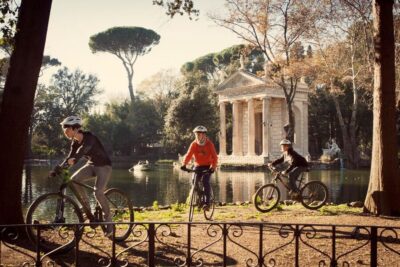
Top Highlights & Hidden Gems Tour by Cannondale E-Bike
Read our review →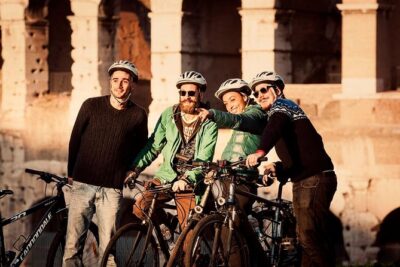
Rome City Small Group Bike Tour with quality Cannondale EBike
Read our review →
Rome by Night – Ebike Small Group Tour – Food and Wine (Option)
Read our review →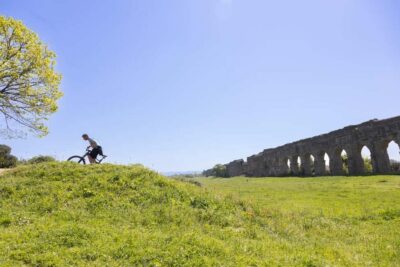
Appian Way E-bike Tour with Catacombs, Aqueducts & Food
Read our review →
Private Self-Guided E-Bike Ride in Tuscany with Vineyard Visit
Read our review →Browse the lists this tour appears in