
Review · COOKING CLASSES
Florence: Cooking Class with Local Food Market Tour
Come hungry, leave with pasta skills. This Florence cooking class combines a guided visit to the Central Market with a hands-on lesson in fresh pasta, lasagna, sauces, and tiramisù. I like the way the experience connects the ingredients to the finished meal, and I like that the cooking is genuinely practical rather than a chef’s demonstration from across the room. The main drawback is timing: the full version can last five hours, and the market portion may not operate on Sundays.
The small-group format helps. Several sessions had only four to six people, which gave chefs such as Alice, Roberta, Victoria, Federico, and Lisa time to offer individual help. You should also know that this is not a good fit for vegans, people with gluten intolerance, or anyone with significant mobility limitations.
In This Review
- Key points to know before booking
- Why this Florence food experience works
- Walking through the Central Market
- From flour to fresh pasta
- The Nonna-style lasagna lesson
- Making tiramisù from scratch
- Sitting down to a Tuscan feast
- The chefs and the small-group feel
- Is $63 a good value?
- Who should book this class?
- Shorter alternatives when time is tight
- FAQ
- How long does the Florence cooking class and market tour last?
- What food do you make?
- Is the class suitable for vegetarians?
- Is the class suitable for vegans or people with celiac disease?
- Is the Central Market visit included every day?
- What is included in the price?
- Should you book it?
Key points to know before booking
- Start with Florence’s Central Market: Taste cheeses, cured meats, olive oils, balsamic vinegar, and truffle products while learning how locals choose ingredients.
- Make the meal yourself: You work with fresh pasta, lasagna, ragù, seasonal sauces, ravioli or tagliatelle, and tiramisù.
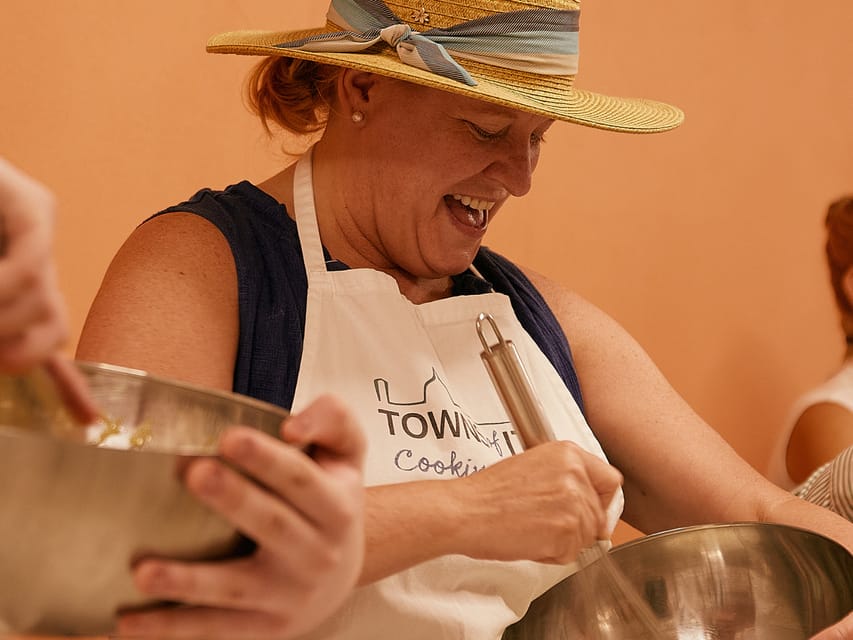
- Expect real participation: The class is built around rolling, shaping, mixing, assembling, and cooking, not simply watching a chef.
- Plan for a generous time commitment: The market and cooking class together usually take three to five hours, with some sessions lasting about five or six hours.
- Finish at the family table: Your meal comes with Tuscan wine, snacks, and a specialty dessert wine.
- Tell the provider about dietary needs early: Vegetarian alternatives are available, but the class is not suitable for celiacs or vegans.
Why this Florence food experience works
Florence has no shortage of pasta classes. Some are little more than a quick lesson followed by a plate of food. This one earns its longer format by adding the Central Market before you cook.
That opening market visit gives the food a setting. You do not just hear that olive oil matters in Italian cooking. You taste different oils and discuss what to notice. You do not simply see truffle on a menu. You sample truffle-based products and learn how they are used. The same goes for cheeses, cured meats, balsamic vinegar, and other seasonal products.
I especially like this connection between shopping and cooking. An Italian meal begins long before the pot reaches the stove. It starts with choosing good ingredients, asking questions at the counter, and knowing which products deserve a place at the table.
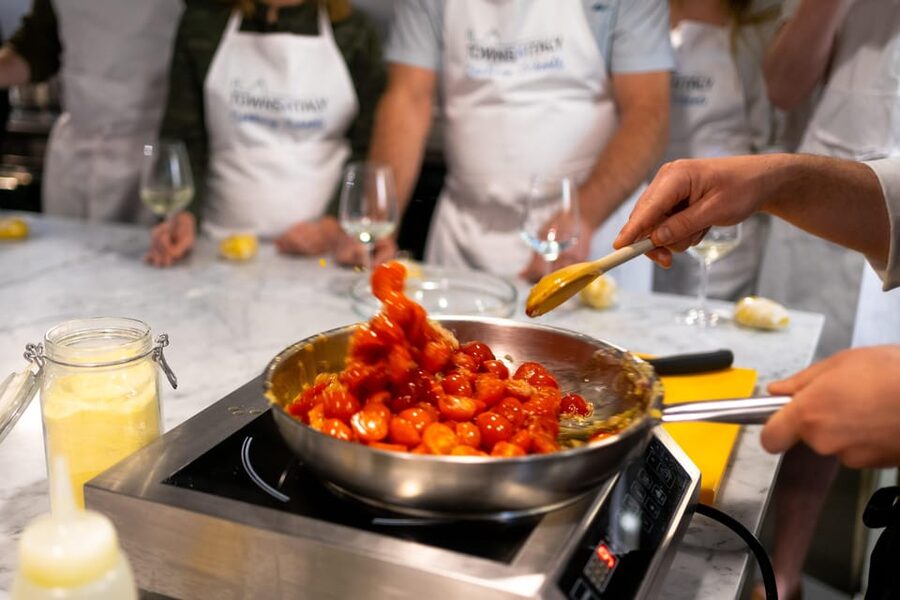
The cooking lesson then turns those ideas into lunch. You make fresh pasta from scratch, prepare sauces, work on a traditional lasagna with Bolognese ragù, and make tiramisù. The precise menu can vary, with sessions also featuring ravioli, tagliatelle, pesto, sage butter, and seasonal sauces.
The result is more than a meal. You leave with techniques you can repeat at home, plus a digital recipe booklet. That practical follow-through adds real value to the class.
More Cooking Classes in Florence
- Florence: Pasta Cooking Class with Unlimited Wine
★ 4.9 · 10,285 reviews - Florence: Pasta & Tiramisu Cooking Class with Unlimited Wine
★ 4.9 · 6,708 reviews - Florence: Pasta Cooking Class with Unlimited Wine
★ 5.0 · 6,413 reviews
Walking through the Central Market
The first part takes you into Florence’s historic Central Market with an English-speaking local chef. The purpose is not merely to point out stalls. You learn how to talk food, including how to ask a butcher for advice, select produce, and judge the quality of ingredients.
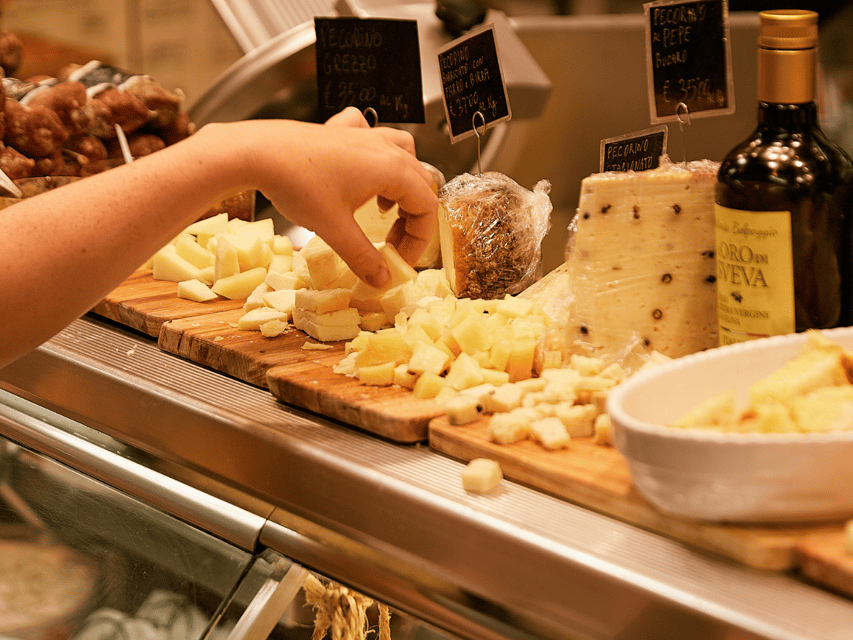
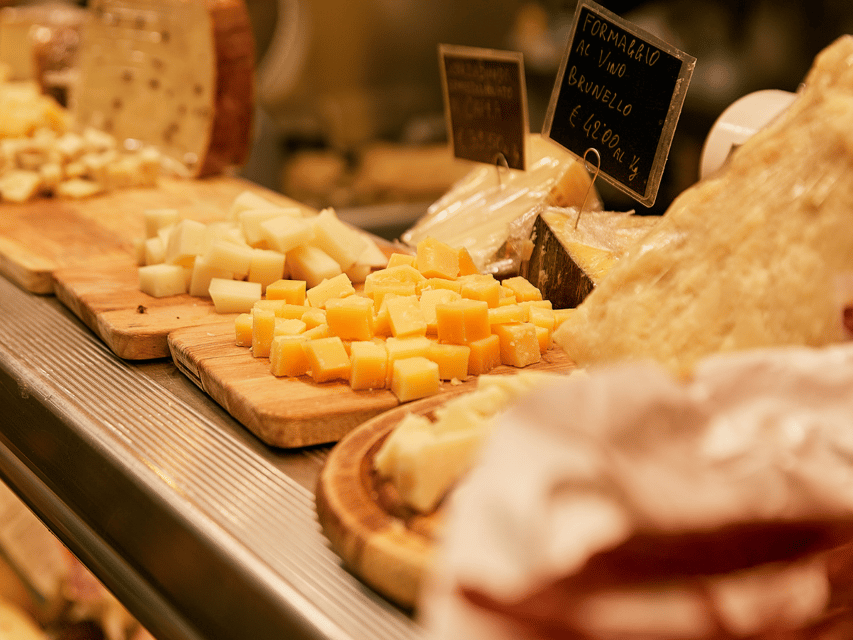
Tastings make this section lively and useful. You may sample artisanal cheeses, cured meats, olive oils, balsamic vinegar, porcini, and truffle products. One market stop focuses on truffles, and Emily at the Tartufa stall has made a strong impression on people who enjoy learning about these ingredients. If you like food shopping, this is the part that can turn a simple market visit into a memorable Florence activity.
The market also gives you a better sense of local food culture. You see where everyday ingredients come from and learn why certain products matter in Tuscan cooking. The guides explain regional habits and traditional uses rather than treating the market as a photo stop.
There is one practical weakness. The market can be noisy, and the walkways may be narrow. In a larger group, it may be hard to hear the guide from the back. Stay close to the chef and arrive ready to move with the group. Sunday sessions may not include the Central Market because it is closed, although the class can then spend more time cooking.
That Sunday adjustment is important. If the market is a major reason you want to book, check the day carefully. The cooking class still operates, but you will not receive the full shopping-and-cooking sequence.
From flour to fresh pasta
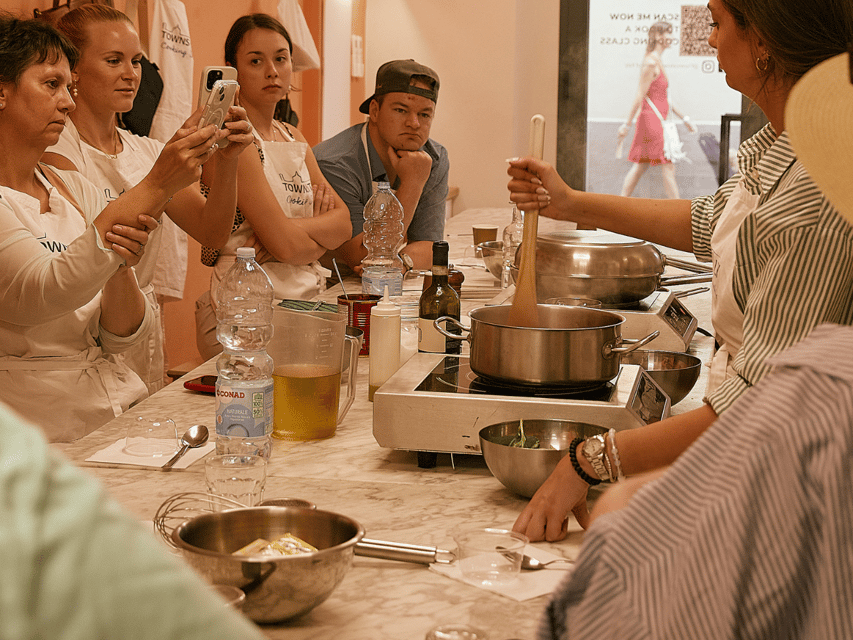
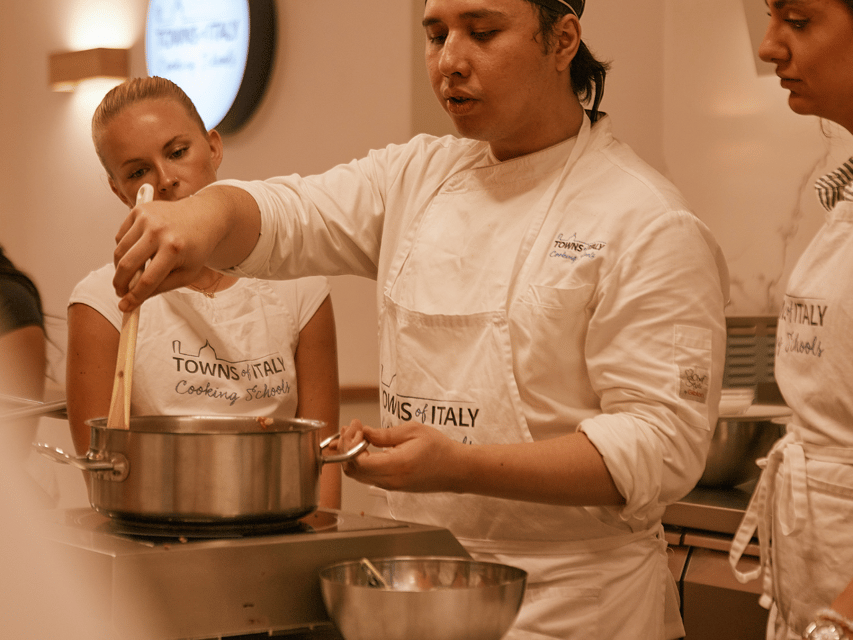
Back at the cooking school, you work beside the chef at a shared kitchen setup. The class is designed to be hands-on, and the strongest part is the steady rhythm of instruction followed by practice.
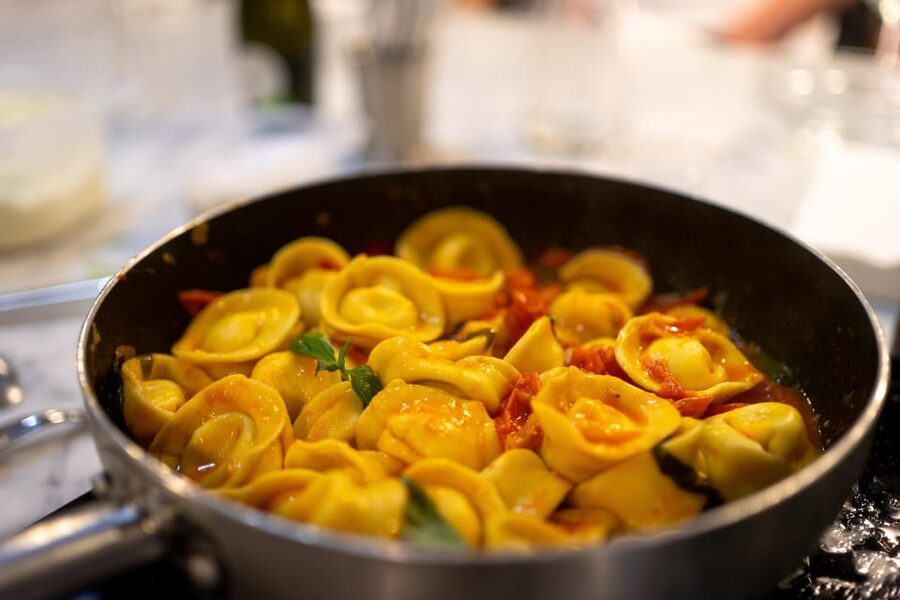
You may learn to roll pasta dough and shape two or three varieties. Depending on the session, that can mean tagliatelle, ravioli, or other fresh pasta shapes. The lesson also covers the sauces that make the pasta a meal, including Bolognese ragù, pesto, seasonal sauces, or sage butter.
This is where the chef makes a difference. Federico has been praised for clear pasta tips, while Alice has been described as both entertaining and attentive. Victoria has helped families and mixed-age groups work through the process patiently. Roberta brings humor along with instruction, which matters when your first sheet of pasta looks less than perfect.
The class does not require you to arrive as a cook. The recipes are traditional, but the tone is relaxed. You get guidance on mixing, rolling, shaping, seasoning, and preparation. The lesson is active without becoming frantic.
One useful detail is that the meal may include more than a single pasta dish. A session can include two pasta preparations, such as meat ragù with fresh pasta and ricotta-spinach ravioli. The ravioli with sage butter has been a particular favorite, and several people have found the homemade pasta among the best meals of their Italy trips.
Still, you should set realistic expectations. You are cooking as a group, so some parts of the sauces or shared preparations may be done together rather than individually. You shape your own pasta, but this is not a private chef lesson with complete control over every dish.
The Nonna-style lasagna lesson
The lasagna workshop centers on fresh pasta and Bolognese ragù. It is presented as a traditional recipe associated with the cooking-school legacy of Nonna Wilma, whose family-style approach shapes the class.
The value here is in seeing how a familiar dish is built. Lasagna is not treated as a heavy restaurant portion that appears from nowhere. You work through the pasta and sauce, then understand how the parts come together for the final meal.
This style of instruction is useful for cooks who want repeatable skills. The digital recipe booklet lets you revisit the method once you are home, and the chefs offer tips during the preparation. You can also ask questions as you work, rather than trying to remember a long demonstration afterward.
The class began more than 20 years ago, and that long history gives the format a clear identity. It is built around the idea of the Italian grandmother’s kitchen: direct instruction, simple ingredients, shared effort, and a meal eaten together.
Do not expect a museum-style lecture about lasagna. The focus is on cooking and eating. If you want a deep technical study of regional pasta, this may feel introductory. If you want to learn a classic dish in a friendly setting, it hits the mark.
More Food Tours in Florence
- Florence: Chianti Wineries Tour with Wine Tasting
★ 4.5 · 8,301 reviews - Small-Group Wine Tasting Experience in the Tuscan Countryside
★ 5.0 · 7,392 reviews - SMALL-GROUP Wine Safaris: Tuscan Wine Tasting Tours from Florence
★ 5.0 · 5,088 reviews - Winner 2025 Florence Sunset Food & Wine Tour by Eating Europe
★ 5.0 · 5,015 reviews
Making tiramisù from scratch
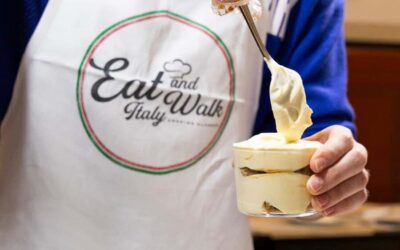
Tiramisù provides a pleasant change of pace after the pasta work. You prepare the dessert from scratch, with the chef explaining the ingredients and method as you go.
This part is especially useful because tiramisù is easy to recreate at home once you understand the basic process. One session even offered an alternative for someone who wanted a version without coffee. You should still mention such requests in advance, since options depend on the recipe and the kitchen’s ability to accommodate them.
The dessert also helps balance the class. Pasta making requires concentration and handwork. Tiramisù is a calmer project, and the group can talk while the components come together.
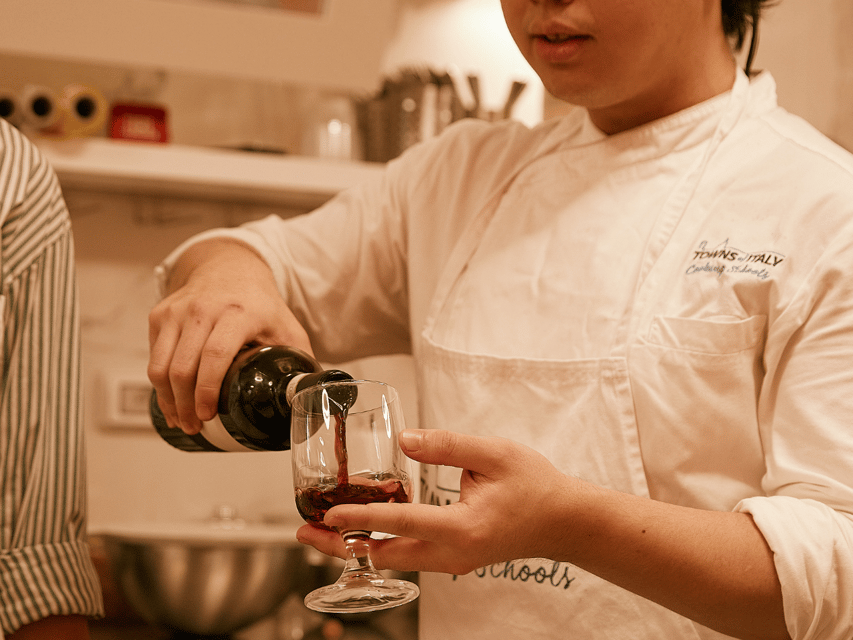
The meal finishes with a specialty dessert wine, adding a distinctly Italian touch. If you do not drink alcohol, ask about alternatives when booking. The supplied information confirms wine pairings and dessert wine, but it does not promise nonalcoholic substitutes.
Sitting down to a Tuscan feast
The best part comes after the work is done. You sit with the group and eat the food you prepared, with local Chianti and shared conversation.
This table setting turns the lesson into a social occasion. Solo visitors can meet people from other countries, while couples and families get an activity that keeps everyone involved. Three generations, including children and teenagers, have taken part successfully, though anyone under 18 must be accompanied by an adult.
The portions are described as generous, and the meal can include bread, cheese, snacks, pasta dishes, lasagna, ravioli, tiramisù, and wine. The exact spread depends on the session, but you should arrive with breakfast already eaten. One class did not serve lunch until around 1 p.m., so a light morning meal is sensible.
I also like the way the meal rewards the work. You are not simply handed a plate at the end. You remember the sauce because you stirred it, the pasta because you shaped it, and the tiramisù because you assembled it.
The social side is not forced. The chefs create a warm atmosphere with humor, music, and conversation, but you can still focus on the food. That balance helps explain why the activity suits solo visitors as well as groups.
The chefs and the small-group feel
The provider uses several chefs, so your instructor matters more than any fixed personality. Alice appears often in the experience and is praised for being fun, professional, patient, and clear. Roberta is described as both amusing and organized. Victoria is valued for her patience with families and her regional cooking knowledge.
Other instructors include Federico, Lisa, David, Stefano, Tommaso, and Jon. The teaching style may differ from one session to another, but the common thread is personal help and an entertaining approach.
Group size is important. A group of four to six gives you room to ask questions and receive help with dough or shaping. Larger sessions can still be enjoyable, but the market walk may be harder to hear, and the kitchen may feel busier.
The experience is conducted in English. You do not need advanced cooking vocabulary, but you should be comfortable following spoken instructions in a group setting.
Is $63 a good value?
At $63 per person, this is a fair price for Florence if you want a full food activity rather than a quick pasta lesson. The fee includes the market tour, tastings, instruction, ingredients, cooking equipment, a full meal, Tuscan wine, dessert wine, recipes, and a graduation certificate.
The market tastings are important to the value. You are receiving both a guided food-shopping experience and a cooking class, not just paying for pasta ingredients and a seat at a table.
The price is less compelling if you are mainly looking for a short lesson. In that case, you can switch at checkout to the three-hour pasta and gelato class, which skips the market. There is also a shorter cappuccino and tiramisù experience focused on moka coffee, cappuccino foam, tiramisù, and a small pastry.
For the full class, plan on three to five hours, with some sessions stretching longer. That time includes walking, tastings, preparation, pauses, and lunch. I would not place it beside a tightly scheduled museum booking or train departure.
Who should book this class?
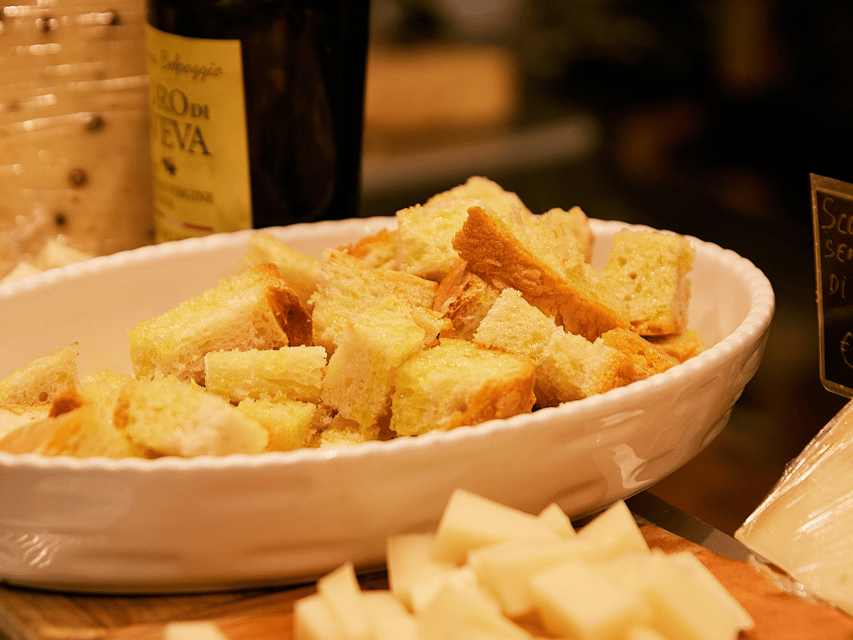
I would choose this for anyone who enjoys food, wants a social activity, or prefers learning by doing. It works well for couples, families with older children, adult children traveling with parents, and solo visitors who want an easy way to meet people.
You do not need to be a confident cook. The chefs guide you through the process, and the relaxed setting makes mistakes part of the fun.
It is less suitable for vegans, people with gluten intolerance, and especially anyone with celiac disease. Vegetarian and other alternative recipes are available with advance notice, but vegan options are not offered. Tell the provider about allergies or intolerances at booking.
Mobility also deserves attention. The experience includes a market walk and kitchen work, and it is listed as unsuitable for people with mobility impairments. If you have special needs, contact the provider first rather than hoping the setup will work on the day.
Arrive 15 minutes early. The departure is exact, and late arrivals are not entitled to a refund, even a partial one. Pets are not allowed.
Shorter alternatives when time is tight
The three-hour pasta and gelato class is the logical choice if you want hands-on pasta work without the market visit. You make fresh egg pasta, shape two or three varieties with seasonal sauces, watch a gelato demonstration, and receive recipes.
The cappuccino and tiramisù option is better for a compact food activity. You brew moka coffee, practice cappuccino foam, make tiramisù, and finish with a small Italian pastry.
Both alternatives solve the main weakness of the full experience: the long schedule. They do not offer the same market context or full Tuscan meal, so choose based on the part you value most.
FAQ
How long does the Florence cooking class and market tour last?
The experience lasts between three and five hours, depending on the option and schedule. Some sessions have lasted about five or six hours, so leave extra space in your day.
What food do you make?
The class includes fresh pasta, traditional Nonna-style lasagna with Bolognese ragù, seasonal sauces, and tiramisù. Some sessions also include ravioli, tagliatelle, pesto, or sage butter.
Is the class suitable for vegetarians?
Yes. Vegetarian and other alternative recipes are available, but you should notify the provider in advance.
Is the class suitable for vegans or people with celiac disease?
No. The experience is not suitable for vegans, people with gluten intolerance, or people with celiac disease.
Is the Central Market visit included every day?
The market visit is part of the full experience, but the Central Market is closed on Sundays. Sunday sessions may replace the market visit with additional cooking.
What is included in the price?
The price includes the guided market tour, tastings, cooking instruction, ingredients, professional equipment, the meal you prepare, Tuscan wine, specialty dessert wine, a digital recipe booklet, and a graduation certificate. Hotel pickup and drop-off are not included.
Should you book it?
Book this class if you want Florence through its food, not just a list of famous dishes. The strongest version is the market-and-cooking format, especially for first-time visitors who want local ingredients, practical pasta skills, and a relaxed meal with other people.
Choose a shorter option if your schedule is tight. Skip it if you need vegan or gluten-free cooking, have serious mobility concerns, or dislike group activities.
For most food-loving visitors, $63 buys a satisfying half-day with plenty to taste, make, and remember. Check the day of the week, alert the provider to dietary needs, arrive early, and keep your afternoon open.
More Italian Food and Wine Outings
- San Gimignano, Siena, Monteriggioni, Chianti Day Trip with Lunch & Wine Tasting
★ 4.5 · 4,432 reviews - From Florence: Small Group Wine Tasting Tour to Tuscany
★ 4.9 · 3,902 reviews - Florence: Cinque Terre Park Day Trip with Optional Street Food
★ 4.5 · 3,593 reviews - Florence: Siena, San Gimignano & Monteriggioni with Tasting
★ 4.6 · 3,218 reviews
More Hands-On Cookery Sessions
- Cooking Class and Lunch at a Tuscan Farmhouse with Local Market Tour from Florence
★ 5.0 · 4,831 reviews - Pastamania – Florence Pasta Making Class
★ 5.0 · 3,050 reviews - Florence: Cooking Class Pasta & Tiramisu Making Unlimited Wine
★ 5.0 · 2,234 reviews - Florence Cooking Class The Art of Making Gelato & Authentic Pizza
★ 5.0 · 2,053 reviews
Just added around Florence
- Palazzo Vecchio guided experience with entrance ticket★ 4.5 · 249 reviews
- Lucca Bikes and Bites with food tastings for Small Groups or Private★ 5.0 · 249 reviews
- Perfume Masterclass in Florence: Make your Own Personal Fragrance★ 4.5 · 253 reviews
- Florence Oltrarno Neighborhood Food & Wine Dine Around★ 5.0 · 253 reviews
- Florence: Cathedral, Dome and Terraces Guided Tour★ 4.5 · 253 reviews
- Florence: 1.5-hour Santa Croce Guided Experience★ 4.8 · 254 reviews
- Florence: Pitti Palace and Palatina Gallery Ticket and Tour★ 4.9 · 255 reviews
- Private Florence Tour by Golf Cart ETukTuk with Audio Guide★ 4.0 · 256 reviews
Cooking Classes, compared.

3 in 1 Cooking Class near Navona: Fettuccine, Ravioli & Tiramisu
Read our review →
Pasta & Tiramisu Cooking Class with Unlimited Wine
Read our review →
Cooking Class and Lunch at a Tuscan Farmhouse with Local Market Tour from Florence
Read our review →
Pasta Making Class with Wine, Limoncello, and Dessert
Read our review →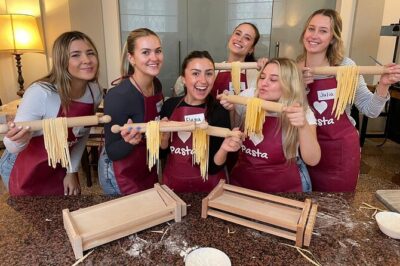
3-in-1 Fettuccine, Ravioli, and Tiramisu Cooking Class
Read our review →Browse the lists this tour appears in