
Review · COOKING CLASSES
Bologna: Pasta and Tiramisu Cooking Class with Wine
Good food makes Bologna easier to remember. This three-hour class takes you into a central Bologna restaurant, where you learn to prepare fresh pasta and tiramisu before sitting down to eat with the group. I like the hands-on format and the friendly, relaxed teaching style reported from instructors including Luca, Al, Steven, and Peter. I also like that the $57 price includes Prosecco, wine, lunch or dinner, and both dishes you prepare.
The main consideration is that this is a social restaurant class, not a quiet private lesson. You may work with a mixed group, and the recipes focus on traditional pasta made with gluten, dairy, and eggs. Substitutions may be available, but strict allergy and dietary requirements are not guaranteed to be fully protected from cross-contamination.
In This Review
- Key points before you book
- Why a Bologna cooking class makes sense
- Arrival with Prosecco in central Bologna
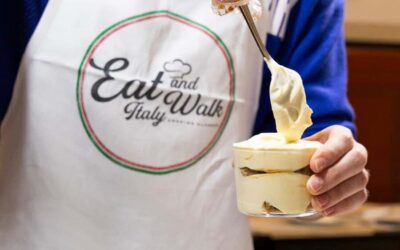
- Tiramisu comes first
- Making pasta by hand
- Your pasta becomes lunch or dinner
- The instructors shape the atmosphere
- What the $57 price includes
- Dietary restrictions need careful thought
- Families, solo visitors, and couples
- Practical planning for your three hours
- A few honest drawbacks
- Should you book this Bologna class?
- FAQ
- How long does the Bologna pasta and tiramisu class last?
- What food and drinks are included?
- Is the class taught in English?
- Can people with dietary restrictions take part?
- Are children allowed to join?
- Can I cancel the booking?
Key points before you book
- Two classic recipes in three hours: You make tiramisu first, then fresh pasta, before eating together.
- A central Bologna setting: The class takes place inside a popular restaurant in the city center, making it easy to fit around sightseeing.
- Wine is part of the experience: You receive Prosecco on arrival and a glass of wine with the meal.
- The teaching is relaxed and clear: Luca, Al, Steven, and Peter are repeatedly praised for humor, patience, and easy-to-follow instruction.
- The meal is part of the value: Your pasta is cooked and served with sauces, and you finish with the tiramisu you prepared.
- Dietary caution matters: Traditional instructions use gluten, dairy, and eggs, and vegans, people with food allergies, and people with gluten or lactose intolerance are listed as unsuitable.
Why a Bologna cooking class makes sense
Bologna is one of Italy’s best cities for a food-focused activity. You are in Emilia-Romagna, the home region of many dishes visitors associate with Italian cooking. A class gives you more than another restaurant meal because you see the basic work behind two familiar favorites.
I especially like the choice of recipes. Tiramisu is approachable and rewarding, while fresh pasta gives you a practical skill to take home. You are not being asked to prepare an enormous menu in a short time. Instead, you focus on two dishes and learn how they are built.
The setting also helps. This is held in a working restaurant, not an isolated demonstration kitchen. That means you get a glimpse of how the food operation functions, then sit down in the same place for the meal. The tradeoff is that the class may feel less polished than a purpose-built culinary school, but it can feel more connected to everyday restaurant life in Bologna.
More Cooking Classes in Bologna
- Bologna Local Pasta Cooking Class, Ragu, Spritz, Wine & Gelato
★ 5.0 · 527 reviews - Pastamama, Home Cooking Classes at Grace’s Home
★ 5.0 · 521 reviews - Bologna: Pasta and Tiramisu Small Group Cooking Class with Wine
★ 5.0 · 409 reviews
Arrival with Prosecco in central Bologna
The class begins with a welcome glass of Prosecco. That small touch sets an informal tone, especially if you are joining alone or meeting other people in the group for the first time.
You then wash your hands, put on an apron, and move to the practical work. Comfortable clothes are the sensible choice. You will be handling flour, dough, and dessert ingredients, so this is not the moment for your best evening outfit.
The restaurant location is useful if you are building a day around central Bologna. You do not need to arrange separate transport as part of the activity, and the experience lasts about three hours. Check the available starting times when booking, since the class may work better as a long lunch or an evening meal depending on your sightseeing plans.
One small arrival issue is worth knowing. The meeting information may give you an address without making the restaurant name completely clear. If you arrive and are unsure, check the address carefully and ask the restaurant staff for the cooking class. Some participants have found the initial welcome a little unclear before the instructor takes over.
Tiramisu comes first
The first cooking task is tiramisu. This is a smart opening because the dessert needs time to come together before you eat it. You prepare the dessert early, then move on to pasta while the class continues.
The instructor explains the traditional recipe and discusses where tiramisu came from, along with the techniques that affect its texture and taste. You learn by making it, not simply by watching someone assemble a finished dish.
This part should suit beginners. The instructors are used to explaining the steps clearly and repeating them when necessary. Luca is often praised for making instructions easy to follow, while Al is described as patient and efficient. Steven is also known for mixing practical teaching with facts about Bologna and the surrounding area.
The tiramisu is made in the traditional style, so expect dairy and eggs. The information for the activity says substitutes can be offered for some food preferences, but the teaching remains based on the classic recipe. If you have a serious allergy or need to avoid cross-contamination, this class is not a safe choice.
Making pasta by hand
After the dessert, you move to the pasta station. This is the most instructive part of the class, especially if you have never made fresh pasta.
You learn how to prepare the dough step by step. The instructor explains the difference between types of flour and between pasta fresca, fresh pasta, and pasta secca, dried pasta. You then roll, cut, and shape the dough.
The class may include two pasta styles. Several accounts describe making tagliatelle along with a second pasta, including stuffed pasta with spinach and ricotta. The exact pasta shapes can vary, so you should not assume that every session follows precisely the same menu.
The teaching seems designed for people who are not confident cooks. You do not need advanced kitchen skills to take part. The instructors keep the pace moving while helping people who need another explanation or a little hands-on support.
That makes the class a good option for couples, families with older children, solo visitors, and first-time pasta makers. It also works for experienced home cooks who want context about Italian methods, though you should not expect a professional chef-training session.
More vineyard visits and tastings:
- Bologna Food & Market Tour with 6 Tastings, Pasta, Wines & More
★ 5.0 · 1,328 reviews - Tuscany Day Trip from Florence: Siena, San Gimignano, Pisa and Lunch at a Winery
★ 5.0 · 21,634 reviews - Florence: Pasta Cooking Class with Unlimited Wine
★ 4.9 · 10,285 reviews - Florence: Chianti Wineries Tour with Wine Tasting
★ 4.5 · 8,301 reviews
Your pasta becomes lunch or dinner
A key strength is that the class does not end when the dough is shaped. The restaurant kitchen cooks the pasta, then serves it with sauces for the shared meal.
One account describes tomato sauce and burnt butter with sage, along with spinach and ricotta pasta and tagliatelle. Those details give you a sense of the meal, although the precise sauces may vary. You are eating the results of the class, not carrying uncooked dough away.
The meal is served to the group, which turns the final part into a shared table experience. You drink a glass of wine, compare your pasta efforts, and talk with people from different countries. The social side is not an optional extra here. It is part of the character of the class.
The portions sound generous enough that you should arrive hungry. One useful warning: do not plan a full dinner afterward. The food, wine, and tiramisu make this more substantial than a brief lesson followed by a small sample.
The instructors shape the atmosphere
The strongest pattern in the feedback is the quality of the instructors. Luca is frequently described as humorous, relaxed, friendly, and clear. Al is praised for excellent English, patience, and keeping the session moving. Steven combines cooking instruction with jokes and local information, while Peter is noted for being personable and attentive.
That matters because pasta making can become frustrating if the teacher rushes or explains only once. Here, the reported style is encouraging rather than formal. You can ask questions, repeat a step, and still feel part of the group.
The tone also varies with the class size. A larger group can create more energy and conversation, while a smaller group may give you more direct help. One small class of three solo participants was described as comfortable and friendly, while another participant wished there had been more people. You cannot control that balance, so book this with an open mind about the social format.
The wine adds to the relaxed mood, but it also means this may not be the ideal activity if you want a strictly sober, highly technical lesson. The experience includes Prosecco and wine as part of the advertised package.
What the $57 price includes
At $57 per person, the price is fair if you value the complete evening rather than just the instruction. You receive:
- A welcome glass of Prosecco
- The pasta and tiramisu lesson
- The meal made from the class
- A glass of wine with lunch or dinner
A cooking class can be poor value when you pay for a demonstration and still need to find a meal afterward. That is not the case here. The class lasts about three hours and includes a substantial sit-down meal, which makes the price easier to justify in an expensive food city.
You are also paying for the setting and the social experience. If your only goal is to learn a pasta recipe as cheaply as possible, a market demonstration or online lesson costs less. But if you want food, instruction, drinks, and conversation in one central Bologna activity, this package is sensibly priced.
The value is strongest for people who will actually use the skills at home. You learn dough preparation, pasta shaping, and a dessert you can repeat for friends or family. The class does not promise a take-home recipe booklet in the available information, so bring a phone or notebook if you want to record tips, provided the instructor allows it.
Dietary restrictions need careful thought
The activity information contains an important warning. Substitutions may be possible for allergies or food preferences, but the instructions always focus on the traditional recipes, which contain gluten, dairy, and eggs. Cross-contamination cannot be ruled out.
The formal suitability information lists vegans, people with food allergies, people with gluten intolerance, and people with lactose intolerance as unsuitable. It also says to notify the provider of dietary needs when booking. These points should not be treated casually.
There is some tension in the information because vegetarian and vegan options are also mentioned as available. The safest reading is that vegetarian participation may be workable, while strict vegan, gluten-free, lactose-free, or allergy-safe participation is not guaranteed. Contact the provider before paying if your diet is medically important.
You will sample the dishes you prepare, so do not book expecting to cook only for other people. The experience is built around tasting the final meal.
Families, solo visitors, and couples
This class suits couples looking for a shared activity that is more memorable than a standard meal. It also works well for solo visitors because the group format gives you an easy way to meet people. Several accounts describe making friends and enjoying the company around the table.
Families can also consider it, but note the age restrictions. Children under three and babies under one year are not suitable for the activity. Older children have taken part successfully, though the class remains a three-hour cooking session with wine and adult-focused social time.
If you are traveling with children, tell the provider in advance and keep your expectations practical. The available information does not promise a separate children’s menu or special child-focused instruction.
Practical planning for your three hours
Wear comfortable clothing and arrive ready to work with your hands. The activity begins with hand washing and aprons, but you should still choose clothes that can handle a little flour or food splatter.
Allow the full three hours. The class may occasionally run longer if the group is enjoying the meal and conversation, but you should not rely on extra time when planning another reservation.
The class is taught in English. The instructors are repeatedly praised for speaking clearly, explaining steps well, and helping participants from different countries. That makes the activity accessible if English is your main travel language.
Cancellation is flexible up to 24 hours before the start for a full refund, and you can reserve now and pay later. Those policies are useful if your Bologna schedule is still changing, but the bigger planning issue is meal timing. Treat this as lunch or dinner, not a quick stop between attractions.
A few honest drawbacks
The class has plenty going for it, but it is not perfect for every visitor. The restaurant setting can make arrival slightly confusing if the venue name is not obvious on your confirmation.
You also may not cook the pasta yourself once it is shaped. The restaurant chef handles the cooking, then serves the finished pasta. For many people, that is convenient and produces a better meal. If you want to control the boiling time, sauce, and final plating, this experience may feel less hands-on than expected.
The recipes remain traditional even when substitutions are offered. That limits the class for people with strict dietary needs.
Finally, group chemistry affects the evening. A friendly group can make the meal feel special, while a quieter group may leave the social side less memorable. The instructor helps, and the repeated praise for Luca, Al, Steven, and Peter is reassuring, but no class can guarantee a particular group dynamic.
Should you book this Bologna class?
I would book it if you want a relaxed food activity with real participation, a full meal, and a chance to meet people. The combination of fresh pasta, tiramisu, Prosecco, wine, and a central restaurant makes this a strong use of three hours in Bologna.
Book with confidence if you are a beginner, a couple, a solo visitor, or a family with children old enough to take part. The instruction appears friendly and practical, and the $57 price includes enough food and drink to replace another meal.
I would skip it if you need a strict allergen-free kitchen, a vegan menu, a private lesson, or a fully technical chef course. For everyone else, come hungry, wear comfortable clothes, and leave your evening open. The best part is not just learning to shape pasta. It is sitting down afterward and eating a meal you helped make.
FAQ
How long does the Bologna pasta and tiramisu class last?
The class lasts three hours. Starting times vary, so check availability when booking.
What food and drinks are included?
The activity includes a welcome glass of Prosecco, the pasta and tiramisu cooking class, lunch or dinner, and a glass of wine with the meal.
Is the class taught in English?
Yes. The listed class language is English.
Can people with dietary restrictions take part?
You should tell the provider about dietary needs when booking. Substitutions may be available, but traditional instructions contain gluten, dairy, and eggs, and cross-contamination cannot be guaranteed. The activity lists vegans, people with food allergies, and people with gluten or lactose intolerance as unsuitable.
Are children allowed to join?
Children under three years old and babies under one year old are not suitable for the activity. The available information does not provide a separate children’s program.
Can I cancel the booking?
You can cancel up to 24 hours in advance for a full refund. The reserve-now, pay-later option is also available.
More Pasta
- Bologna: Food Tour with Pasta Tasting & Local Specialties
★ 4.8 · 312 reviews - Florence Pizza or Pasta Class with Gelato Making at a Tuscan Farm
★ 5.0 · 6,801 reviews - Florence: Pasta Cooking Class with Unlimited Wine
★ 5.0 · 6,413 reviews - Rome: Pasta & Tiramisu Class with Fine Wine by the Vatican
★ 4.9 · 4,852 reviews
More Hands-On Cookery Sessions
- Bologna: Pasta Tagliatelle Ragu Cooking Class with Spritz
★ 4.9 · 407 reviews - Bologna on the plate, Cooking Class with Alessia
★ 5.0 · 260 reviews - 3 in 1 Cooking Class near Navona: Fettuccine, Ravioli & Tiramisu
★ 5.0 · 7,376 reviews - Florence: Pasta & Tiramisu Cooking Class with Unlimited Wine
★ 4.9 · 6,708 reviews
Just added around Bologna
- Ravenna: UNESCO Mosaics Entry Tickets★ 4.7 · 255 reviews
- Bologna on the plate, Cooking Class with Alessia★ 5.0 · 260 reviews
- Maranello: Ferrari Museum Entry Ticket and Simulator★ 4.5 · 261 reviews
- Cavedoni Balsamic Vinegar Tour: The Oldest in Modena★ 5.0 · 267 reviews
- Bologna: Food Tour with Pasta Tasting & Local Specialties★ 4.8 · 312 reviews
- Riccione: Oltremare Park Entrance Ticket★ 4.5 · 313 reviews
- Bologna: Lamborghini Museum Entrance Ticket★ 4.3 · 330 reviews
- Bologna Private Food Tour with 6 or 10 Tastings★ 4.5 · 344 reviews
Cooking Classes, compared.

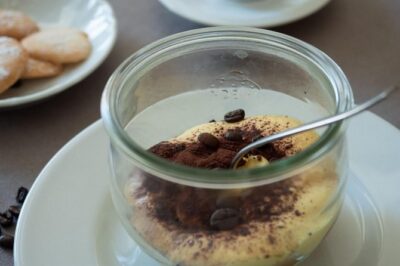
3 in 1 Cooking Class near Navona: Fettuccine, Ravioli & Tiramisu
Read our review →
Pasta & Tiramisu Cooking Class with Unlimited Wine
Read our review →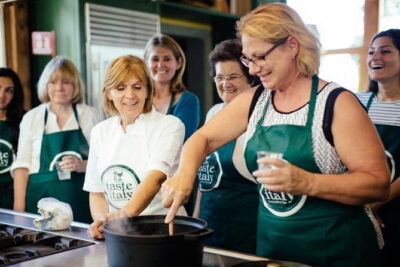
Cooking Class and Lunch at a Tuscan Farmhouse with Local Market Tour from Florence
Read our review →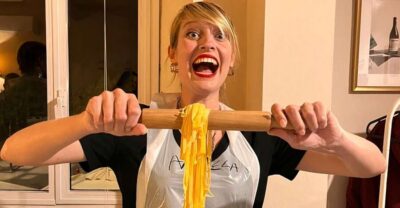
Pasta Making Class with Wine, Limoncello, and Dessert
Read our review →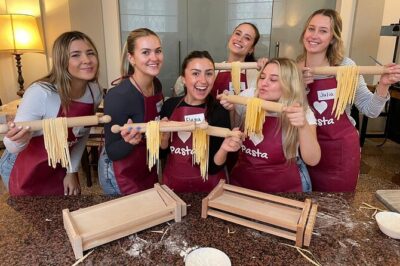
3-in-1 Fettuccine, Ravioli, and Tiramisu Cooking Class
Read our review →Browse the lists this tour appears in