
Review · MUSEUMS
Bologna: Lamborghini Museum Entrance Ticket
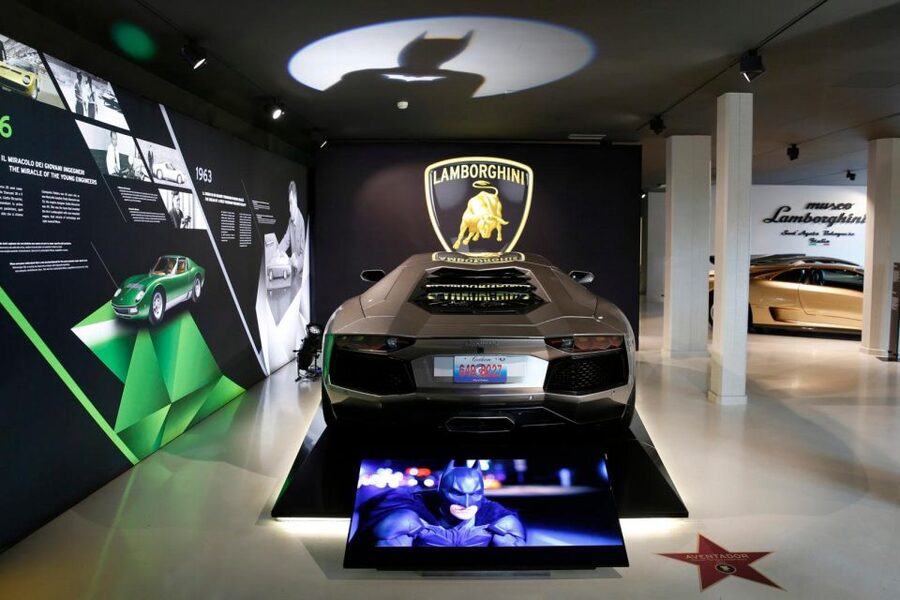
A Miura can make a museum visit worthwhile. The Lamborghini Museum in Bologna brings together early Ferruccio Lamborghini creations, famous classics, and newer supercars in one compact collection. I like the chance to see landmark cars such as the Miura and Countach, and I also like how the displays connect Lamborghini’s past with hybrid-era models such as the Sian and Countach LPI 800-4.
The $20 entrance price is reasonable for a focused car museum, especially if you already love Italian design or high-performance machinery. My main consideration is size: the collection may keep you busy for about an hour, but it is not a full-day attraction, and the Lamborghini factory tour is not included.
In This Review
- Key Points Before You Go
- What the Lamborghini Museum Does Best
- Ferruccio Lamborghini and the First Great Ideas
- From the Miura to the Countach
- Modern Supercars on Display
- The Hybrid Future: Sian and Countach LPI 800-4
- How Long Should You Plan to Stay?
- Is the $20 Ticket Good Value?
- Visiting With Children and Accessibility Needs
- A Practical Way to See the Collection
- Who Will Enjoy This Museum Most?
- Should You Book the Lamborghini Museum?
- FAQ
- Where is the Lamborghini Museum located?
- What does the $20 ticket include?
- Is the Lamborghini factory tour included?
- How long is the ticket valid?
- How long does the museum visit take?
- Can I cancel the booking?
- Can I reserve now and pay later?
- Is the museum wheelchair accessible?
- Can minors visit without an adult?
- Which Lamborghini models can I see?
Key Points Before You Go
- Ferruccio Lamborghini’s story: Learn about the founder’s work and the ideas behind the company’s first visionary cars.
- Miura and Countach classics: See two of Lamborghini’s most important models alongside newer machines.
- Modern limited-production cars: The display includes the Huracán Performante, Aventador SVJ, Centenario, Sesto Elemento, and Veneno.
- Hybrid technology: The Sian and Countach LPI 800-4 show how the brand is moving into a new period.
- Short, focused visit: Plan on roughly an hour for the main museum experience, with extra time if you study every display.
- Important ticket limit: This admission covers the Lamborghini Cars Museum only, not the factory tour.
What the Lamborghini Museum Does Best
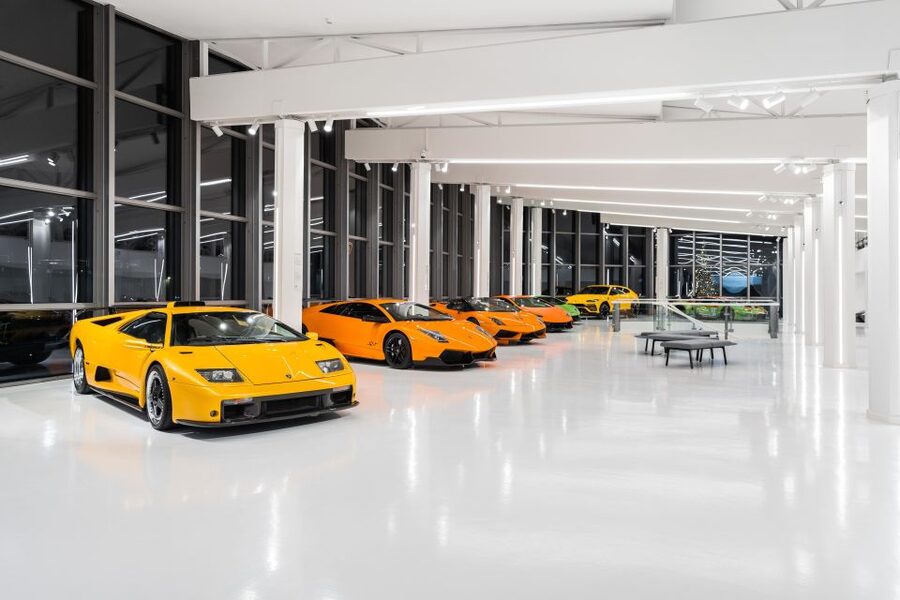
This is a museum for people who want to see the cars up close rather than simply read about the company. The collection presents Lamborghini as a series of bold design decisions, from Ferruccio Lamborghini’s earliest ideas to modern limited-production supercars.
I especially like the way the museum brings old and new models together. The Miura and Countach are not just attractive classic cars. They represent major points in Lamborghini’s development, and seeing them near newer cars helps you compare the changing shapes, materials, and ideas behind the brand.
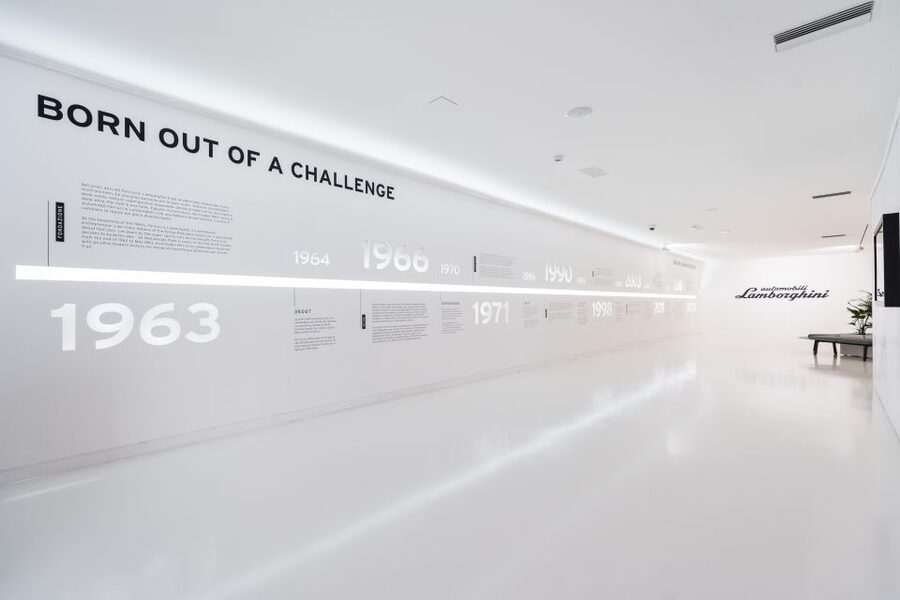
The museum also gives you a look at Ferruccio Lamborghini himself. That matters because the company’s identity begins with its founder, not only with the cars that later made the name famous. The displays introduce his life and work and help explain why the first Lamborghini creations were so different from ordinary production cars of their era.
You should keep your expectations in check. This is not a massive transport museum with rows of vehicles stretching through several halls. The collection is focused, and that is part of its appeal, but it also means the visit can feel brief if you are hoping for a whole afternoon of exhibits.
More Museum Tours in Bologna
- Maranello: Ferrari Museum Entrance Ticket
★ 4.6 · 1,505 reviews - Maranello and Modena: Ferrari Museums Combo Tickets
★ 4.7 · 994 reviews - Maranello: Ferrari Museum and Fiorano Track Combo Eco Tour
★ 4.4 · 515 reviews
Ferruccio Lamborghini and the First Great Ideas
Start with the early part of the collection, where the museum looks at Ferruccio Lamborghini and the company’s first creations. This section gives the cars a useful setting. Instead of treating each model as an isolated object, it shows a path from one ambitious idea to the next.
The Miura is likely to be a major reason for many people to visit. It is one of the museum’s key classic cars, and seeing it in person gives you a better sense of its low, purposeful shape than photographs can provide. If the Miura has been on your personal wish list, allow time to look carefully rather than rushing straight to the newer cars.
The Countach offers a very different kind of appeal. Its shape is dramatic and instantly recognizable, with a design that feels more like a machine from a poster than an everyday car. Together, the Miura and Countach show why Lamborghini became so closely tied to daring styling as well as speed.
I would make these classic models the center of your visit. The latest cars may attract the first glance, but the older cars explain the company’s character. They show the visual risks that helped define Lamborghini long before hybrid technology entered the story.
From the Miura to the Countach
The museum’s classic cars work best when you compare them rather than view them one at a time. The Miura represents one stage of Lamborghini’s development, while the Countach pushes the design language in a sharper, more theatrical direction.
That comparison is useful even if you are not a serious car expert. You can see how the brand moved from a sleek, flowing profile to a more angular and forceful look. The collection lets you follow that change without needing a long lecture or a specialist guide.
The cars also give the visit a sense of time. Lamborghini is not presented as a company that appeared fully formed. You see the early vision, the famous mid-century classics, and the newer machines that continue to use the brand’s strong visual identity.
One practical tip: do not spend all your time photographing the first car that catches your eye. The museum is compact enough that you can make a second pass. On that second look, compare the older and newer designs, and pay attention to how much the shapes have changed while the Lamborghini character remains recognizable.
Modern Supercars on Display
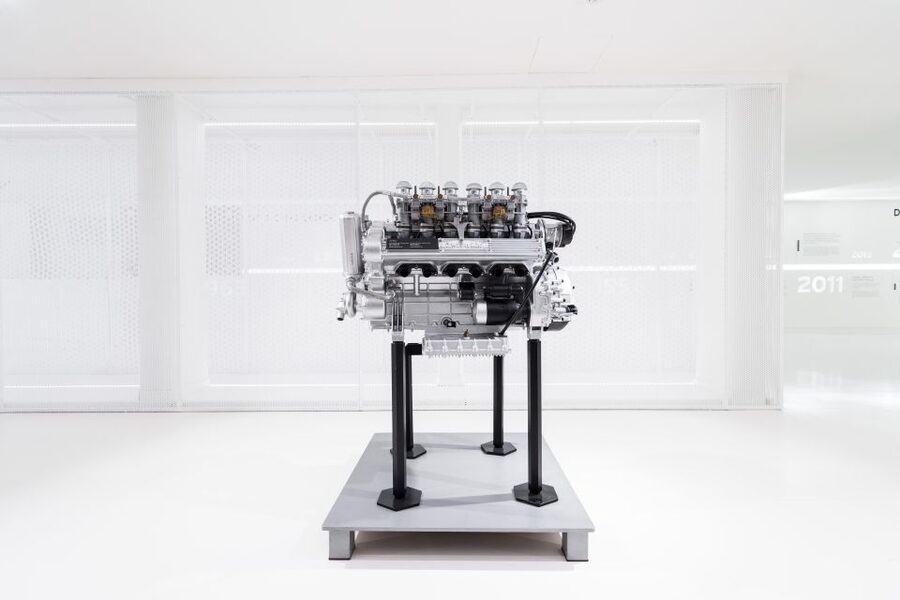
The newer section shifts your attention from classic lines to extreme performance. The collection includes the Huracán Performante and Aventador SVJ, along with special models such as the Centenario, Sesto Elemento, and Veneno.
These cars matter because they show the brand at its most exclusive. A standard car museum might focus on models that were produced in large numbers, but Lamborghini’s display includes rare and limited-run examples. That gives you a chance to see designs that are unusual even within the world of supercars.
The Centenario, Sesto Elemento, and Veneno also show how Lamborghini uses special editions to test bold ideas. Their importance is not only the price or scarcity. They represent the company’s interest in unusual materials, extreme forms, and small-run engineering projects.
The Huracán Performante and Aventador SVJ provide a useful contrast with those one-off or highly limited cars. They help you see how Lamborghini’s high-performance ideas appear in more established model lines. You get both the familiar and the exotic, though the museum’s total number of cars remains limited enough for a relatively quick visit.
I find this section best for visitors who already know the difference between Lamborghini models. If you do not, the names can blur together. Take your time with the information provided for each car, and focus on how the models differ rather than trying to memorize every specification.
More supercar drives:
- Modena: Enzo Ferrari Museum Entrance Ticket
★ 4.5 · 422 reviews - Maranello: Test Drive Ferrari 458
★ 4.9 · 344 reviews - Maranello: Ferrari Museum Entry Ticket and Simulator
★ 4.5 · 261 reviews
The Hybrid Future: Sian and Countach LPI 800-4
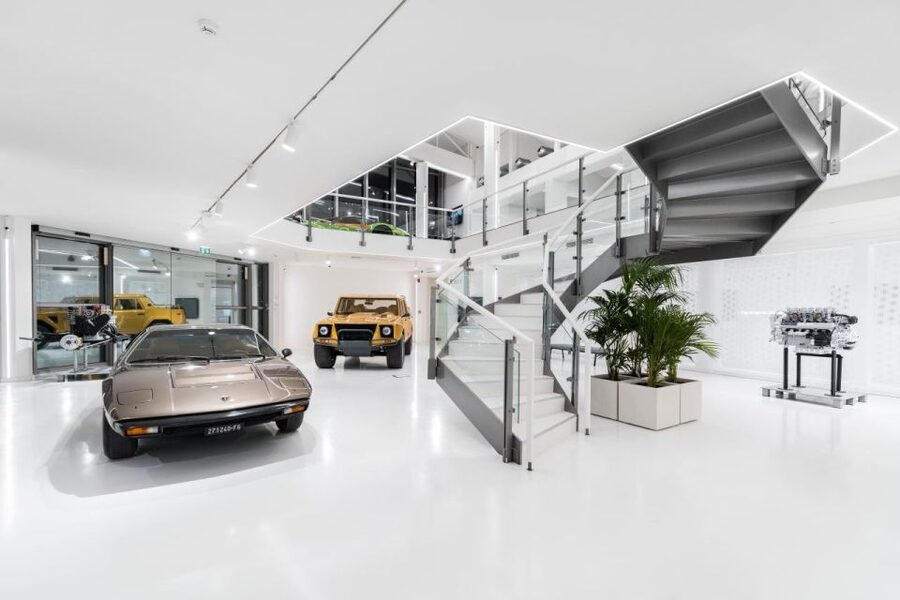
The final part of the story reaches the hybrid era with the Sian and Countach LPI 800-4. These cars are important because they show Lamborghini moving toward hybrid technology while keeping its familiar supercar style.
This is one of the more interesting parts of the visit for anyone curious about where the company is going. The museum does not stop with the cars that made Lamborghini famous decades ago. It also presents newer machines as part of the brand’s next chapter.
The Countach LPI 800-4 is particularly interesting because its name connects a modern hybrid supercar with one of Lamborghini’s best-known classic designs. That link gives the display more meaning than a simple row of new cars. You can look back at the original Countach, then see how the company reuses and reshapes that idea for a later generation.
The Sian adds another step in that progression. It shows that Lamborghini’s future is not presented as a clean break from its past. The company is adding hybrid technology while keeping the dramatic style and limited-production appeal that define its public image.
How Long Should You Plan to Stay?
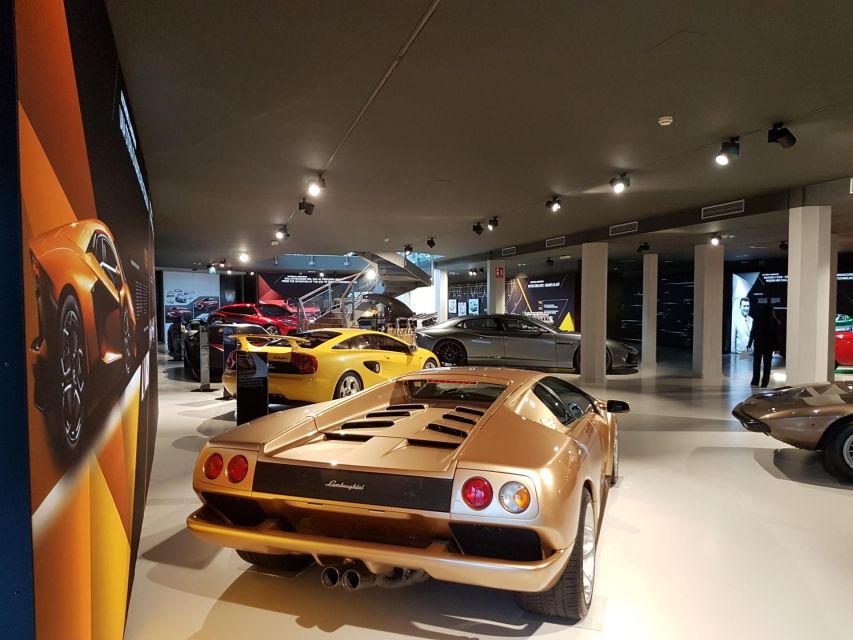
The ticket is valid for one day, but the museum itself is a relatively short stop. I would plan for about an hour to see the main collection at a comfortable pace. You may stay longer if you read every display, study the design details, or take your time with the classic cars.
That short duration can work well in a busy Bologna or Emilia-Romagna itinerary. You can fit the museum into a day of car-focused sightseeing without giving up an entire day. It also suits families with older children who may enjoy the cars but lose interest in a long museum visit.
The tradeoff is simple. If you want a large collection with many different manufacturers, this may feel small for the price. If you want a concentrated look at Lamborghini’s most important cars, the limited size makes the visit easy to manage.
I would not buy this ticket expecting a full factory experience. The admission is for the Lamborghini Cars Museum only. A factory tour is separate and not included, so check your booking carefully if production facilities are a major reason for your visit.
Is the $20 Ticket Good Value?
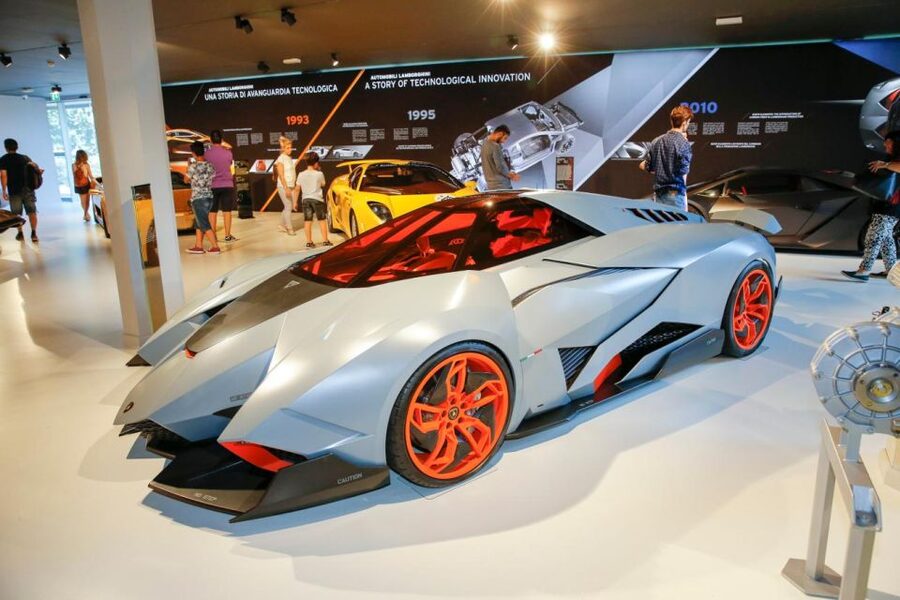
At $20 per person, the ticket sits in a reasonable range for a specialist museum with rare and famous cars. The value depends heavily on your interest in Lamborghini. A dedicated fan may consider the Miura, Countach, Veneno, and other special models enough to justify the price on their own.
For a casual visitor, the calculation is less certain. If you are already nearby and want a one-hour stop, $20 is a fair price for access to a focused collection. If reaching the museum requires a major detour, the short visit may make the total cost feel less attractive.
I like that the ticket gives you a clear, simple experience. You are paying to enter the museum, not for a long guided program with many extras. There are no extra promises to sort through, but there is also no factory tour folded into the price.
The activity offers reserve-now, pay-later booking, which helps if your Emilia-Romagna plans are still changing. You can also cancel up to 24 hours in advance for a full refund. Those terms reduce the risk of booking ahead, especially when you are building a driving or museum-heavy itinerary.
Visiting With Children and Accessibility Needs
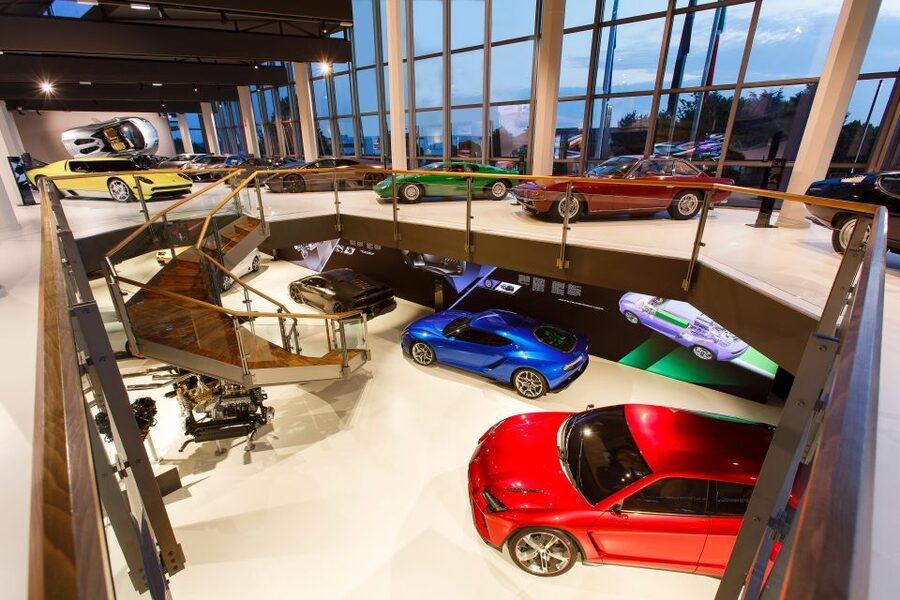
The museum is wheelchair accessible, making it a practical choice for many people with mobility needs. The supplied information does not describe the exact layout or restroom arrangements, so you may want to confirm any specific access requirements before booking.
Children between 6 and 18 must be accompanied by an adult family member. Unaccompanied minors are not allowed. That rule is easy to plan around, but it matters if older teenagers are traveling independently or joining a group without a family member.
For families, the compact format can be useful. You can see several famous cars without asking children to manage a long museum schedule. The subject also has an immediate visual appeal, even for children who do not know the model names.
Still, I would set expectations before entering. This is a museum centered on cars, company history, and design. It is not described as an interactive attraction, and the total visit may be short. Younger children may enjoy the shapes and colors but have little interest in the background material.
A Practical Way to See the Collection
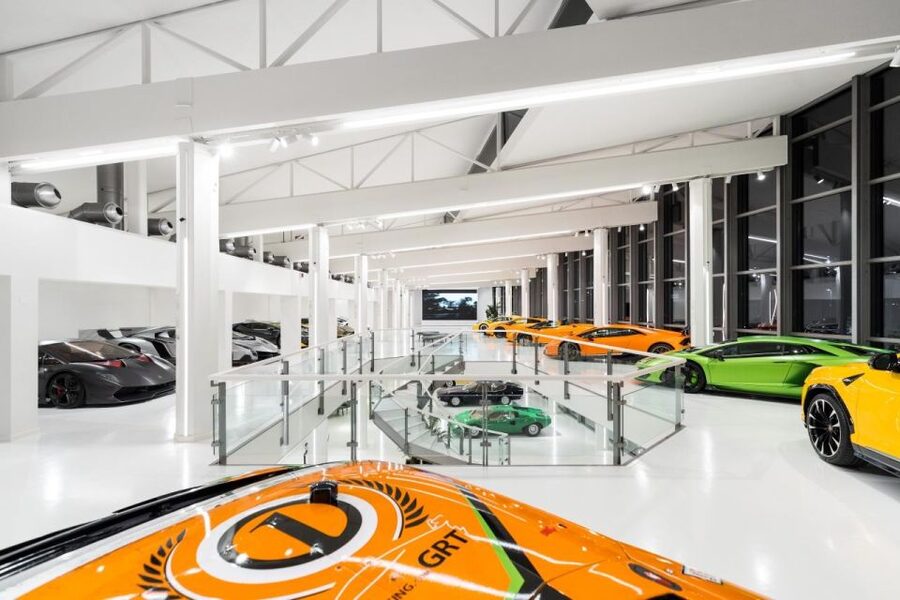
I would use a simple three-part approach.
First, look at the earliest cars and Ferruccio Lamborghini’s story. This gives you the background needed to understand why the later models matter.
Second, spend your longest pause with the Miura and Countach. These are the classic models most likely to make the visit memorable, and they help you understand Lamborghini’s changing design direction.
Third, compare the modern supercars with the hybrid-era Sian and Countach LPI 800-4. Think of this as the museum’s final question: how does Lamborghini keep its identity while changing its technology?
You might find that the showroom feels smaller than expected. One useful response is to slow down rather than rush. Look at the cars from different angles, compare the body shapes, and read the information about their development. A short museum can still reward careful attention.
Some people would also like more video material and a fuller biography of Ferruccio Lamborghini. If that kind of context is important to you, the cars may provide more satisfaction than the interpretive displays. The museum’s strongest material is the physical collection itself.
Who Will Enjoy This Museum Most?
I would recommend the Lamborghini Museum most strongly to:
- People who have always wanted to see a Miura or Countach in person
- Fans of rare and limited-production supercars
- Visitors interested in Italian automotive design
- Families with children aged 6 or older
- Anyone planning a short car-themed stop in Emilia-Romagna
- Visitors curious about Lamborghini’s move toward hybrid technology
You do not need to know every model before you arrive. The famous shapes are easy to appreciate, and the collection offers enough context to follow the basic story.
I would be more cautious if you want a large museum, extensive video presentation, or a factory visit included in the same ticket. This experience is focused on the cars, and its compact size is both its convenience and its main limitation.
Should You Book the Lamborghini Museum?
Book it if the Miura, Countach, or Lamborghini’s rare modern models are on your must-see list. At $20, the museum offers a manageable, focused visit with genuine automotive highlights, especially for anyone already spending time in Emilia-Romagna.
Skip it if you are only mildly interested in cars and would need to travel far out of your way. The collection may occupy about an hour, and the factory tour requires a separate arrangement. For the right visitor, though, seeing Lamborghini’s first great creations beside the Sian and Countach LPI 800-4 makes this a worthwhile stop.
FAQ
Where is the Lamborghini Museum located?
The museum is in the Bologna area of Emilia-Romagna, Italy.
What does the $20 ticket include?
The ticket includes entrance to the Lamborghini Cars Museum.
Is the Lamborghini factory tour included?
No. The factory tour is not included with this museum entrance ticket.
How long is the ticket valid?
The ticket is valid for one day. You should check availability for the applicable starting times.
How long does the museum visit take?
The main collection can keep you occupied for about an hour, although you may spend longer if you study the cars and displays carefully.
Can I cancel the booking?
Yes. You can cancel up to 24 hours in advance for a full refund.
Can I reserve now and pay later?
Yes. The booking option allows you to reserve your place and pay later.
Is the museum wheelchair accessible?
Yes. The activity is listed as wheelchair accessible.
Can minors visit without an adult?
No. Unaccompanied minors are not allowed. People aged 6 to 18 must be accompanied by an adult family member.
Which Lamborghini models can I see?
The collection includes the Miura, Countach, Huracán Performante, Aventador SVJ, Centenario, Sesto Elemento, Veneno, Sian, and Countach LPI 800-4, along with other Lamborghini cars.
More Galleries and Collections
- Vatican: Museums & Sistine Chapel Entrance Ticket
★ 4.5 · 144,003 reviews - Vatican Museums & Sistine Chapel Tour with Optional Basilica
★ 4.3 · 67,413 reviews - Vatican Museums, Sistine Chapel & St Peter’s Basilica Guided Tour
★ 4.5 · 39,149 reviews - Florence: Skip-The-Line Uffizi Gallery Timed Entry Ticket
★ 4.5 · 27,832 reviews
Just added around Bologna
- Ravenna: UNESCO Mosaics Entry Tickets★ 4.7 · 255 reviews
- Bologna on the plate, Cooking Class with Alessia★ 5.0 · 260 reviews
- Maranello: Ferrari Museum Entry Ticket and Simulator★ 4.5 · 261 reviews
- Cavedoni Balsamic Vinegar Tour: The Oldest in Modena★ 5.0 · 267 reviews
- Bologna: Food Tour with Pasta Tasting & Local Specialties★ 4.8 · 312 reviews
- Riccione: Oltremare Park Entrance Ticket★ 4.5 · 313 reviews
- Bologna Private Food Tour with 6 or 10 Tastings★ 4.5 · 344 reviews
- Maranello: Test Drive Ferrari 458★ 4.9 · 344 reviews
Museums, compared.

Vatican: Museums & Sistine Chapel Entrance Ticket
Read our review →
Vatican Museums & Sistine Chapel Tour with Optional Basilica
Read our review →
Vatican Museums, Sistine Chapel & St Peter’s Basilica Guided Tour
Read our review →
Skip-The-Line Uffizi Gallery Timed Entry Ticket
Read our review →
Vatican Museums, Sistine Chapel & Basilica Tour
Read our review →
Vatican Museums & Sistine Chapel Skip-the-Line Entry Ticket
Read our review →Vatican Museums, Sistine Chapel & Basilica Tour
Read our review →
Vatican Museums & Sistine Chapel Guided Tour
Read our review →Browse the lists this tour appears in