
Review · BOLOGNA TOURS
Ravenna: UNESCO Mosaics Entry Tickets
Ravenna rewards slow looking. This $14 ticket gives you a flexible way to visit San Vitale and Sant Apollinare Nuovo, with St. Andrew’s Chapel and the Archiepiscopal Museum included. I like the seven-day validity, which means you do not have to cram Ravenna’s mosaics into one busy morning. I also like the low price, especially if you choose the five-monument option and add Galla Placidia’s famous mausoleum and the Neonian Baptistery.
The main drawback is simple: this is an entry ticket, not a guided tour. You get time and freedom, but little built-in explanation. A second practical concern is that the digital ticket may need careful checking at the door, since one booking caused confusion over the ticket issuer and required a return to the ticket office.
In This Review
- Key points to know before you book
- Why Ravenna’s mosaics deserve a full day
- San Vitale: Ravenna’s great Byzantine interior
- Galla Placidia: a small mausoleum with a powerful effect
- Sant Apollinare Nuovo and the long mosaic procession
- St. Andrew’s Chapel and the Archiepiscopal Museum
- The Neonian Baptistery and its mosaic dome
- Is the $14 ticket good value?
- Practical details that can affect your visit
- Who will enjoy this ticket most?
- Should you book Ravenna’s mosaic ticket?
- FAQ
- How long is the ticket valid?
- Which sites are included in the core ticket?
- What does the five-monument option add?
- Is a guided tour included?
- Can I cancel the booking?
- What should I wear?
Key points to know before you book
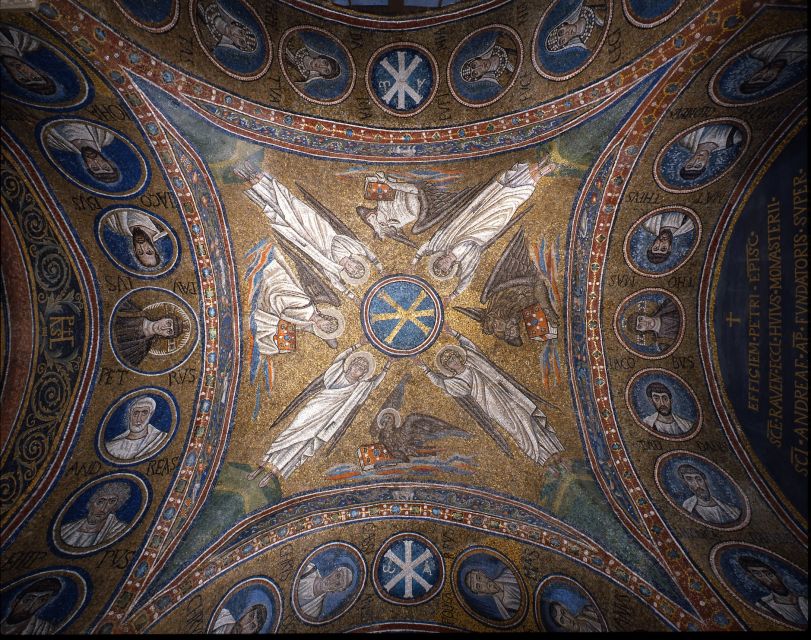
- San Vitale is the star attraction: Its sixth-century octagonal interior is packed with Old Testament scenes and the famous mosaics of Emperor Justinian and Empress Theodora.
- The ticket lasts seven days: You get one visit to each monument, so you can spread the sights across a relaxed schedule.
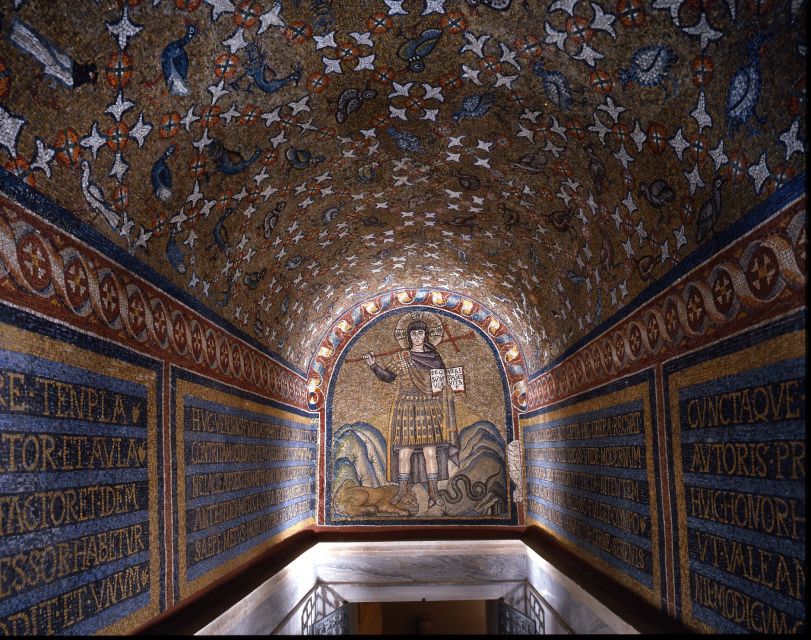
- St. Andrew’s Chapel is small but special: This former private chapel is part of the Archiepiscopal Museum and contains some of Ravenna’s most unusual early Byzantine imagery.
- The five-monument choice gives better value: It adds the Mausoleum of Galla Placidia and the Neonian Baptistery to the core sites.
- Everything is close enough to walk: The five main monuments are within walking distance, making this a practical self-guided route.
- Dress for church interiors: Knees and shoulders must be covered, and clothing with rips, holes, or transparent fabric is not allowed.
Why Ravenna’s mosaics deserve a full day
Ravenna is not a city you visit for one grand piazza or a single famous building. Its treasures are tucked into churches, chapels, museums, and baptisteries. The reward comes from seeing several sites together and noticing how artistic styles changed as Roman, Ostrogothic, and Byzantine power passed through the city.
I would give the core ticket at least half a day. If you select all five monuments and want time to look closely, one full day is better. One careful visit can easily run longer than expected, especially at San Vitale, where the ceiling and wall mosaics keep pulling your eyes in different directions.
The ticket is valid for seven days, with one visit per monument. That is useful if you are staying in Ravenna for two nights or building the city into a wider Emilia-Romagna trip. You can visit the central churches one day, then return to the museum and baptistery later rather than treating the mosaics like items on a checklist.
The sites are close enough to connect on foot. That saves both money and mental effort. You can move between them at your own pace, stop for lunch, and return to a mosaic that deserves a second look.
A few more reviews worth comparing before you book
- Bologna: City Center Walking Tour
★ 4.5 · 3,478 reviews - Ravenna: UNESCO Monuments and Mosaics Guided Tour
★ 4.8 · 3,108 reviews - Guided Tour of Mosaic Tiles in Ravenna
★ 5.0 · 1,693 reviews
San Vitale: Ravenna’s great Byzantine interior
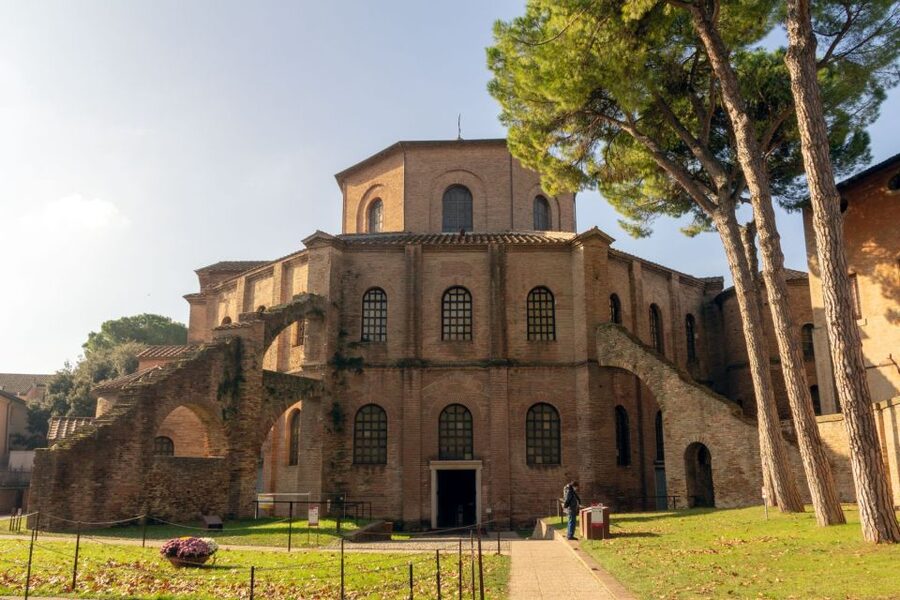
Start with the Basilica of San Vitale if you can. This sixth-century church has an unusual octagonal plan and brings together Roman building traditions with Byzantine decoration. From the outside, it may not prepare you for the interior.
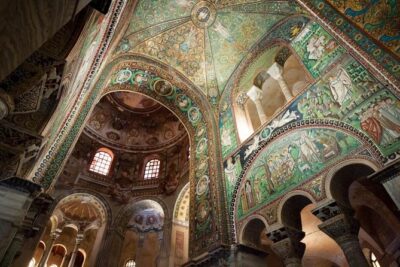
Inside, look upward first. The architecture creates a layered effect, with arches, galleries, marble surfaces, and glittering mosaic decoration working together. Along the walls, scenes from the Old Testament are made from thousands of tiny tiles. The images are not just decoration. They help tell a religious story through color, gesture, clothing, and symbolic objects.
The most famous panels show Emperor Justinian I and Empress Theodora with their attendants. These portraits are valuable because they combine religious ceremony with imperial politics. Justinian appears with clergy and soldiers, while Theodora arrives with attendants and lavish dress. You are looking at an image of faith, power, and court life all at once.
I recommend taking a few minutes to look beyond the best-known figures. The small details in the clothing, faces, and repeated patterns are part of the pleasure. From a distance, the mosaics sparkle as a single surface. Up close, individual tiles reveal how much work went into each image.
San Vitale is also the place where the lack of a guide is most noticeable. The beauty is immediate, but the meaning of the scenes is easier to follow with some context. If you do not arrange a guide, read any available information slowly and give yourself time to form your own impressions.
Galla Placidia: a small mausoleum with a powerful effect
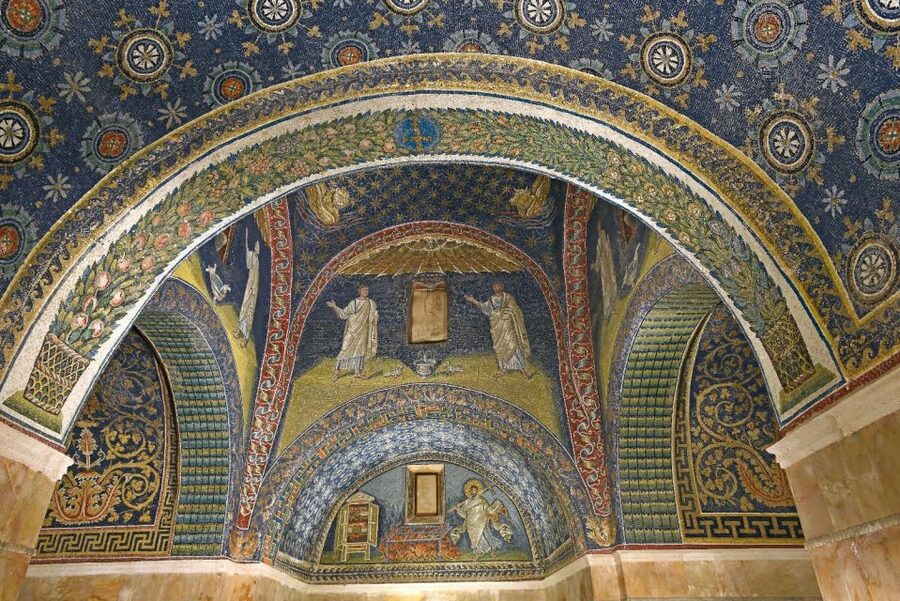
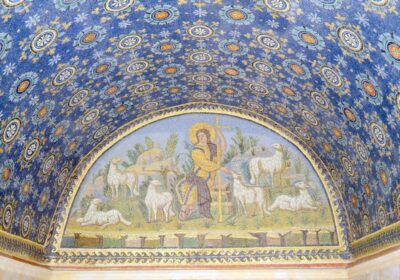
The Mausoleum of Galla Placidia is included only with the five-monument selection, so check your chosen option before booking. It is close to San Vitale and is one of the most memorable additions to the longer ticket.
The building dates from the first half of the fifth century. It is much smaller than San Vitale, and that change in scale matters. After the large basilica, the low, intimate interior feels almost enclosed. The mosaic decoration surrounds you rather than unfolding across a huge church.
The contrast between these two sites is one of the best reasons to choose the five-monument ticket. San Vitale gives you grand architecture and imperial imagery. Galla Placidia offers a more concentrated experience, where the effect comes from the closeness of the space and the density of the decoration.
You may find that this is the site where a quiet visit matters most. Flash photography is prohibited, and that rule protects both the atmosphere and the mosaics. Let your eyes adjust and look carefully instead of rushing to take pictures.
Sant Apollinare Nuovo and the long mosaic procession
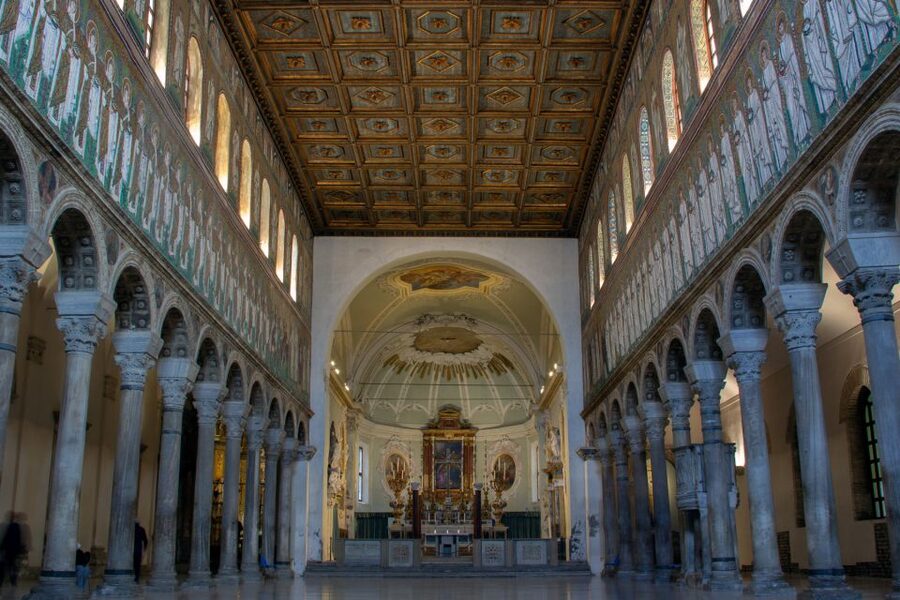
Sant Apollinare Nuovo was built in the sixth century by Ostrogothic king Theodoric the Great. It is a more discreet building than San Vitale, but the interior holds a remarkable cycle of Byzantine mosaics.
The mosaics run along the walls in long bands. You will see floor-to-ceiling decoration, processions, figures, and scenes connected with the life of Christ. The site contains what is described as the oldest mosaic cycle related to Christ’s life, giving it special importance for anyone interested in early Christian art.
The church also carries evidence of later changes. Some mosaics were painted black under Pope Gregory the Great, reportedly to keep parishioners focused on prayer. They were later reconstructed after damage during World War I. That layered past is worth remembering as you look at the glittering surfaces. You are not seeing a single untouched moment, but a building altered, damaged, and repaired over many centuries.
I like Sant Apollinare Nuovo because it rewards comparison. At San Vitale, the mosaics feel woven into a complex architectural space. Here, the long wall panels create a more readable sequence. Walk the length of the church and allow the scenes to unfold in order.
The church can feel less crowded than you might expect, which makes it easier to stop beneath a particular panel. If you are interested in art or church history, do not treat this as a quick second stop after San Vitale. The building is quieter in character, but the artwork is no less important.
A different sort of day out around Bologna:
- Maranello: Ferrari Museum Entrance Ticket
★ 4.6 · 1,505 reviews - Bologna Food & Market Tour with 6 Tastings, Pasta, Wines & More
★ 5.0 · 1,328 reviews - Bologna Food Experience: Factory tours & Family-Style Lunch
★ 5.0 · 1,201 reviews - Maranello and Modena: Ferrari Museums Combo Tickets
★ 4.7 · 994 reviews
St. Andrew’s Chapel and the Archiepiscopal Museum
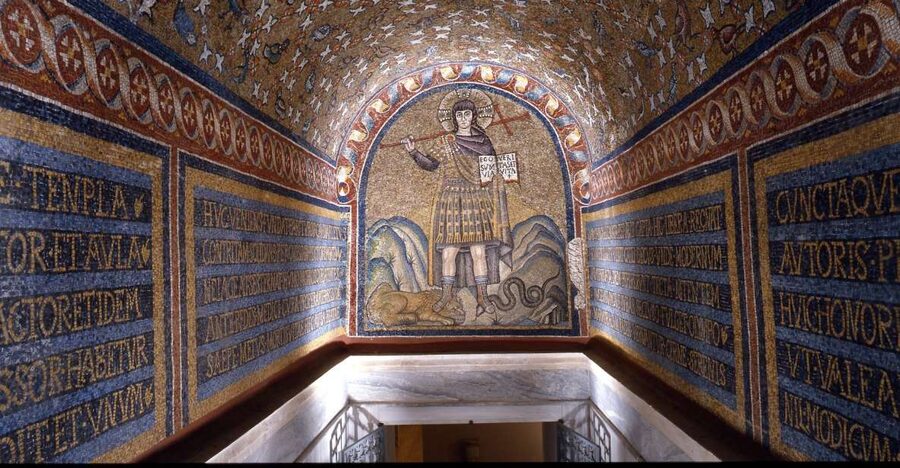
The Archiepiscopal Museum includes access to St. Andrew’s Chapel, a former private chapel for Ravenna’s bishops. This is one of the smaller stops, but it gives the ticket a useful change of pace.
St. Andrew’s Chapel is sometimes called the hidden pearl of the Archbishop Museum, and the nickname makes sense in practical terms. You enter a private religious space rather than another large public basilica. The decoration reflects religious divisions during the early Byzantine period, so the chapel offers more than visual beauty. It shows how belief and politics shaped Ravenna’s sacred buildings.
Inside the museum, you can also see epigraphs, the cathedral treasure, and an ivory throne associated with Bishop Maximian. These objects broaden the visit beyond wall mosaics. If you have spent hours looking upward in churches, the museum gives you smaller objects to study at eye level.
The museum and chapel are especially useful for visitors who want context. The churches give you scale and spectacle. The museum gives you objects, inscriptions, and a closer view of the people who used these spaces.
This is another place where a guide would add value, but the self-guided format has one advantage: you can spend as long as you want with the objects that interest you. You are not tied to a group’s pace or explanation.
The Neonian Baptistery and its mosaic dome
The Neonian Baptistery is included in the five-monument option. It takes its name from Bishop Neon, who continued the construction after his predecessor, Ursus.
The building is associated with baptism, and its mosaic dome is the main reason to visit. The decoration covers the dome and dates to the time of Bishop Neon. As with the other sites, the building is not simply an art gallery. Its shape and decoration were designed for a religious ceremony, so the setting helps explain why the images are arranged above you.
The baptistery is a smaller space, and visiting conditions may limit how long you can remain inside. One person wished for more time there, which is useful advice for anyone who likes to study details rather than glance around. If staff control the number of people inside, be ready to make the most of your allotted visit.
I would not skip it if you are choosing the five-monument ticket. The baptistery gives you a different building type and a different way to experience Ravenna’s mosaic art. It also helps make the higher-level ticket feel like a complete introduction to the city’s major early Christian sites.
Is the $14 ticket good value?
At $14 per person, the core ticket is fairly priced for access to several major monuments. The value becomes stronger if you visit all five included sites. Paying separately for several entrances can be less convenient, and the combo ticket removes the need to make repeated admission decisions during the day.
The seven-day validity is the biggest value point for me. A rigid one-day pass would force you to rush, especially if you want time for lunch, photographs without flash, or a second look at San Vitale. Here, you can divide the visit across several days, although each monument can be entered only once.
The ticket also gives you a 20 percent discount in the bookshops at the sites. That matters if you want a guidebook, art book, postcards, or a visual reference for the mosaics. I would wait until after visiting the buildings before buying anything. You will have a better sense of which images or periods you want to explore.
The price does not include a guided visit. If you want detailed explanations of the biblical scenes, imperial portraits, and religious divisions, you will need to arrange that separately. The ticket works best for independent visitors who enjoy reading signs, studying art, and setting their own pace.
Practical details that can affect your visit
You must show the official ticket at the entrance to each attraction. The booking ticket is sent in a separate email, so check your inbox carefully before you leave for the sites. Keep the correct ticket available on your phone, and if the document shows a separate issuer, do not be surprised if staff need a moment to verify it.
A ticket problem at the door can spoil an otherwise easy visit. One booking required a return to the ticket office because the attraction did not immediately recognize the issuer. I would allow extra time on the first entry and avoid planning a tight train departure or restaurant booking immediately afterward.
The activity is wheelchair accessible. Comfortable shoes are still a good idea because you will be moving between several buildings and spending time on your feet.
Dress modestly for every religious site. Your knees and shoulders must be covered. Clothing with rips, holes, or transparent material is not permitted. These rules are easy to follow and save you an awkward pause at the entrance.
Flash photography is prohibited. You can still take photographs where allowed, but your visit should not become a camera exercise. The mosaics are best appreciated by looking first and photographing second.
The booking information refers to starting times, so check availability when selecting your date. Once active, the ticket remains valid for seven days, with one visit per monument.
Who will enjoy this ticket most?
I would recommend it to anyone who likes art, architecture, early Christian history, or quiet independent sightseeing. It is also a good fit for families with older children who can manage several short visits and will enjoy comparing the churches.
The ticket suits photographers who can respect the no-flash rule and visitors who want flexibility rather than a fixed group schedule. It is especially useful if you are staying in Ravenna for more than one day.
I would think twice if you want every symbol explained as you go. The buildings are powerful without commentary, but some scenes and historical changes are not obvious. A guide can help you understand why Justinian and Theodora appear in San Vitale, how the mosaics at Sant Apollinare Nuovo changed, and what St. Andrew’s Chapel tells you about early Byzantine religious conflict.
The main praise I would give this experience is that it lets the buildings take the lead. The mosaics are not squeezed into one short tour, and the sites are close enough to make a personal route easy.
Should you book Ravenna’s mosaic ticket?
Yes, if you want to see Ravenna properly and are comfortable exploring without a guide. The $14 price, seven-day validity, walking-friendly route, and optional five-monument upgrade make this one of the better-value cultural tickets in Emilia-Romagna.
Choose the five-monument option if you can. Galla Placidia and the Neonian Baptistery add two smaller but important interiors, and the combination gives you a fuller sense of Ravenna’s art. Choose the core option only if your schedule is tight or you mainly want San Vitale, Sant Apollinare Nuovo, and St. Andrew’s Chapel.
Do not rush. Ravenna’s mosaics reward a quiet hour, not a hurried photograph. Give San Vitale the time it deserves, compare it with Sant Apollinare Nuovo, and save room for the smaller chapel and baptistery. That is when this simple entry ticket becomes a memorable visit.
FAQ
How long is the ticket valid?
The ticket is valid for seven days from the selected date. You can visit each included monument once during that period.
Which sites are included in the core ticket?
The core ticket includes San Vitale Basilica, Sant Apollinare Nuovo Basilica, the Archiepiscopal Museum, and St. Andrew’s Chapel.
What does the five-monument option add?
The five-monument option adds the Mausoleum of Galla Placidia and the Neonian Baptistery.
Is a guided tour included?
No. The ticket provides admission only. A guided visit is not included.
Can I cancel the booking?
Yes. You can cancel up to 24 hours in advance for a full refund.
What should I wear?
Your knees and shoulders must be covered. Clothing with rips, holes, or transparent material is not allowed. Comfortable shoes are recommended, and flash photography is prohibited.
Just added around Bologna
- Bologna on the plate, Cooking Class with Alessia★ 5.0 · 260 reviews
- Maranello: Ferrari Museum Entry Ticket and Simulator★ 4.5 · 261 reviews
- Cavedoni Balsamic Vinegar Tour: The Oldest in Modena★ 5.0 · 267 reviews
- Bologna: Food Tour with Pasta Tasting & Local Specialties★ 4.8 · 312 reviews
- Riccione: Oltremare Park Entrance Ticket★ 4.5 · 313 reviews
- Bologna: Lamborghini Museum Entrance Ticket★ 4.3 · 330 reviews
- Bologna Private Food Tour with 6 or 10 Tastings★ 4.5 · 344 reviews
- Maranello: Test Drive Ferrari 458★ 4.9 · 344 reviews
Bologna Tours, compared.


Bologna Food & Market Tour with 6 Tastings, Pasta, Wines & More
Read our review →
Bologna Food Experience: Factory tours & Family-Style Lunch
Read our review →
Maranello and Modena: Ferrari Museums Combo Tickets
Read our review →
Browse the lists this tour appears in