Review · ROME TOURS
Welcome To Rome Experience
Start with Rome’s story, not just its stones. Welcome to Rome gives you a fast, visual introduction to the Eternal City through projections, 3D models, audio, and film. I like the way it shows how famous ruins may have looked when new, and I like that the whole lesson takes about an hour. The main drawback is that some of the exhibit rooms require standing, and visitors expecting a full museum or detailed ancient Rome lecture may find it too brief.
The central location on Corso Vittorio Emanuele II makes this an easy first stop, especially if you have just arrived and need to get your bearings. At $21.77 per person, it offers useful context for the Colosseum, Roman Forum, Palatine Hill, churches, and palaces, though its value depends on your expectations. Families and first-time visitors are likely to get the most from it.
In This Review
- Key points to know before booking
- What the Welcome to Rome Experience actually is
- The first four rooms: Rome in models, projections, and sound
- The film: a broad history of Rome in about 30 minutes
- Why the 3D reconstructions help at ancient sites
- Is it good for children and teenagers?
- Timing your visit in a Rome itinerary
- What $21.77 gets you
- The main strengths and weaknesses
- Who should book Welcome to Rome?
- Should you book the Welcome to Rome Experience?
- FAQ
- How much does the Welcome to Rome Experience cost?
- How long does the experience last?
- Where is Welcome to Rome located?
- Is the experience offered in English?
- Can I use a mobile ticket?
- How late can I enter?
- Can I cancel for a refund?
Key points to know before booking
- A one-hour introduction: You get a broad account of Rome’s development, from its early geology and volcanoes through Classical, Medieval, Renaissance, and Baroque periods.
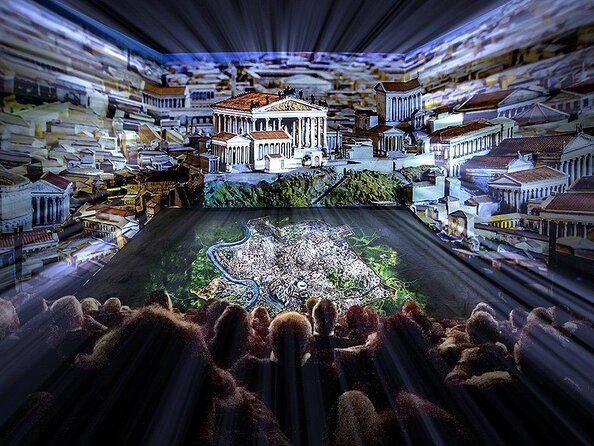
- Ruins shown as complete buildings: 3D projections and reconstructed models help you picture how Rome’s monuments may have looked before time reduced them to fragments.
- Four standing exhibit areas: The opening part moves you between small rooms with audiovisual displays before the seated film in the auditorium.
- Strong first-day activity: The experience gives you useful context before visiting the Colosseum, Forum, Palatine Hill, and other major sights.
- Family-friendly, with limits: Children often respond well to the visuals, but the historical detail and standing portions may be difficult for children under eight.
- Easy city-center location: The venue is near public transportation, offers multiple showings daily, and accepts mobile tickets.
What the Welcome to Rome Experience actually is
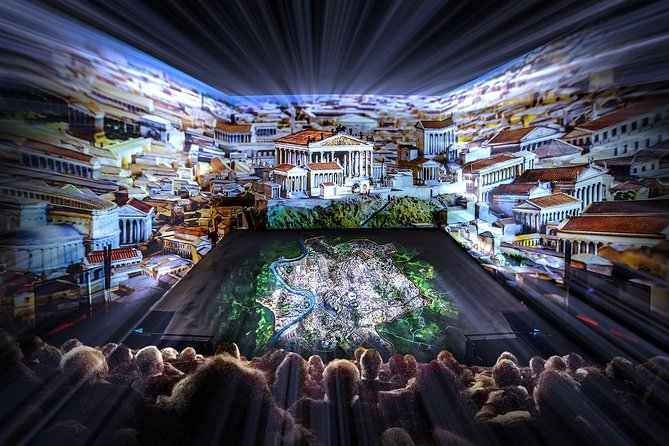
This is not a walking tour and it is not a museum filled with original artifacts. Think of it as a compact orientation show, built to answer one useful question: how did Rome become the city you see today?
The program combines projected images, interactive displays, models, audio commentary, and a film. You move through a series of small rooms first, then watch a longer presentation in an auditorium where you can sit. The entire visit lasts about one hour, though the exact rhythm depends on the show schedule and how quickly each section moves.
I like this format for Rome because the city can be confusing at first. Ancient ruins sit beside churches, Renaissance palaces, Baroque fountains, and modern traffic. Without a basic timeline, you may look at the Forum and see only broken columns. With some context, you can begin to understand what changed, what disappeared, and why the city looks layered rather than neatly arranged.
The presentation is offered in English. The audiovisual format does much of the teaching, so you are not relying on a live guide or trying to keep up with a walking group in a busy street.
A few more reviews worth comparing before you book
- Vatican: Museums & Sistine Chapel Entrance Ticket
★ 4.5 · 144,003 reviews - Vatican Museums & Sistine Chapel Tour with Optional Basilica
★ 4.3 · 67,413 reviews - Colosseum, Roman Forum & Palatine Guided Tour
★ 4.7 · 63,148 reviews
The first four rooms: Rome in models, projections, and sound
The opening section takes place across four smaller areas. You stand while watching demonstrations built around dioramas, projections, and audio. This is where the program makes its strongest visual impression.
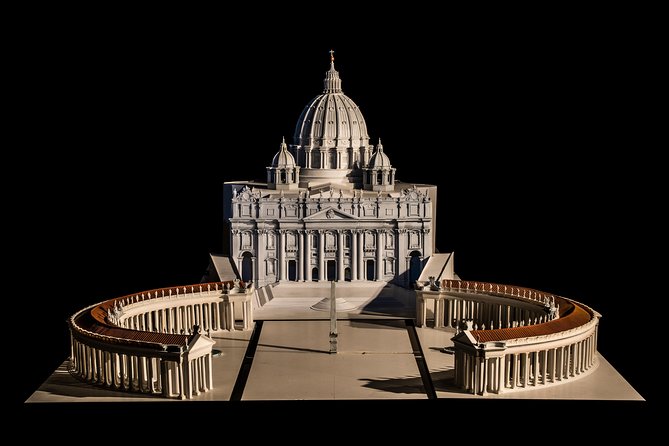
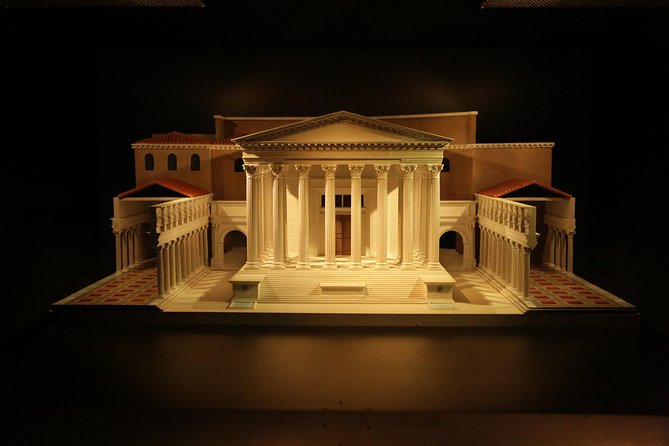
One especially useful idea is the comparison between Rome as it looks now and how its major sites may have appeared in earlier periods. The Forum, monuments, and other structures are shown with more of their original form and color, helping you bridge the gap between an archaeological site and the living city that once occupied it.
You may also see architectural models and graphics explaining how buildings and urban areas developed. This is valuable before a visit to the Roman Forum or Palatine Hill, where the surviving walls can be hard to read without a picture of the original structures.
The audio adds a steady historical narrative. It is designed to give you plenty of information without turning the program into a long academic lecture. Still, the experience moves through several periods quickly, so you should not expect a detailed account of every emperor, battle, church, or monument.
The main practical issue is comfort. The first four rooms are not described as places with regular seating, and some people find the repeated movement tiring after a day of sightseeing. If your feet are already worn out from walking Rome, the auditorium portion will be welcome.
Audio equipment can also be imperfect. Some visitors have had trouble with the radio devices, though staff have been available to replace faulty units. It is worth checking your equipment before the presentation begins so you do not miss part of the explanation.
The film: a broad history of Rome in about 30 minutes
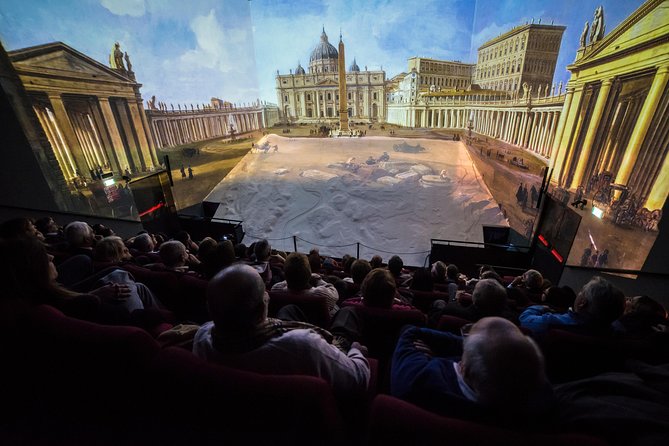
The final film is the longest part of the program and takes place in an auditorium. It provides a more continuous account of Rome, rather than the shorter explanations attached to the models.
The story begins with Rome’s early physical setting and even touches on volcanic origins. From there, it moves through the city’s major eras. The broad sequence includes Classical Rome, the Medieval period, the Renaissance, and the Baroque age.
That structure is one of the experience’s best features. Rome is not only an ancient city, and the film helps prevent the common mistake of treating everything old as part of one period. A church, palace, ruined temple, and fountain may sit close together but belong to very different chapters of the city’s story.
The film also helps you notice buildings that might otherwise fade into the background. You may arrive in Rome focused on the Colosseum, then walk past a church or palace without understanding its place in the city’s development. A quick overview gives those later sights more meaning.
The film is also the most comfortable part of the visit because you can sit. Some reports have noted damaged seats or untidy conditions in the auditorium, so the physical upkeep may not always match the quality of the presentation. That is a fair reason to keep expectations sensible. You are paying for the visual lesson and historical orientation, not a polished cinema visit.
Why the 3D reconstructions help at ancient sites
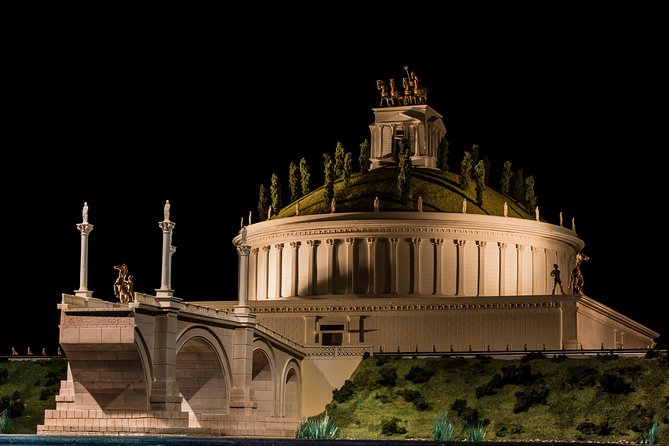
The best reason to schedule this experience early is practical. Rome’s ruins rarely explain themselves.
At the Colosseum, you can see the surviving arches and imagine the arena, but a reconstruction helps you picture the complete building. At the Forum, scattered columns and foundations can be difficult to connect. At Palatine Hill, the remains of imperial residences make more sense when you have already seen how the area fit into the larger city.
The Welcome to Rome presentation gives you that mental framework before you arrive at the monuments. You can later compare the projected reconstructions with what remains on the ground. Several people have found this especially helpful at the Forum, Palatine Hill, Colosseum, and Circus Maximus.
I also like the way the program connects architecture with time. It is not just a parade of famous buildings. The presentation shows how Rome changed from one era to another, which helps you recognize differences between Classical, Medieval, Renaissance, and Baroque design.
This is not the same as standing inside an ancient building or examining a real sculpture. The reconstructions are interpretations, and the program moves quickly. But for a first visit, the visual comparisons can save you from wandering through ruins without a clear sense of what you are seeing.
A different sort of day out around Rome:
- Vatican Museums, Sistine Chapel & St Peter’s Basilica Guided Tour
★ 4.5 · 39,149 reviews - Rome: Colosseum, Palatine Hill and Roman Forum Guided Tour
★ 4.8 · 32,814 reviews - Rome: Guided Tour of Colosseum, Roman Forum & Palatine Hill
★ 4.7 · 27,897 reviews - Rome: Colosseum & Forum with Audio Guide App -Optional Arena
★ 4.2 · 24,770 reviews
Is it good for children and teenagers?
The answer depends on age and attention span.
Children often respond to the 3D effects, moving images, and reconstructed buildings. The format gives them something to watch rather than asking them to absorb a long spoken lecture. Families have found the one-hour length manageable, and the visual material can make Rome’s past easier to discuss afterward.
Children under eight may struggle with the amount of information. The show is educational, not a pure entertainment ride. Teenagers can also lose interest if they are not already curious about history, especially during the denser explanations.
The standing sections may be another issue for younger children. There are no stated seats in the four model rooms, and some people would prefer benches there. The auditorium provides a place to sit for the film, but not necessarily throughout the entire program.
For a family trip, I would use the experience as a conversation starter. Afterward, point out the buildings and ruins you saw in the presentation. The program works best when it becomes a reference for the rest of your Rome visit, rather than a separate indoor activity that you forget after leaving.
Timing your visit in a Rome itinerary
I would schedule Welcome to Rome near the start of your trip, ideally on the first day or early in the second day. It is short enough to fit around other plans, and multiple showings make it easier to work into a busy schedule.
It can also suit an arrival day when you are tired from travel. You get a seated film, controlled indoor setting, and a basic orientation without committing to a long walking tour. That said, the opening exhibit areas still require movement and standing, so it is not a full rest stop.
The venue is at Corso Vittorio Emanuele II, 203, 00186 Rome, in the city center and near public transportation. A mobile ticket makes entry simple, and confirmation is provided when you book.
Pay attention to the last entry rule. You must enter at least one hour before closing, so arriving near the end of the day may not work even if the venue itself remains open. Since showtimes can shape the visit, check the available schedule when choosing your time.
What $21.77 gets you
At $21.77 per person, the price is reasonable if you want a short orientation that will improve several later sightseeing stops. You are paying for a purpose-built audiovisual presentation, a film, reconstructed models, and a clear one-hour format.
The value is strongest for first-time visitors who do not know the basic sequence of Rome’s development. If you already have a strong background in Roman history, the material may feel familiar. The program is a broad introduction, not an advanced lecture.
The price becomes harder to justify if you expect a large exhibition, extensive artifact collection, or hours of entertainment. The physical visit consists of four small exhibit rooms and an auditorium film. Some sections are viewed while standing, and the presentation can feel compressed because it covers so much ground in a short time.
I would also think about your sightseeing plans. If you intend to visit the Colosseum, Forum, and Palatine Hill, the reconstructions can give you useful preparation. If your Rome plans focus mainly on food, shopping, or modern art, you may get less practical benefit from the historical overview.
The experience has free cancellation if you cancel at least 24 hours before the scheduled start time. Cancellations or changes made less than 24 hours ahead are not refunded or accepted.
The main strengths and weaknesses
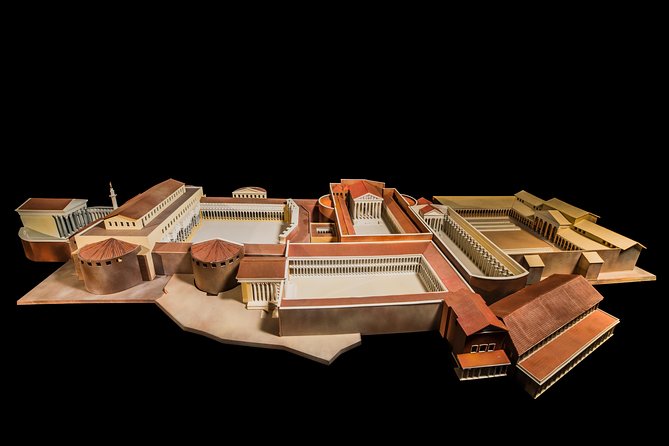
The most praised feature is the visual explanation of Rome. The models and projections show how ruined buildings may have looked in their original form, making the ancient sites easier to understand later.
The second major strength is the compact timeline. In about an hour, you get a clear outline beginning with Rome’s early physical setting and moving through several architectural eras. That is a useful amount of information for a first orientation.
The third strength is convenience. The central address, mobile ticket, multiple showings, and short duration make this easy to add to a city itinerary.
The weaknesses are just as clear:
- The first four rooms may feel cramped or tiring because you stand and move between stations.
- Some equipment may not work perfectly, although staff can replace faulty audio devices.
- The program may be too detailed for very young children or too general for serious history fans.
- The auditorium and bathrooms may not always be maintained as well as you would hope.
- Ancient Rome receives much of the attention, but some people may want more depth on that period.
These are not reasons to dismiss the experience. They simply explain why it receives strong praise from many first-time visitors while leaving others unimpressed.
Who should book Welcome to Rome?
I would recommend it most strongly to first-time visitors, families with school-age children, and anyone who wants a quick historical framework before tackling Rome’s major archaeological sites.
It also suits you if you learn best through pictures. The reconstructed monuments and changing projections may stay in your mind longer than a page of dates. You can later use those images while standing among the Forum’s foundations or looking across the Palatine ruins.
You may want to skip it if you dislike audiovisual presentations, need continuous seating, or already know Rome’s history well. It is also not the right choice if you expect an interactive museum with a large collection of original objects.
For most people, the best use is as a first-day activity. You will leave with a clearer sense of Rome’s timeline and a better idea of what you are looking at when the real sightseeing begins.
Should you book the Welcome to Rome Experience?
Book it if you want context before monuments. At $21.77, the one-hour presentation is a practical way to prepare for the Colosseum, Roman Forum, Palatine Hill, and other historic sights.
I would not book it for a quiet indoor break or a detailed specialist account of ancient Rome. The standing rooms, basic facilities, and fast-moving story may disappoint you if you expect a full museum visit.
For a first Rome trip, especially with children, I think the visual reconstructions make the experience worthwhile. Schedule it early, arrive before the final admission cutoff, and treat it as your city orientation rather than the main event.
FAQ
How much does the Welcome to Rome Experience cost?
The listed price is $21.77 per person.
How long does the experience last?
The visit lasts approximately one hour. The final film takes about 30 minutes, with the remaining time spent in the smaller audiovisual exhibit rooms.
Where is Welcome to Rome located?
It is located at Corso Vittorio Emanuele II, 203, 00186 Rome, Italy.
Is the experience offered in English?
Yes. The experience is offered in English.
Can I use a mobile ticket?
Yes. Mobile tickets are accepted, and booking confirmation is provided at the time of booking.
How late can I enter?
The last entry is one hour before closing.
Can I cancel for a refund?
Yes. You can cancel for a full refund if you cancel at least 24 hours before the scheduled start time. Changes or cancellations made less than 24 hours ahead are not accepted or refunded.
Just added around Rome
- Rome City, Pantheon, and Trevi Fountain Walking Tour★ 5.0 · 249 reviews
- Rome: Skip the line Vatican Museums & Sistine Chapel Tour★ 4.2 · 251 reviews
- Rome: Tivoli Day Trip with Villa d’Este and Villa Adriana★ 4.5 · 251 reviews
- Transfer Rome center – Ciampino Airport★ 4.5 · 251 reviews
- Rome: Cannondale E-Bike Evening Tour with Optional Dinner★ 4.9 · 251 reviews
- VIP Colosseum, Roman Forum & Palatine Hill & Special Access Sites★ 4.5 · 252 reviews
- Private Vatican Museums Hidden Gems Tour with Optional Pick-Up★ 5.0 · 253 reviews
- Vatican Museums & Sistine Chapel Skip-the-Line Guided Tour★ 4.6 · 254 reviews
Rome Tours, compared.

Vatican: Museums & Sistine Chapel Entrance Ticket
Read our review →
Vatican Museums & Sistine Chapel Tour with Optional Basilica
Read our review →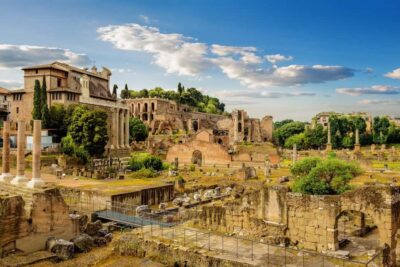
Colosseum, Roman Forum & Palatine Guided Tour
Read our review →
Vatican Museums, Sistine Chapel & St Peter’s Basilica Guided Tour
Read our review →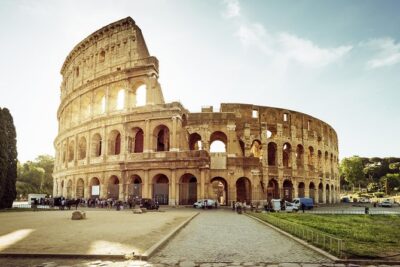
Colosseum, Palatine Hill and Roman Forum Guided Tour
Read our review →
Guided Tour of Colosseum, Roman Forum & Palatine Hill
Read our review →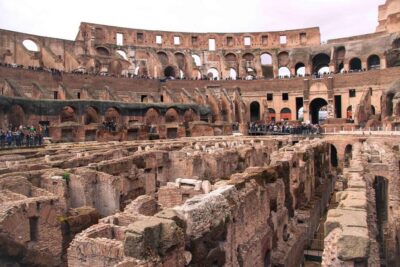
Colosseum & Forum with Audio Guide App -Optional Arena
Read our review →