
Review · FOOD & DRINK
The Other Side of Florence Food Tour with Eating Europe
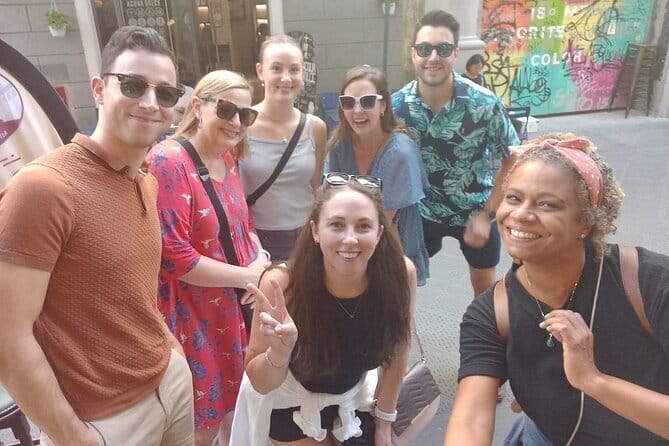
Florence tastes better away from the crowds. This three-hour walk by Eating Europe takes you through Oltrarno, Florence’s more local-feeling south bank, with stops for cheese, fennel salami, cantucci, lampredotto, Tuscan soup, wild boar, wine, and gelato. I especially like the small group of no more than 12 people and the way food comes with stories about neighborhood life, not just a parade of samples.
I also like the range of stops, from a family-run pastry shop to a street-food stand and a mid-century fiaschetteria. Guides such as Chiara and Elisa have earned praise for their warmth, storytelling, and practical food advice. The main consideration is the price, about $113.72 per person, which is fair if you value a full meal’s worth of tastings and local orientation, but high if you only want a quick snack crawl. Tastings can also change by season or day.
In This Review
- Key points at a glance
- Why Oltrarno makes the right setting
- Pecorino and Finocchiona at Sandro and Ivana
- Coffee, cantucci, and three generations at Buonamici
- Porta San Frediano and Florence’s medieval edge
- Lampredotto at Da Simone
- Wine windows and old ways of serving Florence
- Tuscan cucina povera at Fiaschetteria Fantappié
- Santo Spirito, Michelangelo, and the final gelato
- What the $113.72 price really includes
- Who should book this Florence food walk?
- Should you book The Other Side of Florence Food Tour?
- FAQ
- How long does The Other Side of Florence Food Tour last?
- Where does the tour begin?
- Where does the tour end?
- What food and drinks are included?
- How large is the group?
- Can children join the tour?
- Can dietary requirements be accommodated?
Key points at a glance
- Oltrarno on foot: See the bohemian south side of Florence, including Porta San Frediano, Santo Spirito, and old wine windows.
- A proper Tuscan tasting: Try two Pecorino cheeses, Finocchiona salami, Tuscan soup, wild boar stew, Chianti Classico, gelato, and more.
- Florence’s famous odd sandwich: Da Simone serves lampredotto, a cow-stomach panino that is a proud local classic.
- A family pastry stop: Pasticceria Buonamici has survived floods, wars, and pandemics, and serves cantucci with coffee or cappuccino.
- A compact, social group: The maximum group size is 12, making it easier to hear the guide and ask questions.
- Useful food lessons: You learn how to spot proper artisanal gelato, understand Tuscan ingredients, and find local wine windows.
Why Oltrarno makes the right setting
Florence’s most famous sights are north of the Arno, but Oltrarno gives you a different sense of the city. It has historic churches, old neighborhood businesses, small food shops, and streets where the city’s daily rhythm is easier to notice.
This tour starts at Piazza Nazario Sauro and ends in Piazza Santo Spirito. That route matters. You are not simply being driven from one restaurant to another. You walk between nearby stops, see medieval walls and Renaissance landmarks, and use the food to understand the neighborhood.
The tour lasts about three hours, so it works well as a substantial late morning or afternoon meal. You should arrive ready to eat several times, but not expect one large sit-down dinner. The food comes in portions spread across the walk, with enough variety to make the experience feel like a guided introduction to Tuscan eating.
The English-speaking guide is central to the experience. Chiara received special praise for making the stops feel personal and welcoming, while Elisa was singled out for her storytelling about local food and culture. Another guide handled an unexpected medical problem with patience and care, finding a nearby place where a participant could rest and later helping that person rejoin the group. That kind of attentiveness matters on a walking tour built around food and drink.
More Food Tours in Florence
- Florence: Chianti Wineries Tour with Wine Tasting
★ 4.5 · 8,301 reviews - Small-Group Wine Tasting Experience in the Tuscan Countryside
★ 5.0 · 7,392 reviews - SMALL-GROUP Wine Safaris: Tuscan Wine Tasting Tours from Florence
★ 5.0 · 5,088 reviews
Pecorino and Finocchiona at Sandro and Ivana
The first food stop is Formaggi E Salumi Sandro & Ivana, a traditional alimentari. In Italy, an alimentari is more than a shop selling provisions. It is the sort of place where regional products, neighborhood habits, and personal recommendations meet.
Here you taste two types of Pecorino, the sheep’s-milk cheese associated with Tuscany and other parts of central Italy. The comparison is useful because it lets you notice differences in texture and flavor rather than treating cheese as one broad category.
You also try Finocchiona, a Tuscan salami seasoned with fennel. The fennel gives it a distinctive sweet, herbal note. If you are used to standard salami, this is a good example of how a simple cured meat can carry a strong regional identity.
The stop lasts about 20 minutes. It is short, but it sets the tone for the tour: small servings, direct contact with local food traditions, and an explanation of what you are tasting. You do not need to be a food expert. The guide’s job is to give you enough background to recognize why these products matter.
Coffee, cantucci, and three generations at Buonamici
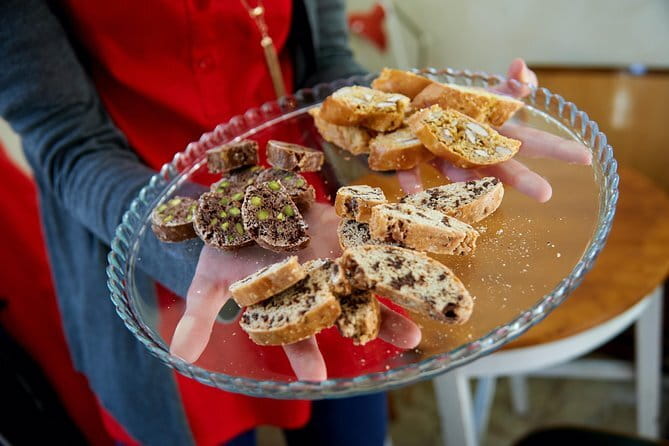
At Pasticceria Buonamici, the tour shifts from savory food to classic Florentine sweets. This historic pastry shop is now run by its third generation and has continued through floods, wars, and pandemics. That endurance gives the stop more meaning than a simple coffee break.
You taste cantucci, the crisp almond biscotti often served with a drink. The tour includes an explanation of how these Italian cookies are made, giving you the secret behind their firm texture and familiar crunch. You also try a delicate slice of millefoglie, a layered pastry, along with freshly brewed coffee or a cappuccino.
This is one of the most approachable stops for first-time visitors to Italy. Coffee culture can be confusing if you are unfamiliar with local customs, but here the drink is part of a food lesson rather than an isolated order at a café.
For many people, this may be the most immediately lovable stop. The pastry shop offers comfort, craft, and a link to the neighborhood. The only drawback is that sweets and coffee arrive early in the tour, so you should avoid eating a large breakfast beforehand.
Porta San Frediano and Florence’s medieval edge
Between tastings, you pass Porta San Frediano, a medieval gate dating to 1333. It is one of the remaining pieces of Florence’s old defensive walls and gives you a quick reminder that this city was once enclosed and fortified.
This stop does not involve a tasting, but it breaks up the food and adds useful context. The gate helps explain why the route feels different from a standard central Florence walk. You are seeing the city not only through famous art and architecture, but also through the old entrances and streets that shaped neighborhood life.
The tour is strongest when these short historical moments support the food. You are not asked to spend a long time at every monument. Instead, the guide uses the walk to connect a dish or shop with the place around it.
More Italian food and wine outings:
- Winner 2025 Florence Sunset Food & Wine Tour by Eating Europe
★ 5.0 · 5,015 reviews - San Gimignano, Siena, Monteriggioni, Chianti Day Trip with Lunch & Wine Tasting
★ 4.5 · 4,432 reviews - From Florence: Small Group Wine Tasting Tour to Tuscany
★ 4.9 · 3,902 reviews - Florence: Cinque Terre Park Day Trip with Optional Street Food
★ 4.5 · 3,593 reviews
Lampredotto at Da Simone
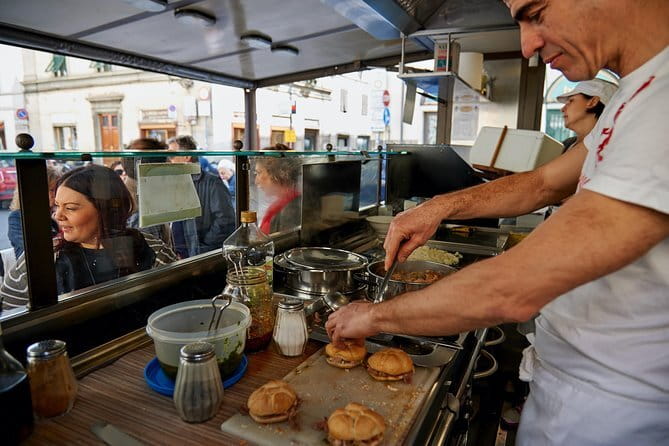
At P. Nerli, 2, you stop at Da Simone for lampredotto. This is Florence’s iconic street-food sandwich, made with cow stomach and served in a panino. The description can sound challenging, but lampredotto is an important part of the city’s working-class food tradition.
This is the tour’s biggest test for cautious eaters. If you dislike offal, you may need to approach it with an open mind. If you want to understand Florence beyond its polished restaurants, though, this is exactly the kind of food worth trying.
The portion is part of the tour, so you are not committing to a full plate. That makes it easier to sample something unfamiliar. You can decide what you think after the first bite instead of judging it from the name alone.
The lampredotto stop also shows the value of a guide. Without context, a cow-stomach sandwich may seem like a dare. With context, it becomes a window into how Florentines have used inexpensive ingredients to create a beloved local dish. The stop lasts about 20 minutes.
Wine windows and old ways of serving Florence
As you continue through Oltrarno, the guide points out Florence’s wine windows. These small openings in historic buildings were once used to sell wine directly to local people. They are easy to miss if you do not know what to look for.
I like this part of the tour because it connects food with urban design. A tiny opening in a wall can reveal how commerce worked, how wine moved through the neighborhood, and how historic buildings still preserve traces of daily life.
The wine windows are not presented as a modern gimmick. They are part of Florence’s culinary and social traditions. Seeing several of them during the walk gives you a practical detail to watch for later as you explore the city on your own.
Tuscan cucina povera at Fiaschetteria Fantappié
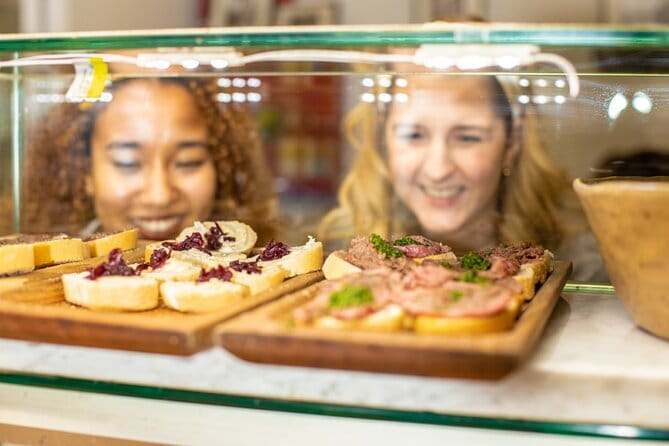
The longest food stop is at Fiaschetteria Fantappié, a historic Oltrarno establishment serving locals since the 1950s. A fiaschetteria is a traditional wine shop and simple eating place, and this stop focuses on cucina povera, the Tuscan cooking style built around humble, useful ingredients.
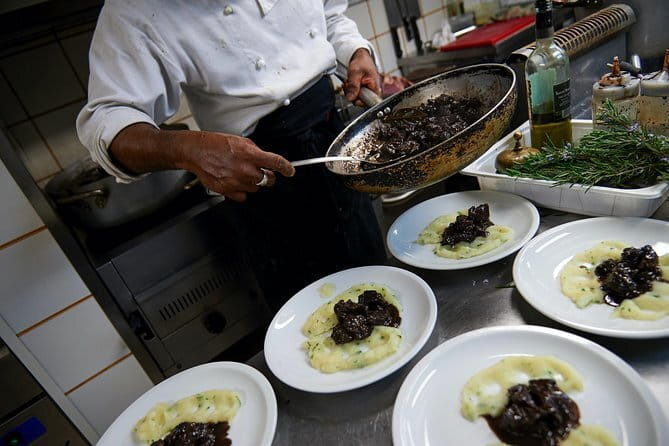
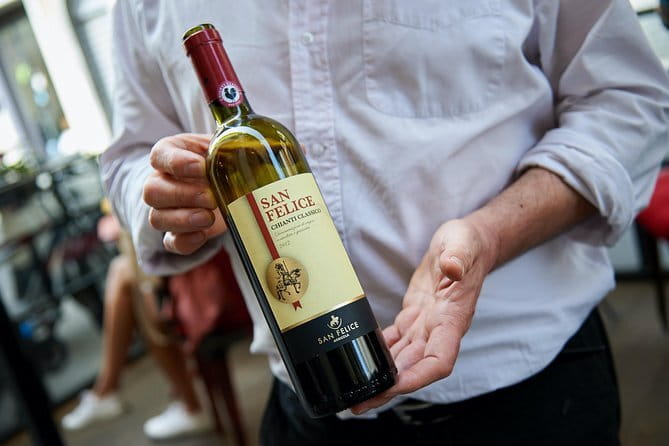
You taste Tuscan soup, wild boar stew, and a glass of Chianti Classico. The dishes are more substantial than the earlier samples, so this is where the tour begins to feel like a proper meal.
The wine is served through an iconic wine window, tying the tasting directly to the feature you have just been learning about. Chianti Classico also gives the guide a chance to explain Tuscan wine regions and quality. One participant specifically appreciated lessons using maps and simple diagrams to make the wine information easier to follow.
This stop is valuable because it puts Tuscan food in context. The point is not only that the dishes taste good. It is that they reflect a tradition of making filling food from what was available, including bread, vegetables, game, and local wine.
The 55-minute visit is the tour’s main pause. You have time to eat, listen, and ask questions. If you prefer a fast-moving tour with constant walking, this may feel long. I think the slower pace is welcome after several earlier tastings.
Santo Spirito, Michelangelo, and the final gelato
The route then reaches Piazza Santo Spirito, one of Oltrarno’s best-known public spaces. The Church of Santo Spirito contains a little-known crucifix attributed to Michelangelo, tucked inside the Renaissance church.
The stop adds art and religious history without turning the outing into a formal museum tour. You get a quick cultural layer before dessert, which is a fitting way to finish a walk through one of Florence’s most characterful districts.
At Gelateria Artigianale La Sorbettiera, you receive a short lesson on identifying real artisanal gelato. The guide explains what to look for, then you choose two flavors in a cup or cone.
This is more useful than simply handing you dessert. Florence has no shortage of gelato shops, and some rely on tall, brightly colored displays rather than careful production. A ten-minute lesson gives you a simple test to use for the rest of your trip.
La Sorbettiera has been voted Florence’s Best Gelato, but the bigger benefit is comparison. After tasting cheese, cured meat, pastry, soup, stew, wine, and street food, gelato gives you a light, sweet finish.
What the $113.72 price really includes
At about $113.72 per person, this is not a budget snack tour. Its value depends on how you use it.
You receive several tastings, drinks at the listed stops, an English-speaking guide, a small group capped at 12, and practical Food & the City tips. The food covers enough ground to replace a substantial meal, though you should not assume every listed dish appears on every date.
The included selection can change by day or season. That flexibility is normal for a tour using local shops and working food businesses, but it means you should book for the style of experience rather than one guaranteed menu.
You can also email ahead to purchase a Premium Drink Package with three additional drinks for €16. Extra drinks are not included in the base price, so factor that in if wine is a major reason you are booking.
The tour earns a current rating of 4.9 from 377 ratings, with 98 percent recommending it. That is a strong signal, especially because the praise focuses on the guide’s warmth, the local character of the stops, and the quality of the food rather than only on portion size.
Who should book this Florence food walk?
I would recommend it to you if you want food, neighborhood history, and orientation in one outing. It suits first-time visitors who want help choosing what to eat, as well as returning visitors who have already seen the Duomo and Uffizi and want a different side of Florence.
It is especially good for curious eaters. Pecorino, Finocchiona, lampredotto, wild boar, wine, and gelato make for a broad tasting list, but not every item will suit every palate.
Families can bring children under four for free, although food is not included for them. Paid tickets with food are available from age four. The tour is near public transportation, service animals are allowed, and most people can participate.
Vegetarian and gluten-free needs can be noted at booking or sent by email, and the company will try to accommodate them. Severe or life-threatening allergies are a different matter. The operator says the tour is not suitable for those allergies and cannot accept responsibility for food allergies or intolerances.
You should also wear comfortable shoes. The route is a walking tour through Florence, with several stops and short historical pauses. The meeting point is Piazza Nazario Sauro, and the tour ends at Piazza Santo Spirito, so plan your day around arriving at the first location and continuing from the second.
Should you book The Other Side of Florence Food Tour?
Book it if you want a social, food-focused introduction to Oltrarno rather than a formal cooking class or a restaurant meal. The small group, generous range of tastings, and strong guides make the price easier to justify.
Skip it if you are looking for a fixed menu, a long wine tasting, or a tour built around Florence’s major museums. Also skip it if lampredotto and other traditional meat dishes are likely to make you uncomfortable.
For most curious eaters, this is a smart first or second day activity. You finish with a better sense of what Tuscan food means, where locals eat, how to recognize good gelato, and which parts of Florence deserve more of your time.
FAQ
How long does The Other Side of Florence Food Tour last?
The tour lasts approximately three hours.
Where does the tour begin?
It begins at Piazza Nazario Sauro, 50125 Firenze FI, Italy.
Where does the tour end?
The tour ends at Piazza Santo Spirito, 50125 Firenze FI, Italy.
What food and drinks are included?
Included tastings can feature Pecorino cheese, Finocchiona salami, cantucci, millefoglie, coffee or cappuccino, lampredotto, Tuscan soup, wild boar stew, Chianti Classico, and two-flavor gelato. Offerings may change by day or season.
How large is the group?
The tour has a maximum of 12 participants.
Can children join the tour?
Children under four can join free, but food is not included for them. Paid tickets with food are available for children aged four and up.
Can dietary requirements be accommodated?
Vegetarian, gluten-free, and other dietary needs can be requested at booking or by email, and the company will try to help. The tour is not suitable for severe or life-threatening food allergies to ingredients found on the tour.
Just added around Florence
- Palazzo Vecchio guided experience with entrance ticket★ 4.5 · 249 reviews
- Lucca Bikes and Bites with food tastings for Small Groups or Private★ 5.0 · 249 reviews
- Perfume Masterclass in Florence: Make your Own Personal Fragrance★ 4.5 · 253 reviews
- Florence Oltrarno Neighborhood Food & Wine Dine Around★ 5.0 · 253 reviews
- Florence: Cathedral, Dome and Terraces Guided Tour★ 4.5 · 253 reviews
- Florence: 1.5-hour Santa Croce Guided Experience★ 4.8 · 254 reviews
- Florence: Pitti Palace and Palatina Gallery Ticket and Tour★ 4.9 · 255 reviews
- Private Florence Tour by Golf Cart ETukTuk with Audio Guide★ 4.0 · 256 reviews
Food & Drink, compared.
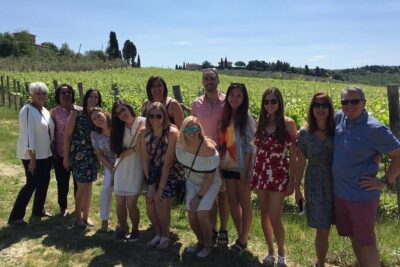
Small-Group Wine Tasting Experience in the Tuscan Countryside
Read our review →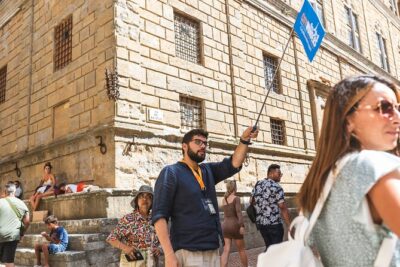
Tuscany & Montepulciano Day Trip with Lunch & Wine Tasting
Read our review →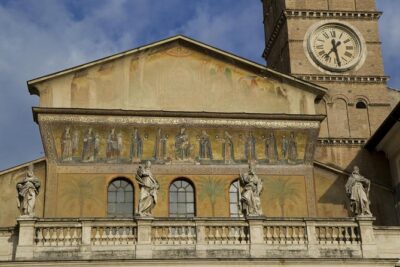
Rome Twilight Trastevere Food Tour by Eating Europe
Read our review →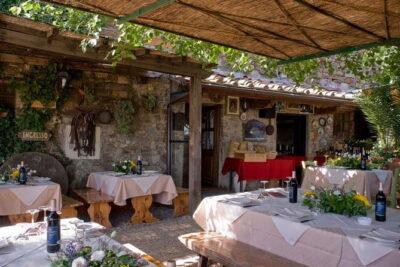
SMALL-GROUP Wine Safaris: Tuscan Wine Tasting Tours from Florence
Read our review →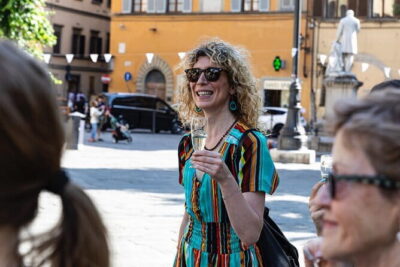
Florence Sunset Food & Wine Tour by Eating Europe
Read our review →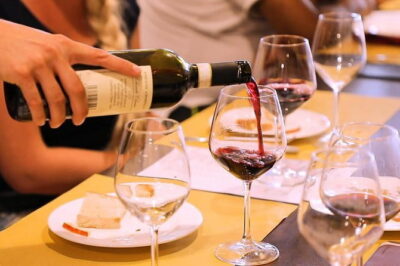
San Gimignano, Siena, Monteriggioni, Chianti Day Trip with Lunch & Wine Tasting
Read our review →
Browse the lists this tour appears in