
Review · COOKING CLASSES
Siena: Pasta and Tiramisu Cooking Class with Wine
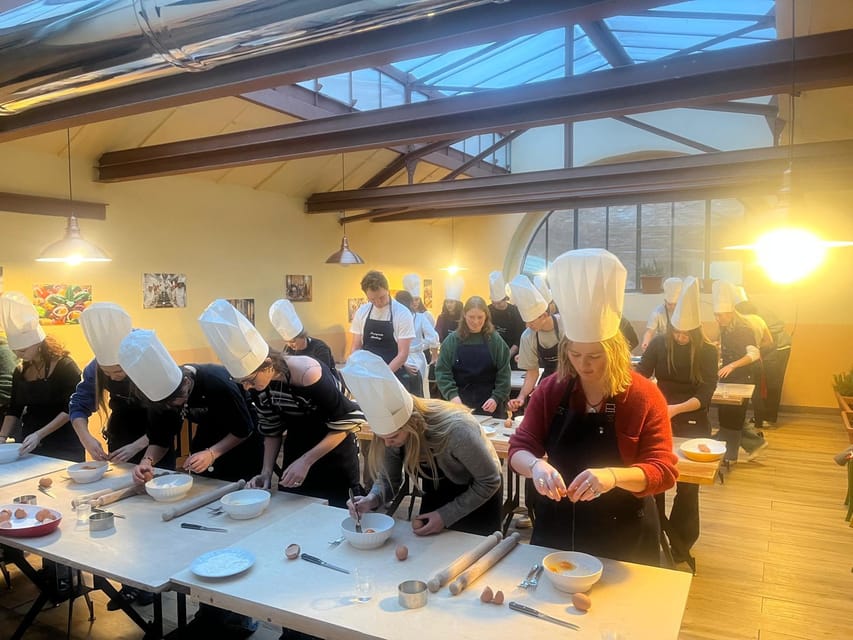
Good food makes Siena feel even better. This three-hour class at Trattoria Fonte Giusta gives you a practical introduction to Italian cooking, with hands-on pasta making, tiramisu, and a meal served after the work is done. I especially like the chance to make three different doughs, including Siena’s local pici, and the friendly, social format led by English-speaking chefs such as Dennis and Natalia.
I also like the value. For $81 per person, you receive a welcome glass of Prosecco, the cooking class, lunch or dinner, your homemade pasta and tiramisu, and a glass of wine. The main consideration is that the class teaches traditional recipes based on gluten, eggs, and dairy, so people with serious allergies or strict dietary needs should think carefully before booking.
In This Review
- Key Points at a Glance
- Arriving at Trattoria Fonte Giusta
- Three Doughs, Three Italian Traditions
- What You Actually Make
- The Tiramisu Break
- Eating Your Work at the Restaurant
- A Social Class With an International Table
- The Teachers Make the Difference
- Is $81 a Fair Price?
- Dietary Needs and Practical Limits
- Who Should Book This Siena Cooking Class?
- FAQ
- Where does the cooking class take place?
- How long does the experience last?
- What languages are spoken?
- What pasta doughs do you learn to make?
- Is tiramisu included?
- Is food included after the class?
- Are drinks included?
- Can the class accommodate dietary restrictions?
- Is hotel transportation included?
- Should You Book It?
Key Points at a Glance
- Three pasta doughs: Learn traditional egg pasta, egg-free pici dough, and potato-based gnocchi.
- Restaurant setting: Cook at Trattoria Fonte Giusta, then eat in the restaurant rather than simply taking your food home.
- English-speaking instruction: Chefs including Dennis and Natalia explain the process clearly and help you correct the dough as you work.
- A social evening: Groups can include about 12 people from several countries, making the meal as much a social occasion as a cooking lesson.
- Plenty to eat: The restaurant serves the pasta with sauces, followed by tiramisu and wine. Leftovers may be offered to take away.
- Good rainy-day choice: The clean, air-conditioned teaching kitchen makes this useful in Siena’s summer heat or on a wet afternoon.
Arriving at Trattoria Fonte Giusta
You meet inside Trattoria Fonte Giusta in Siena. There is no hotel pickup, so you need to make your own way to the restaurant and enter the trattoria at the meeting time.
The welcome is simple and well judged: a glass of Prosecco before you start cooking. It gives everyone a chance to arrive, settle in, and meet the rest of the group without wasting the first part of the class on formal introductions.
The setting matters here. You are not in a detached cooking school with no connection to local dining. You are working in or near a popular Siena restaurant, then eating the food in that restaurant afterward. That makes the class feel connected to the way an Italian meal actually works, with preparation, shared tables, wine, and conversation all part of the experience.
Put on the provided apron, wash your hands, and head to your workstation. The equipment is included, so you do not need to bring anything beyond comfortable clothes and a willingness to get flour on your hands.
More Cooking Classes in Florence
- Tuscan Cooking Class in Central Siena
★ 5.0 · 337 reviews - Florence: Pasta Cooking Class with Unlimited Wine
★ 4.9 · 10,285 reviews - Florence: Pasta & Tiramisu Cooking Class with Unlimited Wine
★ 4.9 · 6,708 reviews
Three Doughs, Three Italian Traditions
The main lesson focuses on three different kinds of pasta dough. This is the best part of the class because you learn that fresh pasta is not one single recipe with a few minor variations.
First comes traditional egg pasta. This is the dough most people picture when they think of fresh pasta, with eggs giving it color and a supple texture. The chef guides you through mixing and kneading, then checks the dough as you work. Getting the texture right is more useful than simply watching someone make it, since the same recipe can feel different depending on the flour and the moisture in the eggs.
Next comes pici, the thick, hand-rolled pasta associated with Tuscany and especially the Siena area. Pici dough is made without eggs. Its rustic shape and chewy texture make it a good introduction to a local specialty, and it shows you how much Italian pasta changes from one town or region to another.
The third dough uses potatoes and becomes gnocchi. Here the lesson shifts from flour-and-egg dough to a softer mixture that needs a different touch. You learn to recognize the right consistency rather than following a rigid clock. That is the sort of tip you can use at home, since cooking time alone will not tell you if the dough is too wet or too firm.
The chef walks around the room while you work, checking the texture and showing you how to adjust it. Dennis is praised for his patience, humor, and clear explanations, while Natalia is also singled out for making the class easy to follow in English. The teachers seem to be a major reason the class works for beginners.
This is a basic class, not an advanced professional course. You should expect useful foundations rather than a long study of flour types, regional sauces, or knife technique. That is a strength for most people on holiday. You can make the dough, shape the pasta, and understand what to look for without needing previous experience.
What You Actually Make
The exact pasta shapes can vary in how the session is presented. The central lesson is three doughs, with pasta such as tagliatelle, ravioli, pici, and gnocchi appearing in the hands-on work described by the class. The important point is that you are not only mixing one dough and watching the chef do everything else.
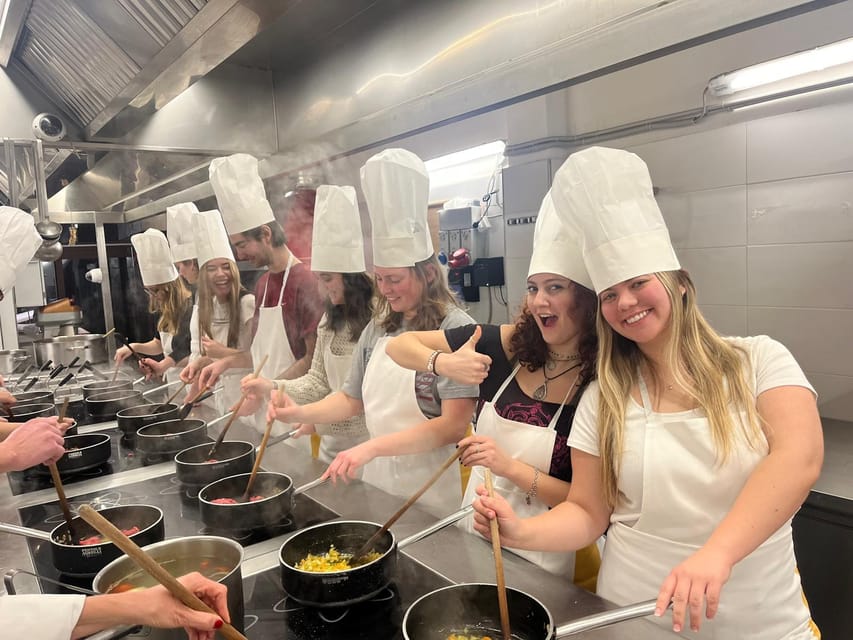
You get involved in the preparation, but the restaurant handles the sauces. This detail is worth knowing before you arrive. You make the pasta, while the kitchen prepares sauces such as tomato and meat sauce to serve with it. That keeps the class manageable and lets the restaurant serve a large meal at a reasonable pace, but it also means the experience does not teach you a complete sauce menu from start to finish.
For me, that division makes sense. Fresh pasta dough is the technique most people want to take home, and the restaurant’s kitchen can finish the meal while the class moves on to dessert. You also get to taste the difference between pasta you have just made and the dried pasta commonly served at home.
The Tiramisu Break
After the pasta work, you get a chance to sit down while the chef explains tiramisu. This pause is welcome after kneading, rolling, and shaping dough, especially during a long afternoon or evening session.
The chef demonstrates how to make the cream and explains how the ingredients are mixed. You then assemble your own tiramisu. The balance between demonstration and participation may vary slightly, but do not expect the dessert portion to be as physically demanding as the pasta portion.
That is not a bad thing. Tiramisu is more about proportions, texture, and careful mixing than complicated equipment. You learn the basic method and then get to enjoy the result. For many people, the dessert is the easiest recipe to repeat at home because it does not require a pasta machine or special shaping skills.
One useful caution: the traditional recipe contains dairy and eggs, just like the pasta lesson includes gluten. Substitutions may be available, but the instruction remains focused on the classic recipe, and the provider cannot guarantee protection from cross-contamination.
More Wine Tours in Florence
- From Florence: San Gimignano, Siena, and Chianti Wine Tour
★ 4.5 · 3,762 reviews - Small-Group Brunello di Montalcino Wine-Tasting Trip from Siena
★ 5.0 · 952 reviews - From Siena: Chianti and Castles Tour with Wine Tastings
★ 4.6 · 631 reviews - Total Immersion Wine Tour in Chianti
★ 4.9 · 430 reviews
Eating Your Work at the Restaurant
The cooking is followed by lunch or dinner at the restaurant. This is where the class becomes more than a kitchen lesson. You sit with the other people in your group, eat the pasta you prepared, and enjoy tiramisu with a glass of wine.
The restaurant may serve your pasta with more than one sauce, including tomato and meat sauce. That gives the meal variety, though you should not assume that you personally cooked every part of the plate. The kitchen finishes and presents the food, which is a sensible arrangement for a busy restaurant.
Portions appear generous. A few people have found the meal large enough that a doggy bag was offered for leftovers. That is helpful if your class takes place before a late evening walk through Siena, but do not treat the takeaway option as guaranteed. It depends on the amount left and the restaurant’s policy that day.
The wine is included, with a choice of red or white described during the meal. The pairing is not presented as a formal wine tasting, and you should not book this expecting a lesson in Tuscan wine. Instead, it is a pleasant glass with a substantial meal, which adds real value to the $81 price.
A Social Class With an International Table
The class often has around 12 people, although the exact number can change. That is large enough to create a lively table but small enough for the chef to move around and check individual dough.
You may find yourself cooking beside people from the United States, Australia, Korea, Brazil, Sweden, Mexico, or elsewhere. The group setting is a large part of the appeal. You work together, compare pasta shapes, and then continue talking over dinner.
Solo visitors should not feel that this is only for couples or families. One solo participant found the class easy to join and appreciated meeting people from several countries. The shared meal gives you a natural way to talk without the awkwardness of trying to introduce yourself at a tour bus stop.
The social side does bring one tradeoff. If you want quiet, private instruction, this is not the right format. You may need to wait briefly while the chef helps someone else, and the room can feel lively when several groups are cooking at once. The kitchen reportedly keeps separate groups in their own areas, which helps the class stay organized.
The Teachers Make the Difference
The strongest feature of this experience is the teaching. Dennis is repeatedly described as funny, patient, organized, and easy to understand. Natalia is also praised for her warm and helpful instruction.
Those qualities matter more in a pasta class than flashy equipment. Dough is tactile. You need someone to look at what you are doing and tell you if it needs more flour, more kneading, or a lighter touch. A chef who moves around the room can prevent a beginner from turning a small mistake into an unusable dough.
The best expectation is not that you will become a Tuscan chef in three hours. You will leave with basic skills: how different doughs behave, how to judge consistency, how pici differs from egg pasta, and how gnocchi needs a lighter approach. Recipe information may be provided at the end, giving you a better chance of repeating the dishes at home.
The class is suitable for beginners and for mixed-ability groups. You do not need to arrive with pasta-making experience. Children under three are not accepted, and the activity is not recommended for babies.
Is $81 a Fair Price?
At $81, this class is not the cheapest meal in Siena. You can eat pasta for less, and you can buy a dessert without spending three hours in a kitchen.
But the price includes several parts:
- A three-hour guided experience
- Three types of pasta dough
- Tiramisu instruction and assembly
- Apron and cooking equipment
- A welcome glass of Prosecco
- Lunch or dinner
- A glass of wine
- Hands-on help from an English-speaking chef
I consider that fair value if you want an activity as well as a meal. The class replaces one restaurant dinner and adds instruction, conversation, and a skill you can use after your holiday. It is especially good value for people who would otherwise book a separate food tour and restaurant meal.
The value is less convincing if you dislike group activities or mainly want to learn sauces, meat dishes, or advanced pasta shaping. You also need to remember that the kitchen prepares the sauces, so the price is not buying a complete Italian cooking course.
The food quantity improves the deal. Several sessions have produced more than enough to eat, and the combination of pasta, dessert, and wine makes this a filling three-hour outing.
Dietary Needs and Practical Limits
Dietary information needs careful attention. The provider says substitutions are available for vegetarian, vegan, lactose-intolerant, and other diets if you report them when booking. At the same time, the activity is marked as unsuitable for vegans, people with food allergies, gluten intolerance, and lactose intolerance.
The safest reading is this: ask before booking, but do not assume the class can provide a fully separate or contamination-free meal. The teaching remains based on traditional recipes containing gluten, dairy, and eggs. Anyone with a medical allergy should treat the lack of a cross-contamination guarantee as a serious limitation.
Vegetarians may have an easier time, but you still need to give advance notice. You will sample the dishes prepared during the class, so this is not an activity where you can simply watch and skip the food.
The class lasts three hours, and the cooking is hands-on. Wear something comfortable and suitable for working with flour. The air-conditioned kitchen is a useful feature in hot weather, while the indoor format makes this a smart choice during rain.
Free cancellation is available up to 24 hours before the start time, and you can reserve while paying later. Check the available start times when you choose your date, since the schedule is not stated as one fixed daily departure.
Who Should Book This Siena Cooking Class?
I would recommend it to you if you want to:
- Learn simple Italian recipes you can repeat at home
- Try Tuscan pici and potato gnocchi
- Meet people while eating a shared meal
- Combine a restaurant dinner with a hands-on activity
- Give yourself an indoor plan during hot or rainy weather
- Enjoy wine without booking a separate tasting
- Travel solo and prefer an easy social setting
Families can also find it enjoyable, with one 12-year-old particularly happy to take part. The lower age limit is three, but very young children may not have the patience for a three-hour food lesson.
I would skip it if you want private instruction, a quiet dinner, a full lesson in Tuscan sauces, or a completely allergen-free kitchen. It is also not a good choice for anyone who cannot safely eat the traditional ingredients.
FAQ
Where does the cooking class take place?
The class takes place at Trattoria Fonte Giusta in Siena, Tuscany. Enter the restaurant at the stated meeting time.
How long does the experience last?
The cooking class and meal take about three hours.
What languages are spoken?
The live instruction is in English.
What pasta doughs do you learn to make?
You learn traditional egg pasta dough, egg-free dough for Tuscan pici, and potato-based dough for gnocchi.
Is tiramisu included?
Yes. Tiramisu instruction and preparation are included, followed by tasting the dessert you helped make.
Is food included after the class?
Yes. Lunch or dinner is included, along with the pasta and tiramisu prepared during the experience.
Are drinks included?
You receive a welcome glass of Prosecco and a glass of wine with the meal.
Can the class accommodate dietary restrictions?
Substitutions may be available for vegetarian, vegan, lactose-intolerant, and other diets if you provide the information when booking. Traditional instruction uses gluten, eggs, and dairy, and cross-contamination cannot be guaranteed.
Is hotel transportation included?
No. Hotel pickup and drop-off are not included. You need to reach Trattoria Fonte Giusta independently.
Should You Book It?
Book this class if you want a friendly, filling, hands-on food experience rather than a formal culinary course. The three doughs give you a useful range of Italian techniques, the meal is generous, and the Prosecco and wine help turn the lesson into a relaxed Siena evening.
The best reason to choose it is the combination of patient English instruction and a real meal at the same restaurant. Dennis and Natalia bring the warmth beginners need, while the group setting gives solo visitors and couples an easy way to meet people.
Just book with clear expectations. You make the pasta, the restaurant prepares the sauces, and the tiramisu may include a demonstration-led portion. If that sounds like the right balance of cooking, eating, and social time, this is a strong-value choice at $81.
More Hands-On Cookery Sessions
- 3 in 1 Cooking Class near Navona: Fettuccine, Ravioli & Tiramisu
★ 5.0 · 7,376 reviews - Florence: Pasta Cooking Class with Unlimited Wine
★ 5.0 · 6,413 reviews - Cooking Class and Lunch at a Tuscan Farmhouse with Local Market Tour from Florence
★ 5.0 · 4,831 reviews - Rome: Pasta Making Class with Wine, Limoncello, and Dessert
★ 4.9 · 3,177 reviews
More Vineyard Visits and Tastings
- From Siena: Brunello di Montalcino Guided Wine Tour W/ Lunch
★ 4.9 · 357 reviews - Siena: A Wine Tour and Tasting Experience
★ 5.0 · 352 reviews - From Siena: Tuscany Hills Wine Tour
★ 4.1 · 323 reviews - Wine Class – Tuscan Classics
★ 5.0 · 264 reviews
Just added around Siena
- Wine Class – Tuscan Classics★ 5.0 · 264 reviews
- Small-Group Montepulciano and Pienza Day Trip from Siena★ 5.0 · 281 reviews
- Skip-the-Line Siena Cathedral Duomo Complex Entrance Ticket★ 4.5 · 291 reviews
- Discover Siena: Guided Walking Tour and Cathedral Visit★ 4.3 · 314 reviews
- From Siena: Tuscany Hills Wine Tour★ 4.1 · 323 reviews
- Tuscan Cooking Class in Central Siena★ 5.0 · 337 reviews
- Siena: A Wine Tour and Tasting Experience★ 5.0 · 352 reviews
- From Siena: Brunello di Montalcino Guided Wine Tour W/ Lunch★ 4.9 · 357 reviews
Cooking Classes, compared.

3 in 1 Cooking Class near Navona: Fettuccine, Ravioli & Tiramisu
Read our review →
Pasta & Tiramisu Cooking Class with Unlimited Wine
Read our review →
Cooking Class and Lunch at a Tuscan Farmhouse with Local Market Tour from Florence
Read our review →
Pasta Making Class with Wine, Limoncello, and Dessert
Read our review →
3-in-1 Fettuccine, Ravioli, and Tiramisu Cooking Class
Read our review →Browse the lists this tour appears in