
Review · CHIANTI WINE TOURS
Total Immersion Wine Tour in Chianti
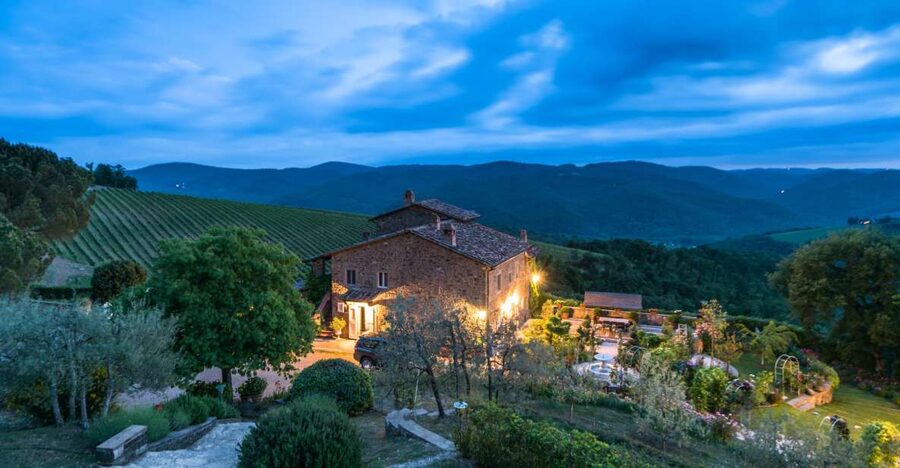
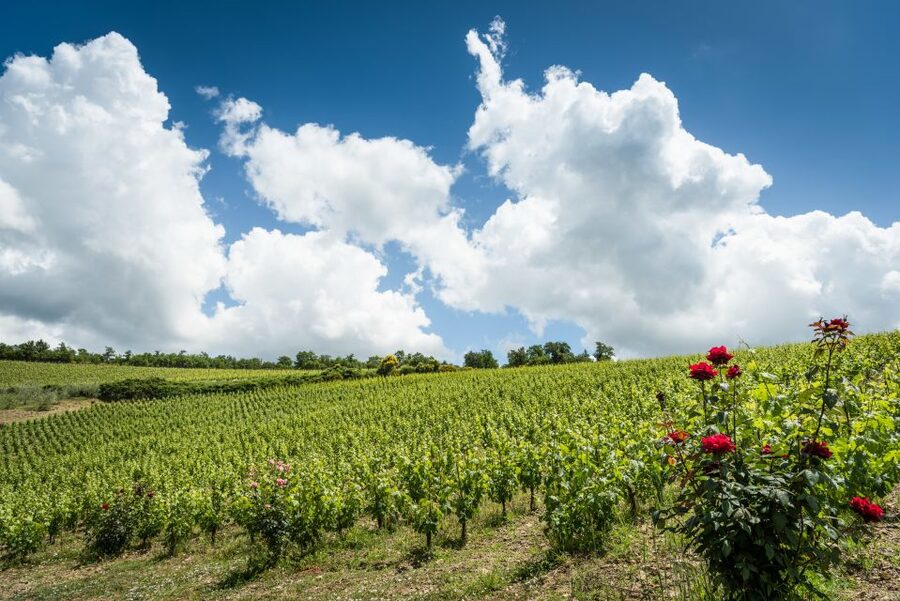
The road is part of the adventure. At Fattoria di Montemaggio, you leave the busy Tuscan routes behind and reach a small organic winery high in the Chianti hills, about 600 meters above sea level. The setting feels wonderfully rural, with wooded slopes, vineyards, and broad views from the cellar roof.
I like the family-run feel and the way the tour explains every stage, from vineyard work to fermentation and aging. I also like the tasting lesson, which gives you a useful method for smelling, tasting, and serving wine instead of simply handing you a glass. The main drawback is access: the winery is remote, and the final road is gravel, narrow, and rough in places.
I would choose this experience if you want more than a quick tasting room stop. Francesco, Ilaria, Stefano, and the rest of the team have earned strong praise for their warmth, humor, and passion. Just allow extra time to reach the estate, follow the directions carefully, and wear sensible shoes if rain is expected.
In This Review
- Key points to know before you go
- Arriving at Fattoria di Montemaggio near Radda in Chianti
- The roof of the cellar and the Black Rooster story
- Walking through the vineyard and organic agriculture
- Inside the cellar: from harvest to aging
- The tasting: five estate products and local snacks
- Learning how to taste wine properly
- Grappa and the extra products
- Guides who make the visit work
- How the two-hour timing feels
- Weather, clothing, and practical comfort
- Who should book this Chianti wine tour?
- Should you book Fattoria di Montemaggio?
- FAQ
- Where is the Total Immersion Wine Tour in Chianti held?
- How long does the wine tour last?
- How much does the tour cost?
- What wines are included in the tasting?
- Is food included?
- Is hotel pickup included?
- Is the tour suitable for children or wheelchair users?
Key points to know before you go
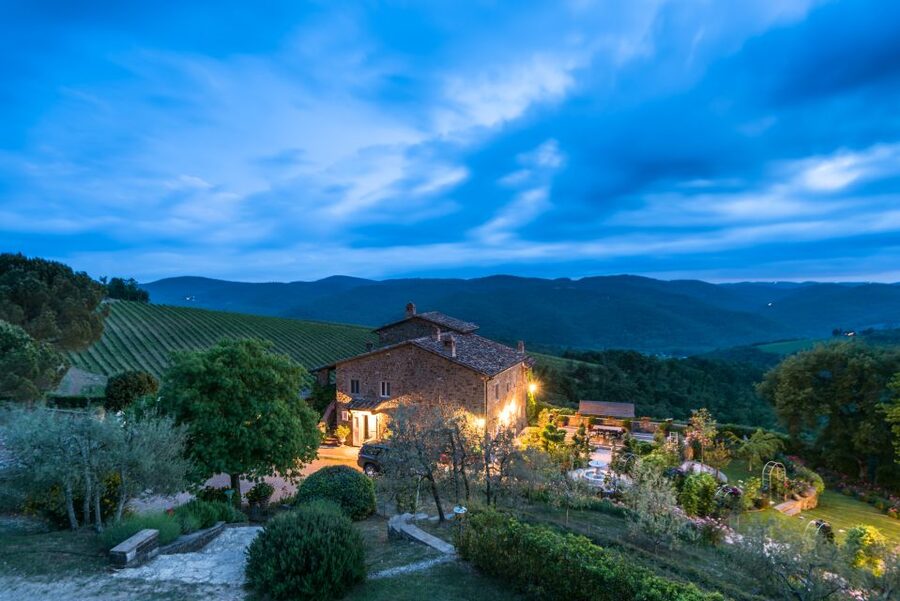
- A remote hilltop setting: Fattoria di Montemaggio sits in the countryside near Radda in Chianti, reached by a final stretch of unpaved road.
- A full production story: You visit the vineyard and cellar, then learn about grape selection, fermentation, and barrel aging.
- A practical tasting lesson: The staff teaches you how to smell, taste, and serve wine in a clear, friendly way.
- Five estate products included: The tasting includes red, white, rosé, and sparkling wines, with some tastings also featuring grappa or additional wines.
- Local food with the wine: Cheese, salami, bread, and the estate’s extra virgin olive oil accompany the tasting.
- A small-scale organic winery: The focus is on organic agriculture and the character of wine made in the Chianti Classico area.
Arriving at Fattoria di Montemaggio near Radda in Chianti
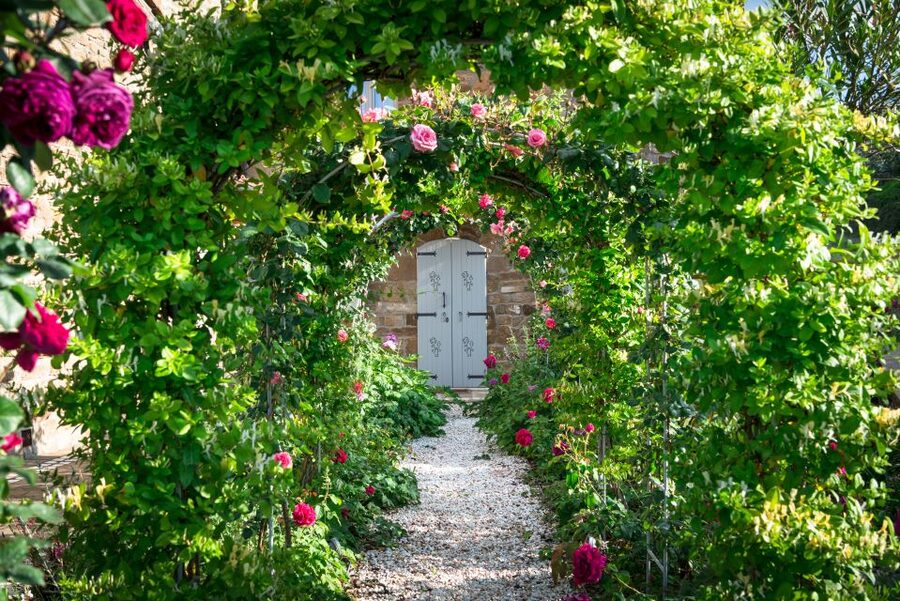
The address is Fattoria di Montemaggio, Località Montemaggio, Radda in Chianti, Siena. That sounds simple enough, but the approach deserves serious attention.
You will be driving into a secluded area in the forest, and the last part of the route is gravel or unpaved. Narrow sections, twisting turns, and deep rain ruts can make the approach slower than expected. One useful tip is to allow plenty of time and follow the estate’s road instructions exactly. Do not rely on a casual estimate of the driving time.
I like that the remote location is not hidden behind a drawback-free description. The rough approach is part of why the place feels separate from the standard wine circuit, but it can also be stressful if you arrive late or are driving a large vehicle. A rental car is the most practical choice based on the available information, since hotel pickup and drop-off are not included.
Once you arrive, the rural setting becomes the reward. You are not looking at a wine bar with a few decorative vines nearby. You are at a working estate surrounded by the hills and woods of Chianti.
More Wine Tours in Florence
- From Florence: San Gimignano, Siena, and Chianti Wine Tour
★ 4.5 · 3,762 reviews - Small-Group Brunello di Montalcino Wine-Tasting Trip from Siena
★ 5.0 · 952 reviews - From Siena: Chianti and Castles Tour with Wine Tastings
★ 4.6 · 631 reviews
The roof of the cellar and the Black Rooster story
The experience begins on the roof of the cellar, at a high point with wide views over the rolling Tuscan countryside. This is a smart opening because it gives you a sense of place before the technical part of the tour begins.
From here, your guide introduces the estate and explains the Chianti Classico area. You also hear the story of the Black Rooster, the historic symbol associated with Chianti Classico. It is a small detail, but it helps explain why the label and emblem matter when you see them on local bottles.
The roof has little shade, so plan accordingly in warm weather. One person specifically wished for shade structures there. In summer, a hat, sunscreen, and water will make this opening stop more comfortable. On rainy days, the experience can still work well, but the outdoor portion may feel less relaxed.
The views are a major part of the appeal. You will see vineyards mixed with wooded hills, rather than a single broad sweep of vines. That mixture helps explain why a visit here feels different from a tasting in town.
Walking through the vineyard and organic agriculture
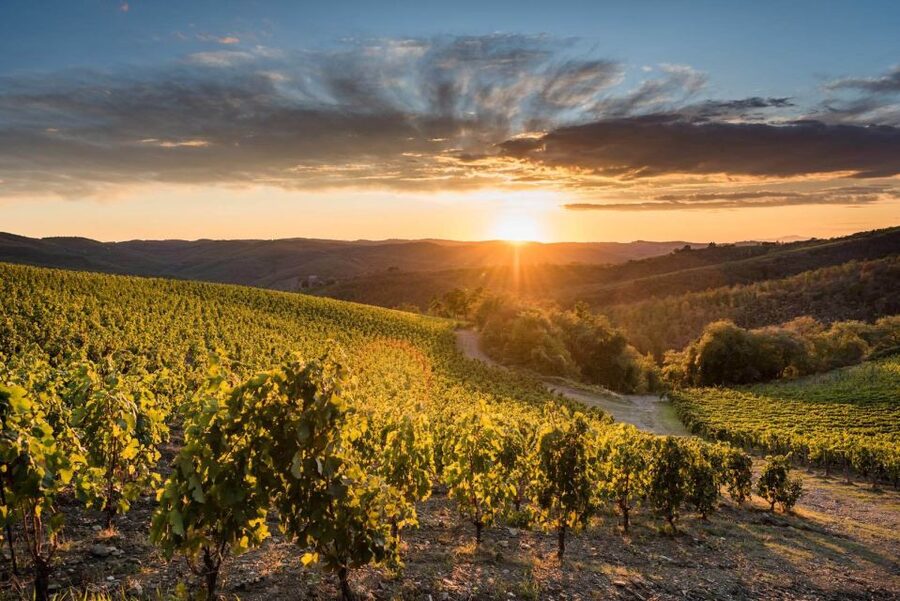
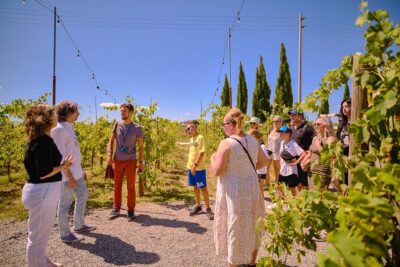
The next stop is one of the vineyards. Here, your guide explains how the vines are worked and what organic agriculture means for the estate.
The value of this part is not just visual. It connects the wine in your glass to decisions made outdoors, including how the vines are cared for and how the grapes develop before harvest. If you are new to wine, this can make the final tasting easier to understand. You begin to see why wine is affected by soil, elevation, weather, grape selection, and cellar work.
The staff also explains the particular conditions of the Chianti Classico area. The estate’s position, around 600 meters above sea level, is an important part of its identity. The available information does not promise a long vineyard walk, so I would expect a focused visit rather than a strenuous hike. Wear shoes with a good grip, especially after rain.
The organic focus also gives the tour a clear point of difference. You are not only hearing broad claims about natural production. The guide discusses the working process and the choices involved in organic farming. That makes the conversation useful even if you already know the basics of wine.
Inside the cellar: from harvest to aging
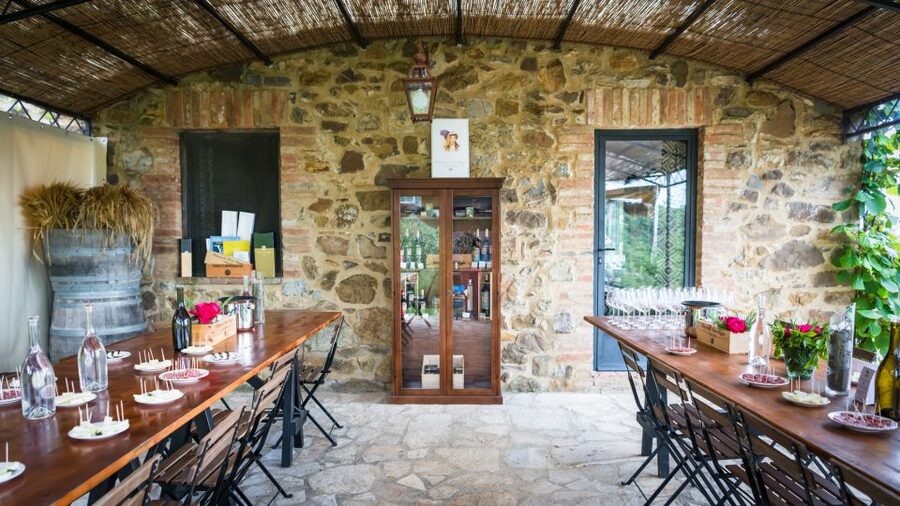
The cellar visit is the most educational part of the two-hour program. Your guide walks you through what happens during harvest, including grape selection, followed by fermentation and later aging.
This step-by-step approach is especially useful for first-time wine drinkers. Instead of hearing a string of impressive-sounding terms, you can connect each term to a stage in production. The explanation covers how grapes are selected, how fermentation shapes the wine, and how aging affects the finished bottle.
The small scale of Fattoria di Montemaggio matters here. A family-run estate gives the tour a more personal tone than a large commercial facility. Guides such as Francesco and Stefano have been praised for making technical subjects easy to follow, while Ilaria has been described as a winemaker who explains the work with real feeling.
You should expect a talk rather than a silent walk through the tanks and barrels. The guides answer questions, tell stories about the area, and explain the choices behind the wines. The experience suits you best if you enjoy learning how a product is made, not just sampling the finished result.
The tour lasts two hours, so the cellar explanation cannot cover every detail of wine production. Still, the sequence from vineyard to cellar to tasting room gives the visit a sensible shape.
More Chianti wine afternoons:
- Florence: Siena, San Gimignano and Chianti Small Group Tour
★ 4.9 · 433 reviews - Florence: Pisa, Siena, San Gimignano, and Chianti Experience
★ 4.5 · 8,393 reviews - Florence: Chianti Wineries Tour with Wine Tasting
★ 4.5 · 8,301 reviews - San Gimignano, Siena, Monteriggioni, Chianti Day Trip with Lunch & Wine Tasting
★ 4.5 · 4,432 reviews
The tasting: five estate products and local snacks
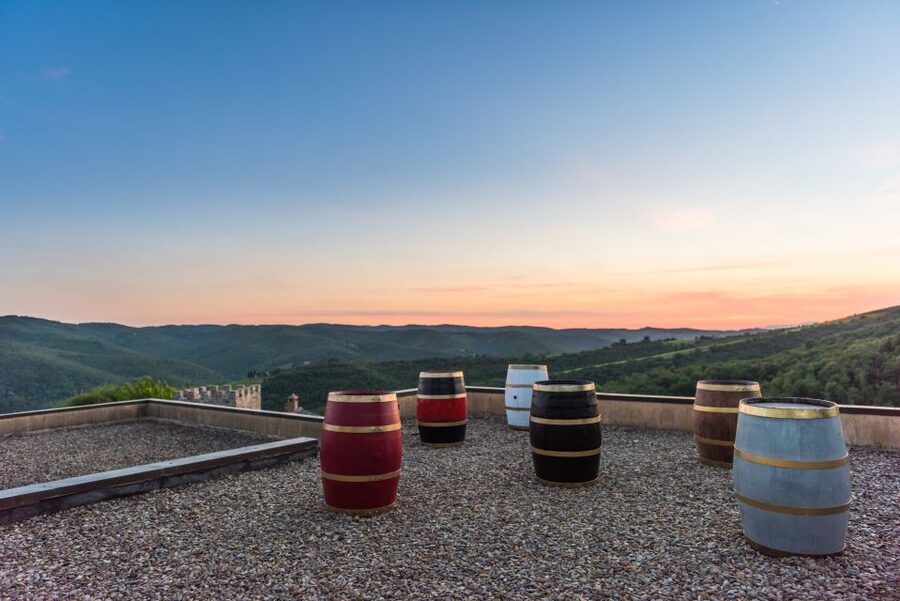
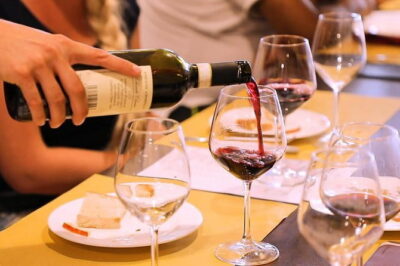
The tasting room is the final stop, and it is where the earlier explanations begin to make sense. The advertised tasting includes five products from the estate, with red, white, rosé, and sparkling wine represented.
The exact number of pours may vary. Several tasting experiences included six or even seven wines, and some also included grappa. It is safest to plan on at least five estate products, with the possibility of extra samples depending on the session.
The wines are served with a small plate of cheese, salami, and bread, plus the estate’s own extra virgin olive oil. This is not a full meal, but it is more than a token snack. The food gives you something to eat between pours and shows how naturally Tuscan wine fits with simple local foods.
I especially like the range. A tasting that includes red, white, rosé, and sparkling wine lets you compare styles instead of judging one Chianti against one other Chianti. You may also taste younger and older wines, which can show how age changes texture and flavor.
The food is generally a strong part of the experience, though it may be less satisfying if you have serious food intolerances. Gluten-free options are available, and dietary requests can be accommodated, but you should communicate them in advance.
Do not count on a special discount when buying bottles. One important practical point is that bottles are sold at the regular retail price. Buying wine can still be worthwhile if you find a favorite, but the value is in the tasting and direct connection with the estate, not in an automatic bargain.
Learning how to taste wine properly
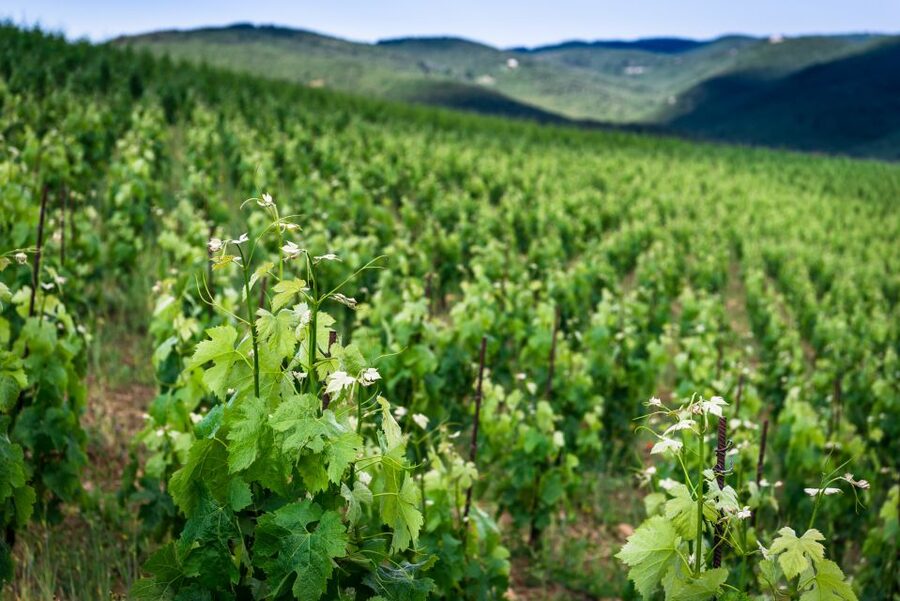
The mini tasting course is one of the best reasons to choose this tour. You learn how to smell wine, taste it, and serve it properly.
That may sound basic, but a simple method can change how you approach wine for the rest of your trip. You learn to pause, notice aromas, consider the taste, and think about balance rather than rushing to decide if you like a bottle.
The teaching is designed for ordinary people, not only serious wine students. First-time wine drinkers have found the explanations approachable, while more experienced drinkers can ask detailed questions about production and aging.
I appreciate this practical touch because it gives you something to take home besides a pleasant memory. The next time you open a bottle, you will have a better way to assess it. You might even sound like a wine expert for five minutes, which is a fine souvenir and costs nothing.
The serving lesson also matters. Wine changes depending on how it is poured and approached, and the guide explains the basic habits that help you enjoy it properly. The tone is friendly rather than stiff or overly formal.
Grappa and the extra products
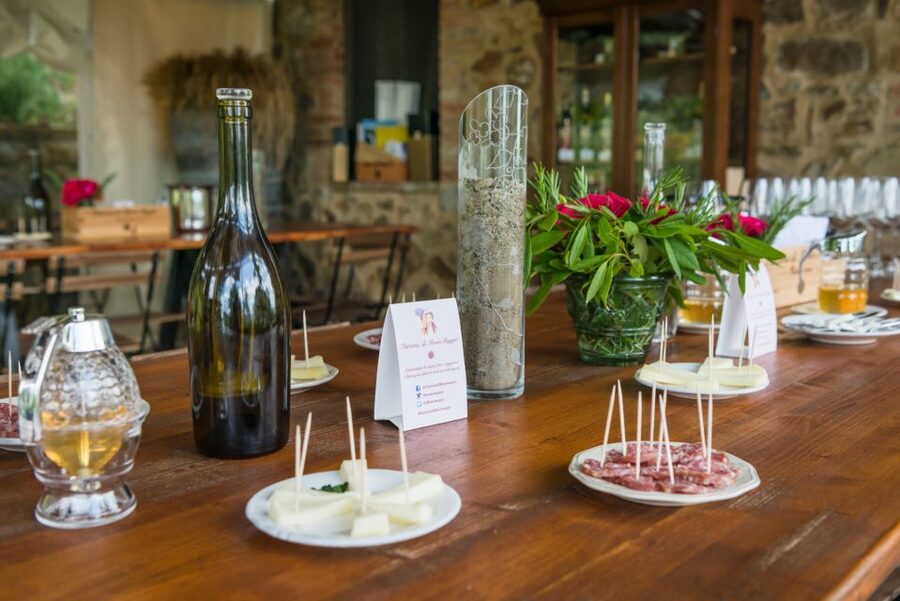
The final tasting may include grappa, a spirit made from grape pomace. The guide explains its production and lets you consider its distinct, delicate character.
Grappa will not appeal to everyone, and it has a stronger personality than the wines. You can choose whether to try it. Its inclusion adds another useful link between the vineyard and the wider world of Italian drinks.
The estate also produces extra virgin olive oil, which appears both in the snack plate and among the products you can taste. The olive oil is not an afterthought. Served with bread, it gives you a direct taste of another product made on the farm.
Some experiences have also included mention of a cosmetic line made with antioxidants from the estate’s grapes. This is not presented as a central part of the tour, so I would treat it as an optional side interest rather than a reason to book.
Guides who make the visit work
A wine tour can easily become a list of facts. Here, the guide is a major part of the experience.
Francesco receives repeated praise for his energy, humor, storytelling, and clear explanations. You can expect him to discuss the wine, the area, the estate’s past, and the details of organic production. Ilaria and Stefano have also led tours, with strong attention to both wine education and personal hospitality.
The available language is English. That is important if you want to follow the production details rather than simply watch the process. The guides are described as fluent and comfortable answering questions.
The small winery setting also helps. The group size is not fixed in the supplied details, but several sessions were described as small, including one with only four people. A small group can make the tasting more relaxed and give you more room to ask questions.
That personal attention is part of what you are paying for. At $47 per person, the price is not the cheapest way to taste Tuscan wine, but it covers a two-hour visit, estate products, food, instruction, and access to a remote family-run winery. Compared with a quick urban tasting, the added value is the setting and the explanation of how the wine is made.
How the two-hour timing feels
Two hours is enough time for a clear introduction to the estate without turning the visit into an all-day commitment. The sequence is well balanced: views and history, vineyard, cellar, then tasting.
You will not have unlimited time to wander. If you want a long walk through the property or an extended lunch, this is not that kind of program. It is a compact educational visit with a generous tasting at the end.
Arriving on time matters. Because the vineyard and cellar explanations are connected, missing the opening portion means losing the context that makes the tasting more meaningful. The remote access also makes lateness especially risky.
The tour is intended for adults aged 18 and over. Alcohol is central to the experience, so it is not suitable for children under 18. Wheelchair access is listed as available, though the gravel road and outdoor surfaces are worth considering when planning your visit.
Weather, clothing, and practical comfort
Your clothing can shape the experience more than you might expect.
For sunny weather, bring sun protection because the cellar roof has limited shade. For rain, closed shoes are advised, especially because of the unpaved approach and outdoor vineyard portion.
A rainy day does not automatically ruin the visit. The cellar and tasting room give the experience indoor structure, and one particularly wet visit still worked well. Even so, you should expect the road and outdoor surfaces to be less comfortable after rain.
Food needs are manageable. Gluten-free choices are available, and dietary options can be arranged. Tell the estate about your needs before arrival so the snack plate can be handled properly.
The estate is also pet friendly according to one visit, but the provided activity information does not give a formal pet policy. If you plan to bring an animal, confirm directly before booking.
Who should book this Chianti wine tour?
I would recommend it most strongly to you if you meet one or more of these descriptions:
- You want to understand wine production, not just drink wine.
- You like small family-run businesses and personal guiding.
- You are staying in or exploring the Chianti Classico area.
- You enjoy scenic rural settings and do not mind a rough approach road.
- You are new to wine tasting and want simple instruction.
- You want to compare red, white, rosé, and sparkling wines in one sitting.
I would be more cautious if you do not have a practical way to reach the estate, dislike unpaved roads, or want a full meal rather than a snack plate. You should also think twice if you are looking for a formal luxury tasting room with polished commercial facilities.
The experience works for both beginners and wine fans, but the strongest match is someone who values explanation, place, and conversation. The wine matters, of course, but the appeal comes from seeing where it is made and meeting the people who care for it.
Should you book Fattoria di Montemaggio?
Yes, if you want a personal, educational wine visit in the Chianti hills and can manage the remote drive.
At $47, the package is fair value for two hours of guiding, scenic views, a vineyard and cellar visit, a tasting of at least five estate products, grappa in some sessions, and local cheese, salami, bread, and olive oil. The lack of a bottle discount is worth noting, but it does not erase the value of the visit itself.
Book this one for the organic farming story, excellent guides, and secluded setting. Skip it only if the rough access road, outdoor conditions, or adult-only format does not suit your plans. Follow the directions, arrive early, wear sensible shoes, and you will be set up for one of the more genuine wine experiences near Radda in Chianti.
FAQ
Where is the Total Immersion Wine Tour in Chianti held?
The tour takes place at Fattoria di Montemaggio, Località Montemaggio, Radda in Chianti, Siena, Tuscany.
How long does the wine tour last?
The experience lasts two hours.
How much does the tour cost?
The listed price is $47 per person.
What wines are included in the tasting?
The tasting includes five different products from the estate, including red, white, rosé, and sparkling wine. Some sessions have also included additional wines and grappa.
Is food included?
Yes. The tasting includes bread, cheese, cold cuts of meat, and the estate’s extra virgin olive oil.
Is hotel pickup included?
No. Hotel pickup and drop-off are not included, so you need to arrange your own transportation to the estate.
Is the tour suitable for children or wheelchair users?
The activity is not suitable for children under 18. Wheelchair access is listed as available, but you should consider the gravel and unpaved road when planning your visit.
More Vineyard Visits and Tastings
- From Siena: Brunello di Montalcino Guided Wine Tour W/ Lunch
★ 4.9 · 357 reviews - Siena: A Wine Tour and Tasting Experience
★ 5.0 · 352 reviews - From Siena: Tuscany Hills Wine Tour
★ 4.1 · 323 reviews - Siena: Pasta and Tiramisu Cooking Class with Wine
★ 4.8 · 274 reviews
Just added around Siena
- Wine Class – Tuscan Classics★ 5.0 · 264 reviews
- Siena: Pasta and Tiramisu Cooking Class with Wine★ 4.8 · 274 reviews
- Small-Group Montepulciano and Pienza Day Trip from Siena★ 5.0 · 281 reviews
- Skip-the-Line Siena Cathedral Duomo Complex Entrance Ticket★ 4.5 · 291 reviews
- Discover Siena: Guided Walking Tour and Cathedral Visit★ 4.3 · 314 reviews
- From Siena: Tuscany Hills Wine Tour★ 4.1 · 323 reviews
- Tuscan Cooking Class in Central Siena★ 5.0 · 337 reviews
- Siena: A Wine Tour and Tasting Experience★ 5.0 · 352 reviews
Chianti Wine Tours, compared.
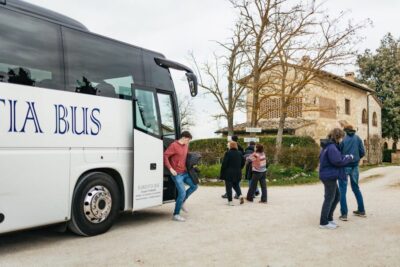
Pisa, Siena, San Gimignano, and Chianti Experience
Read our review →
San Gimignano, Siena, Monteriggioni, Chianti Day Trip with Lunch & Wine Tasting
Read our review →
Pisa, Siena, S. Gimignano, Chianti Wine & Lunch
Read our review →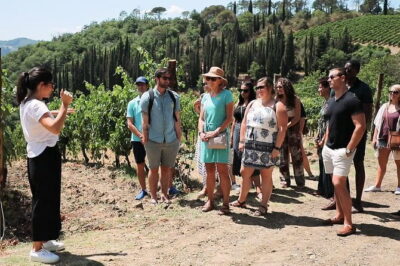
Siena, San Gimignano and Chianti Wines Day Tour from Florence
Read our review →
S. Gimignano, Siena, Chianti & Wine Tasting Lunch
Read our review →Browse the lists this tour appears in