
Review · COOKING CLASSES
Rome: Spritz & Spaghetti Cooking Class
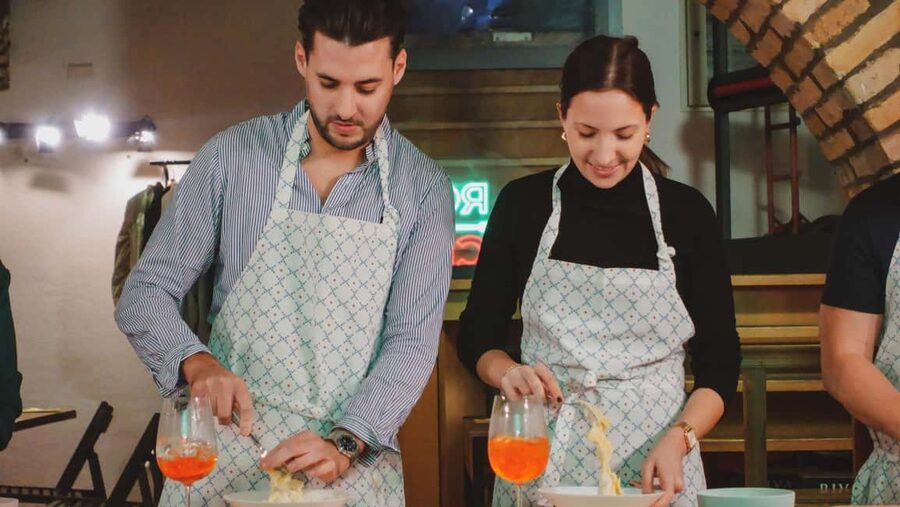
Fresh pasta tastes better with a spritz. This three-hour Rome class combines hands-on fettuccine making with three Italian cocktails, all in a real Roman kitchen. I like the small maximum of 14 people, which gives the class a personal feel, and I like that you eat the pasta you make and take the recipes home. The main drawback is dietary: gluten-free, vegan, and dairy-free guests cannot be accommodated, and lactose intolerance is also a problem.
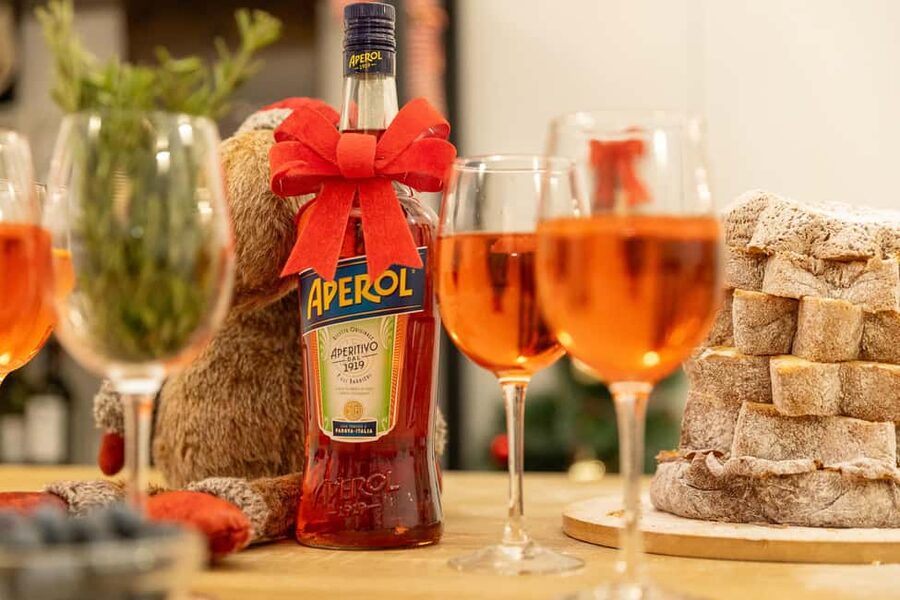
You begin with an Aperol spritz, move on to pasta and sauce, then enjoy a Hugo spritz while cooking and a Limoncello spritz with the finished meal. I also like the social setup, since the drinks help strangers relax quickly. Still, this is a drinking-centered activity, so it suits adults who want a lively food experience more than anyone seeking a quiet or strictly technical cooking lesson.
In This Review
- Key points to know
- Why this Rome cooking class works
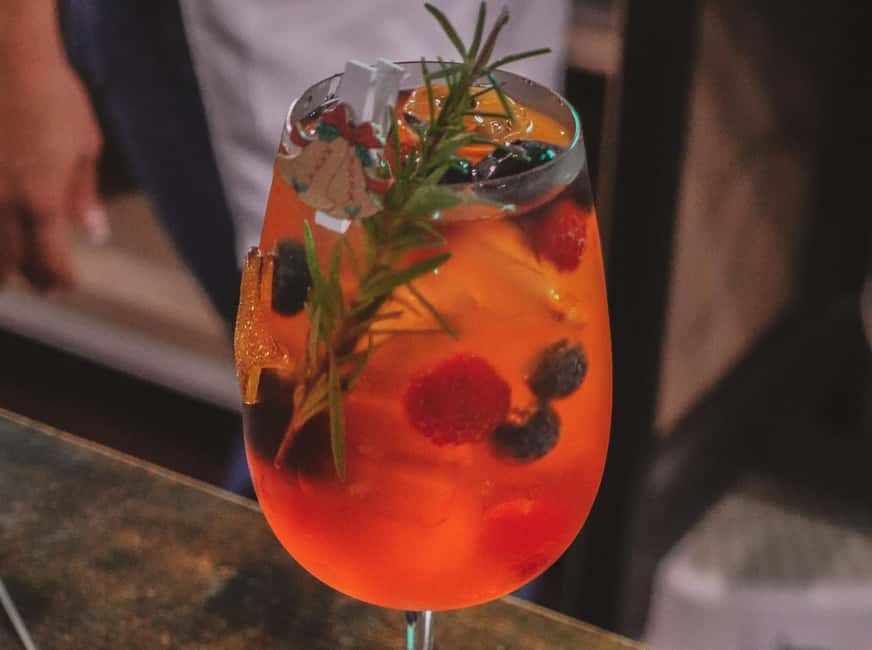
- Starting with an Aperol spritz
- Making pasta from flour to fettuccine
- Carbonara or cacio e pepe for the finished pasta
- A Hugo spritz while the pasta cooks
- Sitting down to eat what you made
- What the teaching feels like
- Is $112.15 a fair price?
- Timing and practical planning
- Who should book this experience?
- Should you book the Rome Spritz and Spaghetti Cooking Class?
- FAQ
- How long does the Rome Spritz and Spaghetti Cooking Class last?
- Which cocktails do you make?
- What pasta do you prepare?
- Is the cooking class taught in English?
- Can the class accommodate dietary restrictions?
- Can I book a private class?
Key points to know
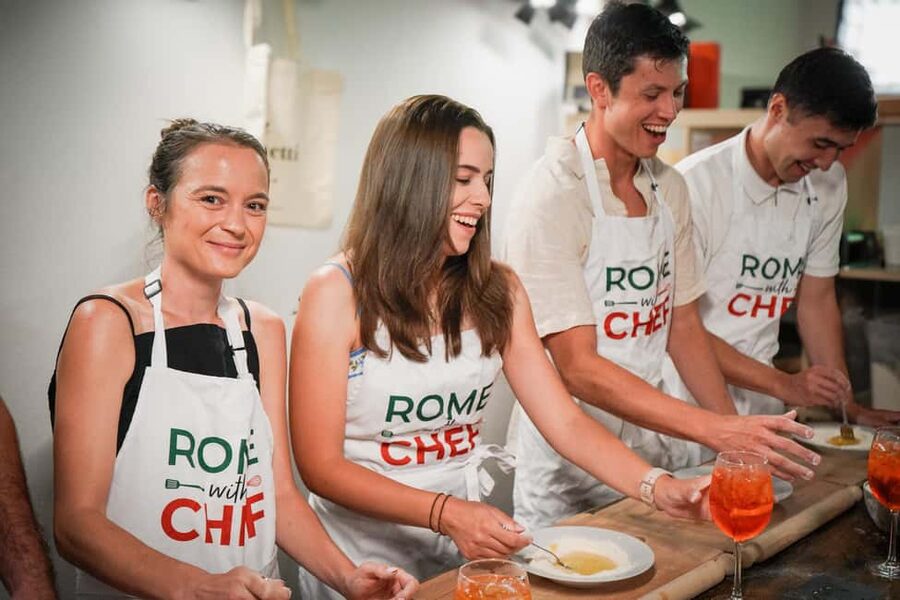
- Three cocktails are part of the class: You prepare an Aperol spritz, a Hugo spritz, and a Limoncello spritz.
- You make fresh fettuccine: Roll, cut, cook, and pair your pasta with carbonara or cacio e pepe.
- The class stays small: Shared groups are limited to 14 people, with private bookings also available.
- The atmosphere is social: You cook, drink, eat, and meet people from around the world in one sitting.
- Recipes go home with you: The useful souvenir is a set of recipes you can repeat in your own kitchen.
- Dietary limits are firm: Gluten, dairy, and animal products are part of the menu, so several common dietary needs cannot be covered.
Why this Rome cooking class works
Rome gives you no shortage of pasta restaurants. You can order carbonara almost anywhere in the city. But a restaurant meal gives you a plate, while this class gives you the method, the memory, and a recipe you can use again.
That is the real value here. You are not only eating Roman food. You are learning how fresh pasta comes together, how a simple sauce is built, and how Italy’s light, colorful spritzes fit into a meal.
The experience is described as Rome’s only tipsy cooking class. That playful angle matters. The drinks are not an afterthought or a single welcome glass. They are woven through the full three hours, with one cocktail at the beginning, another during the cooking, and a final drink with the meal.
You should expect an upbeat room rather than a formal culinary school. The class is designed around fun, conversation, and participation. If you enjoy meeting people while doing something with your hands, this is a strong match.
More Cooking Classes in Rome
- 3 in 1 Cooking Class near Navona: Fettuccine, Ravioli & Tiramisu
★ 5.0 · 7,376 reviews - Rome: Pasta Making Class with Wine, Limoncello, and Dessert
★ 4.9 · 3,177 reviews - Rome: 3-in-1 Fettuccine, Ravioli, and Tiramisu Cooking Class
★ 4.9 · 2,704 reviews
Starting with an Aperol spritz
The first drink is an Aperol spritz, the familiar orange aperitivo made for easing into an evening. It gives you a natural way to meet the chef and the rest of the group before flour and pasta take over the table.
That opening is useful for solo visitors and couples alike. A shared cooking class can feel awkward for the first few minutes, but a drink gives everyone an easy subject and a reason to talk. The class attracts people from different parts of the world, so you may find the social side just as memorable as the food.
The drink also sets the tone. This is not a rushed demonstration where you sit back and watch someone else cook. You are expected to join in, ask questions, and take part.
The English-speaking chef leads the activity, with a mixologist included in the workshop. Staff names mentioned in class feedback include Sunny, Marzia, Jem, Laura, Ida, Bart, Adriano, Loana, Sherry, Eleanora, Ari, Ele, and Kysusha. The praise is especially strong for the instructors’ humor, warmth, and ability to make beginners feel involved.
Making pasta from flour to fettuccine
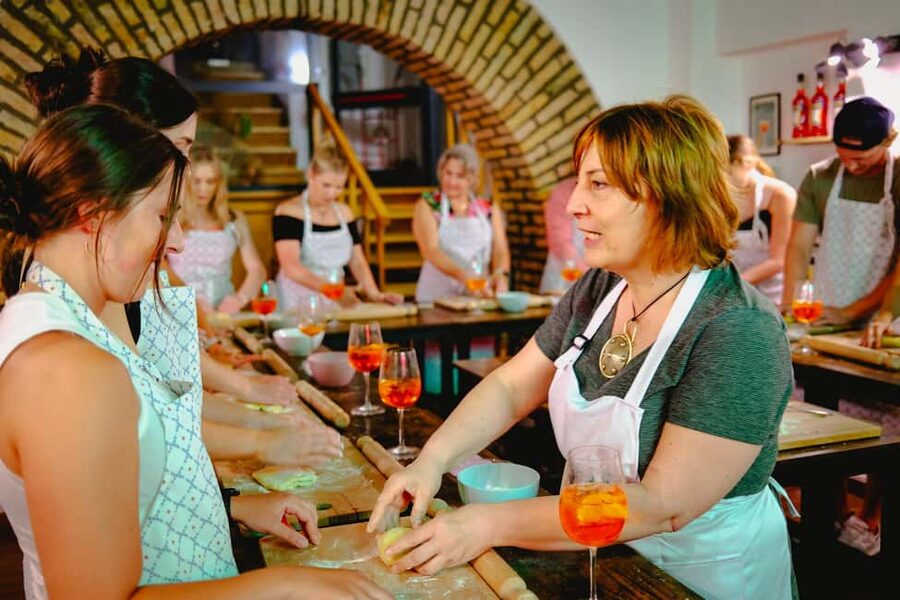
The central food lesson is fresh handmade pasta. You work with fresh, locally sourced ingredients, then roll and cut your own fettuccine before cooking it.
That hands-on element is important. You are not simply watching a chef shape dough at the front of the room. The class is designed so you take part in almost every stage. You get a feel for the dough, see how the pasta changes as it is rolled, and learn the basic steps behind a dish you can repeat at home.
Fettuccine is a sensible choice for a short class. It is simple enough for first-time pasta makers, yet the finished noodles feel like a proper Roman meal. You also avoid the fuss of trying to master several pasta shapes in three hours. The focus stays on one useful form and how to cook it properly.
I would bring clothes you do not mind wearing around flour and sauce, although no special equipment or prior cooking experience is listed as necessary. The lesson is built for all skill levels. Past participants have described it as very hands-on and easy to follow, with the chef helping people along rather than expecting polished technique.
Carbonara or cacio e pepe for the finished pasta
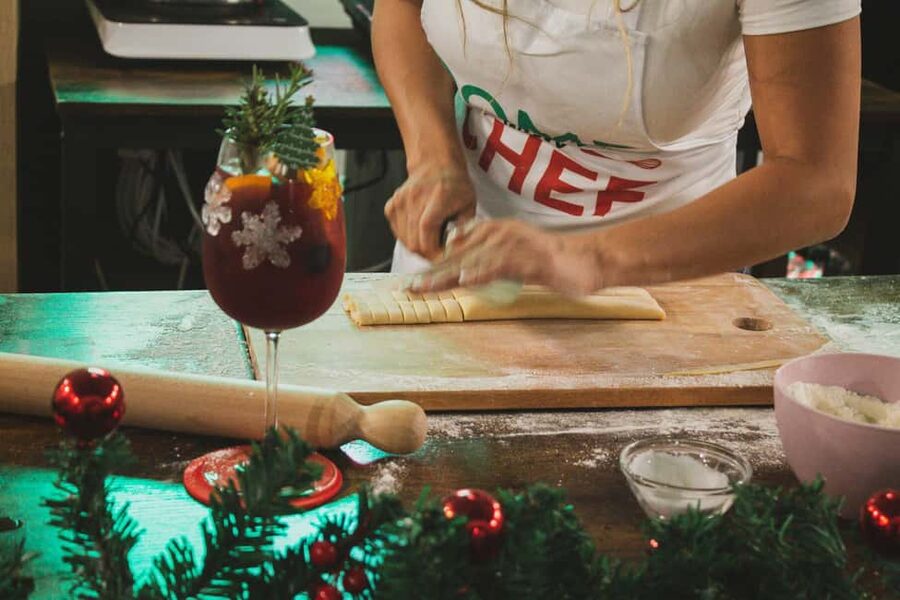
Once the fettuccine is ready, you learn to make a traditional sauce. The class prepares either carbonara or cacio e pepe, depending on the session or option available.
These two dishes teach different sides of Roman cooking. Carbonara is rich and savory, while cacio e pepe depends on the careful combination of cheese, pepper, and pasta water. Neither needs a long ingredient list, which makes them useful recipes to take home.
The value is in learning the small decisions. Fresh pasta cooks differently from dried pasta. Sauce texture depends on timing. Cheese sauces can turn clumpy if handled poorly. A good chef can show you these points faster and more clearly than a printed recipe alone.
The class also gives you a regional connection. You are learning dishes associated with Rome in a Roman kitchen, rather than preparing generic Italian food. You should not expect a full survey of Lazio cuisine in three hours, but you do get a focused lesson on two of the city’s most familiar pasta traditions.
Several class participants singled out the final pasta as the best part of the experience. Some felt their handmade carbonara and cacio e pepe compared favorably with restaurant versions they had eaten in Rome. That is high praise, but it also points to the practical strength of the lesson: you learn food you can understand and make again.
More hands-on cookery sessions:
- Rome: Fettuccine Pasta Cooking Class in Rome’s City Center
★ 4.8 · 2,414 reviews - Rome: Traditional Pasta with Cocktails Cooking Class
★ 5.0 · 2,374 reviews - Rome: Fettuccine and Tiramisu Cooking Class with Wine
★ 4.8 · 2,013 reviews - Pasta Cooking Class Near the Colosseum with 3 Spritz Cocktails
★ 5.0 · 1,686 reviews
A Hugo spritz while the pasta cooks
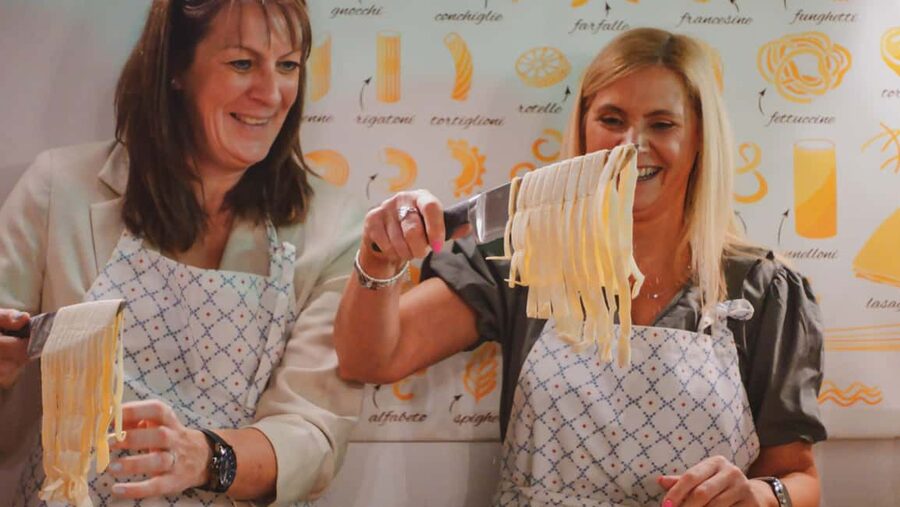
The second cocktail is a Hugo spritz, usually associated with elderflower, sparkling wine, and mint. Here, it arrives while you are cooking and waiting for the pasta to come together.
This is where the class earns its social reputation. Your hands are busy, but there is time to chat, compare pasta, and enjoy the drink. The mixology portion gives the experience a second skill to learn, rather than using cocktails only as refreshments.
You make three staple Italian-style cocktails in total, so you get a basic introduction to different spritz profiles. The Aperol drink is bitter and citrusy, the Hugo is lighter and floral, and the Limoncello version finishes on a sweeter note.
You should take the drink promise seriously. Several class comments describe the pours as generous or strong, and one practical warning comes through clearly: arrive prepared to drink. Water and soft drinks are available without limit, which helps, but pace yourself. Three cocktails over three hours can feel very different from three drinks at dinner, especially when you are standing, cooking, and talking.
If you do not drink alcohol, the activity may lose much of its appeal. The listed experience centers on the spritzes, and no alcohol-free cocktail program is specified.
Sitting down to eat what you made
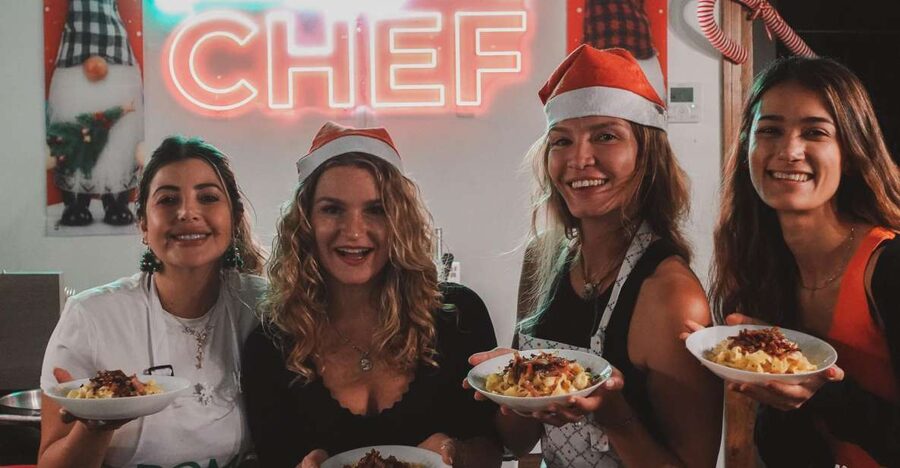
The final stage is simple and satisfying: you eat the pasta and sauce you prepared, alongside your chef and the rest of the group. A Limoncello spritz caps the meal.
This shared table is more than a convenient way to finish the schedule. It lets you see the result of your work while the process is still fresh. The dish has a story because you rolled the pasta, made the sauce, and watched it reach the plate.
The meal is vegetarian-friendly in the sense that vegetarian options are available, but you need to ask in advance about any restriction. The class cannot accommodate vegan diets, coeliac disease, gluten intolerance, or dairy-free diets. Lactose intolerance is also specifically listed as a concern because dairy products are used.
That limitation is not minor. Carbonara, cacio e pepe, and fresh pasta rely on ingredients that can be difficult to replace in a group kitchen. If you have a restriction, contact the provider before booking rather than assuming a substitute can be arranged. The information says the team may try to work out the best solution if told in advance, but several diets are clearly not supported.
What the teaching feels like
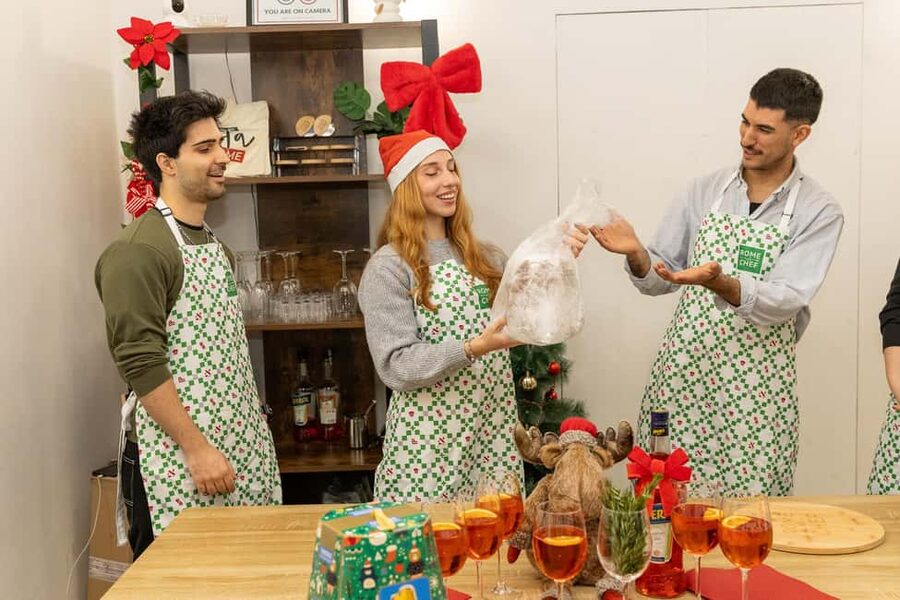
The strongest pattern in the feedback is the instructors’ energy. Sunny is praised for being funny and personable. Marzia is credited with explaining cooking methods and regional differences while keeping the room welcoming. Jem is described as both a strong cook and a good host, and Bart receives similar praise for including everyone and keeping the class lively.
That matters because cooking classes can fail in two ways. A chef may know the food but rush through explanations, or a host may be entertaining without teaching much. This experience appears to aim for both useful instruction and a relaxed social mood.
You should still keep your expectations realistic. The class has a maximum of 14 people, which is small compared with a large bus tour, but it is not a private lesson unless you book the private option. You will be sharing work space and attention with other participants.
For most people, that is part of the charm. You can learn beside other beginners, laugh at imperfect pasta, and compare the final results. If you want the chef’s undivided attention or need a highly customized menu, choose the private group option if available.
Is $112.15 a fair price?
The listed price is $112.15 per person. That is not cheap for a three-hour activity, but the price includes more than a cooking demonstration.
You receive:
- A chef-led pasta and cocktail workshop
- A local chef and mixologist
- Fresh, local ingredients
- Three spritzes
- Handmade pasta and sauce
- Unlimited water and soft drinks
- A meal made during the class
- Recipes to take home
In central Rome, a good dinner and three cocktails can consume a large part of that amount without teaching you anything. The class makes better sense if you count the meal, drinks, instruction, and entertainment together.
The value is strongest for people who would otherwise book a food tour or a nice dinner. It is weaker if you are mainly looking for a cheap meal, since you are paying for the activity and social setting as much as the food itself.
A private booking will likely appeal to families, couples, or friend groups wanting their own pace, though the supplied details do not give a separate private price. The shared class is the better value for solo visitors and anyone who enjoys meeting an international group.
Timing and practical planning
The experience lasts three hours, but starting times vary. Check the available time before building it into your Rome plans.
I would avoid scheduling a major attraction immediately afterward. The class ends back at its meeting point, but the meeting location can vary depending on the option you book. Leave enough time for the cooking, meal, final drink, and any delays caused by a lively group.
You should also keep the evening open if you book a later session. With three cocktails and a full pasta meal, this can easily function as dinner rather than a pre-dinner activity.
The class is conducted in English. That makes it suitable if you want instruction you can follow without relying on translation. It also helps with the social side, since the whole group can share the chef’s explanations and jokes.
Free cancellation is available up to 24 hours before the activity for a full refund, and you can reserve now and pay later. Those policies are useful in Rome, where weather, train delays, and changing attraction plans can disrupt a tight schedule.
Who should book this experience?
I would choose this class for:
- Couples wanting a date-night activity with more substance than a restaurant
- Solo visitors who enjoy meeting people over food
- Friends looking for a lively evening
- First-time cooks who want a practical pasta lesson
- Anyone curious about Roman sauces and Italian aperitivo culture
- Visitors who want a souvenir they can use at home
Families may also enjoy it, depending on the ages and drinking preferences of the children, but the class is clearly built around alcoholic cocktails. Parents should confirm the suitability of the specific booking before committing.
I would skip it if you have coeliac disease, gluten intolerance, a vegan diet, dairy-free requirements, or lactose intolerance. I would also skip it if you dislike group activities, alcohol-focused experiences, or hands-on cooking.
Should you book the Rome Spritz and Spaghetti Cooking Class?
Yes, if you want a social Rome evening where the meal is part of the lesson. The combination of fettuccine, carbonara or cacio e pepe, and three spritzes gives you plenty to do, and the recipe cards extend the value beyond your holiday.
The best reason to book is the balance of food and people. You get a real cooking task, a proper meal, and a chance to meet an international group without spending the whole evening at a crowded restaurant. The instructors’ warm, funny style is another major strength.
Just check the dietary rules carefully and pace the drinks. At $112.15, this is a worthwhile splurge for a hands-on food experience, but not the right choice for a simple dinner or a quiet lesson.
FAQ
How long does the Rome Spritz and Spaghetti Cooking Class last?
The class lasts three hours. Starting times vary, so check availability when selecting your booking.
Which cocktails do you make?
You make an Aperol spritz, a Hugo spritz, and a Limoncello spritz. Water and soft drinks are also available without limit.
What pasta do you prepare?
You roll, cut, and cook handmade fettuccine. The sauce is either carbonara or cacio e pepe, depending on the class arrangement.
Is the cooking class taught in English?
Yes. The live guide and instruction are in English.
Can the class accommodate dietary restrictions?
Vegetarian options are available, but the class cannot accommodate coeliac disease, gluten intolerance, vegan diets, or dairy-free diets. Lactose intolerance is also listed as a restriction because dairy products are used. Contact the provider in advance if you have another dietary need.
Can I book a private class?
Yes. A private group option is available, and shared classes have a maximum of 14 people. The meeting point may vary according to the option you choose.
Just added around Rome
- Rome City, Pantheon, and Trevi Fountain Walking Tour★ 5.0 · 249 reviews
- Rome: Skip the line Vatican Museums & Sistine Chapel Tour★ 4.2 · 251 reviews
- Rome: Tivoli Day Trip with Villa d’Este and Villa Adriana★ 4.5 · 251 reviews
- Transfer Rome center – Ciampino Airport★ 4.5 · 251 reviews
- Rome: Cannondale E-Bike Evening Tour with Optional Dinner★ 4.9 · 251 reviews
- VIP Colosseum, Roman Forum & Palatine Hill & Special Access Sites★ 4.5 · 252 reviews
- Private Vatican Museums Hidden Gems Tour with Optional Pick-Up★ 5.0 · 253 reviews
- Vatican Museums & Sistine Chapel Skip-the-Line Guided Tour★ 4.6 · 254 reviews
Cooking Classes, compared.

3 in 1 Cooking Class near Navona: Fettuccine, Ravioli & Tiramisu
Read our review →
Pasta & Tiramisu Cooking Class with Unlimited Wine
Read our review →
Cooking Class and Lunch at a Tuscan Farmhouse with Local Market Tour from Florence
Read our review →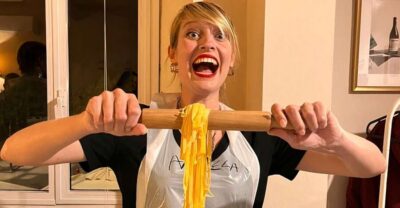
Pasta Making Class with Wine, Limoncello, and Dessert
Read our review →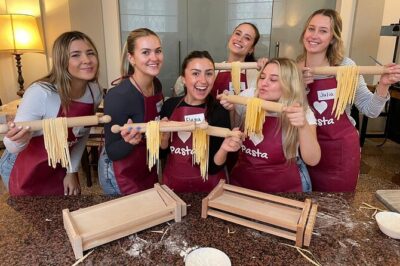
3-in-1 Fettuccine, Ravioli, and Tiramisu Cooking Class
Read our review →Browse the lists this tour appears in