
Review · COOKING CLASSES
Rome Pasta Making Class with Italian Sauces and Wine Included
Fresh pasta is Rome’s best souvenir. This three-hour class gives you hands-on practice making ravioli, fettuccine, spaghetti alla chitarra, and classic sauces with a chef guiding each step. I like the small-group format and the fact that you eat what you make with wine and coffee. I also like that the lesson goes beyond recipes, covering useful kitchen habits you can repeat at home.
The main consideration is the meeting location, which is outside Rome’s most famous central sights at Circonvallazione Gianicolense, 418. You will need to allow time to reach it, and the standard class may not suit strict dietary needs because customized menus are available only with a private booking.
In This Review
- Key points to know before booking
- A three-hour Roman kitchen lesson
- Making dough, rolling pasta, and shaping ravioli
- Three sauces, three different lessons
- The meal at the end is part of the lesson
- What the chefs do well
- Is the small-group size worth it?
- Dietary needs and private-class choices
- Location, timing, and practical planning
- Is $95.53 a fair price?
- Who will enjoy this class most?
- Should you book the Rome pasta class?
- FAQ
- How long does the pasta-making class last?
- Where does the class meet?
- Where does the activity end?
- Is the class offered in English?
- How many people can join the class?
- What food will I make?
- Can I request a special diet?
Key points to know before booking
- Three pasta shapes in one class: Make fresh ravioli, fettuccine, and spaghetti alla chitarra, with other shapes such as tortellini and cappelletti possible.
- Three classic sauces: Prepare Roman favorites such as carbonara, arrabbiata, cacio e pepe or gricia-style sauce, and butter with sage.
- Small, social setting: The class accepts up to 10 people, creating a more personal lesson than a large demonstration.
- Helpful teaching style: Chefs including Riccardo, William, Leo, and Rocco focus on technique, kitchen tips, and learning by taste.
- Meal and drinks included: Eat the pasta you prepare with complimentary wine, plus coffee at the end.
- Private options for special diets: Gluten-free, dairy-free, vegan, vegetarian, gnocchi, risotto, and tiramisu requests can be arranged with a private class.
A three-hour Roman kitchen lesson
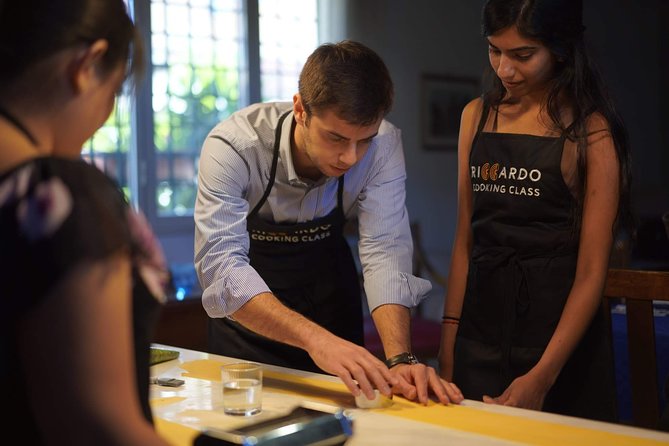
This experience is built around a simple idea: you do the work, then you eat the results. That matters because pasta making is easy to understand when you feel the dough change under your hands, rather than watching someone else do it from across a room.
You meet Chef Riccardo and his team at Riccardo’s grandmother’s house or at The Cooking Lab. The class is offered in English, and the teaching is designed for a mixed group. You do not need to arrive as an experienced cook. Several past participants with little kitchen confidence found the instructions easy to follow, while more capable home cooks still picked up useful methods and small professional tricks.
The mood is informal and family-like. Wine and conversation help make the lesson social, but the cooking remains the main event. This is not a formal culinary school course with long lectures. It is a practical Roman meal where you learn by doing.
More Cooking Classes in Rome
- 3 in 1 Cooking Class near Navona: Fettuccine, Ravioli & Tiramisu
★ 5.0 · 7,376 reviews - Rome: Pasta Making Class with Wine, Limoncello, and Dessert
★ 4.9 · 3,177 reviews - Rome: 3-in-1 Fettuccine, Ravioli, and Tiramisu Cooking Class
★ 4.9 · 2,704 reviews
Making dough, rolling pasta, and shaping ravioli
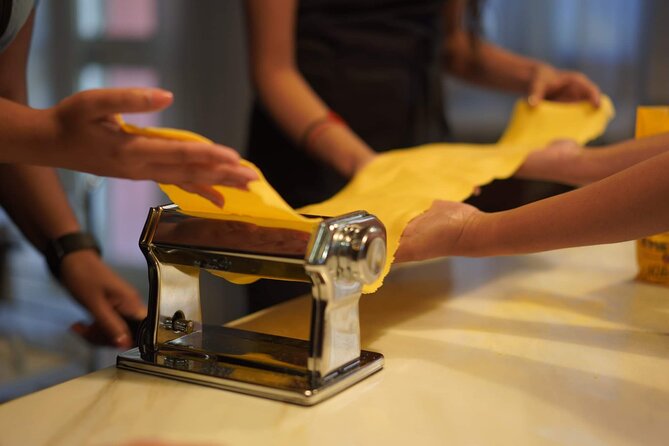
The class usually begins with the basics of fresh pasta dough. You help mix, knead, roll, shape, and cut the pasta instead of simply watching a chef prepare it. That hands-on approach is one of the strongest reasons to book this experience.
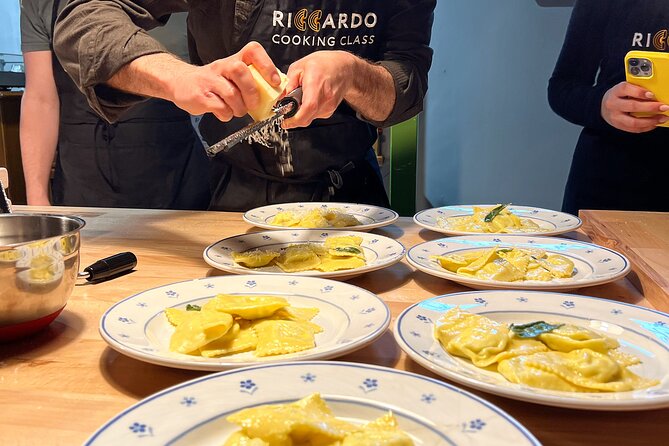
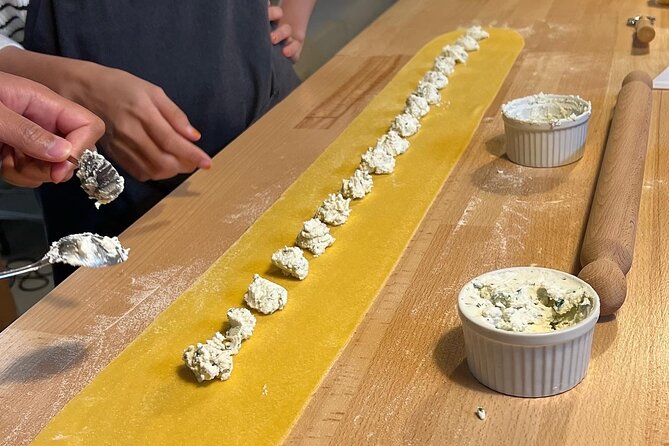
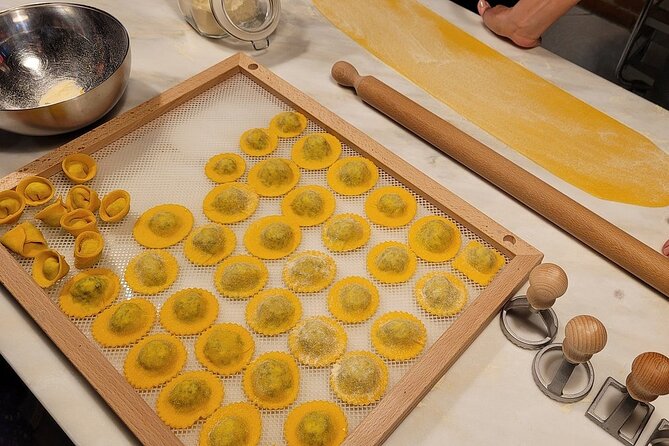
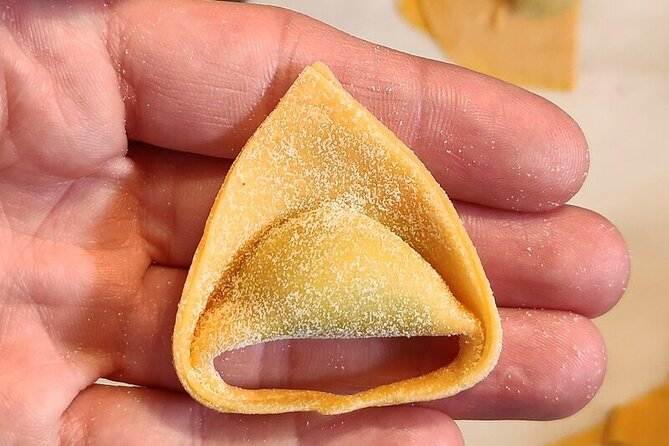
Ravioli is often part of the menu, filled with ricotta cheese and served with butter and sage sauce. Stuffed pasta gives you a useful lesson in thickness, filling, sealing, and portion size. These are the steps that can look simple in a recipe but become much clearer when a chef corrects your technique in real time.
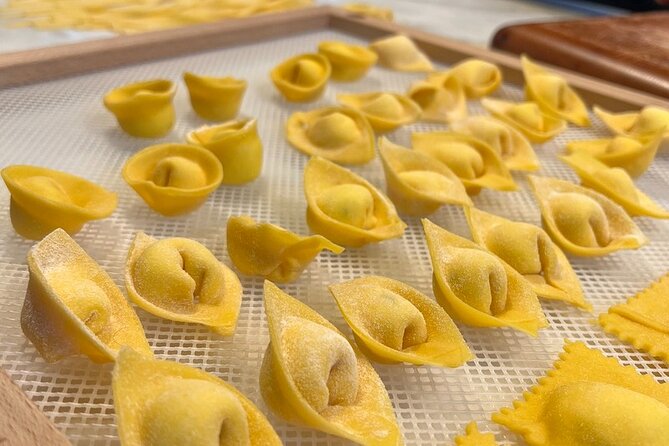
You may also work with fettuccine and spaghetti alla chitarra. The latter is made with a traditional tool that cuts sheets of dough into strands. The class can also cover tortellini, cappelletti, and other pasta shapes, depending on the session and the choices offered that day.
Do not expect every class to follow one rigid menu. The exact pasta selection can vary, and the chef may offer choices. That flexibility is helpful, though anyone hoping for one specific shape should confirm it when booking.
Three sauces, three different lessons
The sauce portion gives the class more range than a basic pasta workshop. A typical session includes carbonara, arrabbiata, and butter and sage sauce, with cacio e pepe or a gricia-style preparation sometimes used according to dietary needs and personal preference.
Each sauce teaches a different skill:
- Carbonara: A lesson in combining eggs, cheese, and pasta water without turning the sauce into scrambled eggs.
- Arrabbiata: A straightforward tomato sauce with heat, useful for learning how seasoning changes the character of a dish.
- Butter and sage: A simple pairing that shows why good ingredients and careful timing matter.
- Cacio e pepe or gricia-style sauce: A Roman classic that depends on cheese, pepper, and the right amount of starchy cooking water.
One particularly useful idea from the class is to cook by taste rather than relying only on fixed quantities. That advice is worth taking home. Pasta dough responds to humidity, eggs vary in size, and sauces often need small adjustments. Learning what the mixture should feel and taste like is more useful than memorizing a single formula.
The chefs also explain the background of the Roman sauces. You are not only following instructions, you are learning why the ingredients are combined in a certain way and how the dishes fit into Roman cooking.
The meal at the end is part of the lesson
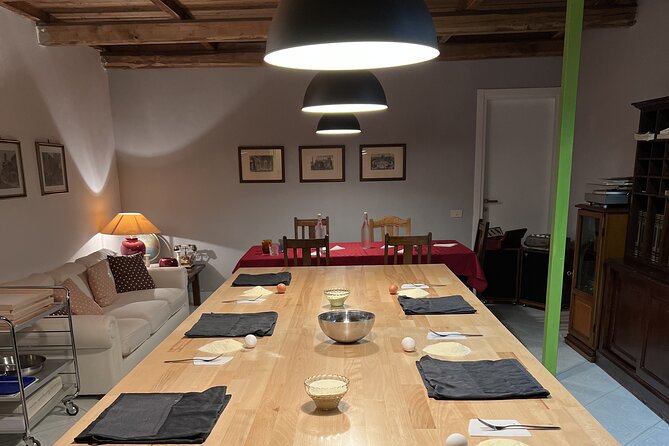
After the work comes the reward. You sit down with the pasta and sauces you helped prepare, along with complimentary wine and coffee. The meal is not an afterthought, since tasting the finished dishes lets you judge the texture and seasoning while the process is still fresh in your mind.
This is also when the class becomes more social. Couples, families, and small groups can share the table and compare the shapes they made. The relaxed meal helps balance the focused work at the counter.
Wine is included, and some sessions begin with cheese tasting and prosecco. The exact welcome may vary, but drinks are a central part of the experience. If you do not drink alcohol, the supplied information does not specify alternatives, so it is sensible to ask ahead.
You should arrive hungry. The class includes several pasta preparations and sauces, and the meal can be generous. It is a better fit for someone who wants food, conversation, and instruction together than for someone seeking a short demonstration followed by a small tasting.
More Wine Tours in Rome
- Rome: Tuscany & Montepulciano Day Trip with Lunch & Wine Tasting
★ 4.5 · 5,232 reviews - Rome: Pasta & Tiramisu Class with Fine Wine by the Vatican
★ 4.9 · 4,852 reviews - Rome Food Tour: Unlimited Tastings with Fine Wine & Barolo
★ 5.0 · 3,365 reviews - Rome: Trastevere Food tour with Free-Flowing Fine Wine
★ 5.0 · 2,853 reviews
What the chefs do well
The teaching team is a major part of the experience. Riccardo, William, Leo, and Rocco are named as instructors, and the most consistent praise centers on their warmth, humor, and attention during the cooking.
William is described as energetic and professional, with a talent for keeping the lesson moving. Leo is noted for patience, humor, and an especially welcoming manner. Riccardo is praised for teaching both beginners and experienced home cooks. These details suggest that the class does not depend only on the food. The chef’s ability to help people feel comfortable is just as important.
That matters if your partner or family member is reluctant to cook. One couple arrived with one person unsure about the activity, then found the process easy enough to enjoy. Older teenagers have also taken part successfully, making this a good choice for families who want an activity that is more active than sightseeing.
The class also seems to work well for mixed ability levels. Beginners receive close guidance, while confident cooks can ask about tools, dough texture, sauce timing, and ways to repeat the recipes at home.
Is the small-group size worth it?
The advertised maximum is 10 people. That is small enough for a chef to watch your work, answer questions, and help with pasta shaping. It also creates a friendly table atmosphere without the scale of a large cooking demonstration.
The class can become private if you book with a group of your own, and private bookings offer more menu control. A group of six, for example, may have its own class depending on availability. If you want a quiet lesson with relatives or friends, ask about private arrangements rather than assuming every booking will be exclusive.
There is a small inconsistency in the available information, since one experience account refers to a larger group. I would treat 10 as the stated maximum and confirm the group size if that point matters to you.
Dietary needs and private-class choices
The regular class includes traditional pasta and sauces, including ingredients such as wheat, dairy, eggs, and possibly meat. You are asked to provide allergy or dietary information before arrival.
Vegetarian options are available. For more specific requests, the private class is the safer choice. The provider says it can arrange gluten-free, dairy-free, vegan, and other special menus with advance planning. Private bookings may also include recipes such as gnocchi, tiramisu, or risotto.
Do not assume that a standard booking can be changed on the day. If you have a serious allergy or need a fully vegan or gluten-free menu, contact the provider before paying for the class and request written confirmation of the arrangement.
Location, timing, and practical planning
The meeting point is Circonvallazione Gianicolense, 418, 00151 Rome. The activity ends at the same meeting point. It is near public transportation, but it is not located beside the Colosseum, Trevi Fountain, or Pantheon.
Plan this as a half-day activity rather than a quick stop between central attractions. The class lasts about three hours, and you should add travel time on both ends. It works well on a day when you can slow down and enjoy the meal without watching the clock.
The experience is offered in English and includes a mobile ticket. Confirmation arrives when you book. Since it is often reserved well ahead of time, with bookings averaging about 44 days in advance, popular dates may fill before your Rome trip is fully planned.
Wear something comfortable for standing and working with flour, although no special clothing requirement is provided. You will be cooking, shaping, and eating, so this is not the place for a rushed arrival or a tight schedule afterward.
Is $95.53 a fair price?
At $95.53 per person, the class is not the cheapest way to eat pasta in Rome. It can still be good value because the price combines a three-hour lesson, several pasta types, multiple sauces, a full meal, wine, coffee, and instruction from a chef.
A restaurant meal gives you food. This class gives you food plus a skill you can take home. You also avoid paying separately for a cooking lesson, drinks, and dinner. The value improves if you are interested in making pasta again, since the class provides recipes and practical guidance rather than only a pleasant afternoon.
The price is less convincing if you mainly want to eat and have no interest in cooking. In that case, a food tour or a good trattoria may offer better value for your priorities. Group discounts may help lower the cost, and a private class is likely to make more sense when menu customization or a special occasion matters.
Who will enjoy this class most?
I would recommend it to couples, families with older children or teenagers, first-time pasta makers, and home cooks who want to improve their technique. It is also a smart break from churches, ruins, and packed sightseeing days. You get to sit down, work with your hands, and share a meal.
The class suits people who enjoy a friendly atmosphere. The chefs use humor and conversation, and the format encourages you to meet the other people at the table. If you prefer a quiet, highly formal lesson, this may feel too social.
It is also a good choice for anyone who wants a useful souvenir. A small pasta tool or cookbook is nice, but knowing how to judge dough, shape ravioli, and balance sauce is more likely to stay with you.
Should you book the Rome pasta class?
Book it if you want a hands-on Roman food experience, not just another meal. The combination of three pasta preparations, three sauces, wine, and patient instruction gives you plenty to do and plenty to eat.
I would book early for a preferred date, especially if you want a private class or need gluten-free, vegan, dairy-free, or other adjustments. I would also check the meeting route from your accommodation and confirm the exact menu if you have your heart set on carbonara, gnocchi, or a particular pasta shape.
At $95.53, this is best viewed as dinner plus a practical cooking lesson. For most food-loving visitors, that makes it a strong value and one of the more memorable ways to spend three hours in Rome.
FAQ
How long does the pasta-making class last?
The class lasts approximately three hours.
Where does the class meet?
The stated meeting point is Circonvallazione Gianicolense, 418, 00151 Rome, Italy. The experience may take place at Riccardo’s grandmother’s house or at The Cooking Lab.
Where does the activity end?
The activity ends back at the meeting point.
Is the class offered in English?
Yes. The class is offered in English.
How many people can join the class?
The activity has a maximum of 10 people.
What food will I make?
A sample menu includes ricotta-filled ravioli, fresh fettuccine, spaghetti alla chitarra, carbonara, arrabbiata, and butter and sage sauce. Cacio e pepe or a gricia-style sauce may also be included depending on the menu.
Can I request a special diet?
Special menus such as gluten-free, dairy-free, vegan, and vegetarian options can be arranged. Customized menus and recipes such as gnocchi, tiramisu, or risotto are available with a private class. You should report allergies and dietary restrictions in advance.
More Hands-On Cookery Sessions
- Rome: Fettuccine Pasta Cooking Class in Rome’s City Center
★ 4.8 · 2,414 reviews - Rome: Traditional Pasta with Cocktails Cooking Class
★ 5.0 · 2,374 reviews - Pasta Cooking Class Near the Colosseum with 3 Spritz Cocktails
★ 5.0 · 1,686 reviews - Enjoy Spritz and Pasta Making in Piazza Navona
★ 5.0 · 1,681 reviews
More Vineyard Visits and Tastings
- Learn to Make Pasta & Tiramisu with Wine and Limoncello Included
★ 5.0 · 2,345 reviews - Rome: Award Winning Trastevere Group Food Tour with Wine
★ 5.0 · 2,273 reviews - Rome: Fettuccine and Tiramisu Cooking Class with Wine
★ 4.8 · 2,013 reviews - Rome: Food Tour with Unlimited Food and Barolo Wine
★ 4.8 · 1,883 reviews
Just added around Rome
- Rome City, Pantheon, and Trevi Fountain Walking Tour★ 5.0 · 249 reviews
- Rome: Skip the line Vatican Museums & Sistine Chapel Tour★ 4.2 · 251 reviews
- Rome: Tivoli Day Trip with Villa d’Este and Villa Adriana★ 4.5 · 251 reviews
- Transfer Rome center – Ciampino Airport★ 4.5 · 251 reviews
- Rome: Cannondale E-Bike Evening Tour with Optional Dinner★ 4.9 · 251 reviews
- VIP Colosseum, Roman Forum & Palatine Hill & Special Access Sites★ 4.5 · 252 reviews
- Private Vatican Museums Hidden Gems Tour with Optional Pick-Up★ 5.0 · 253 reviews
- Vatican Museums & Sistine Chapel Skip-the-Line Guided Tour★ 4.6 · 254 reviews
Cooking Classes, compared.

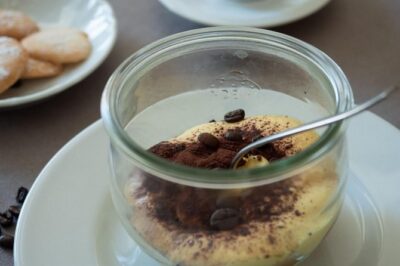
3 in 1 Cooking Class near Navona: Fettuccine, Ravioli & Tiramisu
Read our review →
Pasta & Tiramisu Cooking Class with Unlimited Wine
Read our review →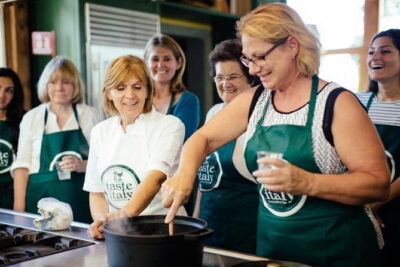
Cooking Class and Lunch at a Tuscan Farmhouse with Local Market Tour from Florence
Read our review →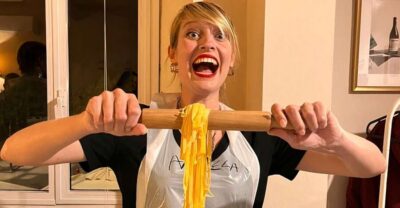
Pasta Making Class with Wine, Limoncello, and Dessert
Read our review →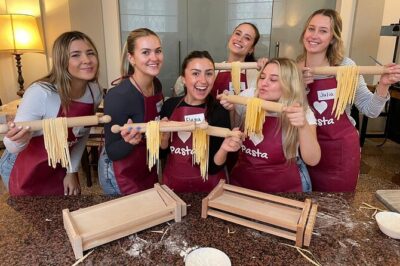
3-in-1 Fettuccine, Ravioli, and Tiramisu Cooking Class
Read our review →Browse the lists this tour appears in