
Review · COOKING CLASSES
Rome: Pasta Cooking Class with Market Visit and Wine
Fresh pasta tells Rome’s story. This six-hour class combines a walk through Nomentano Market with hands-on cooking at the Kitchen of Mamma, giving you more than a plate of carbonara and a quick demonstration. I especially like the market visit and the chance to make several pasta shapes, including ravioli and tortellini. Chef Marco also earns repeated praise for his humor, patience, and easy way with mixed-age groups. The main consideration is timing: although the booking lists six hours, some sessions finish closer to four.
You will eat what you make, along with Italian wine, coffee, and limoncello. That makes the $141.61 price reasonable for a half-day food activity, especially since recipes and a participation certificate are included. Still, this is not the right pick for anyone with gluten intolerance, and visitors wanting a strictly private or highly formal lesson may find the friendly group format less suitable.
In This Review
- Key points to know before booking
- Why this Rome cooking class feels different
- Meeting Marco at Via Palestro 51
- Shopping at Nomentano Market
- Rolling dough at the Kitchen of Mamma
- Ravioli, tortellini, and sauces
- Lunch with wine, coffee, and limoncello
- How long should you allow?
- Is $141.61 good value?
- Who should book this class?
- Final verdict: book it for the teaching, not just the meal
- FAQ
- Where does the pasta cooking class begin?
- Where does the activity end?
- How long does the experience last?
- Which languages are available?
- Is previous cooking experience required?
- Is the class suitable for someone with gluten intolerance?
- What is included in the price?
Key points to know before booking
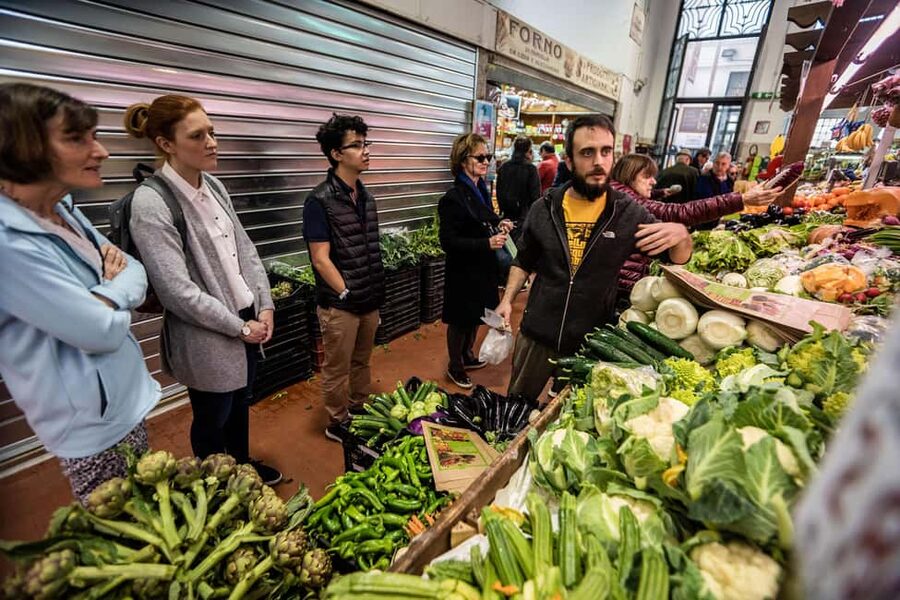
- Nomentano Market comes first: You shop for fresh ingredients and hear local food and Roman history from the chef.
- Marco is the heart of the class: His funny, relaxed teaching style helps beginners feel comfortable at the worktable.
- You make more than spaghetti: Sessions can include linguine, ravioli, tortellini, several pasta cuts, fillings, and sauces.
- Lunch is part of the lesson: You eat the finished pasta with Italian wine, then finish with coffee and limoncello.
- The listed six hours may be flexible: Some groups finish in about four hours, so keep the afternoon or evening open.
- Come ready to work with flour: No cooking experience is needed, but gluten intolerance is specifically excluded.
Why this Rome cooking class feels different
Rome offers plenty of food demonstrations, but this one begins away from the kitchen. You first walk to a neighborhood market, look at the ingredients, then return to cook with them. That simple order gives the meal a sense of place.
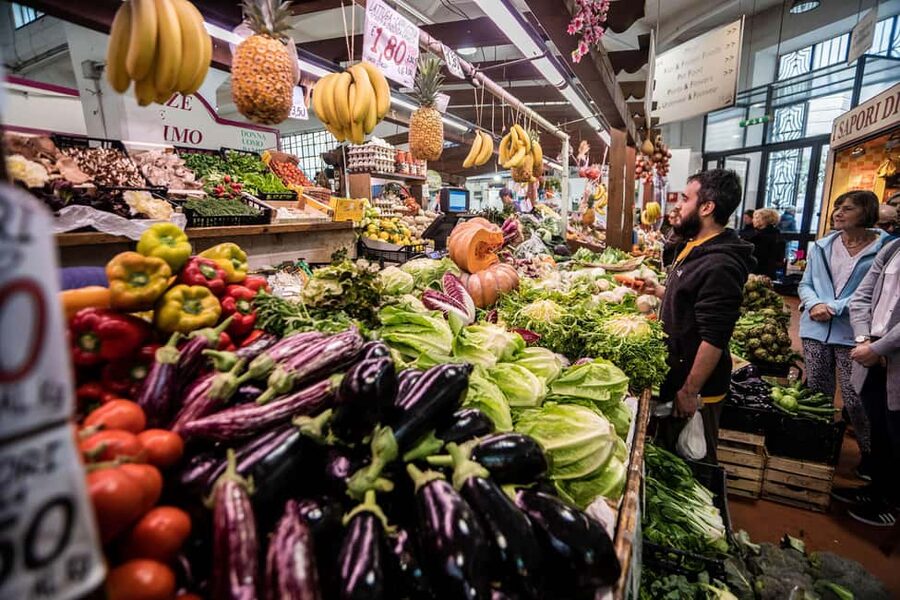
You are not just told that Italian cooking values seasonal produce. You see the vegetables, cheese, meat, and other ingredients before the lesson begins. Marco explains why certain combinations work, including fillings built around ingredients such as ricotta, pumpkin, sage, and mushrooms.
I like this approach because it links shopping to cooking. You begin to understand why an Italian cook pays attention to the quality and condition of each ingredient rather than treating the supermarket as an anonymous supply room.
The walk also gives Marco room to share stories about Rome and Italy. It is not a major sightseeing tour, so do not book this expecting monuments or a long guided walk. Its value lies in the everyday food culture and the chance to see a part of Rome beyond the headline sights.
More Cooking Classes in Rome
- 3 in 1 Cooking Class near Navona: Fettuccine, Ravioli & Tiramisu
★ 5.0 · 7,376 reviews - Rome: Pasta Making Class with Wine, Limoncello, and Dessert
★ 4.9 · 3,177 reviews - Rome: 3-in-1 Fettuccine, Ravioli, and Tiramisu Cooking Class
★ 4.9 · 2,704 reviews
Meeting Marco at Via Palestro 51
The class begins at Via Palestro 51, 00185 Rome. Arrive at least 10 minutes early. The activity ends back at this same meeting point, which makes planning easier than a class that drops you somewhere across the city.
From the meeting point, the group walks to Nomentano Market. The walk is described as a short one, around five to ten minutes in the class feedback, but allow a little extra time for the group to gather and move together.
Marco is both guide and chef. His teaching style is warm, energetic, and funny rather than stiff or academic. That matters in a cooking class. Fresh pasta can feel intimidating when a chef works quickly in front of you, but Marco reportedly moves around the room, checks each person’s dough, and gives help at individual workstations.
You will likely appreciate the relaxed mood if you are traveling as a couple, with friends, or as a family. One family described the class as a particularly good shared activity, and the format gives each person a chance to work instead of simply watching one person cook.
The class is taught in English and Italian. If you do not speak Italian, the English instruction should make the practical steps accessible, while the Italian setting adds a pleasant local touch.
Shopping at Nomentano Market
The market visit is more than a stop to buy supplies. It shows you the ingredients in the setting where local cooks shop and gives the chef a chance to explain what he is selecting.
You might see fresh produce alongside meat, fish, cheese, and other market goods. The exact selection changes with the day and season, which is part of the point. You are seeing food as it is available now, not a fixed display prepared for a tour group.
Marco introduces you to vendors and explains how he chooses ingredients for the class. That personal connection gives the visit a neighborhood feel. It also helps you understand the logic behind the recipes you will make later.
This part works best if you enjoy asking questions and looking closely. You will not spend hours browsing every stall, and the market stop is not meant to be a stand-alone food tour. Think of it as a short, useful introduction to Roman shopping habits before you handle the ingredients yourself.
The walk to and from the market also adds a little local context. Marco has used the route to discuss Roman and Italian history, so even the transition between the market and kitchen becomes part of the lesson.
Rolling dough at the Kitchen of Mamma
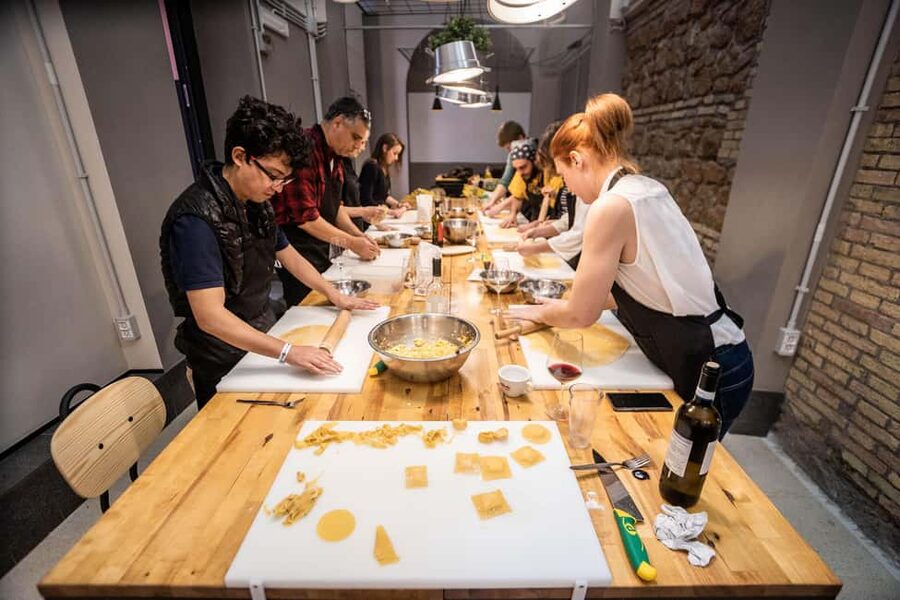
Back in the kitchen, you learn how to make pasta dough from scratch. No previous skill is required, and the class is designed around direct participation.
The practical advantage is the individual workstation. Each person receives utensils and space to make the dough, rather than standing behind a single counter while the chef does all the work. Marco then checks the dough and helps correct mistakes before they become difficult to fix.
You will learn the basic feel of pasta dough: how it should come together, how to work it, and how to prepare it for cutting or filling. The supplied feedback points to clear explanations and patient, hands-on help, which is especially useful if this is your first attempt.
Do not worry about producing perfect restaurant pasta on the first try. The point is to learn a method you can repeat at home. The certificate and recipes give you something practical to take away, but the real souvenir is the muscle memory of making the dough yourself.
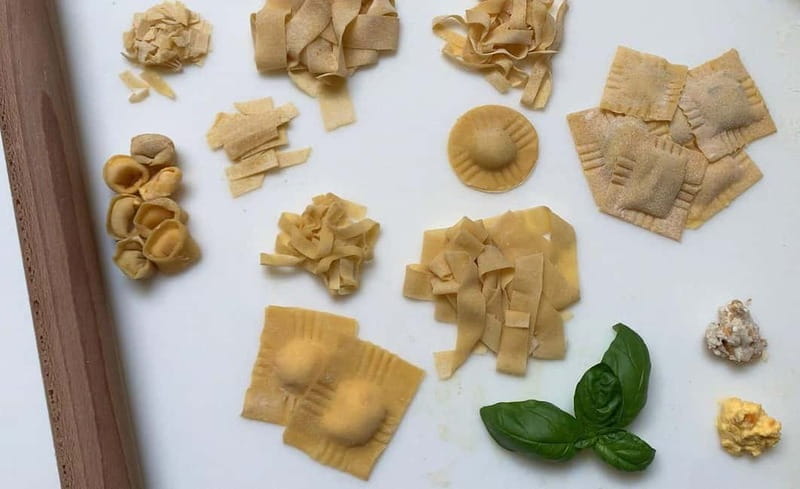
The class can cover several types of pasta rather than focusing only on one familiar shape. Depending on the session, you might work with linguine, ravioli, and tortellini, along with multiple pasta cuts. One group described making seven different sizes of pasta, though the exact number may vary.
More Wine Tours in Rome
- Rome: Tuscany & Montepulciano Day Trip with Lunch & Wine Tasting
★ 4.5 · 5,232 reviews - Rome: Pasta & Tiramisu Class with Fine Wine by the Vatican
★ 4.9 · 4,852 reviews - Rome Food Tour: Unlimited Tastings with Fine Wine & Barolo
★ 5.0 · 3,365 reviews - Rome: Trastevere Food tour with Free-Flowing Fine Wine
★ 5.0 · 2,853 reviews
Ravioli, tortellini, and sauces
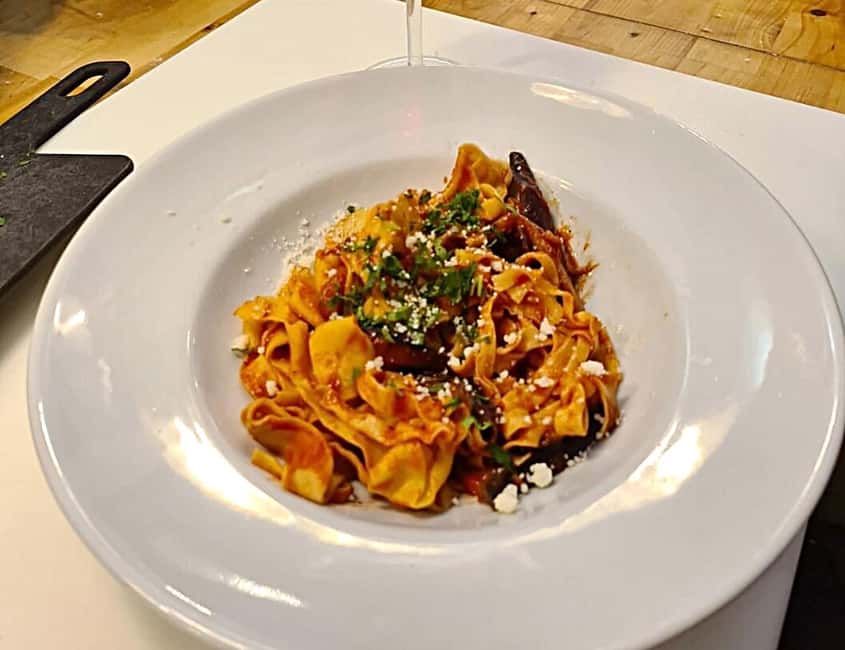
This is where the class becomes more interesting than a basic spaghetti lesson. You learn how to fill and shape pasta, including ravioli and tortellini, and you see how fillings and sauces change the final dish.
Examples from the cooking sessions include pumpkin and ricotta ravioli, sage and mushroom combinations, and other prepared fillings. Marco may prepare parts of the filling or sauce while you shape the pasta. That division keeps the class moving, but it also means you may not personally cook every single ingredient from start to finish.
One honest point from the class feedback is that not everyone cooked every component themselves. If you want to make every sauce independently, ask about the exact format before booking. The upside is that Marco can keep several dishes on schedule and serve food at its best.
The recipes can include sauces such as bolognese and other Italian preparations. One participant who avoided pork and red meat found Marco attentive to that restriction, but you should still explain your needs before the class rather than assume every dietary request can be met.
You also learn useful contrasts. A filled pasta needs different handling from linguine. A delicate filling calls for a different sauce than a heavier meat preparation. These are the small decisions that make the lesson useful beyond the day itself.
Lunch with wine, coffee, and limoncello
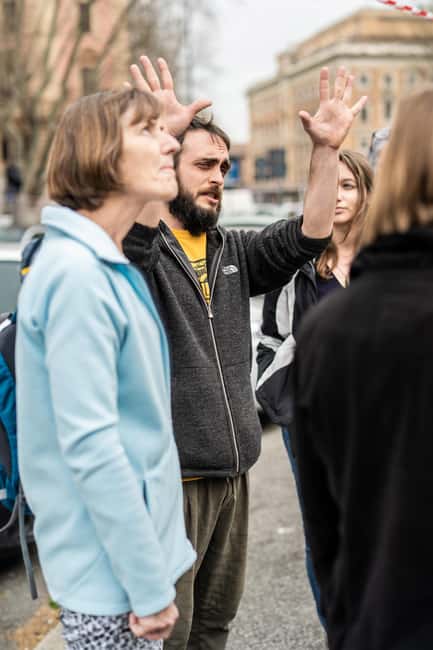
After the work is done, the pasta is cooked and served as lunch. You are eating the result of your own effort, but Marco prepares the sauces and helps bring the meal together so the final plate is more than a beginner’s experiment.
The food portions are described as generous, and the class includes a glass of Italian wine. Some sessions appear to offer both red and white wine, though the official inclusion specifies a glass of wine, so do not count on unlimited servings or a particular variety.
Coffee and limoncello finish the meal. These details help the class feel like a social Italian lunch rather than a technical workshop that ends as soon as the pasta leaves the pot.
The table setting also gives you time to talk with the other people in the group. Several participants enjoyed meeting new people, and Marco’s humor helps strangers relax around one another. That social side is a real part of the value, especially if you want an activity that feels less scheduled than a sightseeing stop.
If you are pregnant or avoiding alcohol, one participant found Marco attentive about choosing a safe drink. Still, speak up clearly at the start. The included wine is optional in practice, but the class is not designed as a non-drinking program.
How long should you allow?
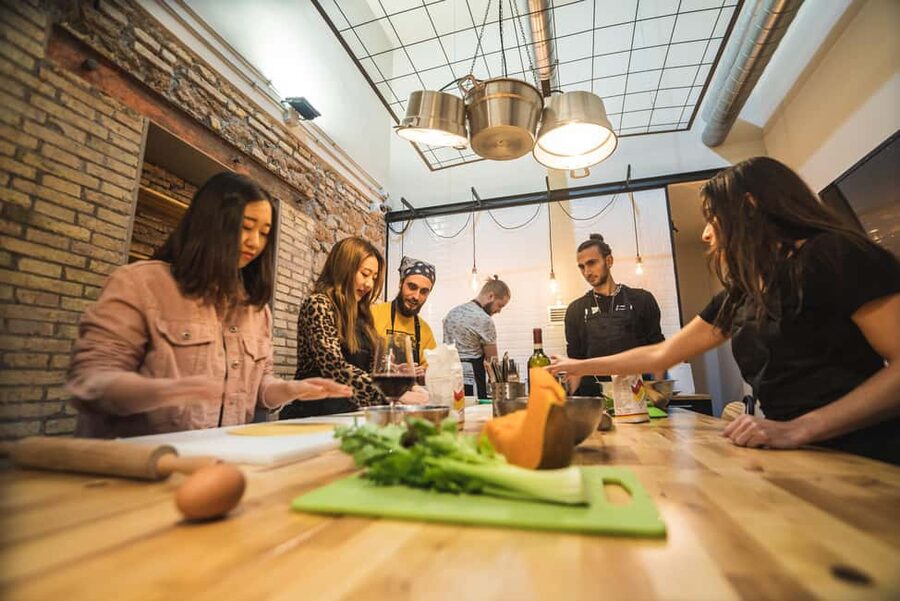
The official duration is six hours, and you should plan your day as if the full period will be used. That leaves room for the meeting, market walk, shopping, dough preparation, pasta shaping, cooking, lunch, and the final drinks.
In actual sessions, some people finished in about four hours. That shorter length was welcome for one group, but it also shows that timing can depend on the pace of the class and the amount of food being prepared.
Do not schedule the Colosseum, Vatican Museums, or a train departure immediately afterward. A cooking class has too many moving parts for a tight connection, and you will probably want time to enjoy the meal rather than watch the clock.
For planning purposes, treat this as a flexible half-day activity. If it finishes early, you have extra time for Rome. If it runs closer to six hours, you are not forced to abandon another booking.
Is $141.61 good value?
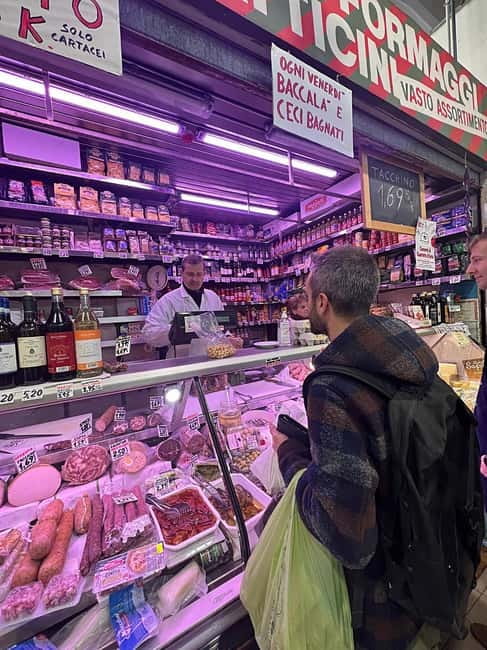
At $141.61 per person, this is not a cheap lunch. It becomes better value when you count what is included: a market walk, instruction from a chef, multiple pasta preparations, lunch, wine, coffee, limoncello, recipes, and a certificate.
You are also paying for close guidance. The individual workstations and Marco’s habit of checking each person’s dough make this more useful than a large demonstration where you simply copy the chef from a distance.
The price makes the most sense if you care about learning a skill and sharing a meal. If you only want to eat excellent pasta, a restaurant will cost less and require less time. If you want a short, polished cooking demonstration, you may find a shorter class more convenient.
For families and couples, the class bundles food, conversation, and instruction into one booking. Several people described it as a favorite part of their time in Italy, which fits the format: you leave with recipes, a certificate, and a meal you helped create.
The reserve-now, pay-later option also gives you some planning flexibility. Free cancellation is available up to 24 hours before the activity for a full refund. Check the available starting times carefully, since the day’s schedule is not fixed in the information provided.
Who should book this class?
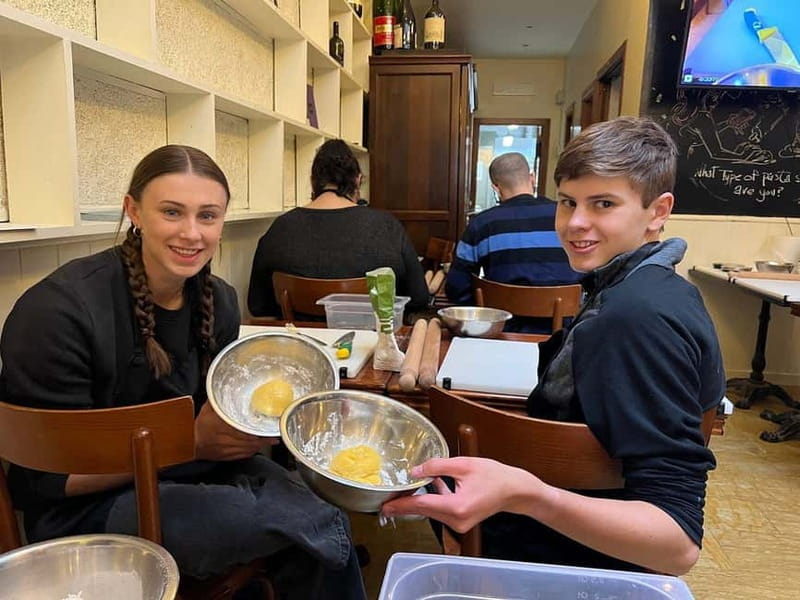
I would choose this for first-time pasta makers, food-focused visitors, couples, families, and anyone who prefers local neighborhoods to another formal sightseeing tour. You do not need kitchen experience, and Marco’s relaxed manner should help nervous beginners get started.
It also suits people who want variety. You may make several pasta shapes and fillings rather than spending the whole class on spaghetti carbonara. That makes the recipes more useful when you return home.
The class is less suitable for anyone with gluten intolerance, since it is specifically not recommended for that condition. It may also disappoint you if you want a private lesson, a fixed six-hour schedule, or full control over every sauce and ingredient.
The market portion involves walking, and the activity returns to the starting point. The supplied information does not give detailed accessibility guidance, so ask the provider before booking if you have mobility concerns.
Final verdict: book it for the teaching, not just the meal
I recommend this class if you want to connect Roman food with the place it comes from. The market visit gives the day a local beginning, while the kitchen turns those ingredients into pasta you can shape and eat yourself.
Marco is the key reason the class works so well. His humor, patience, clear explanations, and attention to each workstation help keep the lesson friendly without making it feel careless. The wine, lunch, coffee, and limoncello add pleasure, but the lasting value is the method you can use at home.
Book it if you have at least half a day, can eat gluten, and enjoy a social class. Skip it for a quick meal, a private chef experience, or a tightly timed day of sightseeing.
FAQ
Where does the pasta cooking class begin?
It begins at Via Palestro 51, 00185 Rome. You should arrive at least 10 minutes before the scheduled start.
Where does the activity end?
The class ends back at the same meeting point on Via Palestro 51.
How long does the experience last?
The stated duration is six hours. Starting times vary, so check availability when booking. Some sessions may finish closer to four hours.
Which languages are available?
Instruction is available in English and Italian.
Is previous cooking experience required?
No. The class is designed for beginners and includes hands-on instruction from the chef.
Is the class suitable for someone with gluten intolerance?
No. The activity is specifically listed as unsuitable for people with gluten intolerance.
What is included in the price?
The price includes the local market walk, pasta lunch, a glass of Italian wine, coffee, limoncello, recipes, and a participation certificate.
More Hands-On Cookery Sessions
- Rome: Fettuccine Pasta Cooking Class in Rome’s City Center
★ 4.8 · 2,414 reviews - Rome: Traditional Pasta with Cocktails Cooking Class
★ 5.0 · 2,374 reviews - Pasta Cooking Class Near the Colosseum with 3 Spritz Cocktails
★ 5.0 · 1,686 reviews - Enjoy Spritz and Pasta Making in Piazza Navona
★ 5.0 · 1,681 reviews
More Vineyard Visits and Tastings
- Learn to Make Pasta & Tiramisu with Wine and Limoncello Included
★ 5.0 · 2,345 reviews - Rome: Award Winning Trastevere Group Food Tour with Wine
★ 5.0 · 2,273 reviews - Rome: Fettuccine and Tiramisu Cooking Class with Wine
★ 4.8 · 2,013 reviews - Rome: Food Tour with Unlimited Food and Barolo Wine
★ 4.8 · 1,883 reviews
Just added around Rome
- Rome City, Pantheon, and Trevi Fountain Walking Tour★ 5.0 · 249 reviews
- Rome: Skip the line Vatican Museums & Sistine Chapel Tour★ 4.2 · 251 reviews
- Rome: Tivoli Day Trip with Villa d’Este and Villa Adriana★ 4.5 · 251 reviews
- Transfer Rome center – Ciampino Airport★ 4.5 · 251 reviews
- Rome: Cannondale E-Bike Evening Tour with Optional Dinner★ 4.9 · 251 reviews
- VIP Colosseum, Roman Forum & Palatine Hill & Special Access Sites★ 4.5 · 252 reviews
- Private Vatican Museums Hidden Gems Tour with Optional Pick-Up★ 5.0 · 253 reviews
- Vatican Museums & Sistine Chapel Skip-the-Line Guided Tour★ 4.6 · 254 reviews
Cooking Classes, compared.

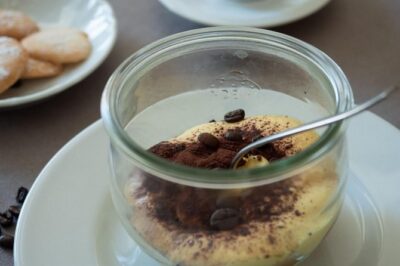
3 in 1 Cooking Class near Navona: Fettuccine, Ravioli & Tiramisu
Read our review →
Pasta & Tiramisu Cooking Class with Unlimited Wine
Read our review →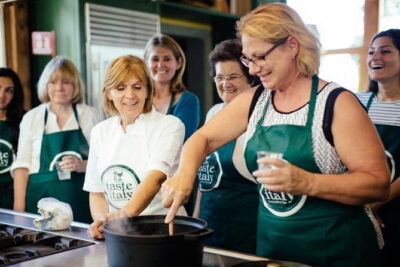
Cooking Class and Lunch at a Tuscan Farmhouse with Local Market Tour from Florence
Read our review →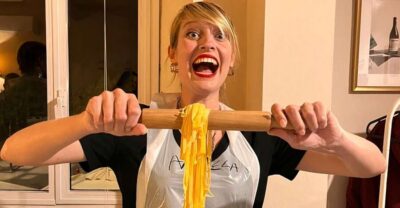
Pasta Making Class with Wine, Limoncello, and Dessert
Read our review →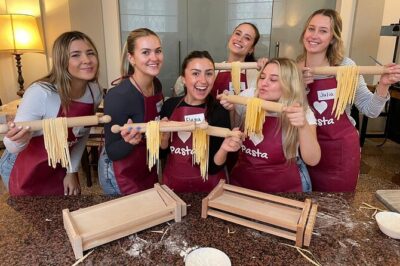
3-in-1 Fettuccine, Ravioli, and Tiramisu Cooking Class
Read our review →Browse the lists this tour appears in