
Review · WINE TOURS
Rome: Food & Wine Tour of Campo de Fiori, Ghetto, Trastevere
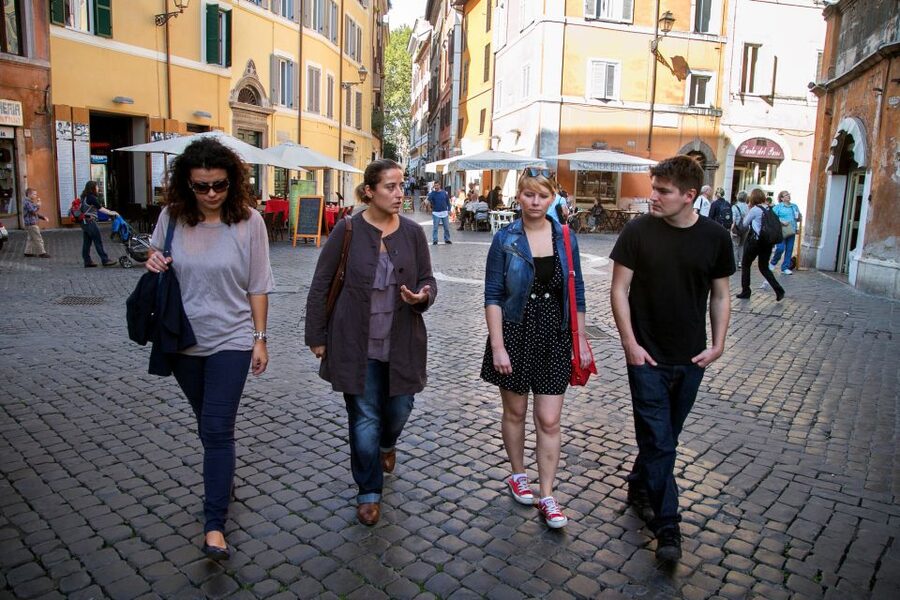
Rome is best understood one bite at a time. This food walk links Campo de Fiori, the Jewish Ghetto, and Trastevere through market stalls, bakeries, food shops, restaurants, and gelaterias. I like the mix of Roman classics, especially pizza bianca with mortadella, mozzarella-filled supplì, pasta, and gelato. I also like that the guide adds neighborhood history and practical food advice instead of simply handing you plates to sample. The main consideration is that the tour is not suitable for vegans or people with food allergies, and the provider cannot promise accommodations for special diets.
At $81 per person, the price is fair if you arrive hungry and treat this as both dinner and a walking introduction to central Rome. The food is plentiful enough that several people saved favorite restaurants and shops to revisit later. Afternoon guests should note one key difference: the market visit is replaced by a grocery shop and aperitif because Campo de Fiori Market operates on a morning schedule.
In This Review
- Key points at a glance
- Why this Roman food walk is worth your time
- Campo de Fiori: start with the market and Roman pantry
- The Jewish Ghetto: fried artichoke, supplì, and codfish
- Trastevere: pasta, family restaurants, and a final gelato
- How much food and wine should you expect?
- Guide quality makes the biggest difference
- What $81 buys you in Rome
- Timing, weather, and practical limits
- The best way to fit it into your Rome schedule
- Should you book the Campo de Fiori food tour?
- FAQ
- How long does the Rome food and wine tour last?
- What neighborhoods does the tour visit?
- Does every tour visit Campo de Fiori Market?
- What food is included?
- Is the tour suitable for vegetarians?
- Is the tour suitable for vegans or people with food allergies?
- What should I bring, and can I bring luggage?
Key points at a glance
- Roman classics in one sitting: Try pizza bianca with mortadella, supplì, fried artichoke, codfish, pasta, Roman salami, mozzarella, wine, and gelato.
- Three distinct neighborhoods: The route connects Campo de Fiori, the Jewish Ghetto, and Trastevere, giving the food a clear sense of place.
- A small group matters: Groups are limited to 15 people, with private group options also available.
- Best first-day activity: The tour gives you restaurant ideas, ordering tips, and a useful map of Roman eating before you spend the rest of your holiday at the table.
- Plan around the market: Choose the morning option if Campo de Fiori Market is important to you.
- Come hungry: The tastings add up quickly, and several participants found themselves full before the gelato stop.
Why this Roman food walk is worth your time
Rome has no shortage of food tours, but this one makes a sensible choice of neighborhoods. Campo de Fiori brings the market and specialty foods, the Jewish Ghetto adds distinctive Roman-Jewish cooking, and Trastevere supplies the restaurant and gelato stops.
I like that the route is not built around one grand meal. Instead, you eat small portions in several settings. That lets you compare a bakery snack with a fried street food, a pasta dish, and a final gelato. It also keeps the walk moving, which helps the experience feel like an introduction to Rome rather than a long restaurant sitting.
The food also has a job beyond filling you up. You learn why certain products matter, how to judge pasta and gelato, and how Roman traditions connect with the neighborhoods around you. Guides such as Natasha, Lisa, Mariel, Valeria, Gloria, and Anastasia have been praised for mixing local food advice with stories about architecture, customs, and city life.
That guide-led conversation is a major part of the value. A good guide can explain what you are eating, answer questions as they arise, and point out places you might otherwise pass without noticing. Natasha, in particular, has been praised for sharing recipes, explaining Roman history, and keeping the group involved without rushing anyone.
More Food Tours in Rome
- Rome: Tuscany & Montepulciano Day Trip with Lunch & Wine Tasting
★ 4.5 · 5,232 reviews - Winner 2025 Rome Twilight Trastevere Food Tour by Eating Europe
★ 5.0 · 5,157 reviews - Rome: Trastevere or Jewish Quarter Street Food Tour
★ 4.8 · 3,839 reviews
Campo de Fiori: start with the market and Roman pantry
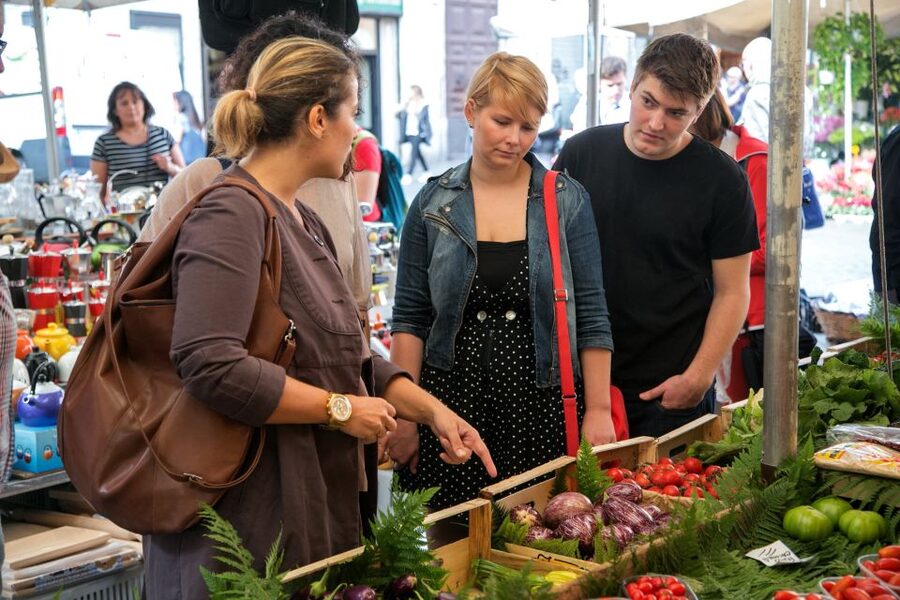
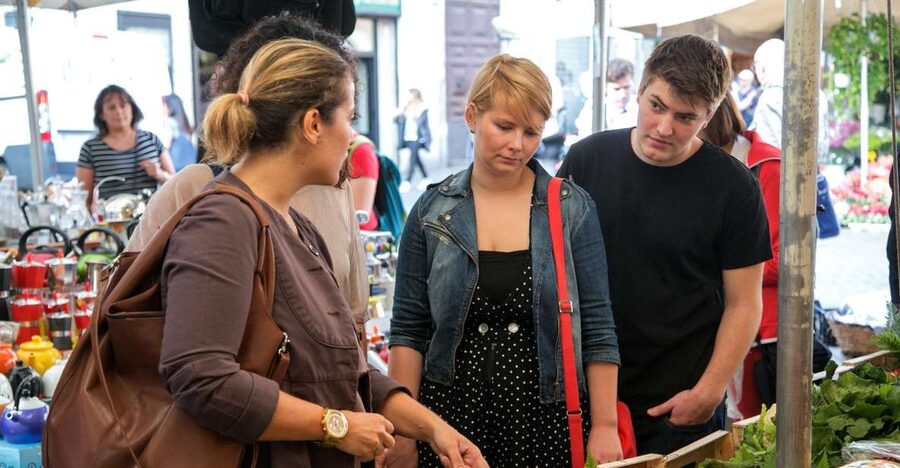
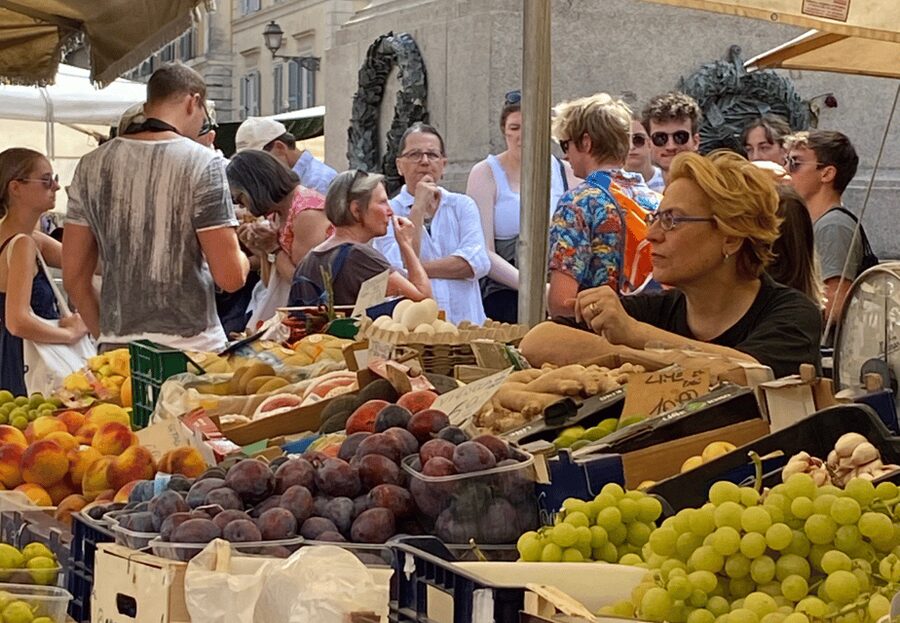
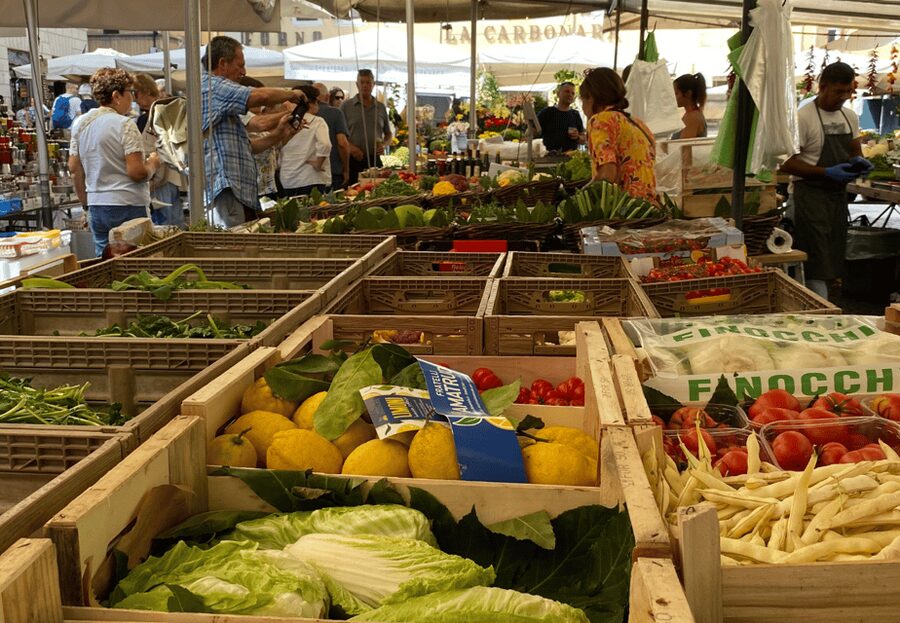
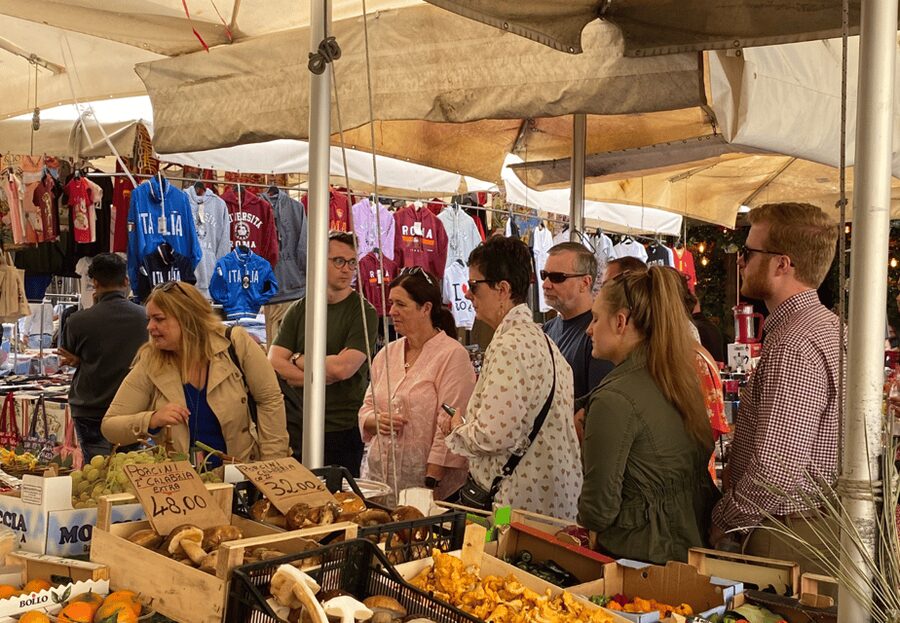
The morning version begins at Campo de Fiori Market, one of the tour’s most useful stops. The market visit gives you a quick education in Italian ingredients, with displays of fruits and vegetables, spices, and other food products.
You should not expect a full cooking class or a chance to buy everything you see as part of the tour. The value is in learning how the market fits into Roman food culture and hearing your guide explain what locals look for. If you enjoy choosing ingredients, this is a good place to ask about cheese, salami, produce, and regional specialties.
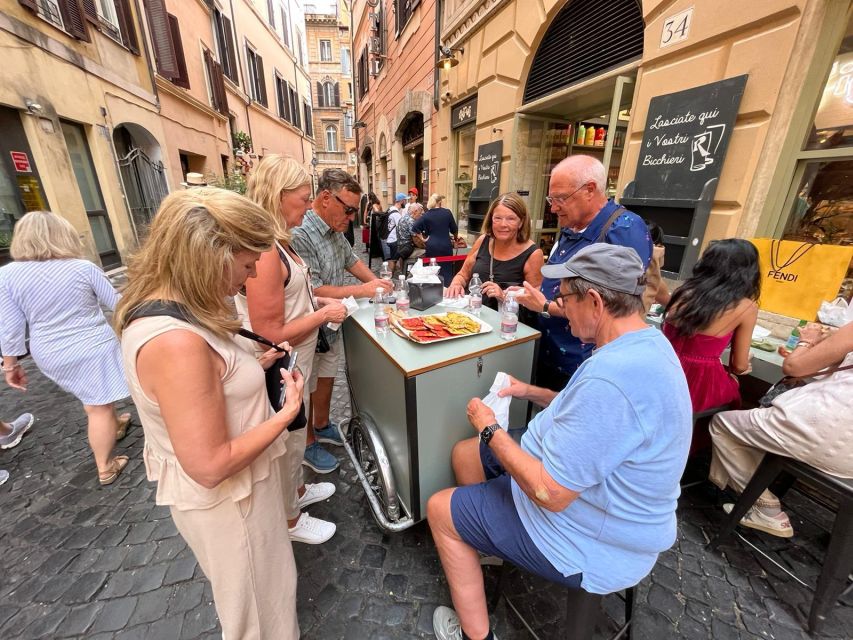
One early tasting is pizza bianca with mortadella. This is a simple Roman combination, but it works because the bread and filling are the focus. Pizza bianca is a light, seasoned flatbread, and thin slices of mortadella turn it into a classic mid-morning snack.
You will also taste mozzarella with Roman salami. That stop gives you a chance to compare fresh dairy with cured meat, while your guide explains the role of quality ingredients in Italian cooking. It is a small detail, but it helps you understand why a modest Roman snack can be more satisfying than a complicated dish made with average products.
The timing matters here. If you take the morning option, do not eat a large breakfast first. Several people found the tastings so generous that they were already full well before the final course.
For an afternoon booking, Campo de Fiori Market is not part of the route. It is replaced by a typical grocery store and an aperitif. That substitution still fits the theme, but it is not the same experience, so market fans should book the morning departure.
The Jewish Ghetto: fried artichoke, supplì, and codfish
The Jewish Ghetto is the most distinctive part of the route. Here, food and neighborhood history come together in a way that gives the tour more substance than a list of famous Roman dishes.
The tasting can include fried artichoke, Roman supplì, and fried codfish. Availability can vary, and the artichoke is especially tied to the season. If you visit when artichokes are plentiful, this may be a highlight. If not, you can still expect the guide to explain the food traditions connected with the area.
Supplì is one of Rome’s essential snacks. It is a fried rice ball with tomato-seasoned rice and a center of soft mozzarella. The outside should be browned and crisp, while the inside is warm and creamy. It is filling, practical street food, and an excellent example of how Rome turns a few ordinary ingredients into something memorable.
The codfish adds another texture and flavor to the stop. Along with the fried artichoke, it shows that Roman food is not limited to pasta and pizza. Your guide also explains the neighborhood’s past and its food customs, making this section especially valuable if you want more than a quick tasting.
I would pay close attention here rather than treating the Ghetto as a short passage between restaurants. The area is one of the strongest reasons to choose this particular route. You get food that feels tied to place, plus enough background to understand why the dishes developed as they did.
Trastevere: pasta, family restaurants, and a final gelato
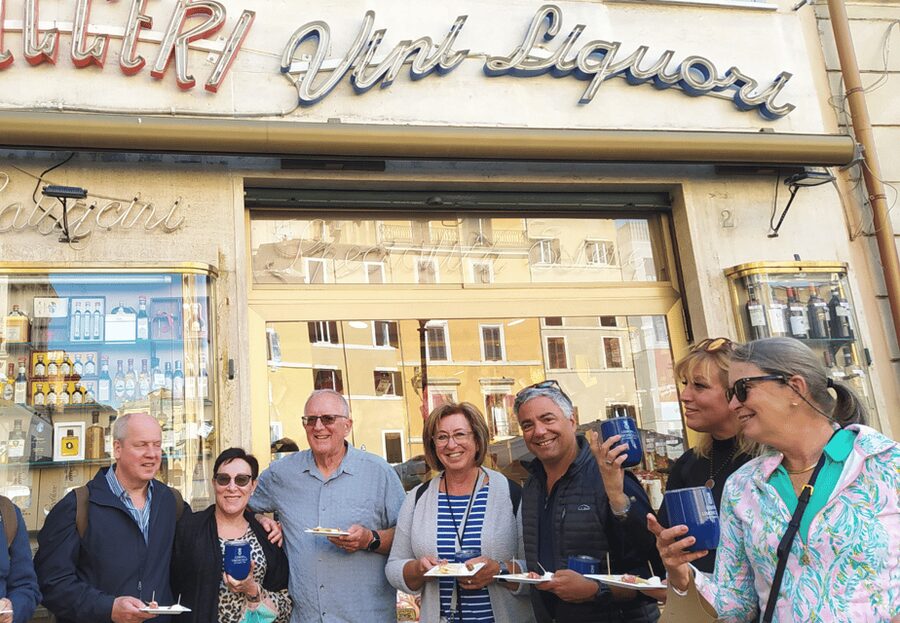
The tour continues into Trastevere, where the emphasis shifts toward restaurants, artisan food shops, pasta, and dessert. This is where the walking route begins to feel especially useful for the rest of your stay in Rome.
You will have a pasta tasting and learn what separates well-made pasta from the rest. The supplied details do not promise one fixed pasta shape or sauce, so the exact dish may depend on the restaurant and the day. The important point is the explanation: your guide helps you pay attention to texture, preparation, and the way pasta is served in Rome.
The restaurant stops are family-run or traditional local businesses, rather than a single formal dining room. That arrangement gives you a broader sample of Roman food and lets you see how different places handle familiar dishes.
Trastevere also provides the finishing course: gourmet gelato. The tour specifically emphasizes artisanal gelato, and several people found a way to enjoy it even after becoming full earlier in the walk. I like this ending because gelato is not just a sweet reward. It is also a useful lesson in how to spot quality, especially if your guide explains what to look for in color, storage, and flavor.
The final gelato stop can also help you plan later evenings. Several participants marked restaurants and food shops to revisit, which is one of the clearest signs that the tour offers practical value beyond the scheduled tastings.
More Wine Tours in Rome
- Rome: Pasta & Tiramisu Class with Fine Wine by the Vatican
★ 4.9 · 4,852 reviews - Rome Food Tour: Unlimited Tastings with Fine Wine & Barolo
★ 5.0 · 3,365 reviews - Rome: Pasta Making Class with Wine, Limoncello, and Dessert
★ 4.9 · 3,177 reviews - Rome: Trastevere Food tour with Free-Flowing Fine Wine
★ 5.0 · 2,853 reviews
How much food and wine should you expect?
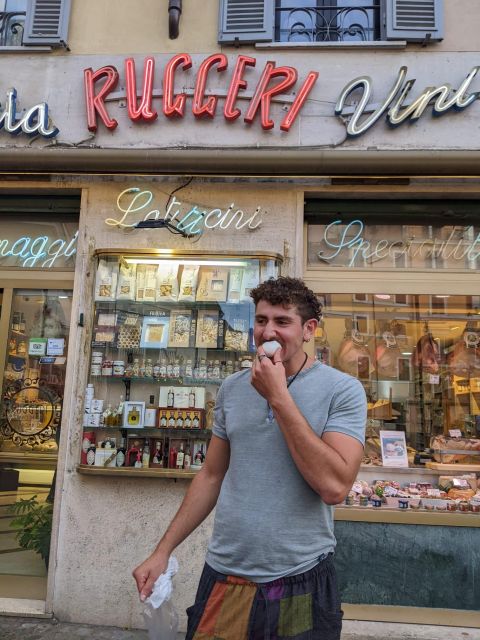
The included food is substantial. The program covers pizza bianca with mortadella, mozzarella and Roman salami, Jewish Ghetto specialties, pasta, and gelato. Wine is also part of the shared tastings, although the precise pours and pairings can vary.
This is not a tour where you receive one tiny sample at each stop and then need to find dinner immediately. The combination is closer to a light lunch or dinner, depending on the starting time. I would plan on eating very little beforehand and keeping your evening meal flexible.
The amount of walking is manageable for most people who are comfortable spending several hours on foot. The route passes through plazas and side streets, with food stops breaking up the movement. One participant described the pace as easy, with bathroom opportunities along the way, though the tour still requires comfortable shoes.
The pace can also depend on the group. With a maximum of 15 people, the guide has a reasonable chance to answer questions and keep everyone involved. A private group is available if you want more control over the pace or a more personal setting.
Guide quality makes the biggest difference
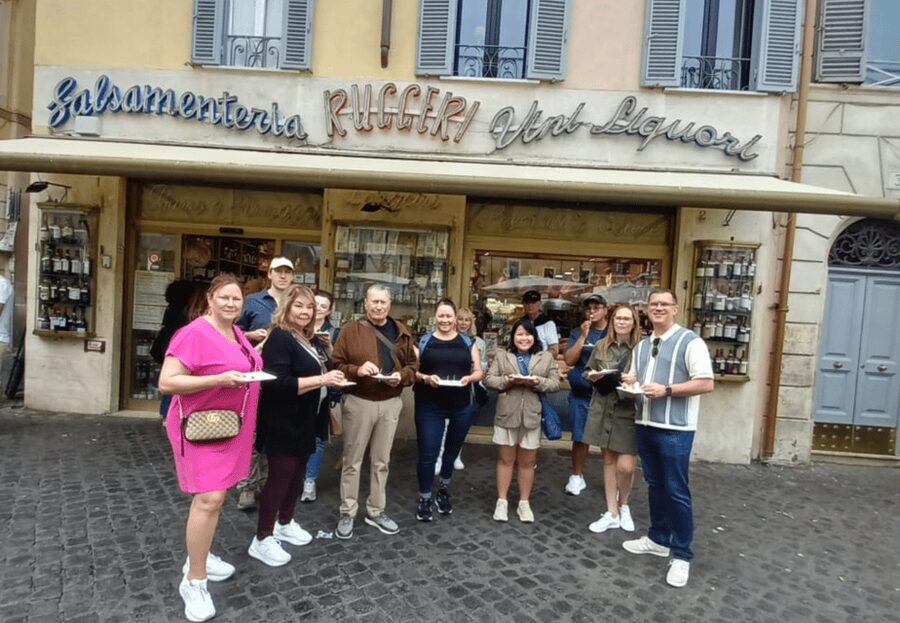
The strongest part of this experience is the guide. The food is appealing on its own, but the guide turns separate tastings into a coherent Roman food lesson.
Guides named in the feedback include Natasha, Lisa, Mariel, Valeria, Gloria, Anastasia, Federica, Chiara, Luca, and others. The repeated praise centers on warmth, clear explanations, humor, and an ability to connect food with local history. Natasha was singled out for keeping people engaged and sharing practical advice. Lisa was praised for her hospitality and her grasp of both food and neighborhood history. Mariel was noted for checking that everyone was enjoying the stops, while Anastasia helped make the route especially welcoming for first-time visitors.
That personal touch is useful for solo visitors. One solo participant called the tour a particularly good way to try a wide range of food, and that makes sense. You are not left to choose a restaurant alone, and the group setting gives you an easy way to talk with other people while walking.
Families can also enjoy the route, provided everyone is comfortable with the amount of food and walking. The tour works especially well for adults and older children interested in tasting unfamiliar dishes. It may be less suitable for very young children who do not enjoy sitting, walking, and trying foods on a set schedule.
What $81 buys you in Rome
At $81, this is not the cheapest way to eat in Rome. You could buy pizza, a fried snack, pasta, and gelato for less if you already knew where to go and what to order.
The tour earns its price through access to several stops, guided tastings, wine, neighborhood interpretation, and practical advice. You are paying to avoid guesswork. You also get a ready-made route through three central areas, and the small group limit makes the experience more personal than a large coach-style outing.
I see the best value if you book it near the beginning of your stay. You can return to the places you liked, use the ordering advice at later meals, and avoid wasting a night on a disappointing restaurant. If you are already an expert on Roman food and have a carefully planned list of places, the value may be lower.
The cancellation policy adds some flexibility: you can cancel up to 24 hours ahead for a full refund, and you can reserve now and pay later. The meeting point depends on the option you choose, so check that detail carefully before setting out.
Timing, weather, and practical limits
The tour operates in all weather. Wear comfortable shoes, and bring sun protection such as sunglasses, a hat, and sunscreen in warm months. An umbrella is also sensible because rain will not automatically stop the activity.
Do not bring luggage or large bags. This is a walking food tour through busy city streets, and a bulky suitcase would make the route awkward for you and the group.
The experience is offered in English. A private group option is available, which may suit families or friends who want a more relaxed arrangement.
Wheelchair users should not book this activity, as it is listed as unsuitable. People with food allergies should also avoid relying on the tour for safe substitutions. Vegans are not considered suitable for this experience, while one vegetarian participant reported being accommodated. That is encouraging for some vegetarians, but the provider does not guarantee special dietary arrangements, so you should ask before booking.
The best way to fit it into your Rome schedule
I would choose this tour on the first or second day of a Rome visit. It gives you an early sense of how locals eat and provides a list of places worth returning to. It also helps you recognize Roman foods when you see them on menus later.
A morning booking is best if Campo de Fiori Market is high on your list. An afternoon option may suit you better if you want an aperitif and a later start, but remember that it substitutes a grocery stop for the market.
Do not schedule a heavy meal immediately afterward. You may finish pleasantly full, or you may find yourself wondering how gelato still fit in. Either way, leave room in your plan for a slow walk back through Trastevere or toward your next sight.
Should you book the Campo de Fiori food tour?
Book it if you want a friendly introduction to Roman food, prefer tasting several specialties over sitting through one long meal, and enjoy learning about neighborhoods as you eat. It is especially useful for first-time visitors, solo visitors, and anyone who wants restaurant advice they can use for the rest of the trip.
Skip it if you are vegan, have serious food allergies, use a wheelchair, or already have a strong personal knowledge of Rome’s food shops and restaurants. Also choose carefully between morning and afternoon, since only the morning option includes Campo de Fiori Market.
For most eligible visitors, $81 buys a filling, well-paced introduction to three memorable parts of Rome. I would book it early, arrive hungry, wear good shoes, and treat the route as both a meal and a practical lesson in eating well in the Eternal City.
FAQ
How long does the Rome food and wine tour last?
The activity lasts between 2 and 3.5 hours, depending on the option booked. The main walking tour is described as lasting 3.5 hours, so check the available start times and duration before reserving.
What neighborhoods does the tour visit?
The route includes Campo de Fiori, the Jewish Ghetto, and Trastevere. It visits markets or grocery shops, food stores, traditional restaurants, and gelaterias in these areas.
Does every tour visit Campo de Fiori Market?
No. The market visit is included with the morning option. The afternoon tour substitutes a typical grocery store visit and aperitif because the market is closed.
What food is included?
Included tastings feature pizza bianca with mortadella, mozzarella with Roman salami, Jewish Ghetto specialties such as fried artichoke, supplì, and codfish, pasta in Trastevere, and gourmet gelato. Regional wine is also shared during the tastings.
Is the tour suitable for vegetarians?
A vegetarian participant was accommodated, but the provider cannot guarantee arrangements for special food restrictions. You should contact the provider before booking if you need substitutions.
Is the tour suitable for vegans or people with food allergies?
No. The activity is listed as unsuitable for vegans and people with food allergies. The provider cannot guarantee safe accommodations for special food restrictions.
What should I bring, and can I bring luggage?
Wear comfortable shoes and consider bringing sunglasses, a sun hat, sunscreen, and an umbrella. Luggage and large bags are not allowed.
More Italian Food and Wine Outings
- Rome: Trastevere & Campo de Fiori Street Food Walking Tour
★ 4.9 · 2,768 reviews - Rome Street Food Tour with Local Guide
★ 5.0 · 2,361 reviews - Rome: Guided Food Tour in Trastevere
★ 4.8 · 2,266 reviews - Pasta Making & Wine Tasting with Dinner in Frascati from Rome
★ 5.0 · 1,326 reviews
More Vineyard Visits and Tastings
- Learn to Make Pasta & Tiramisu with Wine and Limoncello Included
★ 5.0 · 2,345 reviews - Rome: Award Winning Trastevere Group Food Tour with Wine
★ 5.0 · 2,273 reviews - Rome: Fettuccine and Tiramisu Cooking Class with Wine
★ 4.8 · 2,013 reviews - Rome: Food Tour with Unlimited Food and Barolo Wine
★ 4.8 · 1,883 reviews
Just added around Rome
- Rome City, Pantheon, and Trevi Fountain Walking Tour★ 5.0 · 249 reviews
- Rome: Skip the line Vatican Museums & Sistine Chapel Tour★ 4.2 · 251 reviews
- Rome: Tivoli Day Trip with Villa d’Este and Villa Adriana★ 4.5 · 251 reviews
- Transfer Rome center – Ciampino Airport★ 4.5 · 251 reviews
- Rome: Cannondale E-Bike Evening Tour with Optional Dinner★ 4.9 · 251 reviews
- VIP Colosseum, Roman Forum & Palatine Hill & Special Access Sites★ 4.5 · 252 reviews
- Private Vatican Museums Hidden Gems Tour with Optional Pick-Up★ 5.0 · 253 reviews
- Vatican Museums & Sistine Chapel Skip-the-Line Guided Tour★ 4.6 · 254 reviews
Wine Tours, compared.
Tuscany Day Trip from Florence: Siena, San Gimignano, Pisa and Lunch at a Winery
Read our review →
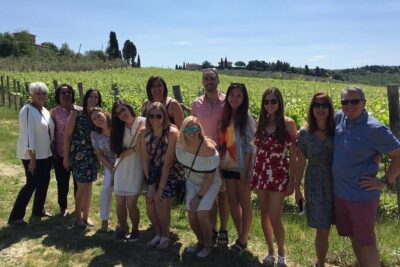
Small-Group Wine Tasting Experience in the Tuscan Countryside
Read our review →
Pasta & Tiramisu Cooking Class with Unlimited Wine
Read our review →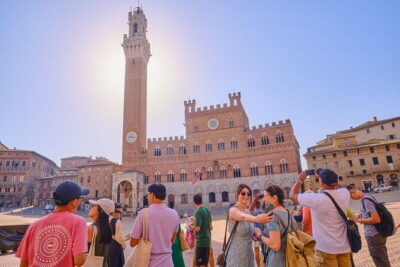
Pisa, Siena and San Gimignano Day Trip with Lunch & Wine Pairing
Read our review →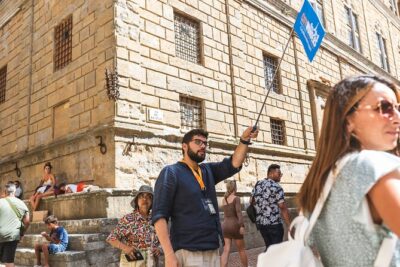
Tuscany & Montepulciano Day Trip with Lunch & Wine Tasting
Read our review →Browse the lists this tour appears in