
Review · STREET FOOD TOURS
Rome Street Food Tour with Local Guide
Rome tastes better on foot. This small-group tour links street food and Roman history, beginning at Campo de’ Fiori and ending near Largo Argentina after about two and a half hours. I like the mix of proper sightseeing and light eating, and I especially like that guides such as Ramona, Francesca, Mattia, and Matteo add local stories rather than simply handing out samples. The main drawback is that you spend much of the tour standing outdoors, and the food cannot accommodate vegan, dairy-free, or gluten-free diets.
At $54.42 per person, this is a fair introduction to Roman food if you value a guide, several tastings, and a walking route through central Rome. Book the morning departure if the market matters to you, since Campo de’ Fiori’s food stalls are closed in the evening. Come hungry, but not so hungry that you race through the history between bites.
In This Review
- Key points at a glance
- Why this Rome food walk works
- Meeting Giordano Bruno in Campo de’ Fiori
- A short passage through Passetto del Biscione
- Roman-Jewish food in the old Ghetto
- Pizza and suppli, two Roman essentials
- The Portico of Octavia and ancient Rome
- Largo Argentina and the final gelato
- How much food do you actually get?
- Guides make the difference
- Dietary limits and physical demands
- Lunch or dinner?
- Who should book this Rome food tour?
- Should you book it?
- FAQ
- How long is the Rome Street Food Tour with Local Guide?
- Where does the tour start?
- Where does the tour end?
- Is the Campo de’ Fiori market open during the evening tour?
- Can vegetarians join the tour?
- What is included in the price?
Key points at a glance
- Start beneath Giordano Bruno: Meet at the statue in Campo de’ Fiori, one of Rome’s most recognizable squares.
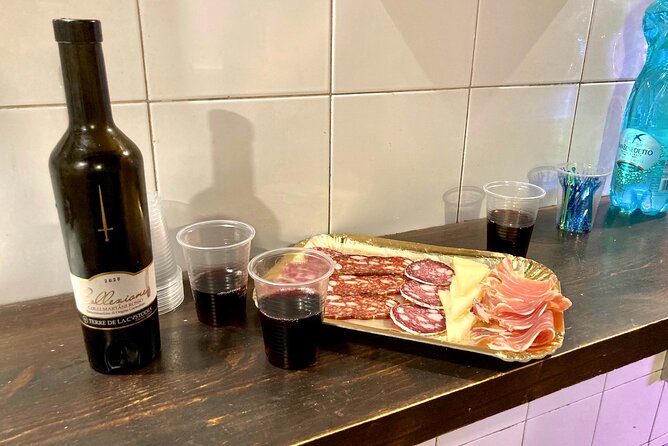
- Taste as you walk: Expect samples such as cheese, cured meat, seasonal produce, pizza, suppli, pastries, wine, beer, and gelato.
- Morning and evening feel different: Morning tours can include the market stalls, while evening tours use the same historic area without the open market.
- The Jewish Ghetto adds context: You see the synagogue area, the old Roman Ghetto, the Portico of Octavia, and Roman-Jewish food traditions.
- Julius Caesar’s death ends the route: The final stop is Largo Argentina, followed by artisanal gelato nearby.
- Small, but not private: The group can reach 15 people, so expect a social outing rather than a custom food crawl.
Why this Rome food walk works
Rome has no shortage of places to eat, but finding a good first plate can be harder than it looks. Menus often use familiar words while hiding the differences between Roman specialties, and the best quick bites may be served in places you would walk past without a guide.
This tour gives you a useful first taste of the city’s everyday food. You are not sitting down for one long restaurant meal. Instead, you move between stops, try modest portions, and hear how each dish fits into Roman life.
I like this format for a first or second day in Rome. You get your bearings around Campo de’ Fiori, the Jewish Ghetto, the Theatre of Pompey area, and Largo Argentina while learning what to order later on your own.
The guides are a major part of the experience. Francesca is described as warm and enthusiastic, Ramona as particularly engaging and passionate about Rome, and Matteo as a local who adds details about food, architecture, culture, and the neighborhoods along the way. Andreas, Fabrizia, Kristian, and Mattia have also been praised for mixing food advice with practical Roman tips.
That matters because the food alone would not justify a two-and-a-half-hour walk for everyone. The value comes from the combination of tastings, interpretation, and access to family-run or local food businesses.
More Food Tours in Rome
- Rome: Tuscany & Montepulciano Day Trip with Lunch & Wine Tasting
★ 4.5 · 5,232 reviews - Winner 2025 Rome Twilight Trastevere Food Tour by Eating Europe
★ 5.0 · 5,157 reviews - Rome: Trastevere or Jewish Quarter Street Food Tour
★ 4.8 · 3,839 reviews
Meeting Giordano Bruno in Campo de’ Fiori
The tour begins at Piazza Campo de’ Fiori, under the statue of Giordano Bruno in the center of the square. This is an easy place to identify, but allow enough time to reach it. The meeting point is in central Rome and close to public transportation.
Campo de’ Fiori changes character depending on your start time. In the morning, the square hosts one of Rome’s old food markets, and the first tastings take place among the stalls. You may sample cheese, cured meat, wine, seasonal fruit, and other market foods.
This first section is valuable because it introduces ingredients before the tour moves to prepared street food. You get a sense of what Roman vendors sell and how food shopping fits into the square’s daily rhythm.
There is also a trade-off. Market tastings are available only in the morning. An evening tour can still visit Campo de’ Fiori, but the stalls will be closed. If the open-air market is one of your main reasons for booking, choose lunch rather than dinner.
The market is not a separate shopping excursion, so do not expect a long period to browse every stall. The tour keeps moving, and the food samples are part of a larger route.
A short passage through Passetto del Biscione
From Campo de’ Fiori, you continue through Passetto del Biscione. This section brings a quieter, more tucked-away side of central Rome into the walk and gives you another chance to taste local street food.
The stop lasts about 15 minutes, so think of it as a short pause rather than a full meal. That rhythm continues throughout the tour. You eat something, hear a bit about the place around you, and move on before the flavors become repetitive.
This is one reason the experience works well for families and mixed-age groups. Several people praised the pace, and one family found the food and history appealing even for teenagers. The portions are described as enough for a light meal, but you should not expect a large sit-down lunch.
Roman-Jewish food in the old Ghetto
The route then reaches the Antico Quartiere Ebraico, the historic Roman Ghetto. Here the guide explains how the Ghetto was established under Pope Paul IV as a place to segregate Rome’s Jewish population.
The food stop connects that difficult history with one of the city’s best-known Roman-Jewish specialties. The exact tasting can change with the season, but the point is not simply to try another fried or baked item. You learn how a neighborhood’s traditions shaped the food served there.
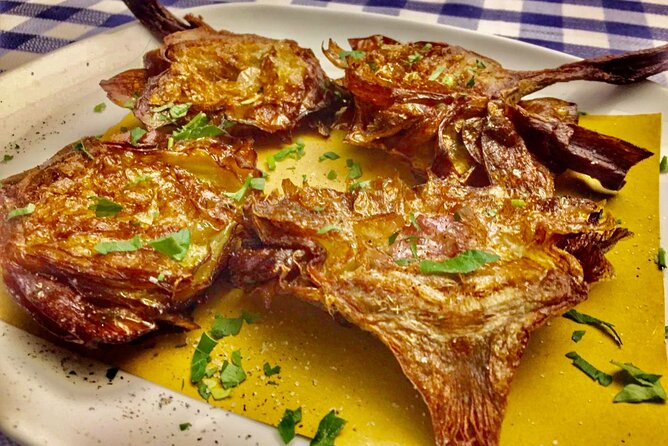
Some food examples associated with the tour include artichoke, pastries, and other seasonal specialties. One person felt unwell after eating fried artichokes on a very hot day, which is a useful reminder to pace yourself, drink water, and be cautious with rich fried foods in summer.
The tour takes place rain or shine, so your comfort depends partly on the weather. You will spend a lot of time outside, and seats are not guaranteed. Wear shoes suitable for walking over Rome’s uneven streets and bring protection from rain or strong sun.
More street food walks:
- Rome: Trastevere & Campo de Fiori Street Food Walking Tour
★ 4.9 · 2,768 reviews - Naples: Street Food Walking Tour with Local Guide
★ 4.8 · 4,256 reviews - Florence: Cinque Terre Park Day Trip with Optional Street Food
★ 4.5 · 3,593 reviews - Venice: Street Food Tour with a Local Guide and Tastings
★ 4.8 · 2,613 reviews
Pizza and suppli, two Roman essentials
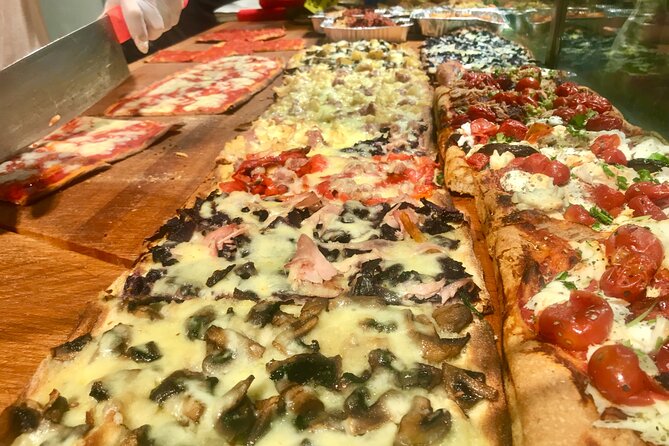
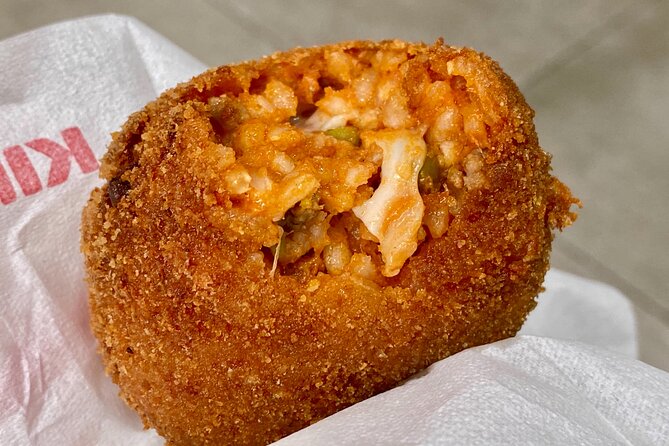
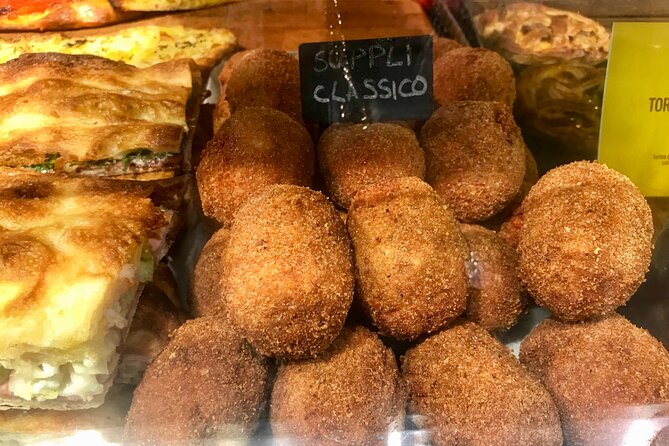
Pizza is one of the central tastings, along with suppli. Suppli is a fried rice ball with tomato and mozzarella at its center. It is one of Rome’s classic quick foods, and it is especially useful to try it with an explanation because the dish can look simple until you taste the crisp outside and soft, savory center.
The tour treats pizza and suppli as street food rather than formal restaurant courses. That makes the experience practical. You can learn what a quick Roman snack feels like, then recognize it later when you see it in a bakery, food shop, or casual counter.
Food portions are generally described as generous enough to count as a light meal. Still, the tour is built around tasting several things, not filling you with one large serving. Avoid eating a full lunch beforehand, but a small breakfast or snack makes sense for anyone who gets hungry easily.
The food selection is not fixed. Season, vendor availability, and the timing of the tour can affect what you receive. You might encounter antipasto, salami, pizza, suppli, artichoke, cannoli, or other Roman foods in addition to the standard highlights.
The Portico of Octavia and ancient Rome
At the Portico of Octavia, the food route pauses beside ruins dating to the first century BC. This is where the tour shows its strength as a sightseeing walk rather than a simple series of tastings.
You are not spending hours inside a major archaeological site, and admission tickets are not part of the experience. Instead, you see ancient remains from the street while your guide explains what you are looking at.
That approach suits you if you want historical context without giving up an afternoon to a museum or large monument. It also keeps the tour moving. The stop is listed at about 30 minutes, enough time for a short explanation and tasting without turning the experience into a formal lecture.
The Jewish Ghetto and Portico of Octavia work well together. The route shifts between medieval and modern neighborhood life, Jewish-Roman food traditions, and the remains of ancient imperial Rome. The food gives the walk a practical focus, while the sites keep it from feeling like a chain of unrelated snack stops.
Largo Argentina and the final gelato
The last major stop is Area Sacra di Largo Argentina, the archaeological site associated with the assassination of Julius Caesar. The ruins are visible in the middle of modern Rome, making this a memorable place to end the sightseeing portion of the walk.
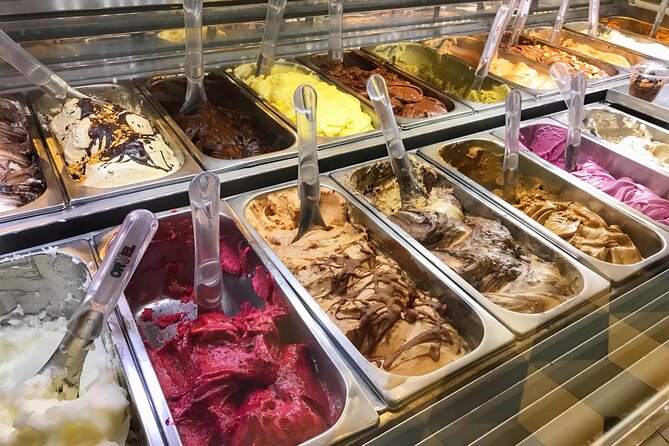
Afterward, you visit a nearby family-run gelateria for artisanal gelato. The owner explains how gelato is made, giving you more than a quick frozen dessert before the tour ends.
I especially like this finish because gelato provides a clear contrast to the earlier savory foods. After cheese, cured meat, pizza, fried rice, and seasonal produce, a cold sweet course feels like a proper ending.
Gelato quality can be personal, of course, and the flavor choices may vary. But the family-run setting and explanation from the owner add a human touch that a generic dessert stop would not provide.
The tour ends at Piazza di Sant’Eustachio. That gives you a useful central location for continuing your sightseeing or finding your way back to your accommodation.
How much food do you actually get?
The tour includes several street food tastings plus wine and beer. The practical amount depends on the day’s selection, but the experience is designed as a light meal rather than a feast.
Expect a sequence that may include:
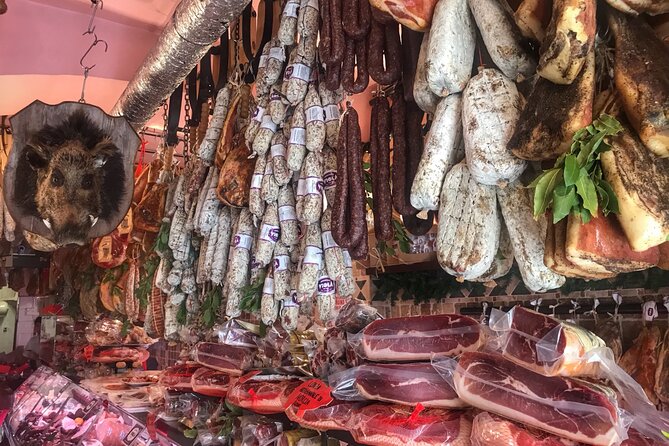
- Market samples such as cheese, cured meat, fruit, and seasonal produce
- Roman pizza
- Suppli
- A Roman-Jewish specialty
- Pastries or cannoli
- Artisanal gelato
- Tastes of local wine and beer
Extra drinks are not included. If you want more than the included wine or beer tasting, budget for additional purchases.
At $54.42, I consider the price reasonable for visitors who want a guided introduction and do not want to organize several food stops themselves. You are paying for the guide’s time, the tastings, the drinks included, and the walking route through several historic districts.
The value is weaker if you already know Rome’s food scene well and are happy to order on your own. You could spend less by buying individual snacks, but you would not get the explanations, route planning, or group experience.
Guides make the difference
The strongest part of this experience is the human delivery. Ramona receives repeated praise for her warmth, humor, and passion for Rome. Francesca is noted for making food and history easy to follow, while Mattia and Matteo are praised for combining local food with stories about Roman culture and architecture.
One guide also offered practical advice about Rome’s drinking fountains and train travel. That sort of information can be just as useful as the food. You may leave with ideas for later meals, suggestions about where to eat, and a better sense of how to move around the city.
Guide quality can naturally vary from one departure to another, but the experience appears structured around local storytelling rather than a scripted list of stops. That is important for a small group of up to 15 people. The group is large enough to be social, but small enough that you can usually hear the guide and ask questions.
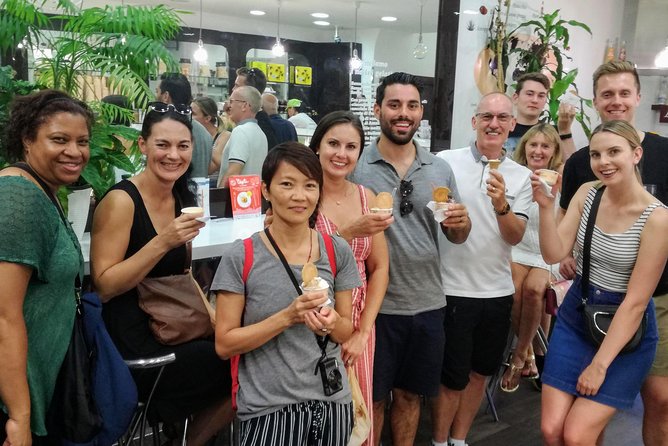
You may also enjoy meeting the other people in the group. Several descriptions point to the social side of the tour, with families and couples sharing food and recommendations as they walk.
Dietary limits and physical demands
You must report dietary needs when booking. Vegetarians can be accommodated only if you advise the operator in advance.
The tour does not accommodate vegan, gluten-free, or dairy-free diets. Some guides may try to provide an alternative in individual cases, but you should not rely on that, especially if you have celiac disease or a serious allergy.
Nut allergies also require caution because cross-contamination is possible. Ask before tasting and explain the seriousness of your allergy clearly.
This is not a good choice if you have limited walking or standing capacity. Seats are not guaranteed, and much of the experience takes place outdoors. The tour runs in rain or shine, so weather-resistant clothing and comfortable walking shoes are sensible.
Lunch or dinner?
The lunch and dinner options serve different purposes.
Choose lunch if you want the Campo de’ Fiori market, since the morning market tastings are available only then. This is the better choice for a first look at Roman food shopping and produce.
Choose dinner if you prefer to spend the day sightseeing and use the tour as an early evening food walk. You will miss the open market, but the historic route, pizza, suppli, wine, beer, and gelato still provide a good introduction.
The tour lasts about two hours and 30 minutes. That is long enough to feel substantial but short enough to fit around a major sightseeing day. I would avoid scheduling it immediately before a timed attraction unless you leave plenty of room for delays.
Free cancellation is available if you cancel at least 24 hours before the start time. Inside that window, no refund is provided. The tour also requires a minimum number of participants, so a cancellation for that reason comes with the option of another date or a full refund.
Who should book this Rome food tour?
I would recommend it most strongly to:
- First-time visitors who want food and orientation together
- Families with older children or teenagers
- Couples who prefer tasting several foods to sitting through one long meal
- People who enjoy history but do not want a formal museum tour
- Visitors who want local recommendations early in their stay
- Anyone unsure how Roman street food differs from standard Italian restaurant fare
I would be more cautious if you have major dietary restrictions, dislike standing, or want a private and highly customized food experience.
Should you book it?
Book this tour if you want a friendly introduction to Roman food, a manageable walk through central Rome, and enough history to give each tasting a sense of place. The best reasons to go are the guide-led storytelling, the mix of market food and classic snacks, and the route through the Jewish Ghetto, Portico of Octavia, and Largo Argentina.
Choose a morning departure for the Campo de’ Fiori market. Tell the operator about vegetarian needs in advance, and do not book if you require vegan, gluten-free, or dairy-free food. With those limits understood, the $54.42 price offers solid value, especially at the beginning of a Rome visit when a good guide can help shape the rest of your meals.
FAQ
How long is the Rome Street Food Tour with Local Guide?
The tour lasts approximately two hours and 30 minutes.
Where does the tour start?
It starts at Piazza Campo de’ Fiori, under the statue of Giordano Bruno in the middle of the square.
Where does the tour end?
The tour ends at Piazza di Sant’Eustachio in central Rome.
Is the Campo de’ Fiori market open during the evening tour?
No. The local market is closed in the evenings. Market tastings are available only during morning tours.
Can vegetarians join the tour?
Yes, vegetarians can be accommodated if you advise the operator in advance. The tour does not accommodate vegan, gluten-free, or dairy-free diets.
What is included in the price?
The price includes several street food tastings, a local expert guide, and tastes of wine and beer. Extra drinks are not included.
More Italian Food and Wine Outings
- Rome Food Tour: Unlimited Tastings with Fine Wine & Barolo
★ 5.0 · 3,365 reviews - Rome: Trastevere Food tour with Free-Flowing Fine Wine
★ 5.0 · 2,853 reviews - Rome: Award Winning Trastevere Group Food Tour with Wine
★ 5.0 · 2,273 reviews - Rome: Guided Food Tour in Trastevere
★ 4.8 · 2,266 reviews
Just added around Rome
- Rome City, Pantheon, and Trevi Fountain Walking Tour★ 5.0 · 249 reviews
- Rome: Skip the line Vatican Museums & Sistine Chapel Tour★ 4.2 · 251 reviews
- Rome: Tivoli Day Trip with Villa d’Este and Villa Adriana★ 4.5 · 251 reviews
- Transfer Rome center – Ciampino Airport★ 4.5 · 251 reviews
- Rome: Cannondale E-Bike Evening Tour with Optional Dinner★ 4.9 · 251 reviews
- VIP Colosseum, Roman Forum & Palatine Hill & Special Access Sites★ 4.5 · 252 reviews
- Private Vatican Museums Hidden Gems Tour with Optional Pick-Up★ 5.0 · 253 reviews
- Vatican Museums & Sistine Chapel Skip-the-Line Guided Tour★ 4.6 · 254 reviews
Street Food Tours, compared.

Trastevere or Jewish Quarter Street Food Tour
Read our review →
Cinque Terre Park Day Trip with Optional Street Food
Read our review →
Trastevere & Campo de Fiori Street Food Walking Tour
Read our review →
Street Food Tour with a Local Guide and Tastings
Read our review →
Authentic Naples Street Food Tour With Local Expert Guide
Read our review →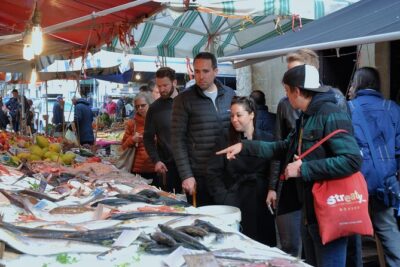
Palermo Original Street Food Walking Tour by Streaty
Read our review →
Cinque Terre Day Trip with Optional Street Food
Read our review →Browse the lists this tour appears in