
Review · COLOSSEUM & ROMAN FORUM TOURS
Rome: Colosseum Access and Self-Guided Virtual Reality Tour
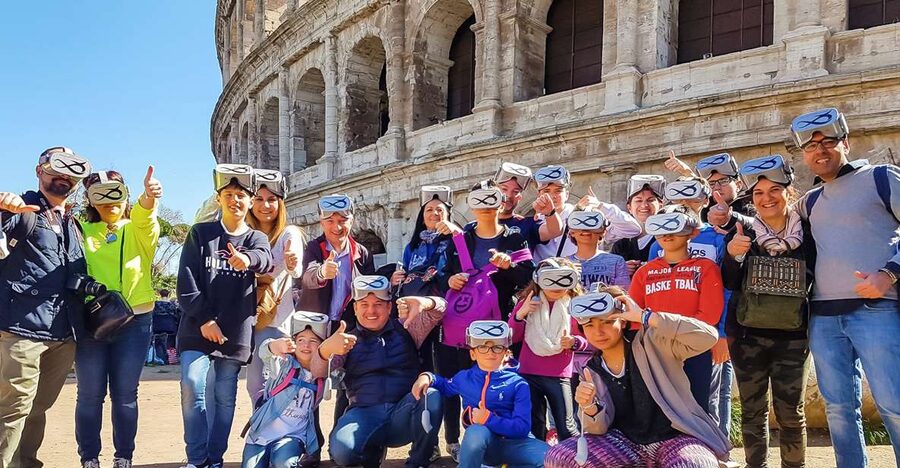
Put the ruins back together. This two-hour Colosseum experience uses animated 3D scenes to show the monument as it may have appeared in 72 AD, then gives you entry to the Colosseum, Roman Forum, and Palatine Hill. I like the clear mix of technology and real archaeology, and I especially like that you can explore the main sites at your own pace afterward. The main drawback is that the virtual reality session takes place outside the Colosseum, not inside it, and the headset may make some people feel queasy.
I also like the practical skip-the-ticket-line entry, which matters greatly around Rome’s most famous ancient site. The staff members, including Sara, Cristina, Kristina, Valeria, Rebekah, and Stefania, have been praised for helping with headsets, finding shade, assisting families, and keeping the process moving.
This is not a live guided tour through the ruins. It is a self-guided audio and VR introduction followed by independent sightseeing. For children, first-time visitors, and anyone who has trouble imagining ruined buildings in their original form, that is a strong combination.
In This Review
- Key points to know before booking
- What the two-hour experience actually includes
- The Colosseum Square brings the setting to life
- The arena floor shows the Colosseum at its most dramatic
- The underground scene explains the building’s machinery
- Entering the real Colosseum after the headset
- The Roman Forum and Palatine Hill extend the visit
- Why families may find this format especially useful
- The staff make the technology easier to manage
- Price and practical value at $66.07
- Who should choose this Colosseum experience?
- Should you book it?
- FAQ
- Where do I meet the staff?
- Is the VR experience held inside the Colosseum?
- What sites are included with the ticket?
- Does the tour include the Underground and Arena Floor?
- Which audio-guide languages are available?
- Can children join the activity?
Key points to know before booking
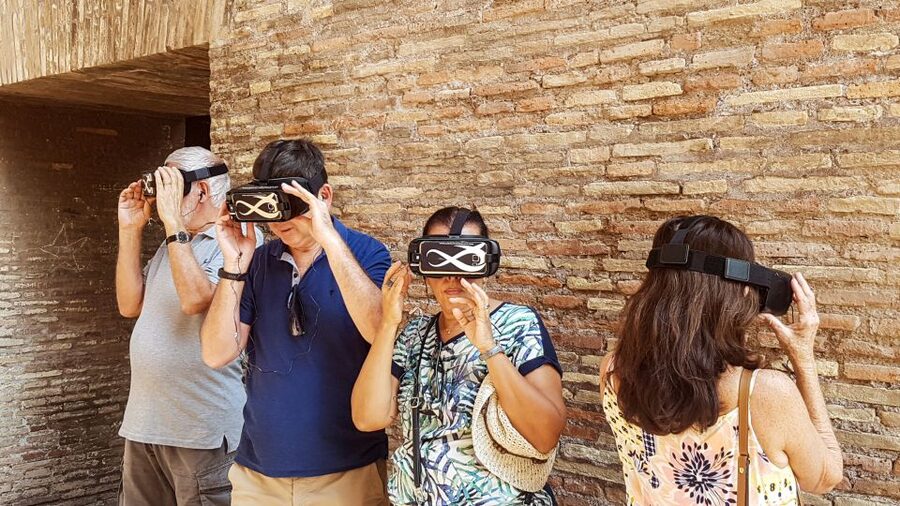
- Three detailed VR scenes: Visit the Colosseum Square, arena floor, and underground chambers as reconstructed for ancient Rome.
- Real entry is included: Your ticket covers the Colosseum, Roman Forum, and Palatine Hill, with the €18 admission cost included.
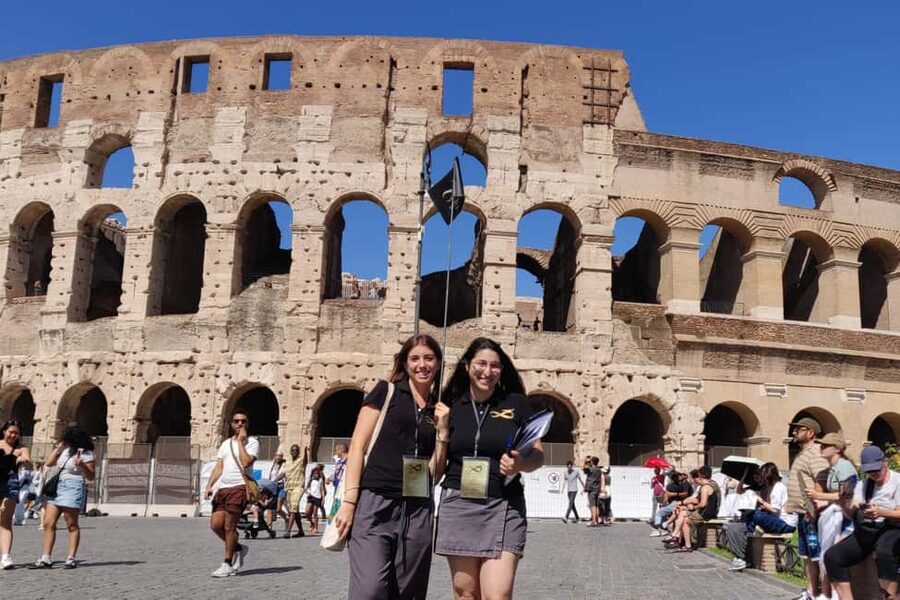
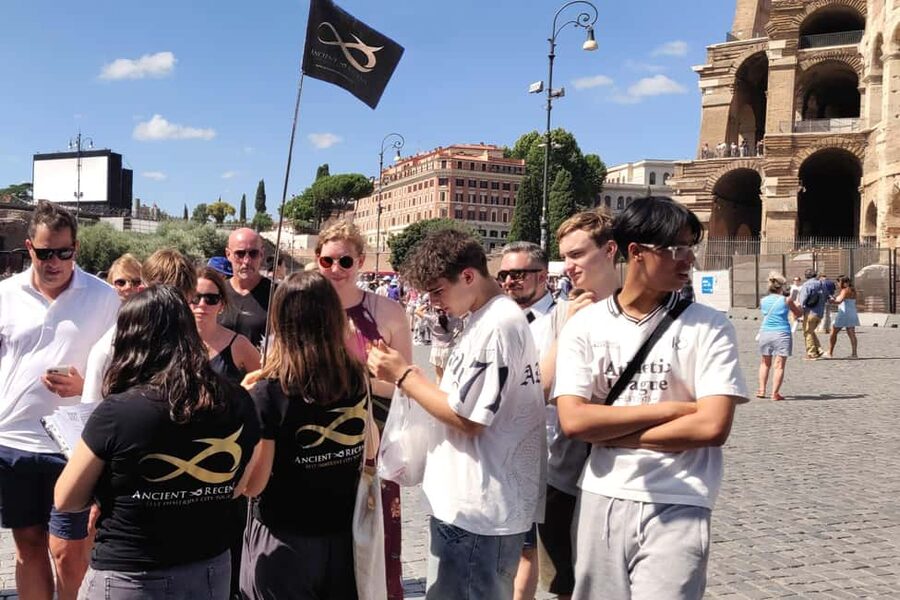
- Meet beside the Arch of Constantine: Look for staff holding a black flag marked Ancient and Recent.
- The VR portion is outdoors: It is held outside the monument for security reasons, then you enter the archaeological area with your physical ticket.
- Good for families: Children and teenagers tend to enjoy the interactive format, and staff have been notably helpful with young children and strollers.
- Watch for motion sickness: The virtual scenes can feel uncomfortable for some people, so take a break if you begin to feel unwell.
What the two-hour experience actually includes
You meet the staff beside the Arch of Constantine, at the side of the Colosseum. The black Ancient and Recent flag is the key landmark. The meeting point can be easy to miss amid the crowds, so arrive with enough time to look around rather than rushing in at the start time.
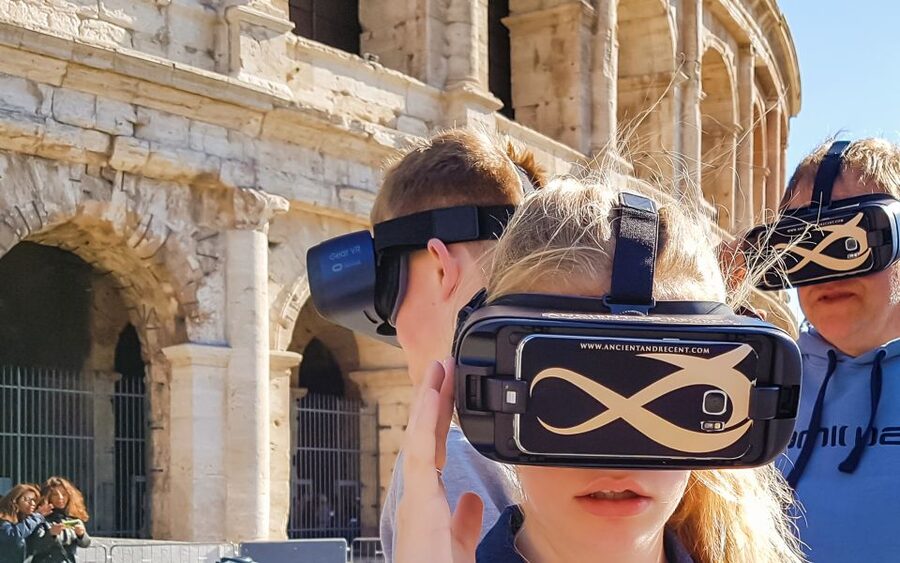
A staff member provides an Oculus VR headset, a Samsung S7 rental, and audio commentary in your selected language. Available languages are English, Italian, Spanish, German, Portuguese, and French. An English-speaking VR assistant remains available to explain how the equipment works and help you get started.
The session is described as lasting about two hours overall, with roughly an hour often spent using the headset before entering the monument. The exact flow can vary, but the important point is this: you are not simply handed equipment and abandoned. Staff members explain the controls and help make the experience work for children, older family members, and anyone who needs a little technical assistance.
The virtual reality scenes are self-guided. You move through the material at your own pace while listening to the audio. That makes the experience less rigid than a standard group tour, though it also means you do not get a live expert answering questions as you go.
More Self-Guided Tours in Rome
- Rome: Colosseum & Forum with Audio Guide App -Optional Arena
★ 4.2 · 24,770 reviews - Rome: Pantheon Fast-Track Ticket and Official Audio Guide
★ 4.3 · 21,008 reviews - Rome: Colosseum, Forum, Palatine Hill Entry & Audioguide App
★ 4.4 · 10,957 reviews
The Colosseum Square brings the setting to life
The first reconstruction shows the area around the Colosseum in ancient Rome. Instead of seeing only weathered stone and modern pavement, you see merchants, citizens, and gladiators moving through the square.
This is useful because the Colosseum was never an isolated shell. It sat within a busy urban setting, surrounded by people preparing for spectacles, selling goods, and heading toward the arena. The reconstructed square gives you a sense of the building as part of daily life, not just as a famous photograph.
I find this kind of visual aid most useful before entering the real monument. Once you have seen the exterior surrounded by ancient activity, the surviving arches and walls make better sense. You can look at the remains and imagine their original finish instead of treating every stone as a separate object.
The limitation is that this is a digital interpretation. It helps you picture the past, but it should not be mistaken for a precise record of every lost detail. The value lies in giving your eyes a working model of the site.
The arena floor shows the Colosseum at its most dramatic
The second scene places you in the arena itself. You see the central floor as the setting for combats that once held Roman crowds’ attention.
This section should appeal to anyone who wants more than a list of dates and emperors. The arena was designed for spectacle, and the virtual reconstruction shows how the central space functioned as the focus of the building. You get a much clearer idea of what the spectators saw and why the Colosseum was such a powerful public venue.
It is also a good preparation for the real visit. The current Colosseum does not give you the same complete view of the arena that ancient spectators had. With the VR model in mind, you can better understand the remaining walls, seating structure, and open sections.
Keep one detail in mind when booking: access to the actual arena floor is not included. The arena appears in the virtual reconstruction, but this package does not provide entry to the physical Arena Floor. It also excludes the Underground and Third Ring. For most visitors, the standard Colosseum areas still provide plenty to see, but anyone specifically seeking those restricted sections should choose another ticket.
The underground scene explains the building’s machinery
The third reconstruction takes you below the arena. You see the underground areas where animals and fighters waited before appearing before the Roman crowd.
This is one of the most helpful sections because the underground structure can be difficult to understand from the surviving remains. The virtual version shows the backstage side of the spectacle, including the spaces that supported the action above.
For children, this part often gives the Colosseum a clearer story. They can see that the building was not only a giant bowl for spectators. It also had working areas, holding spaces, and systems connected to the performances.
Again, the real Underground is not part of the physical entry included here. You get a reconstruction through the headset, then visit the public areas covered by your ticket. That distinction is important when comparing this experience with premium Colosseum packages.
More ways into the Colosseum and Forum:
- Colosseum, Roman Forum & Palatine Guided Tour
★ 4.7 · 63,148 reviews - Rome: Colosseum, Palatine Hill and Roman Forum Guided Tour
★ 4.8 · 32,814 reviews - Rome: Guided Tour of Colosseum, Roman Forum & Palatine Hill
★ 4.7 · 27,897 reviews - Rome: Colosseum, Roman Forum and Palatine Hill Guided Tour
★ 4.5 · 23,903 reviews
Entering the real Colosseum after the headset
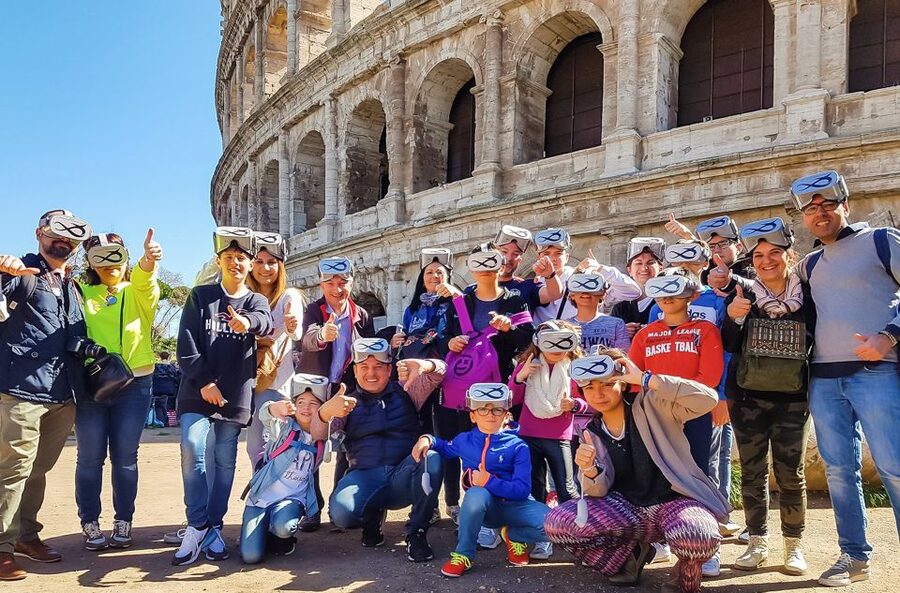
After the VR program, you collect your physical entry ticket from the staff. You then use it to enter the Colosseum, Roman Forum, and Palatine Hill.
The ticket desk queue is avoided, which can save a lot of time and irritation. This does not mean every security check disappears. You still need to follow the monument’s entry procedures, but you are not waiting in the ordinary ticket-purchase line.
The best feature here is freedom. You do not have a live guide setting the pace, so you can spend longer on the parts that interest you and move on when you are ready. That suits visitors who dislike being hurried through major ruins.
The trade-off is that the audio guide and VR assistant do not replace a guide standing beside you inside the archaeological site. If you want detailed explanations about inscriptions, construction methods, political events, and individual ruins as you walk, a guided tour may suit you better.
I would treat the VR session as your introduction and the physical visit as your chance to look closely. The digital scenes provide the missing shape and activity. The real ruins provide the texture, scale, and sense of age that a headset cannot reproduce.
The Roman Forum and Palatine Hill extend the visit
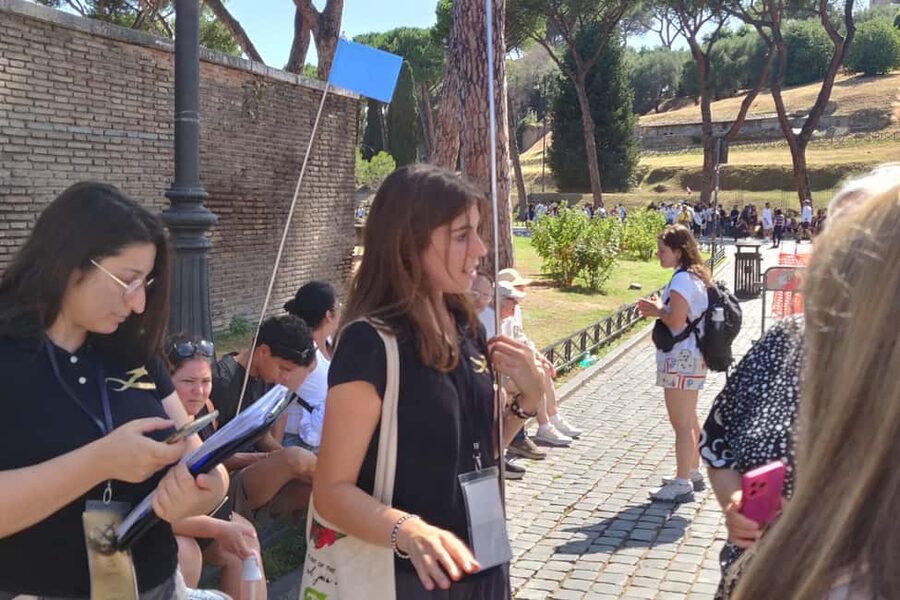
Your admission also covers the Roman Forum and Palatine Hill. These sites give the Colosseum context by showing the wider center of ancient Roman public life and power.
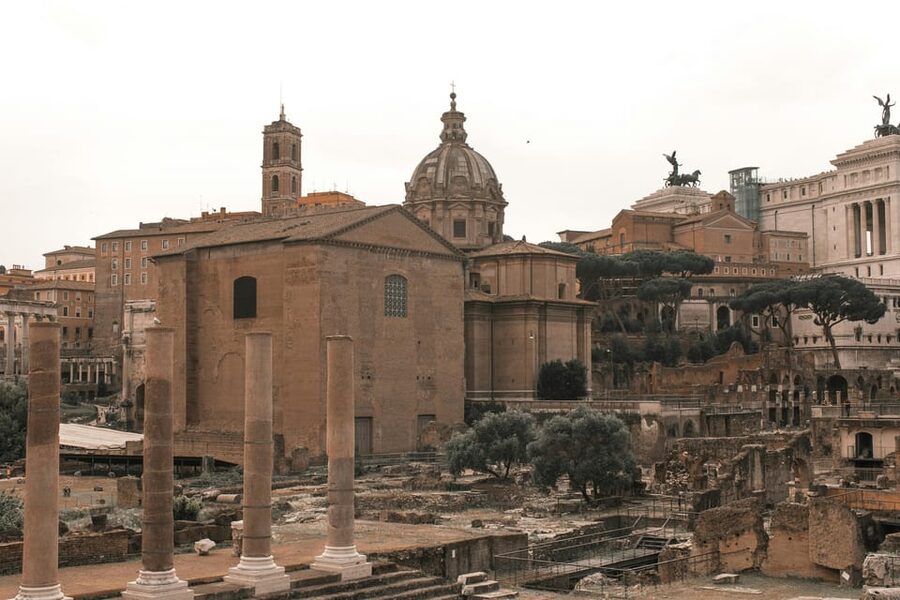
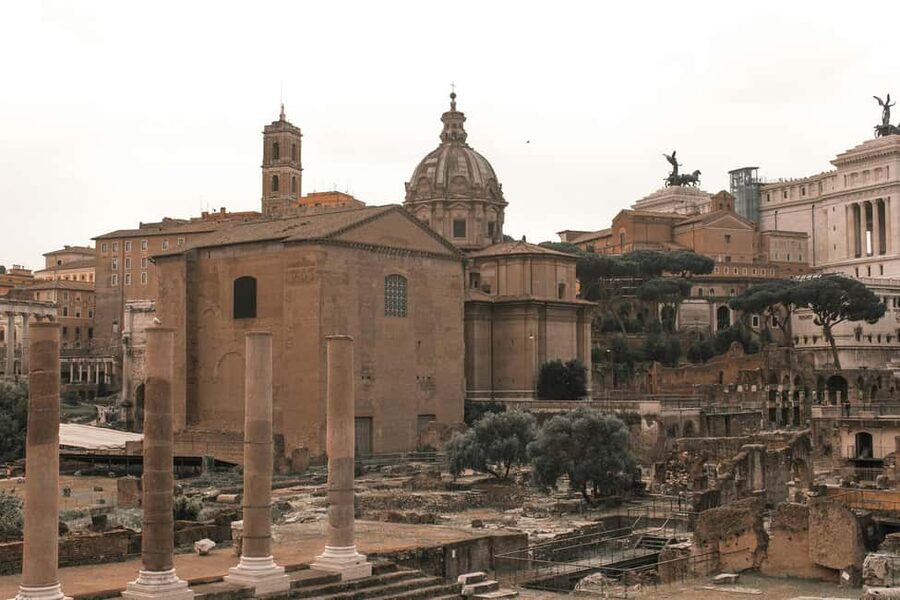
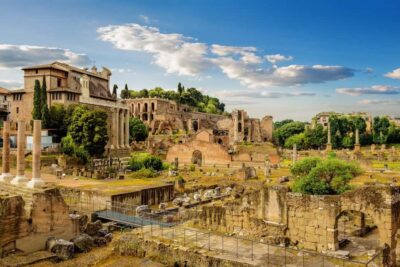
The Forum is a field of temples, arches, columns, and foundations. It can be confusing at first because so much survives in fragments. After the VR presentation, you may find it easier to imagine how the ancient city connected its public spaces, even though the headset focuses on the Colosseum rather than reconstructing the entire Forum.
Palatine Hill adds broad views over the surrounding ruins and provides another way to understand Rome’s ancient center. You can explore both sites independently after the Colosseum, giving you flexibility over how much time and energy to spend.
One useful detail comes from the way some visitors used their ticket: a morning booking was reported to allow the Colosseum and Forum area to be visited over 48 hours. Do not rely on this automatically, since ticket conditions can vary. Ask the staff when you receive your ticket if you want to split the sites across more than one day.
Why families may find this format especially useful
The VR setup gives children something active to do before they face a large archaeological site. A nine-year-old fascinated by ancient Rome can see the building in use, while teenagers may appreciate the interactive format more than a long spoken lecture.
Staff have also been praised for making family visits easier. Rebekah helped a family with a two-year-old and stroller find a private spot for the headset session. Cristina made a young visitor feel special, and another child received a small gift after the activity. These details are not guaranteed, but they show the friendly, flexible approach that has helped this experience earn a 4.4 rating from 837 reviews.
Families should still plan sensibly. Young children may need help keeping the headset in place, and unaccompanied minors are not allowed. A passport or identity card is required for children, so bring it even if the child looks much younger than the stated age requirement.
The outdoor VR setting also matters. On a hot day, staff have moved groups to a shadier place. During heavy rain, Kristina used an alternate indoor location to keep the group dry. Conditions can change, but it is worth bringing water, sun protection, and comfortable shoes.
The staff make the technology easier to manage
The strongest human element is the assistance at the meeting point. The staff explain the equipment, help with setup, guide you toward the entry, and answer practical questions.
Sara was praised for being attentive and friendly. Valeria was described as clear and engaging, while Ruben received particular praise for explaining the material well to both an adult and a teenager. Cristina has helped late-arriving groups and has been singled out for her warm manner.
That support matters because VR can be awkward in a busy public place. You may feel slightly self-conscious standing near the Colosseum with a headset on, especially while people hurry past. Most people soon focus on the program, but this is not the right choice if you want a quiet, traditional walk led by an archaeologist.
The equipment itself can also affect the experience. Some people feel queasy while using VR. If that happens, remove the headset, rest your eyes, and tell the assistant. You do not need to force yourself through every scene to get value from the visit.
Price and practical value at $66.07
At $66.07 per person, this costs more than a basic entry ticket, but the comparison is not quite apples to apples. The price includes the €18 Colosseum ticket, physical ticket and booking fees, the headset and phone rental, audio commentary, an English-speaking assistant, and access to three major archaeological sites.
The real question is how much you value the reconstruction. If you can easily picture ruined buildings in their original form, you may prefer a cheaper standard ticket or a conventional audio guide. If you want visual help, especially for children, the added cost can be worthwhile.
The skip-the-ticket-line entry adds practical value during busy periods. Saving time near the Colosseum is not a small matter, particularly if you have only a short stay in Rome or want to fit another sight into the same day.
I would consider this a good middle option. It offers more structure and interpretation than going alone, but it costs less than many private guided experiences and leaves the actual site visit in your hands.
The activity is non-refundable, so check your schedule carefully before booking. Transportation is not included, and personal expenses are your responsibility. Large bags and luggage are not allowed, so arrive with only what you need for the visit.
Who should choose this Colosseum experience?
I would recommend it most strongly for:
- Families with children or teenagers
- First-time visitors who find ruins hard to picture
- People who prefer self-guided sightseeing
- Visitors who want the Colosseum, Forum, and Palatine Hill in one booking
- Anyone who values help with tickets and equipment
- People who want a more visual alternative to a standard walking tour
I would be more cautious if you dislike headsets, suffer easily from motion sickness, or want access to the physical Underground, Arena Floor, or Third Ring. I would also look elsewhere if your main goal is a long, detailed conversation with an archaeologist or art historian.
Wheelchair access is available, but the experience still involves visiting a large ancient complex. Since the activity advises comfortable shoes, expect walking over historic surfaces and across several parts of the archaeological area.
Should you book it?
Book this experience if you want the Colosseum to make sense before you walk through its surviving ruins. The three VR scenes give you a useful picture of the square, arena, and underground areas, while the included entry lets you continue to the Colosseum, Forum, and Palatine Hill without a ticket-office wait.
Skip it if you want only physical access, need restricted areas such as the real Underground or Arena Floor, or know that VR makes you uncomfortable. For families and visual learners, though, this is a friendly and reasonably practical way to begin an ancient Rome visit. Choose an early start if possible for shade and fewer crowds, arrive at the Arch of Constantine with time to find the black flag, and bring your ID for any children in the group.
FAQ
Where do I meet the staff?
Meet beside the Colosseum at the Arch of Constantine. Look for staff members holding a black flag marked Ancient and Recent.
Is the VR experience held inside the Colosseum?
No. The virtual reality session is held outside the monument for security reasons. You enter the Colosseum afterward with your physical ticket.
What sites are included with the ticket?
The ticket includes entry to the Colosseum, Roman Forum, and Palatine Hill. The €18 admission cost is included in the booking.
Does the tour include the Underground and Arena Floor?
No. The physical Underground, Arena Floor, and Third Ring are not included. They are shown through the virtual reconstruction, but access to those sections requires a different ticket or experience.
Which audio-guide languages are available?
Audio commentary is available in English, Italian, Spanish, German, Portuguese, and French, depending on the language selected during booking.
Can children join the activity?
Yes, the experience is suitable for children and teenagers, but minors cannot attend without an accompanying adult. Bring a passport or identity card for children, and do not bring luggage or large bags.
More Self-Led Routes
- Rome: St. Peter’s Basilica & Dome Entry Ticket & Audio Tour
★ 4.2 · 7,537 reviews - Vatican & Sistine Chapel Ticket with Optional Audio Guide
★ 4.1 · 5,405 reviews - Rome: Colosseum, Forum, & Palatine Hill with Audio Guide
★ 4.3 · 4,591 reviews - Pantheon Reserved Entry Ticket with Audio Guide
★ 4.0 · 4,486 reviews
Just added around Rome
- Rome City, Pantheon, and Trevi Fountain Walking Tour★ 5.0 · 249 reviews
- Rome: Skip the line Vatican Museums & Sistine Chapel Tour★ 4.2 · 251 reviews
- Rome: Tivoli Day Trip with Villa d’Este and Villa Adriana★ 4.5 · 251 reviews
- Transfer Rome center – Ciampino Airport★ 4.5 · 251 reviews
- Rome: Cannondale E-Bike Evening Tour with Optional Dinner★ 4.9 · 251 reviews
- VIP Colosseum, Roman Forum & Palatine Hill & Special Access Sites★ 4.5 · 252 reviews
- Private Vatican Museums Hidden Gems Tour with Optional Pick-Up★ 5.0 · 253 reviews
- Vatican Museums & Sistine Chapel Skip-the-Line Guided Tour★ 4.6 · 254 reviews
Colosseum & Roman Forum Tours, compared.
Colosseum, Roman Forum & Palatine Guided Tour
Read our review →
Colosseum, Palatine Hill and Roman Forum Guided Tour
Read our review →
Guided Tour of Colosseum, Roman Forum & Palatine Hill
Read our review →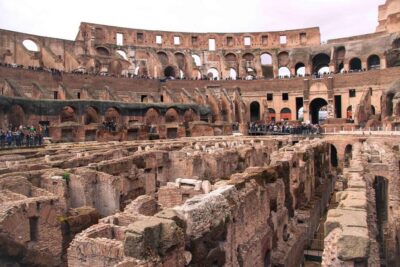
Colosseum & Forum with Audio Guide App -Optional Arena
Read our review →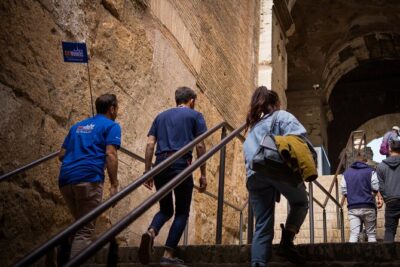
Colosseum, Roman Forum and Palatine Hill Guided Tour
Read our review →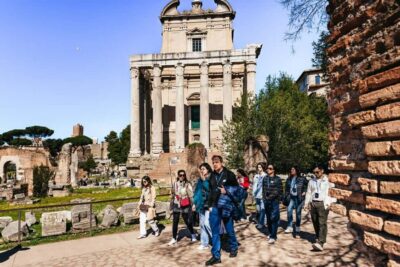
Colosseum, Forum & Palatine Hill Tour & Optional Arena
Read our review →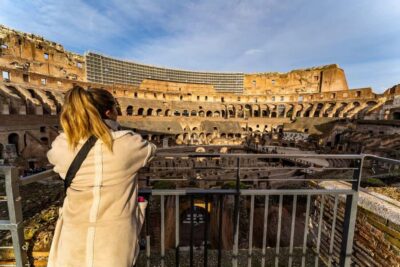
Colosseum, Roman Forum, Palatine with Multimedia Video
Read our review →
Colosseum, Palatine Hill & Roman Forum Guided Tour
Read our review →Browse the lists this tour appears in