
Review · BOLOGNA TOURS
Ravenna: UNESCO Monuments and Mosaics Guided Tour
Mosaics reward a closer look. Ravenna’s UNESCO Monuments and Mosaics Guided Tour brings San Vitale, Galla Placidia, the Neonian Baptistery, and other early Christian treasures to life with clear stories about symbols, rulers, and faith. I especially like the skip-the-line access and the way guides such as Chiara, Marco, Serena, and Roberta explain tiny details you could easily miss alone. The main consideration is that the tour involves cobblestones, uneven ground, and standing inside monuments where seating is limited.
At $33, I find this a strong value because the fee includes entrance tickets to the sites, not just guiding. I also like the choice between a two-hour Essential Experience and a three-hour Complete Experience, although the shorter option leaves Sant’Apollinare Nuovo for independent exploration and omits the Chapel of Saint Andrew.
In This Review
- Key points to know before booking
- Why Ravenna’s mosaics deserve a guided visit
- Starting in Piazza San Francesco
- San Vitale: Ravenna’s grandest visual shock
- The Mausoleum of Galla Placidia and its starry sky
- The Neonian Baptistery and its ancient symbolism
- Sant’Apollinare Nuovo and its long mosaic procession
- The Chapel of Saint Andrew, included only on the longer route
- What the guides add to the walk
- Is $33 a good price?
- Timing, comfort, and practical preparation
- Who will enjoy this tour most?
- Should you book Ravenna’s UNESCO mosaics tour?
- FAQ
- Where does the tour begin?
- How long does the tour last?
- What does the Essential Experience include?
- What does the Complete Experience include?
- Are entrance tickets included?
- Does the tour skip ticket lines?
- What languages are available?
- What should I bring?
- Is the tour wheelchair accessible?
- Can I cancel the booking?
Key points to know before booking
- Two tour lengths: Choose the two-hour Essential Experience or the three-hour Complete Experience.
- Five UNESCO monuments: The longer route includes the Chapel of Saint Andrew, Neonian Baptistery, San Vitale, Galla Placidia, and Sant’Apollinare Nuovo.
- Best use of a short visit: Skip-the-line entry and a central walking route let you see Ravenna’s main mosaic sites efficiently.
- Guides make the difference: Expect art, religious symbolism, imperial politics, local stories, and plenty of questions answered along the way.
- Bring wired earphones: The radio guide system requires earphones with a jack connection.
- Plan for walking and standing: The route is relaxed but includes cobblestones, uneven surfaces, and limited seating.
Why Ravenna’s mosaics deserve a guided visit
Ravenna can look quiet at street level. Its greatest treasures are often hidden behind plain brick walls, modest entrances, or unassuming museum doors. Inside, the mood changes fast. Gold, blue, green, and white glass tiles catch the light, and scenes created more than 1,500 years ago still feel remarkably precise.
The challenge is knowing what you are looking at. A figure holding a scroll may represent a saint, an emperor, or a biblical idea. A gesture, color, plant, animal, or architectural detail can carry meaning. Without help, you will still see beautiful decoration, but you may miss the visual language that made these buildings powerful.
That is where this tour earns its fee. Guides explain how to read the mosaics rather than simply pointing out the prettiest panels. They place Ravenna between the Roman world, the Byzantine Empire, and early Christian Europe, helping you understand why the city’s art feels both Western and Eastern.
The guides also seem to have different personalities and strengths. Chiara is praised for combining historical detail with practical care, including helping a group find shelter and an umbrella during heavy rain. Marco appears repeatedly as a lively and passionate guide who mixes facts with humor. Serena, Roberta, Cinzia, Sergio, Celia, Ivan, and Baldo are also singled out for clear explanations and strong command of the subject.
You should not expect a silent museum visit. The guide will talk during the walks between monuments and inside the buildings, then usually allow time to look around and take photos. That balance works well for most people, though anyone who prefers total solitude may want to return later on their own.
A few more reviews worth comparing before you book
- Bologna: City Center Walking Tour
★ 4.5 · 3,478 reviews - Guided Tour of Mosaic Tiles in Ravenna
★ 5.0 · 1,693 reviews - Maranello: Ferrari Museum Entrance Ticket
★ 4.6 · 1,505 reviews
Starting in Piazza San Francesco
The meeting point is the Tourist Information Office at Piazza San Francesco 7. You enter the office, check in at the front desk, and receive directions to your guide. This is a practical starting point in Ravenna’s historic center, close to the first part of the walking route.
Arrive ready to walk. The route connects several monuments on foot at an easy pace, but you will cross old streets and may encounter cobblestones or uneven surfaces. Some visitors found the pace comfortable and appreciated guides who waited for the whole group. That patience matters because the group may pause often for explanations and viewpoints.
The tour is offered in Italian, German, English, and French. Groups are organized by language, and one small group had only five participants. Group size can vary, so I would not book expecting a private tour, but the repeated praise for orderly pacing suggests that guides pay attention to keeping people together.
You should bring a passport or identity card. A copy is accepted. Pets are not allowed, and the activity is listed as wheelchair accessible, though the note about cobblestones and uneven surfaces is worth taking seriously. If mobility is a concern, ask the operator for current route details before booking.
San Vitale: Ravenna’s grandest visual shock
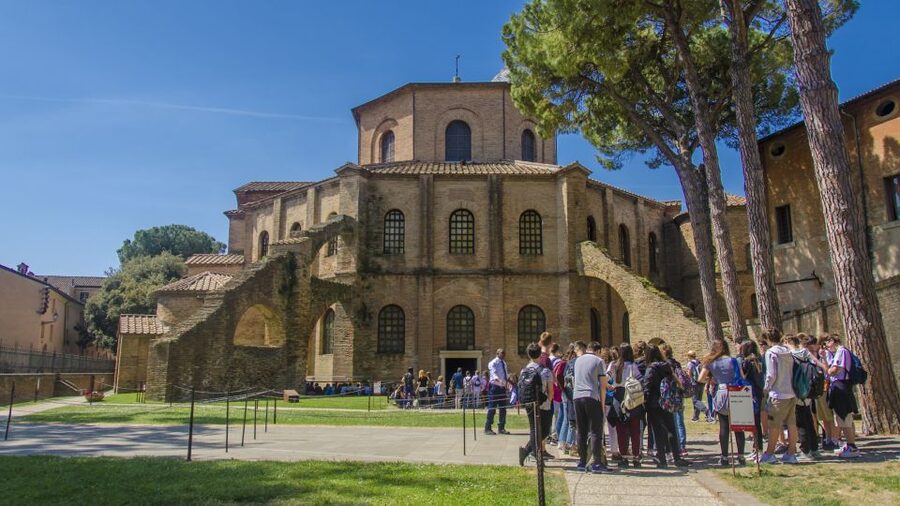
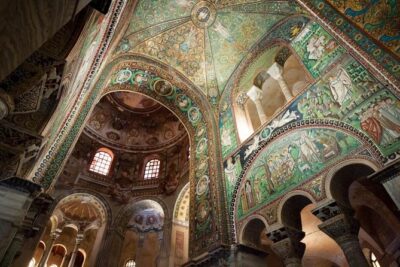
The Basilica of San Vitale is the major event on the route. Its architecture rises higher and feels more spacious than you might expect from the exterior. Then the mosaics appear, covering the sanctuary with a glow that changes as you move.
The most famous images show Emperor Justinian and Empress Theodora with their attendants. These are not casual portraits. Clothing, jewels, position, and gesture all communicate rank and power. The guide helps you see how the imperial couple is presented as part of a sacred world, linking political authority with Christian worship.
I value having an expert here because San Vitale can overwhelm you. There is so much gold and detail that your eye may jump from one panel to another. A good guide gives you a viewing order, points out faces and symbols, and explains why the figures look so formal and weightless.
The tour also helps you find the best viewpoints. One guide was praised for making sure the group could see the mosaics from useful angles, an important detail in a space where other groups may gather in front of the central panels. Skip-the-line entry can save time here, especially when several tours arrive at once.
Allow yourself a little quiet time after the explanation. San Vitale is not only a history lesson. It is one of those interiors where the color and light do much of the work.
The Mausoleum of Galla Placidia and its starry sky
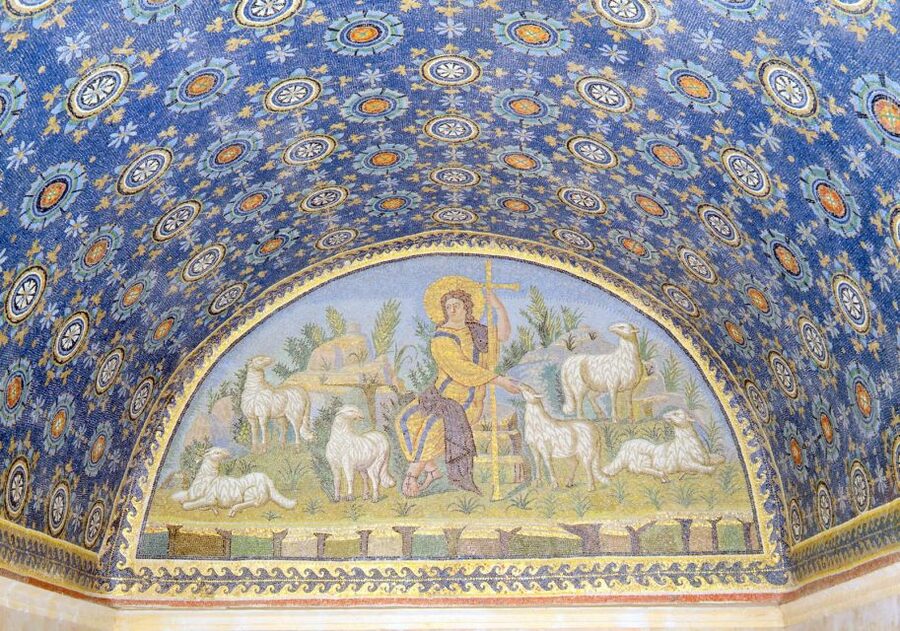
The Mausoleum of Galla Placidia is smaller than San Vitale, but its intimacy gives it a different force. The building is known for its deep blue ceiling scattered with golden stars. The effect is simple, memorable, and almost theatrical.
The chapel has long attracted visitors because the decoration feels unusually concentrated. You are close to the surfaces, and the darker interior makes the gold and blue appear more intense. Dante Alighieri was inspired by the starry dome, a detail that guides often use to connect Ravenna’s early Christian art with the city’s later literary fame.
This is a place where explanations about symbols are especially useful. You may notice crosses, saints, animals, and plant forms, but a guide can show how the parts fit together. I like that the tour does not treat the dome as a photo stop only. It explains why this small building has held attention for centuries.
Space is limited, and stopping to admire the ceiling may mean standing for a while. Seating is not guaranteed at the monuments, so wear comfortable shoes and avoid planning the tour around a need for frequent rest.
A different sort of day out around Bologna:
- Bologna Food & Market Tour with 6 Tastings, Pasta, Wines & More
★ 5.0 · 1,328 reviews - Bologna Food Experience: Factory tours & Family-Style Lunch
★ 5.0 · 1,201 reviews - Maranello and Modena: Ferrari Museums Combo Tickets
★ 4.7 · 994 reviews - Bologna: Walking Food Tour with a Local Guide
★ 4.8 · 882 reviews
The Neonian Baptistery and its ancient symbolism
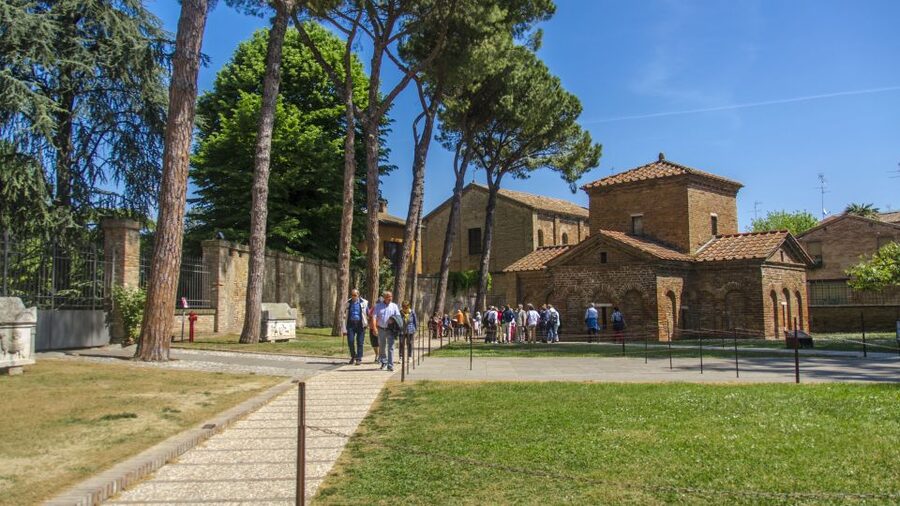
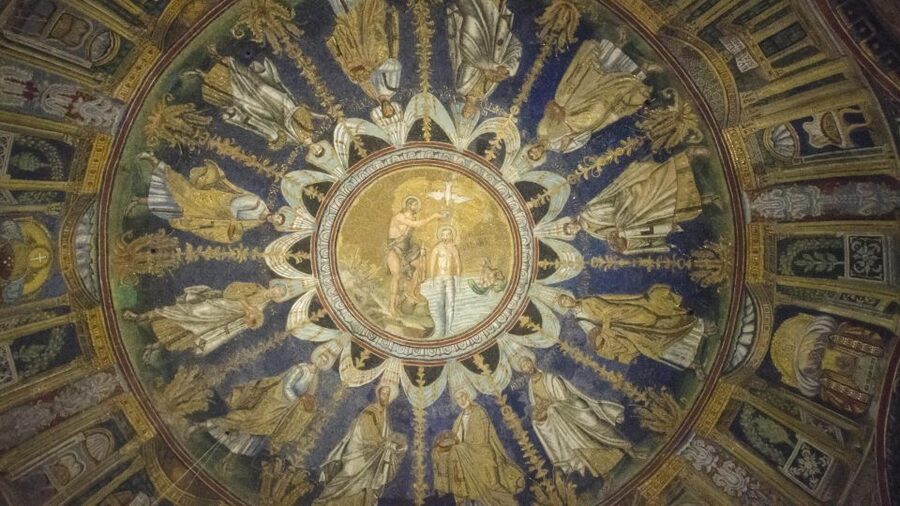
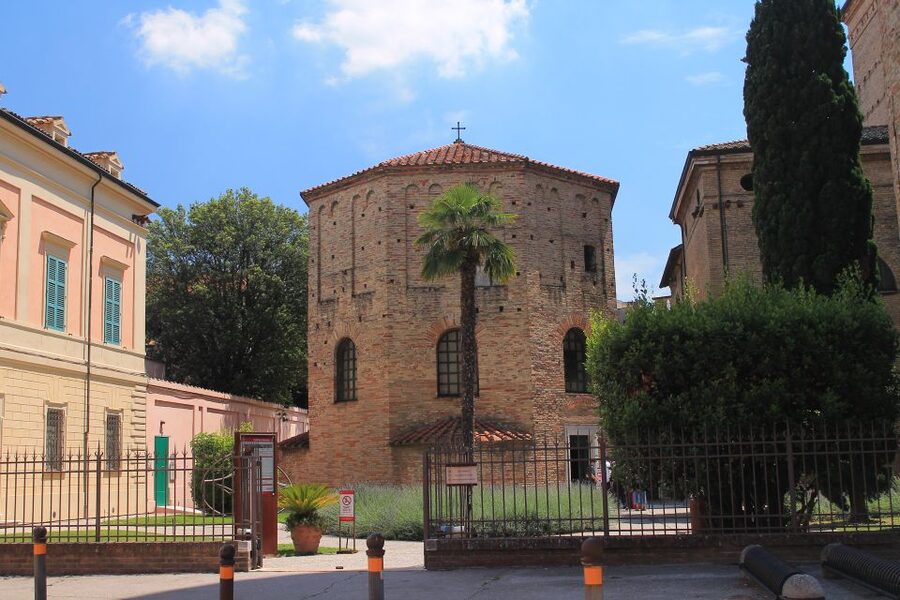
The Neonian Baptistery is one of Ravenna’s oldest buildings. Its octagonal shape and decorated interior offer a different kind of experience from the basilicas. The central mosaic shows the baptism of Christ, with the scene arranged around the dome.
The style has clear Hellenistic and Roman influence. That matters because Ravenna’s art was not created in isolation. It carries older Mediterranean traditions into a Christian setting, combining classical movement and natural forms with religious teaching.
Your guide can point out how the scene is organized and why the figures appear in particular positions. You will also get help with the building’s function. This was a place for baptism, so the decoration had a direct connection to ritual and belief rather than being added simply for beauty.
The baptistery is not large, which makes timing important. A group may need to share the best viewing areas with other visitors. A guide who keeps the explanation focused, then gives you a moment to look, makes the stop much more satisfying than trying to absorb everything while people move around you.
Sant’Apollinare Nuovo and its long mosaic procession
Sant’Apollinare Nuovo contains one of the longest mosaic cycles in Ravenna. The walls present scenes from the life of Christ, along with rows of saints and other figures arranged in a formal procession.
This church is included in the Complete Experience. On the Essential Experience, you can visit it independently after the guided portion, so you still have the chance to see it if you choose the shorter ticket. The difference is that you will need to make your own way through the church and interpret the scenes without the guide’s full explanation.
The scale here can be hard to grasp at first. There is a lot to look at, and the repeated figures create a strong rhythm along the nave. A guide helps you separate major scenes from decorative patterns and explains how the cycle presents Christian teaching through images.
The church also adds useful context to the city’s position between East and West. Ravenna’s monuments preserve changes in style and power, and Sant’Apollinare Nuovo gives you another view of how rulers and religious communities used art to shape public space.
If you choose the Essential Experience, I would schedule independent time for this basilica rather than treating it as an optional five-minute add-on. You may want time to stand back, follow the full sequence, and take in how far the mosaics extend.
The Chapel of Saint Andrew, included only on the longer route
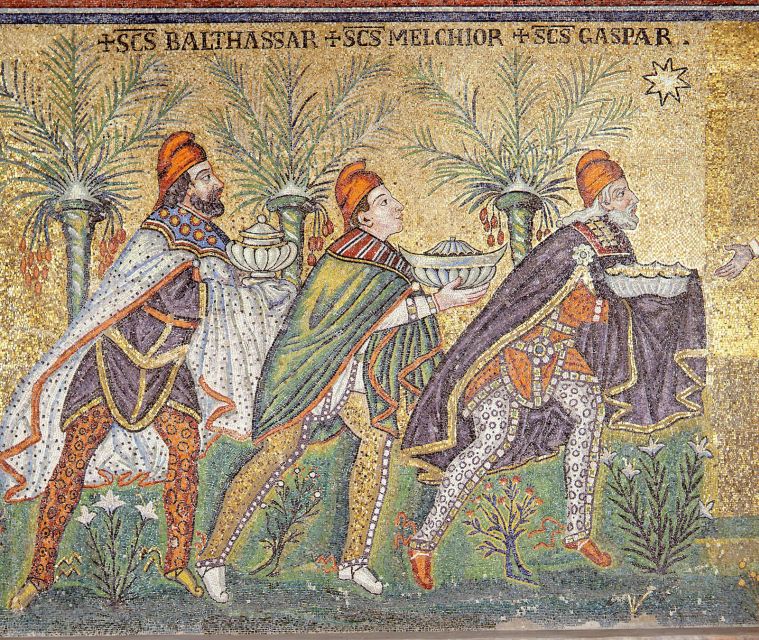
The Chapel of Saint Andrew is visited only on the Complete Experience. It is preserved inside the Archbishop’s Museum, so it is easy to overlook if you are moving through Ravenna without a guide.
This early Christian archiepiscopal chapel adds a smaller and more specialized stop to the route. Unlike the large basilicas, it gives you a sense of how decoration worked in a private or church leadership setting. The museum setting also makes it a useful contrast to the major public monuments.
If you have three hours, I think this stop justifies choosing the longer option. The Essential Experience covers the three major highlights many people want most, but the Complete Experience gives you a fuller picture of Ravenna’s surviving art.
The tradeoff is simple: three hours means more standing, more walking, and more information in one stretch. If you have already spent the morning in churches or museums, the shorter tour may be easier to enjoy.
What the guides add to the walk
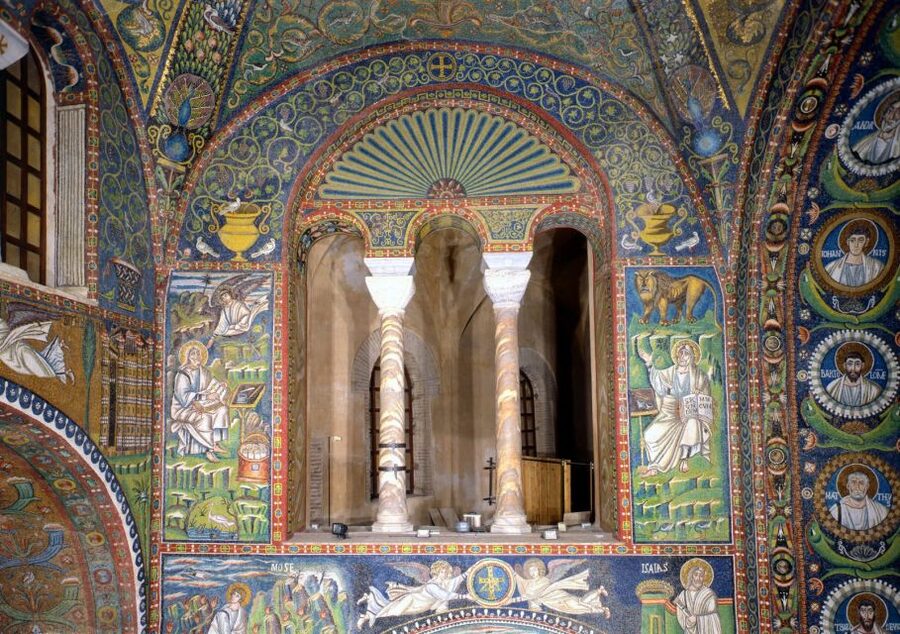
The route is not only a series of interiors. The guide uses the walks between monuments to explain Ravenna’s past and present. One visitor enjoyed learning about the city’s canals and its religious life in the fourth and fifth centuries, while another appreciated small local details alongside the art.
That local perspective is useful. Ravenna is not just a container for old mosaics. It is a living city with streets, shops, museums, and daily routines around these monuments. Guides from Ravenna, including Cinzia and Marco, can add a sense of place that a recorded audio guide cannot easily match.
The strongest guides appear to combine three skills: accurate historical explanation, an eye for visual details, and the ability to manage a group. That last point is easy to undervalue. Ravenna’s sites can be crowded, and one guide handled a city marathon by steering the group through the crowds with humor. Another moved the group past a tour that was blocking the best photo position.
The tour uses radio guides, so bring your own earphones with a jack connection. This is a small but important preparation point. Without suitable earphones, hearing the guide in a busy church may be harder.
Is $33 a good price?
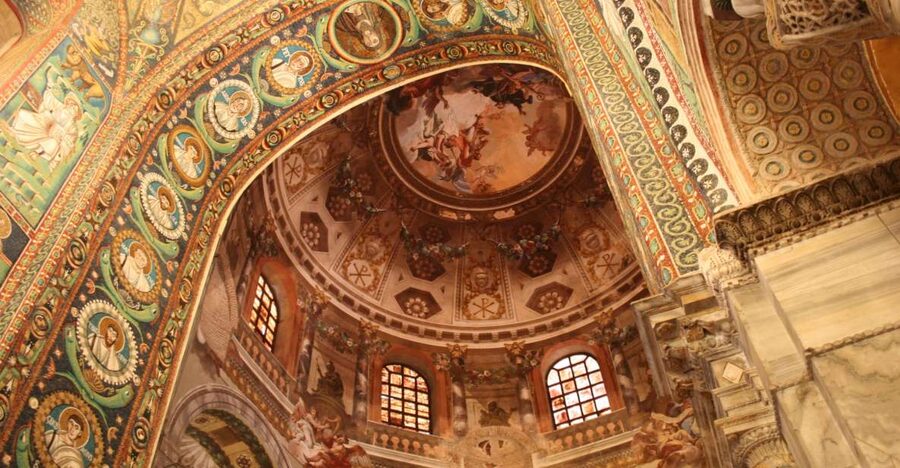
At $33 per person, the price is fair, and possibly very good, if you take the Complete Experience. Entrance tickets to all the mentioned sites are included, and the tour provides skip-the-line access. Those two details reduce both the cost and the planning work of visiting five major monuments separately.
The value is strongest for a first visit, a short stay, or a day trip from Bologna. One visitor arrived by train from Bologna, toured Ravenna, then planned time to stroll, eat, shop, and return by train. That is a sensible way to use the city if you do not have a full overnight stay.
You are also paying for interpretation. The mosaics are beautiful without a guide, but the meaning behind them is not always obvious. The explanations about symbolism, imperial power, religious scenes, and artistic influences turn a procession of impressive rooms into a connected story.
The Essential Experience is a good choice if your time or energy is limited. It covers the Neonian Baptistery, San Vitale, and Galla Placidia, then lets you visit Sant’Apollinare Nuovo independently. Choose the Complete Experience if you want all five sites handled in one organized route.
Timing, comfort, and practical preparation
The listed duration is two to three hours, depending on your option. The tour moves at a relaxed pace, but you should not confuse relaxed with effortless. You will walk between sites and stand for parts of the visit.
Comfortable shoes are the sensible choice. Ravenna’s old streets may include cobblestones and uneven surfaces, and not every monument offers a place to sit. If rain is forecast, carry an umbrella. One guide helped a group find a gift shop when the weather turned heavy, but it is better not to depend on that.
Photography time appears to be part of the experience, but this is still a guided visit, not an open-ended photo walk. You will receive explanations at each stop and some time to look around on your own. Be ready to move on when the guide gathers the group.
The activity offers free cancellation up to 24 hours before the start and reserve-now, pay-later booking. Those terms are useful if your Ravenna day depends on train plans or changing weather.
Who will enjoy this tour most?
I would recommend it to anyone seeing Ravenna for the first time, especially if the city is a day trip. It is also a good fit if you care about art but do not have a background in Byzantine or early Christian history.
You will get the most from it if you enjoy stories, symbols, architecture, and visual detail. Families with older children may appreciate the manageable length, though younger children may find the repeated church visits slow.
Independent visitors should not feel out of place. One person toured alone and had a great time, and the guides are used to keeping groups together while answering questions. Small groups can make the experience feel more personal, but the exact size is not fixed.
I would be more cautious if you need frequent seating, dislike group schedules, or want to linger silently at every mosaic. In that case, the tour can still provide a useful introduction, but plan a second visit to your favorite sites afterward.
Should you book Ravenna’s UNESCO mosaics tour?
Yes, if you want the major monuments explained rather than simply photographed. The guides are the strongest reason to book, while the included admission and line access make the $33 price easier to justify.
Choose the Essential Experience for the three headline interiors and a shorter morning or afternoon. Choose the Complete Experience if you want all five UNESCO sites, including the Chapel of Saint Andrew, and have three hours to give the art your full attention.
My practical choice would be the three-hour version for a first visit, followed by a slow lunch and an unhurried walk through Ravenna. Bring wired earphones, comfortable shoes, identification, and enough patience to look up. The mosaics do their best work when you stop rushing.
FAQ
Where does the tour begin?
It begins at the Tourist Information Office in Piazza San Francesco 7. Enter the office and check in at the front desk.
How long does the tour last?
The Essential Experience lasts two hours. The Complete Experience lasts three hours.
What does the Essential Experience include?
It includes the Neonian Baptistery, the Basilica of San Vitale, and the Mausoleum of Galla Placidia with a guide. You may then visit the Basilica of Sant’Apollinare Nuovo independently.
What does the Complete Experience include?
It includes the Chapel of Saint Andrew, the Neonian Baptistery, the Basilica of San Vitale, the Mausoleum of Galla Placidia, and the Basilica of Sant’Apollinare Nuovo.
Are entrance tickets included?
Yes. Entrance tickets to all the mentioned sites are included.
Does the tour skip ticket lines?
Yes. Skip-the-line access is included.
What languages are available?
The live tour guide is available in Italian, German, English, and French.
What should I bring?
Bring a passport or identity card. A copy is accepted. You should also bring your own earphones with a jack connection for the radio guides.
Is the tour wheelchair accessible?
The activity is listed as wheelchair accessible. The route may include cobblestones and uneven surfaces, so check the route details if you have specific mobility needs.
Can I cancel the booking?
You can cancel up to 24 hours in advance for a full refund. Reserve-now, pay-later booking is also available.
Just added around Bologna
- Ravenna: UNESCO Mosaics Entry Tickets★ 4.7 · 255 reviews
- Bologna on the plate, Cooking Class with Alessia★ 5.0 · 260 reviews
- Maranello: Ferrari Museum Entry Ticket and Simulator★ 4.5 · 261 reviews
- Cavedoni Balsamic Vinegar Tour: The Oldest in Modena★ 5.0 · 267 reviews
- Bologna: Food Tour with Pasta Tasting & Local Specialties★ 4.8 · 312 reviews
- Riccione: Oltremare Park Entrance Ticket★ 4.5 · 313 reviews
- Bologna: Lamborghini Museum Entrance Ticket★ 4.3 · 330 reviews
- Bologna Private Food Tour with 6 or 10 Tastings★ 4.5 · 344 reviews
Bologna Tours, compared.



Bologna Food & Market Tour with 6 Tastings, Pasta, Wines & More
Read our review →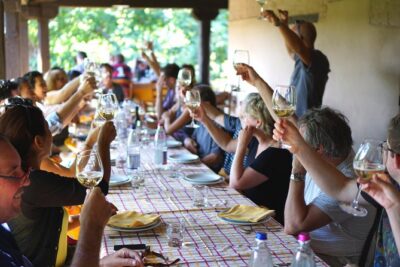
Bologna Food Experience: Factory tours & Family-Style Lunch
Read our review →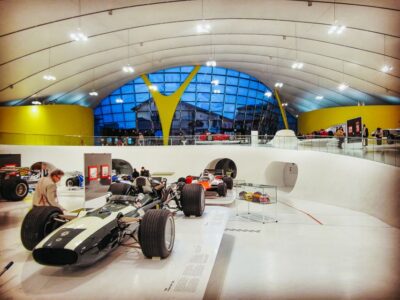
Maranello and Modena: Ferrari Museums Combo Tickets
Read our review →
Browse the lists this tour appears in