
Review · COOKING CLASSES
Polignano a Mare: Pasta Making Cooking Class with Drink
Pasta tastes better when you make it yourself. This two-hour class in Polignano a Mare brings you into a typical house in the historic centre, where local cooks teach the hand movements behind two famous Apulian shapes: orecchiette and cavatelli. You finish by eating the pasta with local food and wine, rather than watching your handiwork disappear into someone else’s kitchen.
I especially like the small-group feel reported by several participants, along with the patient teaching from Annamaria, Daniele, Maria, and other members of the cooking team. The mix of pasta, taralli, preserved vegetables, wine, and regional stories gives the evening more character than a basic recipe lesson. The main consideration is price: at $77 per person, it is not the cheapest cooking class, and you may spend more time watching and listening than preparing dough or sauce from scratch.
That distinction matters. If you want a full kitchen workshop, ask what the day’s class includes. If you want a friendly introduction to Apulian pasta, plenty of guidance, and a meal at the end, this experience makes a strong case for itself. Its overall rating of 4.8 from 260 ratings reflects how consistently people enjoy the teaching, food, and relaxed atmosphere.
In This Review
- Key details before you book
- Arriving at the house on Via S. Vito
- The Apulian welcome: taralli, vegetables, and wine
- Learning the dough and the meaning behind the shapes
- What you actually do with your hands
- Orecchiette, cavatelli, and the final meal
- Stories about Puglia beyond the recipe
- A good choice for families and first-time pasta makers
- Is two hours enough?
- What $77 gets you
- Practical details that affect your evening
- Who should book this Polignano cooking class?
- FAQ
- Where does the pasta class take place?
- How long does the experience last?
- Which types of pasta will I learn to make?
- Is food and wine included?
- Is the class available in English?
- Is the activity suitable for vegetarians and vegans?
- Is transportation included?
Key details before you book
- You shape two classic Apulian pastas: Learn the traditional forms of orecchiette and cavatelli with hands-on help from a local cook.
- The class meets in a typical house: The address is Via S. Vito, 20, in Polignano a Mare’s historic centre.
- Your work becomes dinner: Orecchiette with tomato sauce is included, along with drinks and local products.
- The aperitivo is part of the experience: Expect taralli, preserved vegetables, seasonal greens, and wine before or during the pasta lesson.
- The teaching is available in English and Italian: Annamaria, Daniele, Maria, and other instructors are praised for clear explanations and personal attention.
- It suits families and mixed diets: The class is listed as wheelchair accessible and suitable for vegetarians and vegans.
Arriving at the house on Via S. Vito
The meeting point is Annamaria’s typical house at Via S. Vito, 20, 70044 Polignano a Mare BA. It sits in the historic centre, so you should allow a little time to find the address and arrive without rushing.
This is a useful location for a cooking class because it keeps the activity tied to the town itself. You are not being taken to an isolated culinary school outside Polignano. You meet in the old centre, close to the streets and stone buildings that make this seaside town a popular base in Apulia.
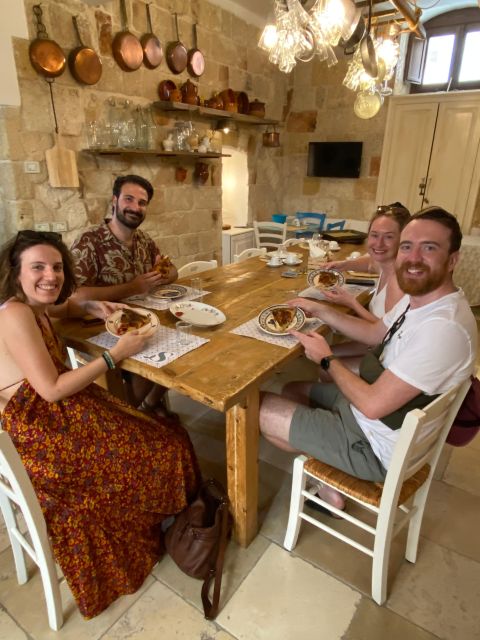
The exact class setting may feel more personal than a large commercial kitchen. That helps explain why the experience works well for couples, families, and small groups who want a social evening rather than a formal culinary course. Several participants particularly liked having only a handful of people at the table.
Optional pickup can be arranged from Monopoli and nearby cities, but it is not part of the standard price. Hotel pickup and drop-off are otherwise excluded, so plan your own way to the meeting point unless you request a transfer ahead of time.
More hands-on cookery sessions:
- Bari: Pasta and Tiramisu Cooking Class with Wine
★ 4.8 · 389 reviews - Lecce: Pasta Making Class in 1400s-Era Courtyard with Wine
★ 4.7 · 369 reviews - Cooking class, dinner and wine tasting near Lecce
★ 5.0 · 350 reviews
The Apulian welcome: taralli, vegetables, and wine
The class begins with more than flour and water. You get an Apulian aperitivo featuring taralli, preserved vegetables, seasonal greens, and drinks, with local wine included.
Taralli are small, crunchy ring-shaped snacks that are closely associated with southern Italy. They are simple, but they are exactly the sort of everyday regional food that helps you understand how people eat here. Preserved vegetables and seasonal greens add sharper, more savory flavors to the table.
This opening spread serves two purposes. It gives you something to enjoy while the cooking gets underway, and it turns the lesson into a shared meal from the start. Wine is part of the social rhythm, and several participants appreciated having red wine during the class. Some also noted lemoncello, focaccia, and olives, though the core description specifically promises taralli, preserved vegetables, seasonal greens, drinks, and wine.
I would treat the food selection as part of the class rather than a separate tasting menu. It is generous enough to make the occasion feel like dinner, but you are booking a pasta lesson first.
Learning the dough and the meaning behind the shapes
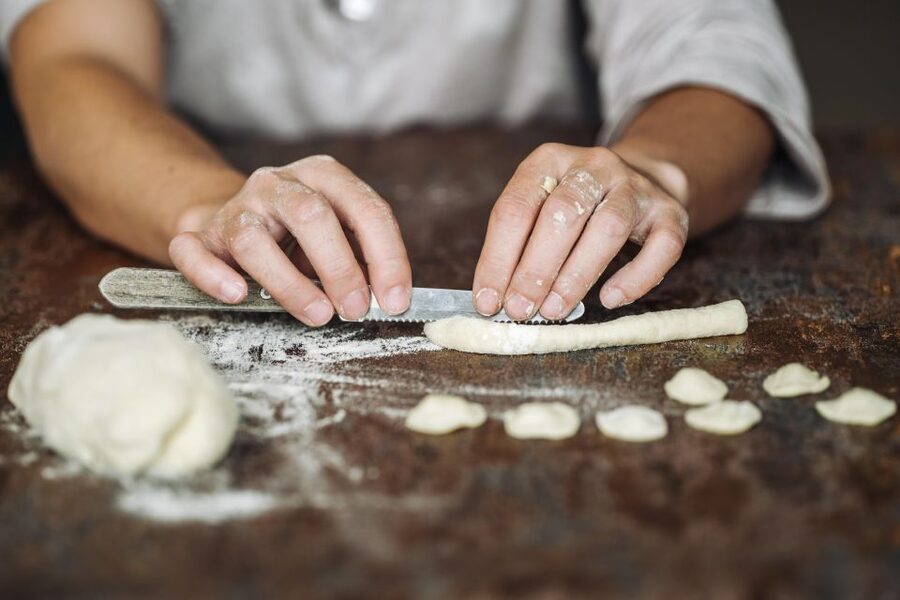
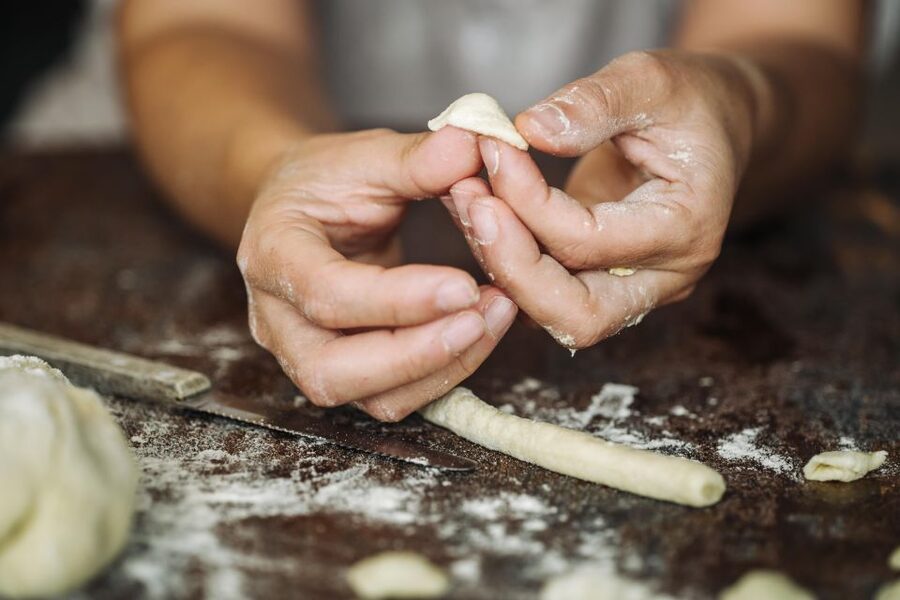
The main lesson focuses on orecchiette and cavatelli, two pasta shapes strongly linked with Apulia. Orecchiette means little ears, a fitting name for the small concave pieces that hold sauce. Cavatelli are shaped differently, with a small curled or hollow form made by pressing and drawing the dough.
The instructor explains the pasta-making process, the ingredients, and the reasons behind the technique. Daniele is often praised for explaining not only how to shape the pasta, but also why different ingredients and methods matter in southern Italy. Annamaria is repeatedly described as patient and careful, correcting hand positions and showing each person how to form orecchiette properly.
That individual help is important. Shaping pasta looks easy when an experienced cook does it at speed. Your first pieces may look more like tiny shells, folded scraps, or cheerful little lumps. A good teacher makes the correction gently, and that is where this class seems to earn its high marks.
The language is English and Italian. English-language participants describe the instruction as clear, and Daniele’s English is specifically praised. You can ask questions throughout, which makes this more useful than a demonstration where everyone simply watches from a distance.
What you actually do with your hands
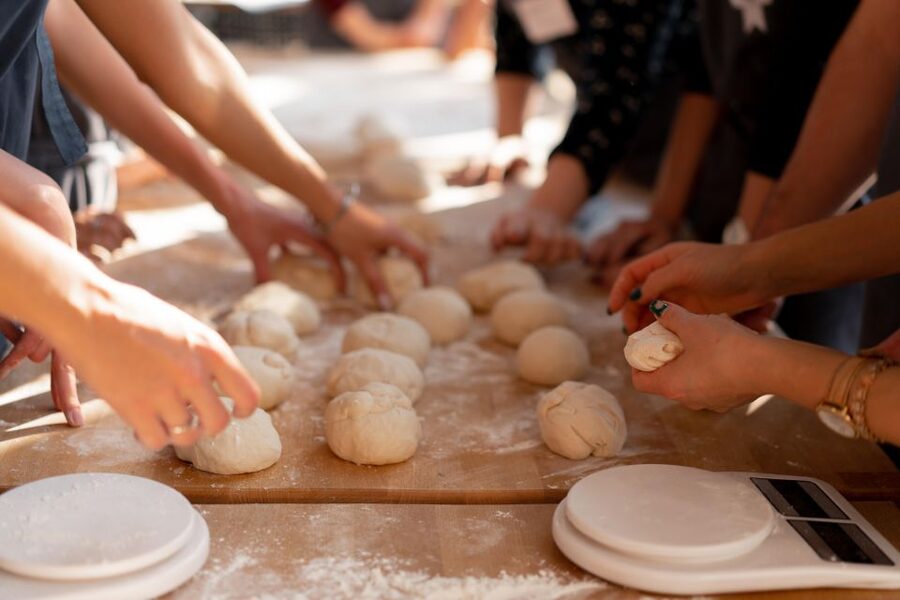
Here is the practical point to understand before booking: the experience is hands-on, but it may not involve making every part of the meal from the beginning.
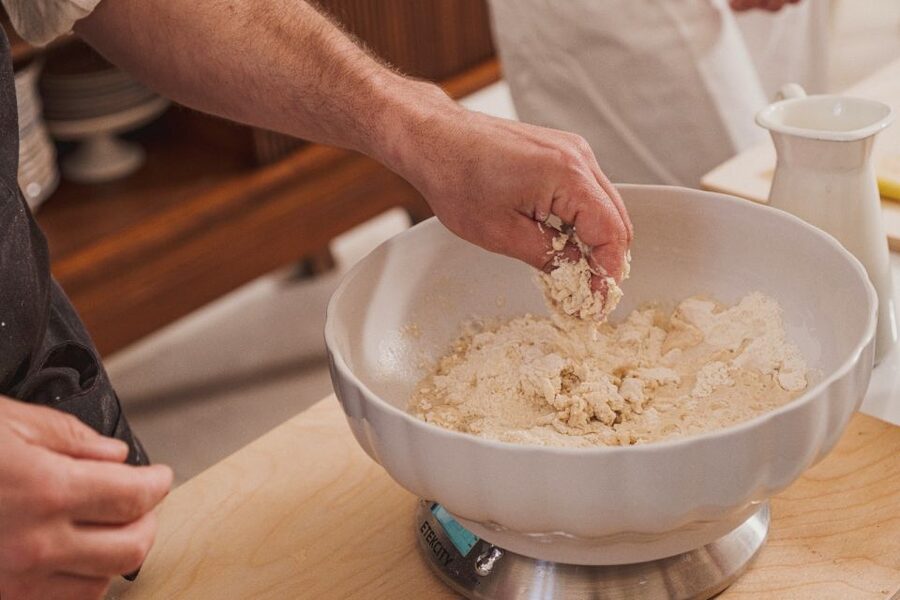
Several detailed accounts describe the instructor preparing or explaining the dough and sauce, followed by the participants shaping the ready dough into orecchiette and cavatelli. You learn the technique directly and work with the pasta, but you may not personally make the dough, prepare the sauce, or cook every ingredient.
That is not a flaw for everyone. It keeps a two-hour session moving and gives you more time to learn the shapes, ask questions, and hear about Apulian cooking. It is also a good format for families with children, since young participants can take part without spending a long stretch measuring and kneading.
If your goal is to master an entire meal from pantry to plate, this may feel limited. One participant hoped to learn more Apulian sauces, and another would have liked a recipe sheet to take home. You can apparently record parts of the demonstration, but a printed recipe is not listed as included.
The strongest value is in watching a local technique, copying it under supervision, and receiving tips you can use at home. Bring a phone if you want to record the hand movements, provided the instructor allows it.
A few more reviews worth comparing before you book
- Bari: Pasta Experience Walking Tour
★ 4.7 · 660 reviews - Bari Walking Tour with Pasta Experience
★ 4.5 · 270 reviews - Puglia Cooking class “Le orecchiette, che pasta!”
★ 5.0 · 249 reviews - Florence: Pasta Cooking Class with Unlimited Wine
★ 4.9 · 10,285 reviews
Orecchiette, cavatelli, and the final meal
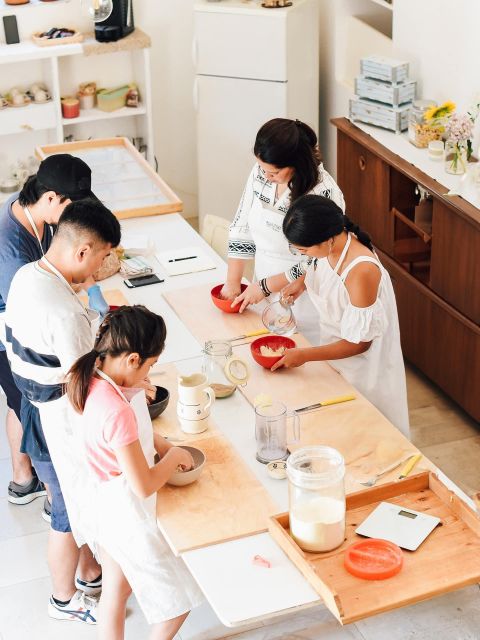
After shaping the pasta, you get to eat what the class has made. That is one of the best features of this experience. Many cooking lessons end with pasta that vanishes into a kitchen, leaving you with only a certificate or a full stomach from unrelated food. Here, the pasta you helped form becomes the reward.
Orecchiette with tomato sauce is specifically included. Some participants describe pesto or another sauce being served, so the final preparation may vary by session, but the advertised dish is orecchiette with tomato sauce.
The meal is accompanied by drinks and the regional snacks served earlier. Portions have been described as generous, which matters at $77. You are paying for instruction, but also for a complete social evening with wine, aperitivo items, and your finished pasta.
Do not expect a restaurant tasting menu. The attraction is the connection between the lesson and the plate. You see the shape, cook it, and taste the result while the technique is still fresh in your mind.
Stories about Puglia beyond the recipe
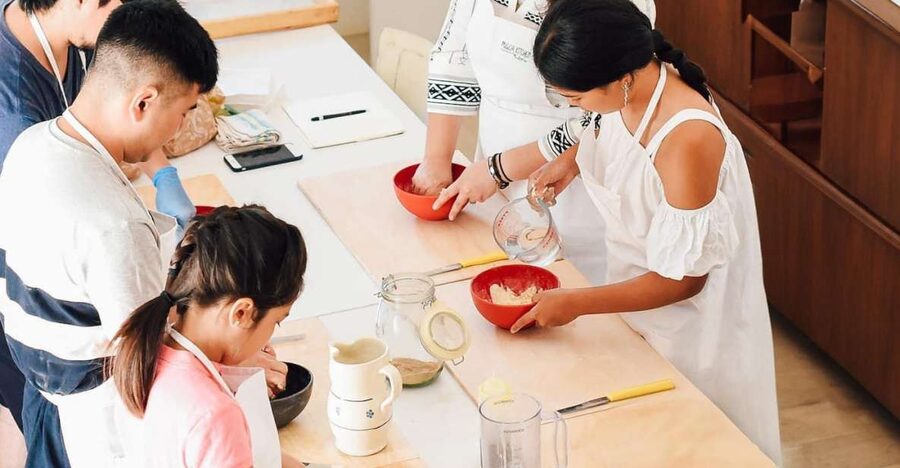
The instructors do more than explain pasta. Annamaria and Daniele are praised for adding stories about Apulian culture, Italian history, food traditions, and everyday life.
Daniele’s background as a professional chef gives the lesson a wider cooking focus. He has explained the science behind different pasta methods across Italy, rules about cooking pasta, and ways to reduce food waste. Annamaria has shared tips for pasta, focaccia, and sauce, along with background on the origins of Apulian recipes.
This conversation is a major part of the class’s character. You are not just learning a repeated hand motion. You are hearing why pasta is made in a certain way, how ingredients affect the result, and how the food fits into southern Italian culture.
The tone also seems flexible. The instructors are described as funny, warm, engaging, and willing to answer questions. One family arrived late and was accommodated without losing the enjoyment of the evening. That suggests a human-scale activity, though you should still aim to arrive on time so you do not miss the opening explanation.
A good choice for families and first-time pasta makers
This class suits a wide range of people. Couples can treat it as an informal dinner with a lesson attached. Solo visitors can meet other people around a shared table. Families can turn it into a practical activity that works for different ages.
Children as young as five and eight have taken part with parents and grandparents, and a group including a 10-year-old and a teenager enjoyed the class. The shaping stage gives children something clear to do, while the food and stories keep older family members involved.
It is also a good fit if you are vegetarian or vegan, since the class is listed as suitable for both. You should still communicate dietary needs when booking, because the exact aperitivo and sauce may vary.
The class is wheelchair accessible according to the activity details. Since the meeting point is in a historic-centre house, I would still confirm any specific access needs in advance. Accessibility labels are useful, but old town buildings can have practical details worth checking.
Is two hours enough?
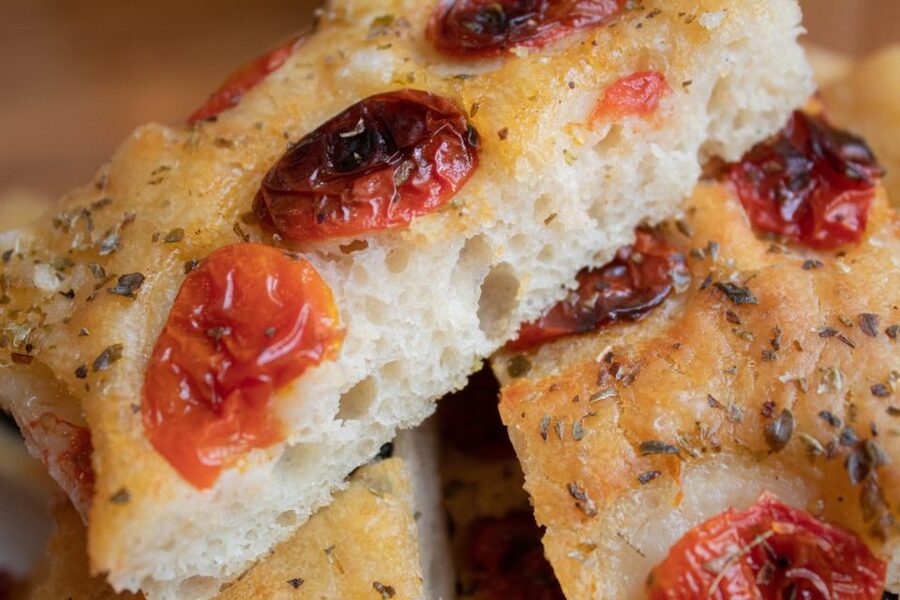
Two hours is a sensible length for this activity. It gives you time to learn, shape pasta, enjoy the aperitivo, and eat without turning the class into a half-day commitment.
Many people found that the time passed quickly, especially because the instruction includes food stories and conversation. The compact schedule also works well if you are fitting the class between a walk around Polignano and an evening by the coast.
The tradeoff is that a short class must be selective. You will not cover every Apulian pasta shape, make several sauces, bake bread, and prepare a full multi-course meal in detail. The focus stays on orecchiette and cavatelli, with the social food and wine experience built around them.
For most first-time participants, that focus is a strength. You leave with two techniques rather than a blur of recipes.
What $77 gets you
At $77 per person, this is a mid-to-high-priced two-hour activity. The price includes a professional chef, kitchen utensils, hands-on instruction, drinks, local products, and orecchiette with tomato sauce.
I think the value depends on what you want from a cooking class. If you mainly want a cheap meal, the price will feel high. If you want a local instructor, a small class, wine, an aperitivo, personal corrections, and a meal made during the lesson, the cost is easier to justify.
One participant felt it was expensive compared with other cooking classes taken in Italy. That is a fair caution. The class does not promise a full sauce workshop or a take-home recipe booklet, and the amount of hands-on preparation may be less than you expect.
The strongest case for the price is the quality of the teaching. The most repeated praise goes to patience, individual attention, clear English, humor, and useful tips for cooking at home. You are paying for someone to make a traditional skill understandable, not just for a plate of pasta.
Practical details that affect your evening
The class is offered in English and Italian, and the instructor may be Annamaria, Daniele, Maria, or another member of the team. The consistent praise for several teachers suggests that the experience is not dependent on a single personality.
The activity lasts two hours, with start times based on availability. It is smart to choose a time that leaves room for a relaxed meal afterward, especially if you prefer not to rush through the pasta tasting.
The meeting point is in Polignano a Mare, not Monopoli. Nearby transfers are available on request, but they are not included. If you are staying outside town, ask about transfer arrangements before assuming transportation is covered.
You can cancel up to 24 hours in advance for a full refund, and the reserve-now, pay-later option keeps your plans flexible. Those terms are useful if your Apulia schedule depends on weather or changing transport plans.
Who should book this Polignano cooking class?
I would book this if you want a friendly, regional food experience rather than a serious professional cooking course. It is especially appealing for first-time pasta makers, families, couples, and anyone who wants to meet people over food and wine.
You should also book it if you care about learning a skill you can repeat at home. The hand movements for orecchiette are the heart of the class, and the teachers give practical advice about dough, pasta cooking, sauces, and waste reduction.
I would hesitate if you expect to make the dough, sauce, and full meal entirely by yourself. The class appears to focus more on explanation and shaping than on a complete from-scratch kitchen production. I would also compare prices if you have already taken several cooking classes elsewhere in Italy.
For most visitors to Polignano a Mare, this is a warm and useful way to spend two hours. You get a taste of Apulian food culture, a proper aperitivo, local wine, and pasta you helped form with your own hands. That is a good souvenir, and unlike a fridge magnet, it can be repeated in your own kitchen.
FAQ
Where does the pasta class take place?
The class meets at a typical house at Via S. Vito, 20, 70044 Polignano a Mare BA, in the historic centre of Polignano a Mare.
How long does the experience last?
The cooking class lasts two hours. Starting times depend on availability.
Which types of pasta will I learn to make?
You will learn to make two Apulian pasta shapes, orecchiette and cavatelli.
Is food and wine included?
Yes. Drinks, local products, an Apulian aperitivo, and orecchiette with tomato sauce are included. The aperitivo features items such as taralli, preserved vegetables, and seasonal greens.
Is the class available in English?
Yes. The instructors speak English and Italian.
Is the activity suitable for vegetarians and vegans?
Yes. The experience is listed as suitable for vegetarians and vegans.
Is transportation included?
Hotel pickup and drop-off are not included. Optional pickup from Monopoli and nearby cities can be arranged on request.
Just added around Puglia
- Puglia Cooking class “Le orecchiette, che pasta!”★ 5.0 · 249 reviews
- Guided tour and tasting at La Cantina Frrud – Wine Museum★ 5.0 · 249 reviews
- Mini-cruise tour to the Caves of Santa Maria di Leuca★ 5.0 · 250 reviews
- Alberobello and Matera Bus Tour, from Bari★ 4.5 · 250 reviews
- Bari by boat: admire the city from the sea with Aperitivo★ 4.6 · 256 reviews
- Tour of Lecce with a visit to the basement of the ancient synagogue★ 5.0 · 258 reviews
- Mozzarella Experience – Cheese Tour and tastings to Masseria Fragnite★ 5.0 · 266 reviews
- Bari Bike Tour★ 5.0 · 266 reviews
Cooking Classes, compared.

3 in 1 Cooking Class near Navona: Fettuccine, Ravioli & Tiramisu
Read our review →
Pasta & Tiramisu Cooking Class with Unlimited Wine
Read our review →
Cooking Class and Lunch at a Tuscan Farmhouse with Local Market Tour from Florence
Read our review →
Pasta Making Class with Wine, Limoncello, and Dessert
Read our review →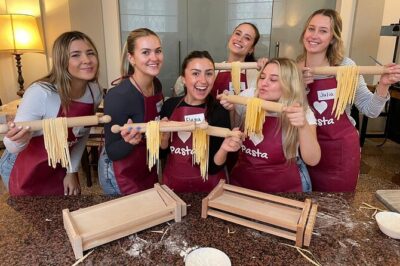
3-in-1 Fettuccine, Ravioli, and Tiramisu Cooking Class
Read our review →Browse the lists this tour appears in