
Review · MILAN TOURS
Learn to Cook Italian Recipes with an Italian Chef
Cooking can reveal a city fast. This three-hour Milan class puts you at the worktable with an Italian chef, where you prepare a starter, fresh pasta or dumplings, and dessert before sitting down to eat. I like the changing menu, since you do not repeat the same fixed dishes every day, and I like the focus on how, when, and why each step works. The one thing to know up front: you cannot choose the menu, and the wine is shared rather than unlimited.
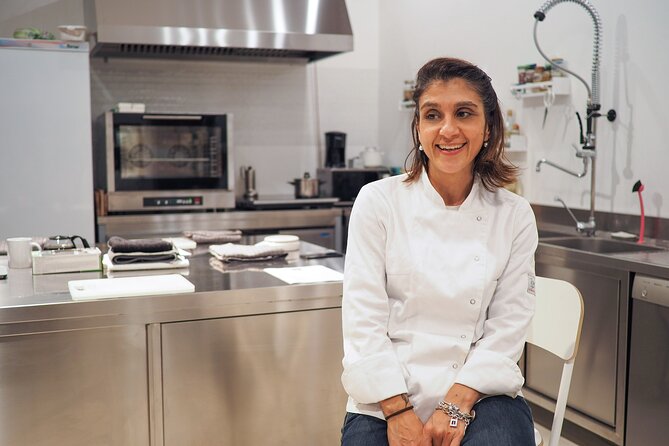
Chef Ilaria is the main personality connected with the class, and her warm, lively teaching style gets plenty of praise. Other sessions have been led by Alessandro and Dalia, so the exact instructor may vary. The class suits complete beginners, yet cooks with some experience can still pick up useful tricks.
The lesson takes place at Chef and the City, at street level on Via Laura Ciceri Visconti in Milan. You will cook with supplied tools and an apron, receive the recipes afterward, and eat what the class prepares. At $82.27 per person, that is a fair price for a hands-on lesson, a three-course meal, drinks, and a social evening.
In This Review
- Key points at a glance
- Arriving at the Milan cooking studio
- A welcome with Italian snacks and kitchen tools
- The surprise starter changes from class to class
- Handmade pasta is the main practical lesson
- Dessert adds a sweet Milanese finish
- Sit down to eat what you prepared
- How the teaching style affects the experience
- The price and what you actually receive
- Who should book this class
- Booking details worth knowing
- Should you book it?
- FAQ
- Where does the cooking class take place?
- How do I find the cooking laboratory?
- How long does the experience last?
- Is the class offered in English?
- Can I choose the dishes I will cook?
- What kind of food might I prepare?
- Are cooking equipment and an apron provided?
- Is food and drink included?
- Can I bring luggage or an animal?
- What is the cancellation policy?
Key points at a glance
- The menu is a surprise: You might make bruschetta, focaccia, eggplant parmigiana, or chickpea dishes, followed by gnocchi, tagliatelle, ravioli, or another handmade pasta.
- Chef Ilaria teaches the reasons behind the recipe: The class concentrates on technique, timing, ingredients, and kitchen habits rather than simply handing you a recipe to copy.
- You finish with a shared Italian meal: The food you prepare becomes the main event, accompanied by Italian wine, coffee or tea, and bottled still or sparkling water.
- Recipes go home with you: You receive the dishes afterward, making this more useful than a meal that disappears as soon as you leave Milan.
- Small groups are possible, but not guaranteed: The maximum is 20 participants, while some sessions have had only eight or even become private when other bookings canceled.
Arriving at the Milan cooking studio
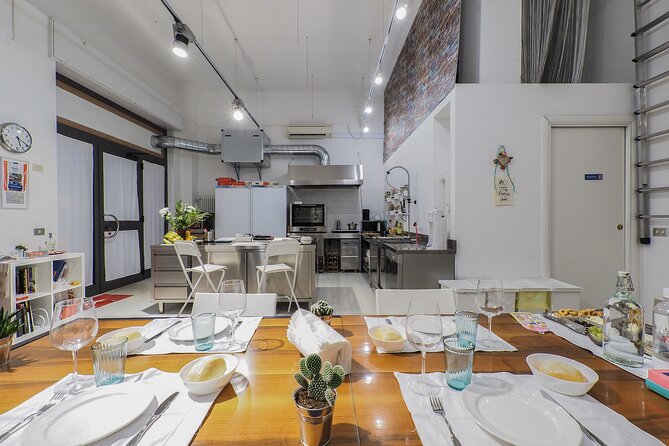
The meeting point is Via Laura Ciceri Visconti, 4, 20137 Milano MI. The location is near public transportation, but private transportation is not included, so you need to make your own way there.
Look for three windows marked with the red Chef and the City sign. Ring the front door bell when you arrive. The laboratory is on street level, which makes entry straightforward, but there is no luggage storage and luggage is forbidden inside. I would leave large bags at your hotel or another secure storage point before coming.
Smoking is not allowed, and animals cannot enter. These rules make sense in a working food space, especially when several people are preparing food at the same time.
The class ends back at the meeting point. Since the session lasts about three hours, it can fit neatly into a Milan sightseeing day, but you should avoid scheduling it too close to a train departure or flight. The timing may include welcome snacks, preparation, the meal, and drinks, so allow the full three hours rather than expecting a quick demonstration.
A few more reviews worth comparing before you book
- Milan: Cathedral and Duomo’s Terraces Entrance Ticket
★ 4.6 · 61,054 reviews - Milan: Da Vinci’s Last Supper Guided Tour
★ 4.7 · 10,143 reviews - Milan: Science and Technology Leonardo da Vinci Museum Entry
★ 4.5 · 7,169 reviews
A welcome with Italian snacks and kitchen tools
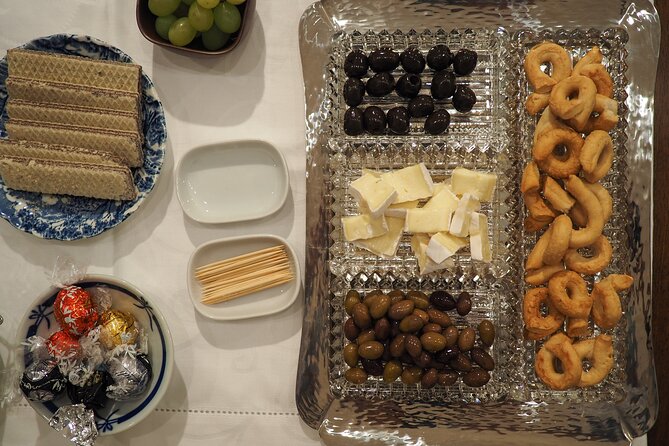
The class begins in a relaxed, professional setting. You receive an apron and have the cooking tools you need during the lesson. Italian-style welcome snacks, bottled water, coffee, tea, or infusions are included, giving you a chance to settle in before the cooking starts.
That small opening matters. A cooking lesson can feel awkward if everyone is immediately handed dough and told to get moving. Here, you have time to meet the group, listen to the chef, and get comfortable with the work area.
The group may include people with very different cooking backgrounds. That mix seems to be part of the appeal. Some participants arrive with little kitchen experience, while others already know their way around pasta dough. Chef Ilaria’s teaching style is patient and hands-on, and she has been praised for moving between Italian and English clearly.
You should expect to work as part of a shared class rather than cook an entirely separate meal for yourself. The chef needs everyone to follow the same instructions and finish each stage together. That creates a social atmosphere, but it also means you may need to wait while another group catches up.
The surprise starter changes from class to class
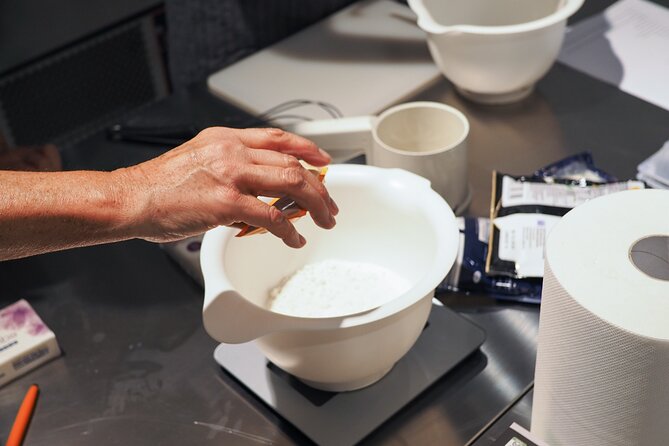
The first dish is an Italian starter, but the exact choice is not announced in advance. Possibilities include bruschetta, focaccia, eggplant parmigiana, chickpea balls, or another traditional appetizer.
This is one of the best ideas behind the class. A fixed menu can be useful if you have your heart set on one particular dish, but it can also feel repetitive. The changing menu gives you a broader introduction to Italian home cooking. You might learn how to build a simple bruschetta one day and work with chickpeas or eggplant another day.
The class emphasizes preparing ingredients from scratch and by hand. That is valuable because the result depends less on expensive equipment and more on basic technique. You learn how ingredients are handled, when they are combined, and why a particular step matters.
The starter also sets the pace for the lesson. It is usually a manageable first task before the group moves on to pasta or dumplings. If you are not a confident cook, this gradual start should help you find your footing.
One minor concern is that the food may be seasoned for a broad range of tastes. A participant found one menu too bland, while another suggested using fewer chili flakes. If you prefer bold seasoning, pay close attention and ask questions. The chef can explain the intended balance, and you may gain useful guidance for adjusting the recipe at home.
Handmade pasta is the main practical lesson
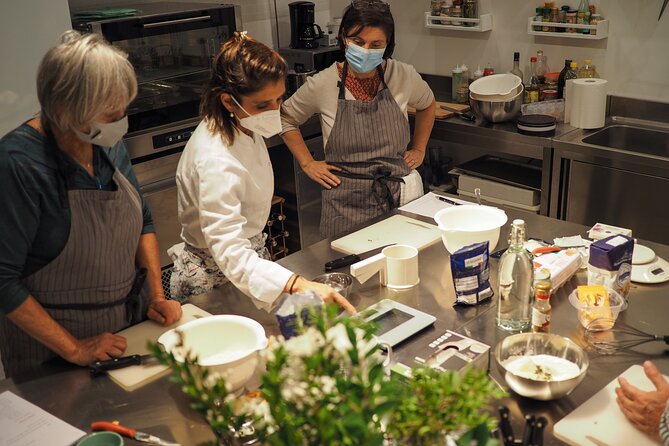
The central course is fresh pasta or handmade dumplings. The possibilities include gnocchi, tagliatelle, ravioli, or another traditional preparation. The class also makes a sauce or dressing to go with it.
This is likely the part most people anticipate, and it is where the lesson provides the clearest payoff. Fresh pasta can look intimidating until you see the process broken into simple stages. The chef explains what the dough should feel like, how to shape it, and how to time the sauce.
Gnocchi, in particular, has appeared in several sessions, sometimes served with a sauce prepared by the group. Other menus have included potato-stuffed ravioli and tagliatelle. You might also learn a pasta shape you would never attempt alone, which makes the recipe handout especially useful after your return home.
The teaching is not limited to following a list of instructions. The stated aim is to explain how, when, and why each step works. That approach helps you handle small differences in flour, moisture, dough texture, and cooking time.
The group format has a practical benefit here. Several people work through the same process, so you can compare results and see how small changes affect the dough. The drawback is that individual attention depends on the number of participants. The maximum is 20, which is a fairly large class for hands-on food preparation, though some sessions have been much smaller.
A different sort of day out around Milan:
- Milan: City Sightseeing Hop-On Hop-Off Bus with Audio Guide
★ 4.0 · 6,256 reviews - Milan Cathedral: Duomo Terraces Ticket (No Church Access)
★ 4.6 · 6,111 reviews - Milan: Milan Cathedral Direct Entrance – Terrace Excluded
★ 4.5 · 5,782 reviews - Milan: Guided Walking Tour & Last Supper Visit with Ticket
★ 4.7 · 5,409 reviews
Dessert adds a sweet Milanese finish
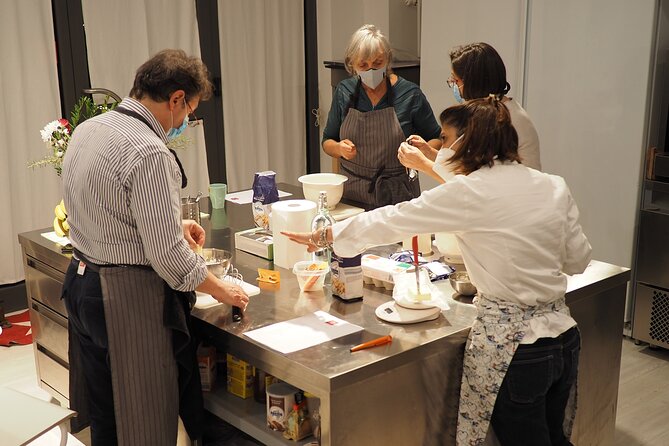
Dessert completes the three-part menu. You might prepare tiramisu, Tuscan cantucci, Milanese pan meino, chocolate tortini, or another traditional sweet.
Tiramisu is the most familiar option, but pan meino offers a more specifically Milanese connection. Cantucci provide a lesson in a different style of Italian baking. Since the dessert changes, you may want to ask at the start which recipe is planned, especially if you have dietary needs or strong preferences.
The dessert course also gives the class a slower ending. By this stage, the group has worked together for several hours, and the final preparation tends to feel less like a formal lesson and more like a shared meal getting ready.
Recipes for all the dishes are provided at the end. This is a real advantage. You are not just buying dinner in Milan. You are leaving with instructions you can use for family and friends, along with techniques that can apply to other Italian recipes.
Sit down to eat what you prepared
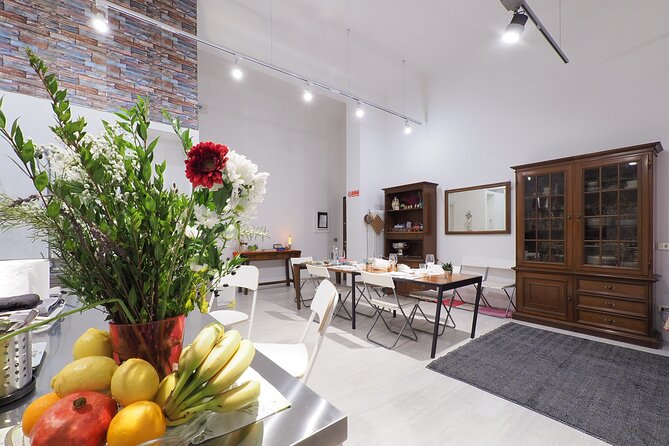
After the cooking, everyone sits down to eat the meal. Depending on the session, the final meal may be described as lunch or dinner, but the basic format is the same: you enjoy the starter, pasta or dumplings, and dessert prepared during the class.
Italian wine is served with the meal. The practical detail is important: wine is shared at roughly one bottle for every three participants, rather than offered as unlimited drinking throughout the class. Extra wine can be purchased separately. So think of the beverage as part of the meal, not the main attraction.
Coffee, tea, infusions, and natural or sparkling bottled water are also included. The class includes alcoholic beverages in its package, but if you want more than the shared serving, budget for the additional cost.
The shared table is one of the class’s strongest social features. People from different countries work together, compare family cooking habits, and then eat the same food. It is a good choice if you want an evening activity that gives you conversation as well as dinner.
The food is generally praised as simple and tasty, with gnocchi, chickpea dishes, pasta, and tiramisu earning repeated approval. Still, this is a teaching kitchen, not a fine-dining restaurant. The meal reflects what the group has prepared, and the final seasoning may be conservative.
How the teaching style affects the experience
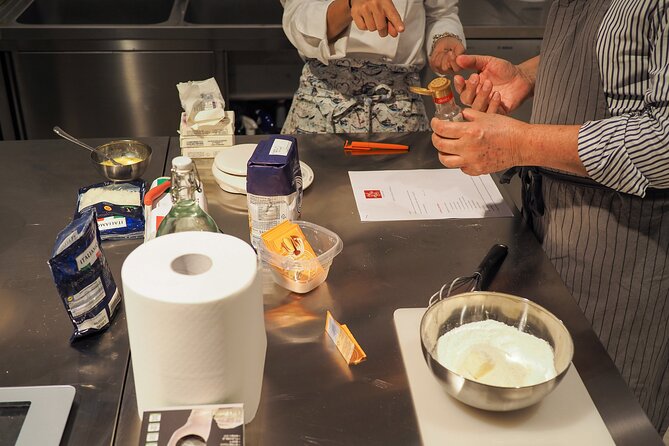
Chef Ilaria is often described as funny, energetic, patient, and passionate. She has been especially appreciated by families and mixed-ability groups, including teenagers and people with little cooking experience. One group also received help arranging a taxi afterward, a small but useful touch.
The class can be lively, but shared instruction requires attention. If people talk while the chef is explaining a key step, she may pause until everyone can hear. Some participants appreciate that discipline because no one misses an important instruction. Others may find it a little strict.
There has also been occasional criticism of the chef appearing stressed or taking personal calls. That does not seem to define the overall experience, but it is fair to mention. A group class depends heavily on the instructor’s energy and on how well everyone cooperates that day.
The changing menu creates another variable. The advertised dishes are examples, not a promise of a particular menu. If you are booking because you specifically want ravioli or tiramisu, you may be disappointed if the class prepares something else. Book this for the learning experience, not for one guaranteed dish.
The price and what you actually receive
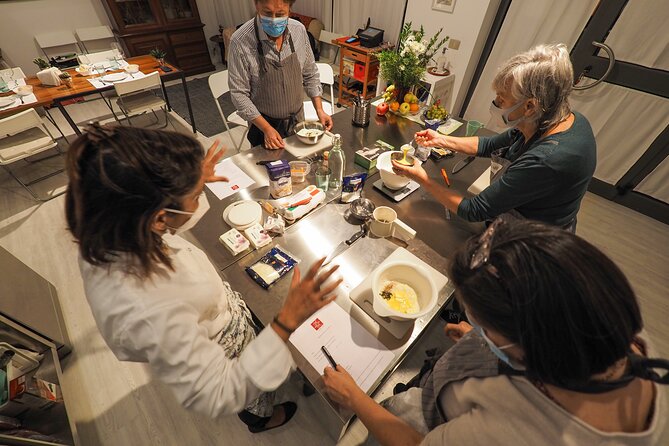
At $82.27 per person, the class offers reasonable value. The fee covers approximately three hours of instruction, an apron, cooking equipment, welcome snacks, the prepared meal, wine with dinner, water, coffee or tea, and the recipes.
A typical Milan meal can use a large part of that amount before you add an activity. Here, your meal is also the result of your own work, and you gain recipes and practical skills. That makes the price stronger for people who want an activity with lasting value.
The price is less compelling if you mainly want a refined meal or a guaranteed wine tasting. The wine is shared, the menu is unknown, and the class may include up to 20 people. You are paying for participation and instruction rather than restaurant polish.
The 94 percent recommendation rate and 4.8 rating from 283 reviews suggest a reliable experience overall. I would still read the conditions carefully and keep your expectations realistic: this is an approachable cooking workshop with a communal meal.
Who should book this class
I would recommend it to first-time cooks, couples, families with older children, solo visitors who enjoy meeting people, and anyone who wants a practical food experience in Milan. You do not need advanced skills. The recipes are designed to be achievable, and the chef assists participants directly.
It also suits people who enjoy learning through food rather than simply watching a demonstration. You will have tasks to perform, questions to ask, and notes to take. If you want to recreate an Italian meal at home, the recipe handouts add real value.
You may want a different experience if you need a strict dietary menu, dislike group activities, or care most about drinking wine. A gluten allergy has been accommodated for at least one participant, but dietary arrangements are not detailed in the information provided, so you should raise any needs before booking.
Booking details worth knowing
Confirmation arrives when you book, and the activity is offered in English. The class requires a minimum number of participants, so a session can be canceled if that minimum is not reached. In that case, you are offered another date or experience, or a full refund.
Free cancellation is available up to 24 hours before the local start time. Cancellations or changes made inside that 24-hour window are not refunded or accepted.
The maximum group size is 20. Because some classes have been much smaller, the atmosphere can vary from intimate to fairly busy. If a small group matters greatly to you, contact the operator before booking rather than assuming it will be guaranteed.
Should you book it?
Book this class if you want to make real Italian food, learn techniques you can repeat at home, and share a relaxed meal with people from different places. The surprise menu is a plus for curious cooks, and Chef Ilaria’s warmth has made the experience particularly appealing to beginners and families.
Skip it if you need a fixed menu, unlimited wine, or a quiet restaurant-style evening. For most people, though, the combination of hands-on cooking, a three-course meal, recipes, and a fair price makes this one of Milan’s more useful food activities.
FAQ
Where does the cooking class take place?
It takes place at Via Laura Ciceri Visconti, 4, 20137 Milano MI, Italy.
How do I find the cooking laboratory?
Look for three windows with the red Chef and the City sign, then ring the front door bell.
How long does the experience last?
The class lasts approximately three hours.
Is the class offered in English?
Yes. The experience is offered in English.
Can I choose the dishes I will cook?
No. The menu is not fixed, and the dishes are revealed during the class. Examples include Italian starters, handmade pasta or dumplings, and traditional desserts.
What kind of food might I prepare?
Possible starters include bruschetta, focaccia, eggplant parmigiana, or chickpea dishes. The main course may be gnocchi, tagliatelle, ravioli, or another fresh pasta. Desserts may include tiramisu, cantucci, pan meino, or chocolate tortini.
Are cooking equipment and an apron provided?
Yes. Each participant receives an apron, and the cooking tools needed for the course are included.
Is food and drink included?
Yes. The experience includes the meal prepared during class, welcome snacks, Italian wine with the meal, coffee or tea, and natural or sparkling bottled water. Wine is shared rather than unlimited.
Can I bring luggage or an animal?
No. Luggage is forbidden, and animals are not allowed. Smoking is also prohibited.
What is the cancellation policy?
You can cancel up to 24 hours before the local start time for a full refund. Cancellations or changes made less than 24 hours before the start are not accepted or refunded.
Just added around Milan
- Milan Sights by Segway Small Group Tour★ 5.0 · 249 reviews
- Unveil the Masterpiece: Guided Tour of Da Vinci’s Last Supper★ 4.5 · 251 reviews
- Milan: Pasta & Tiramisu Cooking Class with Premium Products★ 5.0 · 255 reviews
- Milan Semi-Private Max 6 People Tour with Last Supper and Duomo★ 5.0 · 258 reviews
- Skip The Line: Best Of Milan Tour With Last Supper & Milan Duomo★ 4.5 · 260 reviews
- Milan: Duomo & Rooftop Tour with Optional Hop-On Hop-Off Bus★ 4.5 · 262 reviews
- Stresa: 1-Day 3 Borromean Islands Hop-On Hop-Off Boat Tour★ 4.0 · 262 reviews
- Milan Centre Food Tour of 7+ Italian Tastings with Risotto & Wine★ 5.0 · 264 reviews
Milan Tours, compared.

Cathedral and Duomo’s Terraces Entrance Ticket
Read our review →
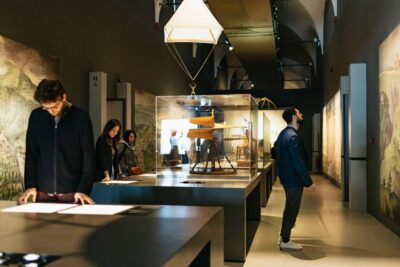
Science and Technology Leonardo da Vinci Museum Entry
Read our review →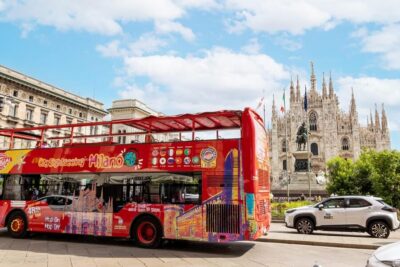
City Sightseeing Hop-On Hop-Off Bus with Audio Guide
Read our review →
Milan Cathedral: Duomo Terraces Ticket (No Church Access)
Read our review →
Milan Cathedral Direct Entrance – Terrace Excluded
Read our review →
Guided Walking Tour & Last Supper Visit with Ticket
Read our review →
Fast-Track Milan Cathedral and Terraces Guided Tour
Read our review →Browse the lists this tour appears in