
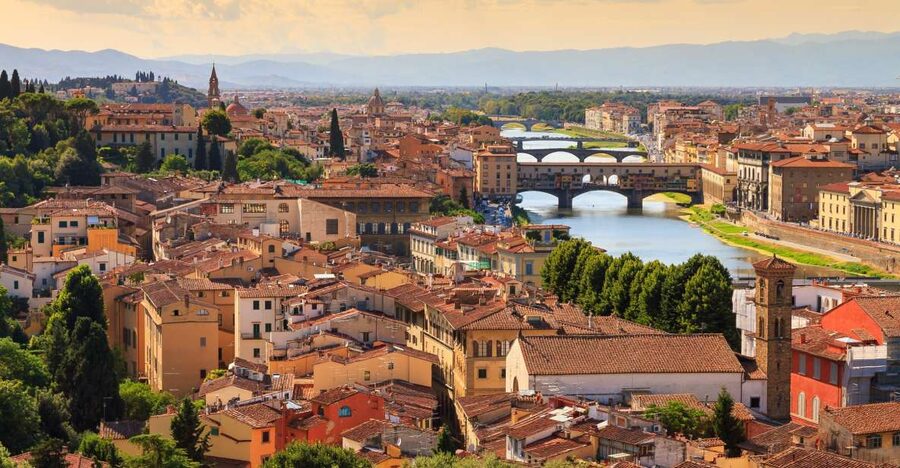
Review · MUSEUMS
Florence: Timed Entrance Ticket to San Marco Museum
Skip the museum crowds for a change. San Marco Museum gives you a calmer look at Florence through Fra Angelico’s glowing frescoes, a 15th-century Dominican convent, and the small cell once occupied by the fiery preacher Girolamo Savonarola. I especially like the intimate scale and the chance to see a working religious complex, not just a grand collection of paintings.
I also like how easy the visit is to arrange: the timed ticket costs $15, includes the booking fee, and lets you bypass the ticket line. The main consideration is that this is an unguided visit, and some rooms may be closed, so you should come ready to read the available information and set your own pace.
In This Review
- Key things to know before visiting
- Why San Marco feels different from Florence’s big museums
- Starting at Piazza San Marco, 3
- Michelozzo’s Dominican convent and the Cloister of St. Anthony
- Fra Angelico’s frescoes and the Annunciation
- Savonarola’s cell and Florence’s religious firebrand
- The Great Refectory, kitchen, and service rooms
- How much time should you allow?
- Is the $15 ticket good value?
- Who will enjoy this museum most?
- How to plan your visit
- Should you book San Marco Museum?
- FAQ
- Where is San Marco Museum?
- How much does the timed ticket cost?
- Is a guided tour included?
- Can I choose any arrival time on the booked date?
- Is the ticket valid for one day?
- Can I cancel for a refund?
- Is San Marco Museum wheelchair accessible?
Key things to know before visiting
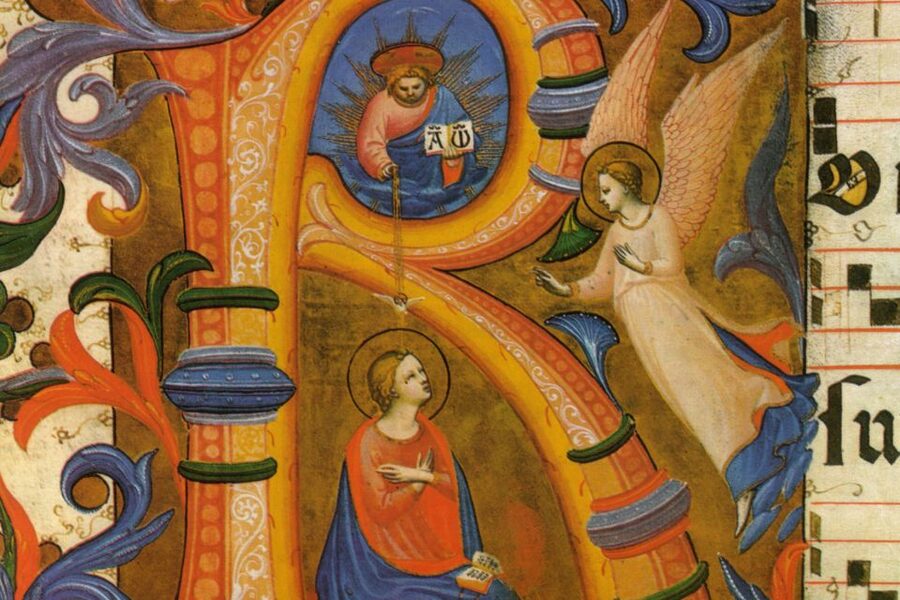
- Fra Angelico’s Annunciation is the star: This famous painting alone makes San Marco worth considering.
- The convent still has Dominican life: You see the setting where monks continue to live, adding a quiet, active quality to the visit.
- Savonarola’s cell adds human drama: The friar’s story brings politics, religion, and Florence’s turbulent past into the building.
- The $15 ticket is best for a flexible museum day: You receive timed entry without paying for a guide, but the date and time cannot be changed after booking.
- The visit feels peaceful and intimate: San Marco is a good counterpoint to Florence’s larger, louder museums.
- Allow time for the architecture, not just the paintings: Cloisters, frescoed doors, service rooms, and the refectory are part of the experience.
Why San Marco feels different from Florence’s big museums
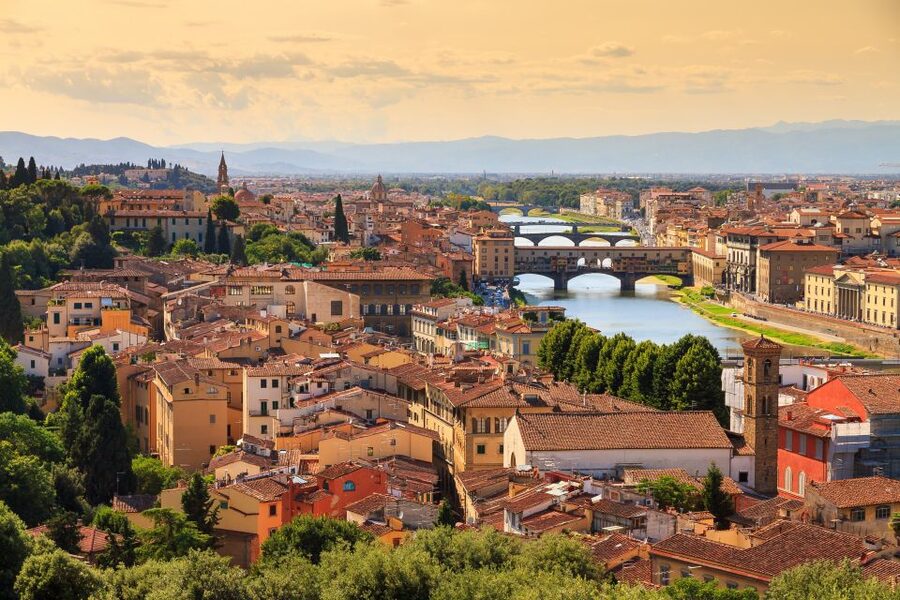
Florence can turn art into a queueing sport. The Uffizi and Accademia deserve their fame, but they also bring crowds, fixed routes, and a sense that you need to keep moving. San Marco offers a different rhythm.
The museum occupies a church and a Dominican convent dating from the 15th century. The convent is associated with Cosimo de’ Medici, Grand Duke of Tuscany, and was renovated by Michelozzo, one of the major architects of the Renaissance. Here, the building is not just a container for art. It is the art.
You move through spaces that were designed for prayer, meals, work, and monastic life. That helps you understand Fra Angelico’s paintings in their original setting. His religious images were not made simply for a gallery wall. They belonged to a daily world of quiet devotion.
That sense of place is the main reason I would add San Marco to a Florence itinerary. The visit is less about checking off one famous object and more about letting the convent explain how Renaissance art functioned.
More Museum Tours in Florence
- Florence: Skip-The-Line Uffizi Gallery Timed Entry Ticket
★ 4.5 · 27,832 reviews - Florence: Leonardo Interactive Museum Entry Ticket
★ 4.5 · 11,763 reviews - Florence Accademia Gallery Tour with Entrance Ticket Included
★ 4.5 · 6,148 reviews
Starting at Piazza San Marco, 3
Your visit begins at the museum ticket office inside the building at Piazza San Marco, 3, in Florence. The exterior is imposing and symmetrical, so take a moment before entering. It gives you a useful first impression of the complex as an institution, not merely a museum.
Your selected time slot matters. The date and time are binding once booked, and you can be refused entry if you arrive outside the allotted period. The ticket is described as valid for one day, but that does not mean you can arrive whenever you like. Treat the reserved entry time as firm.
The timed arrangement should make arrival simple. You show your voucher at the museum ticket office, and the ticket includes skip-the-ticket-line access. One useful point from the practical feedback is that the voucher redemption point is easy to locate, with helpful staff available if you need direction.
The activity ends back at the museum, with no transport involved. That makes San Marco easy to fit between other central Florence sights.
Michelozzo’s Dominican convent and the Cloister of St. Anthony

The first major part of the visit is the convent itself. Dominican monks still live here, although the museum areas are open for public viewing. That combination gives the building a more serious, lived-in atmosphere than a converted palace or former private residence.
The Cloister of St. Anthony is one of the most graceful spaces on the route. Its proportions are elegant, and the open arrangement gives you a pause between the exterior streets and the more concentrated religious art inside.
Pay attention to the old doors decorated with frescoes. They are easy to rush past if you are focused only on the major paintings, but they show how decoration was spread throughout the convent. At San Marco, the art is not confined to one ceremonial room.
The convent’s plainness is part of its appeal. It is beautiful without being lavish. If you prefer glittering palaces and grand state rooms, the setting may feel austere. If you enjoy places where architecture and purpose remain closely linked, this section will likely be one of your favorites.
Fra Angelico’s frescoes and the Annunciation
San Marco is famous above all for Beato Angelico, also known as Fra Angelico. He was a Dominican monk and one of the key painters of the Florentine Renaissance. His work here is closely tied to the building, which gives the paintings unusual force.
The Annunciation is the essential stop. It is widely considered the museum’s must-see work, and it can justify the $15 admission by itself for visitors who care about Renaissance painting. The composition is devotional rather than theatrical, with a calm mood that suits the convent setting.
You will also find an older hall filled with works by Fra Angelico. These paintings reward slow looking. The point is not only to identify biblical scenes, but to notice how the artist uses light, space, and gentle expressions to create a sense of stillness.
Several frescoes are found throughout the convent, including in spaces that once served the friars. Seeing religious scenes in this setting changes how you read them. You can picture the monks encountering these images as part of their regular routine rather than as a special museum outing.
Information panels are available, but language coverage is uneven. Some labels include both Italian and English, while others are in Italian only. If you want detailed interpretation for every painting, this may feel limiting.
There is also no guided tour included and no audio guide option indicated for this activity. That is the clearest weakness for visitors who want art-historical explanations at every stop. You can still have a rewarding visit, but you will need to decide which works deserve your attention rather than expecting a guide to lead you through them.
More galleries and collections:
- Uffizi Gallery Small Group Tour with Guide
★ 4.5 · 4,923 reviews - Florence: Accademia Gallery Guided Tour
★ 4.6 · 4,156 reviews - Florence: Accademia Gallery Guided Tour with Entry Ticket
★ 4.6 · 2,253 reviews - Golf Cart Tour to Fiesole Roman Theatre and Museum
★ 4.5 · 2,039 reviews
Savonarola’s cell and Florence’s religious firebrand
The cell associated with Girolamo Savonarola adds a darker, more dramatic note. Savonarola was a Dominican friar and a forceful preacher who attacked the corruption and moral decay he saw among the clergy.
His sermons helped make him a major figure in Florence, but his story ended violently. He was hanged and burned at the stake in Piazza della Signoria. Visiting the small room where he lived gives the historical account a physical focus.
The cell is not grand. That is precisely why it matters. You are looking at the kind of modest personal space that makes a famous public figure feel more human. Savonarola’s political and religious influence grew far beyond this room, yet his daily life was tied to a convent cell.
This part of the museum will appeal most to anyone interested in Florence’s political and religious conflicts. It also helps break up the sequence of paintings. After the quiet spirituality of Fra Angelico, Savonarola brings urgency, controversy, and an unsettling ending.
The Great Refectory, kitchen, and service rooms
The Great Refectory shows another side of convent life. This was a communal dining space, and its scale helps you understand how the Dominican community functioned beyond prayer and study.
The old kitchen and service areas are also included. They may not have the immediate fame of the Annunciation, but they are important because they reveal the practical machinery behind the religious complex. Museums often show polished ceremonial rooms and leave out the work that kept them running. San Marco gives you some of that background.
The refectory also contains paintings by Fra Bartolomeo, another important painter and Dominican monk who lived in the convent in the early 16th century. His presence gives the museum a wider artistic identity. San Marco is not only a Fra Angelico stop, although Fra Angelico remains the central attraction.
One especially pleasing detail is a painting of the Last Supper in the main-floor area. The work may not be the reason most people arrive, but it helps the refectory feel like a place with a purpose rather than a gallery room arranged for tourists.
How much time should you allow?
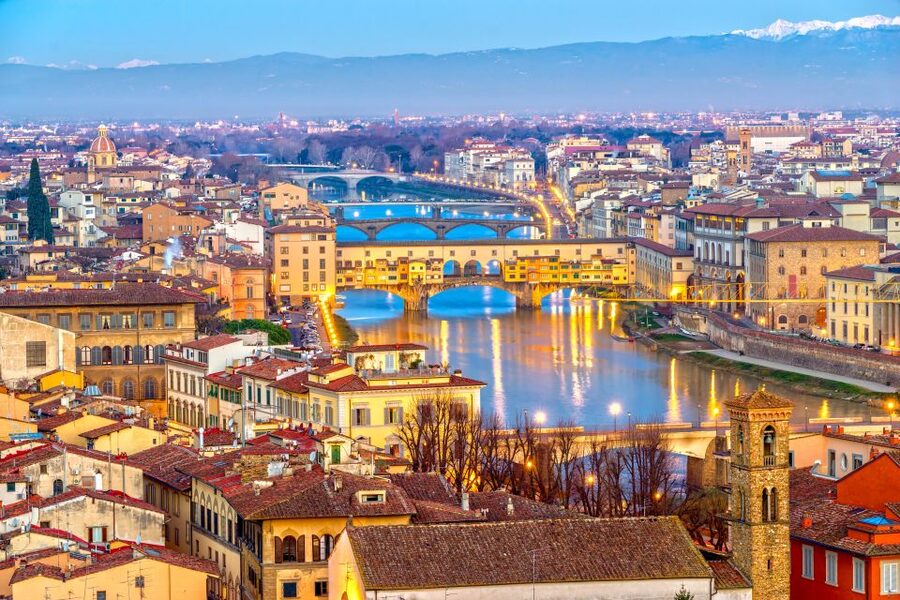
The ticket is valid for one day, but the provided information does not set a fixed visit length. I would plan enough time to see the cloister, Fra Angelico’s rooms, the Savonarola cell, the refectory, kitchen, and service areas without rushing.
A quick walk-through may work if you have a packed Florence schedule. The museum is also suitable for a longer, slower visit if you want to study the frescoes and absorb the architecture.
Do not judge the museum only by its floor area. The experience comes from the relationship between the rooms. A small frescoed passage or a plain monastic space can matter as much as a famous painting.
Some areas may occasionally be closed. That has happened during past visits, including two painting rooms being unavailable. If every room is essential to your plan, keep this possibility in mind.
Is the $15 ticket good value?
At $15 per person, San Marco is reasonably priced for Florence. The cost includes the booking fee and timed admission, so you are paying for a more predictable arrival rather than for a guide or special access beyond the ticket line.
The value is strongest if you appreciate religious art, Renaissance architecture, or quieter museums. Fra Angelico’s Annunciation is a major draw, and the convent setting gives the collection a quality you cannot reproduce by looking at the same images in a book.
The value is less certain if your main goal is a large collection with famous works in every room. San Marco is focused and restrained. You will not get the scale of the Uffizi, and the visit may feel brief if you are interested only in headline paintings.
A timed ticket may not always be essential during a quiet period. One account found the museum uncrowded at 10 a.m. Still, booking protects you from uncertainty and lets you plan around the rest of your day. The choice comes down to how much you value a fixed entry time.
There is also a separate discount connected with the ticket: 10 percent off at the Hard Rock Shop on Via dei Brunelleschi, 1, in Piazza della Repubblica, excluding limited-edition and charity items. The same address offers 10 percent off the à la carte menu at Hard Rock Cafe, excluding alcohol. These discounts are extras, not reasons I would choose the museum.
Who will enjoy this museum most?
I would recommend San Marco to you if you like:
- Renaissance religious painting
- Small museums with a strong sense of place
- Architecture by Michelozzo
- Dominican history and monastic spaces
- Savonarola’s role in Florence
- Quiet alternatives to the Uffizi and Accademia
It is also a good choice for repeat visitors who have already seen Florence’s most famous museums. You get a different view of the city here, one shaped by convent life and devotional art.
Families may appreciate the manageable scale, but younger children could find the religious focus and quiet rooms less immediately engaging. Art lovers should allow time to look closely, while casual sightseers can make a worthwhile shorter visit by focusing on the cloister, Annunciation, Savonarola’s cell, and refectory.
Wheelchair access is listed for the activity. If accessibility is important for your visit, confirm the current route and available areas when you arrive, since individual rooms or exhibitions can change.
How to plan your visit
Book only when you know your Florence schedule. The chosen date and time cannot be treated as a loose suggestion, and late arrival can mean refusal at the door.
Keep the voucher ready for the ticket office inside the museum. The meeting and end point are the same: Piazza San Marco, 3. Since no transportation is included, you arrange your own way to the museum.
If your plans change, free cancellation is available up to 24 hours in advance for a full refund. You can also reserve now and pay later, which is useful when you are arranging several Florence activities at once.
Remember that every accompanying person needs an admission ticket. A booked visitor cannot simply bring someone else through on the same reservation.
If you want detailed commentary, this ticket may not be enough on its own. It does not include a guided tour, and the available information is not always in English. A separate guided visit led by Sabine was praised for clear, sophisticated English and strong explanations of art and history, but that is not part of this timed ticket.
Should you book San Marco Museum?
Book it if you want Florence to slow down for an hour or two. The museum combines Fra Angelico’s serene paintings with a real Dominican convent, a dramatic Savonarola connection, and practical spaces such as the kitchen and refectory.
The best reason to go is not simply that the Annunciation is famous. It is that the painting belongs in this setting, surrounded by the architecture and devotional life that give it meaning. At $15, the experience offers solid value, especially if you have already scheduled the Uffizi and Accademia and want something more intimate.
Skip it only if your Florence schedule is extremely tight or if you need a fully guided, heavily explained museum visit. For everyone else, the timed ticket is a simple way to reach one of Florence’s quieter and more memorable Renaissance sites.
FAQ
Where is San Marco Museum?
The museum ticket office is inside San Marco Museum at Piazza San Marco, 3, 50121 Firenze, Italy.
How much does the timed ticket cost?
The listed price is $15 per person. The booking fee is included.
Is a guided tour included?
No. The activity includes a timed entrance ticket, not a guided tour.
Can I choose any arrival time on the booked date?
No. The date and time slot selected during booking are binding. You can be refused entry if you do not respect the allotted entry time.
Is the ticket valid for one day?
Yes. The ticket is valid for one day, but you must still follow the specific entry date and time selected at booking.
Can I cancel for a refund?
Yes. You can cancel up to 24 hours in advance for a full refund.
Is San Marco Museum wheelchair accessible?
Yes. The activity information lists the museum as wheelchair accessible.
Just added around Florence
- Palazzo Vecchio guided experience with entrance ticket★ 4.5 · 249 reviews
- Lucca Bikes and Bites with food tastings for Small Groups or Private★ 5.0 · 249 reviews
- Perfume Masterclass in Florence: Make your Own Personal Fragrance★ 4.5 · 253 reviews
- Florence Oltrarno Neighborhood Food & Wine Dine Around★ 5.0 · 253 reviews
- Florence: Cathedral, Dome and Terraces Guided Tour★ 4.5 · 253 reviews
- Florence: 1.5-hour Santa Croce Guided Experience★ 4.8 · 254 reviews
- Florence: Pitti Palace and Palatina Gallery Ticket and Tour★ 4.9 · 255 reviews
- Private Florence Tour by Golf Cart ETukTuk with Audio Guide★ 4.0 · 256 reviews
Museums, compared.

Vatican: Museums & Sistine Chapel Entrance Ticket
Read our review →
Vatican Museums & Sistine Chapel Tour with Optional Basilica
Read our review →
Vatican Museums, Sistine Chapel & St Peter’s Basilica Guided Tour
Read our review →
Skip-The-Line Uffizi Gallery Timed Entry Ticket
Read our review →
Vatican Museums, Sistine Chapel & Basilica Tour
Read our review →
Vatican Museums & Sistine Chapel Skip-the-Line Entry Ticket
Read our review →Vatican Museums, Sistine Chapel & Basilica Tour
Read our review →
Vatican Museums & Sistine Chapel Guided Tour
Read our review →Browse the lists this tour appears in