
Review · MUSEUMS
Florence: Firenze Card Official Museum City Pass
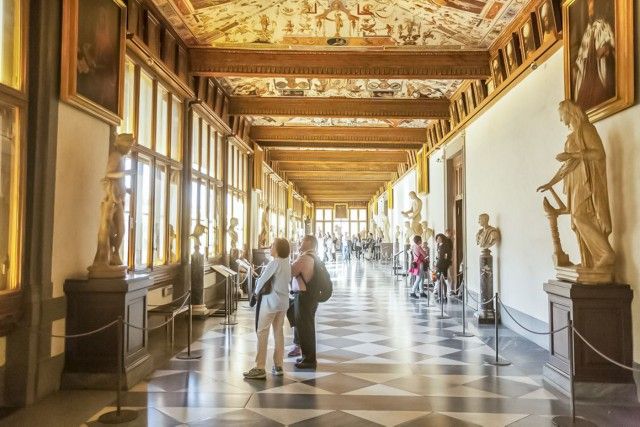
Florence rewards serious museum planning. The FirenzeCard gives you 72 hours of entry to about 60 Florence museums, including the Uffizi Gallery, Accademia Gallery, and Brancacci Chapels. I like the way one card can cover a packed art itinerary, and I like that children under 18 in the cardholder’s family enter free.
The best value comes when you visit several museums each day and reserve the busiest ones early. The main drawback is that the card does not include public transportation or the Duomo complex, and you still need free timed reservations for the Uffizi and Accademia.
In This Review
- Key points to know before buying
- What the FirenzeCard actually gives you
- Collecting your card by Giotto’s Belfry
- Uffizi Gallery: use your reservation wisely
- Accademia Gallery and Michelangelo’s David
- Brancacci Chapels and the smaller museums
- Building a realistic 72-hour plan
- What the pass does not cover
- Is $110 a good deal?
- Who should buy the FirenzeCard?
- Final decision: book it or skip it?
- FAQ
- How long is the FirenzeCard valid?
- Where do I collect the physical FirenzeCard?
- What identification should I bring?
- Are the Uffizi and Accademia included?
- Do children under 18 enter free?
- Does the card include the Duomo complex?
- Is transportation included?
- Can I cancel the booking?
Key points to know before buying
- Three days begin at first museum entry: Your 72-hour clock starts when you first use the physical card, not necessarily when you collect it.
- Uffizi and Accademia reservations are required: The card helps with admission, but you still need to book a time slot for these two major sights.
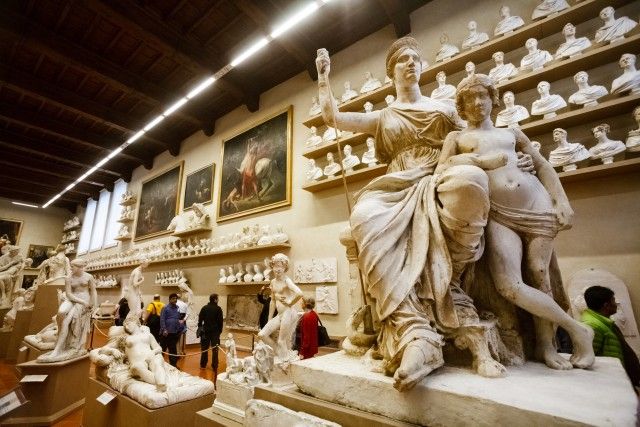
- About 60 museums are included: You can use it for more than Florence’s headline museums, including the Brancacci Chapels and other churches and cultural sites.
- Children under 18 enter free: They must be part of the cardholder’s family unit, and their free reservations still need to be arranged.
- The Duomo is not covered: The cathedral complex and transportation require separate planning and payment.
- Best for an active art schedule: If you see around three venues per day, the $110 price can make financial sense.
What the FirenzeCard actually gives you
The FirenzeCard is Florence’s official museum pass, sold for about $110 per person. It provides admission to roughly 60 participating museums for 72 hours from first activation. That is a generous window in a city where major sights sit close together, but the pass only pays off if you use it with purpose.
You receive a physical card at the meeting point. Bring your passport or ID card when collecting it, then keep the card safe throughout your stay. It is your admission credential, so you will show it at participating museums rather than buying a standard ticket at each location.
The card includes many museums and exhibitions that may otherwise require separate entrance fees. That matters in Florence, because the cost of individual tickets can rise quickly once you add the Uffizi, Accademia, chapels, and smaller collections.
The phrase priority access needs a little care. The FirenzeCard generally saves you from the normal ticket-buying queue, but it does not mean you can ignore timed entry rules or walk straight through every security line. At the Uffizi and Accademia, you must make a reservation. Plan those appointments before you arrive or as soon as you collect the card.
More Museum Tours in Florence
- Florence: Skip-The-Line Uffizi Gallery Timed Entry Ticket
★ 4.5 · 27,832 reviews - Florence: Leonardo Interactive Museum Entry Ticket
★ 4.5 · 11,763 reviews - Florence Accademia Gallery Tour with Entrance Ticket Included
★ 4.5 · 6,148 reviews
Collecting your card by Giotto’s Belfry
The collection point is in front of Giotto’s Belfry, beside the kiosk and ambulance, under a blue flag. You exchange your voucher at the ticket counter and receive the physical FirenzeCard there. Toilet access is available at the meeting point, a small but useful detail after a train journey or a long walk through central Florence.
The location is easy to identify once you are near the cathedral, though the area can feel confusing at first. Look for the blue flag rather than assuming the card is collected inside the cathedral itself. The card office and the Duomo monuments are separate matters, and collecting the pass does not include admission to the cathedral complex.
The staff can also help arrange the required Uffizi and Accademia time slots. This assistance can save you a great deal of fumbling, especially if you are juggling several family members. Still, do not rely on a last-minute visit during the busiest months. Your preferred times may not be available.
Uffizi Gallery: use your reservation wisely
The Uffizi is the card’s biggest draw for many people. Its collection includes famous Renaissance paintings and enough rooms to fill much of a morning. The FirenzeCard can remove the need to buy a regular admission ticket, but you still need a reserved time.
Give yourself room to think after entering. The Uffizi is not a quick photo stop. A three-hour visit can be plenty, especially in hot weather or during crowded periods. You might prefer to focus on the works you most want to see rather than trying to inspect every room.
The card works best here because the Uffizi is one of Florence’s most expensive and popular museums. A timed visit also helps you build the rest of your day around a fixed appointment. Afterward, you can walk to another included site instead of spending time finding a ticket office.
One practical warning: priority admission is not the same as a quiet museum. The galleries can feel packed, and the experience may become tiring if you schedule too many major museums back to back. I would pair the Uffizi with a smaller church or chapel, lunch, and an outdoor walk.
Accademia Gallery and Michelangelo’s David
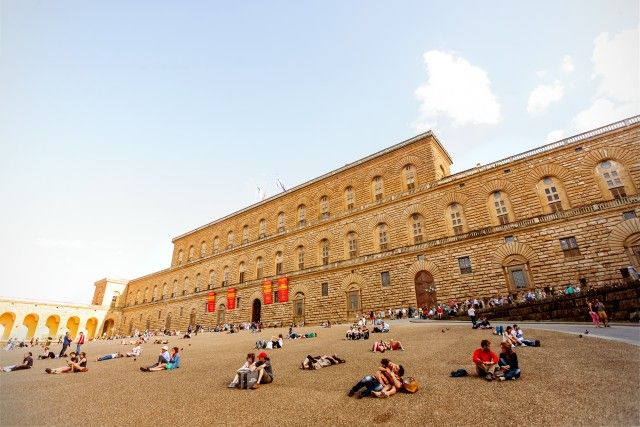
The Accademia is smaller than the Uffizi, but its famous statue of David makes it just as important to reserve. The FirenzeCard covers entry, yet you must arrange a free reservation for your time slot. The same reservation rule applies to children under 18 who are entering with the cardholder.
David is the obvious centerpiece, but do not rush out after seeing him. The museum also contains other works connected with Florence’s artistic traditions, so allow enough time to look beyond the main room. Even a shorter visit can feel worthwhile when you have avoided the standard ticket line.
The Accademia is a good early-day choice. One practical schedule is to reserve it in the morning, visit a nearby included museum afterward, and save the Uffizi for another day. That approach spreads out the two most demanding stops and gives you more flexibility if the heat or crowds become too much.
More galleries and collections:
- Uffizi Gallery Small Group Tour with Guide
★ 4.5 · 4,923 reviews - Florence: Accademia Gallery Guided Tour
★ 4.6 · 4,156 reviews - Florence: Accademia Gallery Guided Tour with Entry Ticket
★ 4.6 · 2,253 reviews - Golf Cart Tour to Fiesole Roman Theatre and Museum
★ 4.5 · 2,039 reviews
Brancacci Chapels and the smaller museums
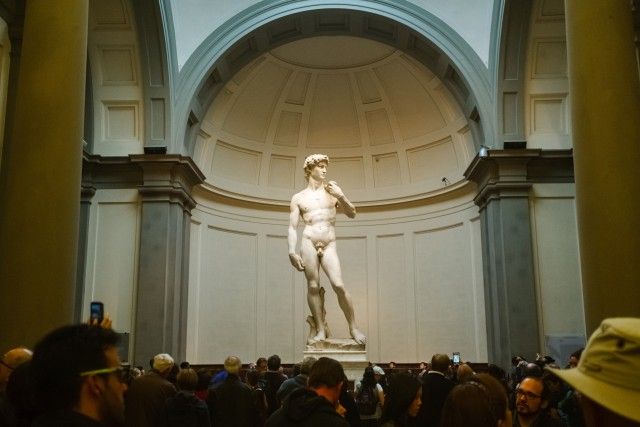
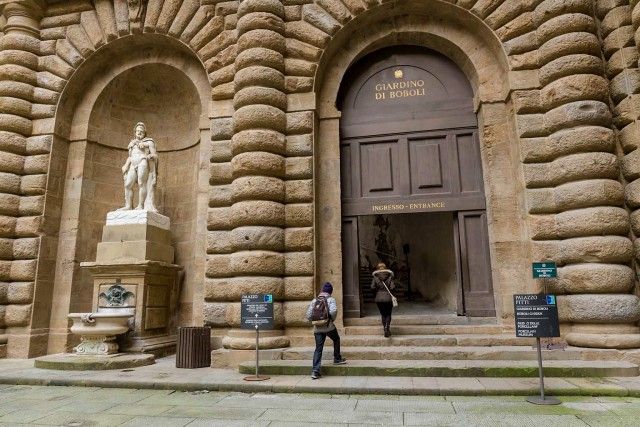
The card earns much of its character through the places beyond the two famous galleries. The Brancacci Chapels are specifically included and offer a very different experience from the huge collections of the Uffizi and Accademia. You can see important religious art in a more focused setting, then return to Florence’s streets without giving up half a day.
The pass also covers many other museums and churches. I like this freedom because you can make a spontaneous choice after lunch. If a small museum catches your attention, you can enter without calculating another ticket price.
This is where the card can turn Florence from a checklist into a more flexible cultural trip. You can visit the major galleries, then use the remaining hours for places you might otherwise skip. The included exhibitions are also useful, particularly when a temporary show would normally add a separate fee.
The tradeoff is that 60 included venues can create too much ambition. You do not need to conquer the entire list. Pick a few major sites, add several smaller ones, and leave time for the streets, squares, churches, and meals that make Florence more than an indoor art circuit.
Building a realistic 72-hour plan
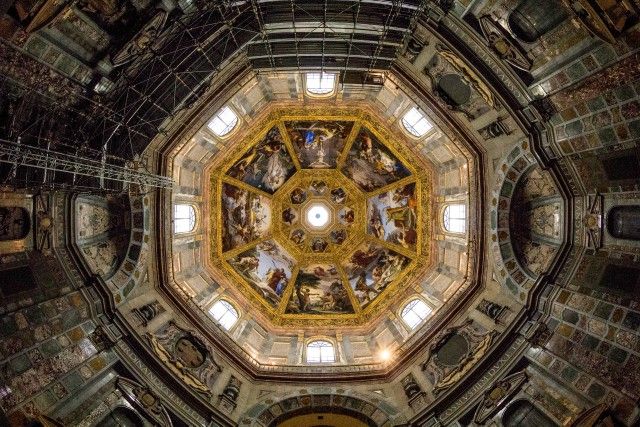
The pass is activated at your first museum entry and lasts for 72 hours. That makes your first swipe important. If you collect the card late in the day, consider waiting to activate it until you are ready to begin your museum schedule, provided that fits your reservation times.
For strong value, I would plan around three venues per day. One visitor used the card for seven venues across the full 72 hours, while another managed four venues between 9 a.m. and 2 p.m. Those numbers show what is possible, but they should not become a race.
A sensible three-day outline could look like this:
- Day one: Accademia in the morning, followed by one or two smaller included museums.
- Day two: Uffizi at your reserved time, then a chapel or church and a long outdoor break.
- Day three: Brancacci Chapels and several additional museums chosen for location and interest.
This plan is only a framework. Florence’s museums do not all share the same opening hours, so check each venue before setting your route. One especially useful lesson from the feedback is to group sites by neighborhood. Walking between nearby museums saves time and keeps the card from becoming a stressful race.
Hot weather can change the calculation. Three large museums in one day may sound efficient on paper but can leave you too tired to enjoy the art. In summer, early mornings are especially valuable, and a slower schedule may give you a better experience even if the financial savings are smaller.
What the pass does not cover
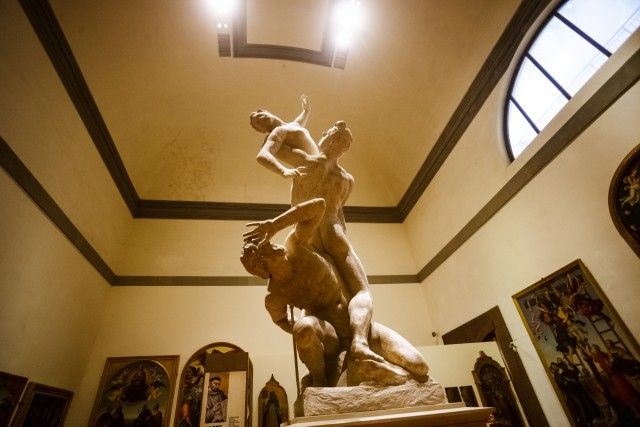
The Duomo complex is not included. That means the cathedral-related monuments require a separate ticket plan, and you should not assume that the FirenzeCard handles the dome, bell tower, baptistery, or other Duomo attractions.
Transportation is also excluded. Florence’s central sights are close enough for walking between many of them, but you still need to budget separately for any bus, tram, taxi, or train journeys outside the walking area.
This distinction matters because the card is a museum pass, not an all-purpose city pass. If your main goal is the cathedral complex, buying the FirenzeCard alone will not solve your admission needs. If your trip centers on museums, the exclusion is less serious.
The partner discounts are a minor extra rather than a reason to buy the card. They include 10 percent off at the Hard Rock Cafe restaurant and shop in Piazza della Repubblica, 15 percent at Andrea Sassi clothing store, 5 percent at Enrico Verità watch shop, and 10 percent at Residenza dei Pucci hotel and P&P Style hair and beauty. The restaurant discount applies to the à la carte menu and excludes alcohol, while the shop discount excludes limited-edition and charity items.
Is $110 a good deal?
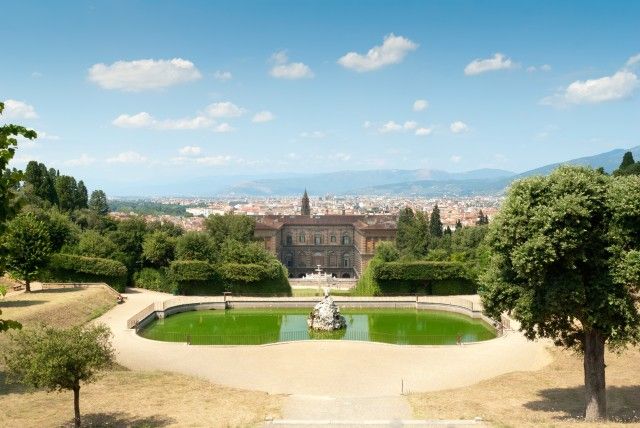
At $110, the FirenzeCard is not automatically a bargain. You need to use it enough to beat the combined price of individual admissions. The strongest case is a three-day visit built around the Uffizi, Accademia, and several additional included venues.
I would consider it good value if you plan to see about three sites per day, especially if exhibitions with extra charges are part of your plan. The card also has real time value. Skipping ticket-purchase queues can matter as much as saving money in a city where popular museums draw heavy crowds.
The value is weaker if you prefer a relaxed trip with only one museum every day. In that case, individual tickets may be easier to manage. The card also makes less sense if your Florence plans center on the Duomo, shopping, food, and outdoor sightseeing.
Families have an easier calculation. Children under 18 in the family unit of the cardholder enter free, although you still need to make their free reservations for the Uffizi and Accademia. For a parent traveling with a child who enjoys art and history, that family benefit can change the numbers in the card’s favor.
Who should buy the FirenzeCard?
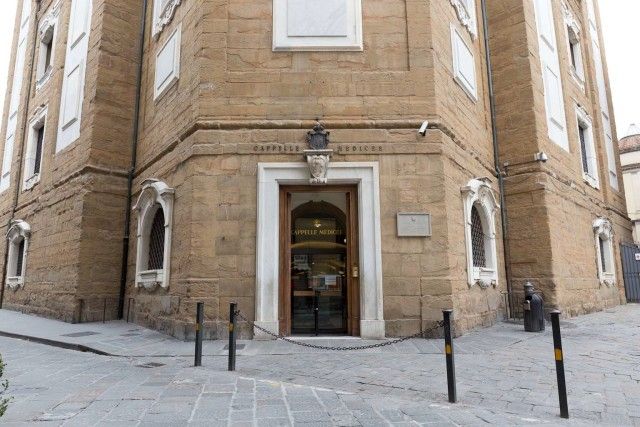
I would recommend it to an art-focused visitor who wants structure and flexibility at the same time. It suits people who already know they want the Uffizi and Accademia, then plan to add several smaller museums.
It is also a good fit for families with children under 18, since the free entry can reduce the total cost. The card is wheelchair accessible, which makes it a practical option for visitors who need an accessible admission credential, though you should still confirm the access arrangements at each individual museum.
I would hesitate if you dislike fixed schedules. The Uffizi and Accademia reservations mean you need to organize at least part of your visit. I would also hesitate if you plan to spend most of your time outside museums, since transportation and the Duomo complex are not included.
The overall rating is 4.2 out of 5 from 308 ratings, which fits the pass well. It is useful, popular, and often a money saver, but only when matched to the right travel style.
Final decision: book it or skip it?
Book the FirenzeCard if you can name at least three or four museums you want to visit and you are willing to reserve the Uffizi and Accademia. Pick up the card early, organize your route by neighborhood, and treat the 72 hours as a flexible museum window rather than a challenge to visit everything.
Skip it if your ideal Florence trip includes one gallery, the Duomo, long lunches, and plenty of wandering. For an active museum schedule, the card saves time and can save money. For a slow sightseeing trip, individual tickets may be simpler.
FAQ
How long is the FirenzeCard valid?
The card is valid for 72 hours, or three days, beginning when you first enter a museum with it.
Where do I collect the physical FirenzeCard?
You collect it in front of Giotto’s Belfry, near the kiosk and ambulance, under a blue flag. Exchange your voucher at the ticket counter.
What identification should I bring?
Bring your passport or ID card when collecting the FirenzeCard.
Are the Uffizi and Accademia included?
Yes. The FirenzeCard includes admission to the Uffizi Galleries and Accademia Gallery, but reservations are required for both.
Do children under 18 enter free?
Yes. Children under 18 in the FirenzeCard holder’s family unit receive free admission. A free reservation is still required for children at the Uffizi and Accademia.
Does the card include the Duomo complex?
No. The Duomo complex is not included in the FirenzeCard.
Is transportation included?
No. Transportation is not included, so you need separate tickets or payment for transport.
Can I cancel the booking?
Yes. You can cancel up to 24 hours in advance for a full refund. You can also reserve now and pay later, according to the booking terms.
Just added around Florence
- Palazzo Vecchio guided experience with entrance ticket★ 4.5 · 249 reviews
- Lucca Bikes and Bites with food tastings for Small Groups or Private★ 5.0 · 249 reviews
- Perfume Masterclass in Florence: Make your Own Personal Fragrance★ 4.5 · 253 reviews
- Florence Oltrarno Neighborhood Food & Wine Dine Around★ 5.0 · 253 reviews
- Florence: Cathedral, Dome and Terraces Guided Tour★ 4.5 · 253 reviews
- Florence: 1.5-hour Santa Croce Guided Experience★ 4.8 · 254 reviews
- Florence: Pitti Palace and Palatina Gallery Ticket and Tour★ 4.9 · 255 reviews
- Private Florence Tour by Golf Cart ETukTuk with Audio Guide★ 4.0 · 256 reviews
Museums, compared.

Vatican: Museums & Sistine Chapel Entrance Ticket
Read our review →
Vatican Museums & Sistine Chapel Tour with Optional Basilica
Read our review →
Vatican Museums, Sistine Chapel & St Peter’s Basilica Guided Tour
Read our review →
Skip-The-Line Uffizi Gallery Timed Entry Ticket
Read our review →
Vatican Museums, Sistine Chapel & Basilica Tour
Read our review →
Vatican Museums & Sistine Chapel Skip-the-Line Entry Ticket
Read our review →Vatican Museums, Sistine Chapel & Basilica Tour
Read our review →
Vatican Museums & Sistine Chapel Guided Tour
Read our review →Browse the lists this tour appears in