
Review · WORKSHOPS
Top Class of Ravioli, Fettuccine and Tiramisu Workshop in Rome
Fresh pasta is Rome’s edible souvenir. This three-hour workshop lets you make ravioli, fettuccine, and tiramisu with a chef, then sit down and eat what the class has prepared. I like the central location and the choice of afternoon or evening start times. The main caution is that hands-on instruction can vary, and a few participants have found the pasta portions or drink service disappointing.
I also like that the class suits beginners and families, with vegetarian meals available if requested when you book. Chefs including Paris, Lori, Lory, Laura, Matt, Mimi, Hassan, Furio, Leo, and Mattia have all been praised for clear instructions and good humor. Still, you should arrive ready for a group activity, not a private lesson.
In This Review
- Four things to know before booking
- What this Rome cooking class is really like
- Arriving at Via Giuseppe Zanardelli 14
- Starting with tiramisu
- Mixing dough for two kinds of pasta
- Ravioli with butter and sage
- Fettuccine with your choice of Roman sauce
- Eating together after the cooking
- Family suitability and vegetarian requests
- Is $84.65 a fair price?
- Who should book this experience?
- FAQ
- How long does the ravioli, fettuccine, and tiramisu class last?
- Where does the cooking class meet?
- What food will I prepare and eat?
- Are drinks included?
- Is a vegetarian option available?
- Can children join the class?
- Should you book it?
Four things to know before booking
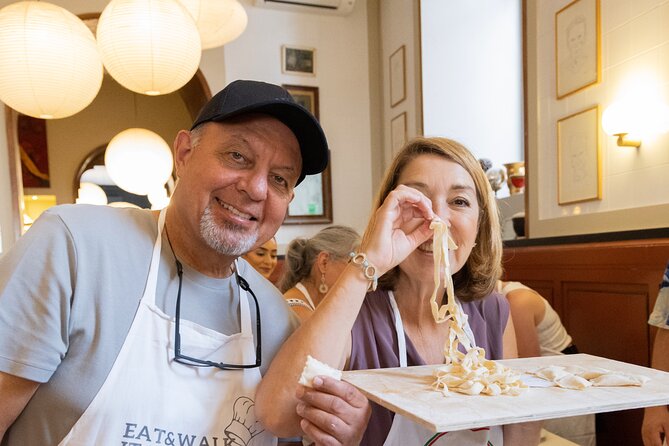
- You make three Italian staples in one class: Fresh pasta dough becomes both fettuccine and ravioli, followed by homemade tiramisu.
- The meal is part of the lesson: After cooking, you eat ravioli with butter and sage, fettuccine with your chosen sauce, and your own tiramisu.
- The class is central but may be upstairs: The meeting point is Via Giuseppe Zanardelli 14, and one useful tip is to check in downstairs if you cannot immediately find the room.
- You choose your pasta sauce: Pick tomato and basil, cacio e pepe, or amatriciana for the fettuccine course.
- Drinks are included, but keep expectations modest: The package includes water, wine or a soft drink, and coffee or limoncello, while extra drinks and food cost more.
- The class is popular: It has a 4.9 rating from 456 ratings, with 97 percent recommending it, but a small number of serious complaints concern organization and portion sizes.
What this Rome cooking class is really like
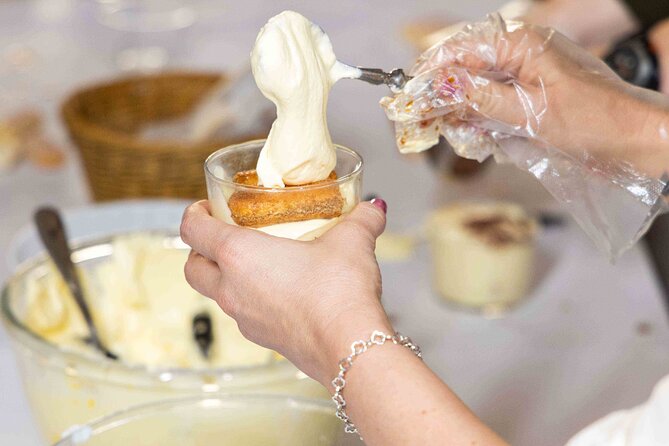
This is a practical, social introduction to Italian cooking rather than a formal culinary course. You arrive at a cozy restaurant in central Rome, receive an apron, and take a place at a personal workstation. The group can include as many as 16 people, though one participant described a group of 10 as comfortable and friendly.
The class lasts about three hours. Expect roughly 1.5 to two hours of preparation, followed by a sit-down meal. That timing matters. You are not simply watching a chef prepare dinner while nibbling snacks. You work with dough, shape ravioli, assemble tiramisu, and then eat the finished courses.
I like this format for a first or second night in Rome. It gives you a meal, an activity, and a bit of Italian food knowledge without taking up an entire day. You also leave with recipes, and one participant noted receiving a tote with the recipes included.
The teaching style depends partly on the chef leading your session. Paris has been praised for keeping the room engaged, while Lori and Lory received credit for clear directions and a relaxed sense of humor. Laura was described as sweet, funny, and attentive, and Matt was praised for making pasta look simple. These details point to a class where personality matters almost as much as technique.
A few more reviews worth comparing before you book
- 3 in 1 Cooking Class near Navona: Fettuccine, Ravioli & Tiramisu
★ 5.0 · 7,376 reviews - Rome: Pasta & Tiramisu Class with Fine Wine by the Vatican
★ 4.9 · 4,852 reviews - Rome: Pasta Making Class with Wine, Limoncello, and Dessert
★ 4.9 · 3,177 reviews
Arriving at Via Giuseppe Zanardelli 14
The official meeting point is Via Giuseppe Zanardelli 14, 00186 Rome. It is in central Rome and close to public transportation, so you can fit the class into a sightseeing day without making a long trip to the edge of town.
Finding the exact entrance may take a little care. A participant reported that the class was on the second floor above Antico Cafe Ruschena and that checking with the restaurant downstairs helped locate the room. Another account referred to the experience at Oste Cavour, so venue signage may not be immediately obvious. Use Google Maps, allow extra time, and ask downstairs if you do not see a class check-in right away.
The meeting point is also the ending point. That is convenient if you want to continue walking through central Rome afterward, but it means you should plan your onward route before the pasta begins. Once you are covered in flour and thinking about tiramisu, route planning becomes less appealing.
Smart casual clothing is requested. An apron is provided, but you are still cooking and handling flour, pasta, fillings, and dessert ingredients. Wear something comfortable and easy to move in.
Starting with tiramisu
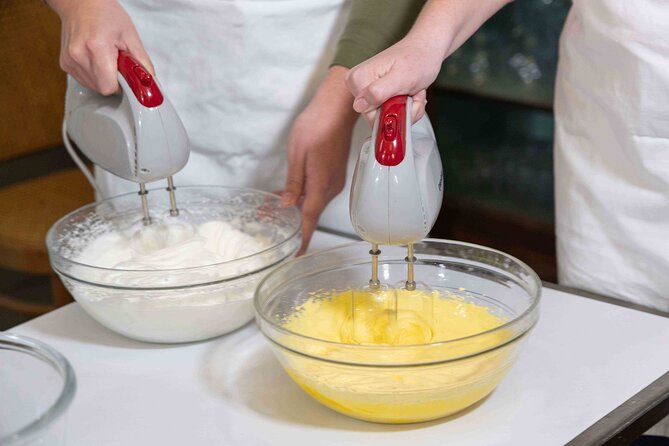
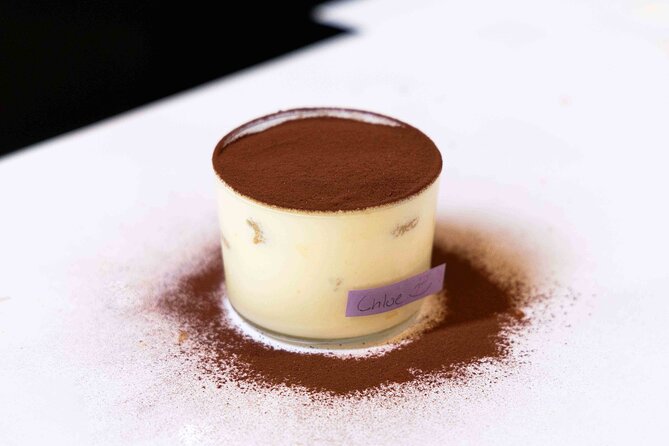
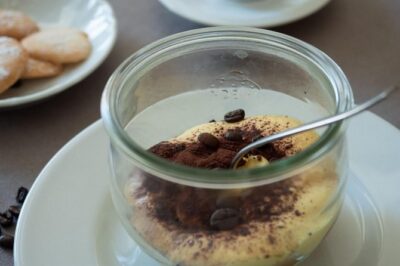
The tiramisu often comes first because it needs time to chill. You work through the traditional recipe before moving on to the pasta. This is a smart order, since the dessert can rest while you make the main courses.
The class gives you a chance to follow each stage rather than simply receive a prepared dessert. Chef Mimi was praised for explaining the process clearly, and Chef Matt adapted the tiramisu for a child who did not enjoy coffee. That suggests some flexibility in the teaching, although you should not assume every dietary or taste preference can be changed unless you ask in advance.
Tiramisu is also a good confidence builder. It requires less physical work than rolling pasta, so you get an early success before tackling the dough. Several participants singled out the dessert as a favorite, including one person who said they had never liked tiramisu until making and tasting this version.
The dessert course is homemade tiramisu, followed at the end of the meal by your choice of hot coffee or a shot of limoncello. Do not confuse those two items. The tiramisu is part of the food you make, while the coffee or limoncello is a finishing drink.
Mixing dough for two kinds of pasta
Next comes the pasta dough, which becomes both fettuccine and ravioli. You learn to mix and prepare the dough from scratch, then roll it out at your workstation. This is the most useful part of the class if you want to cook Italian food at home, because the same basic dough gives you two very different shapes.
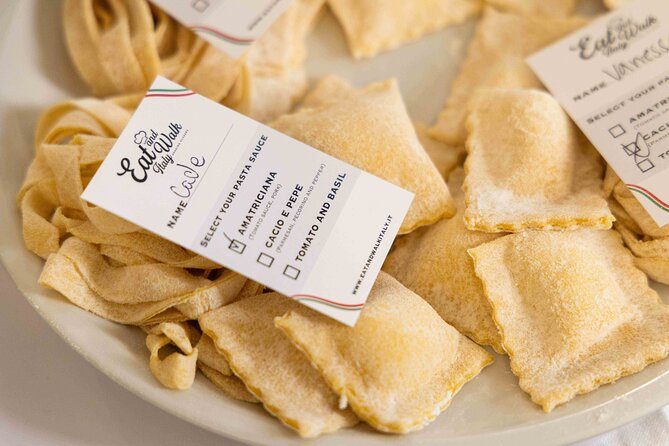
Fettuccine requires cutting the dough into long ribbons. Ravioli requires more careful handling, since you add filling, seal the pasta, and shape the edges. The filling is spinach with ricotta and Parmigiano, producing a soft, mild center that works well with the simple butter and sage sauce.
The process is beginner-friendly, but it is not effortless. Rolling pasta thinly and evenly takes a little patience. That is part of the fun, particularly in a group where everyone is learning at once. You may produce ribbons of different widths or ravioli with charmingly uneven edges. In a cooking class, that is not a failure. It is evidence that you actually handled the food.
Instruction quality appears to be strongest when the chef moves around the room and gives individual help. Chef Furio was specifically praised for offering one-on-one feedback, while Chef Lory was credited with making pasta feel easy through clear directions. If you need extra help, ask directly rather than waiting for the chef to notice.
One important point deserves honest attention: a few participants questioned whether each person received the exact pasta they made. Their concern was that pasta from the group may be combined during cooking and then served together. The supplied description promises the dishes you create, but it does not explain a personal labeling or serving system. If eating your exact pieces matters to you, ask the instructor how the pasta is handled before it goes into the pot.
A different sort of day out around Rome:
- Vatican: Museums & Sistine Chapel Entrance Ticket
★ 4.5 · 144,003 reviews - Vatican Museums & Sistine Chapel Tour with Optional Basilica
★ 4.3 · 67,413 reviews - Colosseum, Roman Forum & Palatine Guided Tour
★ 4.7 · 63,148 reviews - Vatican Museums, Sistine Chapel & St Peter’s Basilica Guided Tour
★ 4.5 · 39,149 reviews
Ravioli with butter and sage
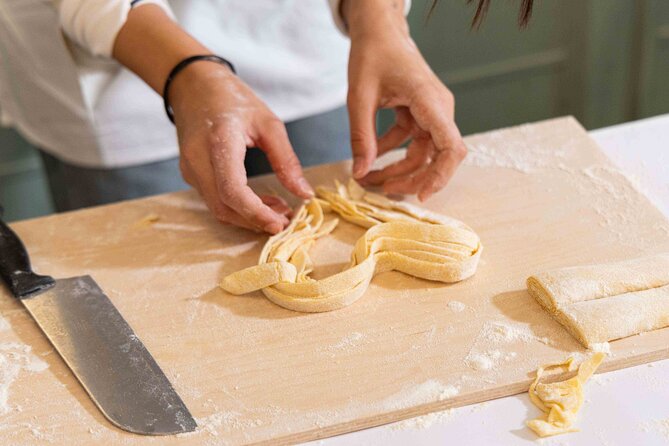
The first pasta course is ravioli filled with ricotta and Parmigiano, served with butter and sage. This is a classic Roman-style combination because it lets the filling and fresh pasta do most of the talking. The sauce is simple, rich, and fragrant rather than heavily seasoned.
You do not make the sauces yourself. That keeps the class within its three-hour schedule, but it also limits the lesson. You learn the dough, shaping, filling, and dessert, not a complete sauce-making curriculum.
That trade-off is worth understanding before you book. If your goal is to learn how to roll and shape pasta, the class offers a lot. If you want a full restaurant-kitchen course covering stocks, sauces, knife work, and timing, this experience will feel more like an enjoyable introduction.
The ravioli portion may not be huge. Two complaints described small servings, including one account of four ravioli per person. Portions can vary, but you should not book this expecting a giant dinner. The menu includes two pasta courses, dessert, and drinks, so the total meal may still satisfy you, but hearty eaters should keep the serving style in mind.
Fettuccine with your choice of Roman sauce
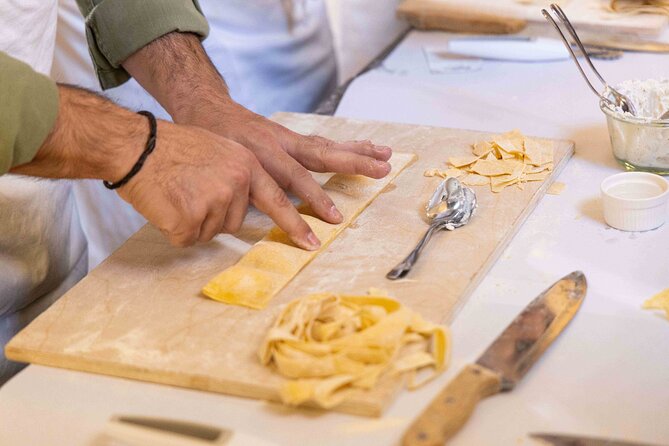
For the fettuccine, you choose one of three sauces:
- Tomato and basil
- Cacio e pepe
- Amatriciana
This choice adds a pleasant bit of control to the meal. Tomato and basil is the simplest and most familiar option. Cacio e pepe brings cheese and pepper, while amatriciana offers a stronger Roman character. The class does not include making these sauces, but the selection lets you match the pasta to your taste.
You also receive a glass of red or white wine, or a soft drink. Water is included. At the end, you choose coffee or limoncello.
Here is where you should pay close attention at the restaurant. The package says beverages are included, but two participants described confusion when staff asked about wine and later presented a charge for drinks. Another person felt the wine pour was small and inexpensive. These accounts conflict with the stated inclusions, so confirm what is included before ordering anything beyond the listed drink.
Do not accept an extra beverage simply because it sounds like part of the class. Ask the price first. Extra drinks and extra food are not included, and clear communication at check-in can prevent an unpleasant surprise.
Eating together after the cooking
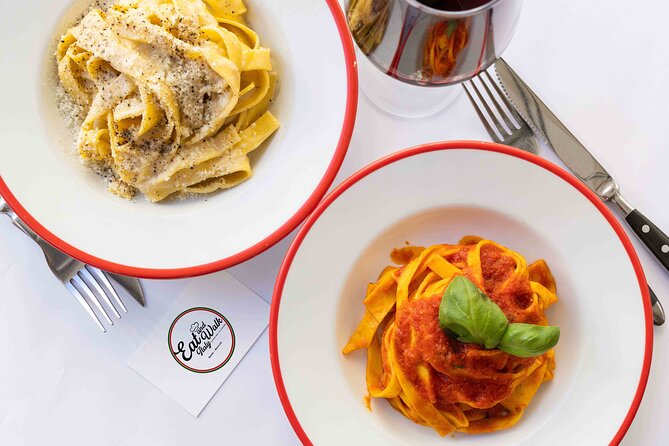
Once the preparation is complete, you sit down in the restaurant dining area, either indoors or outside depending on the setup. This shared meal is a major part of the experience. You are not rushing off after the last ravioli is shaped.
The social side works especially well for couples, families, and solo participants who enjoy meeting people over food. One family described the class as a favorite meal of their Italy trip, and another couple enjoyed talking with the group over wine. A group that cooks together tends to relax quickly, especially after everyone struggles with the same dough.
The food itself is the reward for paying attention. Your meal includes the ravioli, fettuccine with your chosen sauce, homemade tiramisu, water, wine or a soft drink, and coffee or limoncello. Several participants praised the finished dishes and said the class inspired them to make pasta at home.
Still, the dining service may not feel polished every time. A few accounts criticized the wine quantity, food portions, and waitstaff. I would treat the meal as a pleasant conclusion to a cooking lesson, not as a substitute for a carefully planned Roman restaurant dinner.
Family suitability and vegetarian requests
The class works well for families because the tasks are concrete and easy to understand. Children can mix, roll, fill, and shape food, and several families described the experience as memorable for their children. Children must be accompanied by an adult.
That said, the class may lean young in some sessions. One adult participant felt the chef focused too much on children and left adults without enough feedback. If you are booking as a group of adults who want serious instruction, ask questions, volunteer for demonstrations, and request help at your workstation.
Vegetarian food is available if you advise the operator at booking. Do this early rather than trying to explain it once the class has begun. The listed ravioli filling is spinach, ricotta, and Parmigiano, while sauce choices should still be confirmed for your needs.
The experience is offered in English. That makes it a practical choice if you want cooking instructions without relying on a translation app while handling dough.
Is $84.65 a fair price?
At $84.65 per person, the price is not bargain dining, but it covers more than a meal. You receive approximately three hours of instruction and activity, an apron to use, three dishes, wine or a soft drink, water, and coffee or limoncello. You also gain recipes to try at home.
The value is strongest if you want an organized activity and a full meal in one booking. A central Rome cooking class can also save you the effort of finding dinner after a long sightseeing day. For families, the entertainment value adds something that a regular restaurant meal does not provide.
The value is weaker if you mainly want a large portion, premium wine, or intensive personal coaching. Extra food and drinks cost more, and some accounts describe modest pours and servings. I would book this for the lesson and the shared experience, with the meal as a tasty bonus.
The class is popular, often booked about 47 days ahead. That does not mean you must reserve nearly seven weeks out, but it does suggest booking early for a preferred mid-afternoon or evening time, especially if you need a vegetarian option or are coordinating a family group.
Who should book this experience?
I would recommend it to:
- First-time pasta makers
- Couples seeking a relaxed evening activity
- Families with children and an accompanying adult
- Food lovers who want recipes they can repeat at home
- Visitors who prefer an activity near central Rome
- People who enjoy a social group setting
I would be more cautious if you want a private class, strict control over your individual pasta, large portions, or a serious chef-training session. The maximum group size is 16, and the actual atmosphere depends on the chef and the mix of ages in your session.
Free cancellation is available if you cancel at least 24 hours before the start time. Changes or cancellations inside that window are not accepted for a refund.
FAQ
How long does the ravioli, fettuccine, and tiramisu class last?
The experience lasts approximately three hours. Cooking takes about 1.5 to two hours, followed by time to sit down and eat the food prepared during the class.
Where does the cooking class meet?
The meeting point is Via Giuseppe Zanardelli 14, 00186 Rome, Italy. The activity ends back at the same meeting point.
What food will I prepare and eat?
You prepare ravioli filled with ricotta, spinach, and Parmigiano, fettuccine with your choice of tomato and basil, cacio e pepe, or amatriciana, and homemade tiramisu.
Are drinks included?
The package includes water, a glass of red or white wine or a soft drink, and your choice of coffee or limoncello. Extra drinks and extra food are not included.
Is a vegetarian option available?
Yes. You must advise the operator at the time of booking if you need the vegetarian option.
Can children join the class?
Yes. Children must be accompanied by an adult. The maximum group size is 16 people, and the class is offered in English.
Should you book it?
Book this class if you want to make fresh pasta, eat a three-course meal, and spend a sociable few hours in central Rome. The strongest part is the combination of simple instruction, hands-on shaping, and the satisfaction of eating your finished work. Chefs such as Laura, Paris, Lory, Matt, and Furio have been praised for warmth, humor, and clear guidance.
Go in with realistic expectations. It is not a private culinary apprenticeship, the sauces are prepared for you, and drink portions or pasta servings may feel modest. Confirm included drinks before accepting anything extra, arrive early enough to find the upstairs check-in, and ask how the pasta will be separated during cooking.
For beginners, families, and anyone who wants more than another restaurant meal, the class is a good use of an afternoon or evening. For serious home cooks seeking detailed technique, look for a smaller specialist class instead.
Just added around Rome
- Rome City, Pantheon, and Trevi Fountain Walking Tour★ 5.0 · 249 reviews
- Rome: Skip the line Vatican Museums & Sistine Chapel Tour★ 4.2 · 251 reviews
- Rome: Tivoli Day Trip with Villa d’Este and Villa Adriana★ 4.5 · 251 reviews
- Transfer Rome center – Ciampino Airport★ 4.5 · 251 reviews
- Rome: Cannondale E-Bike Evening Tour with Optional Dinner★ 4.9 · 251 reviews
- VIP Colosseum, Roman Forum & Palatine Hill & Special Access Sites★ 4.5 · 252 reviews
- Private Vatican Museums Hidden Gems Tour with Optional Pick-Up★ 5.0 · 253 reviews
- Vatican Museums & Sistine Chapel Skip-the-Line Guided Tour★ 4.6 · 254 reviews
Workshops, compared.

3 in 1 Cooking Class near Navona: Fettuccine, Ravioli & Tiramisu
Read our review →
Florence Pizza or Pasta Class with Gelato Making at a Tuscan Farm
Read our review →
Pasta & Tiramisu Cooking Class with Unlimited Wine
Read our review →
Pizza-Making Workshop with Drink and Appetizer
Read our review →
Pasta & Tiramisu Class with Fine Wine by the Vatican
Read our review →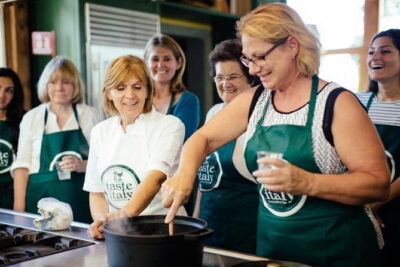
Cooking Class and Lunch at a Tuscan Farmhouse with Local Market Tour from Florence
Read our review →Browse the lists this tour appears in