
Review · TREVI FOUNTAIN & PANTHEON TOURS
Rome: Trevi Fountain District and Underground Domus Guided Tour
Rome keeps its oldest secrets below street level. This short tour takes you nine meters underground beside the Trevi Fountain, where you can see a Roman villa, a water tank linked to the Vergine aqueduct, and artifacts found beneath a cinema. I like the small group of up to 15 people and the clear connection between ancient water engineering and the fountains above. The main drawback is scale: Vicus Caprarius is fascinating, but it is a compact archaeological site, not a maze of tunnels.
I also like the tour’s easy location and brisk 55-minute length. You get a guided look at a place many people walk past without noticing, then finish at the Trevi Fountain with time for photos and a coin toss. At $53.10 per person, though, you are paying for the guide, reserved entry, and convenience, not for a large attraction or a full walking tour of the Trevi district.
In This Review
- Key points at a glance
- Why this underground stop changes your view of Trevi
- Meeting at Vicolo del Puttarello 25
- Going nine meters underground at Vicus Caprarius
- The artifacts that give the site a human story
- Understanding Rome as the City of Water
- Ending at the crowded Trevi Fountain
- Is $53.10 a fair price?
- Who will enjoy this 55-minute tour?
- Practical timing and booking advice
- Should you book the Vicus Caprarius tour?
- FAQ
- Where does the tour begin?
- Where does the tour end?
- How long does the experience last?
- Is the tour offered in English?
- How far underground does the tour go?
- What can I see at Vicus Caprarius?
- How large is the tour group?
- Is the site suitable for people with mobility impairments?
- What is included in the price?
- Can I cancel for a full refund?
Key points at a glance

- Nine meters below Rome: Visit Vicus Caprarius, an underground archaeological site discovered in 1999 beneath a cinema.
- The water story comes first: See a tank connected to the ancient Vergine aqueduct and learn why this part of Rome is called the City of Water.
- Small but packed with objects: Look for polychrome marble, the head of Alessandro Helios, 800 Roman coins, and African oil amphorae.
- A short tour with a clear finish: Spend about 45 minutes underground, then around 10 minutes at the Trevi Fountain.
- Guide quality matters: Erica, Michelle, Noemi, and Neomi receive especially warm praise for lively, clear presentations.
- Plan for stairs and tight quarters: The site is not suitable for people with mobility impairments, and the underground rooms can feel crowded.
Why this underground stop changes your view of Trevi
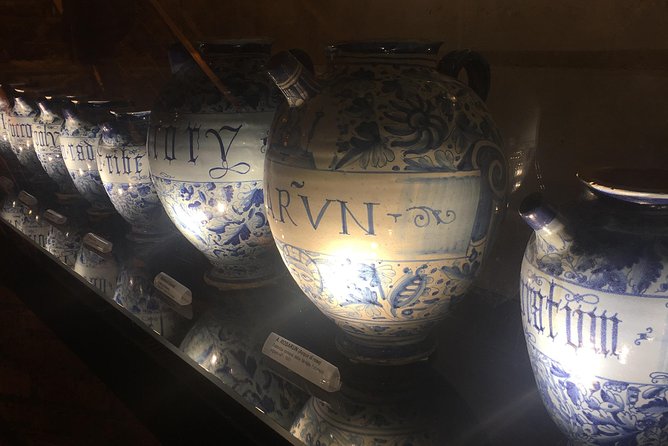
Most people experience the Trevi Fountain from street level. You squeeze toward the balustrade, aim your camera through a sea of heads, and perhaps toss in a coin before moving on. This tour gives you another way to understand the fountain: by going below the streets and looking at the water system that helped shape this part of Rome.
The connection is the heart of the experience. Vicus Caprarius is not simply an underground room filled with old stones. It shows how Rome was built in layers, with later buildings covering earlier homes, tanks, and water channels. The ancient Vergine aqueduct still provides the story’s central thread.
I find that useful because the Trevi Fountain can feel like an isolated monument. Underground, you see that it belongs to a much older system. The water is not just decoration. It is part of a long Roman tradition of collecting, moving, storing, and displaying water.
The tour is conducted in English and usually lasts about 55 minutes. That makes it easy to fit between larger sights, lunch, or an evening stroll. It is also short enough for children or for anyone who wants an extra historical stop without signing up for a half-day commitment.
More Trevi and Pantheon walks:
- Rome: Pantheon Fast-Track Ticket and Official Audio Guide
★ 4.3 · 21,008 reviews - Pantheon Reserved Entry Ticket with Audio Guide
★ 4.0 · 4,486 reviews - Rome: Pantheon Timeless Marvel Guided Tour with Entry Ticket
★ 4.9 · 4,002 reviews
Meeting at Vicolo del Puttarello 25
You meet at Vicolo del Puttarello 25, the entrance to Vicus Caprarius, only steps from the Trevi Fountain. There is no hotel pickup, so you need to make your own way there. The site is near public transportation, and the meeting point is also close to one of Rome’s most famous landmarks, making it simple to combine with other plans in the historic center.
Arrive at the address rather than waiting at the fountain itself. You redeem your ticket at the archaeological site and meet the guide there. This matters because the streets around Trevi are crowded and easy to confuse, especially if you are trying to match a tour time with a map app.
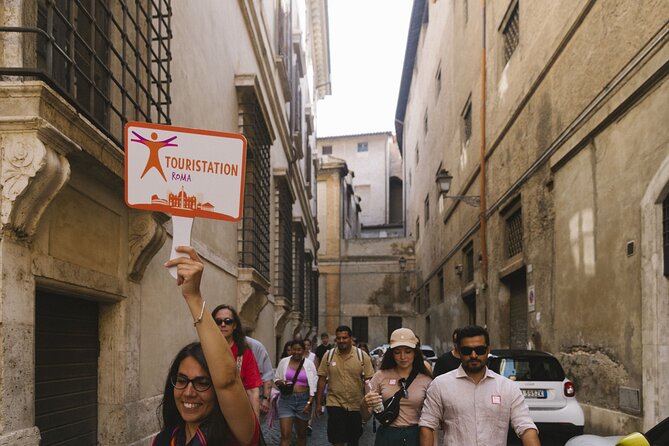
The tour has a maximum group size of 15. That is not private touring, but it is small enough for a guide to speak to the group without turning the visit into a shouted lecture. Several guides receive strong praise for making room for questions and keeping the mood lively.
Erica is singled out for humor, warmth, and an easy way of explaining complicated Roman history. Michelle is praised for her energy and attention to detail. Noemi and Neomi also receive high marks for making the water system clear and interesting. Your guide will depend on the departure, but the experience is clearly helped by a guide who can bring life to a fairly compact site.
Going nine meters underground at Vicus Caprarius
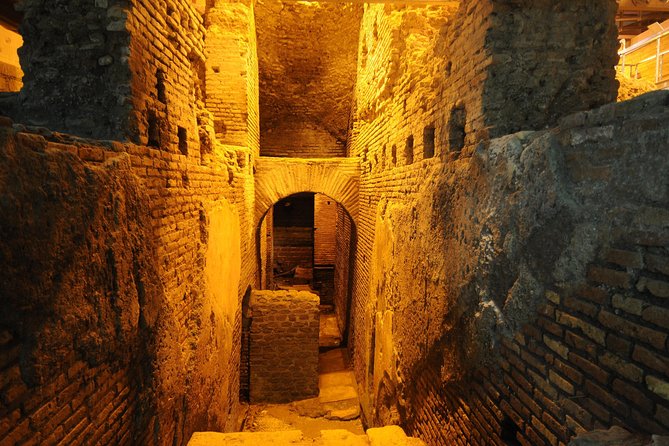
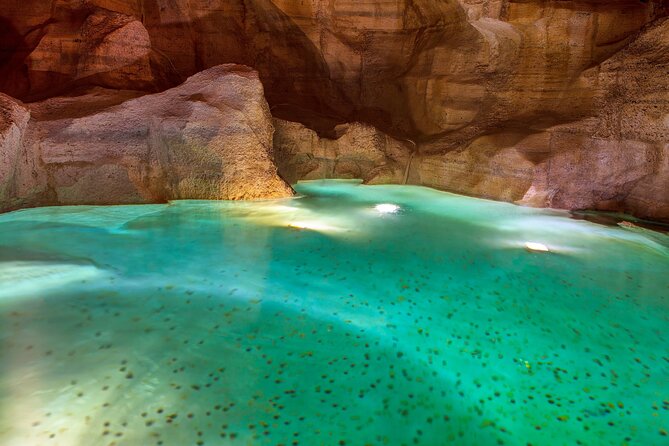
The main portion takes place at Vicus Caprarius, also called the City of Water. The archaeological area was found in 1999 in the basement of a cinema. That origin alone gives the place a very Roman lesson: modern Rome sits directly over ancient Rome, and major discoveries can appear beneath ordinary buildings.
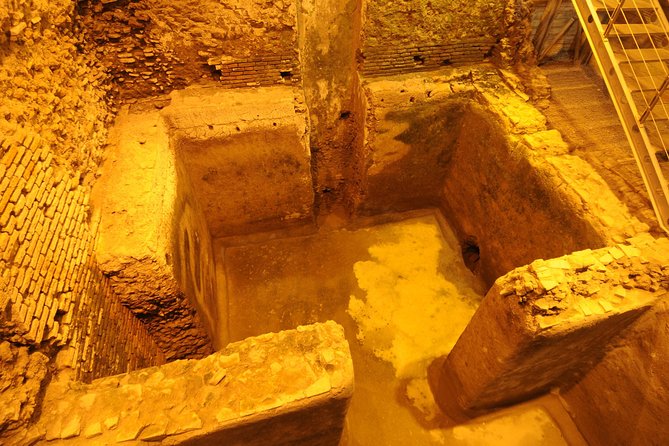
You descend roughly 30 feet, or nine meters, below the present streets. Inside are remains associated with a Roman villa and an ancient cistern or water tank connected to the Vergine aqueduct. The guide explains how the system worked and how water was managed long before modern pipes and pumps.
The site is small. Expect two levels and a limited set of rooms rather than a long underground route. Some people will appreciate the focus. You can spend time looking closely at the masonry, water structures, and objects instead of racing through a huge complex. Others may feel the admission price is high for an area that can seem like one main room.
That difference in expectation is important. If you want dark corridors stretching under Rome, this is not that experience. If you enjoy seeing a specific archaeological site and learning how it connects to the city above, the compact size works better.
The underground setting also offers a break from the noise and heat at street level. Do not expect total quiet, since the rooms may become crowded, but the change of atmosphere is welcome. The stone walls, low spaces, and visible waterworks make the visit feel separate from the Trevi crowds just overhead.
The artifacts that give the site a human story
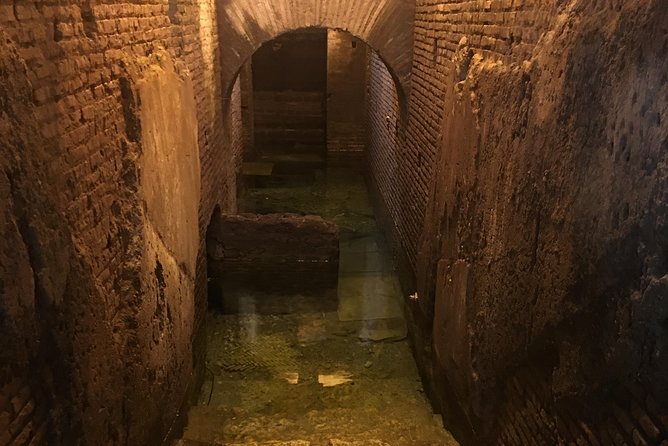
The objects found at Vicus Caprarius add variety to the stonework. You may see precious polychrome marble coverings, which point to the decoration and status of the buildings that once occupied this area.
Another notable object is the head of Alessandro Helios. The tour also includes a collection of 800 coins found at the site. A coin hoard turns an abstract story about ancient Rome into something more personal. These were objects handled, saved, lost, or hidden by people who lived in the city long ago.
The African amphorae called spatheia are another highlight. These special containers were used to transport oil. Their presence helps show that Rome was tied to a broad commercial world, with goods moving into the city from outside Italy.
I like that the tour does not rely only on grand monuments. Marble fragments, coins, and shipping containers can tell you how people decorated homes, used money, and supplied the city. The guide’s job is to connect these items to daily life, and that is where the best departures become more than a quick look at an excavation.
The site may be especially worthwhile if you have already seen Rome’s main monuments. The Colosseum, Pantheon, and Trevi Fountain show Rome at its most monumental. Vicus Caprarius gives you a smaller, closer look at the city’s buried layers.
A few more reviews worth comparing before you book
- Vatican: Museums & Sistine Chapel Entrance Ticket
★ 4.5 · 144,003 reviews - Vatican Museums & Sistine Chapel Tour with Optional Basilica
★ 4.3 · 67,413 reviews - Colosseum, Roman Forum & Palatine Guided Tour
★ 4.7 · 63,148 reviews - Vatican Museums, Sistine Chapel & St Peter’s Basilica Guided Tour
★ 4.5 · 39,149 reviews
Understanding Rome as the City of Water
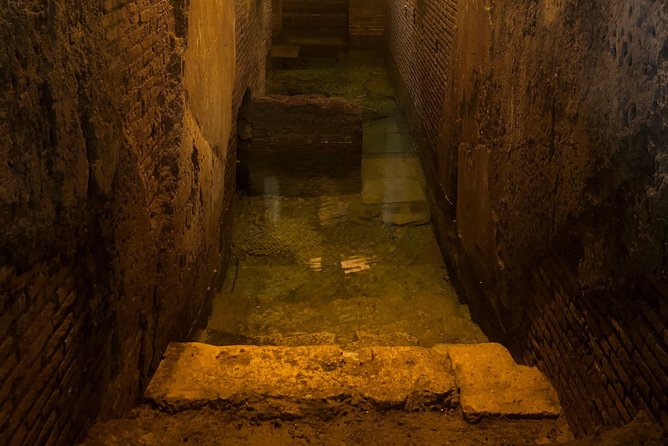
The water theme is not a minor detail. It gives the visit a clear purpose. Rome’s fountains depend on the same broad tradition of bringing water into the city, storing it, and directing it where people need it.
At Vicus Caprarius, you see a tank connected to the Vergine aqueduct. The guide explains the ancient system and how the water relates to the fountains in the area. That context makes the Trevi Fountain easier to appreciate once you return upstairs.
The tour also touches on sanitation and the practical side of urban life. One guest particularly enjoyed the way the experience linked water with the history of toilets and public sanitation. The subject may sound less glamorous than marble fountains, but it helps explain why reliable water mattered so much to Roman society.
This is the strongest educational feature of the experience. You are not just told that Rome is old. You learn how one essential system helped the city function across centuries. The information is also easy to carry into the rest of your sightseeing. When you see another fountain or aqueduct in Rome, you have a better sense of what lies behind the water.
Ending at the crowded Trevi Fountain
After the underground visit, the tour ends back at the Trevi Fountain area. The final portion is listed at about 10 minutes. You can take photos, hear about the fountain district, and toss a coin into the water if you wish. Local legend says a coin ensures that you will return to Rome someday.
Keep your expectations realistic here. This is not a long guided walk through the Trevi district, and it is not a private viewing of the fountain. The area is often very crowded, which can make it difficult to hear a guide or get a clean photograph.
One of the practical strengths is that you finish at the fountain rather than having to find it afterward. The guide can point you in the right direction and explain the coin legend. Still, the fountain itself is free to see, and you can visit it without booking this tour.
That is why I would treat the fountain stop as a useful ending, not the main reason to buy the experience. The value lies underground. The Trevi portion adds a convenient connection and a few minutes of orientation.
Is $53.10 a fair price?
At $53.10 per person, this is not the cheapest way to see Vicus Caprarius. A self-guided ticket was reported as costing about 4 euros per person, which creates a large price difference. You should consider that carefully before booking.
The guided option includes reserved entry, assistance from Touristation staff, an English-speaking guide, and Italian gelato. You are paying for interpretation and planning. If you enjoy asking questions, want the water system explained, or prefer not to work out the archaeological story from display panels, the guide can justify some of the extra cost.
The price is harder to defend if you mainly want to enter the site, look around briefly, and take a few pictures. Because the excavation is small, you may feel that you have seen the main area quickly. Several lower-scoring experiences came from people who expected a larger underground network or a full Trevi Fountain tour.
I would book the guided version for someone who values context and has limited time. I would consider the self-guided option if saving money matters most and you are comfortable exploring a compact archaeological site on your own.
Who will enjoy this 55-minute tour?
This experience suits you if you like archaeology, engineering, and the less obvious sides of Rome. It is also a smart choice for a second or third visit, when you have already covered the major sights and want something different near the center.
Families can manage the short duration, and the guide’s storytelling may hold attention better than a long museum visit. Still, children who expect tunnels, treasure chambers, or a large underground city may be disappointed by the site’s size.
The tour is not suitable for people with mobility impairments. The descent underground and the nature of the archaeological site make access a real consideration. Ask for specific details before booking if stairs or uneven surfaces are a concern, since the supplied information does not describe the exact route.
You should also think about heat and crowd levels. The underground rooms offer relief from the sun, but they can become crowded. A small group helps, yet the physical space remains limited.
Practical timing and booking advice
This tour is often booked around 39 days ahead, so you should reserve early if your Rome dates are fixed. That is especially sensible if you want a particular time or are traveling with a group.
Free cancellation is available up to 24 hours before the start time for a full refund. Changes or cancellations inside that 24-hour window are not accepted for a refund, and the cut-off uses Rome’s local time. The experience also requires a minimum number of participants. If that minimum is not reached, you are offered another date or experience, or a full refund.
Wear shoes that feel secure on stairs and keep the meeting address handy. The tour does not include transportation to or from your hotel, and food and drinks are not included apart from the stated Italian gelato.
Should you book the Vicus Caprarius tour?
Book it if you want a short, guided look at Rome’s buried water system and you value a strong guide. Erica, Michelle, Noemi, and Neomi are praised for clear explanations, humor, and enthusiasm, and that personal presentation can make a small excavation feel worthwhile.
Skip it if you expect extensive tunnels, a long tour of the Trevi district, or a major underground monument. You can see the fountain for free, and a much cheaper self-guided visit may suit you better.
My advice is simple: think of this as a focused archaeology lesson beside Trevi Fountain, not a complete Trevi tour. At $53.10, the guide is the deciding factor. If you want the ancient water story brought to life, book it. If you only want to look at the ruins, save your money and consider the self-guided entry.
FAQ
Where does the tour begin?
It begins at Vicolo del Puttarello 25, 00187 Rome, at the Vicus Caprarius archaeological site.
Where does the tour end?
The activity ends back at the meeting point, after the underground visit and Trevi Fountain portion.
How long does the experience last?
The full experience lasts approximately 55 minutes. About 45 minutes are allocated to Vicus Caprarius and about 10 minutes to the Trevi Fountain.
Is the tour offered in English?
Yes. The tour is offered in English.
How far underground does the tour go?
The site is approximately 30 feet, or nine meters, below the streets of Rome.
What can I see at Vicus Caprarius?
You can see remains of a Roman villa, a water tank connected to the Vergine aqueduct, polychrome marble coverings, the head of Alessandro Helios, 800 coins, and African amphorae called spatheia.
How large is the tour group?
The maximum group size is 15 people.
Is the site suitable for people with mobility impairments?
No. The experience is listed as not suitable for people with mobility impairments.
What is included in the price?
The price includes Touristation staff assistance, reserved entry to Vicus Caprarius, the guided tour, access to the Trevi Fountain portion, and Italian gelato. Hotel transportation, food, and drinks are not included.
Can I cancel for a full refund?
Yes. You can cancel at least 24 hours before the start time for a full refund. Cancellations or changes made less than 24 hours before the start time are not accepted for a refund.
Just added around Rome
- Rome City, Pantheon, and Trevi Fountain Walking Tour★ 5.0 · 249 reviews
- Rome: Skip the line Vatican Museums & Sistine Chapel Tour★ 4.2 · 251 reviews
- Rome: Tivoli Day Trip with Villa d’Este and Villa Adriana★ 4.5 · 251 reviews
- Transfer Rome center – Ciampino Airport★ 4.5 · 251 reviews
- Rome: Cannondale E-Bike Evening Tour with Optional Dinner★ 4.9 · 251 reviews
- VIP Colosseum, Roman Forum & Palatine Hill & Special Access Sites★ 4.5 · 252 reviews
- Private Vatican Museums Hidden Gems Tour with Optional Pick-Up★ 5.0 · 253 reviews
- Vatican Museums & Sistine Chapel Skip-the-Line Guided Tour★ 4.6 · 254 reviews
Trevi Fountain & Pantheon Tours, compared.

Pantheon Fast-Track Ticket and Official Audio Guide
Read our review →
Pantheon Reserved Entry Ticket with Audio Guide
Read our review →
Pantheon Timeless Marvel Guided Tour with Entry Ticket
Read our review →
Pantheon Priority Entry Ticket & Audio Guide App
Read our review →

Pantheon Elite Guided Tour – Rome’s Iconic Ancient Temple
Read our review →
Rome’s Iconic Temple: Pantheon Audio Guided Tour with Fast Access
Read our review →
Pantheon Small-Group Guided Tour with Entry Ticket
Read our review →Browse the lists this tour appears in