
Review · OPERA & CLASSICAL CONCERTS
Rome: La Traviata at St. Paul’s Within the Walls
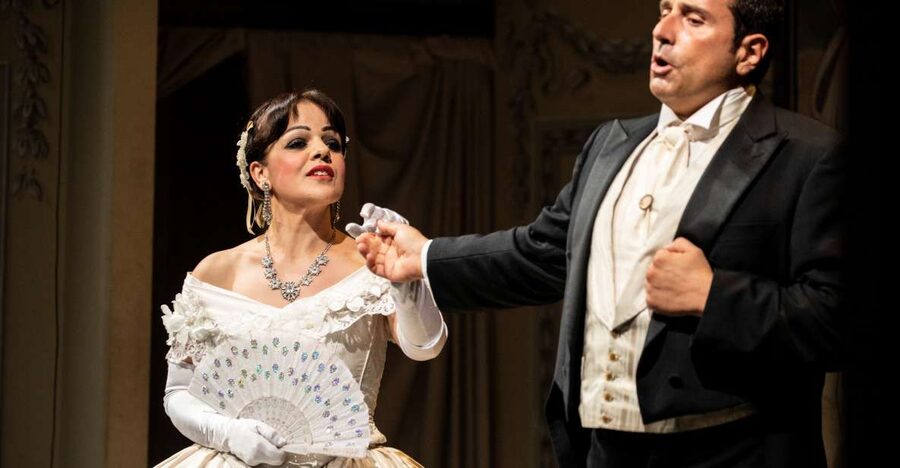
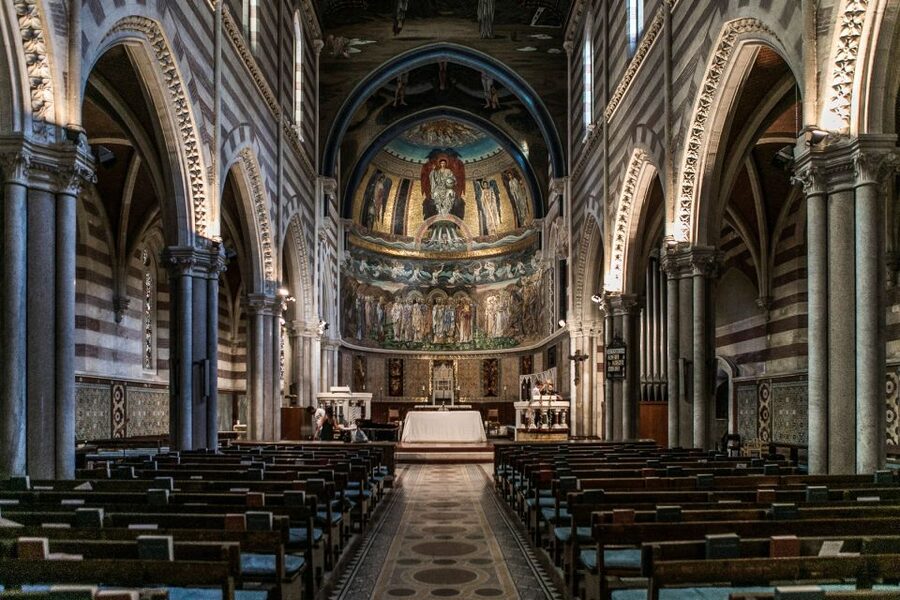
Opera feels different in a church. Rome’s presentation of La Traviata places Verdi’s tragic love story inside St. Paul’s Within the Walls, a striking church in the city center. You get professional singers, live music from the Orchestra I Virtuosi dell’opera di Roma, costumes, scenes, and a full performance lasting about 130 minutes.
I like the beautiful church setting and the close-up feel of the performance. I also like the chance to hear musicians trained at Italy’s leading conservatories without paying traditional grand-opera prices. The main caution is practical: the seats are arranged on one level, so views can be poor from the back, and the wooden seating may feel hard during a long evening.
In This Review
- Key points to know before booking
- Why La Traviata works so well for a first opera
- Arriving at St. Paul’s Within the Walls
- Act One: meeting Violetta and Alfredo
- Act Two: love, pressure, and the church acoustics
- Act Three: tragedy and a powerful finish
- Seating: the decision that matters most
- How the $47 price compares with the experience
- What the atmosphere is really like
- Who will enjoy this performance most
- Practical tips for a smoother evening
- Should you book La Traviata at St. Paul’s Within the Walls?
- FAQ
- Where is La Traviata performed?
- How long does the opera last?
- How much does the experience cost?
- Is the opera performed in Italian?
- Is food or drink included?
- How do I use my voucher?
- Is the venue wheelchair accessible?
- Can I bring a pet?
Key points to know before booking
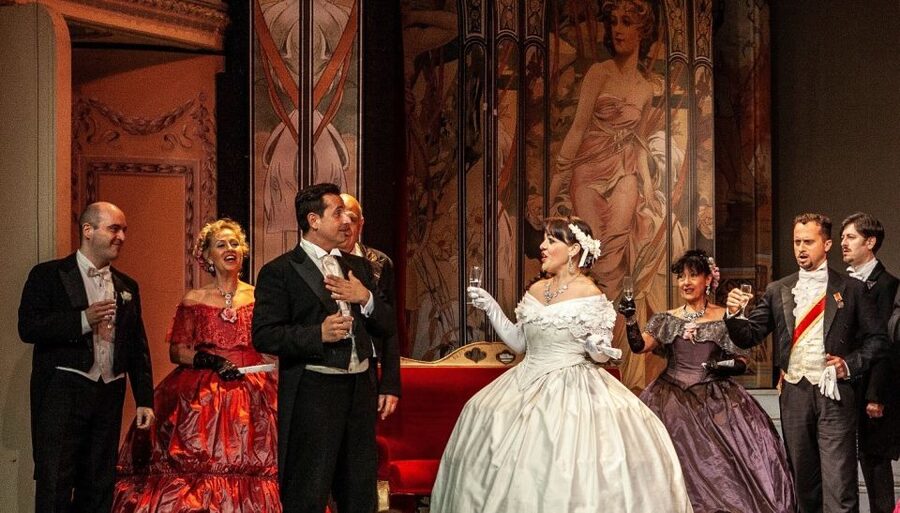
- Verdi in a historic church: St. Paul’s Within the Walls gives La Traviata a setting far removed from a standard theater.
- Professional Italian ensemble: The Orchestra I Virtuosi dell’opera di Roma focuses on Italy’s lyrical tradition and performs with a professional cast.
- Choose your seat carefully: VIP and front-row places are often worth the extra cost because there is no raised seating.
- A complete three-act opera: Expect costumes, scenes, music, drama, and a running time of about 130 minutes.
- A strong first opera: The emotional story and familiar melodies make this a friendly introduction, even if you do not understand Italian.
- Simple evening logistics: Exchange your voucher at the church ticket counter before the performance. Food and drinks are not included.
Why La Traviata works so well for a first opera
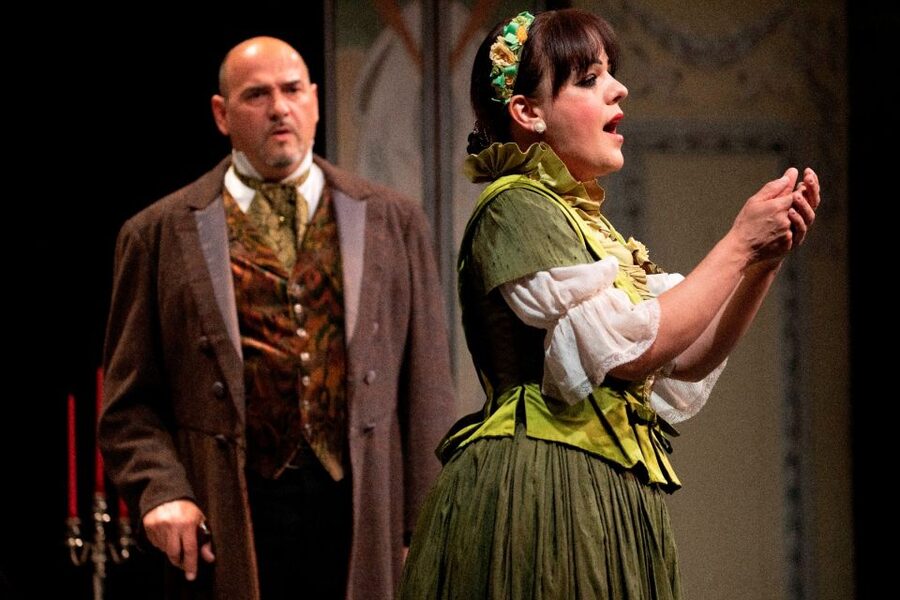
La Traviata is one of the easiest operas to follow emotionally. It tells the story of Violetta, a famous courtesan in Paris, and Alfredo, a young nobleman. Their love is sincere, but social pressure, illness, and sacrifice push the relationship toward tragedy.
You do not need a course in opera before arriving. The plot is direct, the central characters are easy to recognize, and the music carries the feeling even when the Italian words are unfamiliar. One attendee who had never seen an opera before still understood the story through the singing and acting. That makes this a sensible choice if you want to try opera without committing to a formal theater production.
The opera is performed in Italian. The supplied details do not specify subtitles or translated text, so you should not count on English captions. Reading a short plot outline before the show will help you follow the three acts, especially during the more conversational sections.
The music includes the familiar celebratory drinking song, Brindisi. At some performances, it has been used as an encore with the audience invited to join in. That small touch can make the evening feel less formal, though the presentation remains a serious performance of Verdi’s work.
More opera and concert nights:
- Rome: “The Most Beautiful Opera Arias” Concert
★ 4.3 · 2,495 reviews - Rome: Opera Concert at Palazzo Poli – Fontana di Trevi
★ 4.7 · 1,026 reviews - Rome: The Three Tenors at St. Paul’s Church Concert Ticket
★ 4.7 · 699 reviews
Arriving at St. Paul’s Within the Walls
Your first task is not finding a tour guide. You need to exchange your voucher at the St. Paul’s Within the Walls ticket counter before the performance begins. The host or greeter speaks Italian, and the activity information lists Italian as the available language.
The church itself is part of the experience. Its architecture gives the evening a sense of place that a plain concert hall cannot match. High interior spaces and church acoustics create a generous sound, while the lighting and stage arrangement help turn the building into a performance venue.
That setting has a trade-off. A church is not designed like an opera house, and the staging cannot offer the same theater-style sightlines. The performers and orchestra share a relatively low, open arrangement, so your view can depend heavily on where you sit.
Plan to arrive early enough to exchange your voucher and settle into your assigned seating area. Coming early may also give you a better chance of choosing a useful position within that category, though your ticket type still controls the section available to you.
Act One: meeting Violetta and Alfredo
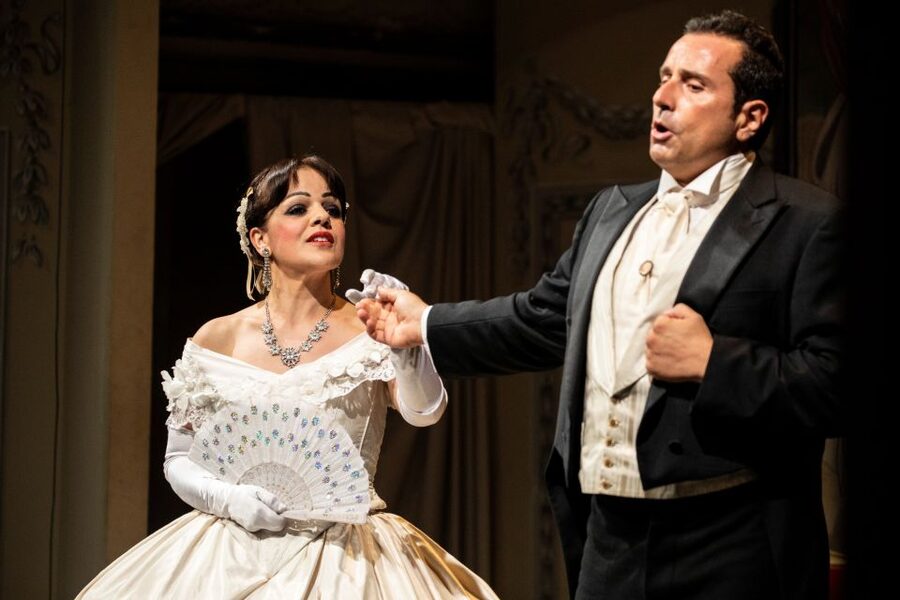
The opening act introduces Violetta at the center of Parisian social life. Alfredo enters her world, and the opera quickly shifts from public celebration to private feeling. This contrast gives the singers plenty of room to show both vocal power and character.
In this church setting, you are close enough to notice the performers’ acting as well as their voices. The cast uses costumes and stage scenes to suggest the period and the changing mood. Several people have praised the singers’ technique, projection, and ability to act the roles rather than simply stand and sing.
The orchestra is a major part of the evening. I Virtuosi dell’opera di Roma was formed by professors from prestigious Italian conservatories and specializes in the Italian lyrical repertoire. You are not listening to a recorded soundtrack or a small background ensemble. The musicians perform live beneath and alongside the action.
Sound balance can vary. At certain moments, the orchestra may overpower the singers, especially in a resonant church. The same acoustics that make a voice seem thrilling can soften the crispness of individual words. If understanding every line matters to you, this is worth keeping in mind.
Act Two: love, pressure, and the church acoustics
The second act brings the private relationship into sharper conflict. Alfredo and Violetta try to build a life together, but family expectations and social judgment intrude. This is where the opera’s emotional stakes become clearer, and strong acting matters as much as strong singing.
The venue’s intimacy helps here. You are not looking at a cast from a distant balcony. From the better seating areas, you can see facial expressions and follow the exchanges between characters. Front-row ticket holders have particularly praised the ability to watch the musicians and performers closely.
The church also shapes the sound in this act. The acoustics have been praised as excellent, with some listeners finding them better than expected and even more appealing than a standard opera house. Others found the reverberation blurred the tenor’s sound or made the words less distinct.
This is not a defect you can predict perfectly from a seating chart. The church’s shape, your exact position, and the balance between orchestra and voices all matter. I would choose a front or near-front category if you care about clarity and facial expressions.
A few more reviews worth comparing before you book
- Vatican: Museums & Sistine Chapel Entrance Ticket
★ 4.5 · 144,003 reviews - Vatican Museums & Sistine Chapel Tour with Optional Basilica
★ 4.3 · 67,413 reviews - Colosseum, Roman Forum & Palatine Guided Tour
★ 4.7 · 63,148 reviews - Vatican Museums, Sistine Chapel & St Peter’s Basilica Guided Tour
★ 4.5 · 39,149 reviews
Act Three: tragedy and a powerful finish
The final act brings Violetta’s illness and the consequences of the couple’s choices to the front. The mood changes from social energy to tenderness and grief. La Traviata’s ending is famous because the personal drama is simple, direct, and painful.
A talented cast can make this final section deeply affecting. Several performances have been praised for raw emotion, beautiful voices, and convincing delivery. Even people who did not understand Italian have found the story accessible through the singers’ expression and physical acting.
The running time is about 130 minutes, so prepare for a full evening rather than a quick concert. The production is divided into three acts, with breaks between sections. One attendee found the pauses and total length tiring, while others considered the time well spent.
Comfort becomes more important as the opera continues. The wooden benches and cushions have drawn complaints, particularly during a two-hour performance. If you have back concerns or simply dislike firm seating, paying more for a better location will not necessarily solve the cushion issue, but it may improve your view enough to make the evening more enjoyable.
Seating: the decision that matters most
The seating layout is the biggest practical issue. The floor is not sloped, and the rows are not raised in theater fashion. From the back, taller people in front can block part of the stage, and you may find yourself shifting your head to see around them.
Even some people seated near the front have found that a piano or another part of the orchestra blocked the view from a far-side position. This means front row does not automatically equal perfect sightlines. A central front position is likely to be more useful than a side seat, but the available categories and exact arrangement can vary.
The repeated advice is simple: pay attention to the seating category. VIP or front-row tickets cost more, but the extra money can buy a much clearer view of the singers. Several people considered the upgrade well worth it, particularly for a first opera or a special night in Rome.
If the performance matters mainly as a musical event, a less expensive seat may still work. The voices and orchestra carry across the church, and the ticket price begins at about $47 per person. If you want to watch the acting, costumes, and musicians closely, I would not choose the cheapest rear section unless the savings are important.
How the $47 price compares with the experience
At $47, this is a relatively accessible way to hear a complete Verdi opera in Rome. You get entrance to the performance, a professional orchestra, singers, costumes, scenes, and a distinctive historic venue. Food and drinks are not included, so the price is for the performance itself.
The value depends on what you compare it with. You are not paying for a large theater production with elaborate machinery, plush seats, or perfect sightlines. You are paying for live opera in an intimate church, with the added character of Rome built into the setting.
For many people, that is a good exchange. The small cast and church interior create a direct, human feeling. You can hear the power of the voices without the distance of a huge auditorium, and you are enjoying a performance format that feels specific to the city.
The best value may come from matching your ticket to your priorities. Choose a standard category if the music and atmosphere are enough. Spend more on VIP seating if you want to see the faces, follow the acting, and avoid some of the worst visibility problems.
What the atmosphere is really like
This is not a conventional opera-house evening. The church provides grandeur, but it also brings the plain practical features of a church: hard seating, a level floor, and acoustics designed for spacious sound rather than crisp theater speech.
That unusual combination is the appeal. You may feel closer to the performers than you would in a formal opera hall. The setting adds a solemn, almost unexpected quality to the romance and tragedy of La Traviata.
The atmosphere is not always perfectly quiet. Staff have had to remind some audience members not to take videos or use flash photography. Phone screens and movement can distract from a quiet aria, so you should expect occasional interruptions from people who ignore the rules.
Pets are not allowed. The venue is listed as wheelchair accessible, though the available information does not explain the precise seating arrangements or restroom facilities. If you need a particular accessible position, confirm the details when booking.
Who will enjoy this performance most
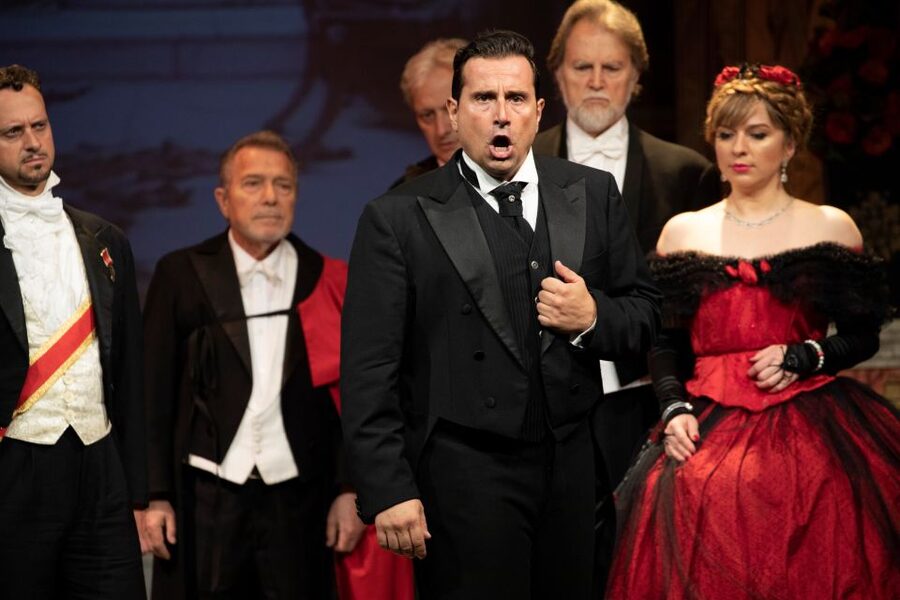
I would recommend this to you if you want a cultural evening that does more than place you in a standard theater seat. It suits first-time opera viewers, couples looking for a memorable night, and anyone who wants to hear Italian opera in an unmistakably Roman setting.
It also works well for people who know La Traviata already. Returning listeners have come back for another performance, which suggests that the combination of familiar music, changing cast members, and church acoustics can reward a second visit.
You may want another option if plush seating and unobstructed views are essential. The sound can be wonderful, but it can also be less crisp than in a purpose-built opera hall. You should also think twice if you are unlikely to stay comfortable for 130 minutes on wooden seating.
This is not the best choice for someone seeking a fully staged theater production with large scenery, a sloped auditorium, and English explanations. It is better understood as a professional opera performance presented in a compact, unusual venue.
Practical tips for a smoother evening
Read the story before you go. Since the performance is in Italian and subtitles are not specified, a basic grasp of the plot will help you focus on the music and acting.
Arrive early to exchange your voucher at the ticket counter. This is especially useful if you want to settle into the best available position within your seating category.
If you have a choice, favor the front and center over the far sides or back. A front-row ticket can be a good buy, but remember that side positions may still have an obstructed view of the stage or orchestra.
Bring your expectations of comfort down a notch. The church is beautiful, but the seats are not the main luxury of the evening. Dress for the conditions inside, since one performance was described as too warm, with fans present but not in use.
Do not plan on buying food or drinks inside as part of the ticket. The performance includes admission only, and food and drinks are not included. One person noted that outside drinks could be brought in, but the official inclusions do not promise refreshments, so check the current venue rules.
Keep your phone away during the opera. Flash photography and filming are not allowed, and a glowing screen is a poor companion during Violetta’s final scenes.
Should you book La Traviata at St. Paul’s Within the Walls?
Book it if you value voices, atmosphere, and a distinctive Roman setting more than polished theater comfort. At around $47, it offers strong value for a full La Traviata with live musicians, costumes, scenes, and professional singers.
I would pay extra for VIP or front seating if the budget allows. The biggest risk is not the quality of the cast. It is the combination of flat seating, possible obstructions, firm benches, and occasional sound imbalance.
For a first opera, this can be a memorable introduction. For a seasoned opera fan, it offers a less formal but appealing way to hear Verdi. Just arrive prepared for a church performance, not a grand opera house, and choose your seat with care.
FAQ
Where is La Traviata performed?
The opera is performed at St. Paul’s Within the Walls in central Rome, in the Lazio region of Italy.
How long does the opera last?
The stated duration is 130 minutes, or about two hours and ten minutes.
How much does the experience cost?
The listed price is $47 per person. Different seating categories may be available at different prices.
Is the opera performed in Italian?
Yes. The activity language is Italian, and the host or greeter is also listed as Italian-speaking.
Is food or drink included?
No. The ticket includes entrance only. Food and drinks are not included.
How do I use my voucher?
You must exchange your voucher at the St. Paul’s Within the Walls ticket counter before the performance begins.
Is the venue wheelchair accessible?
Yes. The activity is listed as wheelchair accessible.
Can I bring a pet?
No. Pets are not allowed.
Just added around Rome
- Rome City, Pantheon, and Trevi Fountain Walking Tour★ 5.0 · 249 reviews
- Rome: Skip the line Vatican Museums & Sistine Chapel Tour★ 4.2 · 251 reviews
- Rome: Tivoli Day Trip with Villa d’Este and Villa Adriana★ 4.5 · 251 reviews
- Transfer Rome center – Ciampino Airport★ 4.5 · 251 reviews
- Rome: Cannondale E-Bike Evening Tour with Optional Dinner★ 4.9 · 251 reviews
- VIP Colosseum, Roman Forum & Palatine Hill & Special Access Sites★ 4.5 · 252 reviews
- Private Vatican Museums Hidden Gems Tour with Optional Pick-Up★ 5.0 · 253 reviews
- Vatican Museums & Sistine Chapel Skip-the-Line Guided Tour★ 4.6 · 254 reviews
Opera & Classical Concerts, compared.
La Fenice Opera House Entry Ticket with Audio Guide
Read our review →
Santa Monaca Church Italian Opera Concert Ticket
Read our review →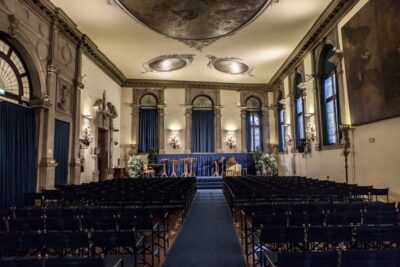
Vivaldi’s Four Seasons Live Classical Music Concert
Read our review →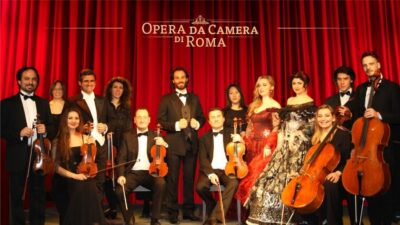
Vivaldi’s Four Seasons Concert & Music Museum Visit
Read our review →
Vivaldi Four Seasons Concert at Vivaldi Church
Read our review →
Lucca: Puccini Festival Opera Recitals and Concerts
Read our review →Browse the lists this tour appears in