
Review · WINE TOURS
Rome: Fresh Pasta and Tiramisu Making Class with Fine Wine
Here, cooking is the sightseeing. This Rome class brings you into the kitchen of a well-loved restaurant near the Vatican, where you make fresh fettuccine and ravioli from scratch. I like the practical format, and I like that the meal includes prosecco, fine wine, coffee, and limoncello. The main consideration is that the meeting venue can vary, and one class was tricky to find because map directions led to the back of the building.
The class also works well for mixed groups. Couples, families, solo visitors, and reluctant companions can share a table, learn together, and eat the results. The only real caution is the relaxed, social style: pasta may be served family-style, and the room can feel warm when the class is full.
In This Review
- Key points at a glance
- A Rome cooking class near the Vatican
- Starting with tiramisu
- Turning dough into fettuccine and ravioli
- Wine, coffee, and the meal at the table
- Why the social format works
- The restaurant setting and Vatican location
- The teaching style you can expect
- Who should book this experience
- Booking details worth checking
- Should you book the Rome pasta and tiramisu class?
- FAQ
- Where does the cooking class take place?
- How long does the class last?
- What pasta will I learn to make?
- Do I also make tiramisu?
- Is wine included?
- What else is included with the meal?
- Is the class taught in English?
- Do I receive recipes to use at home?
- How much does the experience cost?
- Can I cancel the booking?
Key points at a glance
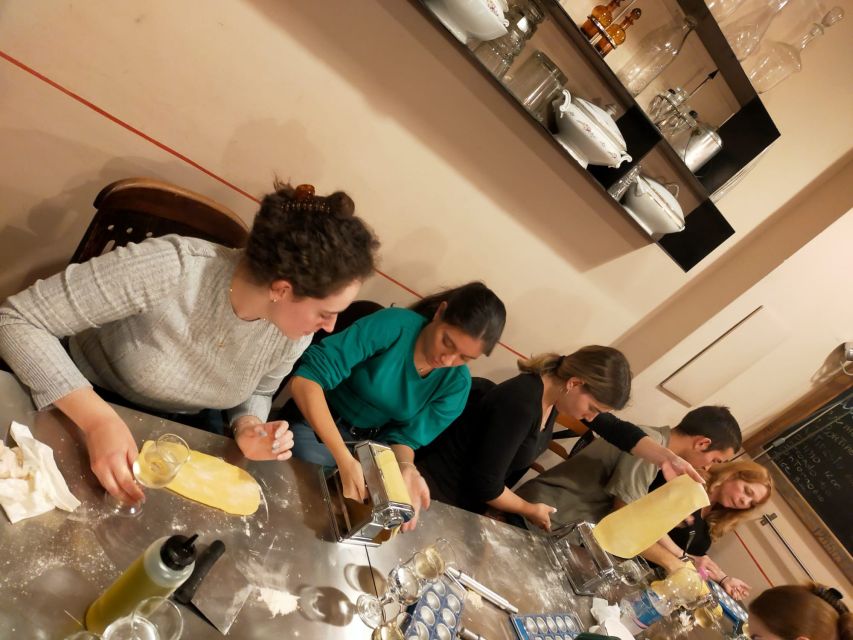
- Two pastas from one dough: Learn how to make both fettuccine and ravioli, including the basic dough and shaping process.
- Tiramisu comes first: Prepare the classic dessert with mascarpone, eggs, coffee, sugar, cocoa powder, and the needed tools.
- Wine is part of the class: Prosecco and fine wine flow during the cooking and meal, with soft drinks also available.
- Near the Vatican: The restaurant location makes this a handy food experience before or after Vatican-area sightseeing.
- A social three to four hours: Expect cooking, eating, conversation, and plenty of time with the chef and your tablemates.
- Recipes go home with you: You can repeat the dishes in your own kitchen instead of leaving the experience in Rome.
A Rome cooking class near the Vatican
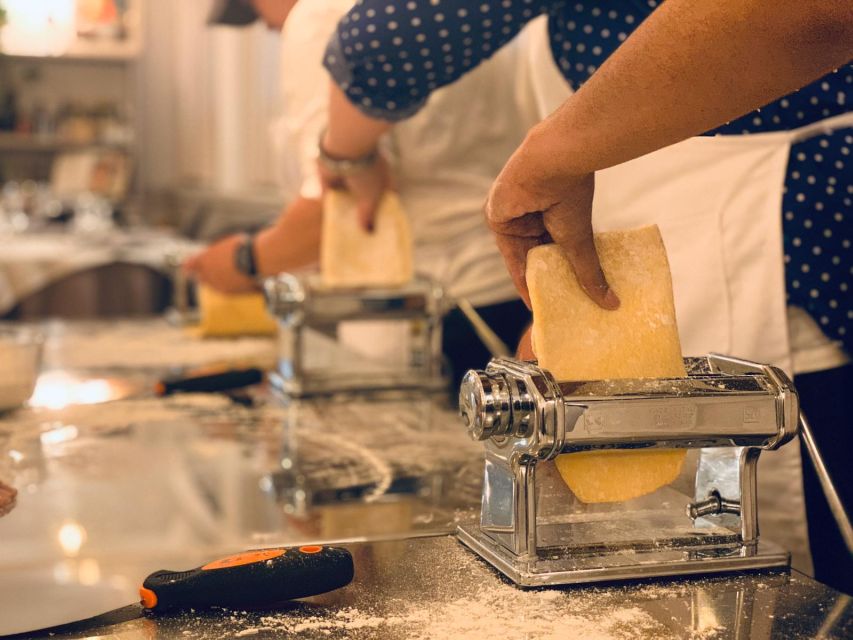
The Roman Food Tour runs this pasta and tiramisu class in Lazio, at a restaurant near the Vatican. The setting matters because you can pair the class with a visit to St. Peter’s Basilica, the Vatican Museums, or the surrounding neighborhood, though you should allow enough time to get to the correct meeting point.
The exact start point depends on the option you book. That detail is worth taking seriously. One participant found that map directions led to the rear side of the venue, while another said a last-minute venue change was communicated clearly and was easy to handle. I would check the final instructions carefully and avoid arriving at the last second.
The activity lasts three to four hours. That is long enough to learn the basic techniques, sit down for a proper meal, and enjoy the social side without feeling like you are simply watching a demonstration. You work with an English-speaking chef, and the class is conducted in English.
The price is listed at $77.03 per person. For Rome, that is a fair price if you value both the lesson and the meal. You are not paying only for a plate of pasta. The fee includes hands-on preparation of two pasta styles, tiramisu, wine, prosecco, unlimited soft drinks, coffee, limoncello, and the food you make. For someone who planned to eat lunch or dinner anyway, the combined value is strong.
More Wine Tours in Rome
- Rome: Tuscany & Montepulciano Day Trip with Lunch & Wine Tasting
★ 4.5 · 5,232 reviews - Rome: Pasta & Tiramisu Class with Fine Wine by the Vatican
★ 4.9 · 4,852 reviews - Rome Food Tour: Unlimited Tastings with Fine Wine & Barolo
★ 5.0 · 3,365 reviews
Starting with tiramisu
Tiramisu comes early in the session. That is a smart order. The dessert can be prepared before the pasta, and the finished dish has time to rest while you work with dough.
You use the familiar ingredients: mascarpone, eggs, coffee, sugar, and cocoa powder. The chef explains how they fit together and guides you through the process. You are not just handed a completed dessert to taste. You take part in the mixing and assembly, then set it aside for later.
This is one of the easiest parts of the class for beginners because the ingredients are recognizable and the steps are manageable. It also gives the group a gentle start before flour begins flying around the workstations.
The class has received especially strong praise for its teachers. Anna is described as easy to follow, patient, funny, and happy to answer questions. Irene helped one participant through a messy dough problem, which tells you something useful about the tone: mistakes are treated as part of the fun, not as a culinary crime.
The tiramisu is also a highlight at the table. If you like the idea of making a dessert you can repeat at home, this part may be just as useful as the pasta lesson. The recipes are provided afterward, so you have a written reminder rather than relying on memory after several glasses of wine.
Turning dough into fettuccine and ravioli
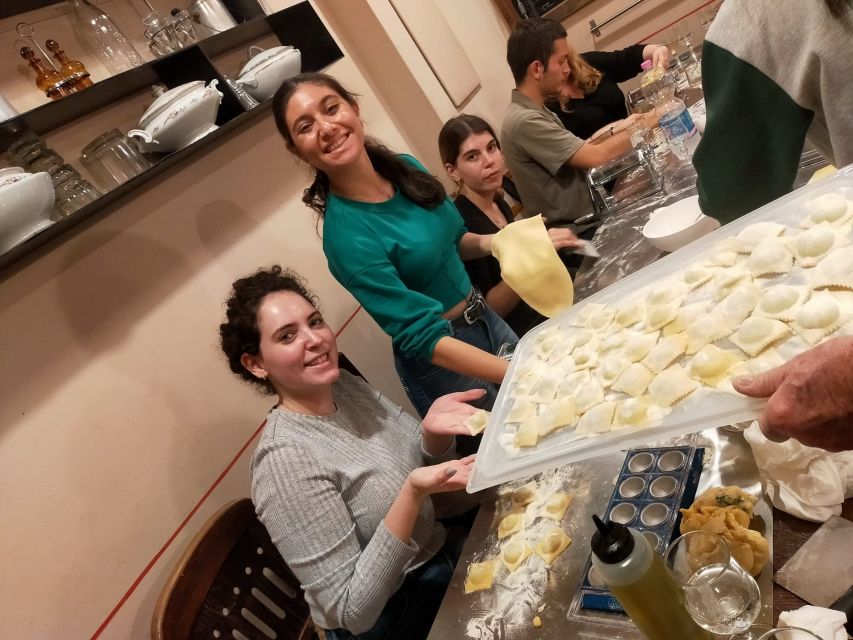
The central lesson is the pasta. You learn to make the dough, work it, and split it for two different results: fettuccine and ravioli.
Fettuccine gives you the straightforward version of fresh pasta. You work the dough and shape it into ribbons. Ravioli requires more care because you must prepare the filling, place it correctly, seal the pasta, and avoid trapping too much air. The class introduces the ingredients and basic methods needed for both styles.
The important value here is not that you leave as a professional pasta maker. You learn the feel of the dough and the broad sequence of the work. At home, those two things are often harder to understand from a recipe alone.
Each participant generally has an individual station. One group described a class of roughly 12 to 14 people, while another had only four. That means the level of personal attention can vary with the date and group size. A smaller session may give you more direct help, while a fuller class may feel more like a shared kitchen party.
The process is hands-on, but you should not expect to produce a separate restaurant-quality portion reserved only for yourself. In at least one session, the pasta was combined for family-style service after everyone helped prepare it. That is part of the communal character, but it may disappoint you if you want to keep and inspect your own ravioli separately.
The chefs appear to make the technique approachable. Claudio is praised for keeping the class moving while making it entertaining. Alessia is described as both a good teacher and a lively host. Sonia, the owner in one session, worked directly with the group and helped make the activity feel personal. Guides vary, so the personality of your class will depend partly on who leads it.
Wine, coffee, and the meal at the table
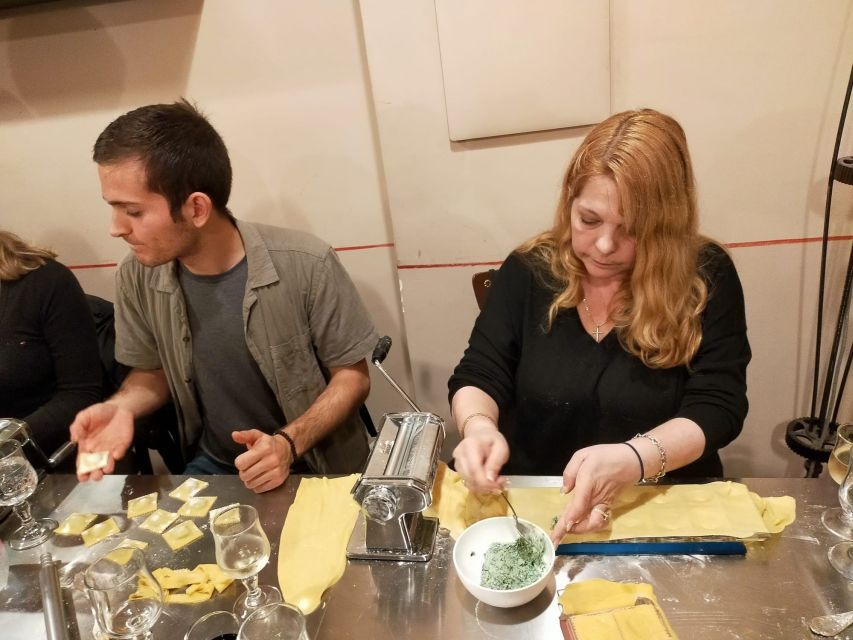
This is not a dry, formal cooking lesson. Prosecco and fine wine are served during the class, and the drinks continue as you eat. Unlimited soft drinks are included as well.
The drinks help create an easy social mood. Several groups ended up talking with people they had not met before, and one morning session with Eddie reportedly turned into an impromptu dance party with music playing while the group cooked. That gives you a good picture of the experience: it is part cooking lesson, part shared meal, and part Roman night out.
The free-flowing wine is a major part of the value, but it also shapes the experience. If you prefer a quiet, tightly structured lesson, this may feel more boisterous than expected. If you enjoy laughing, tasting, and chatting while you cook, it is likely to suit you.
When the work is finished, you sit down and eat what the group has prepared. The meal is a satisfying payoff because you can connect each dish with the steps you just completed. The food is not an abstract demonstration. You handled the dough, shaped the pasta, prepared the tiramisu, and then tasted the results.
Come hungry. One group found there was more food than they could finish. Pasta, tiramisu, drinks, coffee, and limoncello make this more substantial than a quick afternoon snack.
The meal ends with Italian coffee and limoncello. Coffee is included, and the limoncello provides the familiar after-dinner finish. It is a small detail, but it rounds out the meal in a distinctly Italian way.
More vineyard visits and tastings:
- Rome: Pasta Making Class with Wine, Limoncello, and Dessert
★ 4.9 · 3,177 reviews - Rome: Trastevere Food tour with Free-Flowing Fine Wine
★ 5.0 · 2,853 reviews - Learn to Make Pasta & Tiramisu with Wine and Limoncello Included
★ 5.0 · 2,345 reviews - Rome: Award Winning Trastevere Group Food Tour with Wine
★ 5.0 · 2,273 reviews
Why the social format works
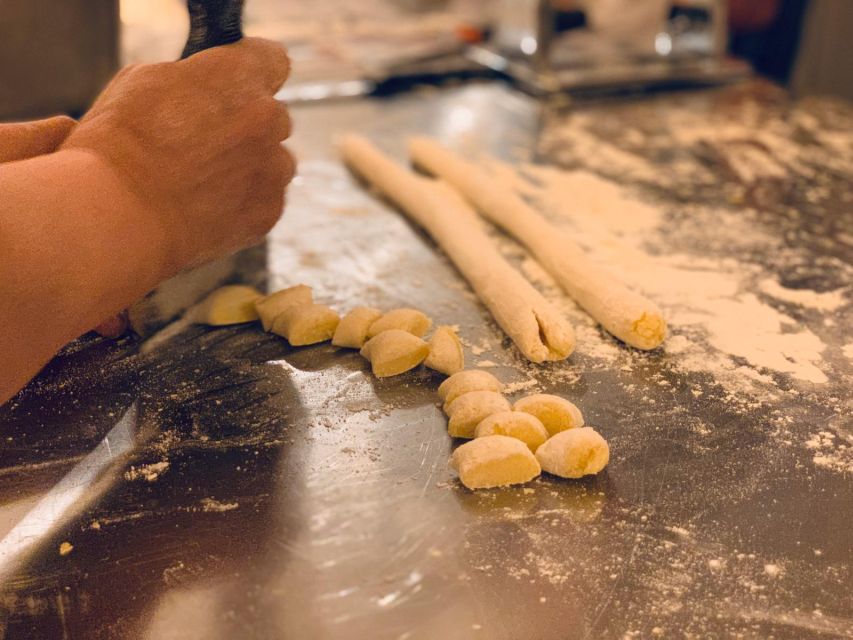
A Rome cooking class can be a good break from churches, museums, and crowded streets. You spend several hours doing something with your hands rather than moving from one sight to the next. The shared stations also make it easier to meet people without the awkwardness of forced introductions.
That social element is particularly useful for solo visitors. Ann, one of the instructors, helped create a welcoming atmosphere for a solo participant who was initially nervous about joining the class alone. You are placed among other cooks, given a task, and soon have a natural reason to talk.
Families can also fit in well. One family brought a 13-year-old who already enjoyed cooking, while two older family members were less certain about the idea at first. All four ended up enjoying the activity. That suggests the class can work across age groups, provided everyone is comfortable standing, handling ingredients, and taking part in a group meal.
Couples get something more memorable than another restaurant dinner. You can learn a skill together, then recreate the dishes at home. Several participants said the class encouraged them to start making homemade pasta after returning from Rome.
The social format is not perfect for everyone. If you want a private lesson, a quiet table, or complete control over your own finished dishes, ask about the specific option before booking. The supplied details do not promise a private class, and group sizes can differ.
The restaurant setting and Vatican location
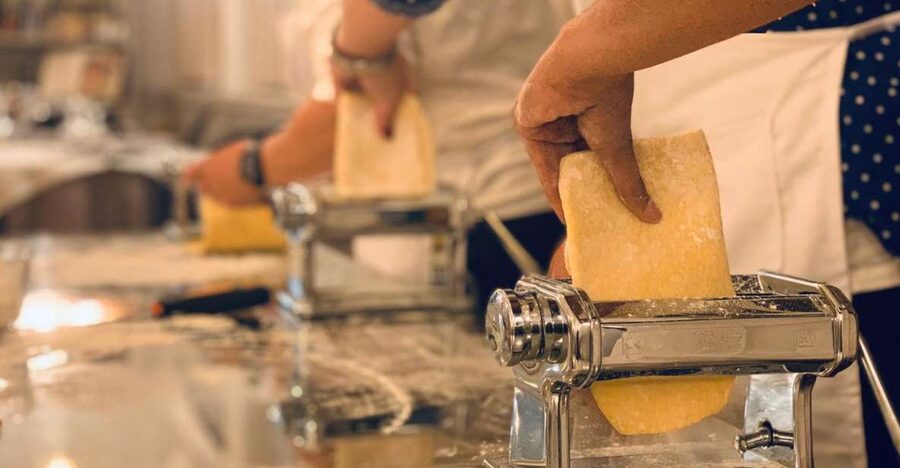
The restaurant is conveniently located near the Vatican, which makes it practical for a day built around that part of Rome. You might schedule the class before sightseeing, after a Vatican visit, or on a separate food-focused day.
Do not assume that near the Vatican means directly beside a major entrance. The meeting point can vary by booking option, and one person had trouble because the map brought them to the wrong side of the building. Read the directions, confirm the starting location, and give yourself extra time.
The venue is part of the appeal. You are not cooking in a generic classroom with no connection to local dining. The setting is a restaurant loved by people who work around the Vatican, and the meal takes place in that restaurant after the lesson.
One practical comfort issue came up: a participant felt the room could have used air-conditioning. Rome can be hot, and a cooking room with several people, boiling water, and active workstations may feel warm. If you visit in hot weather, wear light clothing and keep water in mind, even though soft drinks are included.
The teaching style you can expect
The instructors are the strongest part of the experience. Names that appear across different sessions include Alessia, Claudio, Sonia, Anna, Eddie, Alice, Arna, Irene, and Alisha. Since the guide depends on the date, you cannot count on one particular personality, but the pattern is clear: the class is led by chefs and hosts who mix instruction with humor.
Alice is praised for being warm, organized, and clear during a group of ten. Arna helped a group of six have fun while learning. Eddie brought high energy even to a 9:30 a.m. start, beginning one session with cappuccino before the cooking began.
That range of teaching styles is useful to know. You will likely get more than a list of instructions, but the class is not presented as a technical culinary school. Expect practical tips, guidance at your station, and plenty of encouragement.
The recipes are described as easy to follow. That matters because pasta making can look simple until the dough sticks, tears, or refuses to cooperate. Having a chef nearby means you can fix problems as they happen instead of guessing.
The high rating, 4.8 out of 5 from 373 ratings, matches the consistent praise for the instructors, food, atmosphere, and value. The strongest approval goes to the people leading the class and the chance to eat the meal afterward.
Who should book this experience
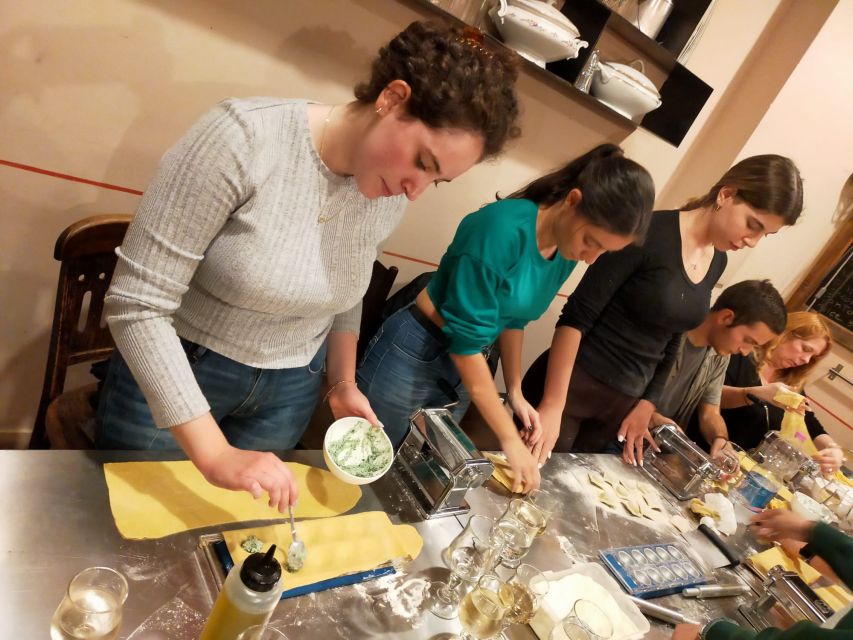
I would recommend this class to you if you meet one or more of these descriptions:
- You want a hands-on food experience rather than another guided walk.
- You enjoy meeting people from different countries.
- You want to learn basic fresh pasta skills you can use at home.
- You are visiting the Vatican area and want a meal nearby.
- You are a solo visitor looking for an easy social activity.
- You are traveling with family members of different ages.
- You like wine, informal conversation, and a lively group setting.
It is also a good pick if one person in your party is unsure about cooking classes. The activity is beginner-friendly, and the relaxed approach can win over someone who would not choose a culinary lesson on their own.
I would think twice if you need a private experience, have strong food restrictions that were not addressed in the supplied details, dislike group dining, or want a highly technical lesson. The menu and ingredients are clearly described for tiramisu, pasta, and drinks, but specific dietary substitutions are not provided.
Booking details worth checking
The listed price is $77.03 per person, and you can reserve now and pay later. Free cancellation is available up to 24 hours in advance for a full refund. Those terms help if your Rome schedule includes weather-sensitive sightseeing or a changing Vatican itinerary.
The class is offered in English, with a live English-speaking guide. Start times vary, so you need to check availability for the date you want.
The meeting and ending points are the same in the general description, but the precise location may vary according to the option booked. Before leaving your hotel, save the address and look for any updated venue message. That small step can prevent the only frustrating part of an otherwise easy experience.
Should you book the Rome pasta and tiramisu class?
Yes, if you want a friendly, filling, hands-on evening near the Vatican. The best reasons to book are the combination of two pastas, tiramisu, a full meal, free-flowing drinks, and recipes you can use at home.
This is less about mastering perfect ravioli than about learning the basics in a welcoming kitchen. You may leave with flour on your hands, a full stomach, and a new group of friends. For $77.03, that is a strong Rome experience, especially for couples, families, solo visitors, and anyone who wants a break from sightseeing.
Check the exact venue, allow time to find the entrance, and expect a social class rather than a private cooking lesson. If that sounds like your kind of Roman afternoon or evening, book it.
FAQ
Where does the cooking class take place?
The class takes place at a restaurant near the Vatican in Lazio, Italy. The exact meeting point may vary depending on the option you book.
How long does the class last?
The experience lasts approximately three to four hours. Starting times depend on availability.
What pasta will I learn to make?
You will learn to make two types of pasta from scratch: fettuccine and ravioli.
Do I also make tiramisu?
Yes. The class includes tiramisu making with mascarpone, eggs, coffee, sugar, and cocoa powder.
Is wine included?
Yes. Prosecco and fine wine are included, along with unlimited soft drinks.
What else is included with the meal?
Coffee and limoncello are included. You also eat the pasta and tiramisu prepared during the class.
Is the class taught in English?
Yes. The activity includes a live English-speaking guide, and English is the listed language.
Do I receive recipes to use at home?
Yes. Recipes are provided so you can recreate the pasta and tiramisu after returning home.
How much does the experience cost?
The listed price is $77.03 per person.
Can I cancel the booking?
Yes. You can cancel up to 24 hours in advance for a full refund. You can also reserve now and pay later.
More Pasta
- Rome: Fettuccine Pasta Cooking Class in Rome’s City Center
★ 4.8 · 2,414 reviews - Rome: Traditional Pasta with Cocktails Cooking Class
★ 5.0 · 2,374 reviews - Become a Masterchef in Rome: Pasta, Ravioli and Tiramisù Class
★ 5.0 · 2,156 reviews - Pasta Cooking Class Near the Colosseum with 3 Spritz Cocktails
★ 5.0 · 1,686 reviews
Just added around Rome
- Rome City, Pantheon, and Trevi Fountain Walking Tour★ 5.0 · 249 reviews
- Rome: Skip the line Vatican Museums & Sistine Chapel Tour★ 4.2 · 251 reviews
- Rome: Tivoli Day Trip with Villa d’Este and Villa Adriana★ 4.5 · 251 reviews
- Transfer Rome center – Ciampino Airport★ 4.5 · 251 reviews
- Rome: Cannondale E-Bike Evening Tour with Optional Dinner★ 4.9 · 251 reviews
- VIP Colosseum, Roman Forum & Palatine Hill & Special Access Sites★ 4.5 · 252 reviews
- Private Vatican Museums Hidden Gems Tour with Optional Pick-Up★ 5.0 · 253 reviews
- Vatican Museums & Sistine Chapel Skip-the-Line Guided Tour★ 4.6 · 254 reviews
Wine Tours, compared.
Tuscany Day Trip from Florence: Siena, San Gimignano, Pisa and Lunch at a Winery
Read our review →
Small-Group Wine Tasting Experience in the Tuscan Countryside
Read our review →
Pasta & Tiramisu Cooking Class with Unlimited Wine
Read our review →
Pisa, Siena and San Gimignano Day Trip with Lunch & Wine Pairing
Read our review →
Tuscany & Montepulciano Day Trip with Lunch & Wine Tasting
Read our review →Browse the lists this tour appears in