
Review · MUSEUMS
Rome: Doria Pamphilj Gallery Entry Ticket
Rome hides great art behind ordinary-looking doors. The Doria Pamphilj Gallery gives you a rare look inside a working aristocratic palace, where paintings, sculpture, furniture, tapestries, painted ceilings, and family apartments fill room after room. I especially like the remarkable concentration of masterpieces and the feeling of entering a real private home rather than a modern museum.
I also appreciate the quiet atmosphere. Many visitors spend two or three hours here without the pressure found at Rome’s largest museums. The main point to consider is price: admission is listed at about $34 per person, while a ticket bought directly at the palace has been reported as considerably cheaper, so convenience and guaranteed entry need to justify the extra cost for you.
In This Review
- Key things to know before you go
- Why this palace feels different from a normal museum
- Finding the entrance on Via del Corso 305
- The first rooms: art inside a lived-in palace
- The main collection: Caravaggio and other great names
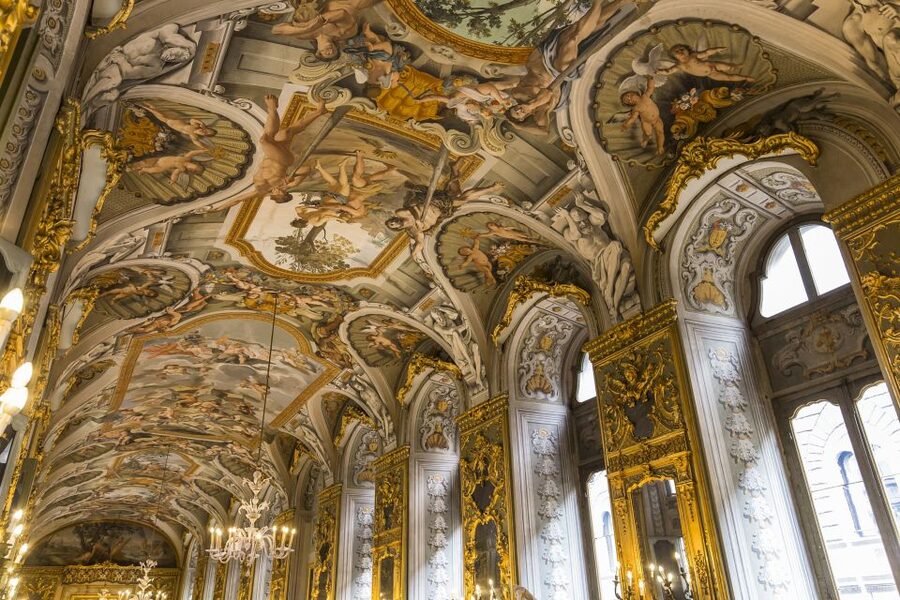
- The mirrored hall and painted ceilings
- A slower visit than the Vatican or Borghese
- Choosing the Secret Rooms option
- Is the $34 price good value?
- A practical way to plan your visit
- Who will enjoy the Doria Pamphilj Gallery most?
- Should you book the Doria Pamphilj Gallery?
- FAQ
- Where is the Doria Pamphilj Gallery located?
- How long does a visit take?
- Is a guided tour included?
- Is an audio guide included?
- Can I visit the Secret Rooms?
- Can I take photos inside?
Key things to know before you go
- Caravaggio, Raphael, and Titian share the palace walls, along with works by Bernini, Velázquez, Bruegel, Dürer, and other major artists.
- The building is part of the attraction, with painted ceilings, grand rooms, mirrored spaces, sculpture, furniture, and tapestries.
- The visit usually lasts 70 minutes to three hours, depending on how much time you give the art and rooms.
- An audio guide app offers more than 170 points of interest, though the exact audio format can depend on the option booked.
- Secret Rooms can be added, either for independent exploration or as a guided visit.
- The gallery is at Via del Corso 305, in a very central part of Rome, but the entrance can be easy to miss.
Why this palace feels different from a normal museum
The Doria Pamphilj Gallery is not simply a collection placed inside a handsome building. The art remains tied to the rooms and apartments of the Doria Pamphilj family, one of Rome’s most prominent aristocratic dynasties. That setting changes the way you see the collection.
Instead of moving through neutral white galleries, you pass through lavish interiors packed with paintings and objects. The walls are covered almost from floor to ceiling, and the effect is closer to entering a family palace than visiting a standard museum.
That can be thrilling, but it also asks more from you. A room may contain several important works, decorative details, and furniture competing for your attention. Labels are not always as clear or prominent as you might hope, particularly around famous works by Caravaggio, Raphael, Vasari, and Titian.
I suggest taking a few minutes at the start to get your bearings. Look at the ceiling, floor, furniture, and arrangement of paintings before concentrating on individual artists. The palace itself tells part of the story.
More Museum Tours in Rome
- Vatican: Museums & Sistine Chapel Entrance Ticket
★ 4.5 · 144,003 reviews - Vatican Museums & Sistine Chapel Tour with Optional Basilica
★ 4.3 · 67,413 reviews - Vatican Museums, Sistine Chapel & St Peter’s Basilica Guided Tour
★ 4.5 · 39,149 reviews
Finding the entrance on Via del Corso 305
The gallery is centrally located on Via del Corso, one of Rome’s main streets. That makes it easy to combine with other sights in the historic center, but the entrance is not always obvious from street level.
Your ticket is collected at the Doria Pamphilj Gallery ticket desk at Via del Corso 305. One practical detail matters here: the entry has been described as being on the first floor, so do not assume the first door you see is the museum entrance.
The redemption process is generally simple. You go to the palace ticket desk, show your booking, and collect or confirm your entry. Several people found their names listed at the desk, which made the process quick. Depending on the option you choose, the meeting point can vary, so read your booking instructions carefully before setting out.
This is not a tour with a long transfer or a complicated meeting point. You are going directly into the palace. That is one reason the ticket can appeal to visitors working with a tight Rome schedule.
The first rooms: art inside a lived-in palace
Once inside, you begin to understand the main appeal. The rooms are decorated as rooms, not just display cases. Sculpture, furniture, tapestries, paintings, and architectural details appear together, giving you a sense of how an elite Roman household presented itself.
The building carries political and family associations as well as artistic ones. The Doria and Pamphilj families were connected through marriage and power, and the palace reflects those alliances. The collection grew over centuries, so you see more than one artistic period or taste.
The audio material helps give shape to this large collection. The available information describes an audio guide app with more than 170 points of interest. That is a lot of content, and you should not feel obliged to listen to every entry.
I would choose a few works in each room, then listen only when the subject interests you. This keeps the visit from turning into an audio marathon. If you try to hear everything, three hours may pass quickly.
The audio guide is especially useful for the family story. It can explain the palace from the Doria family’s point of view, adding context that is difficult to pick up from the paintings alone. Some visitors also received handheld audio devices at the entrance, but the exact arrangement may depend on the ticket option and current operation.
The main collection: Caravaggio and other great names
The paintings are the reason many people come, and the quality is high. Caravaggio is a major draw, with three works alone making the visit worthwhile for many art lovers. His dramatic light and forceful figures gain something from the palace setting, where they appear among other works collected by the same family.
You will also find works associated with Raphael, Titian, Velázquez, Bernini, Bruegel, Dürer, and Vasari. The collection is not built around one narrow school or period. Instead, it gives you a broad look at the tastes of a powerful Italian family over generations.
That variety is one of the strongest reasons to visit. You can move from Renaissance painting to Baroque drama, then pause over sculpture or a decorative object. If you are interested in how collectors assembled a palace, the mixture is as important as any single masterpiece.
At the same time, this is not always the easiest place for a first-time art student to identify everything. Labels can be limited or difficult to spot, and important works may not announce themselves clearly. I recommend using the audio guide or reading a little about the principal artists before arriving.
Do not rush past the lesser-known pieces. A large palace collection rewards curiosity, and you might find an unexpected work that interests you more than the famous name you came looking for.
More galleries and collections:
- Rome: Vatican Museums, Sistine Chapel & Basilica Tour
★ 4.3 · 13,872 reviews - Vatican Museums & Sistine Chapel Skip-the-Line Entry Ticket
★ 4.4 · 13,838 reviews - Rome: Vatican Museums, Sistine Chapel & Basilica Tour
★ 4.7 · 13,217 reviews - Rome: Vatican Museums & Sistine Chapel Guided Tour
★ 4.3 · 12,117 reviews
The mirrored hall and painted ceilings
The architecture deserves its own attention. The mirrored hall, painted ceilings, and ornate rooms provide some of the most memorable sights in the palace, even for visitors who are not serious art enthusiasts.
The mirrors expand the room and create the kind of theatrical effect that suits an aristocratic residence. Painted ceilings draw your eyes upward, while sculpture and furniture fill the space below. It is easy to focus only on the framed paintings and miss half the room.
I suggest alternating your attention. Study a Caravaggio or Titian closely, then step back and take in the whole interior. The art was intended to function within this setting, not apart from it.
Photography is restricted. Flash photography, tripods, and selfie sticks are not permitted, and video recording is not allowed inside the gallery. Plan to enjoy the rooms directly rather than treating the visit as a filming stop.
A slower visit than the Vatican or Borghese
The Doria Pamphilj Gallery is a good choice if you want important art without the same level of pressure found at Rome’s best-known museums. The atmosphere is often calm, and the rooms give you space to stop, listen, and look.
That calm is valuable in Rome. After crowded streets and heavily scheduled sights, a quieter palace can reset your pace. You can spend time with a painting instead of being pushed along by a dense flow of people.
The visit length varies widely. Seventy minutes is enough for a brisk look at the highlights, especially if you already know which artists you want to see. Two hours gives you time for the key rooms and audio selections. Three hours suits anyone who enjoys reading labels, listening to the guide, and examining the decoration.
Families can also do well here. A child may not follow every historical explanation, but the grand interiors, statues, mirrors, and sheer number of paintings provide plenty to notice. One family found that even a 10-year-old enjoyed the visit.
The main drawback is heat. A summer visit can feel warm inside, although fans in the rooms help. If you are sensitive to heat, allow extra time and avoid treating the gallery as a quick sprint through several floors.
Choosing the Secret Rooms option
The Secret Rooms offer an additional look at the Doria Pamphilj family’s private world. You can select independent access or a guided option, depending on the ticket you book.
The independent version suits you if you prefer to set your own pace. You can pause when something catches your attention and avoid adding another fixed activity to an already full Rome itinerary.
The guided version is better if family stories, private rooms, and palace history interest you more than simply viewing the art. A guide can connect the objects and rooms to the people who lived there, though the exact format and availability depend on the option selected.
Do not assume Secret Rooms are part of every ticket. The reserved entrance and guided tour are listed only with the relevant options. Check the package details before paying, particularly if this is the part of the experience that interests you most.
Is the $34 price good value?
At approximately $34 per person, this is not Rome’s cheapest museum entry. The direct ticket price has been reported as much lower, including one example of a €16 office ticket. Prices and ticket conditions can change, but the difference is large enough that you should compare options before booking.
The advantage of the prepaid ticket is ease. Your name may be on the list, and you can go directly to the palace desk instead of dealing with uncertainty on the day. If your Rome schedule is tight or your preferred time matters, that convenience may be worth paying for.
The value also depends on how long you stay. At 70 minutes, the price feels harder to justify. At two or three hours, with the audio content and the palace interiors included, the cost becomes more reasonable for someone who cares about art and architecture.
The standard entry does not include a live gallery guide. The package information describes an audio guide app with more than 170 points of interest, while other details say a gallery audio guide is not included. Because the exact audio arrangement can vary by option, confirm what you are receiving before purchase.
Secret Rooms and a guided visit cost more when added. I would pay extra for them if private family history is a priority, but choose standard entry if the Caravaggio works and palace rooms are your main goals.
A practical way to plan your visit
Give yourself at least 90 minutes if you want more than a quick look. Start with the major rooms, then return to works that caught your attention rather than trying to hear every audio point.
Use the audio guide selectively. It is praised for its detail and for explaining the family’s viewpoint, but the number of stops can make the experience feel long if you follow every one.
Keep your eyes moving around each room. Look at:
- The paintings and their positions on the walls
- Painted ceilings and architectural decoration
- Mirrors and the way they alter the rooms
- Sculpture, furniture, and tapestries
- Small works that may not have the fame of Caravaggio or Raphael
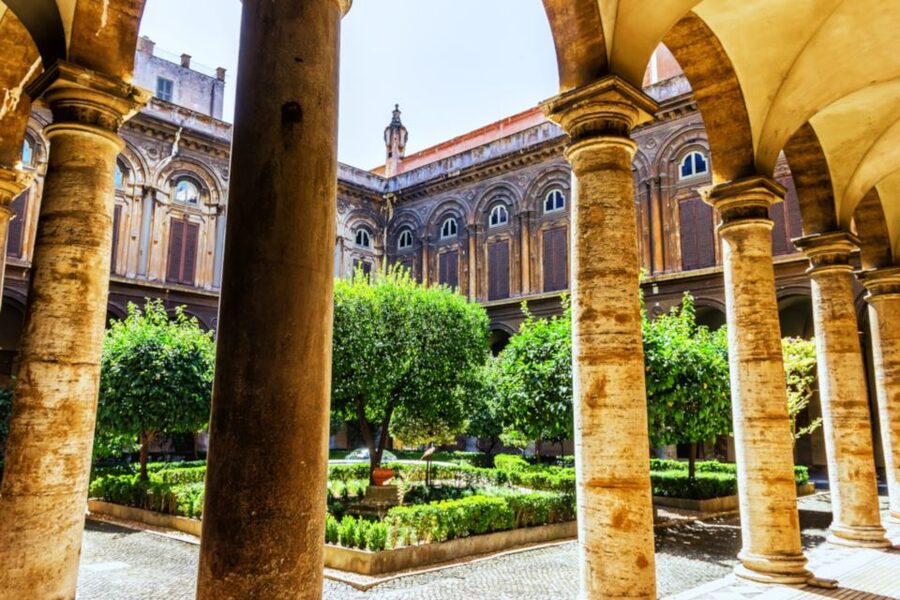
The on-site café and courtyard can provide a pleasant pause, especially on a hot day. They are useful if you want to slow down rather than rush straight back onto Via del Corso.
Who will enjoy the Doria Pamphilj Gallery most?
I would recommend this visit to you if you enjoy Old Master painting, palace interiors, or the personal side of collecting. It works particularly well for anyone who has already seen Rome’s major public museums and wants something less crowded and more domestic in character.
It also suits couples, families with older children, and independent visitors who prefer an audio guide to a fixed group tour. You can control your pace and spend extra time on the artists you care about.
You may want to skip it if your Rome schedule is extremely short or if you prefer clear, modern labels beside every object. The crowded walls can feel visually confusing, and the extra ticket cost is significant when a direct purchase may be cheaper.
Should you book the Doria Pamphilj Gallery?
Book it if you want a peaceful art stop in central Rome, especially if Caravaggio, Raphael, Titian, Bernini, or palace interiors are high on your list. The collection is broad, the building is beautiful, and the audio material can turn a room full of paintings into a clearer story.
Before paying, compare the $34 advance ticket with the current direct price and confirm whether your option includes the audio guide and Secret Rooms. If the booking gives you a useful time and easy redemption, it can be worthwhile. If saving money matters more than advance convenience, buying at the palace may be the better choice.
FAQ
Where is the Doria Pamphilj Gallery located?
The gallery is at Via del Corso 305 in Rome, in the Lazio region of Italy. Pick up the ticket at the gallery’s ticket desk.
How long does a visit take?
The stated duration is 70 minutes to three hours. A short visit covers the main highlights, while two or three hours allows more time for the audio guide, artwork, and palace interiors.
Is a guided tour included?
A live guided tour of the main gallery is not included with the standard entry. A guided visit to the Secret Rooms is available only if you select the relevant option.
Is an audio guide included?
The experience information describes an audio guide app with more than 170 points of interest, but it also says a gallery audio guide is not included. The exact arrangement depends on the option booked, so check the details before purchase.
Can I visit the Secret Rooms?
Yes, but Secret Rooms access is an optional addition. You can choose reserved independent entry or a guided tour with reserved entry, depending on availability and the ticket selected.
Can I take photos inside?
Flash photography, tripods, and selfie sticks are not permitted. Video recording is also not allowed inside the gallery.
Just added around Rome
- Rome City, Pantheon, and Trevi Fountain Walking Tour★ 5.0 · 249 reviews
- Rome: Tivoli Day Trip with Villa d’Este and Villa Adriana★ 4.5 · 251 reviews
- Rome: Skip the line Vatican Museums & Sistine Chapel Tour★ 4.2 · 251 reviews
- Transfer Rome center – Ciampino Airport★ 4.5 · 251 reviews
- Rome: Cannondale E-Bike Evening Tour with Optional Dinner★ 4.9 · 251 reviews
- VIP Colosseum, Roman Forum & Palatine Hill & Special Access Sites★ 4.5 · 252 reviews
- Private Vatican Museums Hidden Gems Tour with Optional Pick-Up★ 5.0 · 253 reviews
- Vatican Museums & Sistine Chapel Skip-the-Line Guided Tour★ 4.6 · 254 reviews
Museums, compared.

Vatican: Museums & Sistine Chapel Entrance Ticket
Read our review →
Vatican Museums & Sistine Chapel Tour with Optional Basilica
Read our review →
Vatican Museums, Sistine Chapel & St Peter’s Basilica Guided Tour
Read our review →
Skip-The-Line Uffizi Gallery Timed Entry Ticket
Read our review →
Vatican Museums, Sistine Chapel & Basilica Tour
Read our review →
Vatican Museums & Sistine Chapel Skip-the-Line Entry Ticket
Read our review →Vatican Museums, Sistine Chapel & Basilica Tour
Read our review →
Vatican Museums & Sistine Chapel Guided Tour
Read our review →Browse the lists this tour appears in