
Review · COOKING CLASSES
Milan: Italian Cooking Class with Food and Wine
Good food makes Milan feel personal. This three-hour workshop at Chef and the City gives you hands-on practice with an Italian chef, followed by a shared meal and wine. I like the fresh pasta lesson, especially the chance to work with dough, pasta shapes, and a pasta machine. I also like the relaxed finish, where you eat what you prepared instead of watching a chef do all the work.
Chef Ilaria receives the strongest praise for her clear teaching, humor, and enthusiasm. She also explains the reasons behind Italian methods, from pasta texture to the proper way to prepare carbonara. One point to consider: the exact menu can change, and some sauces may already be prepared because they need hours to cook. If you want to make every part from start to finish, ask about the menu before booking.
In This Review
- Key points to know before booking
- What the three-hour Milan class is really like
- Entering Chef and the City on street level
- Starting with snacks, tools, and kitchen rules
- Making pasta from flour to finished shape
- Preparing the starter and dessert
- Understanding sauces, timing, and Italian rules
- Sitting down to eat what you made
- Chef Ilaria’s teaching style
- Dietary needs and the limits of the format
- Is $80 a fair price in Milan?
- Who should book this cooking class?
- Final verdict: book it if you want skills, not just dinner
- FAQ
- How long does the Milan Italian cooking class last?
- How much does the experience cost?
- What languages are spoken during the class?
- What food might I prepare?
- Is fresh pasta made during the class?
- Is wine included?
- Are cooking tools and protective clothing provided?
- Do I receive the recipes afterward?
- Can I bring luggage or a large bag?
- Is the class wheelchair accessible?
Key points to know before booking
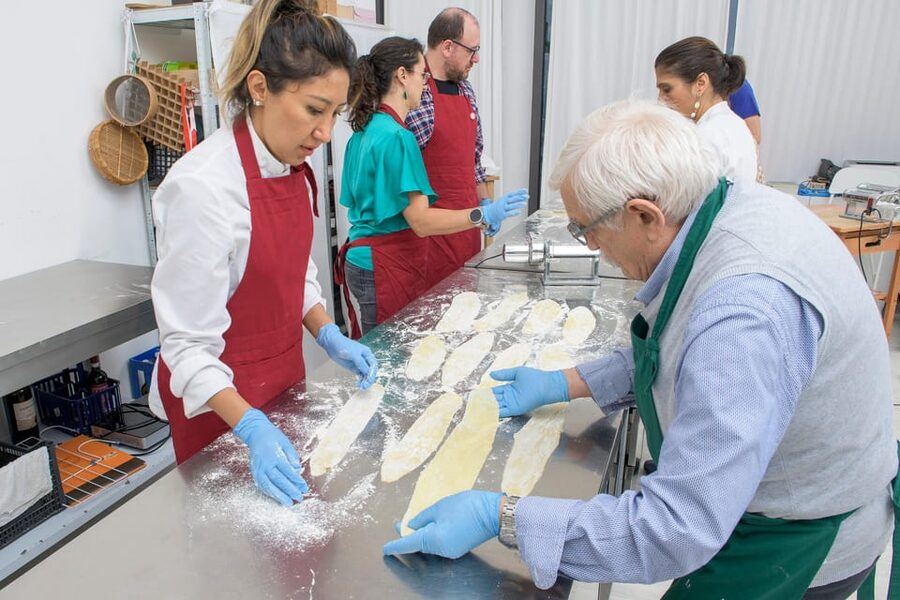
- Fresh pasta is the main practical lesson: You may prepare tagliatelle, ravioli, gnocchi, or another pasta shape, often using a pasta machine.
- Chef Ilaria leads with warmth and humor: Her teaching style suits beginners, while her tips on technique and Italian food customs give experienced cooks something useful.
- Three dishes become a shared meal: Past classes have included bruschetta, pasta, tiramisù, biscotti, strudel, gnocchi, and other traditional dishes.
- Wine and snacks are included: Cheese, sun-dried tomatoes, mortadella, olives, sweets, coffee, tea, infusions, water, and wine help fill the cooking pauses.
- Recipes go home with you: The supplied recipes are intended to be practical enough to repeat in your own kitchen.
- Bring only what you need: The professional kitchen does not allow pets, smoking, luggage, or large bags, and the class is not suitable for children under 10 or people with mobility impairments.
What the three-hour Milan class is really like
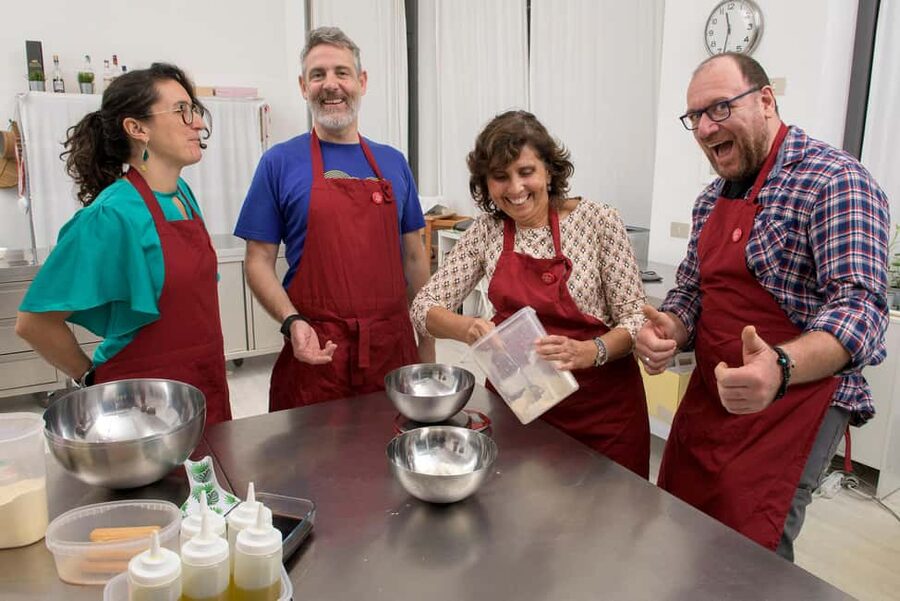
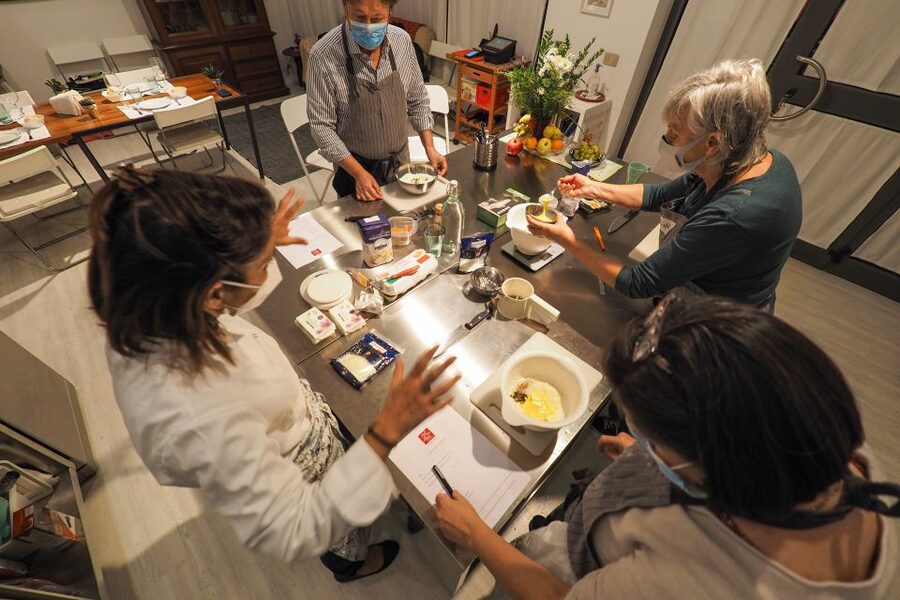
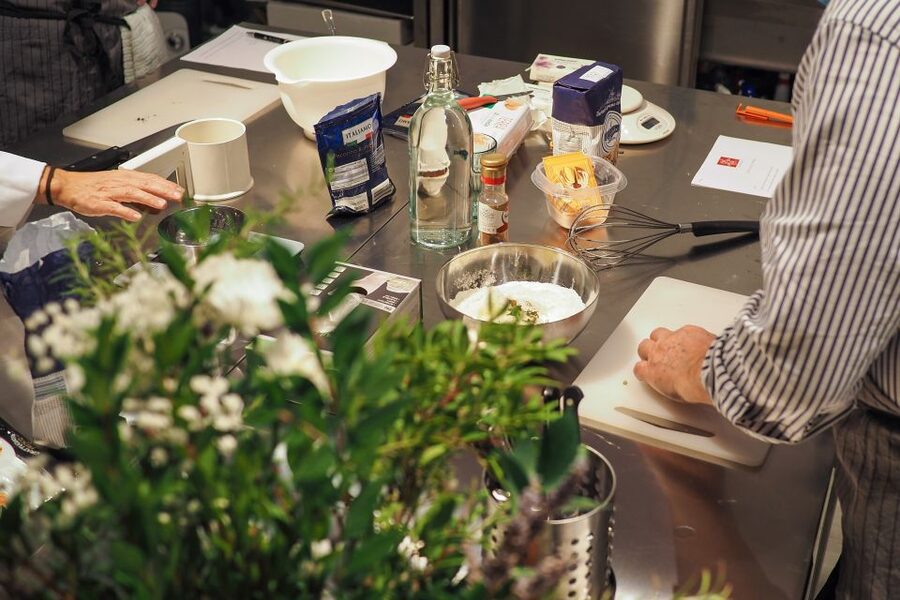
This is not a demonstration where you sit back and watch someone make dinner. You work at your own personal station, use the supplied tools, and take part in the preparation. Aprons and gloves are provided, which keeps the session organized and helps you feel ready to handle flour, dough, sauces, and other ingredients.
The class is conducted in Italian and English. Chef Ilaria and her team explain the steps clearly, and the teaching style appears friendly rather than formal. That matters if you are nervous about cooking in front of others. The class is designed for beginners, but you can still pick up useful details about timing, texture, ingredients, and traditional methods.
You should expect a social setting. You cook alongside people from different countries, ask questions, and later sit down together to eat. If you are visiting Milan alone, this is an easy way to share an evening without signing up for a party-style event. If you come with family or a partner, the work gives you something to do together beyond sightseeing.
More Food Tours in Milan
- Milan’s Authentic Street Food tour: A Gourmet Experience
★ 4.5 · 717 reviews - Small-Group Barolo Wine Tasting, Alba & UNESCO Piedmont Hills
★ 5.0 · 689 reviews - Milan: Guided Street Food Walking Tour with Food Tasting
★ 4.8 · 654 reviews
Entering Chef and the City on street level
The meeting point is easy to identify. Chef and the City is a street-level shop with three large windows and three red signs carrying the business name. When you arrive, ring the bell at the main window door.
This is useful practical information because the experience does not begin at a grand restaurant entrance. Look for the red signs and windows, then ring the bell. Arriving with a small day bag is the safest plan. Large bags and luggage are not allowed inside, and there is no luggage storage provided.
The cooking space is described as a professional cooking lab, so the atmosphere is more organized than a casual home kitchen. You will be asked to follow kitchen rules, including no eating, drinking, or tasting while cooking. Tie back long hair before you begin.
Starting with snacks, tools, and kitchen rules
The opening part helps you settle in and meet the group. Light snacks may include cheese, sun-dried tomatoes, mortadella, and olives. You may also find cookies, biscuits, candies, coffee, tea, infusions, and water available during the session.
The snack selection is a nice touch, but it is not meant to replace the meal you will prepare later. The rule against tasting during cooking may surprise some people. It is there because you are working in a professional kitchen, and it keeps the preparation clean and orderly. You will need to wait until the cooking is complete before sampling the results.
Your station includes cooking tools, gloves, and an apron. The personal desk setup is especially helpful during pasta preparation because you have room to work rather than crowding around one shared counter.
Making pasta from flour to finished shape
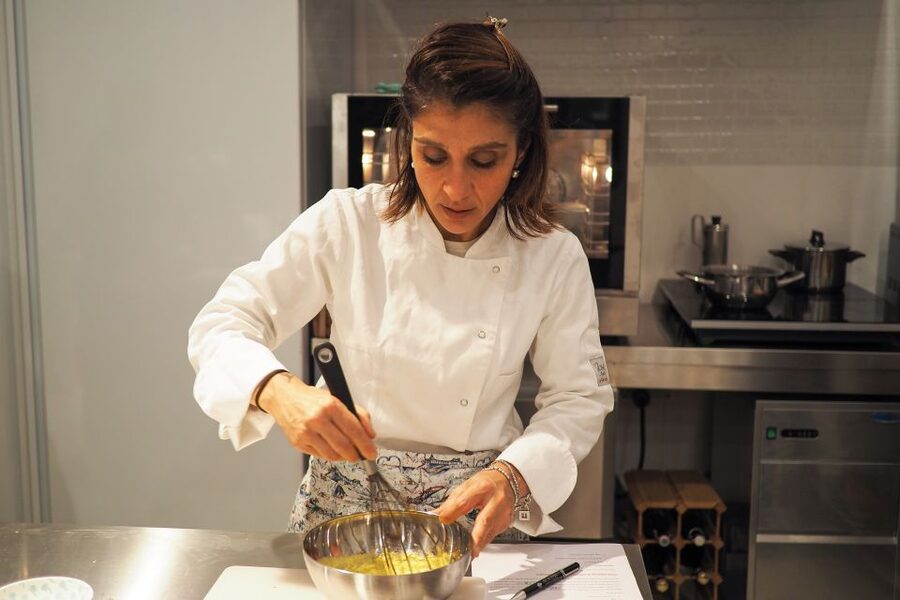
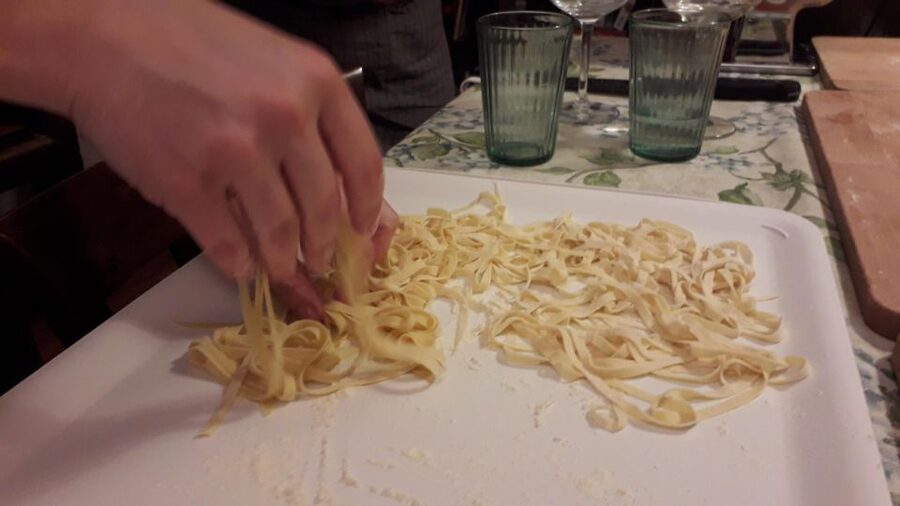
Fresh pasta is the heart of the experience. Depending on the scheduled menu, you may make tagliatelle, ravioli, gnocchi, or another traditional shape. Several class menus have included fresh tagliatelle made from scratch, and the pasta-machine lesson gives you a skill you can repeat at home.
The value here is practical. You are not simply handed a plate of pasta and told that fresh dough is easy. You get to handle the mixture, work the dough, and see how it changes. The process also shows why thickness and shape matter when pasta is paired with sauce.
The class may cover different pasta styles on different dates. One session might focus on tagliatelle, while another includes ravioli or gnocchi. If you have your heart set on one particular dish, confirm the planned menu rather than assuming every option listed in the general description will appear.
Gnocchi has also received special praise, including a butter and sage version. This is a good example of why the menu matters. Gnocchi and pasta teach different skills, and you may prefer one based on your cooking interests.
More Wine Tours in Milan
- Milan: Pasta and Tiramisu Cooking Class with Wine
★ 4.8 · 1,106 reviews - Gnocchi, Pasta, Tiramisù and Wine Class
★ 5.0 · 691 reviews - Milan: Pasta and Tiramisu Small Group Cooking Class with Wine
★ 5.0 · 660 reviews - Milan: Wine Lovers Experience at Cantina Urbana Winery
★ 4.6 · 454 reviews
Preparing the starter and dessert
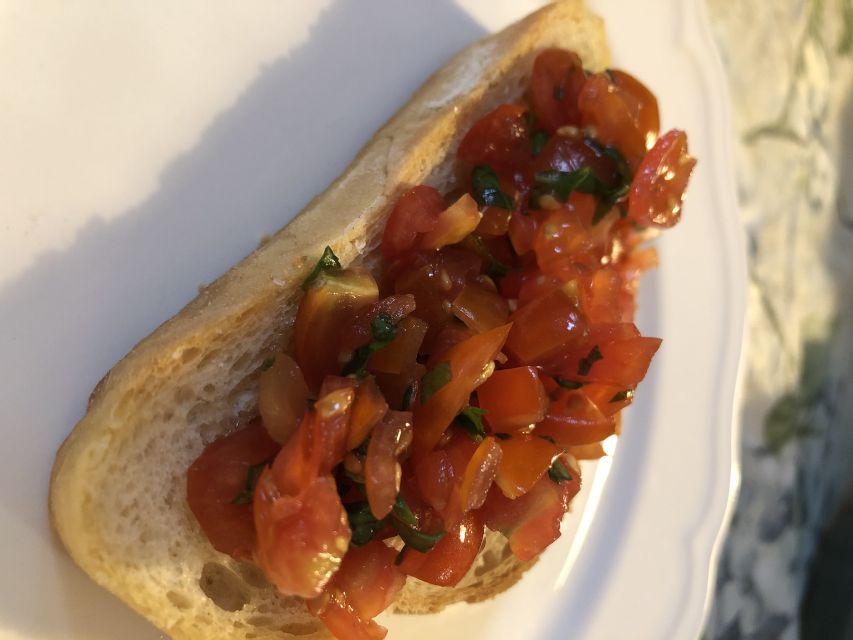
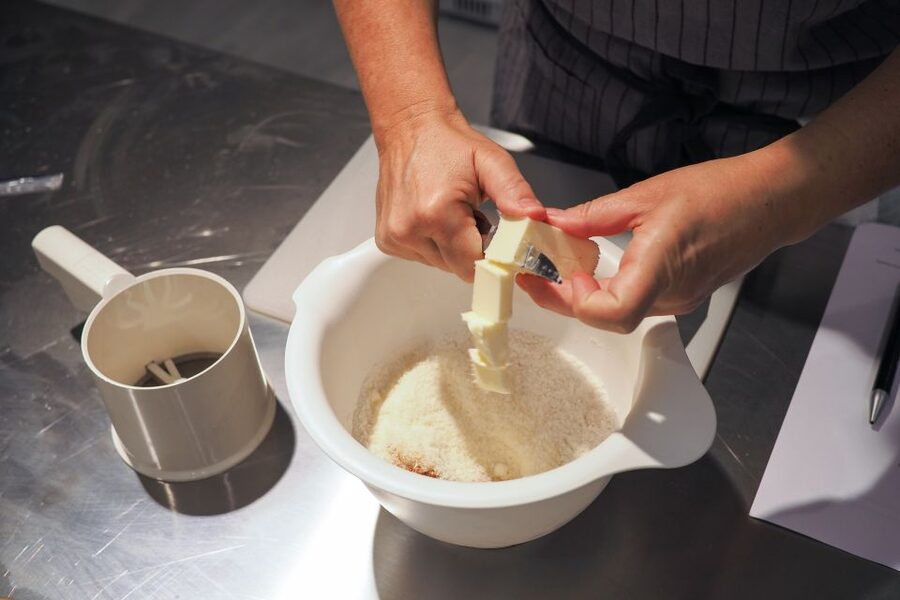
The pasta course is often paired with an appetizer and dessert, creating a simple three-course structure. Bruschetta has appeared as a starter, with toppings and preparation that introduce you to the importance of good ingredients and careful assembly. It is a straightforward dish, but that makes it useful for home cooking.
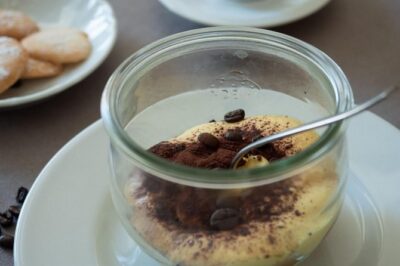
Desserts vary. You may prepare tiramisù, biscotti or cantucci, apple strudel, or another sweet. Tiramisù is particularly worthwhile if you want a classic Italian recipe with cultural details attached. Chef Ilaria has explained that traditional tiramisù should not be prepared with amaretto, a tip that may differ from versions commonly made in some other countries.
The dessert lesson can be one of the most useful parts for home cooks because it often requires less specialized equipment than fresh pasta. If you are hoping for tiramisù or strudel, check the menu in advance. The experience description names many possible dishes, but not all of them can be prepared in one three-hour class.
Understanding sauces, timing, and Italian rules
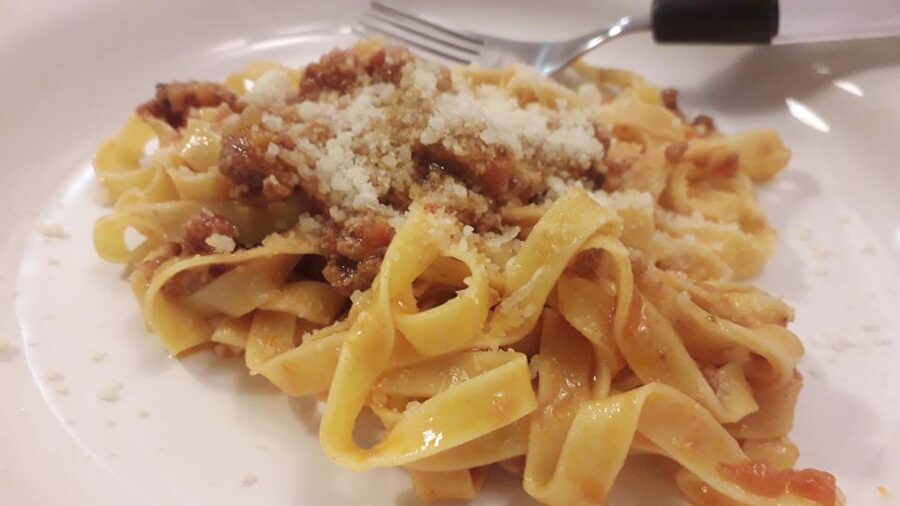
A useful detail from the class format is that sauces may not always be cooked entirely during the session. Ragu, for example, needs hours to develop. Cacio e pepe also requires careful handling, but the class may provide a prepared sauce so that you can focus on fresh pasta and still eat within the three-hour schedule.
This is not a flaw, but it sets the right expectation. You receive the recipe and learn how the sauce fits the dish, yet you may not personally simmer every sauce from beginning to end. If your priority is a full start-to-finish lesson, ask exactly which parts will be prepared ahead.
The cultural advice can be just as valuable as the cooking technique. Chef Ilaria has used carbonara to explain Italian standards, insisting that cream and bacon do not belong in a traditional version. You are free to adapt food at home, but learning the difference between a traditional recipe and a personal variation helps you understand what you are cooking.
These small rules give the class more character than a generic pasta workshop. You learn not only what to do, but why a cook in Italy might object to a familiar shortcut.
Sitting down to eat what you made
After the preparation, the class shifts from work to meal. You sit down as a group and eat the dishes you helped prepare, with wine included. Both red and white wine may be available, and the meal gives you time to chat with the other people in the room.
I like this format because it turns the class into a complete evening rather than a lesson followed by an awkward departure. You have a clear reward at the end, and the shared table makes the activity social without requiring extra restaurant plans.
The amount of food appears generous. Snacks are served during pauses, then the main dishes follow. Wine is part of the experience, so take that into account when planning the rest of your night. The workshop lasts three hours, and the pace is designed to fit several courses without dragging.
The social side depends on the group. Some sessions may have only two people, while others bring together a larger mix of nationalities. A very small group means more direct attention from the chef, but it may feel quieter. A fuller class creates more conversation and shared energy.
Chef Ilaria’s teaching style
Chef Ilaria is repeatedly praised for being funny, welcoming, patient, and energetic. Her English is described as excellent, which makes the class accessible if you do not speak Italian. She also explains food history, cooking science, and technique instead of rushing through instructions.
That combination suits people who want more than a souvenir activity. You can ask why a step matters, how to correct a mistake, or how to recreate the dish at home. One of the most useful features is her willingness to correct errors as you work, rather than simply taking over.
The team also helps keep each station supplied with ingredients and utensils. That support matters in a hands-on class. You spend more time learning and less time waiting for a bowl, tool, or ingredient to appear.
The tone is professional but playful. That balance is important. A class that is too serious can feel like culinary school, while one that is only entertainment may leave you with little practical skill. Here, the strongest praise centers on both the fun atmosphere and the useful instruction.
Dietary needs and the limits of the format
The class has accommodated dietary restrictions and allergies, including a gluten-free participant. If you have a food restriction, tell the provider in advance so the kitchen can prepare appropriately. Do not assume every menu item can be changed at the last minute.
The experience is not wheelchair accessible and is not suitable for people with mobility impairments. It is also not suitable for children under 10. Pets, smoking, luggage, and large bags are not allowed.
The kitchen rules may be less relaxed than you expect from a home cooking lesson. No food or drinks are allowed while you are cooking, and tasting before the meal is not permitted. For most people, this is a minor inconvenience, but it is worth knowing before you arrive.
Is $80 a fair price in Milan?
At $80 per person, the price is reasonable if you value instruction, food, wine, and the social setting together. You are paying for three hours of guided cooking, ingredients, tools, an apron, gloves, snacks, a meal, wine, and recipes to take home.
The value is strongest for people who will actually use the recipes later. A restaurant dinner might offer more polished food, but it will not teach you how to roll pasta, shape dough, prepare bruschetta, or understand why certain sauces work. A cheaper cooking demonstration might also exist, but it may not provide the same hands-on time.
The price includes enough food to make the experience function as both a class and a meal. You should still judge it against your own priorities. If you dislike group activities, do not cook at home, or only want a quick tasting, $80 may feel high. If you want an authentic activity with skills you can repeat, the cost is easier to justify.
Free cancellation up to 24 hours before the start time and a reserve-now, pay-later option also make planning less rigid. Check the available start times when you book, since the exact schedule is not fixed.
Who should book this cooking class?
I would choose this for first-time pasta makers, couples, solo visitors, families with older children, and anyone who wants a break from museums and churches. It also suits people who enjoy meeting others over a meal.
You do not need advanced cooking skills. The clear instruction and personal workstation make it approachable, while the tips on carbonara, tiramisù, sauce timing, and pasta technique give experienced cooks something new to consider.
I would be more cautious if you need a fully private class, a wheelchair-accessible venue, or a guaranteed menu. The class is shared, the group size can vary, and the dishes change. You should also avoid bringing luggage because storage is not available.
Final verdict: book it if you want skills, not just dinner
I recommend Chef and the City for a practical and sociable taste of Italian cooking in Milan. The strongest reasons are Chef Ilaria’s teaching, the fresh pasta work, the chance to eat your own meal, and the recipes that continue to be useful after your trip.
Book it if you want to learn, laugh, and share wine with people from different places. Skip it if you want a quiet restaurant meal or insist on preparing every sauce and dish entirely from raw ingredients. For most visitors who want an activity with real take-home value, this is a well-priced three hours.
FAQ
How long does the Milan Italian cooking class last?
The cooking class lasts three hours.
How much does the experience cost?
The price is $80 per person.
What languages are spoken during the class?
The host or greeter speaks Italian and English.
What food might I prepare?
Possible dishes include fresh tagliatelle, gnocchi, ravioli, cacio e pepe, ragu, focaccia, eggplant parmigiana, bruschetta, and tiramisù. The exact menu may vary.
Is fresh pasta made during the class?
Yes. The class can include fresh pasta made from scratch, including tagliatelle, ravioli, or other pasta shapes.
Is wine included?
Yes. Food, beverages, and wine are included.
Are cooking tools and protective clothing provided?
Yes. Cooking tools, gloves, and aprons are provided.
Do I receive the recipes afterward?
Yes. You receive copies of the recipes so you can make the dishes at home.
Can I bring luggage or a large bag?
No. Luggage and large bags are not allowed, and luggage storage is not provided.
Is the class wheelchair accessible?
No. The experience is not wheelchair accessible and is not suitable for people with mobility impairments.
More Hands-On Cookery Sessions
- Milan Cooking Class: Authentic Pizza & Gelato Making
★ 5.0 · 582 reviews - Small Group Cozy Cooking Class in a Typical Milanese Home.
★ 5.0 · 302 reviews - Milan: Pasta & Tiramisu Cooking Class with Premium Products
★ 5.0 · 255 reviews - 3 in 1 Cooking Class near Navona: Fettuccine, Ravioli & Tiramisu
★ 5.0 · 7,376 reviews
More Vineyard Visits and Tastings
- Milan Centre Food Tour of 7+ Italian Tastings with Risotto & Wine
★ 5.0 · 264 reviews - Tuscany Day Trip from Florence: Siena, San Gimignano, Pisa and Lunch at a Winery
★ 5.0 · 21,634 reviews - Florence: Pasta Cooking Class with Unlimited Wine
★ 4.9 · 10,285 reviews - Florence: Chianti Wineries Tour with Wine Tasting
★ 4.5 · 8,301 reviews
Just added around Milan
- Milan Sights by Segway Small Group Tour★ 5.0 · 249 reviews
- Unveil the Masterpiece: Guided Tour of Da Vinci’s Last Supper★ 4.5 · 251 reviews
- Milan: Pasta & Tiramisu Cooking Class with Premium Products★ 5.0 · 255 reviews
- Milan Semi-Private Max 6 People Tour with Last Supper and Duomo★ 5.0 · 258 reviews
- Skip The Line: Best Of Milan Tour With Last Supper & Milan Duomo★ 4.5 · 260 reviews
- Milan: Duomo & Rooftop Tour with Optional Hop-On Hop-Off Bus★ 4.5 · 262 reviews
- Stresa: 1-Day 3 Borromean Islands Hop-On Hop-Off Boat Tour★ 4.0 · 262 reviews
- Milan Centre Food Tour of 7+ Italian Tastings with Risotto & Wine★ 5.0 · 264 reviews
Cooking Classes, compared.

3 in 1 Cooking Class near Navona: Fettuccine, Ravioli & Tiramisu
Read our review →
Pasta & Tiramisu Cooking Class with Unlimited Wine
Read our review →
Cooking Class and Lunch at a Tuscan Farmhouse with Local Market Tour from Florence
Read our review →
Pasta Making Class with Wine, Limoncello, and Dessert
Read our review →
3-in-1 Fettuccine, Ravioli, and Tiramisu Cooking Class
Read our review →Browse the lists this tour appears in