
Review · MATERA TOURS
Matera: Sassi Tour with Entry to Rock Houses and Churches
Matera makes history feel close enough to touch. This two-hour walk through the Sassi combines Santa Maria de Idris and San Giovanni in Monterrone with a furnished cave home, old neighborhoods, and fine viewpoints. I like that an authorized local guide puts the stones and stairways into human context, and I like the sensible route from Piazza Vittorio Veneto to Piazza Giovanni Pascoli. The main consideration is physical effort: this is a walking tour with steps, uneven surfaces, and no access for electric wheelchairs or baby strollers.
The $40 price is fair because it includes entry to two rock churches and the museum-style Casa Grotta, not just a walk through the lanes. Guides such as Anna, Guido, Patrizia, Maria, Andrea, Analisa, and Adrienne have been praised for clear explanations, patience, photo stops, and adjusting the pace. Just confirm your exact meeting point before setting out, since the starting option can vary.
In This Review
- Key points to know before you book
- Why a guided walk helps in Matera
- Starting at Piazza Vittorio Veneto and the Sasso Barisano view
- Walking through the historic center to Piazza Duomo
- Entering the Sasso Caveoso
- Casa Grotta and the story of daily life
- Santa Maria de Idris and San Giovanni in Monterrone
- The cemetery and older neighborhoods
- Film locations and the modern face of Matera
- How long the walk really feels
- Price, languages, and practical value
- Who should book this Matera tour?
- Should you book it?
- FAQ
- How long does the Matera Sassi tour last?
- What is included in the price?
- Is food or drink included?
- Which languages are available?
- Where does the tour start?
- Where does the tour end?
- Is the tour suitable for people with mobility impairments?
- Does the tour operate in rain?
Key points to know before you book
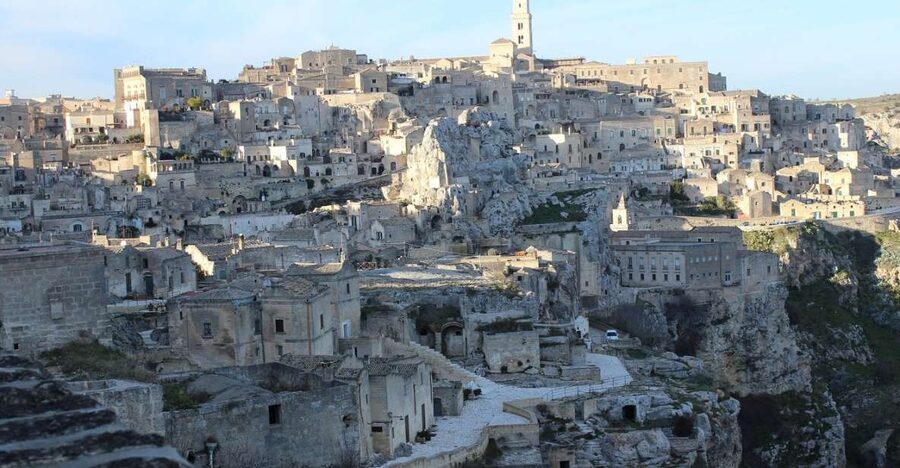
- You see Matera’s Sassi from above and within: Begin with a panorama of the Sasso Barisano, then walk into the Sasso Caveoso.
- Rock churches are included: Your ticket covers Santa Maria de Idris and San Giovanni in Monterrone.
- Casa Grotta adds the human story: The furnished cave home shows how peasant families once lived in the Sassi.
- The route includes film locations: Your guide points out places used in films, adding a modern layer to the ancient setting.
- Local guiding is the real value: Guides explain architecture, daily life, neighborhood changes, and the city’s past rather than simply naming sights.
- Expect steps and uneven ground: Comfortable shoes are essential, and the tour is not suitable for people with mobility impairments.
Why a guided walk helps in Matera
Matera can look simple at first: pale stone, carved doorways, staircases, and caves stacked across a ravine. The difficulty is understanding what you are seeing. A doorway may lead to a church, a home, a cistern, or a room cut into the rock. Without context, the Sassi can become a very beautiful maze.
That is where this tour earns its place. An authorized guide explains how the neighborhoods worked, how people used the caves, and how Matera changed over time. The strongest comments about the guides focus on their ability to make the past feel understandable, with stories about former residents and explanations of architectural details.
I especially like the balance between broad history and small observations. One guide, Patrizia, was praised for explaining the city while also finding an easier route up when the climb back to the main plaza looked tiring. Another guide, Maria, helped connect earlier life in the Sassi with modern Matera. These details matter because the tour is not only about taking photographs. It helps you read the city.
The route also gives you a useful first orientation. After the walk, you can return to the Sassi sites that caught your attention, spend more time inside a church, or explore a lane at your own pace without constantly checking a map.
A few more reviews worth comparing before you book
- Matera: Sassi Tour with Cave House and Rupestrian Church
★ 4.7 · 6,618 reviews - Discover Matera, the ancient city – English tour
★ 5.0 · 1,771 reviews - Guided Tour of Matera Sassi
★ 4.5 · 1,312 reviews
Starting at Piazza Vittorio Veneto and the Sasso Barisano view
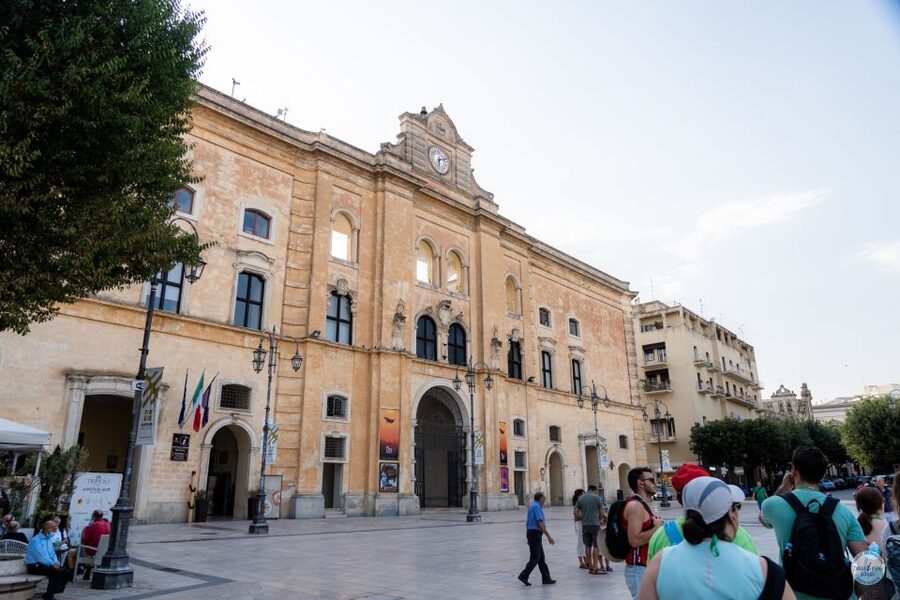
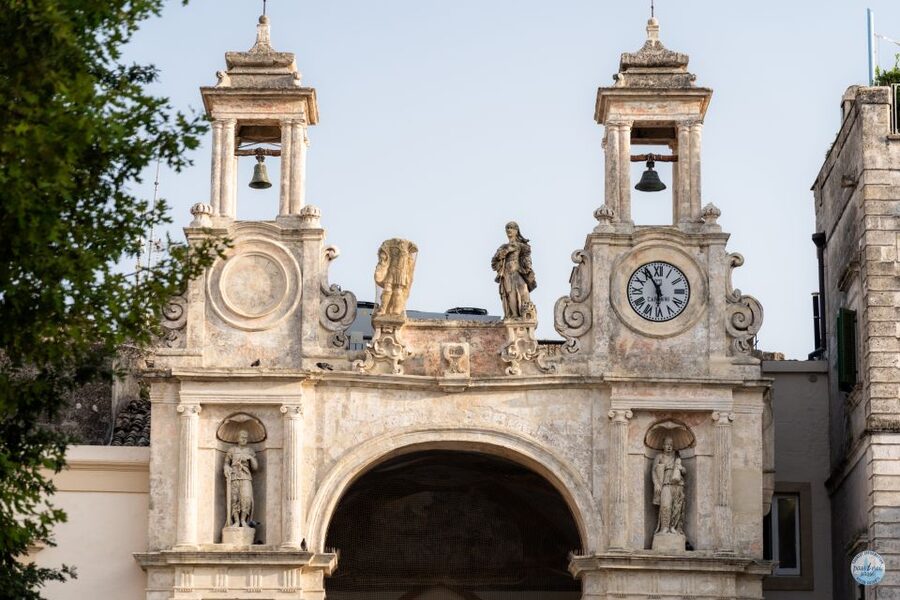
The walk begins from the historic center, near Piazza Vittorio Veneto, with an arch-shaped fountain serving as a reference point. Depending on the option booked, the meeting point may be listed around Via Don Giovanni Minzoni 13 or Passi nei Sassi, so check the confirmation carefully. This is one practical detail worth handling before the day of the tour.
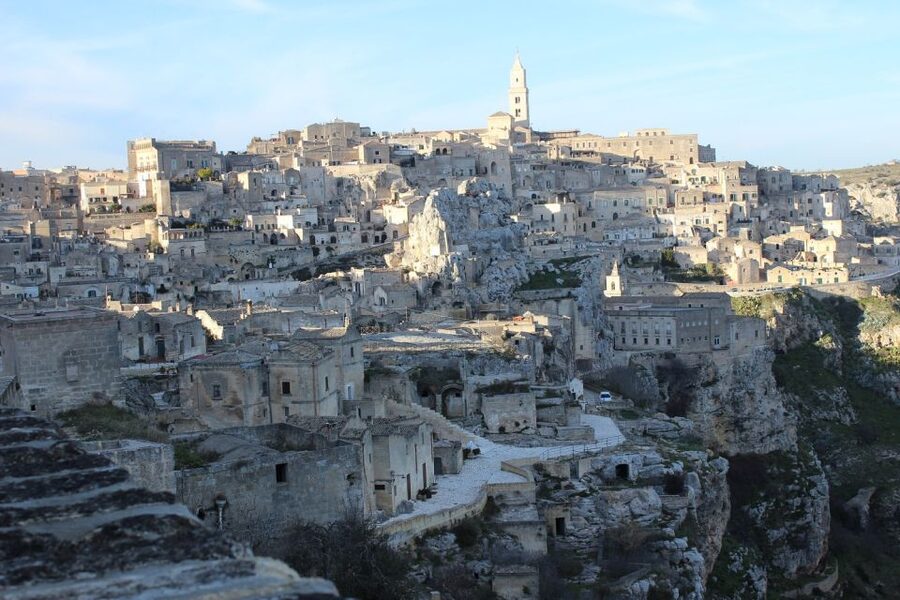
The opening view looks toward the Sasso Barisano. It is an effective beginning because you first see Matera as a whole before moving into its lanes. The panorama helps you understand the two main Sassi districts and the way homes, churches, paths, and rock faces fit together.
Your guide will likely pause here to establish the basic story of the city. Listen for the connection between the visible stonework and the people who lived among it. The Sassi are not simply ruins preserved for display. They were working neighborhoods, and the tour’s best moments come when the guide explains ordinary life, not just grand monuments.
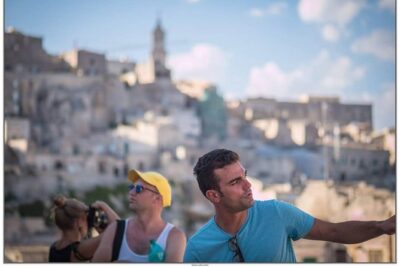
This first section is also useful for photographs. Several people praised guides for allowing time to stop and take pictures, while still keeping the walk moving. If photography matters to you, this opening viewpoint gives you an early chance to frame the city before the narrower streets and stairways begin.
Walking through the historic center to Piazza Duomo
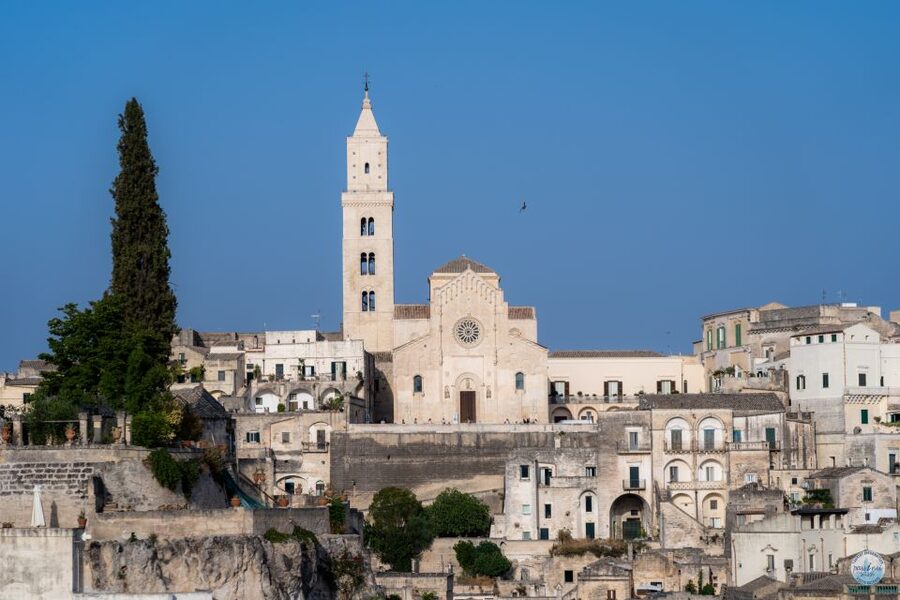
The route continues through Matera’s historic center toward Piazza Duomo. This portion lets you shift between the more open central streets and the older districts below. The walk is not a single museum visit. It is a gradual change in setting, with the guide pointing out buildings, lanes, viewpoints, and places connected with Matera’s film history.
The cathedral is viewed from the outside at Piazza Duomo. Since the cathedral interior is not listed as part of the experience, keep your expectations clear. This is an exterior stop and a chance to understand the cathedral’s position within the old city, not a cathedral entry visit.
I like this part of the route because it gives the tour a useful rhythm. You are not asked to absorb all the information inside dark caves. The streets and squares provide breathing room, while the guide continues to explain how the old center relates to the Sassi.
The film locations add another point of interest. Matera has been used as a setting for major productions, and the guide helps you recognize the places that may otherwise look like ordinary stone streets. This is a pleasant extra for film fans, but even if you are not interested in cinema, it shows how strongly Matera’s appearance has shaped its public identity.
Entering the Sasso Caveoso
From Piazza Duomo, the walk moves into the Sasso Caveoso. This is where the tour becomes more hands-on. You leave the broad overview and start examining the carved spaces, old residential areas, and rock-cut buildings at closer range.
The Caveoso district is one of the most important parts of the route because it shows the relationship between natural rock and human construction. The neighborhood is full of surfaces that do several jobs at once: walls become ceilings, caves become rooms, and paths follow the shape of the ground.
You should expect steps and uneven paving here. The tour is not suitable for people with mobility impairments, and baby strollers, baby carriages, and electric wheelchairs are not allowed. Comfortable shoes are a must. In hot weather, the pace matters, so it is useful that guides have adjusted walking speed and routes for people who needed a little more time.
Light rain does not automatically cancel the experience, since the tour operates in light rain. Still, wet stone can make any stepped historic area less comfortable, so sensible footwear and a rain layer are worthwhile.
A different sort of day out around Matera:
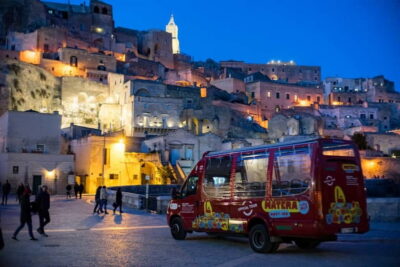
- Sassi of Matera: Eco-Bus Open Top Tour
★ 4.6 · 592 reviews - Matera’s Sassi Walking Tour – History & Culture
★ 5.0 · 476 reviews - Guided Tour, Historic Center Sassi Rock Churches and Cave House
★ 5.0 · 461 reviews - Full Private 3h Excursion to the Sassi di Matera
★ 5.0 · 451 reviews
Casa Grotta and the story of daily life
The Casa Grotta visit lasts about 15 minutes and is one of the most valuable parts of the experience. This furnished cave home represents peasant life in the Sassi and gives you a sense of how a household functioned in a space carved from rock.
A quick visit cannot explain every detail, but it gives you something that a panoramic view cannot: scale. You can stand inside a room and consider how people organized their home, work, animals, and family life in a very limited space. The furnishings turn an abstract story into something easier to picture.
The guide’s explanation is important here. On your own, you might notice the cave walls and old objects but miss how the home reflects an earlier social system. The strongest guiding style on this tour connects the room to the people who used it. Maria was praised for bringing former residents’ lives to mind, while other guides have been appreciated for answering questions patiently and clearly.
I would not treat Casa Grotta as a full museum visit. It is a concise stop within a larger walking route. Its value comes from the combination of the physical room and the explanation around it. If you want to return later for a slower look, make a mental note of what interests you.
Santa Maria de Idris and San Giovanni in Monterrone
The included entry to Santa Maria de Idris and San Giovanni in Monterrone is the tour’s major payoff. Santa Maria de Idris is one of Matera’s most recognizable rock churches, carved into the rock of the Caveoso area. The interior brings together rough stone surfaces, religious space, and traces of painted decoration.
The visit is scheduled for around 15 minutes, which is enough for an introduction but not an extended study session. Your guide explains the church’s role and points out features you might pass without noticing. The dim interior can make details hard to see, so listen closely and take your time when the group pauses.
San Giovanni in Monterrone is also included in the entrance ticket. Having both rock churches covered makes the $40 cost easier to justify. You are not paying only for a street walk. You receive access to places that help explain how religious life adapted to the caves.
The churches are also a good test of the guide’s style. A list of dates would be forgettable. The better guides use architectural details, humor, and clear language to keep the explanation moving. One guide was particularly praised for discussing architectural styles without making the information heavy. That is useful in a place where the visual setting is already dramatic and easy to admire without understanding.
The cemetery and older neighborhoods
The itinerary also includes a visit to what is described as a barbaric cemetery, along with several of the older neighborhoods. This broadens the tour beyond the best-known church and cave home.
The cemetery offers another reminder that Matera was shaped by many layers of life, not just the period represented by the furnished home. Your guide supplies the meaning of the site, while the surrounding neighborhoods show how the Sassi developed as connected communities rather than isolated attractions.
This is also where the walking format feels most authentic. You move through areas rather than checking off monuments one by one. The old streets, stairways, rock walls, and changing views become part of the lesson. A local guide can point out a detail and explain why it matters in a way a printed map usually cannot.
The walking route also helps with crowd avoidance. One guide was praised for selecting good places for photographs and avoiding the busiest spots where possible. That does not mean you will have the Sassi to yourself, but route choice can make the experience calmer and more enjoyable.
Film locations and the modern face of Matera
The tour highlights Matera’s film locations as well as its older history. This works best as a supporting theme, not the main reason to book. The city’s stone streets and churches have attracted filmmakers, and seeing those places in person can change how you look at familiar scenes.
A guide can show you how a location functions on screen compared with how it appears in daily life. That contrast adds a little humor and helps you notice the careful angles and visual drama of the Sassi.
I also appreciate that the tour does not treat Matera as a frozen relic. The guides described in the feedback connect earlier life with the modern city. That is important. Matera is not just a backdrop for films or a collection of abandoned caves. It is a living historic center with a complicated past and a present-day visitor economy.
How long the walk really feels
The advertised duration is two hours. That is long enough to cover the main route, Casa Grotta, the rock churches, the cemetery, and major viewpoints without turning the day into an exhausting half-day outing.
Some guided walks have taken closer to two and a half or three hours, especially when the guide allowed extra questions, photo stops, or a slower pace. I would leave a little room in your schedule rather than booking a tight connection immediately afterward.
The pace has generally been described as well judged, neither rushed nor sluggish. Still, conditions change. Heat, rain, group size, and the number of questions can all affect timing. If you are sensitive to walking speed, tell the guide early. The experience can be adjusted more easily when the guide knows what you need.
The end point is around Piazza Giovanni Pascoli, near the Sasso Caveoso and back in the historic center. This is a useful place to finish because you remain close to the old districts instead of being sent far away from the sights.
Price, languages, and practical value
At $40 per person, the tour offers solid value if you want context and entry to the rock sites. The ticket includes Santa Maria de Idris, San Giovanni in Monterrone, and the museum of peasant civilization at Casa Grotta. Food and drinks are not included, so plan those separately.
The live guide may speak English, Italian, German, French, or Spanish. An optional Spanish audio guide is also listed. The quality of a walking tour depends heavily on communication, so choose the language that lets you ask questions comfortably.
The experience has a 4.6 out of 5 rating from 622 ratings, with especially strong praise for the guides. Anna was described as patient and pleasant, Guido as friendly and informative, Patrizia as flexible and engaging, and Andrea as approachable and happy to answer questions. Analisa was praised for allowing photo stops, while Adrienne adapted the pace during hot weather.
These details suggest a useful pattern: the people leading the walk are not simply delivering a fixed speech. Many have adjusted routes, answered questions, and helped with practical concerns. That personal attention is a large part of the price.
Free cancellation up to 24 hours before the activity and reserve-now, pay-later booking make the tour easier to fit into a changing schedule. Those policies are helpful, but the more important planning point is the meeting location. Confirm the chosen starting option and allow time to find it.
Who should book this Matera tour?
I would recommend this walk to a first-time visitor who wants a clear introduction to Matera in one outing. It suits people who enjoy history, architecture, photography, film locations, and human stories about how places were lived in.
It is also a good choice if you have only a short stay. The route covers several of the city’s central sights and gives you a plan for returning to the places you want to study more closely.
Independent explorers may find the tour useful at the beginning of a visit, even if they prefer to wander alone afterward. You get the basic map in your head, then you can explore with more confidence.
I would be cautious about booking if steps are difficult for you, if you need wheelchair access, or if you dislike guided pacing. The route is active, and the historic surfaces cannot be made flat or smooth. The tour also does not include food, drinks, or cathedral entry, so it should be seen as a focused walking introduction rather than a complete day in Matera.
Should you book it?
Book this tour if you want the Sassi explained, not merely photographed. The combination of panoramic views, Casa Grotta, two rock churches, older neighborhoods, and film locations gives you a strong first look at Matera for a reasonable price.
I would book it early in your stay and use the final stop near Piazza Giovanni Pascoli as a launch point for further exploring. Wear supportive shoes, bring water even though no refreshments are provided, confirm the meeting point, and allow more than exactly two hours in case your guide makes time for questions and photos.
Skip it only if you already know Matera well or prefer a completely self-guided visit. For most first-time visitors who can manage the steps, the local guide and included entries make this a worthwhile way to understand why the Sassi are far more than a pretty collection of caves.
FAQ
How long does the Matera Sassi tour last?
The advertised duration is two hours. Some tours may take longer when the guide allows extra questions, photo stops, or a slower walking pace.
What is included in the price?
The price includes an authorized guide and entrance tickets to Santa Maria de Idris, San Giovanni in Monterrone, and the museum of peasant civilization at Casa Grotta.
Is food or drink included?
No. You need to arrange your own food and drinks.
Which languages are available?
Live guides are available in English, Italian, German, French, and Spanish. An optional Spanish audio guide is also listed.
Where does the tour start?
The meeting point can vary depending on the option booked. Listed starting references include Via Don Giovanni Minzoni 13 and Passi nei Sassi, so check your booking details before arrival.
Where does the tour end?
The walk ends around Piazza Giovanni Pascoli in Matera’s historic center, close to the Sasso Caveoso.
Is the tour suitable for people with mobility impairments?
No. The tour includes steps and uneven historic surfaces and is not suitable for people with mobility impairments. Baby strollers, baby carriages, and electric wheelchairs are not allowed.
Does the tour operate in rain?
Yes, the tour operates in light rain. Comfortable shoes are recommended in all conditions.
Just added around Matera
- The Sassi of Matera★ 5.0 · 252 reviews
- Matera: Sassi History and Culture Walking Tour★ 4.8 · 267 reviews
- Matera: Open Top Bus Tour with Entrance to Casa Grotta★ 4.2 · 278 reviews
- Matera: 3-hour Private Full Sassi di Matera Guided Tour★ 4.8 · 316 reviews
- Matera: Guided Walking Tour★ 4.8 · 333 reviews
- Discover Matera: Overnight Stay, Meal, and Sassi Tour★ 5.0 · 335 reviews
- Sassi di Matera: Guided Walking Tour with Cave House/Church★ 4.7 · 343 reviews
- Full Private 3h Excursion to the Sassi di Matera★ 5.0 · 451 reviews
Matera Tours, compared.
Sassi Tour with Cave House and Rupestrian Church
Read our review →
Discover Matera, the ancient city – English tour
Read our review →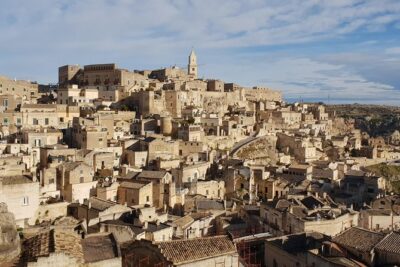
Matera’s Sassi Walking Tour – History & Culture
Read our review →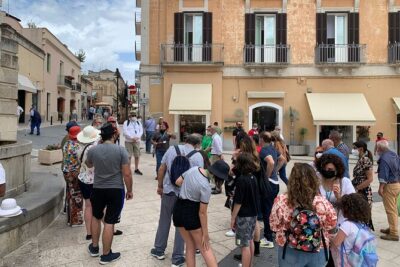
Guided Tour, Historic Center Sassi Rock Churches and Cave House
Read our review →
Full Private 3h Excursion to the Sassi di Matera
Read our review →
Sassi di Matera: Guided Walking Tour with Cave House/Church
Read our review →Browse the lists this tour appears in