
Review · MUSEUMS
Genoa: The City of Children and Young Museum Entry Ticket
Five senses, one bright family stop. The City of Children and Young Museum in Genoa turns sight, sound, smell, touch, and taste into hands-on play. I like its colorful digital displays and the freedom to visit the five themed rooms in any order. I also like that it gives families something active to do together, rather than asking children to stand quietly beside exhibits.
The museum is a good pick for younger children, especially when you want a change from Genoa’s churches, streets, and aquarium tanks. The main caution is size: at $14 per person, the ticket can feel expensive if you move quickly or have older children who finish the activities in less than an hour.
- Five senses in five themed rooms: See, hear, smell, touch, and explore taste through bright interactive displays.
- Flexible route: You can enter the rooms in any order, which helps families follow children’s attention spans.
- Hands-on photo spots: Look for the large nose, lollipop displays, mirrors, reflections, and optical effects.
- A useful family break: The museum shares a building with the Aquarium of Genoa, making it easy to pair the two.
- Best for younger children: The sensory areas are engaging, while the construction zone may feel too young for children around seven or eight.
- Shorter than some families expect: The advertised visit lasts 1.5 hours, but some children may see nearly everything in under an hour.
In This Review
- What the Genoa children’s museum is really like
- Five rooms built around sight, sound, smell, touch, and taste
- Sight: mirrors, shapes, and optical tricks
- Sound: waves, listening, and a hands-on lesson
- Smell: a small activity with strong appeal
- Taste: learning about taste buds
- Touch: bright displays made for active play
- Why the flexible route helps families
- How long you will actually need
- Is the construction zone right for your children?
- The strongest part: learning without a lecture
- Price and value at $14 per person
- Practical tips for a smoother visit
- Who should book the City of Children and Young Museum?
- FAQ
- Where is the City of Children and Young Museum located?
- How much does admission cost?
- How long does the visit last?
- Can I visit the rooms in any order?
- What senses are included in the museum?
- Is the museum wheelchair accessible?
- What should I bring?
- Are pets allowed?
- Can I cancel my booking?
- Can I reserve now and pay later?
What the Genoa children’s museum is really like
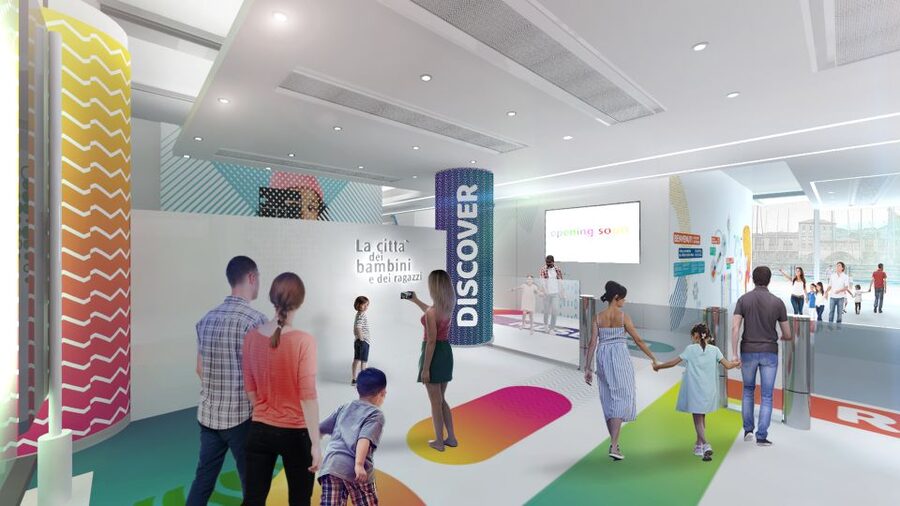
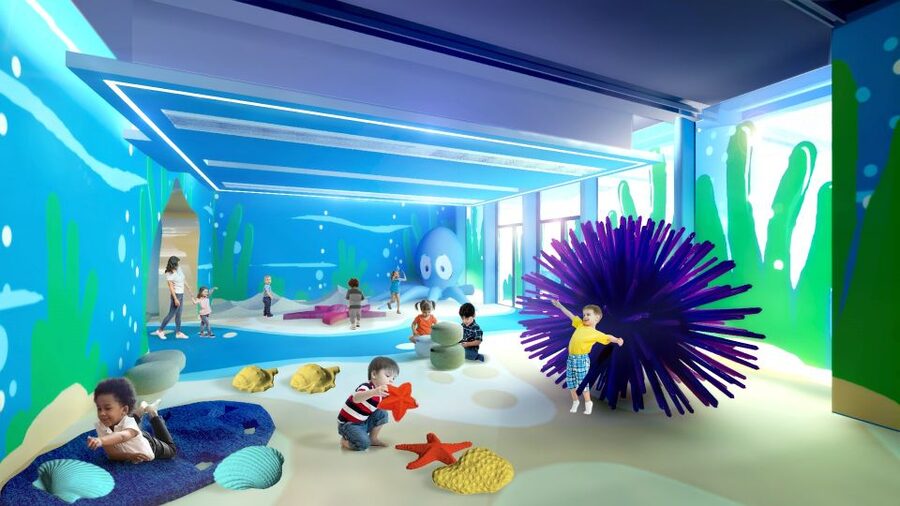
This is not a traditional museum filled with objects behind glass. It is a play-based route through five areas built around the senses. You are invited to press, look, listen, smell, test, and move around. The point is not to collect facts. It is to notice how your body takes in information.
That makes the museum a strong choice for families who want children to learn by doing. A child may understand sound waves more easily after trying an interactive activity than after reading a wall panel. Taste becomes a topic through displays about taste buds. Mirrors and reflections turn light and shape into a game.
The tone is playful rather than academic. You may find bright colors, optical illusions, and digital effects designed to catch a child’s eye quickly. Some displays also make good photographs, including a large 3D nose and lollipop-themed props. These are amusing photo stops, though I would treat the camera as a bonus rather than the main reason to buy the ticket.
The museum is in Genova, in the same building as the Aquarium of Genoa. That location matters. You do not need to plan a separate cross-town outing, and the two attractions can form a convenient family day near the harbor area.
Five rooms built around sight, sound, smell, touch, and taste
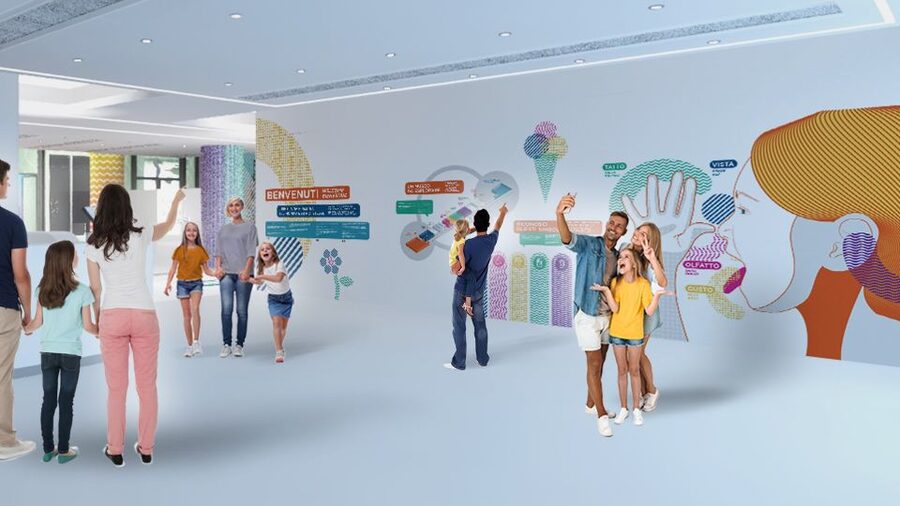
The museum’s central idea is simple: you use all five senses every day, but rarely stop to examine how they work. Each themed area gives you a different way to do that.
More galleries and collections:
- Vatican: Museums & Sistine Chapel Entrance Ticket
★ 4.5 · 144,003 reviews - Vatican Museums & Sistine Chapel Tour with Optional Basilica
★ 4.3 · 67,413 reviews - Vatican Museums, Sistine Chapel & St Peter’s Basilica Guided Tour
★ 4.5 · 39,149 reviews
Sight: mirrors, shapes, and optical tricks
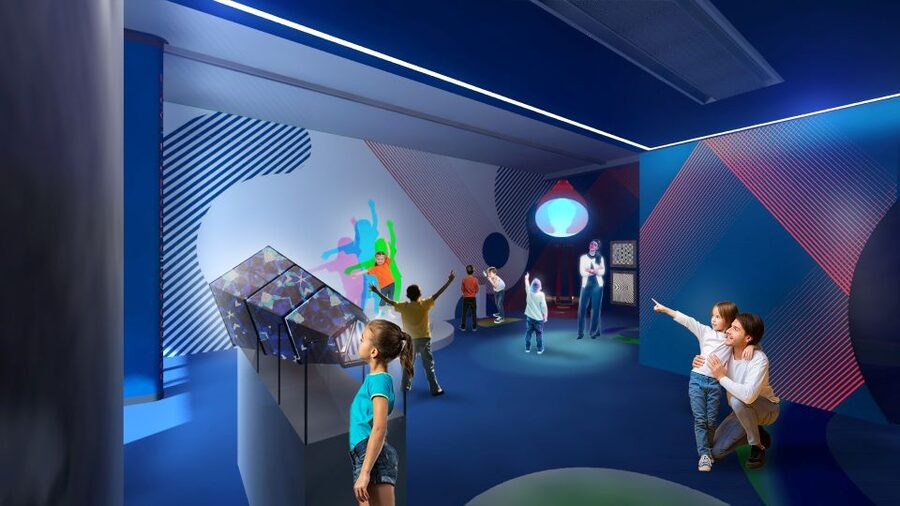
The visual areas are likely to be the first part that grabs children. Bright displays, changing forms, reflections, and mirrors create the sort of setting where children naturally want to move closer and try things for themselves.
I like this section because it turns a basic idea into a physical activity. Instead of being told that reflections can alter what you see, you can watch shapes change in front of you. The optical effects also give children a reason to look twice. A quick glance may not reveal what happens when you shift position.
This is one of the better places for family photographs. The 3D nose and colorful displays are made for playful pictures. Still, the photo quality depends on how busy the room is and how long your children want to pose. Plan for quick snapshots, not a formal photo session.
Sound: waves, listening, and a hands-on lesson
The hearing area covers sound waves and gives children a chance to explore the subject through interaction. One particularly useful feature is the occasional hearing workshop. The activity is described as playful and interactive, while still introducing new ideas to children.
If you visit with children who like asking how things work, pay attention to the announcements for these workshops. Departures are announced regularly, so you do not have to guess when one is starting. The organized timing is helpful because you can continue looking around while waiting for the next session.
The sound section may also be a good reset after the more visually busy displays. It asks children to listen and test rather than simply look. That change of pace helps the 1.5-hour visit feel varied.
Smell: a small activity with strong appeal
The smell activity has received especially positive attention. It is easy to understand why. Smell is often the least visible of the five senses, so a hands-on game about identifying or exploring scents can surprise children.
This area may not occupy a large part of your visit, but it can be memorable. If your child likes guessing games, make time for it instead of rushing past. It is also a good example of the museum’s value: familiar body functions become something children can test for themselves.
A few more reviews worth comparing before you book
- Genoa: Aquarium of Genoa Entry Ticket
★ 4.5 · 10,075 reviews - Genoa: Hop-on Hop-off Tour Ticket
★ 4.0 · 1,524 reviews - Genoa: Half-Day Tour to Portofino
★ 4.2 · 1,123 reviews - Genoa: Pelagos Sanctuary Whale Watching Cruise
★ 4.2 · 806 reviews
Taste: learning about taste buds
The taste area explains how taste buds work. The available information does not promise a full food tasting session, so I would not arrive expecting a meal or a large sampling program. Think of it as an interactive look at how taste works.
That distinction matters for planning. The museum uses taste as a subject, but the ticket is not a food tour. Children who expect snacks may need a separate food stop before or after the visit.
Touch: bright displays made for active play
The touch-based displays invite children to handle and test the exhibits. This is where comfortable clothing and shoes become practical advice rather than a formality. You will be moving around the rooms and stopping at displays, not simply sitting through a presentation.
The touch section also supports the museum’s main strength: children can follow their curiosity. One child may spend time with a single display, while another moves rapidly to the next. Because you can take the rooms in any order, adults have more flexibility than they would on a fixed guided route.
Why the flexible route helps families
You can visit all five rooms in any order. That sounds like a small detail, but it makes a difference when you are traveling with children. There is no need to force everyone through a set sequence if one display has captured a child’s attention.
I would begin by checking the room layout and any scheduled hearing workshop. After that, let the children choose the order. You can circle back to a favorite display, and you are less likely to lose time trying to keep a group together in a prescribed direction.
The flexible format also works well if the museum is one part of a larger day. You can spend about an hour on the core displays, attend a workshop if timing works, and then continue to the aquarium or another Genoa activity.
There is one tradeoff. A free-form route can feel less substantial when the museum is small. Without a long narrative or a fixed progression, some families may finish quickly. The experience depends heavily on how long your children spend experimenting at each station.
How long you will actually need
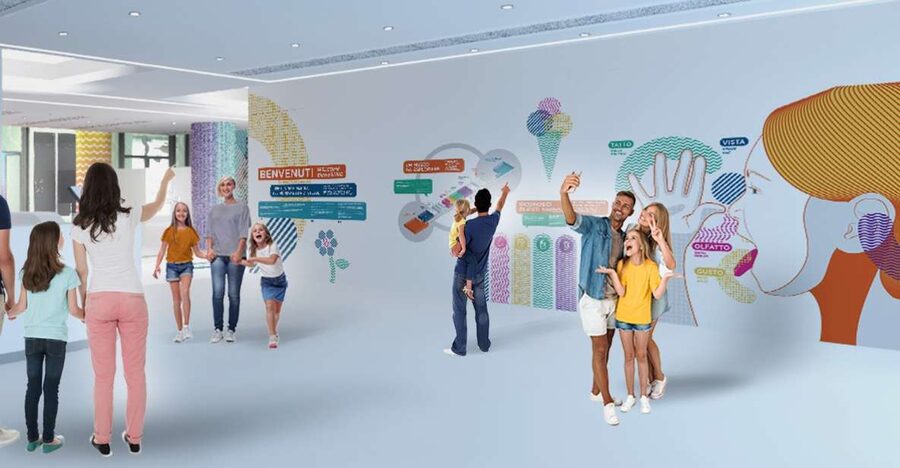
The stated duration is 1.5 hours. That is a reasonable planning figure, but you should not assume every family will need the full time.
A family visiting with two children aged seven and eight completed nearly everything in less than an hour, then made another circuit. The same family had expected the visit to last two to two and a half hours. That gap is important when judging the price.
You may stay longer if your children repeat activities, enjoy posing for photographs, or join a hearing workshop. Younger children may also spend more time in the construction area. Older children who quickly understand each activity may move on at a faster pace.
I would budget around 60 to 90 minutes, with the understanding that your own group could finish sooner. If you are pairing it with the Aquarium of Genoa, the shorter visit is less of a problem. If the museum is your main activity for the day, the limited size becomes more noticeable.
Is the construction zone right for your children?
The construction area adds another style of play, but its age fit may not be universal. It can be appealing for younger children who enjoy building and handling materials.
For children around seven or eight, it may feel a little too young. That does not ruin the visit, since the sensory rooms offer other activities, but it reduces the total time some families will spend in the museum.
This is one reason I would not choose the museum based on age alone. A curious seven-year-old who enjoys visual tricks, sound experiments, or photo props may have a good time. A child who wants complex science demonstrations or a large number of exhibits may find the museum limited.
The strongest part: learning without a lecture
The museum works best when you treat it as guided play. Children learn through action, repetition, and surprise. They can listen to sound waves, study reflections, examine shapes, think about taste buds, and test displays with their hands.
I appreciate that the hearing workshop adds some structure to the free play. A child can enjoy the bright rooms first, then take part in an activity that gives the visit a clearer educational point.
The displays are not described as polished, large-scale illusion attractions. One reason to keep expectations in check is that the concept may feel more appealing than the execution in some areas. The idea is strong, but not every display will feel equally impressive.
That balance is important. You are paying for an interactive family activity, not a major museum collection. If you value participation and easy access, the ticket makes more sense. If you want a large number of elaborate installations, you may feel shortchanged.
Price and value at $14 per person
At $14 per person, the museum sits in the range where visit length matters. For a child who spends 90 minutes experimenting, taking part in a workshop, and revisiting favorite displays, the price can feel fair. For a family that finishes in under an hour, it may feel high.
I would judge the ticket as part of a combined Genoa plan. Since the museum occupies the same building as the Aquarium of Genoa, you can avoid making a separate journey for a short activity. That convenience adds real value, especially on a family day when children need variety.
The museum also offers free cancellation up to 24 hours before the visit and a reserve-now, pay-later option. Those policies help if your schedule depends on weather, children’s energy, or the timing of another attraction.
The overall rating is 4.1 from 303 reviews, which fits my reading of the experience: generally enjoyable for young children, but not a must-see for every family. The most consistent praise centers on the sensory activities and the suitability for little ones. The main criticism concerns the small size and the price.
Practical tips for a smoother visit
Wear comfortable shoes and clothes. You will be walking between rooms, standing at displays, and moving around interactive areas. Bring water, particularly if you are combining the museum with another attraction.
The entrance is on the ground floor. Show your ticket when you arrive. Because the museum is in the Aquarium of Genoa building, check that you are heading to the children’s museum entrance rather than assuming every entrance serves both attractions.
Pets are not allowed. The museum is wheelchair accessible, which makes it a practical option for families who need step-free access.
Try to time your visit around a hearing workshop if that subject interests your children. The regular announcements make it possible to listen for the next start time without waiting at the activity from the beginning of your visit.
Finally, do not promise your children a two-hour attraction unless you are prepared for the possibility that they finish sooner. Have a second plan nearby, such as the aquarium, so the day does not depend on this one short stop.
Who should book the City of Children and Young Museum?
I would book this museum for families with younger children who like pressing buttons, testing things, looking at themselves in mirrors, and moving from one colorful activity to another. It is also a handy choice when you are already visiting the Aquarium of Genoa and want a shorter companion activity in the same building.
I would think twice if your children are older, prefer detailed science content, or expect a large museum filled with elaborate illusions. The five-senses idea is engaging, but the space may not hold attention for long.
For $14, the best value comes from combining the museum with other Genoa plans and taking advantage of the workshop schedule. If you want a compact, playful introduction to the senses, book it. If you need a full half-day attraction, choose something else or pair this visit with the aquarium.
FAQ
Where is the City of Children and Young Museum located?
The museum is in Genova, Liguria, in the same building as the Aquarium of Genoa.
How much does admission cost?
The entry ticket costs $14 per person.
How long does the visit last?
The stated duration is 1.5 hours. Some families may finish most of the activities in less than an hour, while others may stay longer by repeating displays or joining a workshop.
Can I visit the rooms in any order?
Yes. You can enter all five interactive themed rooms in any order.
What senses are included in the museum?
The experience focuses on sight, sound, smell, touch, and taste.
Is the museum wheelchair accessible?
Yes, the museum is wheelchair accessible.
What should I bring?
Bring comfortable shoes, water, and comfortable clothing.
Are pets allowed?
No. Pets are not allowed.
Can I cancel my booking?
Yes. You can cancel up to 24 hours in advance for a full refund.
Can I reserve now and pay later?
Yes. The reserve-now, pay-later option lets you book without paying immediately.
Just added around Genoa
- Genoa: Aquarium of Genoa & City of Children and Youth Ticket★ 4.5 · 258 reviews
- Genoa: Aquarium & Christopher Columbus’ House Entry Tickets★ 4.4 · 258 reviews
- City Sightseeing Genoa Hop-On Hop-Off Bus Tour★ 3.0 · 259 reviews
- Genova: Segway Tour★ 4.9 · 275 reviews
- Homemade Pasta and Pesto Class with a Local Chef in Genoa★ 5.0 · 305 reviews
- Genoa: Aquarium and FantaCinema Combined Ticket★ 4.6 · 314 reviews
- Taste Genoa: A Full Meal Walking Food Tour by Do Eat Better★ 5.0 · 509 reviews
- Guided Tour of Rolli Palaces UNESCO Site, Genoa★ 4.4 · 539 reviews
Museums, compared.

Vatican: Museums & Sistine Chapel Entrance Ticket
Read our review →
Vatican Museums & Sistine Chapel Tour with Optional Basilica
Read our review →
Vatican Museums, Sistine Chapel & St Peter’s Basilica Guided Tour
Read our review →
Skip-The-Line Uffizi Gallery Timed Entry Ticket
Read our review →
Vatican Museums, Sistine Chapel & Basilica Tour
Read our review →
Vatican Museums & Sistine Chapel Skip-the-Line Entry Ticket
Read our review →Vatican Museums, Sistine Chapel & Basilica Tour
Read our review →
Vatican Museums & Sistine Chapel Guided Tour
Read our review →Browse the lists this tour appears in