
Review · VENICE TOURS
Tour of The Real Hidden Venice
Venice rewards those who leave the main path. This two-hour walk takes you from quiet Cannaregio and the Jewish Quarter to the gondola makers and Rialto Bridge, mixing famous sights with corners you could easily miss. I like the small maximum group of 15 and the chance to hear about modern Venetian life, not just old stones and grand palaces. I also like that the walk ends near Rialto, where you can continue exploring, shop at the market, or stop for lunch.
The main drawback is that this is still a walking tour across bridges and uneven city streets. You need moderate fitness, and the starting point near Santa Lucia Station can be inconvenient if you arrive from a cruise ship or are staying near St. Mark’s Square. The guide’s speaking volume may also matter in a group, so ask questions if you cannot hear clearly.
In This Review
- Key points to know before booking
- Starting quietly at Campo San Geremia
- Crossing into the Jewish Quarter
- Following the calm canals of Cannaregio
- Madonna dell’Orto and Tintoretto’s Venice
- The Camel House and its old legend
- A glimpse of working Venice at Squero dei Muti
- Ponte Chiodo and Venice before modern railings
- Arriving at Rialto Bridge with better context
- Campo San Giacomo and the Rialto Market
- What the guides add to the walk
- Is $47.16 a fair price?
- Timing, walking, and practical details
- Who will enjoy The Real Hidden Venice?
- Should you book this Venice walking tour?
- FAQ
- Where does the tour start?
- Where does the tour end?
- How long does the tour last?
- How much does the tour cost?
- Is the tour offered in English?
- How large is the group?
- Is hotel pickup included?
- Is admission to Madonna dell’Orto included?
- Do I need good physical fitness?
- Can I cancel for a refund?
Key points to know before booking
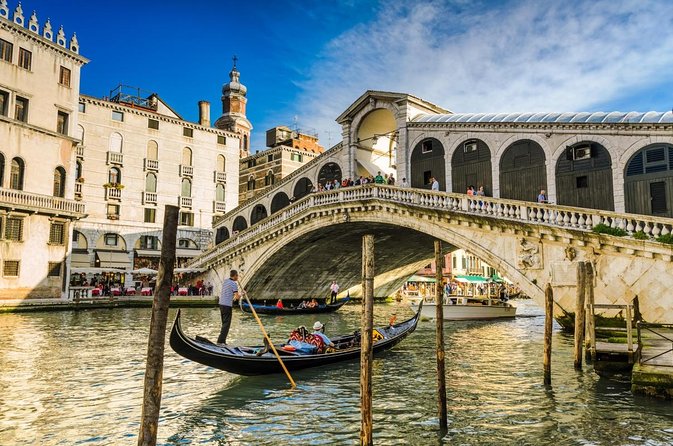
- Quiet Cannaregio first: You begin away from Venice’s thickest crowds, with canals, footbridges, and local streets setting the tone.
- Jewish Quarter context: The walk explains the origin of the word ghetto and gives you a closer look at one of Venice’s most important historic districts.
- Tintoretto and the Camel House: Madonna dell’Orto and Palazzo Mastelli add art, legends, and unusual details to the route.
- Small group format: The group tour has no more than 15 people, or you can choose a private option for a more personal pace.
- Rialto finish: The route ends at Rialto Bridge and Campo San Giacomo di Rialto, a useful place to continue your day.
- Good local advice: Guides such as Nico, Sebastiano, Giovanni, Matteo, Georgia, Michelle, and Thomas have been praised for food, transport, and sightseeing suggestions.
Starting quietly at Campo San Geremia
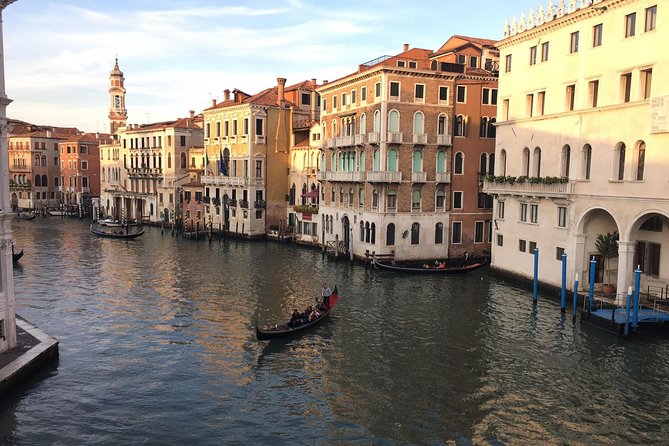
The meeting point is in front of Hotel Antiche Figure, at Fondamenta San Simeon Piccolo in Santa Croce. This is near the Venezia Santa Lucia Train Station area, but do not treat it as an automatic meeting point inside the station. Check the exact spot before the morning of your tour.
The walk begins in Campo San Geremia, a small square in Cannaregio. Instead of opening with Venice’s grandest postcard view, the guide starts with the unusual and comic story connected to the campo. That is a smart beginning. You get a local anecdote, a sense of place, and a reminder that Venice is more than palaces and gondolas.
The first stop is brief, about five minutes. It is not meant to be a major monument visit. Think of it as an orientation point before you cross into the quieter parts of the city.
I would arrive early. The meeting instructions are specific, and a little preparation matters in Venice, where a wrong bridge can turn a simple walk into a frustrating detour. You receive a city map, which is useful after the tour, especially when you want to retrace a canal or find your way back to the station.
A few more reviews worth comparing before you book
- Venice: Doge’s Palace Reserved Entry Ticket
★ 4.6 · 42,716 reviews - Venice: Grand Canal Gondola Ride with App Commentary
★ 4.1 · 18,908 reviews - Boat Trip: Glimpse of Murano, Torcello & Burano Islands
★ 4.3 · 15,699 reviews
Crossing into the Jewish Quarter
From the opening square, you cross Cannaregio’s quieter footbridges toward the Ghetto Ebraico. The stop lasts about 15 minutes and focuses on the Jewish quarter and the origin of the word ghetto.
This is one of the most meaningful parts of the walk because it gives you historical context tied to an actual neighborhood. The tour does not simply point at a building and move on. It explains how the district developed in the 1400s and connects that past with questions about Venice’s people, neighborhoods, and daily life.
You should expect to spend time standing while the guide explains the area. That is valuable if you want historical background, but it may feel slow if you prefer a nonstop walk. One person found the long stop tiring after an early start, so this is a good place to speak up if you need to keep moving.
The best guides make this section conversational. Nico has been praised for discussing not only the ghetto but also how Venice functions today, including water supply, transport, and ordinary routines. Those details are exactly what make a walking tour useful. You are not only looking at buildings. You are learning how a city built on water continues to work.
Following the calm canals of Cannaregio
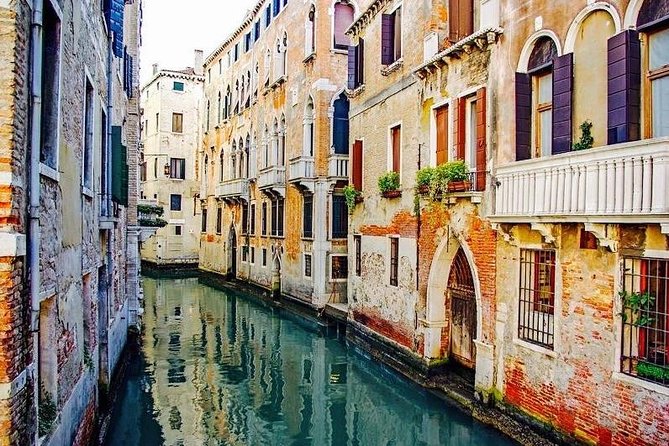
The longest section comes in Cannaregio, where you spend about 30 minutes around quieter canals. This is the part for slowing down and looking carefully.
You might notice how different these streets feel from the routes linking Santa Mark’s Square, the Doge’s Palace, and Rialto. The quiet is not an artificial attraction. It is simply the result of walking through residential parts of Venice that many first-time visitors skip.
The guide uses the canals to talk about the character of the district and life in the city today. Several guide-led walks are praised for showing places that would be difficult to find alone. That is the real value here. Venice is easy to wander in, but it is not always easy to understand. A local guide can point out the difference between a scenic corner, a working neighborhood, and a place with a story that is easy to miss.
This section should also suit photographers. You get canal views without the constant stream of people found near the main landmarks. Still, do not expect a long photo stop at every turn. The tour covers a lot in two hours, and the guide needs to keep the group moving.
Madonna dell’Orto and Tintoretto’s Venice
The route reaches the Church of the Madonna dell’Orto for about five minutes. The church is known for paintings by Tintoretto, one of Venice’s major artists.
The stop is short, so you should not expect a full museum-style art talk or an extended church visit. The point is to place the building within the neighborhood and show you an important work of Venetian art outside the most famous museum routes.
The original floor in front of the church is also noted as part of the visit. That small detail helps you look down as well as up. In Venice, the paving, bridges, doorways, and water lines often tell part of the story.
Admission to the church is not included. The tour information does not promise a full interior visit at every departure, so ask the guide what is possible on the day. If seeing Tintoretto’s paintings is a main reason for booking, allow for the possibility that the stop will be brief.
A different sort of day out around Venice:
- Venice: Grand Canal by Gondola with Live Commentary
★ 4.1 · 13,681 reviews - Venice: La Fenice Opera House Entry Ticket with Audio Guide
★ 4.6 · 11,742 reviews - Doge’s Palace & St. Mark’s Basilica with Terrace Access Tour
★ 4.7 · 10,697 reviews - Venice: Burano, Torcello & Murano Boat Tour w/Glassblowing
★ 4.4 · 10,245 reviews
The Camel House and its old legend
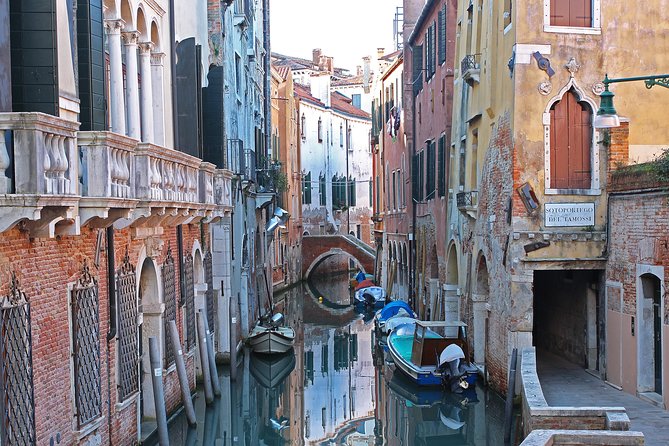
Next comes Palazzo Mastelli, also called the Camel House. You spend around five minutes learning the legend connected with this old palace and admiring its striking facade.
This is one of the route’s most entertaining details. The building’s nickname gives you an easy visual clue, and the story helps turn an ordinary walk through Cannaregio into a hunt for small details. You may find that these brief stops stay with you longer than another grand facade because they give the street a bit of personality.
The guide’s storytelling style matters here. Reports about guides such as Matteo, Sebastiano, and Nick praise humor, clear explanations, and stories linked to what you are seeing. That combination works well in Venice. A list of dates can blur together, but a palace legend tied to a real facade is easier to remember.
A glimpse of working Venice at Squero dei Muti
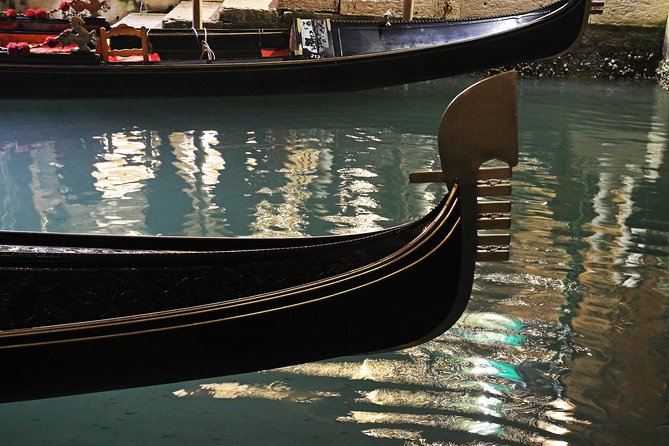
The route then passes Squero dei Muti, an old gondola factory. The stop lasts about five minutes, and the point is to admire the workshop rather than take part in a hands-on building session.
This is a useful counterpoint to the polished gondolas waiting along the Grand Canal. You get a glimpse of the craft behind the famous boats and a reminder that Venice is still a working city, not only an open-air stage for sightseeing.
The tour does not say that you enter the factory or watch a full construction demonstration. Treat it as an outside look unless the guide tells you otherwise. Even so, it adds a practical layer to the gondola story and gives you something different from the usual ride or photo stop.
Ponte Chiodo and Venice before modern railings
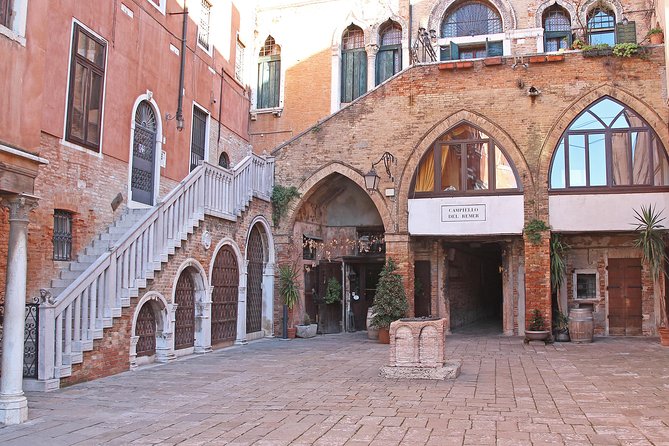
Ponte Chiodo is another quick stop, about five minutes. It is presented as an original bridge from the Venetian Republic and is notable for its unusual design.
This is the kind of small feature that makes the tour worthwhile for curious walkers. Famous bridges get all the attention, but lesser-known bridges show how people once moved through the city. You can compare the bridge’s form with the many more familiar crossings you will use later.
Because the stop is brief, listen for the specific point the guide wants you to notice. The route is not designed for long independent study at every location. It is a guided thread through several neighborhoods, with enough explanation to make future wandering more rewarding.
Arriving at Rialto Bridge with better context
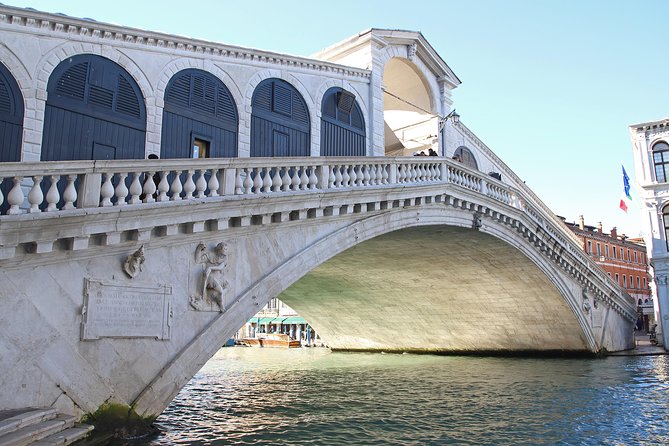
The grand finish is Ponte di Rialto, the first bridge built across the Grand Canal. You spend about 15 minutes hearing stories, legends, and traditions connected with the 16th-century landmark.
By reaching Rialto from the quieter side of Venice, you see the bridge after experiencing a very different pace. That contrast is useful. Rialto is impressive, but it can also be crowded and noisy. The guide gives you a few stories to notice beneath the traffic of people and boats.
The tour does not include a special entrance or reserved access because the bridge is a public landmark. Its value comes from interpretation and orientation. You learn what you are looking at, then you can return later for your own photographs or explore the surrounding streets without needing to follow the group.
The ending is practical. You finish near Rialto Bridge rather than back at the starting point, so you are already close to one of Venice’s main central areas. That makes it easy to continue to the market, find a cafe, or walk toward other sights.
Campo San Giacomo and the Rialto Market
After the bridge, the tour continues to Campo San Giacomo di Rialto for about ten minutes. This area is described as the first inhabited island of Venice, giving the guide another chance to connect the city’s earliest development with the streets under your feet.
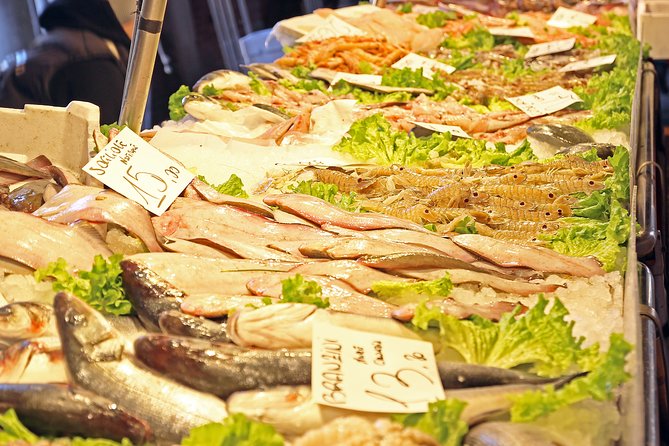
The final stop is the Rialto Market, the old trade center of La Serenissima. You spend about 15 minutes here. The market gives the tour a fitting finish because it shifts attention from noble palaces and religious art to commerce, food, and the practical life that helped Venice grow.
Do not confuse this with a food tour. There is no food tasting included, and the guide does not promise a market shopping experience. Instead, you get historical context and a useful location for continuing your day.
Several guides have offered restaurant and bar suggestions at the end. That can be especially helpful here, when you are close to places to eat but may not know which streets suit your budget or style. Treat the advice as an added benefit, not a guaranteed part of every departure.
What the guides add to the walk
The guide is the main variable in a tour like this. The strongest feedback highlights warmth, humor, local knowledge, and the ability to answer questions. Nico is praised for making the walk feel personal, while Sebastiano is noted for explaining Venice’s six districts and relating historical facts to modern life.
Other named guides, including Giovanni, Matteo, Georgia, Michelle, Nick, Thomas, and Sebastian, have also been praised for clear explanations and helpful recommendations. The names matter less than the pattern: the experience depends heavily on having someone who can tell a story naturally and keep a small group involved.
You should ask questions. One less favorable experience felt too general because the guide gave more detail only after specific questions. That is useful advice. Ask about local transport, water systems, neighborhood changes, food, or the buildings you pass. A good guide can often make the tour far more personal when you show what interests you.
Group size is limited to 15 people. That is small enough for questions, but it is not the same as a private walk. If you want the guide’s full attention, a private option may be worth the additional cost. One private walk was especially valued for restaurant advice, picture spots, and a slower sense of personal contact.
Is $47.16 a fair price?
At $47.16 per person, this is not the cheapest way to walk around Venice, but the price is reasonable if you use the tour as an introduction rather than a simple stroll.
You are paying for about two hours with a local guide, a city map, local taxes, and a planned route through several areas that are easy to miss. The tour includes no major admission fees, and the church admission is not included, so the value rests mainly in the explanation, route design, and local advice.
I think the price works best on your first or second day in Venice. You get a map in your head, learn where Cannaregio and the Jewish Quarter sit, and finish near Rialto. Later, you can return to the places that caught your attention.
A private option can make better financial sense for a family or small group that wants to ask many questions. For solo visitors and couples, the regular group offers a good balance between price and personal contact.
Timing, walking, and practical details
The tour lasts about two hours, but allow extra time before and after for reaching the meeting point and continuing from Rialto. The route crosses bridges and includes a fair amount of walking, so comfortable shoes are important.
Children must be accompanied by an adult. The activity requires moderate physical fitness. It is not described as wheelchair accessible, and the bridge crossings and walking route may be difficult for anyone with mobility concerns.
This point deserves careful planning if you arrive by cruise ship. One person could not join because reaching the starting point from a drop-off near St. Mark’s Square required a long walk. If you are staying outside central Venice or arriving by water taxi, check your arrival point before booking.
Day visitors may also need to pay Venice’s €5 access fee on certain dates. Check the official city access website for current dates and exemptions. This charge is separate from the tour price.
The experience requires good weather and a minimum number of participants. If the operator cancels for either reason, you are offered another date or experience, or a full refund. You can cancel for a full refund up to 24 hours before the start time, but later cancellations and changes are not refunded.
Who will enjoy The Real Hidden Venice?
I would recommend this walk to you if you want a better sense of Venice beyond St. Mark’s Square. It suits first-time visitors who want orientation, history fans who like neighborhood stories, and returning visitors looking for quieter canals and less familiar bridges.
It is also a good fit if you enjoy asking questions. The guides often provide useful suggestions for restaurants, bars, transport, Murano, and later sightseeing.
You may want a different experience if you need a fully accessible route, dislike standing while listening, or want extensive interior visits. The tour passes important sites, but most stops are outside and brief. It is a city walk with interpretation, not a museum tour.
Should you book this Venice walking tour?
Book it if you want two focused hours that connect Venice’s past with the city you see today. The strongest reasons are the small group, the quiet Cannaregio route, the Jewish Quarter, the gondola workshop, and the practical finish near Rialto.
I would book it early in your stay, then use the map and advice to shape the rest of your visit. Choose the private option if personal questions and a flexible pace matter more than keeping the price low.
Skip it if your priority is entering major monuments, avoiding bridges, or seeing Venice only through its headline attractions. For most curious walkers, though, this is a worthwhile way to get beyond the obvious route without giving up Rialto Bridge and the city’s best-known stories.
FAQ
Where does the tour start?
It starts in front of Hotel Antiche Figure at Santa Croce, 687 Fondamenta San Simeon Piccolo, near the Venezia Santa Lucia Train Station area.
Where does the tour end?
The walk ends near Rialto Bridge, at Ponte de Rialto. It also includes Campo San Giacomo di Rialto and the Rialto Market near the end.
How long does the tour last?
The walking tour lasts approximately two hours.
How much does the tour cost?
The listed price is $47.16 per person.
Is the tour offered in English?
Yes. The tour is offered in English.
How large is the group?
The group tour has a maximum of 15 participants. A private option is also available.
Is hotel pickup included?
Pickup and drop-off at your hotel are not included. The tour includes pickup in front of Hotel Antiche Figure, so check the meeting instructions carefully.
Is admission to Madonna dell’Orto included?
No. Admission to the Church of Madonna dell’Orto is not included.
Do I need good physical fitness?
Yes. A moderate level of physical fitness is required because the experience involves walking and crossing Venetian footbridges.
Can I cancel for a refund?
You can cancel at least 24 hours before the start time for a full refund. Cancellations or changes made less than 24 hours before the start time are not refunded.
Just added around Venice
- Hard Rock Cafe Venice with Set Lunch or Dinner★ 4.0 · 251 reviews
- Venice Food Tour with 6+ Tastings with Cicchetti, Spritz & More★ 5.0 · 251 reviews
- Venice: Rooftop Terraces Tour with Prosecco★ 4.8 · 257 reviews
- Skip the Line Venice Doge’s Palace and St. Mark’s Basilica Tour★ 4.0 · 263 reviews
- Venice 3,5 hrs tour: Doge’s Palace, St Mark’s and Hidden Gems★ 4.5 · 264 reviews
- Venice: The Ultimate Food Tour with Wine & Spritz★ 4.9 · 264 reviews
- Venice Walking Tour and Gondola Ride Combo★ 4.4 · 266 reviews
- Venice: Sunset Cruise by Typical Venetian Boat★ 4.7 · 268 reviews
Venice Tours, compared.
Grand Canal Gondola Ride with App Commentary
Read our review →
Boat Trip: Glimpse of Murano, Torcello & Burano Islands
Read our review →
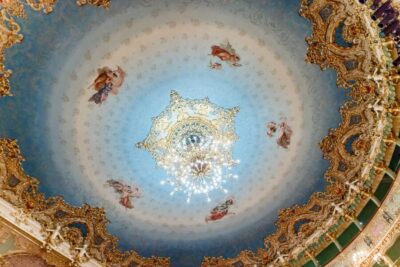
La Fenice Opera House Entry Ticket with Audio Guide
Read our review →
Doge’s Palace & St. Mark’s Basilica with Terrace Access Tour
Read our review →
Burano, Torcello & Murano Boat Tour w/Glassblowing
Read our review →
Murano and Burano Boat Tour with Glass Factory Visit
Read our review →Browse the lists this tour appears in