
Review · MURANO & BURANO TOURS
Murano: Glass Factory Experience with Tour and Demonstration
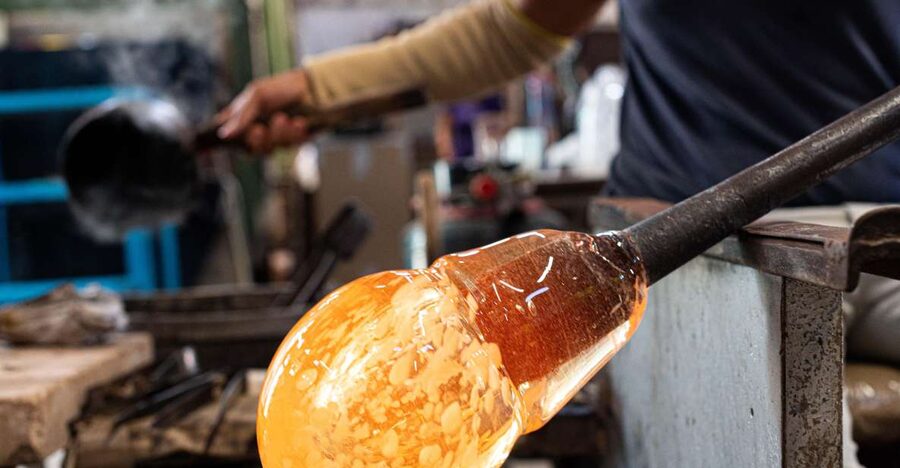
Glass becomes art in minutes. At Vetreria Artistica Colleoni on Murano, you watch a glass master shape hot glass into a bowl and a small animal while a guide explains the work in English, French, or Italian. I like the live craftsmanship and the chance to see two different techniques rather than only looking at finished pieces. I also like the €10 shop credit per adult, which makes the $11 price feel practical, not just symbolic. The main drawback is the short 20-minute format, and some people found the factory warm or the spoken explanation hard to hear.
This is a focused stop, not a full museum visit or a long workshop. You meet at the factory five minutes early, watch the demonstration from seating, then continue into a gallery filled with chandeliers, sculptures, jewelry, and smaller souvenirs. I would treat it as a good introduction to Murano glass, especially if you are already visiting Murano and want to understand how the objects are made.
In This Review
- Key points to know before you go
- Arriving at Vetreria Artistica Colleoni
- The first demonstration: hot glass shaped by breath
- The second demonstration: turning glass into animals
- The factory gallery: where the €10 credit matters
- Why the short 20-minute format works
- Value at about $11 per person
- A good choice for families and first time visitors
- Practical tips for a smoother visit
- Should you book the Murano glass factory visit?
- FAQ
- How long does the Murano glass factory experience last?
- What happens during the demonstration?
- Is the €10 credit included?
- Where is the meeting point?
- Is transportation to Murano included?
- Which languages are available?
- Is the activity wheelchair accessible?
Key points to know before you go
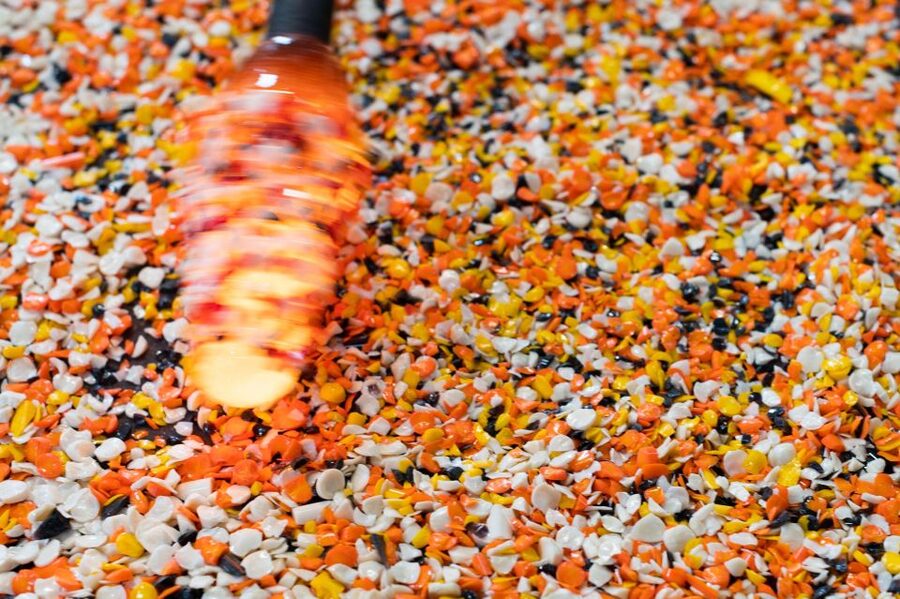
- Two glass techniques appear in one short visit: Watch the master use blowing to create an object, then use a sculpting technique to form a glass animal.
- The €10 credit changes the value: Each adult receives €10 toward a purchase in the factory gallery, including lower-priced souvenirs.
- The demonstration is only about 20 minutes: It is easy to fit into a Murano outing, but too brief for anyone expecting a detailed workshop or extended history talk.
- The guide speaks three languages: Tours are offered in English, French, and Italian, with some guides explaining while the artisans work.
- Families have plenty to watch: Children and teenagers can see recognizable objects take shape quickly, including bowls, horses, and other animals.
- The factory is the meeting point: Transportation to and from Murano is not included, so you need to arrange your own way to Fondamenta S. Giovanni dei Battuti 12.
Arriving at Vetreria Artistica Colleoni
The experience begins at Vetreria Artistica Colleoni Snc, at Fondamenta S. Giovanni dei Battuti, 12, 30141 Venezia VE, Italy. You are asked to arrive five minutes before the scheduled start, which is sensible because the factory itself is the meeting point.
The practical challenge is finding the right building. One visitor said it took quite a bit of walking to reach the factory, and another had trouble locating the correct place before the visit went well. I would allow extra time on Murano rather than aiming to arrive at the last second. Since transportation is not included, your planning starts before the demonstration does.
The activity is wheelchair accessible. The guide service is available in English, French, and Italian, so you should select a starting time that suits your day and confirm the language offered when booking.
This is not a broad island tour. You do not get transportation, a walking tour of Murano, or a visit to several workshops. You arrive at one working glass factory and see its demonstration and sales gallery. That narrow focus is useful if you want a clear, uncomplicated look at the craft.
More Murano and Burano island runs:
- Boat Trip: Glimpse of Murano, Torcello & Burano Islands
★ 4.3 · 15,699 reviews - Venice: Burano, Torcello & Murano Boat Tour w/Glassblowing
★ 4.4 · 10,245 reviews - Venice: Murano and Burano Boat Tour with Glass Factory Visit
★ 4.2 · 9,527 reviews
The first demonstration: hot glass shaped by breath
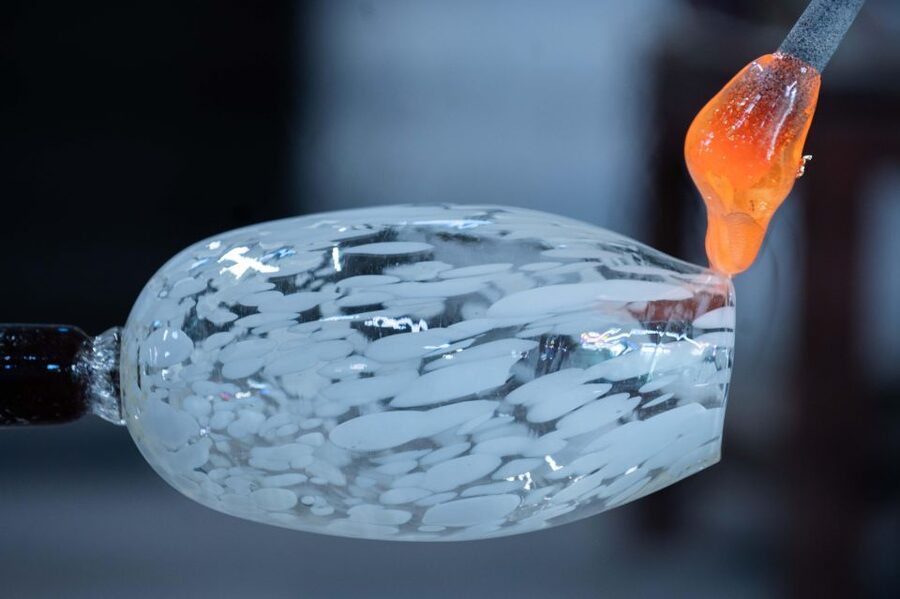
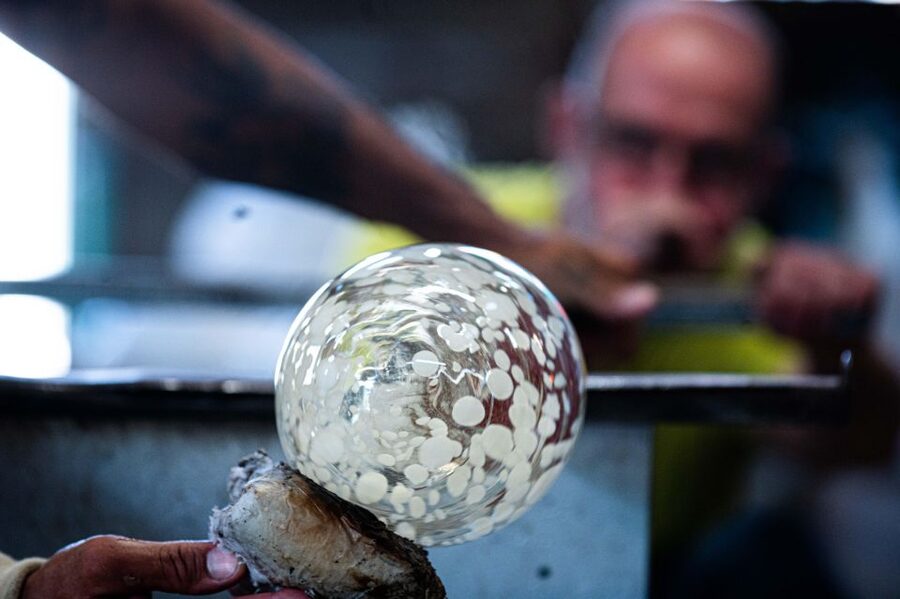
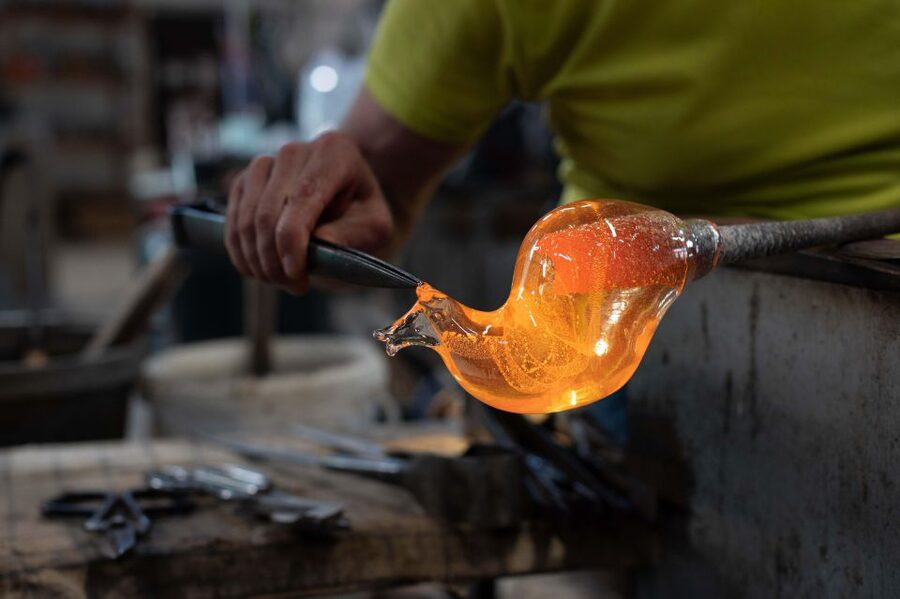
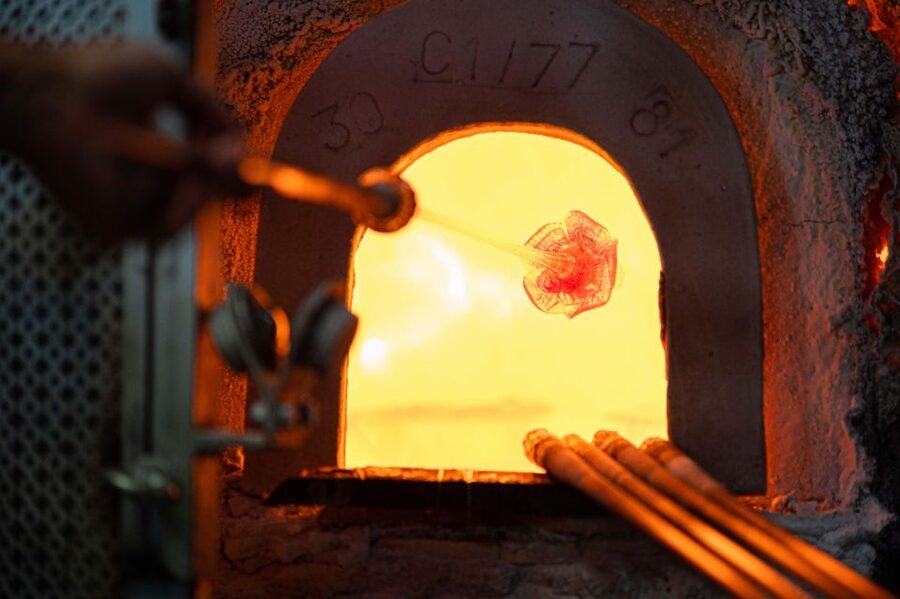
The demonstration begins with a glass master working with the blowing technique. A glowing piece of glass is shaped into an object, with the guide explaining what is happening as the artisan works.
The appeal is watching decisions happen in real time. A finished Murano bowl can look smooth and effortless in a display case. Here, you see that it begins as a hot, workable mass that must be controlled quickly. The master handles the material with speed and precision, and the short format keeps the action moving.
Several visitors specifically enjoyed seeing a bowl created. One account described a large custom vase, about 24 inches tall, made with different colors and shapes. That does not mean every session includes a vase of that size, but it gives you a sense of the range of objects that may appear during a demonstration.
The scale of the work can vary. You might see a simple bowl or another vessel, while a different session could include a larger decorative piece. The important part is the process, not a guaranteed object. The activity description promises an object made with blowing, not a specific design.
The guide’s commentary adds useful context, especially for viewers who know little about glassmaking. Some guides have explained in several languages during the demonstration and answered questions along the way. One particularly praised guide, Fabio, was described as friendly and helpful, while another guide, Nico, was appreciated for giving context during the factory visit. A guide who can keep talking while the artisan works makes the demonstration easier to follow.
There is one practical limitation: the factory can be hot. One June visit was described as very warm inside. That is hardly surprising in a working glassmaking space, but it matters if you are sensitive to heat or planning a long day in summer. The viewing area has seating, which helps, and one family noted that everyone could see comfortably from their seats.
The second demonstration: turning glass into animals
The second part uses a sculpting technique to create a glass animal. A horse is mentioned often, but the description refers more generally to glass animals, so the exact figure may vary.
This is often the most memorable moment for families. A bowl is attractive, but a recognizable animal gives children an immediate sense of what the artisan is doing. Several families found the demonstration entertaining for young children, including a three-year-old, while teenagers enjoyed watching several creations appear in one session.
The master works quickly. One visitor called attention to how fast the artisans are, and that speed is part of the spectacle. You see the glass change shape before you have time to study every movement. The guide’s explanation helps, but you may want to focus on the artisan’s hands and tools rather than trying to record every word.
The two techniques also make the visit more worthwhile than a single repeated action. Blowing shows how air and shaping create a vessel. Sculpting shows how a skilled hand can pull and form hot glass into a figure. In only 20 minutes, you get a small but clear lesson in how different finished objects begin.
The room may not be perfectly quiet. One person found it difficult to hear the guide, even though the demonstration itself remained enjoyable. If you are sitting near the edge or in a larger group, watch the guide when possible and listen closely during the explanation. The visual action carries much of the experience, so a missed sentence does not ruin the visit, but the commentary may be harder to catch than expected.
The factory gallery: where the €10 credit matters
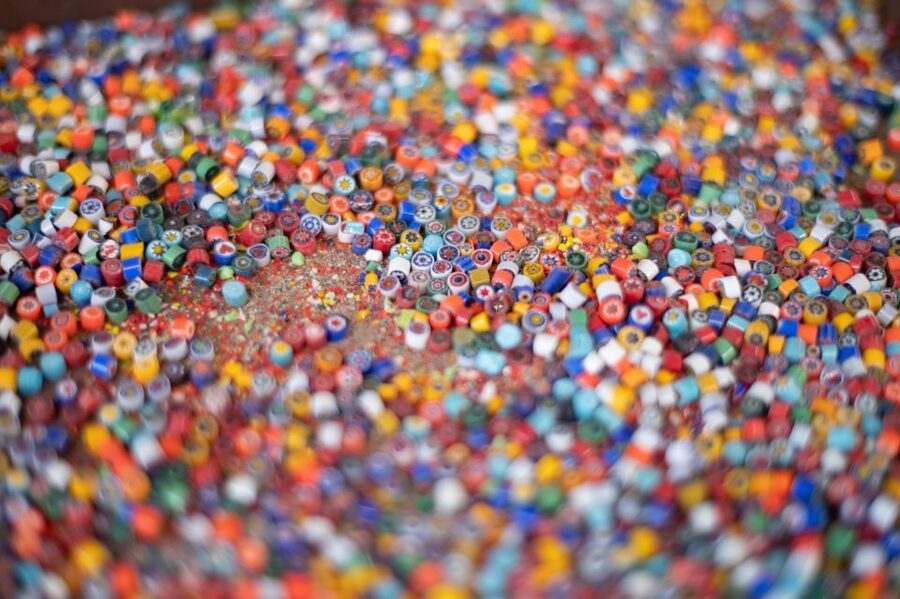
After the working demonstration, you continue into the shop and gallery. This is where you see what the techniques can become on a much larger scale.
The collection includes chandeliers, sculptures, jewelry, ornaments, and other glass pieces. The displays can feel more impressive after you have just watched the artisans work. You now recognize the labor behind the polished surfaces, delicate details, colors, and forms.
The gallery is also the practical part of the visit. Each adult receives a €10 credit toward a purchase at the factory. At a price of about $11 per person, that credit covers much of the admission cost if you want a small souvenir.
The credit is not limited to one large item. Several accounts point out that smaller pieces are available, making it possible to use the full amount even if you do not have space or budget for a chandelier or major sculpture. One person found older pieces from a classic collection, including designs that were no longer being made. That kind of selection can make the gallery more interesting than a standard souvenir shop.
You should read the credit as a discount toward a purchase, not as an automatic gift. The wording says you receive a €10 credit on purchases made at the factory. If an item costs more, you pay the difference. If you are hoping to take home a major artwork, the credit will only reduce the total. If you are happy with jewelry or a small ornament, it can bring your out-of-pocket cost down considerably.
The gallery may encourage additional spending. That is not unusual for a factory demonstration connected to a showroom, so decide before you enter how much you want to spend beyond the credit. I like having the choice, because you can simply use the allowance on a modest piece, but you should not feel that buying an expensive item is required to justify the visit.
Some people enjoyed negotiating with cash, but that practice is not presented as an official feature of the activity. I would regard it as an individual shopping tip, not something to count on. The reliable benefit is the stated €10 credit.
A few more reviews worth comparing before you book
- Venice: Doge’s Palace Reserved Entry Ticket
★ 4.6 · 42,716 reviews - Venice: Grand Canal Gondola Ride with App Commentary
★ 4.1 · 18,908 reviews - Venice: Grand Canal by Gondola with Live Commentary
★ 4.1 · 13,681 reviews - Venice: La Fenice Opera House Entry Ticket with Audio Guide
★ 4.6 · 11,742 reviews
Why the short 20-minute format works
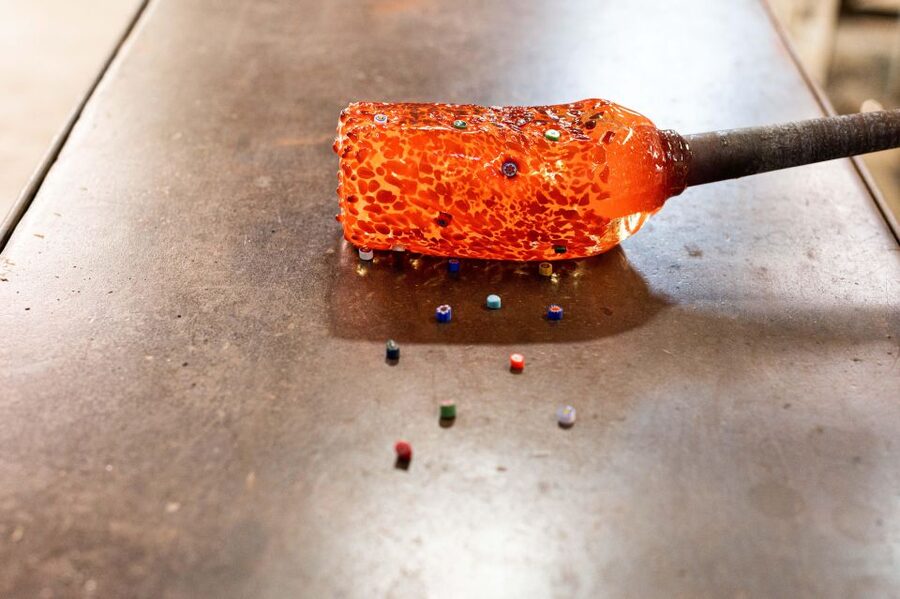
Twenty minutes is enough time to see the key actions without taking over your day. If you are combining Murano with other island stops, this visit can fit neatly between ferry connections, lunch, or a walk along the canals.
The short length also keeps children engaged. Young viewers do not have to wait through a long lecture before seeing the glass take shape. The guide explains the process, the master works, and then you see the gallery. The sequence is simple and brisk.
The same length is the main weakness. You will not receive a full account of Murano’s glassmaking tradition, a technical class, or a long conversation with the artisans. One thoughtful visitor enjoyed the demonstration but wished for more information about the company, its story, and what makes Murano glass distinctive.
That is a fair criticism. If you want cultural background, you may need to learn more elsewhere. This experience teaches through watching rather than through a long historical presentation. I would book it for the visual encounter, then treat the gallery and the island itself as opportunities to add context.
The demonstration may also feel more like a presentation than a behind-the-scenes factory tour. You see the artisans at work and learn about the production process, but the supplied information does not promise access to every part of the facility. Keep your expectations centered on the live glassmaking and gallery visit.
Value at about $11 per person
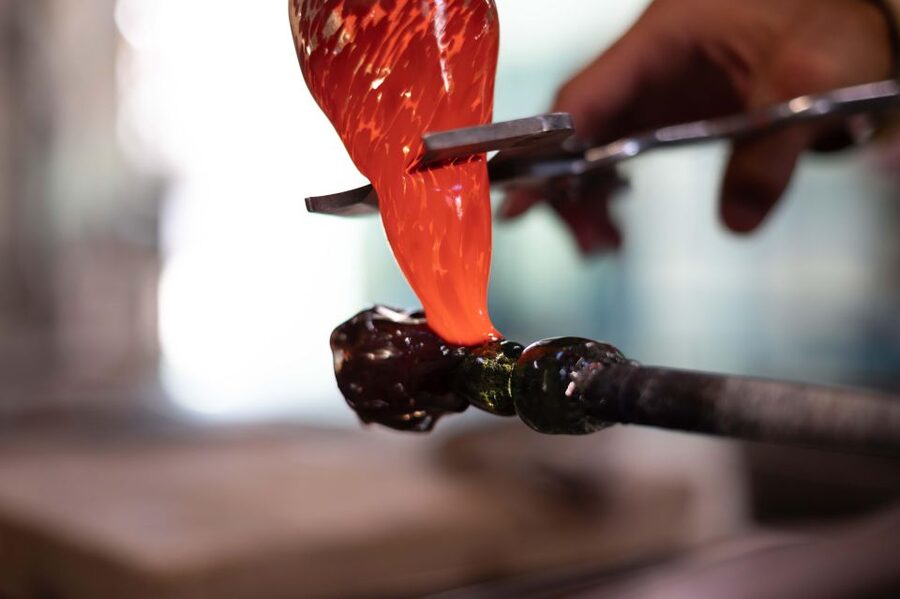
The price is roughly $11 per person, with a €10 credit for each adult. Currency exchange rates vary, but the basic value is clear: most of the admission can be applied to something you actually take home.
Even if you do not buy anything, you are paying for a short live demonstration with a guide. That is a reasonable cost for an activity that shows a traditional skill directly instead of presenting only finished glass behind glass cases.
The value improves for families and groups who plan to buy small souvenirs. A family can combine the adult credits toward eligible purchases, though the information provided specifically describes the credit as €10 per adult. Check the exact booking terms for children before you assume a child’s ticket includes the same amount.
I would not choose this activity solely as a shopping strategy. The best reason to go is to watch the artisans. The credit is a useful bonus that softens the cost and gives you a reason to browse the gallery afterward.
The 4.4 rating from more than 2,000 bookings suggests broad satisfaction, and the strongest praise centers on the same points: the skill of the glass masters, the clear demonstration, the friendly guides, the gallery, and the credit. The less positive points are also consistent: the visit is short, the factory can be hot, and the commentary may be difficult to hear at times.
A good choice for families and first time visitors
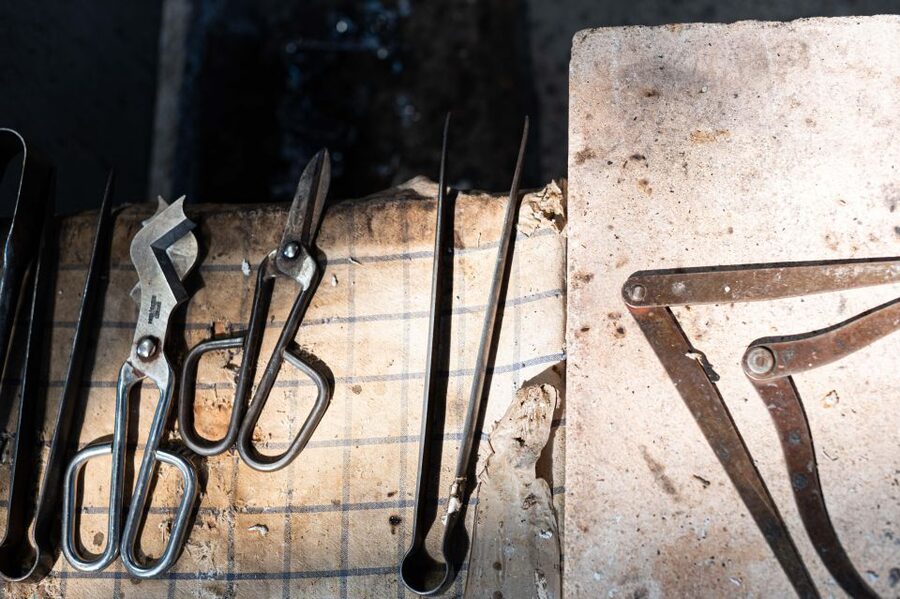
I would recommend this for families with children, couples who want a practical Murano stop, and anyone seeing glassmaking for the first time. The animal sculpture gives children something easy to understand, while the bowl or vase shows the more traditional side of the craft.
It also suits visitors who enjoy handmade objects but do not want to commit to a long guided program. You can watch the artisans, ask questions if time allows, and then decide if any piece in the gallery deserves space in your luggage.
The experience may feel too basic if you have already visited several Murano glassmakers or want a serious technical study. One person who had seen other workshops still preferred this demonstration, largely because the guide presented it well, but the activity itself remains compact.
I would also think about your schedule. If getting to Murano requires a complicated connection or you have only a few hours on the island, allow time to locate the factory. The demonstration lasts 20 minutes, but the full outing includes your journey to the meeting point and time in the gallery.
Practical tips for a smoother visit
Arrive at least five minutes early, as requested. In practice, allow more time if you are unfamiliar with Murano or the address.
Keep the meeting point details handy: Vetreria Artistica Colleoni Snc, Fondamenta S. Giovanni dei Battuti, 12. The factory is not simply a general area on the island, and arriving at the wrong glass shop could make a short activity even shorter.
Expect heat inside the working area, especially during warm weather. Wear clothing that feels comfortable indoors and do not plan on the assumption that the factory will feel like an air-conditioned museum.
Listen closely when the guide begins. English, French, and Italian are available, but the room can make speech harder to catch. You can still enjoy the visual part if you miss a few words, yet the explanation is worth following.
Plan a little time for the gallery rather than rushing away as soon as the demonstration ends. The €10 credit is part of the value, and smaller pieces may be available if you want a manageable souvenir.
Finally, decide your spending limit before you browse. Murano glass can range from modest jewelry and ornaments to large decorative works. The credit helps, but it does not turn every piece into a bargain.
Should you book the Murano glass factory visit?
I would book it if you want a short, affordable look at real glassmaking while visiting Murano. The combination of blowing, animal sculpting, a multilingual guide, seating, and a €10 adult credit gives you a lot for about $11.
I would skip it only if you expect a long factory tour, a detailed history of Murano glass, or hands-on instruction. For everyone else, especially families and first time visitors, it is an easy way to see why these objects cost what they do. Watch the master’s hands, enjoy the speed of the work, then use the credit only if the gallery contains something you truly like.
FAQ
How long does the Murano glass factory experience last?
The experience lasts 20 minutes.
What happens during the demonstration?
A glass master creates an object using the blowing technique. You then watch a sculpting demonstration in which the artisan creates a glass animal.
Is the €10 credit included?
Yes. Each adult receives a €10 credit toward a purchase at the glass factory gallery.
Where is the meeting point?
The meeting point is Vetreria Artistica Colleoni Snc, Fondamenta S. Giovanni dei Battuti, 12, 30141 Venezia VE, Italy.
Is transportation to Murano included?
No. Transportation to and from Murano is not included.
Which languages are available?
The live guide is available in English, French, and Italian.
Is the activity wheelchair accessible?
Yes, the activity is wheelchair accessible.
Just added around Venice
- Hard Rock Cafe Venice with Set Lunch or Dinner★ 4.0 · 251 reviews
- Venice Food Tour with 6+ Tastings with Cicchetti, Spritz & More★ 5.0 · 251 reviews
- Venice: Rooftop Terraces Tour with Prosecco★ 4.8 · 257 reviews
- Skip the Line Venice Doge’s Palace and St. Mark’s Basilica Tour★ 4.0 · 263 reviews
- Venice 3,5 hrs tour: Doge’s Palace, St Mark’s and Hidden Gems★ 4.5 · 264 reviews
- Venice: The Ultimate Food Tour with Wine & Spritz★ 4.9 · 264 reviews
- Venice Walking Tour and Gondola Ride Combo★ 4.4 · 266 reviews
- Venice: Sunset Cruise by Typical Venetian Boat★ 4.7 · 268 reviews
Murano & Burano Tours, compared.

Boat Trip: Glimpse of Murano, Torcello & Burano Islands
Read our review →
Burano, Torcello & Murano Boat Tour w/Glassblowing
Read our review →
Murano and Burano Boat Tour with Glass Factory Visit
Read our review →
Murano, Burano and Torcello Half-Day Sightseeing Tour
Read our review →
Murano & Burano Islands Guided Small-Group Tour by Private Boat
Read our review →
Murano & Burano Panoramic Boat Tour w/ Glassblowing
Read our review →
Murano, Burano, Torcello, and Glass Factory Tour
Read our review →
Venice Islands: Murano Glass & Burano Colors Guided Visit
Read our review →Browse the lists this tour appears in